Next Review: August 2027, or sooner if major diabetes or weight management guidance changes
Written and Source Checked By: Adel Galal, Founder and Lead Writer at NextFitLife
Medical Review Status: This article has not been medically reviewed by a doctor, endocrinologist, registered dietitian, pharmacist, or diabetes educator.
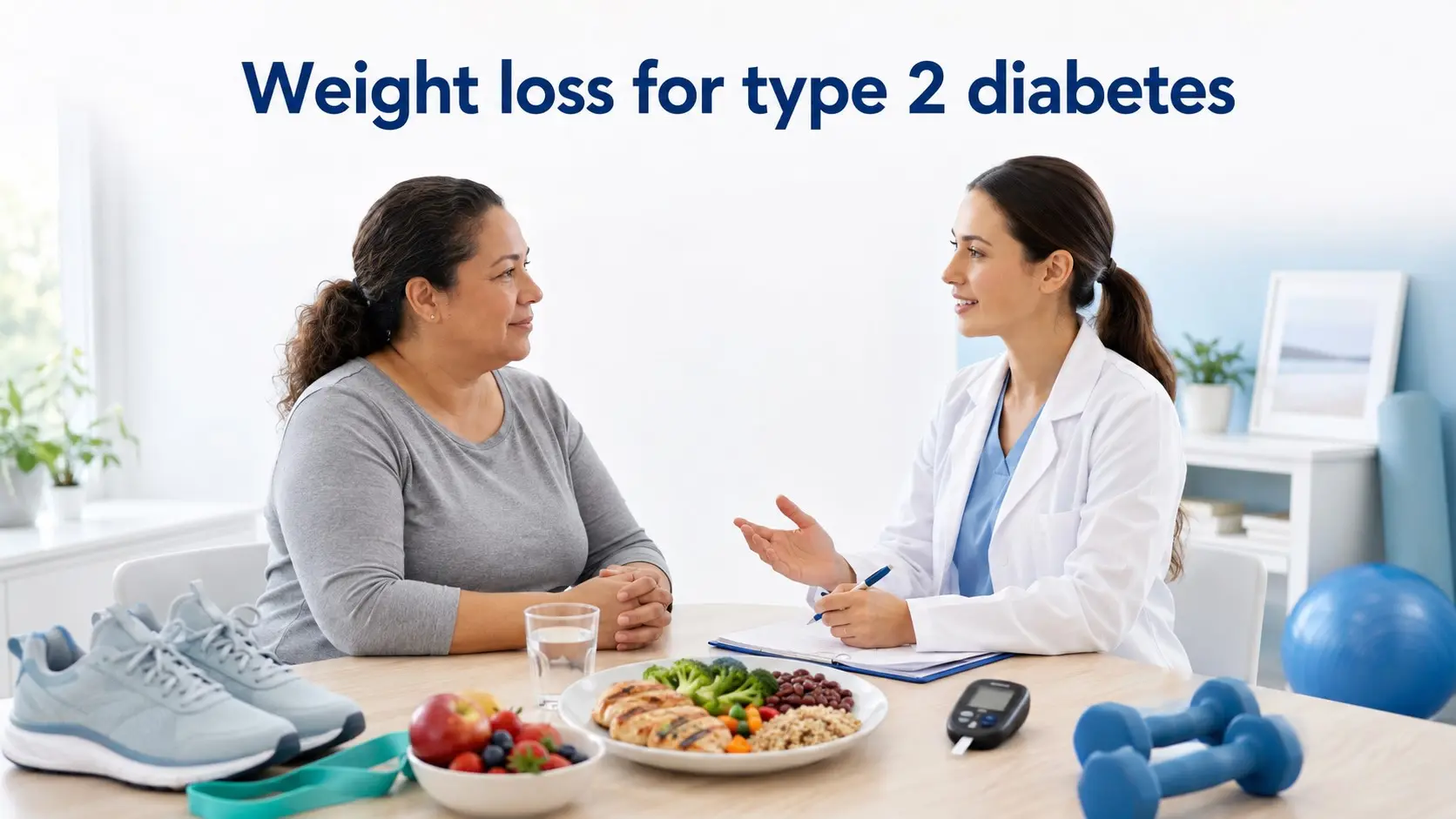
Weight loss for type 2 diabetes can improve blood sugar, blood pressure, movement, and overall health for many people who have excess weight.
You do not need a crash diet.
You do not need to remove every carbohydrate.
You do not need hours of exercise each day.
For many adults with type 2 diabetes and overweight or obesity, even modest weight loss can improve health.
Greater sustained weight loss may bring greater benefits for some people.
But diabetes makes weight loss more complex than simply eating less.
Your medicines matter.
Your glucose matters.
Your kidneys matter.
Your heart matters.
Your food quality matters.
If you want a broader overview of glucose, medicines, A1C, complications, food, and physical activity, start with our Diabetes and Blood Sugar Management Hub.
You can also read our complete Type 2 Diabetes guide for a deeper explanation of insulin resistance, diagnosis, treatment, and complication prevention.
Important: Speak with your diabetes care team before making a major change to food intake, fasting, or exercise if you use insulin or another medicine that can cause hypoglycemia.
Weight loss and increased activity can change your medicine needs.
Do not change your dose on your own.
What Is the Best Way to Lose Weight With Type 2 Diabetes?
The best plan is one you can follow for a long time.
Safe weight loss for type 2 diabetes usually combines nutritious food, a manageable calorie deficit, movement, strength exercise, sleep, and safe diabetes treatment.
There is no single perfect diabetes diet.
Your plan should fit your health, medicines, culture, budget, food preferences, and daily life.
If you want to understand why body fat decreases when energy intake stays below energy use over time, read How Weight Loss Works.
For the bigger picture on sustainable fat loss, plateaus, metabolism, food choices, and lifestyle habits, visit our Weight Loss and Metabolism Hub.
Why Can Weight Loss Help Type 2 Diabetes?
Many people with type 2 diabetes have insulin resistance.
This means the body does not respond to insulin as well as it should.
Losing excess body fat may improve how the body responds to insulin.
This may improve blood glucose control.
It may also improve:
- A1C
- Blood pressure
- Triglycerides
- Cholesterol
- Mobility
- Sleep
- Energy
Weight management is only one part of diabetes care.
Heart health, kidney health, eye care, foot care, medicines, and regular testing still matter.
Our Diabetes and Blood Sugar Management Hub brings all of those topics together in one place.
Can Weight Loss Cure Type 2 Diabetes?
Do not use the word cure.
Some people can reach diabetes remission.
This may happen after substantial and sustained weight loss.
But diabetes can return.
Monitoring remains important.
How Much Weight Loss Can Help Type 2 Diabetes?
You do not need to lose a huge amount before health can improve.
A modest reduction in body weight can improve glucose and other health markers for many people with excess weight.
Larger sustainable losses may provide more benefit.
Your target should be personal.
It depends on your starting weight, health, medicines, nutrition, and goals.
What Does 5 Percent Weight Loss Mean?
If you weigh 200 pounds, 5 percent is 10 pounds.
If you weigh 100 kilograms, 5 percent is 5 kilograms.
Small changes still count.
How Fast Should You Lose Weight?
Do not race.
Fast loss is not always better loss.
Very restrictive plans can increase muscle loss, nutrient problems, gallstone risk, and the chance that weight returns.
For a deeper explanation of safe rates and why your ideal rate may differ from someone else's, read our Healthy Rate of Weight Loss guide.
You can also explore sustainable weight care in our Weight Management and Metabolism Health Hub.
13 Safe Tips for Weight Loss for Type 2 Diabetes
1. Start With Your Diabetes Care Team
Tell your healthcare professional that you want to lose weight.
This matters most if you use insulin or a medicine that can cause low blood sugar.
Eating less can lower glucose.
Exercise can lower glucose.
Weight loss can change medicine needs.
Do not make medicine changes on your own.
2. Set a Realistic First Goal
Start with a goal you can reach.
Do not wait for a perfect body weight before you count progress.
Better glucose matters.
A smaller waist matters.
Better fitness matters.
Better sleep matters.
3. Create a Manageable Calorie Deficit
A calorie deficit means your body uses more energy than you eat over time.
This supports fat loss.
You do not need to count every calorie forever.
You can often reduce energy intake by changing portions, drinks, snacks, oils, sauces, and highly processed foods.
Do not cut food so low that you become weak or cannot meet your nutrition needs.
Our How Weight Loss Works guide explains energy balance in simple terms.
4. Use the Diabetes Plate Method
Fill about half your plate with nonstarchy vegetables.
Use about one quarter for protein.
Use about one quarter for quality carbohydrate foods.
This can make portions easier without turning every meal into a calculation.
For practical meal ideas, carbohydrate choices, beans, whole grains, fruit, protein, and balanced plates, read How to Control Diabetes With Food.
5. Include Protein at Meals
Protein supports muscle.
It can also make meals more filling.
Useful foods include fish, chicken, eggs, beans, lentils, tofu, yogurt, cottage cheese, and other protein-rich foods.
If you want more meal ideas, see our High Protein Foods for Weight Loss guide.
If you have kidney disease, ask about your personal protein needs.
6. Choose More Fiber Rich Foods
Fiber can help fullness.
It also supports digestive health.
Good sources include vegetables, whole fruit, beans, lentils, whole grains, nuts, and seeds.
Increase fiber gradually if your current intake is low.
7. Replace Sugary Drinks
Liquid sugar adds calories quickly.
It can also raise glucose fast.
Reduce regular soda, sweet tea, sweet coffee drinks, sugary energy drinks, and sweetened juice drinks.
Water is a simple option for many people.
8. Watch Portion Size
Healthy foods still contain calories.
Large portions of nuts, cheese, oil, rice, pasta, bread, and other foods can make fat loss harder.
You do not need tiny meals.
You need portions that fit your goals.
9. Build Up Regular Aerobic Activity
Walking is a good place to start.
Cycling, swimming, dancing, and other activities can work too.
Most adults with diabetes are encouraged to build toward regular weekly aerobic activity when it is safe for them.
Start from your current level.
Short walks still count.
10. Add Strength Training
Strength training can help protect muscle during weight loss.
Muscle also helps the body use glucose.
Examples include resistance bands, free weights, machines, wall pushups, chair exercises, and body weight movements.
Do not start strenuous exercise without medical advice if you have serious heart disease, advanced eye disease, severe neuropathy, or an active foot ulcer.
11. Break Up Long Sitting Time
Daily movement matters even when you exercise.
Stand up during long periods of sitting.
Walk for a few minutes.
Move your legs.
Small periods of movement add up.
12. Protect Your Sleep
Sleep affects appetite, energy, activity, and glucose control.
Make sleep part of your plan.
Talk with a healthcare professional if you snore loudly, stop breathing during sleep, wake gasping, or remain very sleepy during the day.
13. Track Useful Progress
You can track body weight, waist size, glucose, A1C, food, activity, sleep, and medicine changes.
You do not need to track everything.
Choose what helps you make decisions.
Our Weight Loss Tracking guide explains how to use trends instead of reacting to one scale reading.
If your weight has stopped changing despite your efforts, read Why Am I Not Losing Weight in a Calorie Deficit? before cutting food much lower.
What Should You Eat for Weight Loss With Type 2 Diabetes?
There is no one food plan for everyone.
A good plan often emphasizes:
- Nonstarchy vegetables
- Whole fruit
- Beans and lentils
- Whole grains
- Fish
- Lean protein
- Nuts and seeds
- Unsaturated fats
Limit sugar sweetened drinks and frequent large portions of highly processed food.
This does not mean you must eat perfectly.
It means your usual pattern matters most.
For a diabetes focused food guide with real meal examples, visit How to Control Diabetes With Food.
For broader fat loss nutrition, portions, protein, fiber, plateaus, and sustainable progress, use our Weight Loss and Metabolism Hub.
Do You Need to Stop Eating Carbohydrates?
No.
Carbohydrate foods can fit into weight loss for type 2 diabetes.
The amount matters.
The type matters.
Your medicine matters.
Your activity matters.
Your own glucose response matters.
Beans, lentils, whole grains, vegetables, and fruit can all fit many diabetes plans.
A major reduction in carbohydrate intake can reduce glucose quickly.
This can change medicine needs.
Do not make a major carbohydrate change without professional advice if you use insulin or a medicine that can cause hypoglycemia.
Can You Eat Fruit?
Yes.
Whole fruit can fit into most diabetes meal plans.
Whole fruit also provides fiber.
Juice is easier to drink quickly and contains less fiber.
Why Exercise Helps Even if Weight Loss Is Slow
Physical activity has benefits even before the scale changes much.
It can improve insulin sensitivity, glucose control, cardiovascular fitness, strength, sleep, and mood.
Is Walking Good for Type 2 Diabetes?
Yes.
Walking is practical.
It can be done in short periods.
You can combine it with strength exercise.
Protect Your Feet
Diabetes can affect nerves and circulation.
Check your feet for blisters, redness, cuts, swelling, hot areas, and wounds.
If swelling or neuropathy affects your exercise plan, read our Diabetes and Swollen Feet guide.
Blood Sugar Safety During Weight Loss
Eating less can lower glucose.
Exercise can lower glucose.
Improved insulin sensitivity can lower glucose.
This may change medicine needs.
What Is Hypoglycemia?
Hypoglycemia means blood glucose is too low.
Symptoms can include shaking, sweating, hunger, dizziness, fast heartbeat, weakness, and confusion.
Severe low blood sugar can cause seizure or loss of consciousness.
Follow your personal low glucose plan.
For a broader explanation of glucose monitoring, medicine safety, A1C, high blood sugar, and low blood sugar, visit our Diabetes and Blood Sugar Management Hub.
Should You Skip Meals?
Not automatically.
Skipping meals may increase low glucose risk with insulin and some other medicines.
What About Fasting?
Fasting can change glucose and medicine needs.
Talk with your diabetes team before major fasting if you use glucose lowering medicine.
What Tests Should You Monitor?
Your care plan may use A1C, blood glucose, kidney tests, blood pressure, cholesterol, or other tests.
The right schedule is personal.
For simple explanations of common tests and their limits, use our Medical Tests and Screenings Hub.
Can Diabetes Medicines Help With Weight Loss?
Some can.
Some are weight neutral.
Some may cause weight gain.
The best medicine depends on your whole health picture.
GLP 1 Based Medicines
Some GLP 1 based medicines can improve glucose and support substantial weight loss.
Some newer treatments act on more than one hormone pathway.
They are prescription medicines.
They need medical assessment and follow up.
Insulin
Insulin is essential for many people.
Never skip insulin simply to lose weight.
This can cause dangerous high glucose and serious complications.
Can You Use Prescription Weight Management Medicine?
Some adults with type 2 diabetes and excess weight may qualify for prescription weight management medicine.
The choice may depend on body mass index, diabetes, kidney health, heart health, other medicines, pregnancy plans, side effects, cost, and treatment goals.
Do not buy unknown injections or products that claim to copy prescription medicines.
Can Metabolic Surgery Help Type 2 Diabetes?
Yes.
Metabolic surgery can produce large and lasting weight loss in selected people.
It can also improve glucose control.
Some people reach diabetes remission.
Surgery is not a quick cosmetic fix.
It requires careful assessment and long term follow up.
You can explore the topic further through our Weight Management and Metabolism Health Hub.
Can Weight Loss Put Type 2 Diabetes Into Remission?
Yes, for some people.
Diabetes remission can follow major sustained weight loss.
But it is not guaranteed.
Diabetes can return later.
You still need follow up.
For a complete explanation of remission, glucose monitoring, medicine treatment, and long term complications, read our Type 2 Diabetes guide.
Common Weight Loss Mistakes With Type 2 Diabetes
Crash Dieting
Very restrictive diets can cause poor nutrition and make diabetes treatment harder.
Stopping Medicine
Do not stop medicine because glucose improves.
Your prescriber can decide whether a dose should change.
Skipping Insulin
Never skip insulin to lose weight.
Removing Every Carbohydrate
You do not need to ban all carbohydrates.
Using Detox Products
No detox drink cures diabetes or guarantees fat loss.
Ignoring Muscle
Protect muscle with appropriate protein and strength training.
Cutting Calories Lower Every Time the Scale Pauses
Weight changes are not perfectly linear.
Water, digestion, salt, exercise, hormones, and medicines can change the scale.
Use longer trends.
Our weight loss plateau guide explains what to check before eating much less.
When Should You Get Professional Help?
Speak with your healthcare team before or during weight loss if you use insulin, have frequent low glucose, kidney disease, heart disease, diabetic eye disease, severe neuropathy, foot ulcers, pregnancy, an eating disorder, or unexplained weight loss.
When Is Unplanned Weight Loss a Warning Sign?
Intentional weight loss and unexplained weight loss are different.
See a healthcare professional if your weight falls without trying.
When Is It Urgent?
Get urgent medical care for severe low glucose, seizure, loss of consciousness, severe confusion, repeated vomiting, severe dehydration, deep or fast breathing, or severe high glucose with worsening illness.
For more guidance on symptoms, diabetes, kidneys, heart health, tests, and other medical topics, use the main NextFitLife Health Hub.
5 High Authority References and Sources
The health information in this guide was checked against these open and trusted diabetes and weight management sources.
- American Diabetes Association: Standards of Care in Diabetes 2026, Obesity and Weight ManagementCurrent guidance on weight goals, nutrition, obesity treatment, medicines, metabolic surgery, and diabetes outcomes.
- American Diabetes Association: Standards of Care in Diabetes 2026, Positive Health Behaviors and Physical ActivityGuidance on nutrition, physical activity, resistance exercise, sitting time, and diabetes self management.
- National Institute of Diabetes and Digestive and Kidney Diseases: Healthy Living With DiabetesNIH guidance on food, activity, healthy weight, medicines, monitoring, sleep, and everyday diabetes care.
- Centers for Disease Control and Prevention: Healthy Weight and DiabetesPublic health guidance about healthy weight and diabetes management.
- National Institute of Diabetes and Digestive and Kidney Diseases: Prescription Medicines to Treat Overweight and ObesityNIH information on eligibility, medicine benefits, risks, pregnancy precautions, and long term weight management treatment.
Conclusion
Weight loss for type 2 diabetes does not need extreme dieting.
Start with one realistic goal.
Build balanced meals.
Eat enough protein and fiber.
Reduce sugary drinks.
Move often.
Build strength.
Protect your sleep.
Monitor your glucose when needed.
Keep your diabetes medicine aligned with changes in food, activity, glucose, and body weight.
Take action today: Choose one small change you can repeat this week. If you use insulin or another medicine that can cause low blood sugar, speak with your diabetes care team before making a major change to your Weight loss for type 2 diabetes plan.
Continue With These NextFitLife Guides
- Diabetes and Blood Sugar Management Hub
- Type 2 Diabetes: Causes, Symptoms, Treatment and Prevention
- How to Control Diabetes With Food
- Diabetes and Swollen Feet
- Weight Loss and Metabolism Hub
- Weight Management and Metabolism Health Hub
- Healthy Rate of Weight Loss
- High Protein Foods for Weight Loss
- Weight Loss Tracking
- Medical Tests and Screenings Hub
- NextFitLife Health Hub
Medical Disclaimer
This content is for general educational purposes and does not replace professional medical advice, diagnosis, or treatment. Consult an appropriately qualified healthcare professional for personal medical concerns.
This article explains published guidance and does not provide a personal clinical assessment.
Always consult qualified medical professionals for diagnosis and treatment of any health condition.
I am also not an endocrinologist, registered dietitian, diabetes educator, pharmacist, obesity medicine specialist, or bariatric surgeon.
This article provides general education only.
It does not create a personal calorie target.
It does not prescribe diabetes or weight management medicine.
It does not tell you to change insulin or another medicine.
Frequently Asked Questions About Weight Loss for Type 2 Diabetes
Does losing weight help type 2 diabetes?
Yes. Losing excess weight can improve glucose control, insulin sensitivity, blood pressure, and other health markers in many people.
How much weight should I lose with type 2 diabetes?
A modest amount can help. Your ideal goal depends on your starting weight, health, medicines, and personal treatment plan.
Can type 2 diabetes go into remission after weight loss?
Yes. Some people reach remission after substantial sustained weight loss. Remission is not guaranteed, and diabetes can return.
What is the best diet for type 2 diabetes weight loss?
There is no single best diet. A useful plan provides good nutrition, creates a manageable calorie deficit, fits your glucose needs, and can be maintained.
Do I need to stop eating carbohydrates?
No. Carbohydrates can fit a diabetes meal plan. Portion, quality, medicine, and glucose response matter.
Can I eat fruit while losing weight with diabetes?
Yes. Whole fruit can fit most diabetes meal plans and provides fiber and nutrients.
Is walking good for type 2 diabetes?
Yes. Walking can support glucose control, fitness, heart health, and weight management.
Does strength training help?
Yes. Strength exercise can support muscle, glucose use, mobility, and body composition.
Can exercise cause low blood sugar?
Yes. The risk is higher with insulin and some glucose lowering medicines.
Is fasting safe with type 2 diabetes?
It may be suitable for some people, but fasting can change glucose and medicine needs. Discuss it with your healthcare team first.
Can diabetes medicine help with weight loss?
Some diabetes medicines support weight loss. Others are weight neutral or may cause weight gain.
Can GLP 1 medicines help with weight loss?
Some GLP 1 based medicines can improve glucose and support substantial weight loss. They require prescription and medical monitoring.
Should I reduce insulin to lose weight?
No. Never reduce or skip insulin just to lose weight.
Can metabolic surgery improve type 2 diabetes?
Yes. Metabolic surgery can produce substantial weight loss and major glucose improvements in selected people.
Why am I not losing weight with type 2 diabetes?
Food intake, portions, activity, medicines, sleep, medical conditions, water retention, and normal weight changes can all affect progress.
Can weight loss change my medicine needs?
Yes. Improved glucose control and lower food intake can change diabetes medicine needs.
When should I see a healthcare professional?
Get professional advice for frequent low glucose, very high glucose, unexplained weight loss, kidney disease, heart disease, pregnancy, repeated vomiting, severe weakness, or difficulty eating enough nutrition.

Health & wellness writer with 30+ years of experience in nutrition, fitness, and healthy aging. Founder of NextFitLife.com — evidence-based health guidance.