Published: November 2022
Last updated: September 20, 2026
Next review: September 2027, or sooner if major kidney nutrition guidance changes
Written and source-checked by: Adel Galal, Founder and Lead Writer at NextFitLife
Medical review status: This article has not been medically reviewed by a nephrologist or renal dietitian.
Your kidneys work every day.
They filter waste from your blood.
They help control fluid.
They balance minerals.
They help control blood pressure.
They also support red blood cell production and bone health.
Food cannot clean, detox, or repair damaged kidneys on its own.
But what you eat can support your overall health and help protect many of the same systems that affect your kidneys.
A healthy eating pattern can help with blood pressure.
It can support blood sugar control.
It can support heart health.
These things matter because high blood pressure and diabetes are major causes of kidney disease.
This updated guide covers 21 practical foods for healthy kidneys.
It also explains something the old version of this article did not make clear enough.
A food that fits a healthy person's diet may not automatically fit every person with chronic kidney disease.
If you already have kidney disease, your potassium, phosphorus, protein, sodium, and fluid needs may be different.
For diagnosed kidney disease, see our Diet for Kidney Disease guide.
Important Kidney Nutrition Notice
I am not a dermatologist or a doctor, and this content does not replace professional medical advice.
What I share comes from real life experience, extensive research, and consultation with healthcare providers.
Always consult qualified medical professionals for diagnosis and treatment of any health condition.
If you have chronic kidney disease, kidney failure, high potassium, high phosphorus, severe swelling, low urine output, heart failure, or you receive dialysis, do not build your diet from a general food list.
Work with a nephrologist and a registered dietitian who understands kidney disease.
Quick Answer: What Are the Best Foods for Healthy Kidneys?
The best foods for healthy kidneys are usually part of an overall healthy eating pattern.
Good choices include fruit, vegetables, whole grains, legumes, healthy plant fats, fish, and suitable amounts of protein.
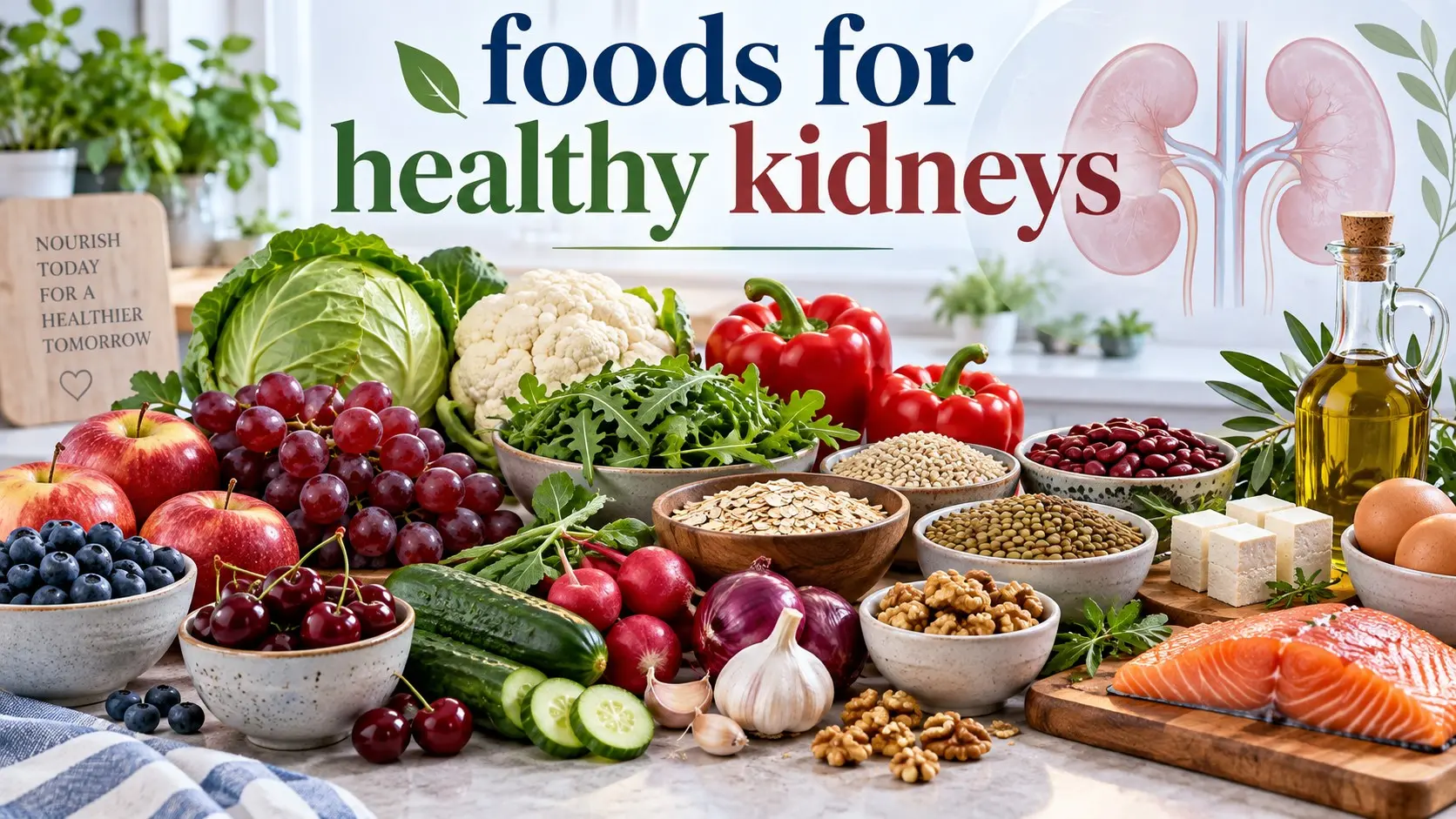
Examples include blueberries, apples, grapes, cherries, cabbage, cauliflower, peppers, onions, garlic, oats, barley, beans, lentils, tofu, salmon, walnuts, and olive oil.
The bigger picture matters more than one food.
Eating less sodium is especially important.
Managing blood pressure and blood sugar also helps protect the kidneys.
If you have CKD, do not assume every healthy food is right for you in unlimited amounts.
Table of Contents
- What Makes Food Good for Kidney Health?
- 21 Foods for Healthy Kidneys
- How Much Water Do Your Kidneys Need?
- Healthy Kidneys vs CKD Diet
- Why Sodium Matters
- Potassium and Phosphorus
- Protein and Kidney Health
- Foods to Eat Less Often
- Simple Kidney Healthy Meal Ideas
- How to Know if Your Kidneys Are Healthy
- References and Sources
- Conclusion
- NextFitLife Resources
- About the Author
- Frequently Asked Questions
What Makes Food Good for Kidney Health?
There is no magic kidney food.
There is also no food that flushes toxins out of damaged kidneys.
Your kidneys do the filtering.
A healthy diet supports the body around them.
A strong, healthy kidney diet usually focuses on whole and minimally processed foods.
It also helps control major kidney risk factors.
These include high blood pressure, diabetes, obesity, and cardiovascular disease.
The National Kidney Foundation encourages eating more whole plant foods such as vegetables, fruit, whole grains, beans, lentils, nuts, and seeds.
You do not have to become vegan.
The goal is simply to make plants a bigger part of your normal meals.
For general nutrition guidance, visit our Nutrition and Vitamins Hub.
21 Smart Foods for Healthy Kidneys
1. Blueberries
Blueberries are easy to add to breakfast or snacks.
They provide fibre, vitamin C, and natural plant compounds called anthocyanins.
They are also naturally low in sodium.
Add them to oats.
Mix them with yogurt if dairy fits your diet.
Or eat them fresh or frozen.
Blueberries are a useful example of a kidney healthy food, but they do not repair kidney damage.
2. Apples
Apples are simple, affordable, and easy to carry.
They provide fiber and plant compounds.
A whole apple is usually a better everyday choice than apple juice because the whole fruit gives you more fiber.
Try apple slices with oats.
Add chopped apple to a salad.
Or eat one as a snack.
3. Red and Purple Grapes
Grapes provide fluid, carbohydrate, vitamins, and plant compounds.
Red and purple grapes also contain flavonoids.
Keep portions sensible, especially if you have diabetes.
Whole grapes affect blood sugar differently from drinking a large glass of grape juice.
4. Cherries
Cherries can be part of a varied fruit intake.
They contain fibre, vitamin C, and antioxidant plant compounds.
Choose fresh or frozen cherries without a lot of added sugar.
Dried cherries and sweetened cherry products can contain much more concentrated sugar.
5. Cabbage
Cabbage is inexpensive and flexible.
It provides fibre and several vitamins.
You can eat it raw.
You can roast it.
You can add it to soup.
You can also use cabbage leaves as wraps.
Be careful with heavily salted pickled cabbage because sodium can become very high.
6. Cauliflower
Cauliflower is a useful vegetable for many meals.
It provides fiber, vitamin C, folate, and other plant nutrients.
You can roast it.
You can steam it.
You can mash it.
You can add it to curry or soup.
It is better to think of cauliflower as nutritious food, not as something that removes toxins from the kidneys.
7. Red Bell Peppers
Red bell peppers add color and crunch.
They contain vitamin C and other plant nutrients.
They are naturally low in sodium before sauces or seasoning are added.
Slice them into salads.
Roast them.
Add them to omelets.
Or eat them with a suitable dip.
8. Arugula
Arugula is a peppery leafy vegetable.
It provides vitamins and plant compounds with very few calories.
Use it in salads.
Add it to sandwiches.
Mix it into pasta after cooking.
Leafy greens are nutritious.
But people with a prescribed potassium restriction should ask which greens and portions fit their blood results.
9. Onions
Onions help food taste good without relying only on salt.
That makes them useful in a low-sodium diet.
Cook onions with garlic and olive oil.
Add them to soup.
Add them to beans.
Use them in salads or roasted vegetables.
The biggest kidney benefit may be practical.
Good flavour can make eating less salt easier.
10. Garlic
Garlic is another easy way to add strong flavor without adding much sodium.
Fresh garlic works well with vegetables, fish, beans, lentils, and homemade sauces.
Garlic is nutritious.
But do not treat it as medicine for kidney disease.
Garlic supplements can also behave differently from normal food and may interact with medicines.
11. Cucumbers
Cucumbers are refreshing and mostly water.
They work well in salads and snacks.
Add lemon, herbs, or vinegar for flavor.
Watch the sodium if you eat pickled cucumbers.
Pickles can contain far more salt than fresh cucumber.
12. Radishes
Radishes add crunch and a peppery flavor.
They can replace some salty toppings in salads and sandwiches.
Slice them thinly.
Add them to salads.
Roast them with other vegetables.
They are one more way to increase vegetable variety.
13. Oats
Oats are a whole grain.
They contain soluble fibre.
Fibre can support healthy cholesterol and blood sugar control.
That matters because heart health, diabetes, and kidney health are closely connected.
Choose plain oats more often than highly sweetened instant oatmeal.
Add fruit and cinnamon for flavor.
14. Barley
Barley is another fibre-rich whole grain.
It works well in soups, salads, and grain bowls.
Whole grains are part of a healthy plant-based diet.
People with advanced CKD may need to review grain portions and phosphorus with a renal dietitian.
Do not restrict whole grains just because you heard that phosphorus is bad for kidneys.
Your blood results matter.
15. Beans
Beans provide plant protein and fibre.
They can replace some red or processed meat in meals.
Examples include black beans, kidney beans, cannellini beans, and chickpeas.
If you buy canned beans, choose lower sodium products when possible.
Draining and rinsing canned beans can also remove some sodium.
Beans contain potassium and phosphorus.
That does not mean everyone with kidney disease must avoid them.
People with CKD should adjust portions according to their lab results and personal diet plan.
16. Lentils
Lentils are affordable.
They cook quickly.
They provide fibre, plant protein, iron, and other nutrients.
Add them to soup.
Make a lentil curry.
Add cooked lentils to salad.
Or replace part of the meat in a recipe with lentils.
This can help make your diet more plant focused.
17. Tofu
Tofu gives you plant protein.
It can replace meat in many dishes.
You can bake it.
Grill it.
Add it to a stir fry.
Or crumble it with vegetables.
Current kidney nutrition guidance increasingly recognizes that plant proteins can fit many CKD diets.
But the amount still depends on the person.
18. Salmon
Salmon provides high quality protein and omega 3 fats.
Fish can fit a heart-healthy eating pattern.
That matters because heart and kidney health are closely connected.
Choose baked, grilled, or roasted fish more often than heavily salted or fried versions.
People with CKD may need a personal protein target.
More protein is not always better.
19. Eggs
Eggs provide protein and many nutrients.
They are easy to prepare.
Use boiled, poached, or lightly cooked eggs as part of balanced meals.
Egg yolks contain phosphorus.
That is usually not a reason for a person with healthy kidneys to avoid eggs.
People with advanced CKD or high phosphorus should discuss portions with their renal dietitian.
20. Unsalted Walnuts
Walnuts provide unsaturated fat, fibre, and plant protein.
Choose unsalted nuts when possible.
A small handful is usually enough because nuts are energy dense.
Nuts also contain potassium and phosphorus.
Again, this matters mainly when your kidney team has told you those minerals need closer control.
21. Extra Virgin Olive Oil
Olive oil is mostly unsaturated fat.
It works well in a heart-healthy diet.
Use it for salad dressing.
Use it when roasting vegetables.
Use a small amount for cooking.
Olive oil can replace some butter, ghee, or other fats high in saturated fat.
It is still calorie-dense, so you do not need large amounts.
How Much Water Do Your Kidneys Need?
Water is important.
But more is not always better.
There is no universal rule that everyone must drink a gallon of water each day.
Your needs depend on your body, activity, climate, food, medicines, pregnancy, and health conditions.
For most healthy adults, drinking when thirsty and keeping normal hydration is reasonable.
You may need more during heat or exercise.
People with kidney failure, severe CKD, low urine output, swelling, or heart failure may be told to limit fluid.
Do not force large amounts of water to detox your kidneys.
Extra water does not repair chronic kidney disease.
Healthy Kidneys and Chronic Kidney Disease Need Different Nutrition Advice
This is one of the most important points in this article.
A person with healthy kidneys usually does not need to avoid normal sources of potassium or phosphorus.
A person with chronic kidney disease may need a different plan.
Needs depend on:
- Kidney function
- eGFR
- Urine albumin
- Blood potassium
- Blood phosphorus
- Blood pressure
- Diabetes
- Medicines
- Urine output
- Whether dialysis is used
Some people with early CKD mainly need less sodium and good blood pressure control.
Other people need closer control of potassium, phosphorus, protein, or fluid.
People receiving dialysis often need more protein than people with CKD who are not receiving dialysis.
That is why copying another person's renal diet can be unsafe.
For a full explanation, read Diet for Kidney Disease: Foods and Safer Eating Guidance.
Why Sodium Matters for Kidney Health
Sodium is part of salt.
Your body needs some sodium.
But too much can increase fluid retention and blood pressure.
High blood pressure can damage kidney blood vessels over time.
NIDDK guidance commonly uses a limit of about 2,300 milligrams of sodium per day for adults with CKD, unless an individual plan says otherwise.
Much of the sodium people eat does not come from the salt shaker.
It comes from:
- Restaurant meals
- Fast food
- Processed meat
- Packaged soup
- Salty snacks
- Instant noodles
- Ready meals
- Sauces
- Stock cubes
Cook at home more often when you can.
Use garlic, onions, herbs, spices, lemon, and vinegar to build flavor.
Be careful with salt substitutes if you have kidney disease.
Many contain potassium chloride.
Do You Need to Avoid Potassium and Phosphorus?
Not automatically.
This is an area where old kidney diet advice is often too broad.
Potassium
Potassium helps nerves, muscles, and the heart work.
Healthy kidneys normally help keep potassium in balance.
Damaged kidneys may have trouble removing excess potassium.
Some medicines also raise potassium.
If your blood potassium is normal and your healthcare professional has not told you to restrict it, do not remove nutritious fruit and vegetables just because they contain potassium.
Phosphorus
Phosphorus is found naturally in many foods.
It is also added to processed food.
People with advanced kidney disease may have trouble removing excess phosphorus.
Added phosphorus is especially important.
Check ingredient lists for words containing PHOS.
Examples include phosphate, phosphoric acid, and polyphosphate.
Do not start a strict phosphorus restriction without professional advice.
How Much Protein Is Good for Your Kidneys?
Your body needs protein.
Protein supports muscles, skin, organs, healing, and immunity.
But the body also creates waste when it breaks protein down.
Healthy kidneys remove this waste.
People with CKD who are not receiving dialysis may be advised to avoid excessive protein.
Too little protein can also be harmful.
It can contribute to poor nutrition and muscle loss.
Dialysis changes the picture again.
Many people receiving dialysis need more protein.
Do not start a very high protein diet or a very low protein diet for kidney disease without qualified guidance.
Foods to Eat Less Often for Better Kidney Health
A healthy kidney eating pattern is not only about adding good foods.
It also helps to reduce foods that can make blood pressure, blood sugar, and heart health harder to manage.
Try to eat less:
- Processed meat
- Very salty fast food
- Instant noodles
- Chips and salty snacks
- Large amounts of sugary drinks
- Frequent fried foods
- Highly processed ready meals
- Foods with lots of added sodium
- Excessive amounts of protein supplements
You do not need a perfect diet.
Look at what you eat most days.
Do Kidney Detoxes Work?
No food, tea, juice, herb, or supplement has been proven to wash damaged kidneys clean.
Your kidneys already remove waste from the blood.
If they are not working well, the answer is medical assessment and appropriate treatment.
It is not a detox drink.
Some herbal products can even be harmful to the kidneys.
Supplements can also interact with medicines.
If you have kidney disease, ask your healthcare professional or pharmacist before taking herbal products or high-dose supplements.
Can Food Repair Damaged Kidneys?
Do not expect food to regenerate damaged kidney tissue.
Nutrition has a different role.
It can help manage risk factors.
It can help reduce sodium intake.
It can help support good nutrition.
And with CKD, an individualized diet may help manage complications and slow disease progression in some people.
This is why the phrase kidney friendly foods should not be confused with kidney repair foods.
Simple Meal Ideas Using Foods for Healthy Kidneys
Breakfast Idea
Plain oats with blueberries, chopped apple, and a small portion of unsalted walnuts.
Lunch Idea
Arugula, cabbage, bell pepper, cucumber, lentils, olive oil, lemon, and herbs.
Dinner Idea
Grilled salmon with cauliflower, barley, and roasted peppers.
Plant Based Dinner
Tofu with cabbage, onion, garlic, bell pepper, and a whole grain.
Simple Snack
An apple, grapes, cherries, or sliced cucumber and peppers.
If you have CKD, these meals may need changes based on your potassium, phosphorus, protein, sodium, and fluid goals.
How Do You Know if Your Kidneys Are Healthy?
You cannot tell from food choices alone.
Early kidney disease can cause no symptoms.
You may feel completely normal.
Two important tests are:
- An eGFR blood test
- A urine albumin test
Blood pressure also matters.
People with diabetes, high blood pressure, heart disease, a family history of kidney failure, or previous kidney disease may need regular testing.
For more detail, read our Kidney Disease Symptoms, Tests, and Warning Signs guide.
You can also visit our Medical Tests and Screenings Hub.
Kidney Warning Signs That Need Medical Attention
Food advice should never delay medical care.
Speak with a healthcare professional if you have persistent:
- Foamy urine
- Blood in urine
- Swelling around the feet, ankles, hands, or eyes
- Major changes in urination
- High blood pressure
- Severe tiredness
- Poor appetite
- Nausea
- Unexplained itching
Seek urgent care for severe breathing trouble, chest pain, confusion, inability to pass urine, very little urine with severe illness, major swelling, or severe side pain with fever or vomiting.
References and Sources
This guide was updated using current kidney nutrition and prevention guidance from major kidney and public health organizations.
- National Institute of Diabetes and Digestive and Kidney Diseases: Healthy Eating for Adults with Chronic Kidney Disease
Explains sodium, potassium, phosphorus, protein, fluid, healthy fats, and why CKD nutrition needs change as kidney disease progresses.
Read the NIDDK kidney nutrition guide - National Kidney Foundation: Plant-Based Diet and Kidney Health
Explains how fruit, vegetables, whole grains, legumes, nuts, seeds, and plant-focused eating can support kidney and whole body health.
Read the National Kidney Foundation guide - National Kidney Foundation: What a Kidney Doctor Wants You to Know About Plant Based Diets and Kidney Disease
Updated in 2026. Explains plant protein, potassium, phosphorus, fiber, blood sugar, and blood pressure in kidney disease.
Read the 2026 National Kidney Foundation article - Centers for Disease Control and Prevention: Preventing Chronic Kidney Disease
Covers blood pressure, diabetes, sodium, fruit and vegetable intake, smoking, alcohol, and other kidney protection steps.
Read the CDC kidney prevention guidance - National Institute of Diabetes and Digestive and Kidney Diseases: Preventing Chronic Kidney Disease
Provides practical advice about sodium, added sugar, whole grains, vegetables, healthy cooking, and preventing kidney disease.
Read the NIDDK kidney prevention guide
Conclusion: Build Your Diet Around Foods for Healthy Kidneys
The best foods for healthy kidneys are not miracle foods.
They are ordinary nutritious foods that fit into a healthy eating pattern.
Eat more vegetables.
Eat whole fruit.
Choose whole grains.
Use beans, lentils, and tofu.
Choose unsalted nuts.
Use healthy fats such as olive oil.
Eat suitable amounts of fish, eggs, or other protein foods.
Keep sodium under control.
Manage blood pressure and blood sugar.
And get kidney tests if you have risk factors.
If you already have kidney disease, do not copy a generic list.
Your safest diet should match your kidney function and blood results.
Your action today: Choose two or three of these foods for healthy kidneys and use them to replace more heavily processed or salty foods this week.
Continue Reading on NextFitLife
Use these NextFitLife resources to learn more about kidney nutrition, symptoms, testing, and general health.
- Diet for Kidney Disease: 25 Foods and a Safer Eating Guide
- Kidney Disease Symptoms, Tests, Prevention, and Red Flags
- Renal Glycosuria: Symptoms, Causes, and Treatment
- Nutrition and Vitamins Hub
- Medical Tests and Screenings Hub
- NextFitLife Health Hub
Frequently Asked Questions About Foods for Healthy Kidneys
What are the best foods for healthy kidneys?
Useful choices include vegetables, whole fruit, whole grains, beans, lentils, tofu, suitable fish and protein foods, unsalted nuts, and healthy fats such as olive oil. The overall eating pattern matters more than one food.
What fruit is good for kidneys?
For people with healthy kidneys, many fruits can fit a balanced diet. Examples include blueberries, apples, grapes, and cherries. People with CKD may need individual potassium guidance.
Can food repair damaged kidneys?
No single food has been shown to repair damaged kidneys. Nutrition can support overall health, control risk factors, and help manage kidney disease when the diet is matched to the person's condition.
What foods clean the kidneys?
No food cleans or detoxes the kidneys. Healthy kidneys already filter waste from the blood. People with reduced kidney function need appropriate medical care rather than detox products.
Are blueberries good for kidney health?
Blueberries are a nutritious fruit that provides fiber, vitamin C, and plant compounds. They can fit a healthy eating pattern but should not be viewed as a treatment for kidney disease.
Are apples good for your kidneys?
Apples provide fiber and can be part of a healthy diet. Whole apples are generally a better everyday choice than sweetened juice because they retain more fiber.
Is garlic good for kidneys?
Garlic can help add flavor without relying on extra salt. This can be useful because lower sodium intake supports blood pressure and kidney health. Garlic does not cure kidney disease.
Are beans safe for kidney disease?
Beans provide fibre and plant protein. They also contain potassium and phosphorus. Many people with CKD can include them, but portions may need to match blood results and individual nutrition goals.
Should people with kidney disease avoid potassium?
Not automatically. Potassium should usually be adjusted according to blood potassium, kidney function, medicines, and treatment. Unnecessary restriction can remove nutritious foods from the diet.
Should people with kidney disease avoid phosphorus?
Not everyone needs the same phosphorus restriction. Advanced CKD may require closer control. Added phosphorus in processed food can be especially important, so ingredient lists should be checked for words containing PHOS.
Is a high protein diet good for kidneys?
A very high protein diet may not be appropriate for some people with CKD. Protein needs depend on kidney function and whether dialysis is used. Too little protein can also cause poor nutrition.
How much sodium should I eat for kidney health?
Many health guidelines use no more than about 2,300 milligrams of sodium per day for adults. People with CKD, high blood pressure, or other conditions may receive a more specific target.
Does drinking lots of water clean your kidneys?
No. Drinking excessive water does not clean or repair damaged kidneys. Fluid needs vary, and some people with advanced kidney disease or heart failure need a fluid limit.
What are the worst foods for kidney health?
Frequent highly processed and salty foods can make blood pressure and overall kidney risk harder to manage. Examples include processed meat, salty fast food, instant noodles, salty snacks, and many ready meals.
How can I check my kidney health?
Common tests include an eGFR blood test and a urine albumin test. Blood pressure is also important. People with diabetes, high blood pressure, heart disease, or a family history of kidney failure should ask about appropriate testing.
Can someone with CKD follow this list exactly?
No. A CKD eating plan should be based on kidney function, potassium, phosphorus, protein needs, blood pressure, medicines, urine output, and whether the person receives dialysis.

Health & wellness writer with 30+ years of experience in nutrition, fitness, and healthy aging. Founder of NextFitLife.com — evidence-based health guidance.