
Published on: Jun 17, 2024
Published: April 2026
Updated: October 31, 2026
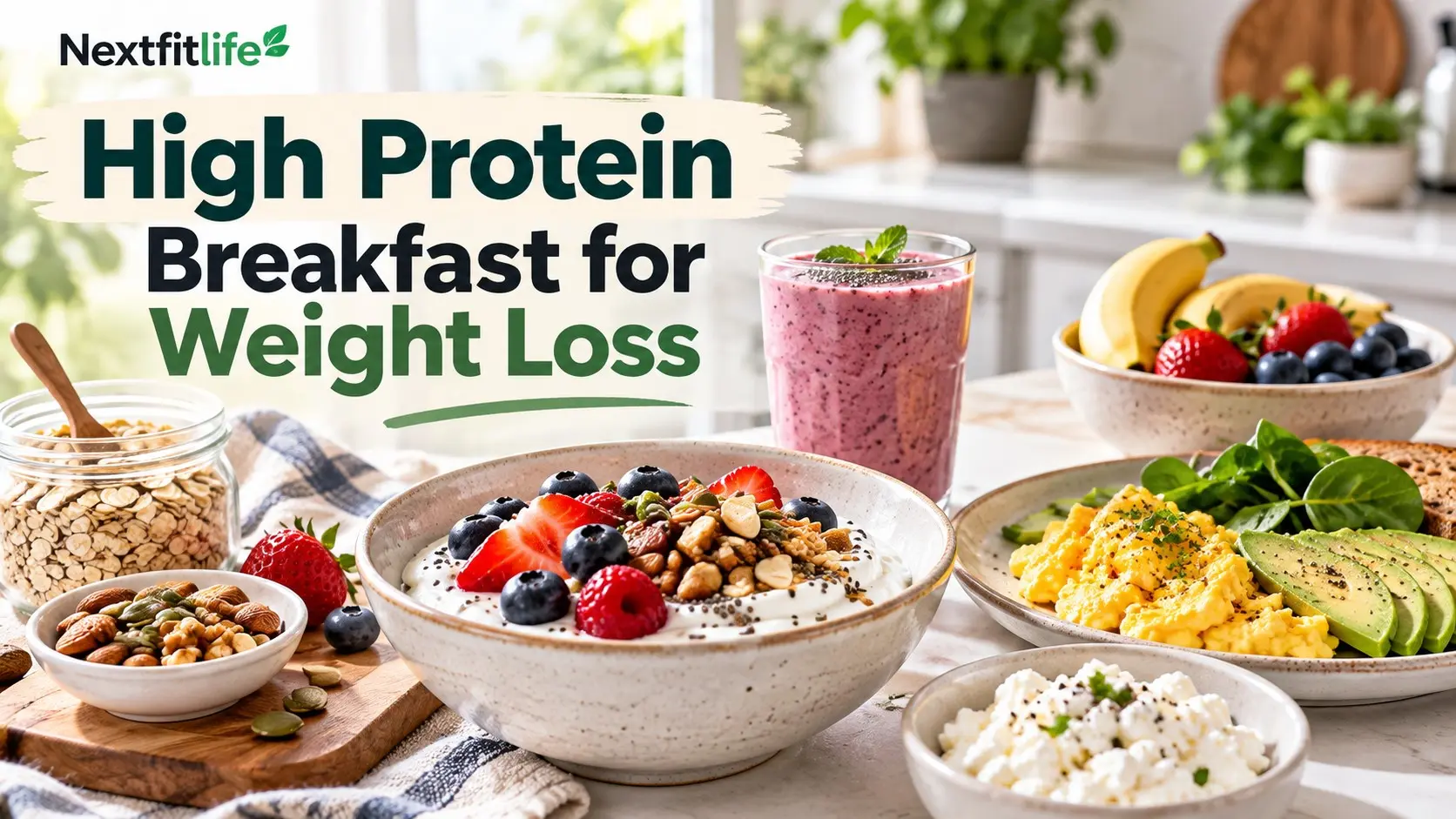
A High Protein Breakfast for Weight Loss can make mornings easier, but it is not a magic fat-burning meal.
Protein can help a meal feel more filling. It also supports muscle when you are losing weight, especially if you strength train.
But breakfast itself is optional.
You can lose weight if you eat breakfast, and you can lose weight if you skip it. What matters most is your total food intake across the day, the quality of your diet, and whether your plan is realistic enough to keep.
This article is for general information and education. It does not replace medical advice, diagnosis, or treatment.
Quick answer: Build breakfast around one or two protein foods, then add fruit, vegetables, oats, whole grains, or another fiber rich food. Eggs, Greek yogurt, cottage cheese, tofu, beans, lentils, fish, skyr, and fortified soy foods are useful choices. Around 20 to 30 grams of protein can be a practical breakfast target for many adults, but it is not a strict rule.
Important: If you have kidney disease, liver disease, an eating disorder history, are pregnant, or have another condition that affects your protein needs, ask a qualified healthcare professional or registered dietitian before making a large change to protein intake.
Table of Contents
- Does a high protein breakfast help with weight loss?
- How much protein should breakfast have?
- 15 smart breakfast ideas
- Greek yogurt berry bowl
- Eggs with cottage cheese
- Protein oats
- Tofu scramble
- Eggs and beans
- Cottage cheese fruit bowl
- Salmon and egg toast
- Skyr with oats
- Lentil breakfast bowl
- Turkey and egg wrap
- Chicken breakfast bowl
- Protein smoothie
- Overnight oats
- Tempeh breakfast plate
- Leftover dinner breakfast
- Animal vs plant protein
- Protein and fiber
- Breakfast timing
- Breakfast skipping
- Calories and portions
- Seven day breakfast plan
- Common mistakes
- Frequently asked questions
Does a High Protein Breakfast Help With Weight Loss?
It can.
A protein rich breakfast may help some people feel fuller and think less about food during the morning.
A 2025 controlled breakfast study found that meals with 30 grams of protein produced stronger GLP 1 and PYY responses than a low protein breakfast. The protein rich plant and animal breakfasts performed similarly for these hormone responses.
However, the study did not find a clear reduction in later food intake from every high protein meal.
That is an important detail.
Protein can support fullness, but it does not guarantee that you will automatically eat fewer calories for the rest of the day.
A 2026 weight loss trial also found that breakfast composition mattered, but the higher fiber breakfast produced greater weight loss than the higher protein breakfast in that small controlled study.
This shows why breakfast should not be reduced to protein alone.
Protein and fiber can work well together.
For a broader weight loss framework, see the Complete Weight Loss Guide.
Breakfast Does Not Cause Weight Loss by Itself
Weight loss still requires an average calorie deficit over time.
A breakfast with 35 grams of protein can still contain more calories than you need if it also includes large portions of nut butter, oil, cheese, granola, honey, and a large smoothie.
The protein helps, but calories still count.
CDC describes healthy weight loss as a full lifestyle pattern that includes nutritious food, movement, sleep, and stress management.
NIDDK also recommends a healthy eating pattern that can be maintained over time.
How Much Protein Should You Eat at Breakfast?
There is no official breakfast protein number that fits everyone.
The current NextFitLife article presents 25 to 30 grams as a hard threshold. The evidence does not justify treating it that way.
A more useful guide is:
- About 20 to 30 grams: practical for many adults
- Less: can still be useful if your total daily intake is adequate
- More: may fit larger or more active people
Current 2026 sports nutrition guidance suggests roughly 1.2 to 1.6 grams of protein per kilogram of body weight per day for many active adults pursuing weight and fat loss.
Total daily protein matters more than forcing one exact amount into breakfast.
For more options, see High Protein Foods for Weight Loss.
15 High Protein Breakfast Ideas for Weight Loss
1. Greek Yogurt Berry Bowl
Use plain Greek yogurt as the base.
Add:
- Berries
- Oats
- Cinnamon
- A small spoon of chia or flaxseed
Why it works: Greek yogurt adds protein while berries and oats add fiber.
Choose plain yogurt more often if flavored versions contain a lot of added sugar.
2. Eggs With Cottage Cheese
Cook two eggs and serve them with cottage cheese, tomatoes, spinach, or peppers.
Add a slice of whole grain toast if you want more carbohydrate.
Why it works: cottage cheese raises the protein without requiring four or five eggs.
3. Protein Oats
Cook oats with milk or fortified soy milk.
Stir in Greek yogurt after cooking, or serve the yogurt on the side.
Add fruit and cinnamon.
Why it works: oats provide fiber while dairy or soy adds protein.
You do not need protein powder if the meal already provides enough protein.
4. Tofu Scramble
Crumble firm tofu into a pan and cook it with:
- Spinach
- Tomatoes
- Mushrooms
- Peppers
- Herbs and spices
Why it works: tofu is a useful plant based protein and works well in a savory breakfast.
5. Eggs and Beans
Serve eggs with beans, tomatoes, and vegetables.
Add whole grain toast or a small tortilla if desired.
Why it works: eggs provide protein while beans add more protein and fiber.
6. Cottage Cheese Fruit Bowl
Use plain cottage cheese with:
- Berries
- Peach
- Apple
- Cinnamon
Add a small amount of nuts if you want crunch.
Why it works: cottage cheese is high in protein and needs no cooking.
7. Salmon and Egg Toast
Use cooked salmon with one or two eggs, whole grain toast, cucumber, and tomato.
Why it works: the meal combines protein, useful fats, and whole grain carbohydrate.
Use fresh or leftover cooked salmon more often than large amounts of salty smoked salmon.
8. Skyr With Oats
Combine plain skyr with oats, fruit, and cinnamon.
Why it works: skyr is rich in protein while oats and fruit add fiber.
This takes only a few minutes.
9. Lentil Breakfast Bowl
Breakfast does not have to be sweet.
Use cooked lentils with:
- Tomatoes
- Spinach
- Herbs
- One egg or tofu
Why it works: lentils provide protein, fiber, iron, and slow digesting carbohydrate.
10. Turkey and Egg Wrap
Fill a whole grain wrap with eggs, freshly cooked turkey, spinach, and tomato.
Why it works: you get a portable meal with protein and vegetables.
Use freshly cooked turkey more often than highly processed deli slices.
11. Chicken Breakfast Bowl
There is no rule that chicken belongs only at lunch.
Use leftover chicken with vegetables, potatoes or whole grains, and a small amount of healthy fat.
Why it works: normal savory food can make breakfast easy and reduce food waste.
12. Simple Protein Smoothie
Blend:
- Milk or fortified soy milk
- Plain Greek yogurt
- Fruit
- A small amount of oats
- Ice
Why it works: it is quick when you do not want solid food.
Keep it simple.
A smoothie can become very calorie dense when it includes juice, honey, several spoons of nut butter, granola, and multiple scoops of protein powder.
13. Overnight Oats
Combine oats with milk or fortified soy milk and refrigerate overnight.
Add Greek yogurt or skyr in the morning.
Top with berries.
Why it works: it combines protein and fiber and requires no morning cooking.
14. Tempeh Breakfast Plate
Pan cook tempeh with tomatoes, spinach, mushrooms, and spices.
Add whole grain toast if desired.
Why it works: tempeh provides plant protein and works well for people who prefer savory breakfasts.
15. Leftover Dinner Breakfast
Breakfast food does not need to look like breakfast food.
You can eat:
- Chicken
- Fish
- Beans
- Lentils
- Tofu
- Rice
- Vegetables
Why it works: leftovers save time and make it easier to eat a real meal rather than grabbing pastries on the way out.
15 Breakfast Ideas at a Glance
| Breakfast | Main Protein | Fiber Source | Best For |
|---|---|---|---|
| Greek yogurt bowl | Greek yogurt | Berries and oats | Fast breakfast |
| Eggs and cottage cheese | Eggs and cheese | Vegetables and toast | Savory meal |
| Protein oats | Milk, soy, or yogurt | Oats and fruit | Warm breakfast |
| Tofu scramble | Tofu | Vegetables | Plant based |
| Eggs and beans | Eggs and beans | Beans and vegetables | Protein plus fiber |
| Cottage cheese fruit bowl | Cottage cheese | Fruit | No cooking |
| Salmon and egg toast | Fish and eggs | Whole grain toast | Savory breakfast |
| Skyr with oats | Skyr | Oats and fruit | Quick meal |
| Lentil bowl | Lentils | Lentils and vegetables | Budget meal |
| Turkey egg wrap | Turkey and eggs | Vegetables and whole grain wrap | Portable meal |
| Chicken bowl | Chicken | Vegetables and grains | Using leftovers |
| Protein smoothie | Yogurt, milk, or soy | Fruit and oats | Busy mornings |
| Overnight oats | Yogurt or skyr | Oats and berries | Meal prep |
| Tempeh plate | Tempeh | Vegetables | Plant based savory |
| Dinner leftovers | Varies | Varies | Simple meal planning |
Protein and Fiber Work Better Together
A common mistake is building breakfast around protein alone.
For example, four eggs provide protein, but adding fruit, vegetables, beans, oats, or whole grain toast can improve the overall meal.
Fiber rich foods add volume and help support digestive health.
Useful breakfast fiber sources include:
- Oats
- Berries
- Apples
- Pears
- Beans
- Lentils
- Whole grain bread
- Vegetables
- Chia seeds
A 2026 controlled weight loss trial comparing a higher fiber breakfast with a higher protein breakfast found more weight loss during the higher fiber condition.
That does not prove fiber is always better than protein.
It does show why an effective breakfast should not focus on one nutrient only.
Are Eggs the Best Breakfast Protein?
Eggs are useful, affordable, and easy to prepare.
They are not automatically the best choice for everyone.
One egg provides only a modest amount of protein, so a breakfast based on one or two eggs may need another protein source if you want a higher protein meal.
Useful partners include:
- Greek yogurt
- Cottage cheese
- Beans
- Fish
- Tofu
You do not need to eat three to five eggs every morning.
Is Greek Yogurt Good for Weight Loss?
Plain Greek yogurt is a useful high protein food.
It works especially well with fruit and oats.
Check flavored products because some contain substantial added sugar.
Full fat and lower fat versions can both fit.
Your total diet matters more than assuming one fat level is automatically best.
Is Cottage Cheese Good for Breakfast?
Yes.
Cottage cheese is high in protein and easy to use with sweet or savory foods.
Try it with:
- Fruit and cinnamon
- Tomato and cucumber
- Eggs
- Whole grain toast
Some brands contain more sodium than others, so compare labels if sodium intake matters to you.
Are Protein Shakes Good for Weight Loss?
They can be useful.
They are not required.
A shake may help when you have little time or low appetite.
The problem comes when a “healthy” smoothie becomes a very large liquid meal.
Watch additions such as:
- Fruit juice
- Honey
- Large nut butter portions
- Coconut oil
- Granola
- Several scoops of protein powder
Protein powder is a convenience food, not a fat loss supplement.
Plant Protein Works Too
You do not need animal foods for a high protein breakfast.
A 2025 study comparing plant and animal based breakfasts with the same 30 grams of protein found similar GLP 1 and PYY responses.
Useful plant proteins include:
- Tofu
- Tempeh
- Beans
- Lentils
- Fortified soy milk
- Soy yogurt with adequate protein
Check labels because some plant milk and yogurt products contain very little protein.
Should You Eat Breakfast Every Day?
No.
Breakfast is optional.
The current article says eating breakfast consistently is one of the most important ways to control hunger. That is too strong.
The 2026 ISSN position stand states that meal frequency itself does not appear to be crucial for body weight or body fat reduction.
You can eat breakfast if:
- You wake up hungry
- It improves your food choices
- You train in the morning
- You enjoy morning meals
You can skip breakfast if:
- You are not hungry
- You still meet your nutrition needs later
- Skipping does not lead to overeating
The best routine is the one that helps you eat well across the whole day.
Does Skipping Breakfast Cause Weight Gain?
No.
Skipping breakfast does not automatically cause weight gain.
Weight change depends mainly on total energy intake and use over time.
Some people become very hungry after skipping breakfast and eat more later.
Others do not.
Use your own response rather than a rule.
When Should You Eat Breakfast?
There is no perfect clock time.
Eat when it fits your hunger, schedule, and training.
If you train early, eating protein afterward can be convenient for recovery.
But you do not need to race to eat within exactly 30 or 60 minutes.
Total daily protein is still more important than one narrow timing window.
Does Breakfast Protein Protect Muscle?
Protein supports muscle maintenance.
But breakfast alone is not what protects muscle during weight loss.
The strongest tools are:
- Enough total daily protein
- Resistance training
- A calorie deficit that is not unnecessarily extreme
Current ISSN guidance calls sufficient protein and resistance training key tools for reducing lean mass loss during sustained calorie restriction.
If you want to train at home, see Simple Strength Training Exercises at Home.
Does More Muscle Burn Huge Calories at Rest?
No.
Muscle is metabolically active, but the current article overstates how much extra resting energy it burns.
Building muscle is still valuable for strength, function, body composition, and health.
Just do not think a small increase in muscle mass will cause a huge rise in daily calorie burn.
Can a High Protein Breakfast Control Blood Sugar?
Adding protein can change the way a meal affects blood glucose, especially compared with a highly refined carbohydrate meal.
But “stable blood sugar means less glucose gets stored as fat” is too simple.
Body fat gain is not determined by one blood glucose rise.
The whole diet and long term energy balance matter.
If you have diabetes or use glucose lowering medication, breakfast composition may need to be individualized with your healthcare team.
What About PCOS?
Some people with PCOS find higher protein meals useful for fullness and meal structure.
But PCOS treatment is broader than eating more breakfast protein.
Body weight, insulin resistance, activity, sleep, medication, fertility goals, and other factors may all matter.
Do not use breakfast alone as treatment for PCOS.
Can Older Adults Benefit From Breakfast Protein?
Older adults often benefit from paying attention to total protein intake.
But a 2026 systematic review found uncertain evidence that adding protein specifically at breakfast improves muscle mass or strength in adults over 60.
The bigger picture still matters:
- Total daily protein
- Resistance training
- Overall food intake
- Health conditions
What If You Take GLP 1 Weight Loss Medicine?
People using GLP 1 or related medicines may eat much less because appetite falls.
That can make protein and micronutrient planning more important.
A 2026 review suggests protein intake and resistance training deserve attention during medication supported weight loss, especially when total food intake becomes low.
This should be individualized with your healthcare team.
For semaglutide related myths, see Oat Ozempic Weight Loss.
How Many Calories Should Breakfast Have?
There is no universal breakfast calorie target.
The current article suggests 300 to 500 calories for most fat loss plans.
That may work for some people, but it is not a rule.
Breakfast size should depend on:
- Your body size
- Your total calorie needs
- Your activity level
- Your hunger
- The rest of your meals
A larger person may need more food.
A smaller person may need less.
How to Build a High Protein Breakfast Without Counting Calories
Step 1: Choose protein
- Eggs
- Greek yogurt
- Cottage cheese
- Fish
- Tofu
- Beans
- Lentils
Step 2: Add fiber
- Fruit
- Vegetables
- Oats
- Beans
- Whole grain toast
Step 3: Add a small amount of fat if needed
- Nuts
- Seeds
- Avocado
- Olive oil
This simple structure works without turning breakfast into a math problem.
Seven Day High Protein Breakfast Plan
| Day | Breakfast | Main Benefit |
|---|---|---|
| Monday | Greek yogurt, berries, oats | Fast protein and fiber |
| Tuesday | Eggs, cottage cheese, vegetables | Savory and filling |
| Wednesday | Tofu scramble and toast | Plant based protein |
| Thursday | Protein oats with fruit | Warm meal |
| Friday | Eggs and beans | Protein and fiber |
| Saturday | Salmon, egg, whole grain toast | Protein and useful fats |
| Sunday | Lentil breakfast bowl | Budget protein and fiber |
Common High Protein Breakfast Mistakes
1. Treating 30 Grams as a Magic Number
It is a useful target for many people, not a universal threshold.
2. Ignoring Fiber
Protein alone does not make a complete meal.
3. Adding Too Much Nut Butter
Nut butter is nutritious but energy dense.
4. Turning Smoothies Into Huge Meals
Liquid calories can add up quickly.
5. Thinking Breakfast Is Mandatory
You can lose weight without breakfast.
6. Using Protein Powder in Everything
Whole foods can provide enough protein for many people.
7. Eating Only Eggs
Add vegetables, fruit, beans, oats, or another fiber source.
8. Assuming High Protein Means Low Calorie
A high protein meal can still be very energy dense.
9. Believing Breakfast Speeds Metabolism
Breakfast does not switch metabolism on for the day.
10. Ignoring Total Daily Protein
Your whole day matters more than one meal.
Conclusion
A High Protein Breakfast for Weight Loss can be a useful tool when it makes your day easier.
Eggs, Greek yogurt, cottage cheese, tofu, beans, lentils, fish, oats with dairy or soy, and simple smoothies can all work.
But breakfast does not burn fat by itself, and 30 grams of protein is not a magic threshold.
The strongest plan combines enough total daily protein, fiber rich foods, a suitable calorie intake, regular activity, and habits you can maintain.
Your next step: choose three breakfasts from this guide and rotate them this week. Pay attention to hunger, energy, convenience, and whether the meal helps you make better food choices later.
References and Sources
- International Society of Sports Nutrition. Position Stand: Diets for Body Weight Reduction, 2026.
https://pubmed.ncbi.nlm.nih.gov/42867412/ - Centers for Disease Control and Prevention. Steps for Losing Weight.
https://www.cdc.gov/healthy-weight-growth/losing-weight/ - National Institute of Diabetes and Digestive and Kidney Diseases. Eating and Physical Activity to Lose or Maintain Weight.
https://www.niddk.nih.gov/health-information/weight-management/adult-overweight-obesity/eating-physical-activity - Big Breakfast Diet Composition Impacts on Appetite Control and Gut Health. Randomized Weight Loss Trial, 2026.
https://pubmed.ncbi.nlm.nih.gov/41667211/ - The Effect of Different Dietary Protein Sources at Breakfast on Satiety, PYY, GLP 1, and Food Intake. 2025.
https://pubmed.ncbi.nlm.nih.gov/41222767/ - Protein or Amino Acid Intake at Breakfast for Muscle Mass Gain in Older Adults. Systematic Review and Meta Analysis, 2026.
https://pubmed.ncbi.nlm.nih.gov/42502805/ - Higher Protein Nutrition and Concurrent Exercise in Obesity. 2026.
https://pubmed.ncbi.nlm.nih.gov/42514348/ - Medical Nutrition in the GLP 1 Era. Protein Strategies, Micronutrient Monitoring, and Lean Mass Preservation, 2026.
https://pubmed.ncbi.nlm.nih.gov/42036071/
Internal Links + Hub
- Complete Weight Loss Guide
- High Protein Foods for Weight Loss
- Healthy Eating Lifestyle
- Best Diets for Weight Loss Fast
- Best Desserts for Weight Loss
- How to Weight Lose Fast
- How to Weight Lose Fast at Home
- Simple Strength Training Exercises at Home
- NextFitLife Fitness Hub
- Fitness Program Guide
- Oat Ozempic Weight Loss
About the Author
Adel Galal is the founder and lead writer of NextFitLife.com and the founder of Parnthub.com.
He is a father of four, three sons and a daughter, and a grandfather of four, with more than 33 years of hands on family experience. Adel is based in Cairo, Egypt.
He has maintained a personal interest in health, fitness, nutrition, sleep, wellness, and healthy aging for more than 30 years and has more than 15 years of health and wellness writing experience.
His work focuses on reviewing trusted nutrition and fitness sources, separating useful food strategies from exaggerated weight loss claims, and turning research into simple guidance readers can use in normal daily life.
Adel is not a doctor, registered dietitian, obesity medicine specialist, endocrinologist, or other licensed healthcare professional. NextFitLife content is for general information and education and does not replace individual medical or nutrition advice.
Learn more about Adel and NextFitLife on the About Us page.
Frequently Asked Questions
What is the best High Protein Breakfast for Weight Loss?
There is no single best breakfast. Greek yogurt with fruit and oats, eggs with cottage cheese and vegetables, tofu scramble, eggs and beans, or protein oats are all useful options.
How much protein should I eat at breakfast?
There is no universal target. Around 20 to 30 grams can be practical for many adults, but total daily protein matters more than hitting one exact breakfast number.
Is 30 grams of protein at breakfast necessary?
No. Thirty grams is a useful target for some people, not a strict threshold for appetite control or weight loss.
Does a high protein breakfast cause weight loss?
No. It may improve fullness for some people, but weight loss still depends mainly on total energy intake across time.
Can I skip breakfast and still lose weight?
Yes. Breakfast is optional. If skipping it does not lead to overeating and you still meet your nutrition needs, weight loss can still occur.
Does skipping breakfast slow metabolism?
No. Skipping one meal does not switch your metabolism off.
Are eggs good for weight loss?
Eggs can fit a weight loss diet because they provide protein and nutrients. Portion size and the rest of the meal still matter.
How many eggs should I eat for breakfast?
There is no universal number. One or two eggs can be combined with another protein source such as cottage cheese, yogurt, beans, or fish.
Is Greek yogurt a good high protein breakfast?
Yes. Plain Greek yogurt provides protein and pairs well with berries, oats, and seeds.
Is cottage cheese good for breakfast?
Yes. Cottage cheese is high in protein and can be combined with fruit, vegetables, eggs, or whole grain toast.
Is oatmeal high in protein?
Oats contain some protein but are not usually high enough by themselves for a high protein meal. Add milk, fortified soy milk, Greek yogurt, skyr, or another protein source.
Is a protein shake a good breakfast?
It can be when time is limited. Keep the ingredients simple and avoid turning it into a very high calorie drink.
Do I need protein powder?
No. Eggs, dairy, soy, tofu, beans, lentils, fish, poultry, and other foods can provide enough protein.
Can vegans eat a high protein breakfast?
Yes. Tofu, tempeh, beans, lentils, soy milk, and suitable soy yogurt can provide substantial plant protein.
Is plant protein as filling as animal protein?
A 2025 study found similar GLP 1 and PYY responses from plant and animal breakfasts when both contained 30 grams of protein, although food structure and individual response still matter.
Should breakfast contain fiber?
Yes, when possible. Fruit, oats, beans, lentils, vegetables, and whole grains can add fiber and improve the overall meal.
Does protein reduce hunger hormones?
Protein can influence appetite related hormones, including GLP 1 and PYY, but the response does not guarantee lower calorie intake later.
Does protein lower ghrelin all day?
Not reliably. Appetite hormones change after meals, but one protein breakfast should not be described as suppressing hunger for the entire day in everyone.
Can a high protein breakfast prevent snacking?
It may reduce hunger or snacking for some people, but individual responses vary.
How many calories should breakfast have for weight loss?
There is no universal calorie target. Breakfast size should fit your body size, daily energy needs, hunger, and the rest of your eating pattern.
Should I eat protein right after a morning workout?
A protein rich meal after training is useful, but you do not need to eat within an exact 30 or 60 minute window. Total daily protein matters more.
Does breakfast protein protect muscle?
Protein supports muscle, but protecting lean mass during weight loss depends more on total daily protein, resistance training, and avoiding an unnecessarily extreme calorie deficit.
Can older adults benefit from breakfast protein?
Older adults need adequate total protein, but current evidence is uncertain that adding protein specifically at breakfast improves muscle mass or strength by itself.
Is a high protein breakfast good with GLP 1 medicine?
Protein can be important when appetite is reduced by GLP 1 medicines, but the amount and meal plan should be individualized with a healthcare professional.
What is the easiest high protein breakfast?
Plain Greek yogurt with berries and oats or cottage cheese with fruit are two of the easiest no cook choices.

Health & wellness writer with 30+ years of experience in nutrition, fitness, and healthy aging. Founder of NextFitLife.com — evidence-based health guidance.

