
NextFitLife Diabetes & Blood Sugar Management
Published: March 2026
Last updated: August 7, 2026
Next editorial review: August 2027 or sooner if diabetes guidance changes
Medical review status:
This sub-hub page has not been medically reviewed. Individual articles identify a named qualified reviewer when a medical review has taken place.
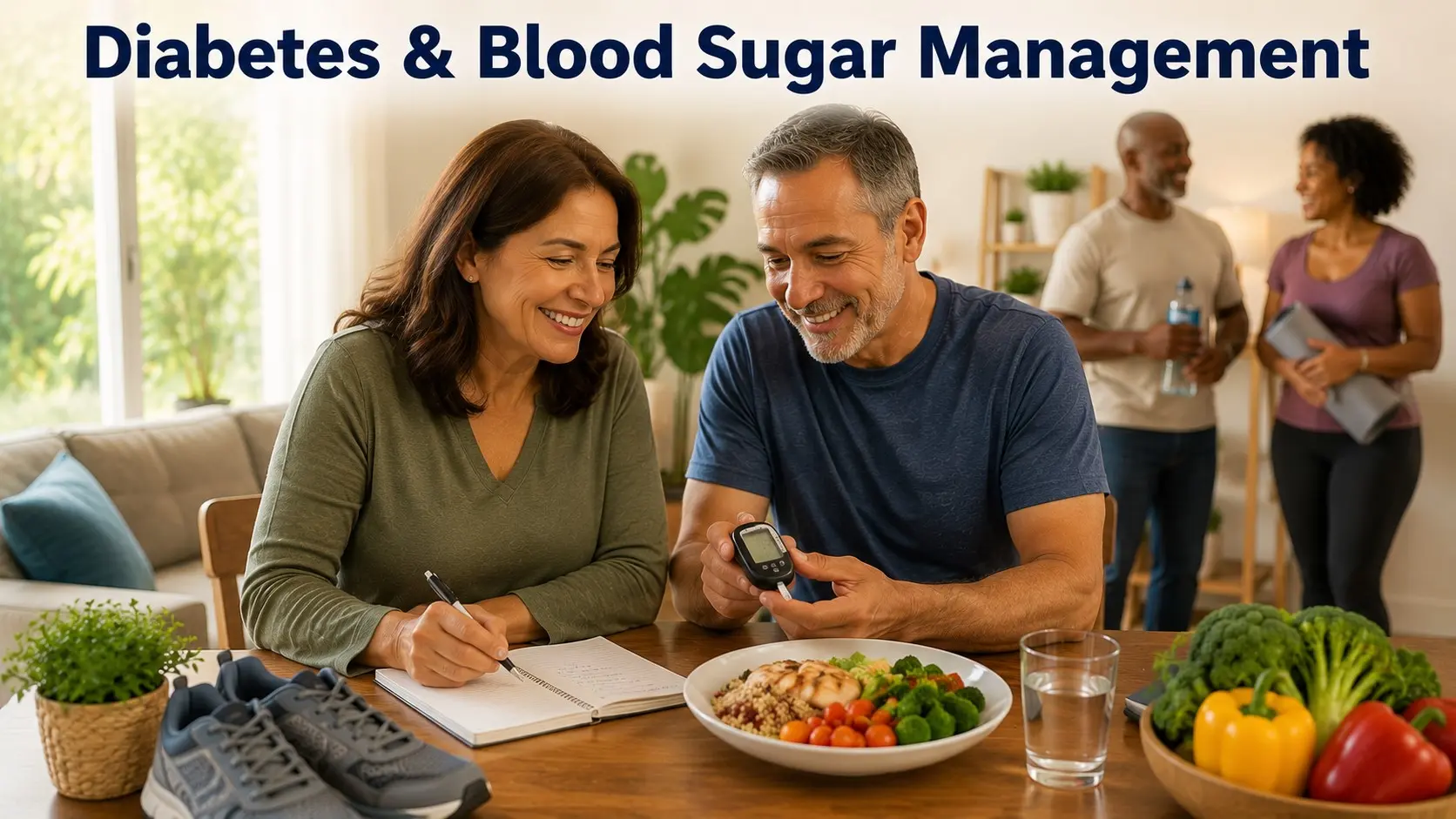
This Diabetes & Blood Sugar Management sub-hub organizes NextFitLife guides about prediabetes, type 1 diabetes, type 2 diabetes, glucose monitoring, food, physical activity, low and high blood sugar, and long-term complication prevention.
Diabetes care is individualized. A blood sugar target that is appropriate for one person may be unsafe for another because age, pregnancy, medicines, insulin use, kidney function, cardiovascular disease, hypoglycemia risk, frailty, and other health factors can change the goal.
Use this page to understand general concepts and prepare questions for your diabetes care team. It does not diagnose diabetes, set your insulin dose, interpret a personal glucose reading in isolation, or tell you to start, stop, or change diabetes medication.
Know the two major blood sugar emergencies
Severe low blood sugar
Blood glucose below 70 mg/dL is considered hypoglycemia and needs attention. Severe hypoglycemia can confuse, inability to treat yourself, seizure, loss of consciousness, coma, or death.
If a person is unconscious, having a seizure, unable to swallow safely, or otherwise unable to treat their own low blood sugar, do not give food or drink by mouth. Use prescribed glucagon if available and seek emergency medical help.
Diabetic ketoacidosis
Diabetic ketoacidosis, or DKA, is a life-threatening complication caused by too little effective insulin. It is most common in type 1 diabetes but can also occur in type 2 diabetes.
DKA warning signs can include very high glucose, high ketones, intense thirst, frequent urination, nausea or vomiting, abdominal pain, deep or difficult breathing, fruity-smelling breath, severe tiredness, or confusion. Follow your diabetes sick-day and ketone plan and seek emergency care when instructed or when severe symptoms develop.
Choose a starting point
Select the topic closest to your question.
Do my results mean diabetes?
Understand A1C, fasting glucose, oral glucose tolerance testing, confirmation, and why a home glucose meter cannot diagnose diabetes by itself.
Prediabetes
Learn what prediabetes means, how type 2 diabetes risk can be reduced, and why “cure” is not the right promise.
Type 1 diabetes
Review insulin, glucose monitoring, hypoglycemia, DKA, sick-day planning, and why insulin must not be stopped without medical direction.
Type 2 diabetes
Explore individualized care involving food, activity, medicines, monitoring, weight management, cardiovascular health, and kidney protection.
Low or high blood sugar
Learn common thresholds, emergency warning signs, ketone guidance, and why rapid correction should follow your care plan rather than an internet hack.
Complications and preventive care
Review kidney, eye, nerve, foot, cardiovascular, dental, and mental-health care as part of whole-person diabetes management.
Before choosing a diabetes article
- Check the article’s author, last-updated date, medical-review status, and diabetes-specific references.
- A page is medically reviewed only when it names the reviewer, relevant credentials, and review date.
- Never stop insulin because you are sick, fasting, eating less, or trying to lower your blood sugar unless your diabetes team has specifically instructed you how to adjust it.
- Do not double a diabetes medicine or take extra insulin simply because one reading is high unless that action is part of your prescribed correction plan.
- Do not use cinnamon, vinegar, herbs, supplements, fasting, or an extreme diet as a substitute for prescribed diabetes treatment.
- A1C and glucose goals are individualized. Pregnancy, childhood, older age, hypoglycemia risk, kidney disease, frailty, and other conditions can require different targets.
- Symptoms alone cannot reliably distinguish type 1 diabetes, type 2 diabetes, prediabetes, medication effects, or another cause of abnormal glucose.
Diabetes diagnosis uses validated blood tests
In nonpregnant adults, commonly used diagnostic thresholds include:
| Test | Prediabetes range | Diabetes range |
|---|---|---|
| A1C | 5.7% to 6.4% | 6.5% or higher |
| Fasting plasma glucose | 100 to 125 mg/dL | 126 mg/dL or higher |
| 2-hour oral glucose tolerance test | 140 to 199 mg/dL | 200 mg/dL or higher |
A random plasma glucose of 200 mg/dL or higher can support a diabetes diagnosis when classic symptoms are present. In many other situations, an abnormal diagnostic result is repeated or confirmed with another validated test.
Home glucose-meter readings are useful for monitoring but are not laboratory diagnostic tests. A1C can also be misleading in some situations, including conditions that alter red-blood-cell turnover, some hemoglobin variants, kidney failure, recent transfusion, and pregnancy.
Prediabetes is a risk state, not a guaranteed path to type 2 diabetes
Prediabetes means glucose is higher than normal but below the diabetes range. It often has no clear symptoms, so blood testing is the reliable way to identify it.
Evidence from the Diabetes Prevention Program shows that people at high risk can substantially reduce their chance of developing type 2 diabetes through structured lifestyle change. For people with overweight, a common evidence-based goal is losing about 5% to 7% of body weight together with at least 150 minutes of moderate activity per week.
Some people can return glucose values to the normal range, but “cure” is not a good promise. Risk can rise again if weight, activity, medicines, illness, aging, or other factors change.
Type 1 diabetes requires insulin
Type 1 diabetes is an autoimmune disease in which the pancreas makes little or no insulin. People with type 1 diabetes need insulin every day to stay alive.
Daily care can involve insulin injections or a pump, glucose monitoring or continuous glucose monitoring, carbohydrate planning, physical-activity adjustments, hypoglycemia treatment, ketone testing, and a personalized sick-day plan.
Type 1 diabetes is not caused by eating sugar, being overweight, or having an unhealthy lifestyle. Food and physical activity are important parts of management, but they do not replace insulin.
Type 2 diabetes treatment is more than lowering one glucose number
Type 2 diabetes develops when the body does not use insulin effectively and the pancreas cannot make enough insulin to keep glucose in a healthy range. Genetics, age, body composition, activity, sleep, medicines, and other factors can contribute.
Management may include nutrition, physical activity, weight management when appropriate, diabetes self-management education, glucose monitoring, tablets or injectable medicines, insulin, blood-pressure and cholesterol management, and kidney- or heart-protective therapy depending on individual needs.
Treatment should consider cardiovascular disease, heart failure, chronic kidney disease, obesity, hypoglycemia risk, cost, side effects, treatment burden, and personal preferences rather than focusing only on A1C.
Blood sugar targets should be individualized
The 2026 American Diabetes Association Standards state that an A1C goal below 7% is appropriate for many nonpregnant adults when it can be achieved without severe or burdensome hypoglycemia.
For many nonpregnant adults, common ADA glucose targets are 80 to 130 mg/dL before meals and below 180 mg/dL after meals. These are not universal prescriptions. Lower or higher targets may be safer depending on age, pregnancy, frailty, cognitive or functional limitations, severe comorbidities, hypoglycemia risk, and treatment burden.
If you use continuous glucose monitoring, time-in-range and time-below-range can add information that A1C alone cannot show. Your care team can explain which targets apply to you.
Low and high blood sugar need different responses
Low blood sugar
A glucose level below 70 mg/dL is clinically important. If you are conscious and able to swallow safely, CDC and ADA guidance uses the 15-15 approach for many adults: take 15 grams of fast-acting carbohydrate, wait 15 minutes, then recheck. Repeat if glucose remains below 70 mg/dL.
Children may need a different amount. People with recurrent or severe hypoglycemia, impaired awareness, kidney disease, older age, or complex insulin regimens need individualized prevention and treatment plans.
High blood sugar
One high reading does not justify taking an unplanned extra dose of medication or insulin. Follow your prescribed correction and sick-day plan, hydrate as appropriate for your health conditions, and recheck according to your care instructions.
CDC advises people with diabetes who are sick or whose blood sugar is 250 mg/dL or higher to check ketones according to their plan. Emergency evaluation is needed for high ketones or DKA warning signs such as persistent glucose around 300 mg/dL or higher, fruity-smelling breath, vomiting with inability to keep fluids down, trouble breathing, or multiple DKA symptoms.
There is no single “diabetes food” or universal carbohydrate limit
Carbohydrates raise glucose after eating, but people with diabetes do not need to eliminate all carbohydrates. The amount, type, timing, medicines, insulin, activity, and individual glucose response all matter.
A practical eating pattern often emphasizes vegetables, whole fruits, whole grains or other high-fiber carbohydrate sources, legumes, adequate protein, healthy fats, and fewer highly refined carbohydrate foods and sugar-sweetened drinks. Portion size and meal timing may also matter.
People using mealtime insulin may need carbohydrate counting or another structured method taught by their diabetes team. People with kidney disease, pregnancy, eating disorders, gastroparesis, or significant weight loss need more individualized nutrition advice.
For nutrient-specific information, visit
Nutrition & Vitamins.
Fasting can change medication and hypoglycemia risk
Intermittent fasting, religious fasting, or skipping meals can affect glucose and medication safety. Insulin, sulfonylureas, and some other treatments may need careful planning to reduce the risk of hypoglycemia, dehydration, or hyperglycemia.
Do not begin prolonged fasting or substantially change meal timing if you use insulin or glucose-lowering medication without discussing a safe plan with your diabetes care team. Pregnancy, type 1 diabetes, eating disorders, frailty, recurrent hypoglycemia, and some chronic conditions can make fasting particularly risky.
Use “remission,” not “cure,” for type 2 diabetes
Some people with type 2 diabetes can achieve remission, particularly after substantial sustained weight loss or metabolic surgery. International consensus defines remission as an A1C below 6.5% that persists for at least three months without usual glucose-lowering medication.
Remission does not mean the person can forget about diabetes permanently. Glucose can rise again, and ongoing monitoring and complication screening remain important.
Type 1 diabetes is different. Lifestyle change does not remove the need for insulin.
Diabetes care includes the heart, kidneys, eyes, nerves, and feet
Long-term diabetes care is not only about glucose. Cardiovascular disease, chronic kidney disease, retinopathy, neuropathy, foot ulcers, dental disease, and mental-health burden all deserve attention.
The 2026 ADA Standards recommend an initial dilated comprehensive eye examination at diagnosis for people with type 2 diabetes and within five years after type 1 diabetes begins. Follow-up frequency depends on findings and risk.
ADA also recommends at least annual assessment for diabetic peripheral neuropathy and comprehensive foot evaluation, with more frequent checks for people at higher ulcer risk.
- Diabetes Complications: Eyes, Kidneys, Nerves, Feet, Heart, and Prevention
- Diabetes and Kidney Disease: eGFR, Urine Albumin, Risk Reduction, and Follow-Up
- Diabetes and Heart Disease: Cardiovascular Risk, Prevention, and Treatment Questions
For deeper guidance, visit
Kidney Health & Disease,
Heart & Cardiovascular Health, and
Eye Health & Vision.
Diabetes education is part of treatment
Diabetes self-management education and support can help people learn glucose monitoring, medication use, food planning, physical activity, hypoglycemia treatment, sick-day care, problem solving, and how to cope with the daily burden of diabetes.
Ask your healthcare professional whether diabetes self-management education and support, medical nutrition therapy from a registered dietitian nutritionist, or technology training would help you.
Source standard for diabetes content
Diabetes recommendations change as medications, technologies, cardiovascular and kidney evidence, and clinical standards evolve. Articles about diagnosis, glucose targets, insulin, medications, hypoglycemia, DKA, fasting, pregnancy, supplements, or complications should cite current diabetes-specific guidance.
Core public and professional reference sources for this topic include:
- American Diabetes Association: Standards of Care in Diabetes—2026
- NIDDK: Diabetes Tests & Diagnosis
- NIDDK: Type 1 Diabetes
- NIDDK: Type 2 Diabetes
- CDC: Treatment of Low Blood Sugar
- CDC: Diabetic Ketoacidosis
- CDC: Prediabetes and Type 2 Diabetes Prevention
These organizations do not endorse NextFitLife. Individual articles should cite the exact sources that support their specific claims.
Frequently asked questions
What A1C level means diabetes?
In nonpregnant adults, an A1C of 6.5% or higher is in the diabetes range and 5.7% to 6.4% is in the prediabetes range. Diagnosis usually requires confirmation unless there are clear symptoms with unequivocal hyperglycemia.
Can a home glucose meter diagnose diabetes?
No. A home meter is useful for monitoring, but diagnosis should use validated laboratory or appropriately certified diagnostic testing interpreted in clinical context.
What blood sugar is considered low?
Glucose below 70 mg/dL is considered hypoglycemia. A level below 54 mg/dL is more serious and requires immediate treatment. Severe hypoglycemia can occur at any measured level when a person needs another person’s help to recover.
What should I do if my blood sugar is 300?
Follow your prescribed correction and sick-day plan. If glucose remains around 300 mg/dL or higher, especially with ketones, vomiting, fruity breath, trouble breathing, dehydration, or other DKA symptoms, seek urgent or emergency medical care.
Can prediabetes be reversed?
Some people with prediabetes can return their glucose values to the normal range and reduce their risk of type 2 diabetes. It is better to describe this as risk reduction or return to normal glucose rather than promise a permanent cure.
Can type 2 diabetes go into remission?
Yes, some people can achieve remission. A widely used consensus definition is A1C below 6.5% for at least three months without usual glucose-lowering medication. Remission is not the same as a permanent cure and ongoing follow-up remains important.
Can a person with type 1 diabetes stop insulin if blood sugar improves?
No. People with type 1 diabetes need insulin to stay alive. Dose adjustments should be made only according to an individualized diabetes plan or direct advice from the diabetes care team.
Is an A1C below 7% right for everyone with diabetes?
No. Below 7% is appropriate for many nonpregnant adults, but goals should be individualized according to hypoglycemia risk, age, pregnancy, health status, complications, treatment burden, and personal circumstances.
Is every article in this sub-hub medically reviewed?
No. An article is medically reviewed only when it clearly displays the reviewer’s name, relevant credentials, and review date. Otherwise, treat it as general educational content.
Editorial policies and contact
Use diabetes information as education, not a dosing instruction
Diabetes care changes according to diabetes type, glucose patterns, A1C, medicines, insulin, pregnancy, kidney and heart health, hypoglycemia history, eating pattern, activity, age, and access to technology. Use this directory to understand the concepts and prepare questions, not to calculate your own medication or insulin changes.
Medical disclaimer
NextFitLife provides general educational information and does not provide diabetes diagnosis, glucose targets, insulin dosing, medication changes, emergency treatment plans, or personalized nutrition advice. Consult an appropriately qualified healthcare professional about abnormal results, persistent symptoms, medicines, insulin, ketones, fasting, pregnancy, or treatment decisions.