Published on: November 22, 2026
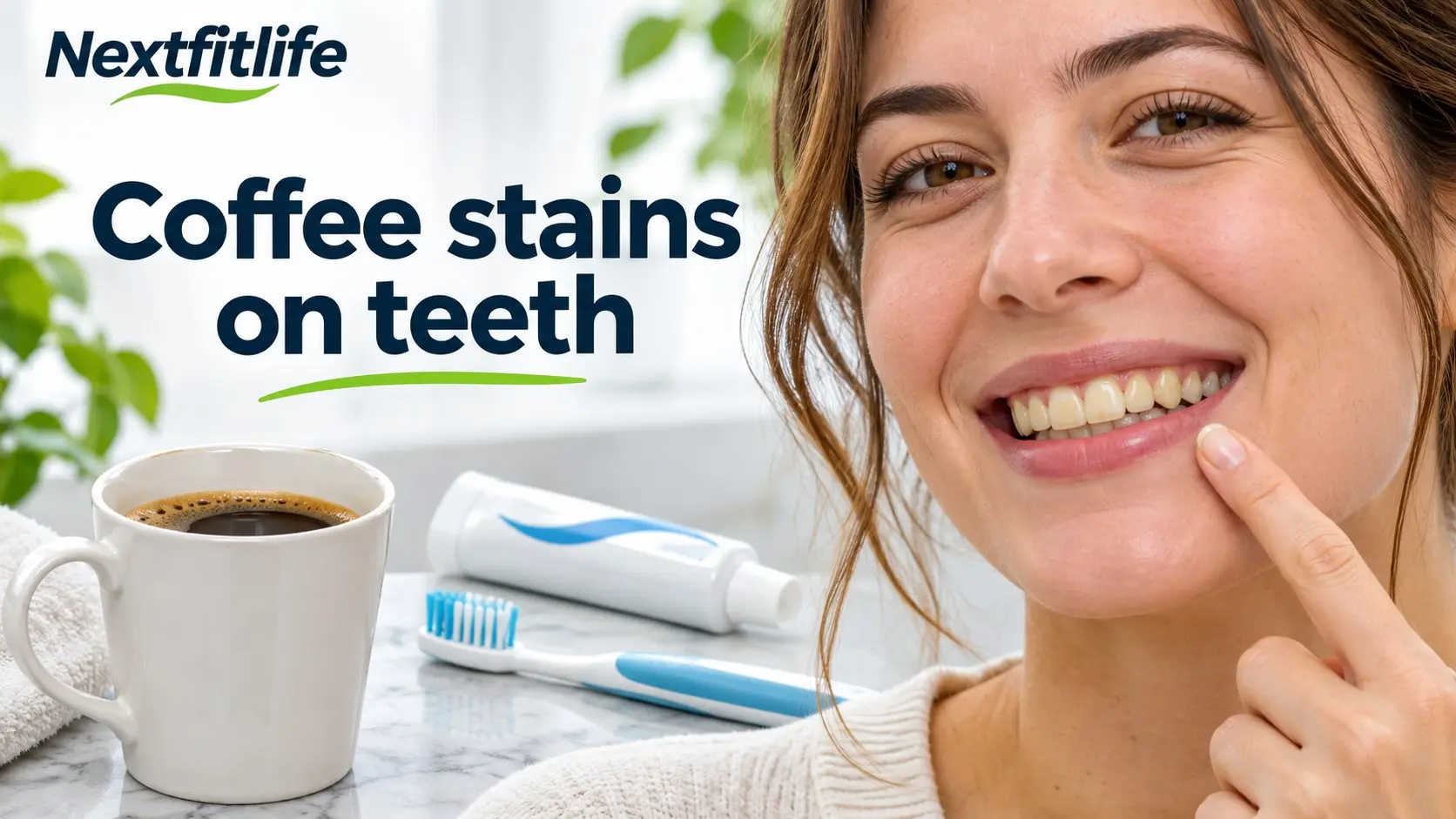
Coffee stains on teeth are usually surface stains. They often improve with good brushing, whitening toothpaste, professional cleaning, or tooth whitening.
But not every brown or dark spot comes from coffee. Tartar, tooth decay, old dental work, injury, and changes inside a tooth can look similar.
Quick answer: Coffee can leave colored compounds on tooth enamel. Mild surface stains may improve with daily oral care, whitening toothpaste, or a professional cleaning. Stronger whitening can lighten natural teeth, but it will not fix tartar, cavities, crowns, fillings, or a tooth that has changed color because of injury.
This article is for general information and education. It does not replace medical advice, diagnosis, or treatment.
See a dentist promptly if one tooth suddenly becomes dark, you have tooth pain, swelling, a visible hole, bleeding gums around the dark area, a bad taste, drainage, or discoloration after an injury. Those signs should not be treated as simple coffee staining.
For a wider daily care plan, see the NextFitLife Oral Care Guide.
Table of Contents
- Why coffee stains teeth
- Are coffee stains permanent?
- Coffee stain or something else?
- 11 smart ways to help
- What to avoid
- Whitening toothpaste versus strips
- Cleaning versus whitening
- Crowns, veneers, and fillings
- How to prevent new stains
- When a dentist should check the color
- Conclusion
- References and Sources
- Internal Links and NextFitLife Hubs
- About the Author
- Frequently Asked Questions
Why Does Coffee Stain Teeth?
Coffee contains strong color compounds that can collect on the outer surface of teeth.
The American Dental Association lists coffee, tea, red wine, cola, tobacco, and strongly colored foods among common causes of extrinsic stains.
Extrinsic means the stain sits on the outside of the tooth, mainly on the enamel and deposits that collect on it.
Staining becomes easier to see when plaque or tartar is present because color can cling to those surfaces.
This is one reason good oral hygiene matters even if you have no plan to stop drinking coffee.
Are Coffee Stains on Teeth Permanent?
Most true surface coffee stains are not permanent.
Mild staining can improve with regular brushing and a suitable whitening toothpaste. A dental cleaning can remove plaque, tartar, and many surface stains that brushing cannot remove at home.
If the natural tooth color still looks darker after cleaning, peroxide whitening may lighten it.
The key is knowing what kind of color change you have.
Surface Stain
Surface stain sits on the outside of the tooth. Coffee, tea, tobacco, and dark foods are common causes.
This is the type most likely to respond to cleaning or whitening toothpaste.
Intrinsic Discoloration
Intrinsic discoloration starts inside the tooth.
It can happen because of age, trauma, some medicines, changes in the dental pulp, or other causes.
This may need bleaching or another dental treatment, depending on the cause.
How Can You Tell a Coffee Stain From Something Else?
Coffee stains often affect several teeth and build slowly.
They may look yellow, tan, or brown, especially where plaque or tartar collects.
But a brown or black mark is not automatically coffee.
| What You Notice | Possible Explanation | Best Next Step |
|---|---|---|
| Yellow or brown color on several teeth | Surface stain | Improve oral care and consider cleaning |
| Hard brown deposit near the gumline | Possible tartar | Professional cleaning |
| Brown or black area with a hole or pain | Possible tooth decay | Dental exam |
| One tooth turns gray or dark | Possible internal change or past injury | Dental exam |
| Color around a crown or filling | Stain, restoration change, or decay | Dental assessment |
If you are not sure what you are seeing, use the Yellow Stains on Teeth Guide for more detail, but do not delay a dental check when pain or damage is present.
11 Smart Ways to Help Coffee Stains on Teeth
1. Rinse With Water After Coffee
This is the easiest habit to add.
Drink or rinse with plain water when you finish your coffee. Water helps clear some coffee residue before it sits on the teeth for longer.
You do not need a strong whitening rinse after every cup.
2. Brush Twice a Day With Fluoride Toothpaste
Use a soft toothbrush and a fluoride toothpaste.
Fluoride helps protect teeth from decay. Toothpaste also helps remove plaque and some surface stain.
More pressure is not better. Hard scrubbing can irritate gums and wear tooth surfaces over time.
For a fuller routine, see Oral Hygiene Guide: Daily Habits for Healthy Teeth and Gums.
3. Clean Between Your Teeth Every Day
Coffee color can collect where a toothbrush does not clean well.
Use floss, interdental brushes, or another method recommended by your dentist or hygienist.
This will not bleach the tooth, but it helps remove plaque that can make stain look darker and more uneven.
4. Try a Whitening Toothpaste for Mild Surface Stain
A whitening toothpaste is a sensible first option when the problem is mild coffee staining.
The ADA explains that many whitening toothpastes use abrasives or other cleaning agents to remove surface stains.
They do not produce the same color change as peroxide bleaching.
If you want a product, look for one with the ADA Seal of Acceptance rather than choosing the harshest looking formula.
You can also see Best Teeth Whitening Tips for a wider comparison of options.
5. Get a Professional Cleaning if Tartar Is Involved
This step gets skipped too often.
If stain is trapped on hardened tartar, whitening toothpaste will not remove the deposit.
A dental hygienist can remove plaque and tartar, then polish many external stains.
That can make teeth look brighter without bleaching the natural tooth color.
6. Consider Peroxide Whitening if Cleaning Is Not Enough
When teeth are healthy but still look darker after surface stain is removed, bleaching may help.
The common whitening agents are hydrogen peroxide and carbamide peroxide.
They change tooth color chemically rather than simply polishing the outer surface.
Options can include dentist supplied trays, professional treatment, and suitable over the counter whitening products.
Know the tradeoff: tooth sensitivity and gum irritation are among the most common short term side effects of whitening.
If you already have sensitive teeth, cavities, cracked teeth, gum problems, or exposed roots, ask a dental professional before starting strong whitening.
For timing guidance, see How Often Can You Whiten Your Teeth Safely?.
7. Stop Sipping One Coffee for Hours
You do not need to rush your coffee, but keeping one cup beside you all morning gives the teeth repeated contact with color.
Finish the drink in a normal sitting, have some water, and move on.
This is a simple habit that does not require giving up coffee.
8. Use a Straw for Iced Coffee if It Feels Practical
A straw can reduce direct contact with the front teeth when you drink iced coffee.
It does not make staining impossible.
Think of it as a small exposure change, not a shield for your teeth.
9. Keep Sugar in Coffee in Perspective
Sugar does not create the brown coffee pigment, but it adds a different dental concern.
Frequent sugar exposure can raise cavity risk because oral bacteria use sugars to produce acids.
That means a sweet coffee can involve two separate issues: coffee stain and tooth decay risk.
10. Keep Regular Dental Checkups and Cleanings
A dental professional can tell the difference between stain, tartar, decay, and internal discoloration far better than a bathroom mirror can.
Routine care also removes deposits that home brushing cannot safely remove.
11. Treat the Cause Before Chasing Whiter Teeth
If the problem is a cavity, gum disease, cracked enamel, or a damaged tooth, whitening is not the first job.
Healthy teeth and gums come first.
The cosmetic part can be handled after the mouth is stable.
What Should You Avoid for Coffee Stains?
Lemon Juice
Do not rub lemon on your teeth.
The acid can wear tooth enamel. As enamel becomes thinner, the yellow dentin underneath can become more visible.
Vinegar
Vinegar is acidic too.
It is not a safe shortcut to whiter teeth.
Activated Charcoal
I would skip charcoal whitening.
MouthHealthy from the ADA says there is no good evidence showing that charcoal dental products are safe and effective for whitening.
A rough abrasive can also wear enamel, which can make teeth look more yellow over time.
Aggressive Salt or Powder Scrubs
Scrubbing harder does not bleach enamel.
It only increases abrasion.
Strawberry and Baking Soda Mixes
Homemade fruit mixtures add acid and abrasion without offering a reliable whitening advantage.
A tested toothpaste is a better choice.
Strong Homemade Peroxide Mixes
Do not guess your own peroxide strength or contact time.
Whitening products are designed to control how much peroxide reaches the teeth and gums.
More is not automatically better.
Is Baking Soda Safe for Coffee Stains?
Baking soda is used in some properly made toothpastes.
That is different from repeatedly scrubbing teeth with loose baking soda or mixing it with acidic ingredients.
If you want a baking soda based product, choose a toothpaste made for normal oral use rather than making a kitchen formula.
Should You Brush Right After Coffee?
You do not need to brush after every cup.
Rinse with water and keep your normal twice daily brushing routine.
If coffee is taken with acidic foods or drinks, give the mouth time before brushing rather than scrubbing immediately after a strong acid exposure.
The bigger goal is steady daily care, not brushing six times a day.
Does Milk Stop Coffee From Staining Teeth?
Do not depend on milk or cream as a stain blocker.
Laboratory studies suggest that coffee additives can change how much color attaches to enamel, but lab enamel tests do not prove what will happen in a person's mouth over months or years.
Saliva, coffee type, drinking time, brushing, dental deposits, and other habits all change the result.
Drink coffee the way you enjoy it, then use proven oral care habits.
Does Hot Coffee Stain More Than Iced Coffee?
Some laboratory research suggests coffee temperature can change staining, but this is not strong enough evidence to tell people to switch to iced coffee just to protect tooth color.
Both hot and cold coffee can stain.
How long and how often your teeth contact coffee probably matters more in daily life.
Whitening Toothpaste vs Whitening Strips vs Cleaning
| Option | Main Job | Best For | Main Limit |
|---|---|---|---|
| Fluoride toothpaste | Daily cleaning and cavity protection | Daily oral care | Little bleaching effect |
| Whitening toothpaste | Removes surface stain | Mild coffee stain | Limited change to deeper tooth color |
| Whitening strips | Bleaches natural tooth color | Broader cosmetic whitening | Can cause sensitivity or gum irritation |
| Professional cleaning | Removes plaque, tartar, and surface stain | Buildup and external stain | Does not bleach natural tooth color |
| Dentist supervised whitening | Bleaches natural teeth | Stronger cosmetic color change | Not suitable for every mouth |
For a deeper comparison, use the NextFitLife Teeth Whitening Guide.
Will Whitening Work on Crowns, Veneers, or Fillings?
No, not in the same way it works on natural teeth.
The ADA and NHS explain that bleaching products lighten natural teeth. They do not change the color of tooth colored restorations in the same way.
This matters if you have:
- Crowns
- Veneers
- Composite fillings
- Dentures
- Implants
Whitening natural teeth around dental work can create a color mismatch.
Ask your dentist what result is realistic before you start.
How to Prevent Coffee Stains on Teeth Without Giving Up Coffee
You do not need a complicated system.
- Drink coffee in a normal sitting rather than sipping it for hours.
- Drink or rinse with water afterward.
- Brush twice daily with fluoride toothpaste.
- Clean between the teeth every day.
- Use a suitable whitening toothpaste if surface stains bother you.
- Use a straw for iced coffee if it feels practical.
- Keep regular dental checkups and cleanings.
- Avoid smoking and tobacco.
- Skip acidic and very abrasive DIY whitening mixtures.
That routine is easier to keep than trying to avoid coffee forever.
A Simple Daily Routine for Coffee Drinkers
Morning
Drink your coffee with or around breakfast instead of stretching one cup across the whole morning.
Have water afterward, then follow your normal oral care routine.
During the Day
If you have another coffee, drink water when you finish.
You do not need to scrub your teeth every time you drink coffee.
Evening
Brush well with fluoride toothpaste and clean between your teeth.
Simple daily care usually matters more than dramatic whitening tricks.
When Is a Dark Tooth Not Just a Coffee Stain?
This is the section I would not skip.
See a dentist if you notice:
- One tooth suddenly becoming gray or dark
- A brown or black hole
- Tooth pain or strong sensitivity
- Swelling
- Bleeding around the dark area
- A rough hard deposit that will not brush away
- Discoloration after an injury
- A dark area that keeps getting larger
- A color change around a filling or crown
- Bad taste or drainage
Cleveland Clinic notes that tooth discoloration can come from coffee and other foods, but also from dental trauma, tooth decay, aging, medicines, and dental treatments.
Cosmetic stain and dental disease can look alike, so do not keep whitening a tooth that needs treatment.
Common Coffee Stain Mistakes
Assuming Every Brown Spot Is Coffee
Some brown or black areas are cavities, tartar, damaged teeth, or old dental work.
Brushing Harder
Hard brushing does not bleach a tooth.
Use good technique and a soft brush instead.
Using Lemon or Vinegar
Acid can wear enamel and make teeth more sensitive.
Expecting Whitening Toothpaste to Bleach Deep Color
Whitening toothpaste works mainly on surface stains.
Whitening Before Treating Cavities or Gum Problems
Healthy teeth and gums come first.
Expecting Crowns or Fillings to Whiten
Bleaching changes natural teeth, not restorations in the same way.
Conclusion
Coffee stains on teeth are often surface stains, and many can be reduced without giving up coffee.
Start with water after coffee, steady brushing with fluoride toothpaste, daily cleaning between the teeth, and a whitening toothpaste if needed. If the color stays after good home care, a professional cleaning is a sensible next step before stronger whitening.
Your next step: look at whether the stain affects several teeth or just one. If one tooth is dark, painful, damaged, or changing quickly, book a dental exam instead of trying another whitening product.
References and Sources
- American Dental Association. Whitening.
https://www.ada.org/resources/ada-library/oral-health-topics/whitening - American Dental Association. Toothpastes.
https://www.ada.org/resources/ada-library/oral-health-topics/toothpastes - MouthHealthy, American Dental Association. Natural Teeth Whitening: Fact vs. Fiction.
https://www.mouthhealthy.org/all-topics-a-z/natural-teeth-whitening - NHS. Teeth Whitening. Page reviewed August 19, 2025.
https://www.nhs.uk/tests-and-treatments/teeth-whitening/ - Cleveland Clinic. Tooth Discoloration: Causes and Treatment. Updated July 3, 2025.
https://my.clevelandclinic.org/health/symptoms/10958-tooth-discoloration
Internal Links and NextFitLife Hubs
- NextFitLife Oral Care Guide
- Oral Hygiene Guide
- How to Remove Yellow Stains on Teeth Safely
- Best Teeth Whitening Tips
- How Often Can You Whiten Your Teeth Safely?
- How to Get Healthy Looking Teeth
- Oral Hygiene Guide
- About NextFitLife
Frequently Asked Questions
Are coffee stains on teeth permanent?
Most surface coffee stains are not permanent. They may improve with good brushing, whitening toothpaste, professional cleaning, or whitening. Internal discoloration and dental restorations need a different approach.
How do you get rid of coffee stains on teeth?
Start with twice daily brushing, daily cleaning between the teeth, and water after coffee. Whitening toothpaste may help mild surface stain. Tartar and stubborn stains may need professional cleaning, while deeper color changes may need whitening.
Can whitening toothpaste remove coffee stains?
Yes, whitening toothpaste can help remove mild surface coffee stains. It does not bleach deeper tooth color as strongly as peroxide whitening products.
Does a dental cleaning remove coffee stains?
A professional cleaning can remove plaque, tartar, and many surface stains. It does not bleach the natural internal color of teeth.
Does baking soda remove coffee stains from teeth?
Baking soda is used in some properly formulated toothpastes. It is better to use a tested toothpaste than repeatedly scrub teeth with loose baking soda or homemade acidic mixtures.
Should I use lemon or vinegar to whiten coffee stained teeth?
No. Lemon and vinegar are acidic and can wear tooth enamel. Acid damage can make teeth more sensitive and can expose more yellow dentin underneath.
Does drinking coffee through a straw prevent stains?
A straw may reduce contact with the front teeth when drinking iced coffee, but it does not prevent all staining.
Can crowns or fillings be whitened?
Whitening products lighten natural teeth. Crowns, veneers, fillings, dentures, and implants do not whiten in the same way, so color mismatch can occur.
When should a dark tooth be checked by a dentist?
See a dentist if one tooth suddenly becomes dark, the area hurts, you see a hole, there is swelling or drainage, the color changed after an injury, or the dark area keeps getting larger.
How can I prevent coffee stains without giving up coffee?
Drink coffee in a normal sitting, have water afterward, brush twice daily with fluoride toothpaste, clean between your teeth, keep regular dental cleanings, and avoid acidic or harsh DIY whitening methods.