
Updated on: October 12, 2026
Written and source-checked by: Adel Galal, Founder and Lead Writer at NextFitLife
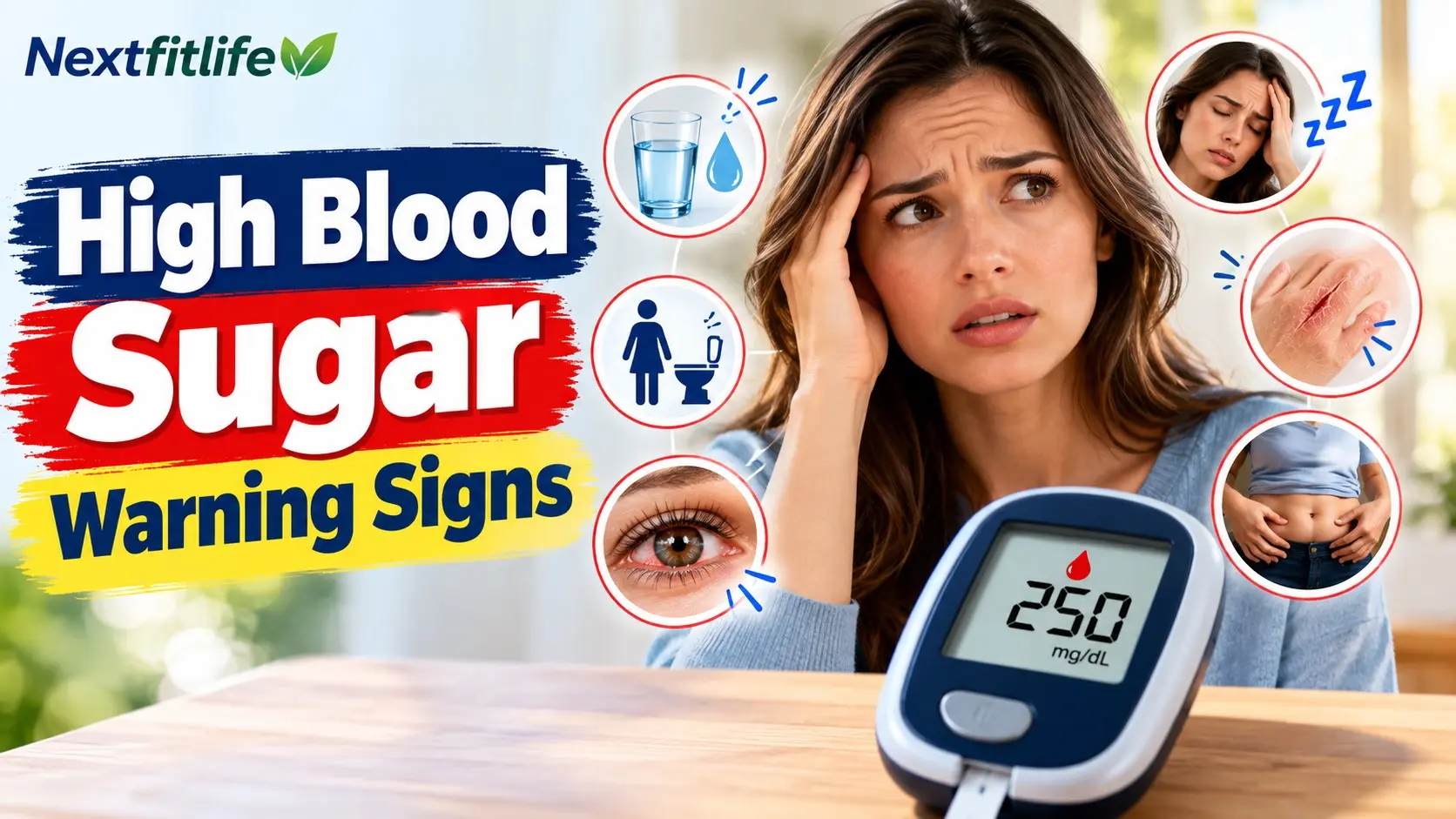
High blood sugar warning signs often include unusual thirst, frequent urination, fatigue, blurred vision, increased hunger, unexplained weight loss, slow healing wounds, and repeated infections. Very high glucose can also cause dehydration, nausea, vomiting, abdominal pain, deep breathing, fruity breath, confusion, or extreme sleepiness.
But symptoms are not a reliable blood glucose test.
Type 2 diabetes can develop slowly with few or no obvious symptoms. Prediabetes often causes no symptoms at all.
If you think your glucose may be high, the safest way to know is to measure it and, when appropriate, confirm the result with proper laboratory testing.
This article is for general information and education. It does not replace medical advice, diagnosis, or treatment.
For more guidance, visit the NextFitLife Diabetes and Blood Sugar Management Hub.
- What high blood sugar means
- Emergency warning signs
- 13 critical warning signs
- Diabetes diagnostic levels
- Blood sugar targets if you have diabetes
- DKA and HHS
- What causes high glucose
- What to do when your reading is high
- When not to exercise
- When to test ketones
- When to call your healthcare team
- References and Sources
- Internal Links and Hub
- Author Bio
- Frequently Asked Questions
What does high blood sugar mean?
High blood sugar is also called hyperglycemia.
It means there is more glucose in your blood than your body can manage normally.
This can happen because:
- Your body does not make enough insulin
- Your body cannot use insulin well
- You missed or need a change in diabetes medicine
- You are sick or have an infection
- Stress hormones are raising glucose
- You are taking a medicine that raises glucose
- Your food and medicine plan no longer matches your needs
A single higher reading does not automatically mean you have diabetes.
Diabetes is diagnosed using specific laboratory criteria and, unless the result is clearly diagnostic with classic symptoms, abnormal testing usually needs confirmation.
When is high blood sugar an emergency?
Very high glucose can sometimes lead to two dangerous emergencies: diabetic ketoacidosis, or DKA, and hyperglycemic hyperosmolar state, or HHS.
Seek urgent emergency care if high glucose occurs with:
- Repeated vomiting
- Inability to keep fluids down
- Deep or difficult breathing
- Fruity or acetone like breath
- Severe abdominal pain
- Confusion
- Extreme drowsiness
- Loss of consciousness
- Severe dehydration
- High or rapidly increasing ketones
CDC also advises emergency care when blood glucose remains at 300 mg/dL or above and DKA symptoms are present, or when vomiting prevents you from keeping food or drinks down.
Do not wait for every symptom to appear.
13 critical high blood sugar warning signs
1. You are much thirstier than normal
Excessive thirst is called polydipsia.
When glucose rises high enough, the kidneys begin moving more glucose into urine.
Water follows that glucose.
You lose more fluid and become thirsty.
Watch for:
- Constant thirst
- Drinking much more than usual
- Waking at night because you need water
- Dry mouth with frequent urination
Thirst alone does not prove high glucose. Heat, exercise, dehydration, medicines, and other illnesses can also cause it.
2. You are urinating much more often
Frequent urination is called polyuria.
When the kidneys remove excess glucose through urine, they also pull out water.
You may notice:
- More bathroom trips during the day
- Waking several times at night to urinate
- Passing larger amounts of urine
- New bed wetting in a child who had previously been dry
Frequent urination also has many other causes, including urinary infection, pregnancy, prostate problems, diuretic medicines, and drinking more fluid.
3. Your mouth feels dry and you seem dehydrated
High glucose can make you lose a large amount of fluid in urine.
This can lead to dehydration.
Possible clues include:
- Dry mouth
- Dry tongue
- Strong thirst
- Weakness
- Dizziness
- Reduced skin moisture
Severe dehydration is especially important in HHS, a dangerous hyperglycemic emergency.
4. You feel unusually tired or weak
Fatigue is common with high glucose, but it is not specific.
Your body may have plenty of glucose in the bloodstream while your cells cannot use it normally.
Dehydration can make the tired feeling worse.
Do not assume every afternoon energy crash means diabetes.
Anemia, thyroid disease, sleep problems, infection, depression, medicines, and many other conditions can also cause fatigue.
5. Your vision becomes blurry
Changes in blood glucose can temporarily alter fluid balance inside the eye and affect focusing.
This can make vision blurry.
Long term diabetes can also damage the blood vessels of the retina.
These are different problems.
If blurred vision appears during major glucose changes, it may improve as glucose becomes more stable.
Sudden vision loss, a dark curtain, new flashing lights, or severe eye pain needs urgent eye care rather than waiting for glucose to settle.
For more, read Eye Health and Diabetes.
6. You are losing weight without trying
Unexplained weight loss is one of the classic symptoms doctors consider when diagnosing diabetes.
If the body cannot use glucose normally, it may begin breaking down fat and muscle for fuel.
You may lose weight even though:
- You are eating normally
- You feel unusually hungry
- You have not increased exercise
Fast unexplained weight loss deserves medical assessment even when diabetes is not the cause.
7. You feel unusually hungry despite eating
Increased hunger is called polyphagia.
It can happen when glucose is present in the bloodstream but is not being used normally by cells.
However, hunger by itself is a weak diabetes test.
Sleep loss, dieting, medications, thyroid disease, stress, and normal changes in appetite can all make you hungrier.
8. Cuts or sores are healing slowly
Long standing high glucose can affect blood vessels, nerves, and immune responses.
That can make some wounds more difficult to heal.
This matters most on the feet.
If you have diabetes, inspect your feet regularly and seek help for:
- Open sores
- Blisters
- Increasing redness
- Drainage
- Warmth or swelling
A foot wound should not be left for weeks because it does not hurt. Nerve damage can reduce pain sensation.
9. You keep getting certain infections
Repeated infections can occur more often when glucose remains high.
Examples include:
- Yeast infections
- Some urinary infections
- Skin infections
- Gum problems
An infection can also push blood glucose higher.
This can become a cycle in someone who already has diabetes.
10. Numbness or tingling develops in your feet or hands
Neuropathy is more often a sign of long term diabetes related nerve damage than a sign of one temporary glucose spike.
Symptoms can include:
- Tingling
- Burning
- Numbness
- Reduced ability to feel temperature
New numbness has many possible causes, so do not assume diabetes without evaluation.
11. You develop nausea, vomiting, or abdominal pain
Mild nausea has many causes.
But nausea, repeated vomiting, and abdominal pain become more concerning when they appear with high glucose, thirst, frequent urination, ketones, or dehydration.
They can occur with DKA.
DKA can develop quickly, sometimes over hours.
Repeated vomiting with suspected DKA needs emergency care.
12. Your breath smells fruity or your breathing becomes deep and fast
When the body does not have enough usable insulin, it may break down fat rapidly and produce ketones.
One ketone, acetone, can give the breath a fruity smell.
DKA can also cause deep, rapid breathing.
Do not treat fruity breath as a quirky diabetes symptom.
When it occurs with vomiting, abdominal pain, dehydration, or feeling very ill, it can signal a medical emergency.
13. You become confused, very sleepy, or severely dehydrated
This is a major red flag.
Both DKA and HHS can affect mental function.
HHS usually develops over days or weeks and often occurs in people with type 2 diabetes.
It can involve extremely high glucose, profound dehydration, weakness, confusion, seizures, reduced consciousness, or coma.
Confusion or inability to stay awake with very high glucose is an emergency.
High blood sugar may cause no obvious symptoms
This deserves its own section.
You can have diabetes or prediabetes without feeling obviously sick.
Type 2 diabetes often develops slowly.
Prediabetes usually causes no classic symptoms at all.
This is why symptoms should never replace testing.
What blood sugar level means diabetes?
Diagnostic tests and treatment targets are different things.
The 2026 American Diabetes Association diagnostic criteria for nonpregnant people are:
| Test | Prediabetes | Diabetes |
|---|---|---|
| A1C | 5.7% to 6.4% | 6.5% or higher |
| Fasting plasma glucose | 100 to 125 mg/dL | 126 mg/dL or higher |
| 2 hour 75 g OGTT | 140 to 199 mg/dL | 200 mg/dL or higher |
| Random plasma glucose | Not used to define prediabetes | 200 mg/dL or higher with classic symptoms or hyperglycemic crisis |
Unless hyperglycemia is unequivocal, an abnormal diagnostic result normally needs confirmation.
A normal after meal reading is not the same as an OGTT result
This corrects a problem in the previous article.
The diagnostic 2 hour value of 200 mg/dL refers to a controlled oral glucose tolerance test using 75 grams of glucose.
It should not simply be applied to every home reading taken two hours after an ordinary meal.
Mixed meals contain different amounts of carbohydrate, fat, protein, and fiber.
If you are concerned about repeated home readings, take the record to your healthcare professional.
What blood sugar targets are used when someone already has diabetes?
Targets are individualized.
For many nonpregnant adults, ADA 2026 lists these common goals:
| Measure | Common Goal for Many Adults |
|---|---|
| A1C | Below 7% |
| Before meals | 80 to 130 mg/dL |
| Peak after meals | Below 180 mg/dL |
| CGM time in range 70 to 180 mg/dL | More than 70% for many adults |
These are treatment goals, not universal diagnostic cutoffs.
Pregnancy, age, medications, kidney disease, frailty, hypoglycemia risk, and other factors can change your target.
What causes high blood sugar?
Common triggers include:
Not enough insulin
This may occur in type 1 diabetes, advanced type 2 diabetes, missed injections, insulin pump problems, or a dose that is no longer sufficient.
Insulin resistance
In type 2 diabetes, muscle, liver, and fat cells do not respond to insulin normally.
The pancreas may initially make more insulin to compensate, but glucose can eventually rise.
Illness or infection
Illness raises stress hormones that can make glucose difficult to control.
Blood sugar may rise even when you are eating less than usual.
Corticosteroids and other medicines
Medicines such as prednisone can cause significant hyperglycemia in some people.
Other medicines can also affect glucose.
If high readings begin after a new medicine, tell the prescriber rather than stopping it on your own.
Stress
Physical and emotional stress hormones can increase glucose.
A stressful day does not automatically mean diabetes, but repeated stress can affect diabetes management.
Food and medicine mismatch
A meal containing more carbohydrate than usual can raise glucose, especially when insulin or other treatment is not matched to the meal.
This does not mean carbohydrates must be eliminated.
Reduced activity
Regular physical activity helps muscles use glucose and improves insulin sensitivity.
Less activity than usual may therefore raise glucose in some people.
Dawn phenomenon
Some people have higher glucose in the early morning because hormones released before waking tell the liver to release glucose.
What should you do if your blood sugar reading is high?
If you already have diabetes, follow the correction and sick day plan given by your diabetes team.
General steps include:
- Wash and dry your hands and repeat a surprising fingerstick result if needed.
- Check your CGM trend or glucose meter reading.
- Take prescribed medicine or correction insulin exactly as instructed.
- Drink normal sugar free fluids if you are able and your clinician has not restricted fluids.
- Check ketones when your diabetes plan tells you to, especially when you are ill or glucose is very high.
- Look for vomiting, abdominal pain, fruity breath, deep breathing, confusion, or severe dehydration.
- Contact your diabetes team if readings remain high or do not respond to your usual plan.
Do not take extra insulin beyond your prescribed correction plan because insulin stacking can cause dangerous hypoglycemia later.
For a dedicated guide, read High Blood Sugar: Safe Steps, Ketones and Emergency Signs.
Should you exercise when blood sugar is high?
Sometimes exercise lowers glucose.
Sometimes it is the wrong thing to do.
The American Diabetes Association advises checking ketones if glucose is above about 240 mg/dL.
If ketones are present, do not exercise.
Exercise when ketones are elevated can make glucose and ketones rise further.
If glucose is high but you have no ketones and feel well, activity may be appropriate depending on your diabetes plan.
For regular exercise guidance, see Exercise and Blood Sugar Control.
When should you check ketones?
CDC advises people with diabetes to check for ketones when they are sick or blood glucose reaches about 250 mg/dL or higher.
Follow your own diabetes team's sick day instructions if they use another threshold.
Ketones can be measured with:
- Blood ketone meters
- Urine ketone strips
Blood beta hydroxybutyrate testing can detect changes earlier than urine testing in many situations.
Moderate or high ketones need prompt medical guidance.
DKA can happen without extremely high glucose
This is an important 2026 update.
DKA is diagnosed using glucose or known diabetes, ketones, and metabolic acidosis.
The 2024 international hyperglycemic crisis consensus lowered the hyperglycemia criterion for DKA from 250 mg/dL to 200 mg/dL.
More importantly, around 10% of people with DKA can have glucose below 200 mg/dL.
This is called euglycemic DKA.
Risk can rise with:
- SGLT2 inhibitors
- Very low food intake
- Pregnancy
- Heavy alcohol use
- Some serious illnesses
If you use an SGLT2 medicine and develop nausea, vomiting, abdominal pain, deep breathing, severe weakness, or other DKA symptoms, do not dismiss them because your glucose is not extremely high.
What is HHS?
HHS means hyperglycemic hyperosmolar state.
It is another life threatening diabetes emergency.
HHS occurs more often in people with type 2 diabetes and tends to develop over days or weeks rather than hours.
Its main features are:
- Extreme hyperglycemia
- Major fluid loss
- Severe dehydration
- High blood concentration, called hyperosmolality
- Changes in mental status
Possible symptoms include:
- Extreme thirst
- Large amounts of urine at first
- Dry mouth
- Weakness
- Confusion
- Drowsiness
- Seizures
- Loss of consciousness
HHS requires hospital treatment.
Why you should not rely on symptoms alone
Many high blood sugar warning signs overlap with other conditions.
Thirst can mean dehydration.
Fatigue can come from poor sleep.
Blurred vision has many causes.
Urination can increase because of urinary problems or medicines.
That is why glucose testing matters.
Home glucose meters are useful, but they do not replace diagnostic testing
A home glucose meter or continuous glucose monitor can show important trends.
But diagnosis of diabetes uses laboratory A1C or plasma glucose testing.
If your home readings repeatedly fall in a concerning range and you do not have diagnosed diabetes, arrange proper testing.
See Home Diabetes Test: How to Check Blood Sugar Correctly.
What is A1C?
A1C estimates your average glucose exposure over the previous two to three months.
For diagnosis in nonpregnant adults:
- Below 5.7% is considered normal
- 5.7% to 6.4% is prediabetes
- 6.5% or higher is diabetes when properly confirmed
A1C can be less reliable in some conditions, including certain anemias, hemoglobin variants, blood loss, transfusion, pregnancy, and advanced kidney disease.
A healthcare professional can decide which test makes the most sense.
What is prediabetes?
Prediabetes means glucose is higher than normal but not yet in the diabetes range.
It often has no obvious symptoms.
Prediabetes raises the risk of type 2 diabetes and cardiovascular disease.
It can also be an opportunity to act early.
See Prediabetes: 15 Essential Facts and Can You Reverse Prediabetes?.
Can high blood sugar cause dark skin patches?
Dark, velvety skin around the neck, armpits, or groin is called acanthosis nigricans.
It can be associated with insulin resistance.
It is not caused by one short glucose spike.
If these patches are new, discuss them with a healthcare professional because insulin resistance is one of several possible causes.
Are mood changes a reliable high blood sugar warning sign?
Not by themselves.
The old article listed irritability and mood swings as one of its ten major warning signs.
That overstates their usefulness.
Glucose changes can affect how some people feel, especially when they are dehydrated or very unwell, but mood changes have many possible causes.
Thirst, frequent urination, unexplained weight loss, objective glucose readings, and classic hyperglycemia symptoms are much stronger clues.
Is dry itchy skin a reliable warning sign?
Dry skin may occur when dehydration is present, and chronic diabetes can affect skin health.
But dry or itchy skin alone is not a good test for high blood sugar.
Eczema, dry air, hot showers, allergies, thyroid conditions, kidney problems, and many other conditions can cause itching.
Can high blood sugar damage the body over time?
Yes.
Long term uncontrolled diabetes raises the risk of:
- Heart disease
- Stroke
- Kidney disease
- Retinopathy and vision loss
- Peripheral neuropathy
- Foot ulcers
- Amputation
- Gum disease
The goal is not perfect glucose every minute.
The goal is safe long term control based on an individualized plan.
Read Diabetes and Kidney Disease for more on kidney risk.
Seven common mistakes to avoid
1. Waiting for symptoms before testing
Type 2 diabetes and prediabetes can be silent.
2. Calling any after meal value over 140 prediabetes
The 140 to 199 mg/dL prediabetes range refers to a formal two hour 75 g OGTT, not every ordinary meal.
3. Trying to walk off very high glucose when ketones are present
Do not exercise with positive ketones.
4. Drinking huge amounts of water instead of treating DKA
Fluids cannot replace emergency insulin and electrolyte treatment.
5. Taking extra insulin without a correction plan
This can lead to delayed severe hypoglycemia.
6. Assuming glucose must be extremely high for DKA
Euglycemic DKA can occur.
7. Assuming every tired or irritable day means high glucose
Use symptoms as clues, then measure and test properly.
A simple action plan for a new high reading
| Situation | What to Do |
|---|---|
| One unexpected home reading | Wash and dry hands, repeat if needed, and look at the overall pattern. |
| Repeated high readings without known diabetes | Arrange laboratory testing for diabetes or prediabetes. |
| Known diabetes and glucose above your target | Follow your prescribed correction and monitoring plan. |
| Sick with glucose around 250 mg/dL or above | Check ketones according to your sick day plan and contact your diabetes team if elevated. |
| High ketones, fruity breath, vomiting, deep breathing, confusion | Seek urgent emergency medical care. |
Conclusion: symptoms are a warning, testing gives the answer
The most useful high blood sugar warning signs are excessive thirst, frequent urination, dehydration, fatigue, blurred vision, unexplained weight loss, and repeated high glucose readings.
More severe symptoms such as vomiting, abdominal pain, fruity breath, deep breathing, confusion, and extreme sleepiness can signal DKA or HHS and need urgent care.
Do not rely on symptoms alone.
Type 2 diabetes can develop quietly, and prediabetes usually has no clear warning signs.
Your next step: if you have several symptoms or repeated high home readings, arrange proper A1C or plasma glucose testing. If you already have diabetes and are very unwell, check ketones according to your sick day plan and seek emergency help when DKA or HHS symptoms appear.
References and Sources
- American Diabetes Association. Diagnosis and Classification of Diabetes: Standards of Care in Diabetes 2026.
Used for current diabetes diagnostic criteria and confirmation requirements.
https://diabetesjournals.org/care/article/49/Supplement_1/S27/160901/2-Diagnosis-and-Classification-of-Diabetes - American Diabetes Association. Glycemic Goals, Hypoglycemia, and Hyperglycemic Crises: Standards of Care in Diabetes 2026.
Used for A1C goals, glucose targets, CGM time in range, and hyperglycemic crisis guidance.
https://diabetesjournals.org/care/article/49/Supplement_1/S132/163927/6-Glycemic-Goals-Hypoglycemia-and-Hyperglycemic - Centers for Disease Control and Prevention. Symptoms of Diabetes.
Used for thirst, urination, weight loss, fatigue, blurred vision, slow healing wounds, infections, numbness, and the fact that type 2 diabetes may cause few symptoms.
https://www.cdc.gov/diabetes/signs-symptoms/ - Centers for Disease Control and Prevention. Diabetic Ketoacidosis.
Used for DKA symptoms, ketone testing, glucose monitoring during illness, fruity breath, vomiting, deep breathing, and emergency warning signs.
https://www.cdc.gov/diabetes/about/diabetic-ketoacidosis.html - National Institute of Diabetes and Digestive and Kidney Diseases. Diabetes and Prediabetes Tests.
Used for fasting glucose, oral glucose tolerance, random plasma glucose, and confirmation of diabetes diagnosis.
https://www.niddk.nih.gov/health-information/professionals/clinical-tools-patient-management/diabetes/diabetes-prediabetes - American Diabetes Association. Hyperglycemia, High Blood Glucose.
Used for exercise precautions when glucose is high and the warning not to exercise when ketones are present.
https://diabetes.org/living-with-diabetes/treatment-care/hyperglycemia - Umpierrez GE, Davis GM, ElSayed NA, et al. Hyperglycemic Crises in Adults With Diabetes: A Consensus Report. Diabetes Care. 2024.
Used for updated DKA and HHS diagnostic concepts, euglycemic DKA, and emergency presentation.
https://diabetesjournals.org/care/article/47/8/1257/156808/Hyperglycemic-Crises-in-Adults-With-Diabetes-A - MedlinePlus. Diabetic Hyperglycemic Hyperosmolar Syndrome. Reviewed January 25, 2026.
Used for HHS dehydration, confusion, seizures, loss of consciousness, and emergency treatment context.
https://medlineplus.gov/ency/article/000304.htm
Internal Links + Hub
- Diabetes and Blood Sugar Management Hub
- High Blood Sugar Warning Signs
- High Blood Sugar: Safe Steps, Ketones and Emergency Signs
- Home Diabetes Test
- Tips for Diabetes Control
- How to Keep Diabetes Under Control
- How to Control Diabetes With Food
- Foods for Blood Sugar Control
- Exercise and Blood Sugar Control
- Prediabetes Guide
- Prediabetes Early Signs
- Can You Reverse Prediabetes?
- Low Blood Sugar Without Diabetes
- Diabetes and Kidney Disease
- Eye Health and Diabetes
- Diabetes and Mental Health
Author Bio
Adel Galal is the founder and lead writer of NextFitLife. His health and wellness writing focuses on turning guidance from established medical, diabetes, nutrition, and public health sources into clear information readers can use in everyday life.
For this article, the focus is on separating useful symptoms from weak or nonspecific clues, explaining current 2026 diabetes testing thresholds, and making sure readers know when high glucose may represent DKA or HHS rather than an ordinary glucose spike.
I am not a dermatologist or a doctor, and this content does not replace professional medical advice. What I share comes from real life experience, extensive research, and consultation with healthcare providers. Always consult qualified medical professionals for diagnosis and treatment of any health condition.
This article has been researched and source checked. It has not been medically reviewed by an endocrinologist, physician, registered dietitian, diabetes educator, or other licensed healthcare professional.
Learn more about NextFitLife and its editorial approach at About Us.
Frequently Asked Questions
What are the most common high blood sugar warning signs?
The most common high blood sugar warning signs include increased thirst, frequent urination, dry mouth, fatigue, blurred vision, increased hunger, and unexplained weight loss. Long standing high glucose may also contribute to slow healing wounds, repeated infections, and nerve symptoms.
How do you feel when your blood sugar is too high?
You may feel thirsty, tired, weak, dry, hungry, or sleepy and may urinate more often. Some people develop blurred vision or headache. Others have no obvious symptoms, especially when type 2 diabetes develops slowly.
What blood sugar level means diabetes?
ADA 2026 diagnostic criteria include A1C of 6.5% or higher, fasting plasma glucose of 126 mg/dL or higher, or a two hour glucose of 200 mg/dL or higher during a formal 75 gram glucose tolerance test. Random plasma glucose of 200 mg/dL or higher can diagnose diabetes when classic hyperglycemia symptoms or a hyperglycemic crisis are present.
Is a glucose reading over 180 mg/dL diabetes?
Not by itself. A glucose value above 180 mg/dL can be high, but diagnosis depends on the type of test, timing, symptoms, and confirmatory laboratory testing. For many people already diagnosed with diabetes, ADA uses a peak postmeal treatment goal below 180 mg/dL, but targets are individualized.
Is 140 to 199 mg/dL after eating always prediabetes?
No. The 140 to 199 mg/dL prediabetes range applies to the two hour value during a formal 75 gram oral glucose tolerance test. It should not be applied automatically to every reading two hours after an ordinary meal.
When should I check ketones?
CDC recommends ketone testing when a person with diabetes is sick or blood glucose is around 250 mg/dL or higher. Your own diabetes sick day plan may use a different threshold, so follow the instructions from your care team.
Should I exercise if my blood sugar is very high?
Not when ketones are present. ADA advises checking ketones when glucose is above about 240 mg/dL. Exercise with positive ketones can make glucose and ketones rise further.
What are the warning signs of diabetic ketoacidosis?
DKA warning signs include severe thirst, frequent urination, dehydration, nausea, vomiting, abdominal pain, fruity breath, deep rapid breathing, severe fatigue, and confusion. DKA is a medical emergency.
Can DKA happen with glucose below 200?
Yes. Euglycemic DKA can occur with glucose below 200 mg/dL. It is especially important to consider in people using SGLT2 inhibitors or in settings such as pregnancy, reduced food intake, or serious illness.
What are the warning signs of HHS?
HHS can cause extreme thirst, frequent urination at first, severe dehydration, weakness, dry mouth, confusion, extreme sleepiness, seizures, or loss of consciousness. It occurs more often in people with type 2 diabetes and needs hospital treatment.
Can high blood sugar cause blurry vision?
Yes. Glucose changes can temporarily alter the eye's focusing ability. Long term diabetes can also damage retinal blood vessels. Sudden or severe vision changes should still be assessed urgently rather than assumed to be from glucose.
Can type 2 diabetes develop without symptoms?
Yes. Type 2 diabetes can develop slowly and some people have few or no symptoms. Prediabetes is also commonly silent, which is why screening and blood tests are important.
How can I lower high blood sugar safely?
If you have diabetes, follow your prescribed correction plan, take medicine as directed, stay normally hydrated if fluids are not restricted, monitor glucose, and check ketones when indicated. Do not exercise when ketones are present, and seek urgent care for DKA or HHS warning signs.

Health & wellness writer with 30+ years of experience in nutrition, fitness, and healthy aging. Founder of NextFitLife.com — evidence-based health guidance.

