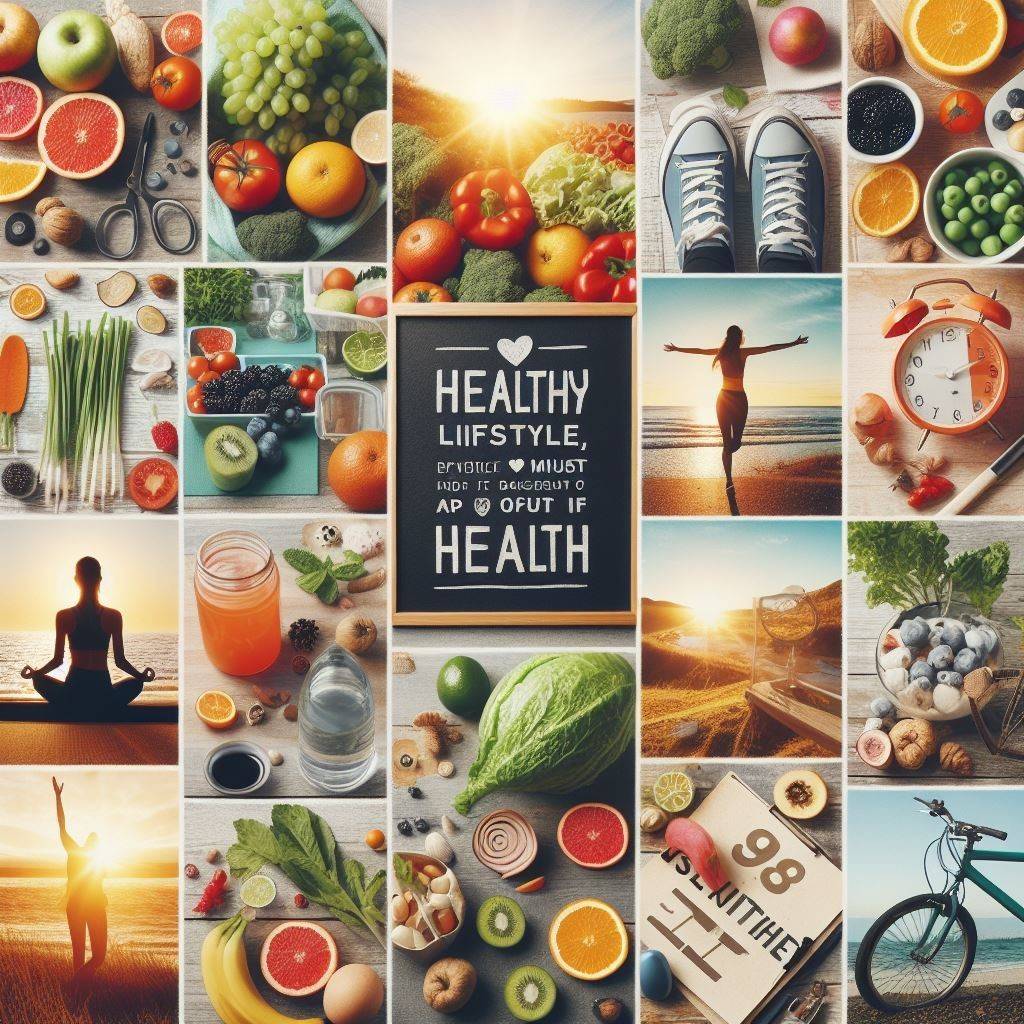
How to improve bone health naturally is something I wish I understood earlier. I watched my mother struggle with brittle bones at 62, and it changed my perspective completely. Bone health isn’t something you fix when problems appear; it’s something you build throughout your life.
The 7 Fixes You’ll Learn
- Weight-Bearing Exercises
- Calcium-Rich Foods
- Vitamin D Sources
- Bone Strengthening Nutrients
- Healthy Lifestyle Habits
- Strength Training
- Personal Risk Assessment
Why Your Bones Need Attention (And It’s Not What You Think)
Before we dive into how to improve bone health solutions, let’s understand the problem. Your bones are living tissue. They break down and rebuild constantly—a process called remodelling. · Around the age of 30, bones usually reach their highest strength and density.
- . After that, we lose bone faster than we build it.
This happens to everyone:
- Women after menopause lose bone rapidly (up to 3% per year)
- Men slowly lose bone density starting around age 65
- Young athletes can develop weak bones from intense training
- Certain medications block calcium absorption
The key? Start protecting your bones now, not when you’re 70 and experiencing your first fracture.
Fix #1: Add more calcium-rich foods—beyond just dairy.
I used to think milk was the only way to get calcium. I was mistaken.
Calcium is the foundation of bone health. Your body stores 99% of your calcium in bones. When you don’t eat enough, your body pulls calcium from bones to keep your blood calcium stable. Over time, bones become brittle.
Here’s what most people miss about foods for bone health:
Better calcium sources than milk:
| Food | Calcium (per serving) | Why is it better |
| Canned salmon (with bones) | 325 mg | Contains bone-building minerals |
| Dark leafy greens (cooked) | 100-150 mg | Also has vitamin K |
| Fortified plant milk | 300 mg | Works for vegans |
| Sardines | 325 mg | Plus, omega-3s |
| Sesame seeds | 280 mg (1/4 cup) | Easy to add to meals |
| Tofu | 250 mg (½ cup) | Complete protein source |
Action tip: Aim for 1,000-1,200 mg of calcium daily. This doesn’t require supplements, just intentional eating.
Fix #2: Secure Vitamin D from reliable sources (the often-missed key).
Vitamin D is your calcium’s best friend. Your body needs it to take in calcium the right way. I’ve seen people eat plenty of calcium but still develop weak bones because they lack vitamin D.
Here’s what I’ve learned: Vitamin D is hard to get from food alone.
Where to get vitamin D:
Food sources:
- Fatty fish (salmon, mackerel, sardines)
- Egg yolks
- Mushrooms exposed to sunlight
- Fortified milk and cereals
But here’s the truth: Most of us need sun exposure.
Sunlight triggers your skin to produce vitamin D.10-30 minutes of midday sun several times per week helps your body produce vitamin D naturally. I noticed this myself—I spent one winter indoors in a cold climate and developed vitamin D deficiency.
Vitamin D needs by age:
- Ages 19-50: 600 IU daily
- Ages 51-70: 600 IU daily
- Ages 70+: 800 IU daily
Fix #3: Do Weight-Bearing Exercises the Smart Way
This is where I see the biggest mistakes. People either do too little or do dangerous exercises.
Weight-bearing exercises force your bones to work against gravity. This stimulates bone-building cells. But here’s what matters: the right exercises for your age and fitness level.
The 3-Part Exercise Formula for Cone Health:
-
Weight-bearing activities (3-4 times per week)
- Brisk walking (my personal favorite—low injury risk)
- Dancing
- Jogging
- Stair climbing
-
Strength Training (2-3 times per week)
- Lifting weights
- Resistance bands
- Bodyweight exercises (push-ups, squats)
-
Balance Training (Daily is ideal)
- Standing on one leg
- Tai chi
- Yoga
Why this matters for bone density building:
Strength training directly stimulates bone formation. A study from the Journal of Applied Physiology showed that resistance training increased bone density by 1-3% annually in adults over 50—that’s reversing the typical decline.
Quick action plan:
- Monday: 30-minute walk + 15 minutes strength training
- Wednesday: 30-minute walk + 15 minutes strength training
- Friday: 30-minute walk + balance exercises
- Daily: 5 minutes of balanced work
Fix #4: Get These Bone-Building Nutrients (Beyond Just Calcium)
I made the mistake of focusing only on calcium for years. Your bones need a team of nutrients.
Essential minerals for bone health:
| Nutrient | Daily Need | Why It Matters | Best Sources |
| Magnesium | 310-420 mg | Regulates calcium | Almonds, spinach, pumpkin seeds |
| Zinc | 8-11 mg | Bone structure support | Oysters, beef, chickpeas |
| Phosphorus | 700 mg | Works with calcium | Fish, poultry, eggs |
| Vitamin K | 90-120 mcg | Bone formation | Kale, broccoli, Brussels sprouts |
| Boron | 1-2 mg | Calcium absorption | Almonds, avocados, prunes |
| Copper | 0.9 mg | Collagen formation | Nuts, seeds, and chocolate |
My experience: When I added bone-strengthening nutrients through whole foods rather than pills, I felt better overall, and my energy improved.
The Protein Connection:
Your bones are about 50% protein by volume. Eating enough protein is essential for preventing bone loss naturally. Aim for 1.0-1.2 grams of protein per kilogram of body weight daily.
Fix #5: Reduce Things That Damage Bone Health
Sometimes, preventing damage is more important than adding stuff.
Bone health enemies:
Excessive caffeine (more than 400 mg daily)
- Can increase fracture risk by causing calcium loss through urine
- I limit myself to one coffee daily
Alcohol abuse (more than 2-3 drinks daily)
- Interference with calcium absorption and bone formation
- Increases fall risk, which means more fractures
Smoking (any amount)
- Reduces bone density by 10-30%
- Slows fracture healing
- One of the worst things for bone health
Salt overload (more than 2,300 mg daily)
- Increases calcium loss through urine
- Most salt comes from processed foods
Sugary drinks (sodas, energy drinks)
- Phosphoric acid can interfere with calcium absorption
Sedentary lifestyle (sitting more than 8 hours daily)
- Bones that adapt to stress mean weaker bones
Fix #6: Strengthen bones with balanced eating habits.
I don’t believe in complicated diet plans. Simple patterns work better.
Mediterranean Diet Pattern (Best for Bones):
Research shows the Mediterranean diet reduces osteoporosis risk by 30%. Here’s why:
- Fish high in omega-3s (anti-inflammatory)
- Plenty of vegetables (vitamin K and magnesium)
- Whole grains (nutrients and fiber)
- Olive oil (helps nutrient absorption)
Sample Daily Bone-Building Meal Pattern:
Breakfast
- Oatmeal with almonds and berries (calcium + magnesium + vitamin K)
Mid-morning snack
- Greek yogurt with seeds (protein + calcium)
Lunch
- Salmon with broccoli and brown rice (omega-3s + vitamin K + magnesium)
Afternoon snack
- Whole grain toast with tahini (calcium + vitamin K)
Dinner
- Chicken with spinach and sweet potato (protein + vitamin K + minerals)
Fix #7: Track Your Progress and Adjust
Here’s what people don’t talk about: You can’t improve what you don’t measure.
I recommend tracking these factors monthly:
What to monitor:
- How many servings of calcium-rich foods do you eat daily
- Your exercise frequency and type
- Any fall incidents or injuries
- Energy levels and balance
- Medication changes
When to get a DEXA scan:
- Women: age 65 and older (or age 50 if risk factors present)
- Men: age 70 and older
- Anyone with risk factors, such as corticosteroid use
Does Age Matter? The Answer Might Surprise You.
I’ve observed how people from their mid‑20s to their 80s approach bone health, and here are some key lessons about strengthening bones at different stages of life.
Ages 20-35: Build Your Peak
Focus: Maximum bone building through exercise and nutrition
- Do strength training regularly
- Eat enough calcium
- Don’t skip meals
Ages 35-50: Maintain and Protect
Focus: Maintain bone mass and slow natural decline
- Continue strength training
- Monitor bone health
- Increase mineral intake slightly
Ages 50+: Prevent Decline
Focus: Aggressive prevention and reversal strategies
- Increase calcium and vitamin D
- Do weight-bearing exercise
- Consider DEXA scans
- Address medical factors
Key Facts About Bone Health
| Fact | Why It Matters |
| Bones renew every 7-10 years | You get a second chance to build stronger bones |
| Peak bone mass occurs around age 30 | Build it strong before age 30 |
| Women lose bone 2-3x faster after menopause | Early prevention is crucial |
| Exercise stimulates bone-building cells | The best exercises for strong bones work immediately |
| Most people get insufficient vitamin D | Sun exposure or supplementation is essential |
| Calcium alone isn’t enough | You need cofactor nutrients |
| Falls are preventable | 80% of fractures from falls are preventable |
FAQs About How to Improve Bone Health
How can I build my bones stronger?
The fastest way combines three things: calcium-rich foods, weight-bearing exercises, and vitamin D sources. Start with 20-minute walks and one calcium-rich meal daily. Add strength training after 2 weeks.
What foods are good for bone repair?
Bone health foods include salmon, leafy greens, almonds, and eggs. Focus on variety rather than perfection. A mix of calcium-rich foods, protein, and vegetables works best.
Which food increases bone density?
Fatty fish (salmon, mackerel), canned fish with bones (sardines), dark leafy greens, and fortified plant-based milks all increase bone density. Eat a variety daily.
What drink is good for bones?
Water is the best. Milk (dairy or fortified plant-based) provides calcium. Green tea offers antioxidants. Avoid excessive caffeine and sugary drinks.
What exercises are best for improving bone density?
Weight-bearing exercises like walking and dancing combined with resistance training work best. Add balance training daily. Target about 150 minutes of moderate exercise each week.
What are the best calcium and vitamin D food sources?
Calcium: Salmon, leafy greens, fortified milk, almonds, sesame seeds. Vitamin D: Fatty fish, egg yolks, mushrooms, sun exposure (10-30 minutes most days)
What other lifestyle factors affect bone health?
Sleep (7-9 hours), stress management, avoiding smoking and excess alcohol, limiting sodium, and maintaining a healthy body weight all matter significantly.
What are the risks of low bone density?
Fractures are the primary risk. Hip fractures often cause permanent disability. Spine fractures can cause height loss and chronic pain. Early action prevents these outcomes.
Final Thoughts: Your Bones Are Worth the Effort
When I started paying attention to how to improve bone health, everything changed. I’m stronger, I fall less, and I have confidence in my future.
Your bones are alive. They respond to what you do. It’s never too late to start. Whether you’re 25 and building your peak or 75 and reversing decline, these 7 fixes work.
The best time to improve your bone health was 20 years ago. The second-best time is today. Start with one change this week. Build from there.
Your future self will thank you.
Sources
- Harvard Health – Surprising Foods That Boost Bone Health https://www.health.harvard.edu/womens-health/surprising-foods-that-boost-bone-health
- Medical News Today – How to Increase Bone Density Naturally: 11 Methods https://www.medicalnewstoday.com/articles/325903
- Royal Osteoporosis Society – Exercise for Bone Health https://theros.org.uk/information-and-support/bone-health/exercise-for-bones/

Adel Galal is a health and wellness writer with over 30 years of experience studying and writing about health, fitness, nutrition, and healthy living. He is the founder of NextFitLife.com, where he shares practical, evidence-based guidance to support long-term health at any age. Adel’s mission is simple:
to help people make smarter health choices that fit real life, at any age.