Lung inflammation symptoms can feel scary when they hit you—but catching them early makes a vast difference. Whether it’s a persistent cough, chest tightness, or trouble breathing, your lungs are trying to tell you something.
The good news? Most people don’t realize they can spot these warning signs before things get worse and take real action to feel better fast. In this guide, I’ll show you exactly what to look for, why it happens, and what helps.
What Exactly Is Lung Inflammation? (And Why It Matters)
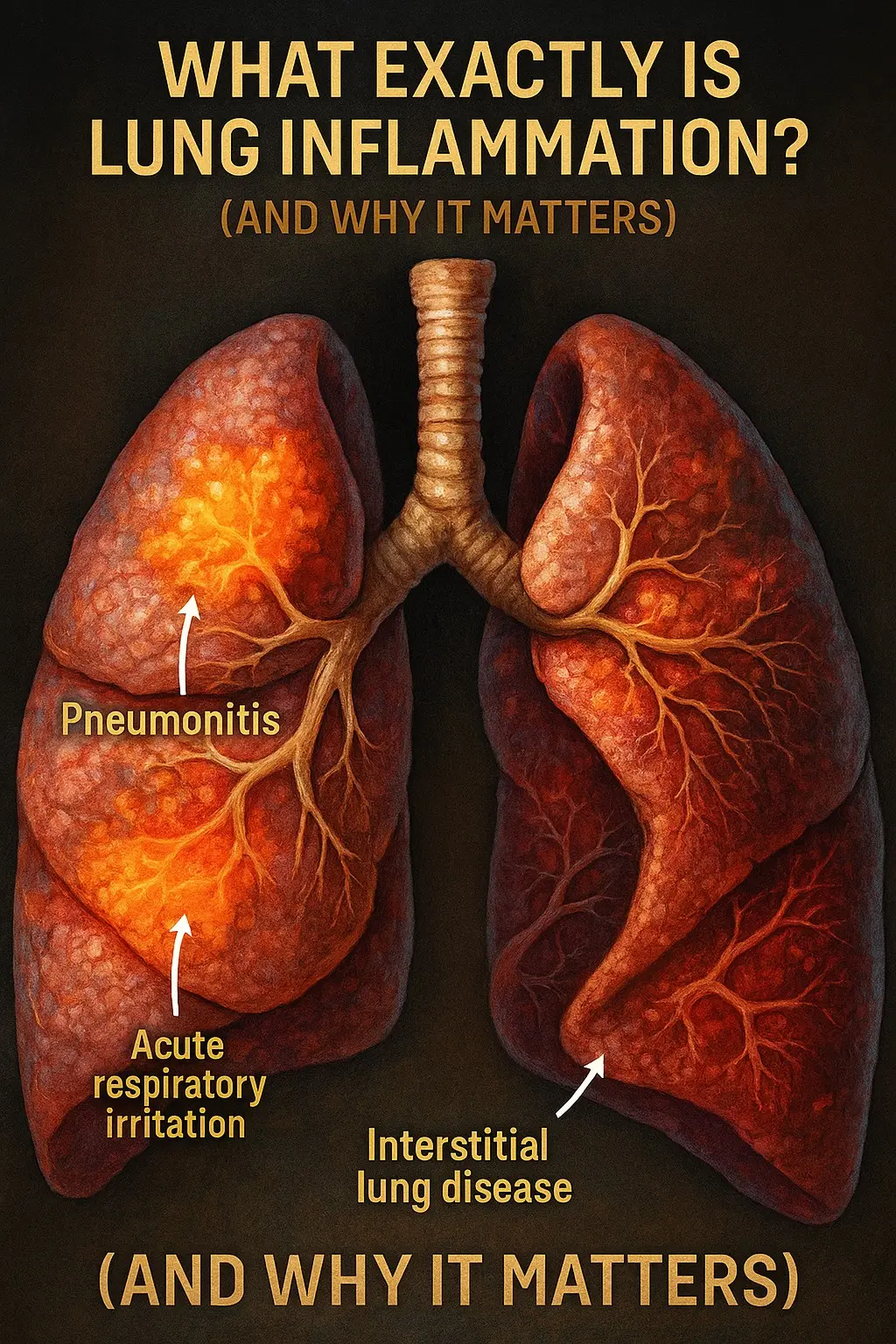
Think of your lungs like tiny air sacs—picture them as millions of balloons inside your chest. When inflammation happens, these air sacs swell up and get irritated. That’s when problems start.
Lung inflammation isn’t always pneumonia. Sometimes it’s:
- Pneumonitis – swelling from allergies or irritants (not infection)
- Acute respiratory irritation – short-term swelling from smoke or chemicals
- Interstitial lung disease – long-term inflammation deep in the lung tissue
The important thing? You need to know your body. I’ve seen people ignore early warning signs and end up much sicker than they needed to be. That’s why spotting symptoms of inflamed lungs early changes everything.
Common Lung Inflammation Symptoms: What You’ll Actually Feel
Here’s what most people experience when their lungs are inflamed:
That Nagging, Won’t-Go-Away Cough
Not every cough means inflammation. But a dry cough that lasts more than two weeks? That’s your first red flag.
What you’ll notice:
- A cough happens even when you’re not sick
- No mucus or phlegm comes up (the “dry” part)
- Getting worse when lying down
- Keeps you awake at night
I know this sounds obvious, but I’ve talked to dozens of people who ignored a cough for months. One person told me, “I thought it was just allergies.” It wasn’t. That’s why a cough lasting 3+ weeks deserves a doctor’s visit.
Shortness of Breath (Even Doing Nothing)
One of the earliest signs of lung inflammation is feeling winded while walking upstairs or doing simple tasks.
Pay attention to:
- You have difficulty breathing just walking to your car
- Climbing stairs leaves you gasping
- Sitting down makes you short of breath
- You need more pillows to sleep comfortably
This one scared me most when I experienced it. I remember thinking, “Why can’t I walk 100 feet without catching my breath?” That’s when I realized something wasn’t right.
Chest Pain or Tightness (The People Ignore)
Chest pain from lung inflammation feels different from a heart attack. Usually it’s:
- Sharper when you breathe in deeply
- Located more on the side than the center
- Getting worse when coughing
- Feels like dull pressure, not crushing pain
Important: If it feels crushing or radiates to your arm, call 911. But localized chest tightness with breathing? That’s often inflammation.
Wheezing or Whistling Sounds
You might hear wheezing sounds when breathing in or out. Sometimes only a doctor can hear it with a stethoscope, but sometimes you’ll hear it yourself.
Other breathing sounds:
- Crackling or popping sounds
- Whistling when you breathe
- High-pitched sounds with each breath
Fatigue That Won’t Quit
Extreme fatigue from symptoms of inflamed lungs differs from normal tiredness. I’m talking about:
- Feeling exhausted after minimal activity
- Sleeping 10+ hours but still tired
- Brain fog and difficulty concentrating
- Wanting to nap constantly
This happens because your body is fighting inflammation. It’s using massive amounts of energy to heal.
Fever, Chills, or Sweating
Not always, but sometimes fever symptoms show up:
- Low-grade fever (99-101°F) for days
- Night sweats, soaking your clothes
- Chills even in warm rooms
| Symptom | When It Appears | What It Means |
| Dry cough | Week 1-2 | Early inflammation |
| Shortness of breath | Week 1-3 | The lungs are getting more swollen |
| Chest pain | Week 2+ | Inflammation affecting the surrounding tissue |
| Wheezing | Varies | Airway narrowing |
| Fatigue | Any time | Body’s healing response |
| Fever | Early stage | Possible infection or immune response |
Early Symptoms of Lung Inflammation: Don’t Miss These
The earliest warning signs matter most. Catch them now, and you avoid serious problems later.
First week signs:
- Persistent cough that feels different than your normal cough
- Mild shortness of breath on exertion
- Slight chest discomfort when breathing deeply
- Energy dips
Week 2-3 signs:
- Respiratory irritation worsens
- Cough caused by lung inflammation gets more frequent
- Difficulty breathing at rest, not just with activity
- Sleep gets disrupted
I’ve noticed that people often wait until week 3 or 4 to see a doctor. That’s a mistake.
What Actually Causes Lung Inflammation Symptoms?
Understanding triggers helps you prevent this from happening again.
Environmental Triggers
Breathing problems because of lung inflammation often start from:
- Mould in homes or workplaces (especially damp areas)
- Dust from construction or old buildings
- Chemical fumes from cleaning products
- Secondhand smoke
- Air pollution
- Allergens (pet dander, pollen)
I once had a friend whose symptoms cleared up completely when she fixed her apartment’s mould problem. The inflammation didn’t come back. Environment matters.
Infections
- Viral infections (COVID-19, flu, common cold)
- Bacterial infections (pneumonia)
- Fungal infections (less common)
Medical Causes
- Reactions to certain medications
- Autoimmune conditions
- Cancer treatments (radiation or chemotherapy)
- Aspiration (food/liquid in lungs)
Lifestyle Factors
- Smoking (current or former)
- Excessive alcohol use
- Not enough physical activity
- Poor diet lacking antioxidants
Signs Your Lungs Are Inflamed
If you’re wondering, “Do I really have lung inflammation or am I just anxious?”— question. Here’s how to tell:
Physical Tests Your Doctor Will Do
Your doctor checks:
- Listens with a stethoscope for crackling sounds
- Checks oxygen level (pulse oximetry)
- May order a chest X-ray or a CT scan
- Blood tests for infection markers
Questions to Ask Yourself
- Does your cough happen even when you’re relaxed?
- Do you get shortness of breath, lung inflammation, or feelings at rest?
- Does deep breathing cause chest pain from lung inflammation?
- Has this lasted more than 2 weeks?
If you answer “yes” to three or more, get checked.
My story: I kept thinking my symptoms were anxiety. Turns out, inflammation was making me anxious. Once I treated the inflammation, the anxiety disappeared. Don’t make mistakes.
Recovery Timeline: How Long Does This Actually Take?
Here’s what nobody tells you straight: recovery varies, but here’s what to expect.
Mild Lung Inflammation
Timeline: 2-4 weeks
What you’ll experience:
- Symptoms improve by day 5-7
- Cough lingers longest (can take 3 weeks)
- Energy returns gradually
- Most people function normally by week 3
Moderate Inflammation
Timeline: 4-8 weeks
What happens:
- First 1-2 weeks are hardest
- Gradual improvement after that
- Fatigue takes the longest to fade
- May need medical treatment (steroids, etc.)
Severe Inflammation
Timeline: 8-12+ weeks
Reality check:
- Early treatment makes a huge difference
- Some people need oxygen support
- Professional pulmonary rehabilitation helps
- Don’t rush back to normal activity
I tracked my recovery closely. Week 2 felt impossible. Week 4, I could walk 20 minutes. Week 6, mostly back to normal. Patience matters.
What Actually Helps: Real Solutions (Not Just Rest)
Beyond seeing a doctor, here’s what works:
Medical Treatments
| Treatment | Why It Works | Timeline |
| Corticosteroids (oral) | Reduce inflammation fast | 3-7 days to feel better |
| Inhaled steroids | Target lungs directly | 1-2 weeks |
| Bronchodilators | Open airways | 15-30 minutes |
| Antibiotics | If infection-caused | 5-10 days |
| Oxygen therapy | If levels are low | Immediate relief |
At-Home Relief
Humidity matters:
- Use a humidifier (warm moisture helps coughs)
- Breathe steam from a hot shower
- Stay in humid rooms when possible
Positioning:
- Sleep propped up on 2-3 pillows
- Sitting upright for 30 minutes after meals
- Avoid lying flat
Hydration:
- Drink 8-10 glasses of water daily
- Warm liquids soothe the airways better
- Avoid dehydration (it thickens mucus)
Foods that help:
- Ginger and turmeric (anti-inflammatory)
- Honey (soothes throat and cough)
- Garlic (natural antimicrobial)
- Leafy greens (reduce inflammation)
When to See a Doctor (Don’t Wait)
Go immediately if:
- Shortness of breath at rest
- Coughing up blood
- Chest pain that radiates
- Confusion or severe fatigue
- Temperature above 103°F
Schedule within days if:
- Persistent cough for 2+ weeks
- Chest tightness that’s increasing
- new Wheezing sounds
- No improvement after 1 week of home care
Preventing Lung Inflammation from Coming Back
Once you’ve experienced this, you don’t want it again.
Environmental protection:
- Fix any mould immediately (dehumidifier + proper ventilation)
- Use HEPA air filters at home
- Avoid secondhand smoke completely
- Wear masks in dusty environments
Lifestyle changes:
- Exercise regularly (strengthens lungs)
- Eat anti-inflammatory foods
- Don’t smoke (if you do, quit)
- Get annual flu shots
- Manage stress (stress worsens inflammation)
Regular check-ins:
- Annual doctor visits
- Address coughs that last 2+ weeks
- Don’t ignore recurring symptoms
- Keep your home clean and dry
I changed my entire home setup after my experience. Better ventilation, air filters, and humidity control. Haven’t had inflammation since. Prevention works.
Key Takeaways: Remember This
The essentials:
- Lung inflammation symptoms come in stages—catch the early ones first
- A persistent cough for 2+ weeks deserves medical attention
- Shortness of breath at rest is serious—don’t ignore it
- Chest pain from lung inflammation is real, but usually manageable
- Recovery takes 2-12 weeks, depending on severity
- Medical treatment works—corticosteroids make a real difference
- At-home care (humidity, hydration, rest) is essential
- Prevention through environment and lifestyle stops recurrence
Frequently Asked Questions About Lung Inflammation Symptoms
How Do You Tell If Your Lungs Are Inflamed?
Look for the combination: persistent dry cough + shortness of breath + chest tightness lasting 2+ weeks. A doctor can confirm with a stethoscope, chest X-ray, or blood tests. Trust your gut—if something feels wrong with your breathing, get checked.
Can Lung Inflammation Be Cured?
Most cases resolve completely with proper treatment. Mild cases go away in 2-4 weeks. Severe cases may take longer but usually respond well to medical care. Some chronic conditions need ongoing management, but “cured” happens more often than not.
What Triggers Lung Inflammation?
Common triggers: mould exposure, infections (viral or bacterial), chemical fumes, smoking, medications, environmental allergies, or aspiration. In many cases, avoiding the trigger stops inflammation from returning. That’s the power of knowing your cause.
What Are the First Signs of Lung Problems?
The very first signs: a new cough that doesn’t match your normal pattern, feeling winded doing regular activities, or a subtle chest discomfort when breathing deeply. These appear before serious symptoms. Catching them here changes everything.
Conclusion: You Can Handle This
Lung inflammation symptoms feel overwhelming when they first start. I know—I’ve been there. But here’s the truth: you caught this. You’re reading this because you’re paying attention to your body. That’s already half the battle.
Most people recover completely. You probably will too. The key is:
- Notice the early signs (they’re subtle, but real)
- See a doctor without waiting (don’t tough it out)
- Follow medical advice (treatment works fast)
- Take recovery seriously (don’t rush back)
- Prevent it from happening again (environment + lifestyle)
Your lungs are resilient. Give them the care they deserve, and they’ll give you the breathing freedom you want.
References
- Verywell Health –
- What Causes Lung Inflammation and Is It Dangerous? Verywell Health
- Cleveland Clinic –
- Pneumonitis: Causes, Symptoms, Diagnosis & Treatment Cleveland Clinic
- American Lung Association. “Warning Signs of Lung
- https://www.lung.org/lung-health-diseases/warning-signs-of-lung-disease

Adel Galal is a health and wellness writer with over 30 years of experience studying and writing about health, fitness, nutrition, and healthy living. He is the founder of NextFitLife.com, where he shares practical, evidence-based guidance to support long-term health at any age. Adel’s mission is simple:
to help people make smarter health choices that fit real life, at any age.