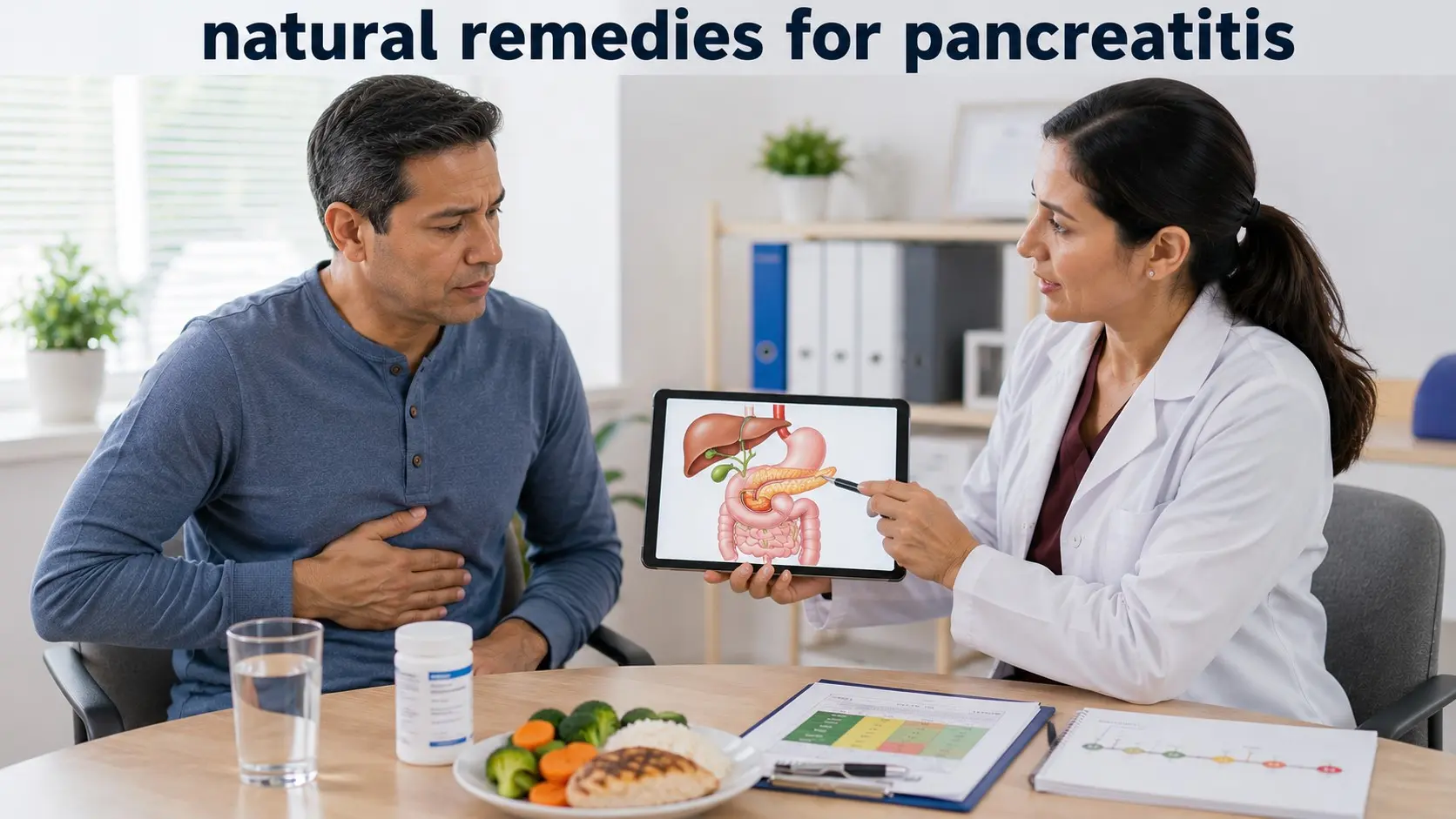
Natural Remedies for Pancreatitis: 14 Safe Supportive Steps
Last updated: August 7, 2026
Next review: July 2027, or sooner if pancreatitis guidance changes
Written by: Adel Galal, Founder and Editor of NextFitLife
Review status: Written and source checked using current acute-pancreatitis, chronic-pancreatitis, nutrition, pancreatic-enzyme, diabetes, complementary-therapy, and emergency-care guidance. This article has not been medically reviewed by a gastroenterologist, physician, registered dietitian, pharmacist, or another licensed healthcare professional.
Reading time: About 20 minutes
Quick Answer: Can Pancreatitis Be Treated at Home or With Natural Remedies?
Natural remedies for pancreatitis cannot replace medical treatment. Acute pancreatitis can become life-threatening and usually needs urgent medical assessment. Chronic pancreatitis requires ongoing care to manage pain, nutrition, digestion, diabetes risk, and other complications.
Supportive measures may include avoiding alcohol and tobacco, following an individualized nutrition plan, maintaining hydration, taking prescribed pancreatic enzymes correctly, treating the underlying cause, resuming activity gradually, and using stress-management support alongside medical care.
Do not attempt fasting, a liquid-only “pancreatic rest,” high-dose antioxidants, probiotic supplements, herbal treatments, or unprescribed digestive enzymes during a suspected acute attack.
Seek urgent medical help for sudden or severe upper abdominal pain that spreads to the back, repeated vomiting, fever, jaundice, breathing difficulty, fainting, confusion, or rapidly worsening illness.
When Pancreatitis Symptoms Need Emergency Care
Call your local emergency number or go to the nearest emergency department, emergency room, or A&E department for:
- Sudden or severe upper abdominal pain
- Pain that spreads through to the back
- Repeated vomiting or an inability to keep fluids down
- Fever or shaking chills
- A swollen or very tender abdomen
- A rapid or pounding heartbeat
- Shortness of breath
- Yellow skin or yellow whites of the eyes
- Confusion or extreme drowsiness
- Fainting or collapse
- Cold, pale, blue, grey, or mottled skin
- Rapidly worsening illness
Do not drive yourself when you are faint, confused, severely weak, repeatedly vomiting, or taking strong pain medicine.
These symptoms may indicate acute pancreatitis, a blocked bile duct, gallstone pancreatitis, infection, pancreatic necrosis, shock, or another abdominal emergency.
Medical and Editorial Notice
This article was written and source-checked by Adel Galal, Founder and Editor of NextFitLife.
Adel is a health and wellness writer. He is not a gastroenterologist, pancreatic surgeon, physician, specialist pancreatic nurse, registered dietitian, pharmacist, emergency clinician, or licensed healthcare professional.
This article is for educational purposes only. It cannot diagnose pancreatitis, determine disease severity, calculate a pancreatic-enzyme dose, recommend fasting, select pain medicine, interpret a scan, or replace emergency or specialist care.
Pancreatitis treatment differs according to whether the disease is acute or chronic, its cause, disease severity, nutritional status, pancreatic function, diabetes risk, and complications.
NextFitLife uses display advertising to support the website. Advertising does not determine the symptoms, treatment information, emergency guidance, supplement cautions, source selection, or conclusions on this page.
Read the Editorial Policy, Medical Review Policy, Corrections Policy, and Medical Disclaimer.
What Does the Pancreas Do?
The pancreas is a long gland located behind the stomach and close to the first part of the small intestine.
It has two major functions:
Digestive Function
The pancreas releases digestive juice containing enzymes that help break down:
- Fat
- Protein
- Carbohydrates
These enzymes travel through the pancreatic duct into the small intestine.
Blood-Sugar Function
The pancreas also produces hormones, including insulin and glucagon, that help regulate blood glucose.
Pancreatic damage can therefore affect both digestion and blood-sugar control. For broader digestive education, see the Digestive Health & Gut Hub.
What Is Pancreatitis?
Pancreatitis means inflammation of the pancreas.
Inflammation can interfere with pancreatic tissue, surrounding blood vessels, digestive-enzyme production, insulin production, and nearby organs.
Pancreatitis may be:
- A single sudden episode
- Repeated acute attacks
- A long-term condition causing permanent damage
- A complication of gallstones, alcohol use, high triglycerides, medicines, genetics, or another disorder
For broader information about abdominal symptoms and digestive testing, visit the Digestive Health & Gut Hub and the Medical Tests & Screenings Hub.
What Is the Difference Between Acute and Chronic Pancreatitis?
| Feature | Acute pancreatitis | Chronic pancreatitis |
|---|---|---|
| Onset | Sudden | Long-term or recurrent |
| Pancreatic damage | May resolve, although complications can occur | Progressive scarring and permanent damage |
| Typical pain | Sudden severe upper abdominal pain | Recurrent or constant upper abdominal pain |
| Common associated symptoms | Nausea, vomiting, fever, tenderness, rapid pulse | Weight loss, greasy stools, diarrhea, bloating, diabetes |
| Usual care | Urgent medical assessment and often hospital treatment | Long-term specialist, nutrition, pain, enzyme, and diabetes care |
| Can it be treated with home remedies? | No | Supportive habits may complement medical treatment |
Acute pancreatitis can range from mild to severe. A person cannot reliably determine its severity at home.
Chronic pancreatitis currently has no simple cure. Treatment aims to control pain, improve nutrition, replace missing enzymes, manage diabetes, treat blockages, and reduce additional pancreatic damage.
What Are the Symptoms of Pancreatitis?
Possible Acute Pancreatitis Symptoms
- Sudden severe pain in the upper abdomen
- Pain that spreads to the back
- Pain that feels worse after eating
- Nausea
- Repeated vomiting
- Fever
- A rapid heartbeat
- Abdominal swelling
- Marked abdominal tenderness
- Feeling very unwell
Possible Chronic Pancreatitis Symptoms
- Repeated or constant upper abdominal pain
- Pain spreading to the back
- Unexplained weight loss
- Loss of appetite
- Greasy, oily, pale, floating, or difficult-to-flush stools
- Foul-smelling stools
- Diarrhea
- Bloating
- Nausea
- Fatigue
- Symptoms of high or low blood glucose
Some people with advanced chronic pancreatitis have less pain even as digestive or endocrine function worsens.
What Causes Pancreatitis?
Potential causes include:
- Gallstones
- Alcohol use
- Very high triglycerides
- High blood calcium
- Certain medicines
- Abdominal injury
- Procedures involving the bile or pancreatic ducts
- Genetic conditions
- Cystic fibrosis
- Autoimmune pancreatitis
- Structural differences in pancreatic anatomy
- Pancreatic or ampullary tumors
- Infections in selected cases
Sometimes no cause is found after the initial assessment. This is called idiopathic pancreatitis, but additional investigation may still identify a cause later.
Gallstones are an important cause of acute pancreatitis. For related gallbladder, bile-duct, and liver context, visit the Liver Health Hub.
14 Safe Supportive Steps for Pancreatitis
1. Seek Urgent Assessment for a Acute Attack
Sudden severe upper abdominal pain, especially when it spreads to the back or occurs with vomiting, requires urgent medical evaluation.
Do not spend hours trying home remedies before seeking care.
2. Follow the Hospital or Specialist Treatment Plan
Acute treatment may include:
- Close monitoring
- Intravenous fluids
- Oral fluids when safe
- Pain medicine
- Anti-nausea medicine
- Early nutrition
- Oxygen or organ support when needed
- Treatment of infection when infection is present
- Procedures or surgery for the underlying cause
3. Avoid Alcohol
People diagnosed with pancreatitis are generally advised not to drink alcohol, including when the original attack was not clearly alcohol-related.
Ask for medical or addiction support if stopping alcohol is difficult. Sudden unsupervised withdrawal can be dangerous for someone who is physically dependent on alcohol.
4. Stop Smoking
Smoking can contribute to ongoing pancreatic damage, progression to chronic pancreatitis, and increased pancreatic-cancer risk.
Evidence-based cessation support may include counselling, nicotine-replacement therapy, or prescription medicine when medically suitable.
5. Maintain Hydration According to Medical Advice
Drink fluids as directed when you can swallow safely and are not vomiting repeatedly.
Water supports hydration, but coconut water, juice, herbal tea, or electrolyte drinks do not treat pancreatic inflammation.
Severe vomiting, low blood pressure, or acute pancreatitis may require monitored intravenous fluids.
6. Resume Food as Advised Rather Than Fasting Independently
Food should not routinely be withheld during acute pancreatitis when a person can tolerate it.
Do not begin a one-to-three-day liquid cleanse or “pancreatic rest” without medical instruction.
7. Work With a Digestive-Health Dietitian
Dietary support should focus on preventing malnutrition rather than following a generic “pancreas cleanse.” For general nutrient and deficiency education, see the Nutrition & Vitamins Hub.
A registered dietitian can assess:
- Weight loss
- Energy and protein needs
- Fat tolerance
- Pancreatic-enzyme use
- Vitamin and mineral deficiencies
- Blood-glucose changes
- Bone health
8. Use Smaller, Nutrient-Dense Meals When Recommended
Some people with chronic pancreatitis or exocrine pancreatic insufficiency tolerate smaller, more frequent meals better than large meals.
Do not reduce food so severely that weight loss or malnutrition becomes worse.
9. Take Prescribed Pancreatic Enzymes Correctly
Pancreatic enzyme replacement therapy should be taken during meals and snacks according to the prescriber’s instructions.
Do not substitute generic plant-based digestive enzymes for prescribed PERT.
10. Monitor Weight, Stools, and Digestive Symptoms
Report:
- Ongoing weight loss
- Greasy or floating stools
- Persistent diarrhea
- Bloating after meals
- Loss of appetite
- Difficulty maintaining muscle
11. Monitor Vitamins and Bone Health
Chronic pancreatitis and pancreatic insufficiency can reduce absorption of vitamins A, D, E, and K and may contribute to weakened bones.
Use supplements only when a clinician identifies a need and recommends an appropriate product and dose.
12. Monitor Blood Glucose
Pancreatic damage can reduce insulin and glucagon production, causing pancreatogenic or type 3c diabetes.
Regular glucose and diabetes assessment may be needed.
13. Treat the Underlying Cause
Preventing recurrence may require:
- Gallbladder removal for gallstone pancreatitis
- Removal of a bile-duct stone
- Treatment of very high triglycerides
- Treatment of high blood calcium
- Changing a suspected medicine under supervision
- Treatment for autoimmune pancreatitis
- Management of duct stones, narrowing, or fluid collections
14. Use Gradual Activity and Psychological Support
Resume walking and other activity gradually after the medical team says it is safe.
Counseling, mindfulness, breathing exercises, sleep support, and chronic-pain programs may help people cope with long-term illness. They do not reverse pancreatic inflammation.
Can Acute Pancreatitis Be Treated at Home?
No. A suspected first or recurrent acute attack should be medically assessed.
Even if the pain later improves, professional evaluation may be needed to identify:
- Gallstones
- Bile-duct obstruction
- Very high triglycerides
- A medicine-related reaction
- Pancreatic tissue damage
- Fluid collections
- Organ complications
Someone with a previous diagnosis should follow the emergency and flare instructions supplied by the pancreatic team rather than assuming every attack can be handled at home.
Should You Fast During Pancreatitis?
Do not begin prolonged fasting or a clear-liquid cleanse without medical instruction.
Current guidance does not support routine prolonged fasting. The 2024 American College of Gastroenterology guideline supports early oral feeding with a low-fat solid diet within about 24 to 48 hours in mild acute pancreatitis when tolerated. NICE likewise says food should not be withheld unless there is a clear reason, such as ongoing vomiting, and recommends enteral nutrition for moderately severe or severe disease when needed.
Food may need to be temporarily withheld for an obvious reason, such as:
- Ongoing vomiting
- An intestinal blockage
- A procedure requiring fasting
- Another specific medical concern
Independent fasting can worsen:
- Malnutrition
- Muscle loss
- Weakness
- Vitamin deficiency
- Recovery from severe illness
What Should You Eat After Acute Pancreatitis?
Follow the hospital or dietitian’s instructions. In mild disease, a low-fat solid meal may be introduced early when tolerated rather than progressing slowly through days of clear liquids.
Possible choices during recovery include:
- Oatmeal or another soft whole grain
- Rice or potatoes
- Vegetables
- Fruit
- Lean poultry or fish
- Beans, lentils, or tofu when tolerated
- Low-fat dairy or an appropriate alternative
- Soup that is not excessively fatty
Individual needs differ. A person who is losing weight may need more energy and protein than a generic low-fat meal plan provides.
Do not use juice cleanses, detox teas, or prolonged clear-liquid diets as pancreas-healing treatments.
What Is the Best Diet for Chronic Pancreatitis?
There is no single pancreatitis diet that is correct for every person.
An individualized plan may include:
- A healthy, balanced eating pattern
- Enough calories to prevent weight loss
- Adequate protein
- Smaller, frequent meals
- Prescribed pancreatic enzymes
- Vitamin or mineral replacement when deficiency is confirmed
- Blood-glucose planning when diabetes is present
Fat should not automatically be restricted to the same fixed amount for every person.
Severe fat restriction can reduce calorie intake and worsen deficiencies. If fatty meals trigger symptoms or greasy stools, the clinician should also check whether the PERT dose, timing, or diagnosis needs review. The Nutrition & Vitamins Hub can help explain nutrient deficiencies, but pancreatitis nutrition should still be individualized.
Foods That May Be Easier to Tolerate
- Lean protein
- Whole grains
- Cooked vegetables
- Fruit
- Beans or lentils when tolerated
- Lower-fat dairy
- Moderate portions of healthy fat with adequate PERT
Foods That May Worsen Symptoms for Some People
- Deep-fried food
- Very large fatty meals
- Heavy cream sauces
- Processed fatty meat
- Alcohol
- Any food repeatedly linked to an individual symptom pattern
Keep a food, enzyme, stool, pain, and weight record to review with the dietitian.
What Is Pancreatic Enzyme Replacement Therapy?
Pancreatic enzyme replacement therapy, or PERT, contains prescription pancreatic enzymes that help digest fat, protein, and carbohydrates.
PERT may be prescribed when the pancreas no longer releases enough enzymes.
How Is PERT Taken?
- Take it during meals and snacks.
- Use the prescribed dose.
- Follow instructions about swallowing or opening capsules.
- Do not chew enzyme granules unless specifically instructed.
- Do not mix them into hot food.
- Ask for review if symptoms or weight loss continue.
The dose may need adjustment according to meal size, fat content, symptoms, weight, and nutritional response.
A plant-based digestive-enzyme supplement is not an equivalent replacement for prescribed PERT. Pancreatic enzymes are used to treat exocrine pancreatic insufficiency and malabsorption; they should not be self-prescribed simply as a pain treatment.
How Do You Know if You Have Exocrine Pancreatic Insufficiency?
Exocrine pancreatic insufficiency, or EPI, occurs when the small intestine does not receive enough pancreatic enzymes for proper digestion.
Possible symptoms include:
- Greasy or oily stools
- Stools that float or are difficult to flush
- Pale or unusually foul-smelling stools
- Diarrhea
- Bloating
- Excess gas
- Abdominal discomfort
- Unexplained weight loss
- Loss of muscle
- Vitamin deficiencies
Tests may include a stool elastase test, nutrition blood tests, weight assessment, and evaluation of the underlying pancreatic disease. For general explanations of lab and stool testing, see the Medical Tests & Screenings Hub.
Do not diagnose EPI solely because one meal caused bloating.
Should You Take Vitamins or Antioxidants for Pancreatitis?
Do not take high-dose antioxidant combinations as a self-prescribed pancreatitis treatment.
The original type of regimen often promoted online may combine large doses of:
- Vitamin C
- Vitamin E
- Selenium
- Glutathione
- Other antioxidants
Potential problems include:
- Medicine interactions
- Excess intake
- Kidney-stone risk
- Bleeding risk
- Digestive side effects
- Delayed medical care
People with chronic pancreatitis may need vitamins A, D, E, or K or other nutrients when testing shows malabsorption or deficiency.
Supplementation should be based on clinical assessment rather than a standard online dose. See the Nutrition & Vitamins Hub for broader vitamin and deficiency education.
Are Probiotics Safe During Pancreatitis?
Probiotic supplements should not be promoted as treatment for acute pancreatitis.
A major clinical trial involving people with predicted severe acute pancreatitis found that the tested multispecies probiotic combination did not reduce infectious complications and was associated with increased mortality.
This does not mean that all ordinary foods containing live cultures are automatically dangerous. It does mean that concentrated probiotic treatment should not be improvised during serious pancreatic illness.
Discuss probiotic foods or supplements with the medical team if you:
- Have acute or severe pancreatitis
- Are critically ill
- Have a weakened immune system
- Have a central intravenous line
- Recently had major surgery
Can Turmeric or Herbal Remedies Treat Pancreatitis?
No herbal product has been proven to reverse acute pancreatitis, remove a gallstone, clear a pancreatic-duct obstruction, or replace hospital care.
Turmeric and Curcumin
Laboratory anti-inflammatory effects do not prove that turmeric supplements treat pancreatitis in people.
Concentrated turmeric or curcumin products may cause nausea, reflux, stomach upset, diarrhea, constipation, or medication interactions.
Licorice Root
Licorice does not treat pancreatitis. Products containing glycyrrhizin may affect blood pressure, potassium, heart rhythm, kidney function, and corticosteroid treatment.
Slippery Elm and Marshmallow Root
These products are promoted for digestive soothing but have not been established as treatments for pancreatic inflammation or pancreatic insufficiency.
They may also alter the absorption of oral medicines.
Peppermint
Peppermint tea may help some people with mild nausea or digestive discomfort, but it does not treat pancreatitis and may worsen reflux.
Milk Thistle, Dandelion, and Detox Products
These products do not cleanse the pancreas. Herbal mixtures can vary in quality, contain undeclared ingredients, and interact with medicines.
Tell the gastroenterologist and pharmacist about every supplement you take.
Can Acupuncture Help Chronic Pancreatitis Pain?
Acupuncture may be considered as an optional complementary approach for chronic pain after discussion with the specialist team.
Evidence specifically for chronic pancreatitis remains limited, and acupuncture does not treat:
- Acute pancreatic inflammation
- Gallstones
- Pancreatic necrosis
- Infection
- Duct obstruction
- Exocrine pancreatic insufficiency
- Diabetes
Use a licensed practitioner who follows sterile-needle standards. Avoid acupuncture when the medical team advises against it, including during severe acute illness or when bleeding risk is high.
Why Must Alcohol Be Avoided After Pancreatitis?
Alcohol can cause acute attacks, contribute to chronic pancreatic damage, and increase the risk of additional episodes.
Continuing to drink after alcohol-related chronic pancreatitis is associated with more severe complications.
Even when gallstones or another cause triggered the attack, clinicians may advise complete alcohol avoidance to reduce additional pancreatic stress.
Seek professional support if stopping is difficult. Treatment may involve:
- Medical assessment
- Withdrawal planning
- Counseling
- Peer support
- Medicine for alcohol-use disorder when appropriate
Do not suddenly stop heavy daily alcohol use without medical advice if physical dependence is possible.
Why Should You Stop Smoking With Pancreatitis?
Smoking is an independent pancreatitis risk factor and can accelerate chronic pancreatic damage.
It may also increase the likelihood of:
- Recurrent acute attacks
- Progression to chronic pancreatitis
- Ongoing pain
- Pancreatic cancer
- Other heart, lung, and vascular diseases
Ask about evidence-based cessation support rather than relying only on willpower. Chronic pancreatitis is also associated with increased pancreatic-cancer risk; the Cancer Awareness & Prevention Hub explains risk and screening concepts without treating symptoms as a diagnosis.
Can Pancreatitis Cause Diabetes?
Yes. Chronic pancreatic damage can reduce production of insulin and glucagon.
This form of diabetes is often called:
- Type 3c diabetes
- Pancreatogenic diabetes
- Diabetes of the exocrine pancreas
Possible symptoms include:
- Increased thirst
- Frequent urination
- Fatigue
- Blurred vision
- Unexplained weight change
- High or unstable glucose readings
Type 3c diabetes may also increase the risk of low blood sugar because glucagon production can be impaired.
Management may involve nutrition planning, glucose monitoring, oral medicine, or insulin.
For glucose warning signs and safer next steps, see High Blood Sugar: Safe Steps, Ketones, Emergency Signs, and What to Do.
How Is Pancreatitis Diagnosed?
Evaluation may include:
- A symptom and medical history
- An abdominal examination
- Blood lipase or amylase
- Liver-related blood tests
- Triglycerides
- Blood calcium
- Kidney function and electrolytes
- Blood glucose
- Abdominal ultrasound
- CT scanning
- MRI or MRCP
- Endoscopic ultrasound
- Stool tests for pancreatic function
- Genetic or autoimmune testing in selected cases
Blood Lipase
Lipase is a pancreatic digestive enzyme. Acute pancreatitis is generally diagnosed from a combination of characteristic symptoms, pancreatic-enzyme elevation, and imaging when needed; an elevated lipase or amylase can also occur in other conditions. For general test interpretation principles, visit the Medical Tests & Screenings Hub.
Ultrasound
Abdominal ultrasound can help identify gallstones and bile-duct changes.
CT Scan
CT may be used when the diagnosis is uncertain, symptoms fail to improve, or complications are suspected.
MRCP
MRCP is a specialized MRI technique that creates images of the bile and pancreatic ducts.
Endoscopic Ultrasound
Endoscopic ultrasound may detect small stones, chronic pancreatic changes, duct problems, or another cause not visible on ordinary imaging.
How Is the Underlying Cause Treated?
| Possible cause | Possible treatment approach |
|---|---|
| Gallstones | Bile-duct treatment when needed and gallbladder removal |
| Alcohol | Complete avoidance and alcohol-use treatment support |
| Very high triglycerides | Urgent glucose, lipid, nutrition, and medicine management |
| High blood calcium | Investigation and treatment of the calcium disorder |
| Suspected medicine | Supervised discontinuation or replacement |
| Autoimmune pancreatitis | Specialist treatment, often involving corticosteroid medicine |
| Pancreatic-duct stones or narrowing | Endoscopic, radiological, or surgical management |
| Infected pancreatic necrosis | Antibiotics and endoscopic, radiological, or surgical treatment |
| Pancreatic pseudocyst | Observation or drainage depending on symptoms and complications |
| Hereditary pancreatitis | Specialist genetic, pancreatic, nutrition, and surveillance planning |
Do not stop a prescription medicine simply because pancreatitis appears on a side-effect list. The prescriber must balance risks and choose a safe alternative.
What Long-Term Monitoring May Be Needed?
People with chronic pancreatitis may need ongoing assessment of:
- Pain
- Weight and muscle mass
- Exocrine pancreatic function
- PERT effectiveness
- Vitamins and minerals
- Bone density
- Blood glucose and diabetes
- Pancreatic or bile-duct obstruction
- Pseudocysts or other fluid collections
- Mental health and quality of life
- Alcohol and smoking cessation
Adults with chronic pancreatitis may be offered periodic bone-density assessment because malabsorption can increase the risk of low bone mass.
For broader day-to-day digestive-health education, use the Digestive Health & Gut Hub.
What Should You Avoid Doing?
- Do not attempt to treat acute pancreatitis at home.
- Do not begin prolonged fasting or a clear-liquid cleanse independently.
- Do not replace prescribed PERT with generic digestive enzymes.
- Do not take high-dose antioxidant combinations without testing and supervision.
- Do not use probiotics as acute pancreatitis treatment.
- Do not assume turmeric or herbs can reverse pancreatic inflammation.
- Do not drink alcohol after a pancreatitis diagnosis.
- Do not continue smoking.
- Do not ignore greasy stools, weight loss, or diabetes symptoms.
- Do not stop a suspected prescription medicine without contacting the prescriber.
- Do not force exercise during an acute attack.
- Do not delay emergency care because a heating pad or tea temporarily reduces pain.
How Should You Prepare for a Medical Appointment?
Write down:
- When the symptoms began
- The exact pain location
- Whether pain spreads to the back
- How long each episode lasts
- Nausea, vomiting, fever, or jaundice
- Alcohol and tobacco use
- Recent medicines and supplements
- Previous gallstones or gallbladder surgery
- Triglyceride and calcium history
- Family history of pancreatitis
- Weight changes
- Stool appearance and frequency
- Blood-glucose changes
- Current pancreatic-enzyme product and dose
What Questions Should You Ask a Healthcare Professional?
- Is this acute or chronic pancreatitis?
- What caused the pancreatitis?
- Do I need hospital treatment?
- When should I restart food?
- Do I need a dietitian?
- Do I have exocrine pancreatic insufficiency?
- Should I use pancreatic enzyme replacement therapy?
- How should I take my enzymes with meals and snacks?
- Do I need vitamin or bone-health testing?
- Should I be checked for type 3c diabetes?
- Do gallstones or a blocked bile duct need treatment?
- Could a medicine be contributing?
- Which pain-management options are appropriate?
- Which supplements should I avoid?
- Which symptoms require emergency care?
- Should I be referred to a specialist pancreatic center?
Key Takeaway
Natural remedies for pancreatitis cannot replace medical assessment and treatment.
Acute pancreatitis may become life-threatening and should not be managed with fasting, herbal products, supplements, probiotics, or unprescribed enzymes.
Safe supportive care may include avoiding alcohol and smoking, following an individualized nutrition plan, maintaining hydration, taking prescribed PERT correctly, monitoring nutrition and blood glucose, treating the underlying cause, and using psychological support for chronic illness.
Sudden severe upper abdominal pain, pain spreading to the back, vomiting, fever, jaundice, breathing difficulty, confusion, or collapse requires urgent medical help. For broader navigation, return to the NextFitLife Health Hub.
References and Authoritative Sources
NHS: Acute Pancreatitis
NHS: Chronic Pancreatitis
National Institute of Diabetes and Digestive and Kidney Diseases: Pancreatitis
NIDDK: Treatment for Pancreatitis
NIDDK: Eating, Diet, and Nutrition for Pancreatitis
NIDDK: Exocrine Pancreatic Insufficiency
NIDDK: Treatment for Exocrine Pancreatic Insufficiency
NIDDK: Diet and Nutrition for Exocrine Pancreatic Insufficiency
NICE: Pancreatitis Recommendations
American College of Gastroenterology: Acute Pancreatitis Guideline Highlights
The Lancet via PubMed: Probiotic Prophylaxis in Predicted Severe Acute Pancreatitis
National Center for Complementary and Integrative Health: Turmeric Safety
National Center for Complementary and Integrative Health: Licorice Root Safety
Source review date: August 7, 2026
Frequently Asked Questions
Can pancreatitis be treated naturally?
No. Natural or lifestyle measures cannot replace medical treatment. Supportive habits may complement chronic care, but a suspected acute attack requires urgent assessment.
Can mild acute pancreatitis be treated at home?
No. A person cannot reliably confirm the diagnosis or severity at home. Sudden severe upper abdominal pain, especially with vomiting or back pain, requires urgent medical evaluation.
Should you fast during pancreatitis?
Do not fast independently. Current guidance supports restarting food as tolerated in mild acute pancreatitis. Food may be withheld only for a clear medical reason, such as persistent vomiting.
What can you drink to heal the pancreas?
No drink heals pancreatic inflammation. Water can support hydration when it is safe to drink, but severe vomiting or acute pancreatitis may require intravenous fluids.
What is the best diet for chronic pancreatitis?
The best plan provides enough calories, protein, and nutrients while addressing individual fat tolerance, pancreatic-enzyme use, weight loss, vitamin deficiencies, and blood-glucose needs.
Does everyone with chronic pancreatitis need a very low-fat diet?
No. Severe fat restriction can worsen calorie and vitamin intake. Fat recommendations should be individualized, particularly when prescribed pancreatic enzymes are used.
What is pancreatic enzyme replacement therapy?
PERT is prescription treatment containing pancreatic enzymes that help digest food. It is taken during meals and snacks according to a clinician-directed dose.
Can generic digestive enzymes replace PERT?
No. Plant-based or over-the-counter digestive-enzyme supplements are not equivalent to prescribed pancreatic enzyme replacement therapy.
What are the signs of exocrine pancreatic insufficiency?
Possible signs include greasy, floating, pale, foul-smelling stools, diarrhea, bloating, weight loss, muscle loss, and vitamin deficiencies.
Do antioxidant supplements treat pancreatitis?
High-dose antioxidant combinations should not be self-prescribed as treatment. Supplements may be recommended when testing confirms a nutritional deficiency.
Are probiotics good for pancreatitis?
Probiotic supplements are not an established pancreatitis treatment. A major trial in predicted severe acute pancreatitis found no benefit and increased mortality with the tested probiotic combination.
Does turmeric help pancreatitis?
Turmeric has not been proven to treat acute or chronic pancreatitis. Concentrated products may cause digestive side effects or interact with medicines.
Can herbal remedies heal the pancreas?
No herbal remedy has been proven to reverse pancreatic inflammation, clear gallstones, open a blocked pancreatic duct, or replace prescribed pancreatic enzymes.
Can acupuncture help pancreatitis pain?
Acupuncture may be considered as an optional adjunct for chronic pain, but evidence specific to pancreatitis is limited and it does not treat pancreatic inflammation or complications.
Can you drink alcohol after pancreatitis?
Healthcare professionals generally advise people with pancreatitis to stop drinking alcohol because continued use can cause additional acute attacks and chronic pancreatic damage.
Why is smoking harmful with pancreatitis?
Smoking increases pancreatitis risk, can speed progression to chronic pancreatic damage, and may increase pancreatic-cancer risk.
Can pancreatitis cause diabetes?
Yes. Pancreatic damage can reduce insulin and glucagon production and cause pancreatogenic, or type 3c, diabetes.
What are the emergency warning signs of pancreatitis?
Seek urgent help for severe upper abdominal pain spreading to the back, repeated vomiting, fever, jaundice, breathing difficulty, fainting, confusion, or rapidly worsening illness.
Is this article medically reviewed?
No. It was written and source-checked using authoritative pancreatitis and digestive-health guidance, but it has not been medically reviewed by a licensed healthcare professional.

Health & wellness writer with 30+ years of experience in nutrition, fitness, and healthy aging. Founder of NextFitLife.com — evidence-based health guidance.