The best Tips for Longer Life are not secret anti-aging tricks.
There is no food that guarantees 100 years of life.
There is no vitamin that stops aging.
There is no workout that makes you immortal.
And no person can control every cause of illness or death.
Genetics matter.
Your environment matters.
Healthcare access matters.
Income and living conditions matter.
Accidents and unexpected illness matter too.
But your daily habits still matter.
Research strongly supports regular physical activity, nutritious food, avoiding tobacco, healthy sleep, cardiovascular risk control, social connection, and preventive healthcare.
These habits can lower the risk of many diseases that shorten life.
They can also help you live more years with better strength, thinking, mobility, and independence.
This is sometimes called improving your healthspan.
Lifespan is how long you live.
Healthspan is how long you live with good health and function.
Both matter.
Longer Life Cannot Be Guaranteed
This guide explains habits associated with better health and lower risk of premature death.
It cannot predict how long one person will live.
Do not delay medical care because you follow a healthy lifestyle.
Seek urgent medical care for symptoms such as:
- Severe chest pain
- Serious trouble breathing
- Sudden weakness on one side
- New trouble speaking
- Loss of consciousness
- Sudden severe confusion
- A seizure
- Rapidly worsening illness
Healthy habits reduce risk.
They do not make serious symptoms safe to ignore.
What Are the Best Tips for Longer Life?
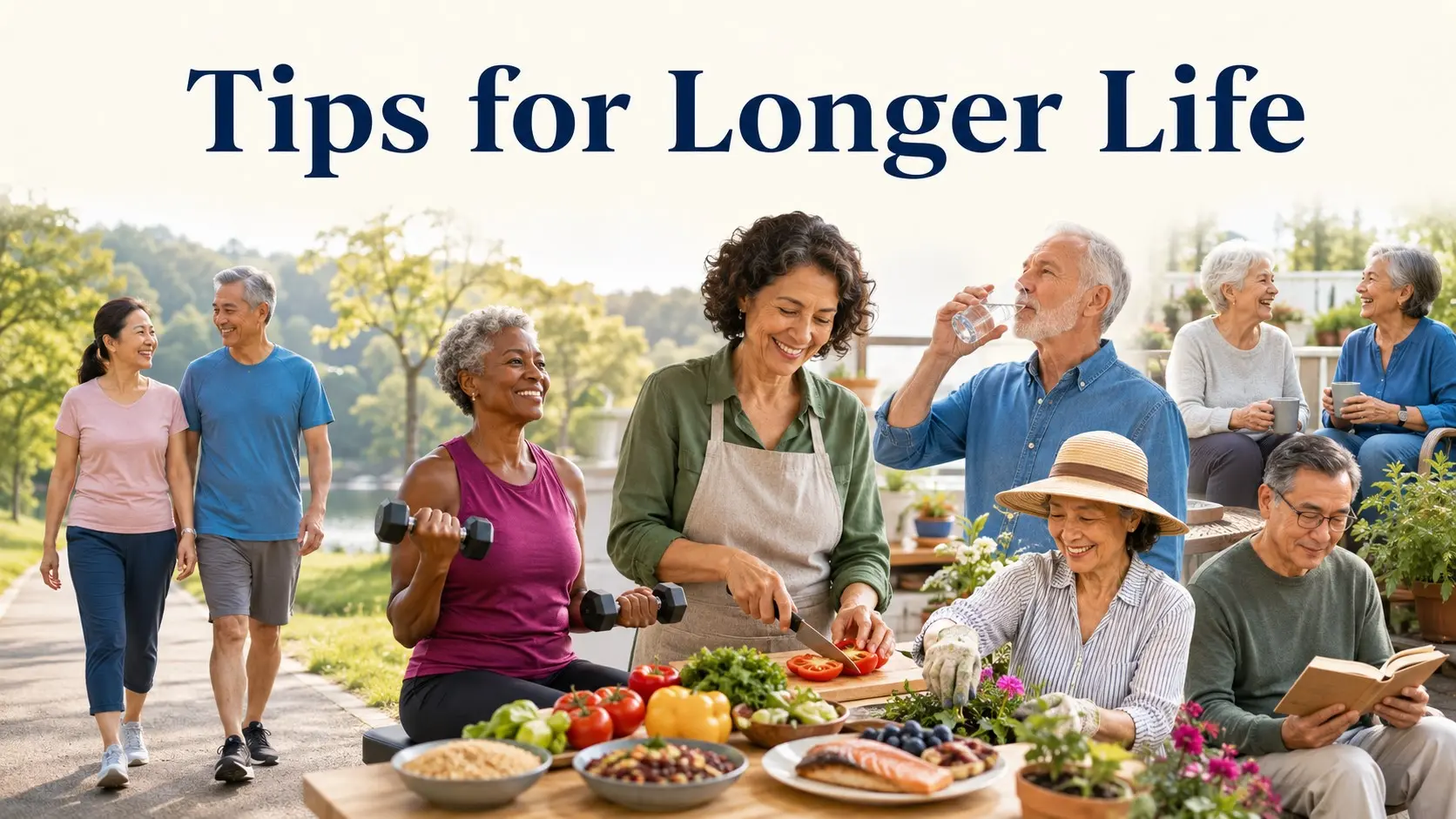
The strongest everyday Tips for Longer Life include:
- Do not smoke.
- Stay physically active.
- Eat a varied healthy diet.
- Control blood pressure, blood sugar, and cholesterol.
- Get enough quality sleep.
- Maintain strong social relationships.
- Limit alcohol or avoid it.
- Protect muscle and a healthy body weight.
- Manage stress and mental health.
- Keep up with preventive healthcare.
You do not need to follow these habits perfectly.
A small improvement that lasts is usually more useful than an extreme plan that lasts one week.
What Really Affects How Long You Live?
Longevity is influenced by many factors.
Some can be changed.
Others cannot.
Factors You Cannot Fully Control
- Genetics
- Age
- Some inherited diseases
- Past exposures
- Chance
Factors You Can Influence
- Smoking
- Physical activity
- Food choices
- Alcohol use
- Sleep
- Blood pressure
- Blood glucose
- Cholesterol
- Social connection
- Preventive care
Healthspan Matters Too
Living longer is not the only goal.
Most people also want to:
- Walk
- Think clearly
- Stay independent
- Spend time with family
- Enjoy hobbies
- Remain physically capable
For later life specific guidance, read Tips for Healthy Aging.
1. Do Not Smoke
If you smoke, quitting is one of the strongest health changes you can make.
CDC states that quitting has benefits at any age.
This is true even if you have smoked for many years.
Quitting Can Reduce Risk of
- Premature death
- Heart disease
- Stroke
- Lung disease
- Many cancers
- Respiratory infections
It Is Not Too Late
You do not have to think:
I have smoked for 30 years, so quitting will not matter.
It still matters.
Avoid Secondhand Smoke Too
Smoke from other people can also damage health.
Vaping Is Not a Longevity Strategy
Do not assume vaping is harmless.
The safest approach for long term health is to avoid tobacco and nicotine products when possible.
2. Stay Physically Active
Physical activity is one of the most powerful health habits available.
It affects many parts of the body at once.
Regular Activity Can Lower Risk of
- Heart disease
- Stroke
- Type 2 diabetes
- Several cancers
- Depression
- Dementia
- Falls
It also supports bone health, sleep, balance, and healthy weight.
How Much Activity?
Adults can generally aim for at least 150 minutes of moderate physical activity each week.
Simple Choices Count
- Walking
- Cycling
- Swimming
- Dancing
- Gardening
Do Not Forget Strength
Muscle strengthening activity should also be included.
Strength becomes increasingly important with age.
You Do Not Need 10,000 Steps
There is no magic daily step number.
More movement than your current level can be useful.
CDC notes that even modest increases in daily activity can provide health benefits.
If you are older or returning to exercise, read Walking Exercise for Seniors.
3. Eat a Varied Healthy Diet
There is no proven longevity superfood.
What matters is your overall eating pattern.
WHO's 2026 healthy diet guidance is based on four main principles:
- Adequacy
- Balance
- Moderation
- Diversity
Build Meals Around
- Vegetables
- Whole fruit
- Beans
- Lentils
- Whole grains
- Nuts
- Seeds
- Fish
- Eggs
- Other suitable protein foods
- Unsaturated fats
Eat More Plant Foods
WHO supports diets with a wide variety of vegetables, fruits, pulses, and whole grains.
Limit Highly Processed Foods
Many highly processed foods contain large amounts of:
- Sodium
- Free sugar
- Unhealthy fats
- Calories
You Do Not Need One Perfect Diet
Healthy diets can look different across countries and cultures.
A Mediterranean meal is not the only healthy meal.
Traditional foods can also form a healthy diet.
Use the Foods for Weight Loss and Metabolism Hub for more practical food guidance.
4. Protect Your Heart and Blood Vessels
Cardiovascular health has a major influence on both lifespan and brain health.
Know Your Blood Pressure
High blood pressure may cause no symptoms.
It can still damage:
- The heart
- The brain
- The kidneys
- The eyes
- Blood vessels
Know Your Cholesterol
High LDL cholesterol can contribute to plaque buildup in arteries.
Know Your Blood Sugar
Diabetes increases the risk of:
- Heart disease
- Stroke
- Kidney disease
- Eye disease
- Nerve damage
AHA Life's Essential 8
The American Heart Association highlights eight important cardiovascular health areas:
- Healthy eating
- Physical activity
- Avoiding nicotine
- Healthy sleep
- Healthy weight
- Healthy cholesterol
- Healthy blood sugar
- Healthy blood pressure
These habits support both heart and overall health.
Read Heart Health After 50 if you are in midlife or later life.
You can also visit the Heart and Cardiovascular Health Hub.
5. Get Enough Quality Sleep
Sleep is not wasted time.
Your brain and body need it.
Sleep Supports
- Memory
- Mood
- Heart health
- Blood sugar regulation
- Decision making
- Physical recovery
Most Adults Need Regular Sleep
Sleep needs differ, but getting too little sleep on a regular basis can harm health.
Simple Sleep Habits
- Keep a regular waking time
- Give yourself enough time to sleep
- Reduce late caffeine
- Keep the bedroom dark and comfortable
- Reduce bright screens near bedtime
- Stay physically active during the day
Watch for Sleep Apnea
Get medical advice if you:
- Snore loudly
- Stop breathing during sleep
- Wake gasping
- Wake with headaches
- Feel extremely sleepy during the day
Do not accept chronic poor sleep as normal.
6. Stay Socially Connected
Social connection is part of health.
It is not only about entertainment.
Loneliness and Isolation Can Affect Health
NIA reports that social isolation and loneliness are associated with higher risks of:
- Heart disease
- Depression
- Cognitive decline
- Dementia
- Earlier death
You Do Not Need Hundreds of Friends
A few meaningful relationships can provide strong support.
Ways to Stay Connected
- Call family
- Meet friends
- Join a walking group
- Volunteer
- Join a class
- Attend community activities
- Join a faith community if meaningful to you
Hearing Problems Can Increase Isolation
If conversation is becoming hard, have your hearing checked.
Untreated hearing loss can make social connection much harder.
Living Alone Is Not the Same as Loneliness
You can enjoy living alone and still have strong relationships.
Loneliness is about feeling disconnected.
7. Be Careful With Alcohol
Alcohol should not be treated as a longevity medicine.
You Do Not Need Alcohol for Heart Health
If you do not drink, do not start because you think alcohol will help you live longer.
WHO States That Alcohol Carries Health Risk
Alcohol is linked with many diseases and injuries.
It is also an established carcinogen.
Alcohol Can Increase Risk of
- Liver disease
- Several cancers
- Injuries
- Mental health problems
- Alcohol dependence
- Some cardiovascular problems
Less Exposure Means Less Risk
WHO states that no level of alcohol consumption is completely risk free.
Alcohol Can Also Affect Sleep
It may make you feel sleepy at first.
But it can reduce sleep quality later in the night.
8. Protect Healthy Weight and Muscle
A healthy body is not defined by being as thin as possible.
Both excess body fat and too little muscle can affect health.
Extra Abdominal Fat Can Raise Risk
Excess weight can increase the risk of:
- Type 2 diabetes
- High blood pressure
- Heart disease
- Sleep apnea
- Some cancers
But Being Too Thin Can Also Be a Problem
This is especially important in older adults.
Unplanned weight loss can reduce muscle and strength.
Protect Muscle
Use:
- Strength exercise
- Adequate protein
- Enough overall food
- Regular physical activity
Focus on Health, Not Appearance
A useful goal may be:
- Better blood pressure
- Better blood glucose
- More strength
- Better mobility
- A healthier waist size
For healthy weight management, read Healthy Way to Lose Weight.
9. Manage Stress and Protect Mental Health
You cannot remove all stress from life.
But repeated chronic stress can affect health and daily habits.
Stress Can Affect
- Sleep
- Eating
- Blood pressure
- Alcohol use
- Smoking
- Exercise
- Relationships
Build Recovery Into Your Life
This may include:
- Walking
- Slow breathing
- Music
- Reading
- Hobbies
- Time outdoors
- Talking with someone you trust
Depression Is a Health Condition
Do not treat persistent depression with positive thinking alone.
Professional treatment can help.
Ask for Help Early
You do not need to wait for a crisis.
Use the Stress Effect on Health guide for more information about chronic stress.
You can also visit the Mental Health and Wellness Hub.
10. Use Preventive Healthcare
A healthy lifestyle does not replace healthcare.
Preventive care can find some problems before symptoms appear.
Important Areas Can Include
- Blood pressure
- Cholesterol
- Blood sugar
- Cancer screening
- Vaccines
- Dental care
- Vision
- Hearing
- Bone health
Screening Depends on the Person
The right screening schedule depends on:
- Age
- Sex
- Health history
- Family history
- Smoking history
- Previous screening
- Personal risk
Do Not Order Every Test Available
More testing is not automatically better.
Useful screening should have evidence that benefits are likely to outweigh harms.
Know Your Vaccines
Vaccines can reduce the risk of serious infectious disease.
Needs change with age, health conditions, location, and previous vaccination.
Read Health Screening for a detailed preventive care overview.
You can also use the Medical Tests and Screenings Hub.
How Can You Protect Brain Health for a Longer Life?
Many habits that protect the heart also protect the brain.
Helpful Habits Include
- Regular physical activity
- Managing blood pressure
- Managing diabetes
- Avoiding tobacco
- Protecting hearing
- Social connection
- Healthy sleep
- Mentally engaging activities
Keep Learning
Try:
- Reading
- Learning a language
- Playing music
- Learning technology
- Games
- Classes
Dementia Is Not Normal Aging
Age raises dementia risk.
But dementia is caused by disease and injury affecting the brain.
It is not simply the natural result of becoming older.
Does Purpose Matter for Longevity?
Life should contain more than avoiding disease.
Purpose and meaningful activities can support emotional and social wellbeing.
Purpose Can Come From
- Family
- Friends
- Work
- Volunteering
- Faith
- Creative work
- Learning
- Helping others
- Caring for animals
You Do Not Need a Grand Mission
Your purpose may be simple.
It may be caring for grandchildren.
It may be gardening.
It may be learning something new.
It may be helping your community.
Enjoyment Matters
Healthy life is not only a checklist of medical targets.
Make time for things you enjoy.
Do Longevity Supplements Help You Live Longer?
Be skeptical of products that promise to extend lifespan.
No Supplement Makes You Immortal
Products sold as:
- Anti aging capsules
- Longevity boosters
- Cell rejuvenators
- Detox supplements
may make claims far stronger than the evidence.
Supplements Can Be Useful When There Is a Need
Examples may include treatment of a diagnosed deficiency.
More Is Not Always Better
Large amounts of some vitamins or minerals can cause harm.
Supplements can also interact with medicines.
Start With Proven Basics
Before spending money on a longevity product, ask whether you already:
- Move regularly
- Do not smoke
- Eat well
- Sleep enough
- Know your blood pressure
- Maintain social connection
These basics have much stronger evidence.
Is Longevity Mostly Genetics?
Genes influence lifespan.
They are not the whole story.
Family History Matters
If several close relatives developed a disease early, tell your healthcare professional.
This may change screening or prevention decisions.
Lifestyle Still Matters
You cannot change your genes.
But you can often influence:
- Smoking
- Movement
- Blood pressure
- Food
- Sleep
- Social connection
- Medical care
Do Not Use Genetics as an Excuse
A family history of heart disease does not mean prevention is pointless.
It may make prevention more important.
Is It Ever Too Late to Start Healthy Habits?
No.
Health improvement can still matter later in life.
Quitting Smoking Still Helps
CDC states that stopping smoking provides health benefits at any age.
Exercise Still Helps
Physical activity can improve strength, mobility, sleep, mood, balance, and cardiovascular health even when started later.
Better Food Still Helps
You do not need decades of perfect eating before a healthy diet becomes useful.
Small Changes Count
Start with one habit.
Repeat it.
Then build another.
If you are moving into later life, continue with Tips for Healthy Aging.
A Simple Daily Plan Using Tips for Longer Life
Morning
- Get up at a regular time
- Take prescribed medicine correctly
- Eat a nutritious meal if breakfast fits your routine
- Move your body
During the Day
- Walk
- Avoid long periods of sitting
- Eat vegetables and whole fruit
- Include a protein food
- Drink according to your fluid needs
- Connect with another person
Evening
- Reduce tobacco exposure
- Keep alcohol low or avoid it
- Relax before sleep
- Prepare for a regular bedtime
Each Week
- Do strength exercise
- Spend time with people you value
- Prepare healthy food
- Do something meaningful or enjoyable
During the Year
- Check blood pressure
- Use appropriate screening
- Review vaccines
- Review medicines when needed
- Have dental, hearing, and vision care
Common Myths About Tips for Longer Life
Myth: One Food Can Make You Live to 100
No.
Longevity depends on many factors.
Myth: Red Wine Helps Everyone Live Longer
No.
You do not need alcohol for health.
Myth: You Need 10,000 Steps Every Day
No.
There is no universal magic step number.
Increasing activity from your current level can provide benefits.
Myth: Thin People Always Live Longer
No.
Health depends on more than body size.
Muscle, fitness, nutrition, disease, and metabolic health matter.
Myth: Supplements Can Stop Aging
No.
No supplement has been proven to stop human aging.
Myth: Genetics Decide Everything
No.
Genes matter, but daily habits and healthcare also affect risk.
Myth: It Is Too Late to Become Healthier After 60
No.
Movement, smoking cessation, nutrition, and preventive care can still provide benefits.
Myth: More Exercise Is Always Better
No.
Exercise should fit your health, ability, recovery, and fitness level.
Myth: Longevity Means Never Getting Sick
No.
No lifestyle removes all disease risk.
Myth: Healthy Aging and Longer Life Are the Same Thing
They overlap.
But living longer describes lifespan.
Healthy aging focuses more on function, independence, and quality of life as you age.
5 High Authority References and Sources
This guide was checked against current open guidance and research about healthy aging, physical activity, diet, smoking, social connection, and longevity related health risks.
- National Institute on Aging: What Do We Know About Healthy Aging?NIH guidance on physical activity, healthy food, sleep, medical care, mental health, social connection, cognitive health, and behaviors associated with healthier aging and longevity.
Read the National Institute on Aging Healthy Aging Guide
- Centers for Disease Control and Prevention: Health Benefits of Physical Activity for AdultsUpdated March 2026 guidance on physical activity and its links with sleep, anxiety, blood pressure, dementia, depression, cardiovascular disease, diabetes, cancer, healthy weight, bone health, and fall prevention.
Read the CDC Physical Activity Benefits Guide
- World Health Organization: Healthy DietUpdated January 2026 guidance based on adequacy, balance, moderation, diversity, whole grains, vegetables, fruit, pulses, fiber, healthy fats, and limiting highly processed foods.
Read the WHO Healthy Diet Fact Sheet
- Centers for Disease Control and Prevention: Benefits of Quitting SmokingCDC guidance explaining that quitting smoking benefits health at any age and lowers risks of premature death, cardiovascular disease, cancer, lung disease, and other health problems.
Read the CDC Benefits of Quitting Smoking Guide
- National Institute on Aging: Loneliness and Social IsolationNIH guidance on the health effects of social isolation and loneliness, including associations with heart disease, depression, cognitive decline, dementia, poorer health, and earlier death.
Read the National Institute on Aging Social Connection Guide
Conclusion
The strongest Tips for Longer Life are not exotic.
Do not smoke.
Move your body.
Build strength.
Eat nutritious food.
Protect sleep.
Know your blood pressure, blood sugar, and cholesterol.
Stay connected with people.
Be careful with alcohol.
Protect mental health.
Use preventive healthcare.
None of these habits guarantees a specific lifespan.
But together they can reduce many important risks and may help you live more years in better health.
Take action today: Choose three Tips for Longer Life from this guide. Turn them into simple habits you can repeat this week instead of looking for one supplement or anti aging trick that promises to add years overnight.
Continue Reading on NextFitLife
Use these related guides to build a complete plan for longevity, healthy aging, heart health, mental wellbeing, preventive care, and daily lifestyle habits.
- NextFitLife Health Hub
- General Wellness and Lifestyle Hub
- Tips for Healthy Aging
- Health Issues for Older People
- Heart Health After 50
- Heart and Cardiovascular Health Hub
- Health Screening Guide
- Medical Tests and Screenings Hub
- Stress Effect on Health
- Mental Health and Wellness Hub
- Healthy Way to Lose Weight
Main Health Hub: Return to the NextFitLife Health Hub for the full health library.
General Wellness: Visit the General Wellness and Lifestyle Hub for nutrition, sleep, activity, tobacco, alcohol, stress, social connection, and preventive health.
Healthy Aging: Read Tips for Healthy Aging for strength, balance, independence, fall prevention, brain health, vaccines, and healthy later life.
Older Adult Health: Use Health Issues for Older People for common health risks and warning signs in later life.
Heart Health: Read Heart Health After 50 for blood pressure, cholesterol, cardiovascular risk, exercise, and midlife prevention.
Preventive Care: Use the Health Screening Guide to understand screening decisions by age and risk.
Stress: Read Stress Effect on Health for sleep, heart, digestion, mood, and chronic stress guidance.
Weight Management: Read Healthy Way to Lose Weight if weight management is part of your health plan.
Medical Disclaimer
This content is for general educational purposes and does not replace professional medical advice, diagnosis, or treatment. Consult an appropriately qualified healthcare professional for personal medical concerns.
This article explains published guidance and does not provide a personal clinical assessment.
Always consult qualified medical professionals for diagnosis and treatment of any health condition.
I am also not a geriatrician, cardiologist, neurologist, registered dietitian, psychologist, pharmacist, longevity medicine physician, or other licensed healthcare professional.
This article provides general education only.
It cannot predict your lifespan.
It does not guarantee that a lifestyle habit will prevent disease or make you live longer.
It does not prescribe exercise, diet, supplements, medicine, screening, or alcohol use.
It does not tell you to start or stop prescribed treatment.
Your age, family history, medical conditions, medicines, mobility, nutrition, mental health, and other factors can change which health recommendations are appropriate for you.
Frequently Asked Questions About Tips for Longer Life
What are the best Tips for Longer Life?
The strongest habits include not smoking, staying active, eating a healthy diet, getting enough sleep, protecting heart health, maintaining social connection, limiting alcohol, protecting muscle, managing stress, and using preventive healthcare.
Can healthy habits really help you live longer?
Healthy habits are associated with lower risks of many major causes of premature death. No lifestyle can guarantee how long one person will live.
What is healthspan?
Healthspan is the period of life spent in relatively good health and function. It is different from lifespan, which means total years lived.
What is the most important habit for longevity?
There is no single habit for everyone. Avoiding tobacco and staying physically active are among the strongest actions for reducing major health risks.
Does exercise help you live longer?
Regular physical activity is associated with lower risks of premature death and many chronic diseases. It also supports sleep, brain health, bone health, balance, and independence.
How much exercise should adults do?
Adults can generally aim for at least 150 minutes of moderate activity each week plus regular muscle strengthening activity.
Do I need 10,000 steps every day?
No. There is no single magic step number. Increasing movement from your current level can provide health benefits.
What foods help you live longer?
No food guarantees longevity. A healthy pattern can include vegetables, whole fruit, beans, lentils, whole grains, nuts, seeds, fish, and other suitable protein foods.
Is the Mediterranean diet best for longevity?
Mediterranean style eating is associated with many health benefits, but it is not the only healthy eating pattern. WHO notes that healthy diets can take many forms.
Does eating vegetables increase lifespan?
Vegetables are an important part of dietary patterns associated with lower chronic disease risk. One vegetable alone cannot determine lifespan.
Can nuts help you live longer?
Nuts can be part of a healthy diet and provide unsaturated fats, protein, fiber, vitamins, and minerals. They do not guarantee longer life.
Does fasting make you live longer?
Human longevity evidence does not support promising that fasting will extend an individual's lifespan. Some fasting patterns may help selected people manage calorie intake, but they are not suitable for everyone.
Does red wine help you live longer?
You do not need red wine or other alcohol for health. WHO states that alcohol consumption carries health risk, even at low levels.
Should I drink alcohol for heart health?
No. If you do not drink, there is no health reason to start drinking alcohol for heart protection.
Does quitting smoking help if I am older?
Yes. CDC states that quitting smoking has health benefits at any age, regardless of how long a person has smoked.
How does sleep affect longevity?
Sleep supports cardiovascular health, blood sugar regulation, memory, mood, and physical recovery. Chronic sleep problems should be assessed when they persist.
Can loneliness shorten life?
Social isolation and loneliness are associated with poorer health and earlier death. They are also linked with heart disease, depression, and cognitive decline.
Do friends help you live longer?
Strong social relationships are associated with better physical and mental health. They can also support healthy behaviors and emotional wellbeing.
Does stress shorten your life?
The relationship is complex. Chronic stress can affect sleep, blood pressure, eating, smoking, alcohol use, and other behaviors that influence health.
Does being thin mean you will live longer?
No. Health cannot be predicted from body size alone. Fitness, muscle, blood pressure, blood sugar, nutrition, smoking, and other factors matter.
Is muscle important for longevity?
Muscle supports mobility, strength, balance, metabolic health, and independence, especially later in life.
Can strength training help older adults?
Yes. Appropriate resistance exercise can help maintain or improve strength and physical function with age.
Do vitamins help you live longer?
No general vitamin supplement has been proven to guarantee longer life. Supplements can be useful when a real deficiency or medical need exists.
Are longevity supplements worth taking?
Be cautious with supplements that promise lifespan extension. Many claims are stronger than the available human evidence.
Do genes decide how long you live?
Genes influence longevity, but lifestyle, environment, healthcare, social factors, and chance also matter.
Is it too late to become healthier after age 60?
No. Quitting smoking, becoming more active, improving food choices, maintaining social connection, and using preventive healthcare can still provide meaningful health benefits.
How can I protect my brain as I age?
Stay physically and socially active, manage blood pressure and diabetes, avoid tobacco, protect hearing, sleep well, and continue mentally engaging activities.
Can you prevent dementia?
Not every case can be prevented. Several modifiable factors are associated with dementia risk, including physical inactivity, smoking, high blood pressure, diabetes, hearing loss, and social isolation.
Does having a purpose help health?
Meaningful activities and social engagement can support emotional wellbeing and healthy behavior. Purpose should be viewed as part of overall wellbeing rather than a guaranteed way to extend lifespan.
What health numbers should I know?
Depending on your age and health, useful measures may include blood pressure, cholesterol, blood glucose, body weight, and waist circumference.
How often should I get health screening?
The right schedule depends on your age, sex, personal history, family history, previous testing, and individual risk.
Can I guarantee living to 100?
No. No food, supplement, exercise program, or lifestyle can guarantee a particular lifespan.

Health & wellness writer with 30+ years of experience in nutrition, fitness, and healthy aging. Founder of NextFitLife.com — evidence-based health guidance.