
Published on: December 19, 2023
Updated on: October 24, 2026
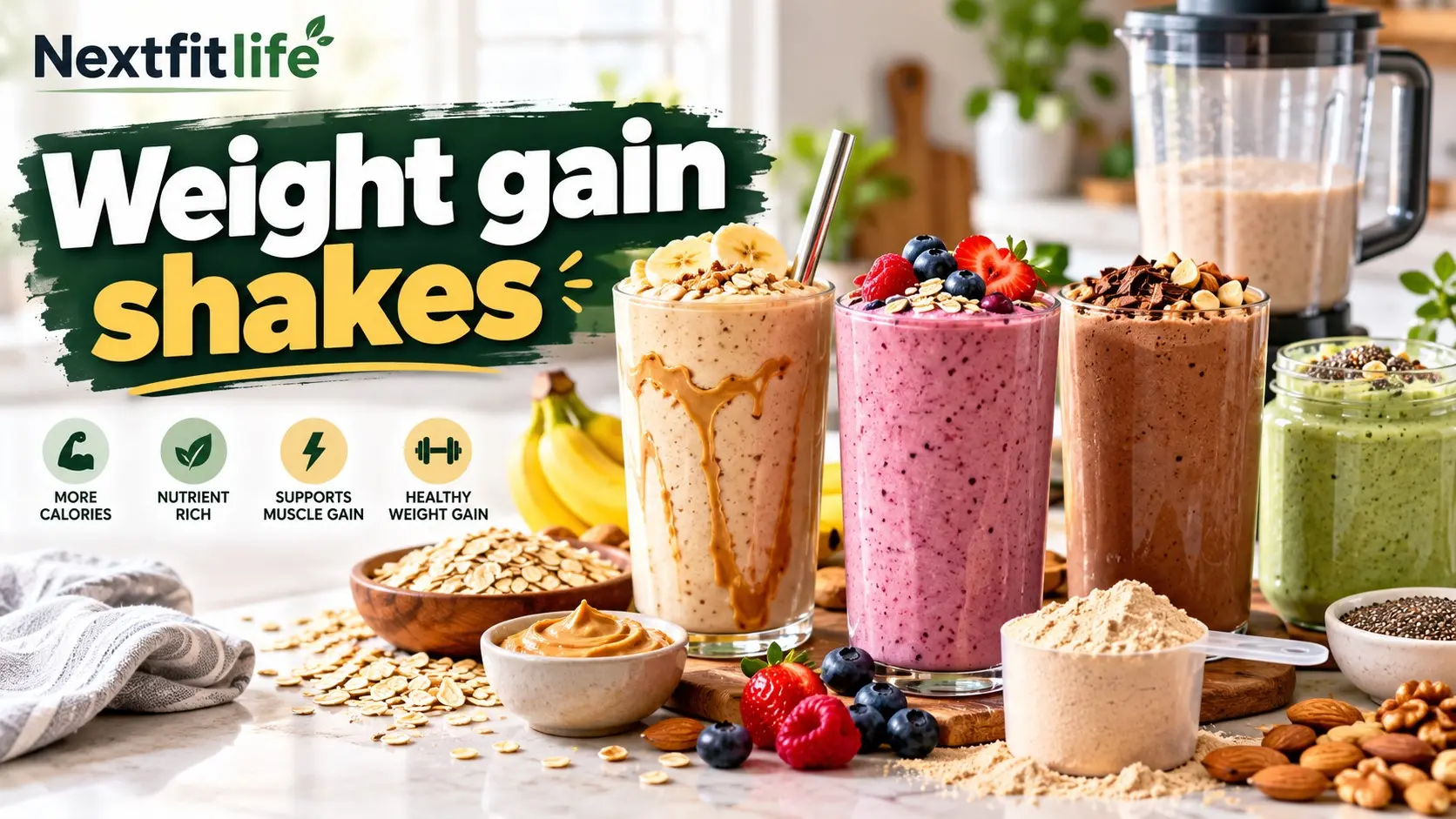
Weight gain shakes can make it easier to eat enough when large meals feel difficult.
The best shakes are not simply sugar and protein powder. A useful shake combines energy, protein, carbohydrates, healthy fats, and foods that still add vitamins, minerals, and fiber.
You can build one with milk or a fortified alternative, yogurt, oats, fruit, nut butter, seeds, and optional protein powder.
The goal is gradual weight gain, not forcing down the biggest drink you can make.
Important: This article is for general information and education. It does not replace medical advice, diagnosis, or treatment.
I am not a dermatologist or a doctor, and this content does not replace professional medical advice. What I share comes from real life experience, extensive research, and consultation with healthcare providers. Always consult qualified medical professionals for diagnosis and treatment of any health condition.
If you have lost weight unexpectedly, have little appetite for weeks, feel weak, or cannot maintain your weight without knowing why, speak with a healthcare professional before assuming you simply need more calories.
For more nutrition guidance, visit the NextFitLife Foods and Nutrition Hub. If you want a wider weight gain strategy, read The Fastest Method to Gain Weight.
Table of Contents
- Quick Answer
- How Weight Gain Shakes Work
- How Many Extra Calories You Need
- 16 Smart Weight Gain Shakes
- Banana peanut butter oat
- Chocolate banana
- Berry yogurt
- Mango coconut
- Apple cinnamon oat
- Strawberry cheesecake
- Avocado cacao
- Blueberry almond
- Dates and tahini
- Mocha oat
- Pumpkin oat
- Peach yogurt
- PB and berry
- Vanilla cashew
- Chocolate cherry
- High calorie recovery shake
- Best Ingredients
- Protein and Muscle Gain
- Commercial Mass Gainers
- When Shakes Cause Bloating
- Weight Gain With Strength Training
- Common Mistakes
- Frequently Asked Questions
- References and Sources
Weight Gain Shakes: Quick Answer
Weight gain shakes help by adding calories in a form that may be easier to consume than another large meal.
NHS guidance suggests that adults trying to gain weight gradually can start by adding around 300 to 500 extra calories per day.
A shake can provide some or all of those calories.
For healthy weight gain, use foods such as:
- Milk or fortified plant milk
- Greek yogurt
- Oats
- Bananas
- Berries
- Nut or seed butter
- Chia or flax
- Dates
- Avocado
- Optional protein powder
If the goal is muscle rather than simply scale weight, pair your calorie surplus with strength training.
How Do Weight Gain Shakes Work?
Weight gain happens when you consistently consume more energy than your body uses.
A shake makes that easier because liquids may feel less filling than another full plate of food.
That is particularly useful for people who:
- Have a naturally small appetite
- Are very active
- Are trying to build muscle
- Have difficulty eating large meals
- Need extra calories during recovery from illness under professional guidance
A shake does not make calories work differently.
It simply makes those calories easier to consume.
How Fast Should You Gain Weight?
Faster is not automatically better.
NHS guidance recommends gradual weight gain and suggests starting with around 300 to 500 extra calories each day.
Your actual needs depend on:
- Body size
- Current intake
- Activity
- Training
- Appetite
- Age
- Health conditions
Start with a modest calorie increase, track your weight trend for several weeks, and adjust if nothing changes.
Daily body weight moves up and down because of food, fluid, sodium, glycogen, and bowel contents, so look at the trend rather than one reading.
When Unintentional Weight Loss Needs Medical Attention
Not all low body weight is a nutrition problem.
Mayo Clinic and NHS guidance both advise medical evaluation when weight loss is sudden or unexplained.
Possible causes can include:
- Digestive conditions
- Thyroid disease
- Diabetes
- Depression
- Medication effects
- Dental problems
- Infections
- Other medical conditions
A shake may add calories, but it cannot diagnose why weight is being lost.
16 Smart Weight Gain Shakes
The calorie counts below are approximate because brands and serving sizes vary.
You do not have to use protein powder in every recipe.
1. Banana Peanut Butter Oat Shake
This is one of the simplest homemade weight gain shakes.
Ingredients
- 1 medium banana
- 1 cup whole milk
- 1/2 cup oats
- 2 tablespoons peanut butter
- 1/2 cup Greek yogurt
- Cinnamon
Approximate calories: 600 to 700
Method
Blend until smooth. Add more milk if the shake is too thick.
2. Chocolate Banana Protein Shake
Ingredients
- 1 banana
- 1 cup milk
- 1 tablespoon cocoa powder
- 2 tablespoons peanut butter
- 1 scoop chocolate or plain protein powder
- 1/4 cup oats
Approximate calories: 550 to 700
This is a useful muscle gain shake after resistance training.
3. Berry Greek Yogurt Shake
Ingredients
- 1 cup whole milk
- 3/4 cup Greek yogurt
- 1 cup mixed berries
- 1/3 cup oats
- 1 tablespoon almond butter
- 1 teaspoon honey if needed
Approximate calories: 450 to 600
Frozen berries make the shake cold and thick without needing much ice.
4. Mango Coconut Shake
Ingredients
- 1 cup mango
- 1 cup whole milk or fortified soy milk
- 1/2 cup Greek yogurt
- 2 tablespoons shredded coconut
- 1 tablespoon cashew butter
Approximate calories: 500 to 650
5. Apple Cinnamon Oat Shake
Ingredients
- 1 apple, chopped
- 1 cup milk
- 1/2 cup cooked or soaked oats
- 2 tablespoons almond butter
- 1/2 cup yogurt
- Cinnamon
Approximate calories: 550 to 650
If raw apple does not blend well in your blender, use cooked apple or unsweetened applesauce.
6. Strawberry Cheesecake Shake
Ingredients
- 1 cup strawberries
- 1 cup whole milk
- 1/2 cup cottage cheese
- 1/2 banana
- 1 tablespoon almond butter
- Vanilla extract
Approximate calories: 450 to 550
Cottage cheese adds protein and creaminess without requiring ice cream.
7. Avocado Cacao Shake
Ingredients
- 1/2 avocado
- 1 banana
- 1 cup milk
- 1 tablespoon cocoa powder
- 1 tablespoon peanut butter
- 1 date
Approximate calories: 550 to 650
Avocado adds energy and a creamy texture without making the shake extremely sweet.
8. Blueberry Almond Shake
Ingredients
- 1 cup blueberries
- 1 cup milk
- 1/2 cup Greek yogurt
- 2 tablespoons almond butter
- 1/3 cup oats
Approximate calories: 500 to 600
9. Date and Tahini Shake
Ingredients
- 2 to 3 soft dates
- 1 cup milk
- 2 tablespoons tahini
- 1 banana
- 1/2 cup Greek yogurt
- Cinnamon
Approximate calories: 600 to 700
Tahini is an easy way to add calories from sesame seeds.
10. Mocha Oat Shake
Ingredients
- 1 cup milk
- 1/2 cup chilled coffee
- 1 banana
- 1/2 cup oats
- 1 tablespoon cocoa
- 1 tablespoon peanut butter
- Optional protein powder
Approximate calories: 450 to 650
Avoid this shake late in the day if caffeine disrupts your sleep.
11. Pumpkin Oat Shake
Ingredients
- 1/2 cup pumpkin puree
- 1 banana
- 1 cup milk
- 1/2 cup oats
- 1 tablespoon almond butter
- Cinnamon and nutmeg
Approximate calories: 450 to 550
12. Peach Yogurt Shake
Ingredients
- 1 cup peaches
- 1 cup whole milk
- 3/4 cup Greek yogurt
- 1/3 cup oats
- 1 tablespoon almond butter
Approximate calories: 500 to 600
13. PB and Berry Shake
Ingredients
- 1 cup frozen berries
- 1 banana
- 2 tablespoons peanut butter
- 1 cup whole milk
- 1/2 cup Greek yogurt
Approximate calories: 550 to 650
This gives you the flavor of peanut butter and jam without needing actual jelly or a large amount of added sugar.
14. Vanilla Cashew Shake
Ingredients
- 1 cup milk
- 1 banana
- 2 tablespoons cashew butter
- 1/2 cup Greek yogurt
- 1/3 cup oats
- Vanilla extract
Approximate calories: 550 to 650
15. Chocolate Cherry Shake
Ingredients
- 1 cup frozen cherries
- 1 cup milk
- 1 tablespoon cocoa powder
- 2 tablespoons almond butter
- 1/2 cup Greek yogurt
- Optional protein powder
Approximate calories: 500 to 700
16. High Calorie Recovery Shake
This version suits people who truly need a larger calorie boost and tolerate larger shakes well.
Ingredients
- 1 banana
- 1 cup whole milk
- 3/4 cup Greek yogurt
- 1/2 cup oats
- 2 tablespoons peanut butter
- 1 tablespoon ground flaxseed
- 1 date
- Optional protein powder
Approximate calories: 700 to 900
You do not need a 900 calorie shake simply because you are trying to gain weight.
Use a smaller serving if your appetite, digestion, or calorie target does not require this much.
Best Ingredients for Homemade Weight Gain Shakes
| Ingredient | Main Benefit | Easy Use |
|---|---|---|
| Whole Milk | Calories, protein, calcium | Use as the liquid base |
| Greek Yogurt | Protein and creaminess | Add 1/2 to 1 cup |
| Oats | Carbohydrate and fiber | Add 1/4 to 1/2 cup |
| Nut Butter | Dense calories and fat | Add 1 to 2 tablespoons |
| Banana | Carbohydrate and texture | Use fresh or frozen |
| Dates | Compact carbohydrate | Add 1 to 3 |
| Avocado | Healthy fat and creaminess | Add 1/4 to 1/2 |
| Protein Powder | Convenient protein | Use if food protein is not enough |
Do You Need Protein Powder?
No.
You can make a high protein weight gain shake from normal food.
Milk, Greek yogurt, cottage cheese, soy milk, peanut butter, and oats all contribute protein.
Protein powder is useful when:
- You need convenience.
- Your diet is low in protein.
- You need more protein without adding a lot more food volume.
It is not mandatory.
How Much Protein Should Be in a Weight Gain Shake?
You do not need 50 grams of protein in every shake.
The important target is your total daily intake.
A shake containing roughly 20 to 30 grams of protein can fit well into many diets, depending on the rest of your meals and your individual needs.
People who strength train may benefit from a higher total daily protein intake than inactive people, but exact targets should be individualized.
For more protein guidance, explore the Foods and Nutrition Hub.
Weight Gain Shakes and Muscle Gain
A calorie surplus can make your body weight increase.
Resistance training determines much of the stimulus for muscle growth.
The 2026 ACSM resistance training guidance emphasizes consistent progressive resistance and enough weekly training volume for muscle growth.
Useful exercises include:
- Squats
- Deadlifts or hip hinges
- Rows
- Presses
- Split squats
- Pullups or pulldowns
You do not need a complicated bodybuilding routine.
For training guidance, visit Strength Training and Muscle Building.
Simple Weight Gain Strength Plan
| Exercise | Sets | Reps |
|---|---|---|
| Squat | 2 to 3 | 6 to 10 |
| Romanian Deadlift | 2 to 3 | 6 to 10 |
| Pushup or Press | 2 to 3 | 8 to 12 |
| Row | 2 to 3 | 8 to 12 |
| Split Squat | 2 | 6 to 10 each side |
Train at least twice weekly and progress gradually.
Adults should also work toward the broader physical activity guidance of at least 150 minutes of moderate aerobic activity each week plus muscle strengthening on 2 days.
Are Commercial Mass Gainers Better?
Not automatically.
A commercial mass gainer can be useful because it is:
- Fast
- Portable
- Easy to measure
- Very calorie dense
But homemade shakes offer several advantages:
- You control the calories.
- You control sweetness.
- You choose the protein source.
- You can add fruit and whole foods.
- You can avoid ingredients that upset your stomach.
- They may cost less.
Use whichever option fits your needs.
Do You Need BCAAs in a Weight Gain Shake?
Usually not.
If your shake already contains milk, yogurt, whey, soy, eggs, or another complete protein source, you are already getting essential amino acids.
BCAA powder does not replace adequate total protein.
What About Creatine?
Creatine is one of the better studied sports supplements for improving strength and high intensity training performance.
It can support a muscle gain program, but it is not a calorie source and it is not required in a weight gain shake.
If you use supplements, choose reputable products and consider medical advice when you have kidney disease, take multiple medications, are pregnant, or have another relevant health condition.
Should You Add Olive Oil to a Shake?
You can, but you do not need to.
Oil adds a large number of calories in very little volume.
That can help when appetite is very low.
However, nuts, seeds, avocado, yogurt, and nut butter can add calories while contributing more texture and nutrients.
Use oil in small amounts if it makes sense for your calorie target.
Should You Add Ice Cream?
Occasionally, yes.
But ice cream does not need to be the base of a healthy weight gain plan.
If most of your calories come from sweets, sugary drinks, and desserts, you may gain weight while still missing useful nutrients.
NHS specifically advises against relying on chocolate, cakes, and sugary drinks for weight gain.
What If Weight Gain Shakes Make You Too Full?
Large shakes can become filling because they contain fluid, protein, fiber, and fat all at once.
Try these changes:
- Drink the shake between meals instead of before meals.
- Make a smaller shake.
- Use less oats or chia.
- Reduce very high fiber ingredients.
- Split one shake into two servings.
- Use calorie dense foods such as nut butter in smaller volumes.
Mayo Clinic specifically advises watching when you drink because beverages can reduce appetite for meals in some people.
What If Shakes Cause Bloating?
Bloating does not mean weight gain shakes are impossible for you.
The problem may be the recipe.
Try These Changes
- Use lactose free milk if lactose is a problem.
- Use a smaller serving.
- Reduce oats, chia, or flax.
- Use fewer sugar alcohols.
- Avoid multiple protein scoops.
- Blend thoroughly.
- Drink more slowly.
Persistent bloating, pain, diarrhea, vomiting, or unexplained weight loss deserves medical evaluation.
When Is the Best Time to Drink a Weight Gain Shake?
There is no magic time.
Useful options include:
- Between breakfast and lunch
- Between lunch and dinner
- After strength training
- In the evening when another meal would feel too large
Avoid drinking a huge shake immediately before a meal if it destroys your appetite for food.
Can You Drink Weight Gain Shakes Every Day?
Yes, if the shake fits your calorie and nutrient needs.
You do not need the same recipe every day.
Rotate fruits, protein sources, nuts, seeds, and flavorings to make the diet more varied.
The shake should complement meals, not replace nearly all solid food.
Can Skinny People Gain Weight With Shakes?
Yes, if the shake helps create a consistent calorie surplus.
Being naturally slim does not mean your body cannot gain weight.
Some people simply need more calories than they realize because of high activity, small portions, or a low appetite.
If your weight is very low, continues to fall, or you struggle with food because of fear, anxiety, or an eating disorder, professional help is more appropriate than a mass gain plan.
Can You Gain Only Muscle?
Not perfectly.
Even with a careful calorie surplus and strength training, body weight changes can include muscle, fat, water, glycogen, and digestive contents.
You can improve the odds of gaining more useful lean tissue by:
- Keeping the calorie surplus moderate
- Resistance training consistently
- Eating enough protein
- Sleeping enough
- Progressing your training
10 Common Weight Gain Shake Mistakes
1. Making Every Shake 1,000 Calories
Start with the calorie increase you actually need.
2. Using Two or Three Scoops of Protein Automatically
Total daily protein matters more.
3. Replacing Every Meal With Liquid
Normal meals still provide variety, texture, fiber, and micronutrients.
4. Relying on Sugar
Use oats, milk, yogurt, nuts, seeds, and fruit more often.
5. Ignoring Strength Training
A calorie surplus alone does not provide the same muscle building stimulus as resistance training.
6. Drinking the Shake Right Before Meals
That may reduce appetite.
7. Adding Too Much Fiber
A giant oat, chia, flax, fruit, and vegetable smoothie may become too filling.
8. Expecting Overnight Results
Healthy weight gain takes time.
9. Ignoring Digestive Symptoms
Change the ingredients or seek medical advice when symptoms persist.
10. Ignoring Unexplained Weight Loss
A calorie shake cannot replace medical assessment.
A Simple Daily Weight Gain Example
You do not need to eat all day.
A simple structure could be:
| Time | Example |
|---|---|
| Breakfast | Eggs, toast, fruit, milk |
| Snack | Weight gain shake |
| Lunch | Rice, chicken or beans, vegetables, olive oil |
| Snack | Yogurt, nuts, fruit |
| Dinner | Fish, potatoes, vegetables |
The shake adds calories without forcing every solid meal to become huge.
Conclusion
Weight gain shakes can be a useful tool when you need more calories but struggle with large meals.
Build them with foods such as milk, yogurt, oats, fruit, nuts, seeds, and optional protein powder. Start with a modest calorie increase, eat normal balanced meals, and pair the extra energy with resistance training when muscle gain is your goal.
Your next step is simple: choose one shake from this guide, drink it between meals for one to two weeks, and monitor your appetite, digestion, body weight trend, and training performance before adding more calories.
References and Sources
- NHS. Healthy Ways to Gain Weight.
https://www.nhs.uk/live-well/healthy-weight/managing-your-weight/healthy-ways-to-gain-weight/ - Mayo Clinic. Underweight? See How to Add Pounds Healthfully.
https://www.mayoclinic.org/healthy-lifestyle/nutrition-and-healthy-eating/expert-answers/underweight/faq-20058429 - American College of Sports Medicine. Resistance Training Guidelines. 2026.
https://acsm.org/resistance-training-guidelines-update-2026/ - Centers for Disease Control and Prevention. Adult Activity: An Overview.
https://www.cdc.gov/physical-activity-basics/guidelines/adults.html - Academy of Nutrition and Dietetics. Healthy Weight Gain.
https://www.eatright.org/health/wellness/weight-and-body-positivity/healthy-weight-gain - International Society of Sports Nutrition. Protein and Exercise Position Stand.
https://jissn.biomedcentral.com/articles/10.1186/s12970-017-0177-8
Internal Links + Hub
- NextFitLife Foods and Nutrition Hub for protein, calorie balance, healthy foods, and nutrition guidance.
- NextFitLife Fitness Hub for strength, cardio, workouts, and healthy weight management.
- The Fastest Method to Gain Weight for a broader healthy weight gain strategy.
- Strength Training and Muscle Building for progressive resistance training.
- Bodyweight Workout Routine for Beginners for simple strength training without a gym.
- Healthy and Active Lifestyle for food, movement, sleep, and everyday health habits.
- How to Stay Fit for long term fitness habits.
- Pre Workout for evidence based training nutrition and supplement guidance.
- Low Calorie High Protein Meals for understanding protein rich foods and meal structure.
- Physical Fitness and Mental Health for the wider benefits of regular exercise.
About the Author
Adel Galal is a father of four, three sons and a daughter, and a grandfather of four, with 33 years of hands on parenting experience. He is the founder of Parnthub.com, based in Cairo, Egypt, where he shares practical guidance on feeding, development and family life from newborns to teenagers.
Adel is not a medical professional. Health articles cite trusted sources and are for general information only.
On NextFitLife, Adel researches and writes about nutrition, fitness, healthy aging, strength training, healthy weight management, and practical food strategies with a focus on evidence, realistic progress, and avoiding exaggerated supplement claims.
Learn more about Adel and NextFitLife on the About Us page.
Frequently Asked Questions
What is the best weight gain shake?
There is no single best shake. A useful recipe combines a calorie rich base such as milk or fortified soy milk with protein, carbohydrates, and healthy fats from foods such as yogurt, oats, fruit, and nut butter.
How many calories should a weight gain shake have?
It depends on your total calorie needs. Many people can start with a shake providing roughly 300 to 500 extra calories rather than immediately using a very large 1,000 calorie drink.
How many extra calories should I eat to gain weight?
NHS guidance suggests adults trying to gain gradually can consider adding around 300 to 500 calories per day. Your actual needs may differ.
Can I drink a weight gain shake every day?
Yes, if it fits your total calorie and nutrient needs. Keep eating balanced solid meals as well rather than relying almost entirely on liquid calories.
Can weight gain shakes help build muscle?
They can help provide calories and protein, but resistance training provides the main stimulus for muscle growth. A shake alone cannot replace strength training.
Do I need protein powder to gain weight?
No. Milk, yogurt, cottage cheese, soy foods, nuts, and normal meals can provide protein. Protein powder is a convenient option rather than a requirement.
How much protein should I put in a shake?
A shake with around 20 to 30 grams of protein can fit many diets, but your total daily protein intake matters more than maximizing protein in one drink.
Are mass gainers better than homemade shakes?
Not automatically. Commercial mass gainers are convenient, while homemade shakes give you greater control over calories, sweetness, ingredients, allergens, fiber, and cost.
What should I add to a shake for more calories?
Useful additions include whole milk, Greek yogurt, nut butter, oats, avocado, dates, nuts, seeds, and fortified plant milk.
What if a weight gain shake makes me bloated?
Try a smaller serving, lactose free milk, less fiber, fewer protein scoops, or divide one shake into two portions. Persistent digestive symptoms should be assessed.
When should I drink a weight gain shake?
Between meals or after strength training can work well. Avoid drinking a very large shake immediately before meals if it reduces your appetite for solid food.
Can I gain weight without a gym?
Yes. A calorie surplus increases body weight, and home resistance training using bodyweight, bands, dumbbells, or backpacks can help direct some of that gain toward muscle.
Should I use ice cream in weight gain shakes?
Ice cream can fit occasionally, but it does not need to be the base of your plan. Milk, yogurt, oats, nuts, fruit, and nut butter provide calories with more useful nutrients.
When should unexplained weight loss be checked?
See a healthcare professional if you lose weight suddenly or without changing your eating or activity. Unexplained weight loss can have medical causes that a calorie shake will not address.

Health & wellness writer with 30+ years of experience in nutrition, fitness, and healthy aging. Founder of NextFitLife.com — evidence-based health guidance.

