
Published on: Feb 6, 2023
Updated on: October 21, 2026
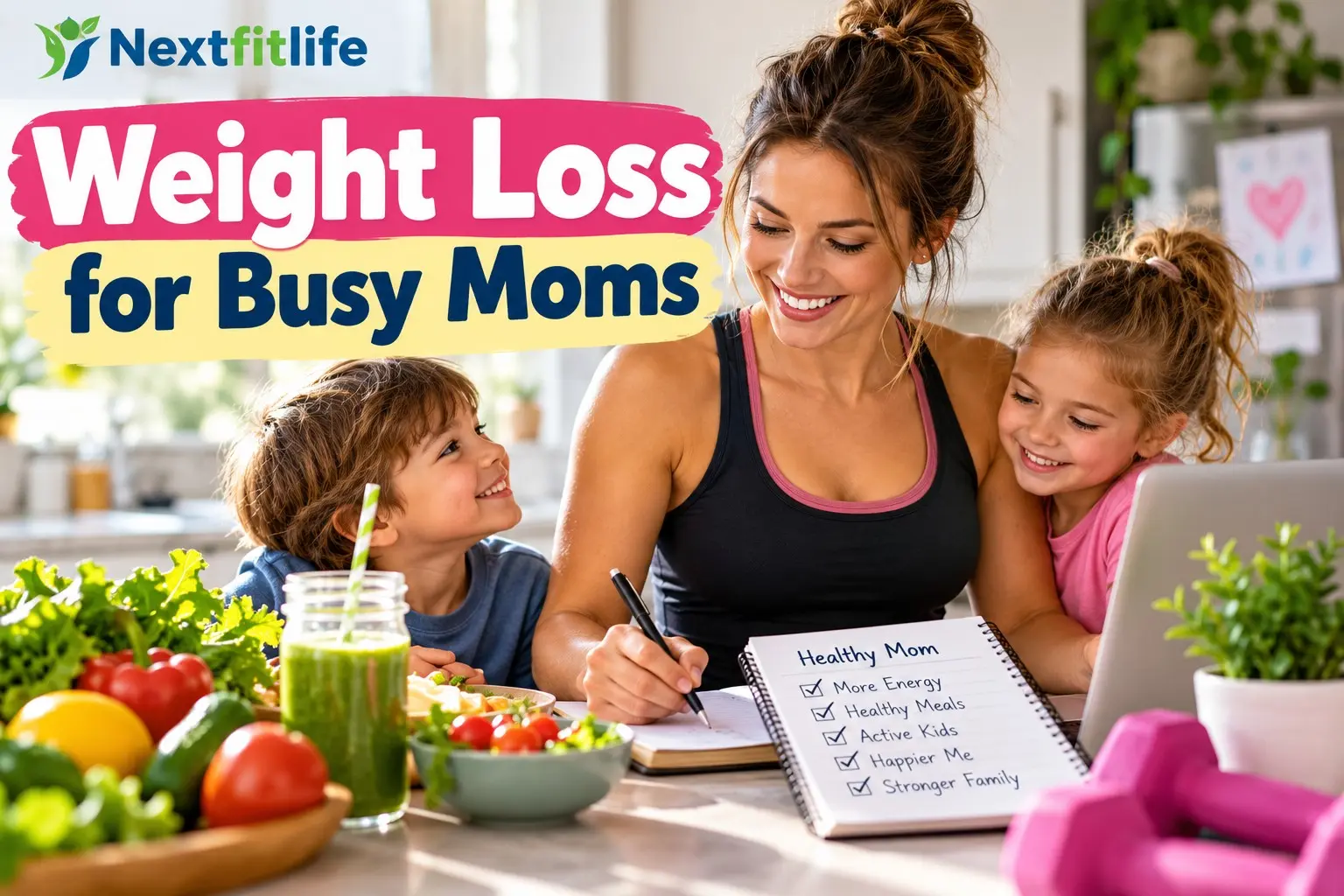
Weight loss for busy moms does not require perfect meal prep, one hour gym sessions, or a separate dinner from the rest of the family.
The better plan is simpler: build filling meals, keep easy food ready, move in short blocks, protect muscle with strength work, sleep when real life allows, and make the healthy choice easier on your busiest days.
Quick answer: Busy moms can lose weight with small habits that create a sustainable calorie deficit without making family life harder. Focus on protein and fiber rich meals, sensible portions, fewer liquid calories, short bouts of activity, strength training, better sleep, realistic meal planning, and support. Postpartum and breastfeeding moms need extra care because recovery and nutrition needs are different.
Medical note: This article is for general information and education. It does not replace medical advice, diagnosis, or treatment.
I am not a dermatologist or a doctor, and this content does not replace professional medical advice. What I share comes from real life experience, extensive research, and consultation with healthcare providers. Always consult qualified medical professionals for diagnosis and treatment of any health condition.
Weight is affected by more than motivation. Sleep, medicines, hormones, pregnancy history, breastfeeding, stress, genetics, health conditions, food access, work schedules, and family routines can all influence weight management.
Table of Contents
- Why weight loss feels harder for busy moms
- 15 smart habits
- Food and meal structure
- Movement and strength
- Sleep, stress, and support
- Postpartum and breastfeeding
- Tracking and medical support
- Minimum viable busy day
- Simple weekly plan
- How fast weight loss should be
- Common mistakes
- Frequently asked questions
- References and Sources
Why Does Weight Loss Feel Harder When You Are a Busy Mom?
The problem is usually not a lack of information.
Most moms already know that vegetables are healthier than cookies and walking is better than sitting all day.
The problem is friction.
You prepare food for other people, manage work, school, appointments, laundry, sleep interruptions, shopping, and family schedules. Then your own food and movement get whatever time is left.
CDC guidance on weight loss makes this point in a broader way: schedules, sleep, stress, medicines, hormones, genetics, health conditions, and the environment all affect weight management.
So the plan needs to work on an ordinary Tuesday, not only during a perfect week.
15 Smart Habits for Weight Loss for Busy Moms
1. Pick a Health Goal Before a Scale Goal
Start with what you want weight loss to improve.
Maybe you want more energy, easier stairs, better blood sugar, less joint strain, improved blood pressure, or more stamina when playing with your children.
That reason is more useful than chasing a random number.
CDC recommends identifying your reason for change because specific personal goals are easier to keep working toward.
2. Learn Where Your Extra Calories Actually Come From
You do not need to track food forever.
Track a few normal days and look for patterns.
Busy mom calories are easy to miss:
- Finishing a child's food
- Tasting while cooking
- Sweet coffee drinks
- Snacks eaten while standing
- Takeaway portions
- Late evening grazing after the children sleep
A sustainable calorie deficit is what drives fat loss, but you do not have to create it by being hungry all day.
3. Put Protein Into the Meals That Usually Fall Apart
Protein helps support muscle and can make meals more filling.
Start with the meal you struggle with most.
Quick options include:
- Eggs
- Greek yogurt
- Cottage cheese
- Chicken
- Fish
- Tuna
- Beans
- Lentils
- Tofu
You do not need a bodybuilder's meal plan.
A yogurt with fruit and nuts can be a perfectly useful breakfast when the alternative is skipping food and becoming ravenous later.
4. Make Fiber Work for You
Dietary fiber helps make meals more satisfying and comes naturally in many foods that support healthy weight management.
Useful sources include:
- Vegetables
- Beans
- Lentils
- Whole fruit
- Oats
- Whole grains
- Nuts
- Seeds
If fruit is the easiest place to start, use our High Fiber Fruits List.
5. Build One Family Meal Instead of a Diet Meal
Cooking one dinner for yourself and another for the family is a fast way to quit.
Use the same basic meal and adjust the plate.
For example:
| Plate Area | Food | Examples |
|---|---|---|
| About half | Vegetables | Salad, broccoli, peppers, carrots, zucchini |
| About one quarter | Protein | Chicken, fish, eggs, beans, lentils, tofu |
| About one quarter | Carbohydrate food | Rice, potato, pasta, bread, whole grains |
Your children do not need to know it is a weight loss meal.
It is just dinner.
6. Prep Components, Not Seven Perfect Lunch Boxes
Meal prep does not need to swallow Sunday afternoon.
Prepare pieces you can combine.
For example:
- Cook one protein
- Wash fruit
- Prepare vegetables
- Cook rice, potatoes, or another staple
- Keep yogurt or eggs ready
- Freeze extra portions
This approach is more flexible than making seven identical meals.
If Tuesday becomes chaotic, the food is still usable.
7. Keep Emergency Food Ready
Busy days need backup food.
Otherwise, the only option at 8 p.m. may be takeaway.
Keep simple choices available:
- Frozen vegetables
- Frozen fruit
- Canned beans
- Tuna
- Eggs
- Plain yogurt
- Prewashed salad
- Whole grain bread
- Frozen cooked protein
Convenience is not the enemy.
A convenient nutritious food is often exactly what a busy parent needs.
8. Reduce Liquid Calories You Do Not Really Want
Sweet drinks can add energy quickly without replacing much food.
This includes some:
- Sodas
- Sweet coffee drinks
- Energy drinks
- Sweet tea
- Juice drinks
Water has no calories, so replacing a regular sugary drink with water or another unsweetened drink can lower intake without changing the rest of the meal.
You do not need a fixed eight glasses per day rule.
Fluid needs vary with body size, climate, activity, pregnancy, breastfeeding, medicines, kidney health, and other factors.
9. Use Short Movement Blocks Instead of Waiting for an Empty Hour
If you wait for a quiet 60 minute window, you may wait all week.
Short periods of activity still count.
Try:
- A brisk walk after school drop off
- Ten minutes while dinner cooks
- A walk during a child's sports practice
- A family walk after dinner
- Several short movement breaks during work
NIDDK specifically notes that people with limited time can work physical activity into smaller parts of the day.
If you want to build from walking into jogging, see our Walk Jog Intervals guide.
10. Strength Train Twice a Week
Strength training deserves a place in a mom's weight loss plan.
During weight loss, you want to protect useful muscle mass.
You do not need a gym.
Simple movements include:
- Chair squats
- Rows with a resistance band
- Wall or incline push ups
- Step ups
- Hip hinge movements
- Calf raises
Current activity guidance recommends muscle strengthening on at least two days each week.
For a simple routine, use our Minimum Effective Dose Strength Training guide.
11. Turn Family Time Into Movement Sometimes
You do not have to choose between your health and your children every time.
Family movement can include:
- Walking
- Cycling
- Dancing
- Playing in the park
- Swimming
- Active games
This is useful because it increases physical activity without creating another separate appointment in the calendar.
12. Protect Sleep Without Pretending Mothers Control Every Night
“Sleep eight hours” is not useful advice to the mother of a baby who wakes repeatedly.
Sleep still matters, but the advice has to respect reality.
NIDDK notes that too little sleep is linked with greater hunger, higher calorie intake, and less healthy food choices.
When you can, protect the part you control:
- Use a regular bedtime when practical
- Reduce late caffeine
- Stop scrolling when sleep is available
- Share night duties when possible
- Ask for help if exhaustion is becoming unmanageable
The goal is more sleep opportunity, not guilt.
13. Build a Stress Plan Before Stress Becomes a Food Plan
Stress management matters because stress can change eating, sleep, activity, and alcohol habits.
Know what you tend to do when overloaded.
If the answer is “eat everything after the children go to bed,” create another first step.
That might be:
- A planned evening snack
- A short walk
- A shower
- Calling someone
- Going to bed earlier
- A few minutes of quiet breathing
For the wider health effect of chronic stress, see our Stress and Heart Health guide.
14. Treat Postpartum and Breastfeeding Weight Loss Differently
This section matters because “busy mom” can mean six years after pregnancy or six weeks after delivery.
Those are not the same situation.
During the postpartum period, recovery comes first.
ACOG says that after an uncomplicated vaginal birth, some women can begin gentle activity within days when they feel ready. After a cesarean birth or complications, ask your obstetric clinician when exercise is safe.
CDC and ACOG recommend that healthy postpartum women work toward about 150 minutes of moderate aerobic activity per week as recovery allows.
Breastfeeding changes nutrition needs too.
CDC states that well nourished breastfeeding mothers generally need about 330 to 400 extra kilocalories per day compared with prepregnancy intake, although individual needs vary with body size, activity, and how much the baby breastfeeds.
ACOG gives a similar message and emphasizes adequate food and fluids.
This is not the time for a crash diet.
If you are breastfeeding, recently postpartum, had pregnancy complications, or are worried about milk supply, discuss weight loss goals with your clinician or a registered dietitian.
15. Ask for Professional Help When Effort Is Not Matching Results
Weight management is not a character test.
If your weight is affecting health and repeated lifestyle attempts have not been enough, talk with a healthcare professional.
Possible contributors include:
- Polycystic ovary syndrome
- Thyroid disease
- Sleep apnea
- Depression
- Some medicines
- Menopause related changes
- Other medical conditions
Some women may also qualify for structured obesity treatment or prescription weight management medication.
Those are medical treatments, not proof that lifestyle “failed.”
The Minimum Viable Weight Loss Day for a Very Busy Mom
Some days will not support meal prep, a gym session, journaling, meditation, and perfect sleep.
So build a smaller version.
Food: Make two meals include a clear protein source and fruit or vegetables.
Drink: Replace one sugary drink with water or an unsweetened option.
Movement: Walk briskly for 10 minutes or accumulate a few shorter movement breaks.
Environment: Prepare tomorrow's easiest healthy breakfast or lunch.
Mindset: Do not turn one chaotic day into a chaotic week.
That is not a perfect day.
It is a survivable one.
A Simple Weekly Plan for Busy Moms
| Day | Movement | Food Task |
|---|---|---|
| Monday | 20 to 30 minute brisk walk | Prepare an easy protein for two meals |
| Tuesday | Short strength session | Restock fruit and vegetables |
| Wednesday | Family walk or active play | Use one default dinner |
| Thursday | Movement breaks through the day | Use emergency freezer food if needed |
| Friday | Short strength session | Plan weekend meals before hunger decides |
| Saturday | Longer walk, swim, cycle, or family activity | Shop for next week's basics |
| Sunday | Easy recovery movement | Prepare a few meal components |
You can move the days around.
The point is to give food and activity a place in the week before every open space gets filled.
How Fast Should a Busy Mom Lose Weight?
CDC describes gradual weight loss of about 1 to 2 pounds per week as a pace that is more likely to be maintained than rapid loss.
That is a general guide, not a target your body must meet every seven days.
Water, sodium, the menstrual cycle, bowel contents, sleep, and normal day to day variation all change scale weight.
Postpartum and breastfeeding women need a more individualized plan.
Do You Need to Count Calories?
No.
A calorie deficit is required for body fat loss, but calorie counting is only one way to create it.
You can also reduce energy intake by:
- Changing portions
- Replacing sugary drinks
- Eating more filling protein and fiber foods
- Reducing grazing
- Planning restaurant meals
- Keeping simple food available at home
If tracking numbers helps you, use it.
If it makes eating stressful or obsessive, another method may fit better.
Do Busy Moms Need Special Weight Loss Foods?
No.
You need food that is fast enough to fit your day and nutritious enough to support health.
There is no special “mom metabolism” food.
Useful convenience choices include:
- Frozen vegetables
- Frozen fruit
- Canned beans
- Prewashed salad
- Plain yogurt
- Eggs
- Canned fish
- Whole grain wraps
- Microwaveable whole grains
Convenience food and junk food are not the same thing.
Can You Lose Weight Without Going to the Gym?
Yes.
A gym is optional.
You can walk, climb stairs when comfortable, use resistance bands, lift dumbbells at home, follow a short body weight routine, cycle, swim, or play actively with your children.
NIDDK explicitly recommends fitting physical activity into daily life when time is limited.
Why Strength Training Matters More Than Many Mom Articles Admit
Many busy mom articles focus only on burning calories.
That is incomplete.
During weight loss, protecting muscle mass matters for strength, physical function, and long term health.
Strength training also gives you progress that the scale cannot show.
You may become stronger even during a week when body weight barely changes.
What If You Are Too Tired to Exercise?
First ask why.
If the problem is one terrible night with a sick child, an easy walk may be more sensible than hard training.
If exhaustion is constant, do not simply label yourself lazy.
Persistent fatigue can have many causes, including sleep deprivation, anemia, thyroid disease, depression, sleep apnea, and other health problems.
Talk with a clinician when fatigue is ongoing or out of proportion to your schedule.
What About Emotional Eating?
Food can be comforting.
That does not mean something is wrong with you.
The useful question is whether food has become the only coping tool you have.
If stress eating is frequent, track what happens right before it.
Then add another option rather than simply banning the food.
That is behavior change, not punishment.
What If Your Partner and Children Eat Differently?
Do not build a plan that depends on everybody else dieting.
Use shared meal components.
Everyone can eat tacos, rice bowls, pasta, sandwiches, curry, soup, or grilled foods.
Your plate can contain more vegetables and protein with a portion of the family carbohydrate.
The children do not need “diet food.”
You Do Not Need to Finish Your Child's Food
This sounds trivial until it happens every day.
A few bites of toast, half a chicken nugget, some pasta, and the rest of a cookie can become meaningful extra intake.
If you are full, the food does not need to go into your body just because throwing it away feels wasteful.
Save it when safe, offer it later, or discard it.
Your body is not a food waste bin.
Common Weight Loss Mistakes Busy Moms Make
Mistake 1: Waiting for More Free Time
Your schedule may not suddenly open up. Build a smaller plan now.
Mistake 2: Skipping Meals and Then Overeating at Night
If this pattern keeps happening, create a simple earlier meal or snack rather than relying on willpower at 9 p.m.
Mistake 3: Making Separate Diet Meals
Adapt the family meal instead.
Mistake 4: Relying Only on Cardio
Keep strength training in the week too.
Mistake 5: Thinking Exercise Must Last an Hour
Short blocks of movement still count.
Mistake 6: Treating Poor Sleep as a Willpower Problem
Fatigue changes hunger, food choices, and activity.
Mistake 7: Using Breastfeeding as a Crash Diet Opportunity
Breastfeeding changes calorie and nutrient needs. Use a gradual, individualized approach.
Mistake 8: Comparing Your Postpartum Body With Someone Else's Timeline
Pregnancy, delivery, recovery, feeding, sleep, health, and support differ between women.
Mistake 9: Giving Up After a Chaotic Week
Return to the smallest useful habits first.
Mistake 10: Assuming Difficulty Losing Weight Means You Lack Discipline
Medicines, medical conditions, hormones, sleep, stress, and environment can all affect weight.
Conclusion: Make Weight Loss Fit Motherhood, Not Fight It
The best approach to weight loss for busy moms is not the plan with the most rules.
It is the plan that still works when a child is sick, work runs late, dinner changes, or you sleep badly.
Build meals around protein, fiber, and sensible portions. Keep fast food options at home, move in short blocks, strength train when you can, and protect sleep and recovery without expecting perfect control.
Your next step: choose one food habit and one movement habit from this article for the next seven days. If you are postpartum, breastfeeding, or struggling despite consistent effort, bring your goals to a clinician or registered dietitian so the plan fits your health as well as your schedule.
Internal Links + Hub
- Complete Weight Loss Guide
- Safe Weight Loss Guide
- Lifestyle Changes for Weight Loss
- Basic Weight Loss Tips
- Weight Management and Metabolism Hub
- High Fiber Fruits List
- Best Exercises for Weight Loss
- Walk Jog Intervals
- Minimum Effective Dose Strength Training
- Stress and Heart Health
About the Author
Adel Galal is a father of four, three sons and a daughter, and a grandfather of four, with 33 years of hands on parenting experience. He is the founder of Parnthub.com, based in Cairo, Egypt, where he shares practical guidance on feeding, development and family life from newborns to teenagers.
Adel is not a medical professional. Health articles cite trusted sources and are for general information only.
For more information about NextFitLife, its editorial approach, and content standards, visit the NextFitLife About Us page.
Frequently Asked Questions About Weight Loss for Busy Moms
How can a busy mom lose weight with no free time?
Start with food habits and short movement blocks that fit your current schedule. Build filling meals, keep easy food ready, reduce liquid calories, walk when you can, and use brief strength sessions rather than waiting for long workouts.
How fast should a busy mom lose weight?
CDC describes about 1 to 2 pounds per week as a gradual pace that is more likely to support long term maintenance. Postpartum and breastfeeding women may need a more individualized approach.
Can I lose weight without going to the gym?
Yes. Walking, resistance bands, body weight exercises, dumbbells at home, cycling, swimming, and active family time can all support weight management.
Do I need to count calories?
No. Fat loss requires an energy deficit, but calorie counting is only one way to create it. Portion changes, better meal structure, fewer sugary drinks, and more filling foods can also reduce intake.
What should a busy mom eat for breakfast?
Use something quick that contains protein and, when possible, fiber. Examples include Greek yogurt with berries and oats, eggs with whole grain toast, or oatmeal with nuts and fruit.
How can I meal prep when I have no time?
Prepare components instead of complete meals. Cook one protein, wash fruit, prepare vegetables, and keep a few quick carbohydrate foods and freezer options ready.
Is strength training useful for busy moms trying to lose weight?
Yes. Strength training helps maintain muscle and physical function and complements walking or other aerobic activity. Current guidelines recommend muscle strengthening on at least two days per week.
Can I lose weight while breastfeeding?
Weight loss can occur during breastfeeding, but lactation raises calorie and nutrient needs. CDC notes that breastfeeding mothers generally need extra calories, so aggressive dieting is not appropriate. Discuss your plan with a clinician or registered dietitian if needed.
When can I exercise after giving birth?
After an uncomplicated vaginal delivery, some women can begin gentle activity within days when they feel ready. After a cesarean birth or complications, ask your obstetric clinician when it is safe to resume exercise.
Does breastfeeding automatically cause weight loss?
No. Breastfeeding uses energy and may support postpartum weight loss in some women, but weight change varies widely. Sleep, intake, activity, genetics, pregnancy weight gain, and other factors also matter.
What if I am too tired to exercise?
Use easier movement on very tired days and look at the reason for the fatigue. Persistent exhaustion may deserve medical assessment rather than simply pushing through harder workouts.
When should I ask a doctor for help with weight loss?
Talk with a healthcare professional if weight is affecting your health, you suspect a medicine or medical condition is contributing, you are postpartum or breastfeeding and unsure about calorie needs, or repeated lifestyle efforts have not been enough.
References and Sources
- Centers for Disease Control and Prevention. Steps for Losing Weight.https://www.cdc.gov/healthy-weight-growth/losing-weight/index.html
- National Institute of Diabetes and Digestive and Kidney Diseases. Healthy Eating and Physical Activity for Life.https://www.niddk.nih.gov/health-information/weight-management/healthy-eating-physical-activity-for-life
- National Institute of Diabetes and Digestive and Kidney Diseases. Factors Affecting Weight and Health.https://www.niddk.nih.gov/health-information/weight-management/adult-overweight-obesity/factors-affecting-weight-health
- American College of Obstetricians and Gynecologists. Exercise After Pregnancy.https://www.acog.org/womens-health/faqs/exercise-after-pregnancy
- Centers for Disease Control and Prevention. Pregnant and Postpartum Activity.https://www.cdc.gov/physical-activity-basics/guidelines/healthy-pregnant-or-postpartum-women.html
- Centers for Disease Control and Prevention. Maternal Diet and Breastfeeding.https://www.cdc.gov/breastfeeding-special-circumstances/hcp/diet-micronutrients/maternal-diet.html
- American College of Obstetricians and Gynecologists. Breastfeeding Your Baby.https://www.acog.org/womens-health/faqs/breastfeeding-your-baby
Medical disclaimer: I am not a dermatologist or a doctor, and this content does not replace professional medical advice. What I share comes from real life experience, extensive research, and consultation with healthcare providers. Always consult qualified medical professionals for diagnosis and treatment of any health condition.

Health & wellness writer with 30+ years of experience in nutrition, fitness, and healthy aging. Founder of NextFitLife.com — evidence-based health guidance.

