Last Updated: January 2026
Whiteheads can appear out of nowhere and make you feel self-conscious. These small, closed bumps form when pores get clogged with oil, dead skin cells, and bacteria. The good news is you can get rid of closed comedones with consistent, gentle care. A targeted routine that unclogs pores and balances oil production brings clearer skin overtime.
What Are Whiteheads and How Do They Form?
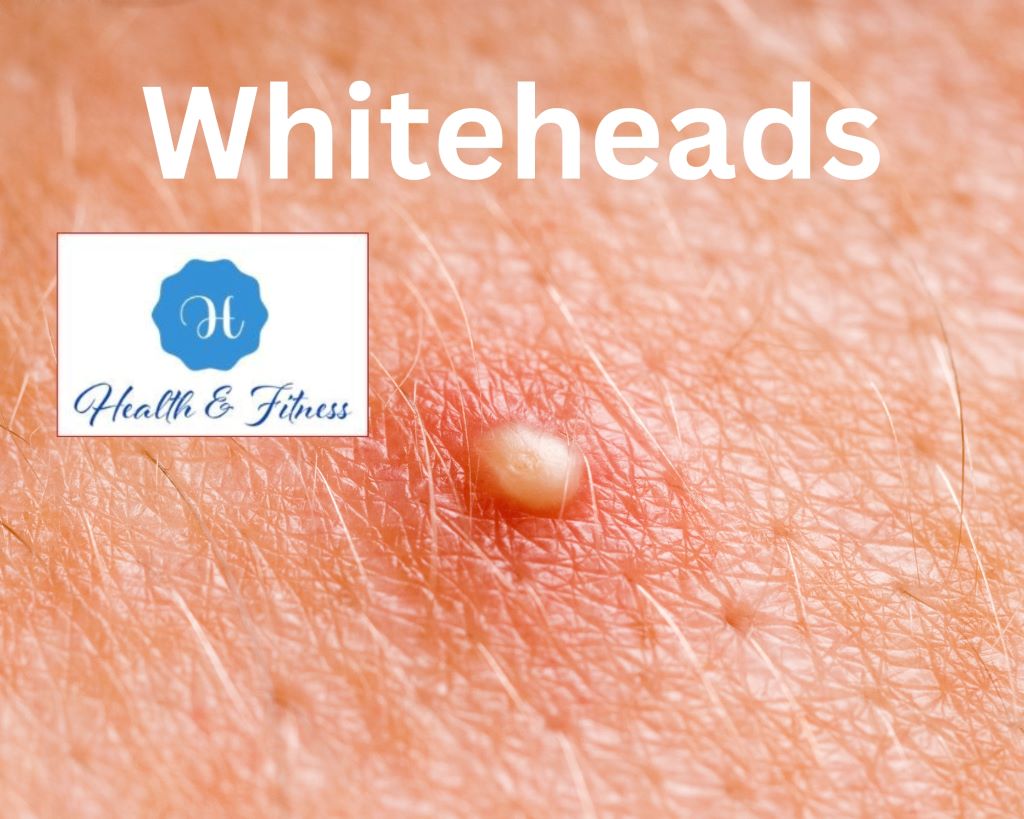
Blocked pores, also known as closed comedones, are a type of non-inflammatory acne. They happen when a hair follicle gets completely blocked. Excess sebum (natural oil) mixes with dead skin cells and traps inside the pore. Since the pore is closed, the material stays white instead of oxidizing like in blackheads.
The bump looks like a tiny white or flesh-colored dot under the skin surface. They feel firm to the touch and often cluster in the T-zone – forehead, nose, and chin.
Key Fact Box – Closed comedones affect up to 80% of people with acne at some point, according to dermatology studies. They are mild but can become inflamed if irritated.
Whiteheads vs Blackheads vs Milia: Key Differences
Many people confuse these similar-looking bumps. Knowing the difference helps you treat the right issue.
| Condition | Appearance | Cause | Treatment Approach |
| Whiteheads | White/flesh-colored bump | Clogged pore with a closed top | Exfoliants like salicylic acid |
| Blackheads | Black dot on the surface | Clogged pore open to air (oxidized) | Physical extraction + retinoids |
| Milia | Hard white cysts | Trapped keratin (not oil-related) | Professional extraction or retinoids |
Common Causes and Triggers of Whiteheads
It doesn’t appear randomly. Several factors contribute.
Hormonal Fluctuations
Hormones drive oil production. Puberty, menstrual cycles, pregnancy, or birth control changes can trigger excess sebum. Stress hormones like cortisol also play a role.
Genetics and Skin Type
If parents had acne, you’re more likely to get closed comedones. Oily or combination skin produces more sebum naturally.
Skincare and Makeup Habits
Using heavy, oily products or skipping cleansing traps debris. Sleeping in makeup is a common culprit.
Diet and Lifestyle
Some research links high-glycemic foods (sugary snacks, white bread) and dairy to increased breakouts. Dehydration and lack of sleep can worsen skin barrier function.
Environmental Factors
Humidity, pollution, and friction from masks or hats can contribute to clogged pores.
Everyone’s triggers differ. Keep a simple journal to spot your patterns.
Where Whiteheads Appear and Why
Oil glands are densest on the face, especially the T-zone. That’s why skin-coloured pimples love the nose, forehead, and chin.
They can also show up on:
- Cheeks
- Chest and back
- Shoulders
- Neck
Back and chest skin-colored pimple often relates to sweat and tight clothing.
How Long Do Whiteheads Typically Last?
A single whitehead may fade in 1-2 weeks with proper care. Without treatment, cycles can continue for months or years.
Factors that prolong them:
- Picking or squeezing
- Using pore-clogging products
- Hormonal imbalances
Consistency is key. Most people see improvement in 4-8 weeks with a good routine.
My Journey Clearing Persistent Whiteheads
In my mid-20s, closed comedones covered my forehead and nose constantly. No matter how much I washed, they returned. I felt embarrassed wearing minimal makeup because the texture showed through.
I tried harsh scrubs and alcohol-based toners – my skin became red and drier, but the trapped sebum bump stayed. Then I learned about gentle chemical exfoliation. I introduced salicylic acid slowly and switched to non-comedogenic products. I also cut back on dairy and added more water and greens to my diet.
After about six weeks, the bumps reduced dramatically. My skin felt smooth for the first time in years. Now, when one appears, I know exactly how to handle it without panic. That experience taught me that patience and gentleness work better than aggression.
Building an Effective Daily Routine to Prevent and Treat Whiteheads
A simple, consistent routine prevents new trapped sebum bumps while clearing existing ones.
Sample Morning Routine
- Gentle cleanser – Wash with lukewarm water.
- Treatment serum – Salicylic acid or niacinamide.
- Lightweight moisturizer – Gel formula.
- Sunscreen – Broad-spectrum SPF 30+ (mineral if sensitive).
Sample Evening Routine
- Oil cleanser or micellar water – Remove makeup/S PF.
- Gentle foaming cleanser.
- Retinoid or salicylic treatments.
- Hydrating serum (hyaluronic acid).
- Night cream or oil-free moisturizer.
Actionable Tip – Wait 1-2 minutes between layers for better absorption. Always patch-test new products.
12 Proven Tips to Get Rid of Whiteheads
These evidence-based strategies work for most people. Start with 3-4 and build up.
-
Cleanse Twice Daily with the Right Cleanser
Over-cleansing strips skin and causes rebound oil. Use a gentle, pH-balanced cleanser.
Best Choices –
- Gel cleansers for oily skin
- Cream cleansers for dry/combination
-
Exfoliate Chemically 2-3 Times Weekly
Salicylic acid (BHA) penetrates oil and dissolves clogs. It’s more effective than physical scrubs.
How to Use –
- Start with 1% strength
- Apply after cleansing
- Follow with moisturizer
-
Incorporate a Retinoid
Retinoids normalize cell turnover and prevent clogs. Over-the-counter adapalene is a great start.
Tips for Beginners –
- Use a pea-sized amount
- Apply at night only
- Buffer with moisturizer if irritating
- Always Choose Non-Comedogenic Products
Read labels carefully. “Oil-free” and “non-comedogenic” reduce risk.
| Category | Safe Ingredients | Avoid |
| Moisturizers | Hyaluronic acid, glycerin | Mineral oil, lanolin |
| Sunscreens | Zinc oxide, titanium dioxide | Chemical filters in creamy bases |
| Makeup | Silicone-based primers | Coconut oil, heavy oils |
-
Moisturize Even If Skin Feels Oily
Dehydrated skin produces more oil. Lightweight hydration balances everything.
-
Spot-treat with Benzoyl Peroxide
It kills acne bacteria and reduces inflammation.
Strength Guide –
- 2.5% for sensitive skin
- 5-10% for tolerant skin
-
Hands Off – Never Pick
Picking spreads bacteria and causes scars or dark spots.
Alternative – Use hydrocolloid patches to draw out debris gently.
-
Manage Stress Through Daily Habits
Chronic stress raises cortisol and oil production.
Simple Practices –
- 10-minute meditation
- Evening walks
- Journaling
-
Adjust Diet Thoughtfully
No food directly causes acne for everyone, but some notice improvements.
Foods to Try More Of –
- Zinc-rich: pumpkin seeds, chickpeas
- Omega-3: salmon, walnuts
- Antioxidants: berries, green tea
-
Use Weekly Treatments
Clay masks or gentle peels deep clean without daily irritation.
Recommendation –
- Bentonite or kaolin clay
- Lactic acid peels (5-10%)
-
Keep Everything Clean
Pillowcases, phones, and makeup brushes harbour bacteria.
Weekly Habits –
- Change the pillowcase twice
- Wipe phone screen
- Wash brushes
-
Know When to See a Dermatologist
Home care works for mild cases. Seek help if:
- No improvement after 8 weeks
- Scarring begins
- Pain or cysts develop
- Emotional distress affects daily life
Prescription options include stronger retinoids, antibiotics, or spironolactone for hormonal cases.
Expert Quote – “The goal of acne treatment is to reduce oil production, speed cell turnover, fight bacteria, and reduce inflammation.” – American Academy of Dermatology
Natural Home Remedies (With Realistic Expectations)
Some natural options help mildly:
- Tea tree oil (diluted) – Antibacterial
- Green tea toner – Anti-inflammatory
- Honey masks – Soothing
Always dilute essential oils. They are not as effective as proven activities for stubborn, trapped sebum bumps.
Common Myths
Myth – Toothpaste dries them out.
Truth – It irritates and worsens inflammation.
Myth – Tanning clears acne.
Truth – UV damage worsens long-term skin health.
Myth – Oily skin doesn’t need moisturizer.
Truth – Hydration prevents compensatory oil production.
Important Notes for Safe Treatment
- Introduce activities slowly to avoid purging or irritation.
- Wear sunscreen daily – many treatments increase sun sensitivity.
- Stay hydrated and get 7-9 hours of sleep.
- Results take time – commit for at least 6 weeks.
Key Takeaways
- Whiteheads are treatable with gentle, consistent care.
- Focus on salicylic acid, retinoids, and non-comedogenic products.
- Lifestyle factors like stress, diet, and hygiene matter.
- Avoid picking and harsh scrubbing.
- Professional help is available for persistent cases.
Frequently Asked Questions
How Do You Get Rid of Whiteheads?
The most effective way to clear Closed comedones is a consistent, gentle routine that unclogs pores and prevents new ones. Harsh scrubbing or aggressive products often make things worse.
Proven Steps –
- Cleanse gently twice daily – Use a mild, non-comedogenic cleanser to remove excess oil without stripping skin.
- Use salicylic acid (BHA) – This oil-soluble exfoliant penetrates pores and dissolves clogs. Start with 1–2% strength, 2–3 times a week.
- Add a retinoid – Over-the-counter adapalene or prescription tretinoin speeds cell turnover and prevents blockages. Introduce slowly to avoid irritation.
- Moisturize daily – Even oily skin needs lightweight, oil-free hydration to balance oil production.
- Choose non-comedogenic products – Everything from makeup to sunscreen should be labelled “won’t clog pores.”
- Spot-treat if needed – Benzoyl peroxide (2.5–5%) kills bacteria inside pores.
Timeline: Most people see improvement in 4–8 weeks. Full clearing can take 3 months. Be patient and consistent.
Extra Tips –
- Change pillowcases weekly.
- Avoid touching your face.
- Wear broad-spectrum SPF 30+ daily (some treatments increase sun sensitivity).
If home care isn’t enough, a dermatologist can prescribe stronger options or perform safe extractions.
What Is the Main Cause of Whiteheads?
There isn’t one cause—blocked pore results from a combination of factors. The primary mechanism is excess sebum (oil) mixing with dead skin cells, trapping them inside a closed pore.
Key Contributors –
- Hormonal fluctuations – Androgens stimulate oil glands (common in teens, menstrual cycles, pregnancy, or PCOS).
- Genetics – If parents had acne, you’re more likely to develop acne.
- Overproduction of oil – Naturally oily skin or certain medications increase sebum.
- Dead skin cell buildup – Slow cell turnover clogs follicles.
- Pore-clogging products – Heavy makeup, thick creams, or comedogenic ingredients.
Other triggers include high-glycemic diets (for some people), stress, humidity, and friction from masks or helmets. Everyone’s skin is unique—track your patterns to identify personal triggers.
Is It Good to Squeeze Out Whiteheads?
No—squeezing a blocked pore is rarely an idea.
Why It’s Harmful –
- Pushes debris deeper, turning a mild whitehead into an inflamed pimple.
- Damages the pore wall, leading to scarring or enlarged pores.
- Introduces bacteria from fingers, worsening the infection.
- Can cause post-inflammatory hyperpigmentation (dark spots).
Safer Alternatives –
- Use a warm compress for 5–10 minutes to soften the area.
- Apply salicylic acid treatment to encourage natural clearing.
- If extraction is needed, visit a dermatologist or licensed esthetician for sterile, professional removal.
- Hydrocolloid patches can gently draw out contents without trauma.
Hands off is the golden rule for clearer, healthier skin long-term.
Do Whiteheads Go Away?
Yes—it usually goes away on its own or with proper care, but the timeline varies.
Natural Resolution –
- A single whitehead often clears in 1–2 weeks as skin naturally sheds.
- Without treatment, new ones may keep forming because of ongoing clogging.
With Treatment –
- Consistent use of salicylic acid, retinoids, and habits can clear existing Blocked pore in weeks and prevent recurrence.
- Hormonal or stubborn cases may need months or professional help, but most people achieve significant improvement.
They rarely leave scars unless they are picked at. The goal is not just clearing current bumps but preventing the cycle.
Final Thoughts
Getting rid of whiteheads is a journey, not an overnight fix. With the right knowledge and patience, you can achieve the clear, confident skin you want. Listen to your skin, make minor changes, and celebrate progress. You’ve got this – smoother days are ahead.
Reference
- American Academy of Dermatology. “Acne: Who Gets and Causes.” https://www.aad.org/public/diseases/acne/causes
- American Academy of Dermatology. “Acne Treatment: Types, Side Effects, and More.” https://www.aad.org/public/diseases/acne/derm-treat
- Cleveland Clinic. “Comedones: What Are They, Causes & Treatment.”
- https://my.clevelandclinic.org/health/diseases/22039-whiteheads

Adel Galal is a health and wellness writer with over 30 years of experience studying and writing about health, fitness, nutrition, and healthy living. He is the founder of NextFitLife.com, where he shares practical, evidence-based guidance to support long-term health at any age. Adel’s mission is simple:
to help people make smarter health choices that fit real life, at any age.