Best Foods for Kids With Fever: Hydrating and Comforting Meals
When a child has a fever, parents often worry when appetite falls. In most cases, the immediate priority is not finding one perfect food. It is helping the child drink enough, monitoring their behaviour, and watching for signs of dehydration or serious illness.
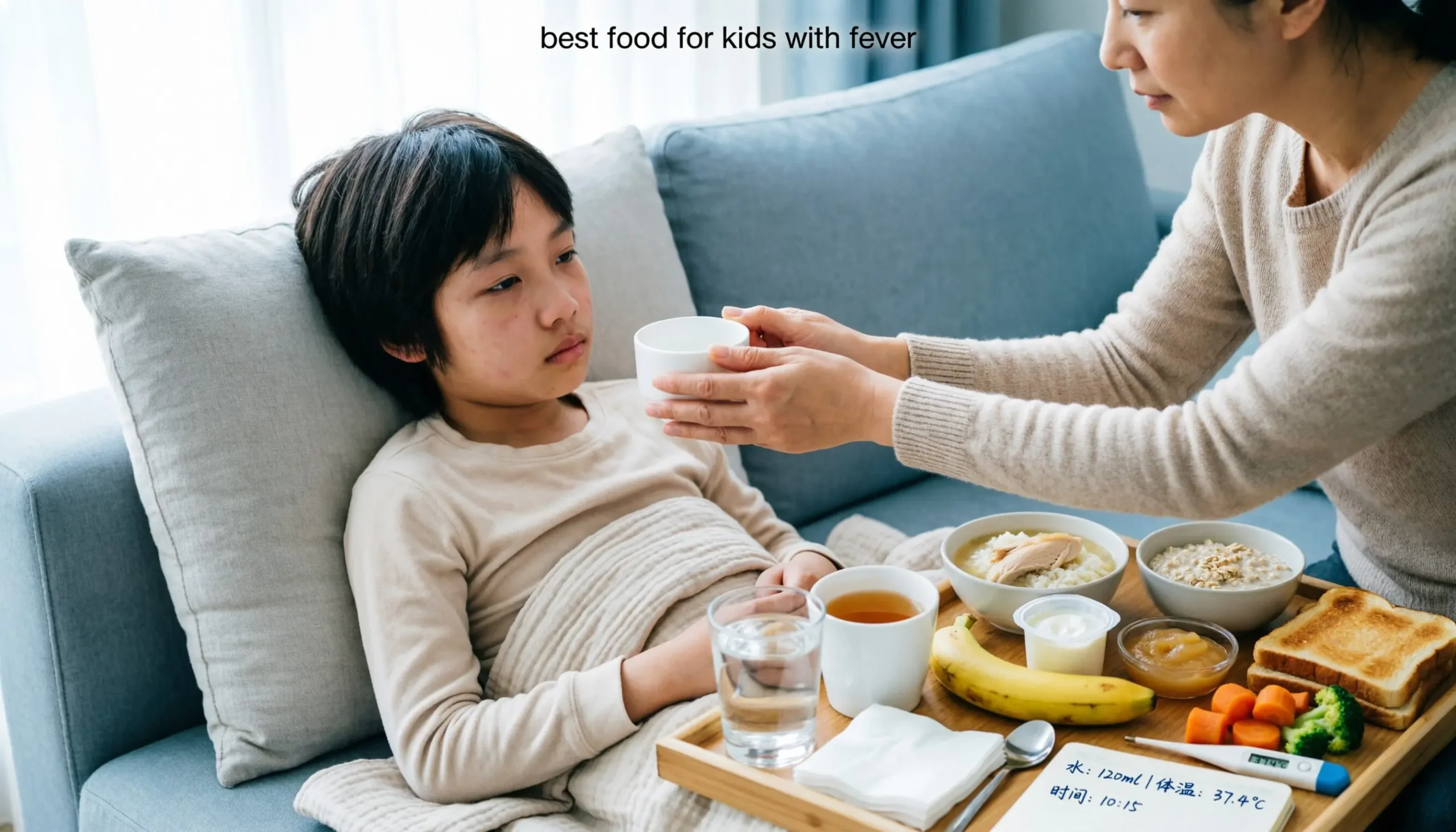
The best food for kids with fever is usually familiar, age-appropriate food that the child wants and can comfortably swallow. Useful choices may include soup, oatmeal, rice, potatoes, toast, fully cooked eggs, yogurt when tolerated, bananas, applesauce, and soft-cooked vegetables.
Do not force food. Offer small portions and allow the child to decide whether to eat. Continue normal breastfeeding or properly prepared formula for babies unless a healthcare professional gives different instructions.
Food can provide fluid, energy, and comfort, but it does not lower a fever, cure an infection, or guarantee faster recovery.
Call a pediatrician promptly when your child:
- Is younger than 3 months and has a temperature of 100.4°F (38°C) or higher.
- Has a temperature repeatedly above 104°F (40°C).
- Looks very ill, is difficult to wake, confused, or extremely irritable.
- Has trouble breathing, a stiff neck, a seizure, or a concerning rash.
- Has repeated vomiting or diarrhea.
- Cannot or will not drink.
- Shows signs of dehydration.
- Has a weakened immune system or significant chronic illness.
- Continues to act sick after the temperature falls.
- Is getting worse rather than better.
Contact emergency services for severe breathing difficulty, unresponsiveness, a prolonged seizure, a non-blanching red or purple rash, or another immediately life-threatening symptom. Local guidance can differ, so seek medical advice whenever you are worried.
Quick answer: What is the best food for kids with fever?
There is no single best fever food. Prioritize age-appropriate fluids and offer small amounts of familiar food when the child is interested. Helpful choices include breast milk or normal-strength formula for babies, water for older children, pediatric oral rehydration solution when vomiting or diarrhea raises dehydration risk, soup, oatmeal, rice, potatoes, toast, fully cooked eggs, yogurt when tolerated, bananas, applesauce, and soft vegetables.
The American Academy of Pediatrics advises parents to focus on hydration and serious-illness warning signs. The NHS similarly recommends offering food only when the child wants it and continuing breastfeeding normally.
What Does a Fever Mean in Children?
A fever is a raised body temperature and is usually part of the body’s response to an illness or infection. It is a symptom—not a disease by itself.
A child with fever may feel tired or irritable, sleep more, have less appetite, drink less, sweat, breathe faster, or have vomiting, diarrhea, a sore throat, cough, or other symptoms.
Age, alertness, hydration, breathing, rash, pain, and other symptoms are often more important than the temperature number alone. Most childhood fevers improve within several days, but a young infant or a child who appears seriously unwell requires prompt assessment.
Why Hydration Comes Before Food
Children can lose more fluid during fever because of sweating, faster breathing, vomiting, diarrhea, or reduced drinking. Babies and young children may become dehydrated more quickly than older children and adults.
A child who does not want solid food for a short period should not be force-fed. Offer suitable fluids regularly and watch urination, alertness, tears, mouth moisture, and breathing.
What Counts as Hydration?
Depending on age and symptoms, suitable fluids may include:
- Breast milk.
- Properly prepared normal-strength formula.
- Water for age-appropriate older children.
- Commercial pediatric oral rehydration solution.
- Oral rehydration ice pops for older children.
- Soup or broth as part of food intake.
- Milk when normally tolerated.
Broth and soup contribute fluid, but they are not equivalent to a properly formulated pediatric oral rehydration solution when vomiting, diarrhea, or dehydration is present.
Which Fluids Are Appropriate by Age?
| Child or situation | Usually appropriate | Important cautions |
|---|---|---|
| Breastfed baby | Continue breastfeeding, often in shorter and more frequent feeds | A baby younger than 3 months with fever needs prompt medical assessment |
| Formula-fed baby | Continue properly prepared, normal-strength formula | Do not dilute formula, add extra water, or use homemade infant formula |
| Older baby or toddler | Usual milk feeds, water as age-appropriate, and pediatric ORS when advised | Use age-specific advice during vomiting; never give honey under 12 months |
| Older child with uncomplicated fever | Water, usual tolerated drinks, soup, and frequent small sips | Monitor urine, alertness, breathing, and worsening symptoms |
| Vomiting or diarrhea | Commercial pediatric oral rehydration solution in frequent small amounts | Avoid full-strength juice, soda, and concentrated sports drinks |
Breastfed Babies
Continue breastfeeding frequently. Shorter feeds may be easier when a baby is tired or congested.
A baby younger than 3 months with a temperature of 100.4°F (38°C) or higher needs prompt medical assessment, even if the baby appears otherwise well.
Formula-Fed Babies
Continue formula prepared exactly according to the label or healthcare instructions.
Do not dilute formula, add extra water, use homemade infant formula, or replace normal feeds with juice or herbal tea.
When an infant is vomiting, ask the pediatrician which fluid and quantity are appropriate. Advice varies by age and severity.
Older Children
Offer frequent small sips of water or another age-appropriate fluid. Soup, milk when tolerated, and oral rehydration ice pops can contribute to intake.
When Is Oral Rehydration Solution Useful?
Commercial pediatric oral rehydration solution, often called ORS, contains a specific balance of water, glucose, and electrolytes.
It may be useful when the child has vomiting, diarrhea, reduced fluid intake, early dehydration signs, or difficulty keeping larger drinks down.
How to Offer ORS
- Follow the product directions exactly.
- Offer a few sips or spoonfuls frequently.
- Use an age-appropriate spoon, cup, or oral syringe.
- Do not add extra powder, sugar, salt, juice, or water.
- Contact a pediatric professional if vomiting continues or the child cannot drink.
Why Homemade Electrolyte Drinks Are Not the First Choice
Incorrect salt or sugar proportions can make homemade mixtures unsuitable, especially for infants or small children.
Do not use coconut water, diluted juice, saltwater, herbal mixtures, or homemade ice pops as substitutes for properly prepared pediatric ORS when electrolyte replacement is needed.
Are Sports Drinks Suitable?
Sports drinks are not the standard first choice for young children. Their sugar and electrolyte balance is different from pediatric ORS, and full-strength sports drinks may worsen diarrhea.
Signs of Dehydration in Children
Watch for:
- Less frequent urination.
- Fewer wet diapers.
- Dark urine.
- Dry mouth or tongue.
- Few or no tears when crying.
- Sunken eyes.
- A sunken soft spot in a baby.
- Unusual sleepiness or irritability.
- Weakness or dizziness.
- Fast breathing or a rapid heartbeat.
- Refusal or inability to drink.
Call for medical advice promptly if dehydration is suspected, urine output is falling, the child is unusually drowsy, or they cannot keep fluids down.
10 Helpful Foods for Kids With Fever
These options are suggestions—not a required menu. Choose textures that match the child’s age, chewing ability, allergies, and current symptoms.
1. Soup With Rice, Noodles, or Potatoes
Soup can provide fluid, carbohydrate, salt, and sometimes protein. Examples include chicken and rice soup, chicken noodle soup, lentil soup, vegetable and potato soup, or soft noodle soup. Serve it comfortably warm rather than very hot.
2. Oatmeal or Soft Cereal
Soft oatmeal can be easier to eat when appetite is low. Prepare it with an age-appropriate liquid and add mashed banana or applesauce if desired. Never add honey for a child younger than 12 months.
3. Rice
Plain or lightly seasoned rice can provide energy and pair with soup, fully cooked egg, lentils, or soft vegetables.
4. Potatoes or Sweet Potatoes
Mashed potato or soft sweet potato can provide carbohydrate and may be easy to swallow. Avoid very hot, greasy, or heavily spiced preparations when nausea, diarrhea, or throat pain is present.
5. Toast, Bread, or Crackers
Simple bread foods may be acceptable when a child does not want a full meal. Choose a texture that is safe for the child. Hard crackers may not suit babies, toddlers, or children with swallowing difficulty.
6. Fully Cooked Eggs
Scrambled or boiled eggs can provide protein and other nutrients. Cook eggs thoroughly and avoid them when the child has a known egg allergy.
7. Plain Yogurt
Plain yogurt can provide fluid, protein, and calcium when the child normally tolerates dairy. Fever itself is not a reason to remove all dairy. Do not describe probiotic yogurt as a fever treatment.
8. Bananas or Applesauce
Banana and unsweetened applesauce are soft and easy to portion. Other options include soft pear, melon, peach, stewed apple, or mashed avocado.
9. Soft-Cooked Vegetables
Possible choices include carrots, sweet potato, squash, peas, zucchini, and broccoli cooked until soft. Children do not need vegetables at every fever meal if appetite is temporarily low.
10. Smoothies for Age-Appropriate Older Children
A smoothie may be comfortable for a child who prefers cold foods or has a sore throat. Use pasteurized yogurt or milk, banana, berries, oats, and smooth nut or seed butter when allergy-safe.
Avoid raw egg, unpasteurized milk, herbal powders, adult protein powders, excessive juice, and unsafe textures. A smoothie is not a replacement for ORS when electrolyte replacement is needed.
What to Feed a Child Based on Their Symptoms
Fever With a Sore Throat
Try cool water, oral rehydration ice pops, plain yogurt, smooth soup, oatmeal, mashed potato, applesauce, or a suitable smoothie for an older child. Avoid very spicy, acidic, salty, rough, or extremely hot foods when they sting.
Related reading: Causes of Mouth Ulcers in Children.
Fever With Vomiting
Prioritize frequent small amounts of age-appropriate fluid. Avoid immediately offering large meals, full-strength juice, soda, heavy or greasy meals, or concentrated sports drinks. Once vomiting settles, gradually return to familiar food.
Fever With Diarrhea
Use pediatric oral rehydration solution when recommended and continue age-appropriate nutrition as tolerated. Limit full-strength juice, soda, and very sugary drinks because excessive sugar can worsen watery diarrhea.
Fever With No Appetite
Do not force food. Offer small portions, frequent fluids, a favourite safe food, soup, oatmeal, yogurt, toast, rice, or soft fruit.
Foods and Drinks to Limit or Avoid
Honey for Babies
Never give honey to a baby younger than 12 months because it may contain spores associated with infant botulism. Honey may soothe cough in some children older than 1 year, but it does not treat fever.
Herbal Tea
Do not routinely use chamomile, peppermint, hibiscus, or ginger tea as pediatric fever hydration. Herbal products vary in strength and purity, pediatric safety data may be limited, and they can displace more suitable fluids.
Coconut Water
Coconut water is not equivalent to pediatric oral rehydration solution. It does not contain the same clinically designed electrolyte balance as ORS.
Full-Strength Juice
Juice is not the first choice for hydration. Full-strength juice can worsen diarrhea. Babies younger than 12 months should not routinely receive fruit juice.
Energy Drinks and Caffeine
Do not give energy drinks, strong coffee, highly caffeinated tea, stimulant powders, or adult hydration supplements as fever remedies.
Greasy or Spicy Foods
Greasy or spicy food does not increase fever itself, but it may worsen nausea, reflux, diarrhea, abdominal pain, or throat discomfort.
Dairy Products
Do not remove all dairy automatically. Milk and yogurt may be acceptable when normally tolerated. Avoid them with a diagnosed allergy or when they clearly worsen gastrointestinal symptoms.
Unsafe Textures and Choking Hazards
Avoid whole nuts, popcorn, hard chunks, whole grapes, large spoonfuls of nut butter, and other choking hazards for young children. Match food texture and size to developmental stage.
Common Fever-Food Myths
Myth: Bone Broth Heals the Gut
Bone broth can be used as a warm drink or soup base, but evidence does not establish that it heals a child’s intestinal lining or treats fever.
Myth: Probiotics Are Needed After Every Fever
Fever alone does not mean a child’s gut bacteria need to be restored. Plain yogurt can be part of a normal diet when tolerated, but it is not a fever treatment.
Myth: Children Must Eat to Recover
Short-term appetite reduction is common. Hydration and warning signs usually matter more than finishing meals.
Myth: Sugary Food Makes Fever Higher
Sugary food does not directly raise fever. Very sugary drinks may provide little nutrition and can worsen diarrhea.
Myth: One “Immune-Boosting” Food Cures the Infection
No soup, fruit, supplement, or superfood can reliably cure the underlying cause of fever.
Sample One-Day Fever Meal Plan
This flexible example is for an older child who wants food and is not repeatedly vomiting. It is not a prescription.
On Waking
- Water.
- Pediatric oral rehydration solution when medically appropriate.
- Breast milk or formula for a baby.
Breakfast
- Oatmeal with mashed banana.
- Water.
Morning Snack
- Plain yogurt or applesauce.
Lunch
- Chicken and rice soup.
- Soft-cooked carrots.
Afternoon Snack
- Banana.
- Toast or crackers.
- Frequent sips of fluid.
Dinner
- Mashed potato.
- Fully cooked egg or shredded chicken.
- Soft vegetables.
Before Bed
- Water for an age-appropriate older child.
- Breast milk for a breastfed baby.
- Normal-strength formula for a formula-fed baby.
Do not include honey for a child younger than 12 months.
Practical Tips to Help a Sick Child Drink
- Offer a few sips frequently.
- Use a familiar cup, straw cup, spoon, or oral syringe appropriate for the child.
- Try cool or room-temperature drinks.
- Offer pediatric oral rehydration ice pops to an age-appropriate child.
- Continue breastfeeding.
- Do not force large amounts at once.
- Record wet diapers or bathroom visits when concerned.
- Watch alertness and behaviour as well as the thermometer.
- Contact the pediatrician when intake remains poor.
Returning to a Regular Diet After Fever
As appetite and tolerance improve, return to the child’s usual age-appropriate eating pattern. An unnecessarily restrictive “sick diet” is not required after most uncomplicated illnesses.
Restore normal variety gradually, including vegetables and fruit, grains and starchy foods, eggs, fish, meat, beans, lentils or tofu, dairy or suitable alternatives, and age-appropriate healthy fats.
Related guides:
When Should You Call a Doctor for a Child’s Fever?
Call the child’s pediatrician promptly when:
- The child is younger than 3 months and has a temperature of 100.4°F (38°C) or higher.
- The fever repeatedly exceeds 104°F (40°C).
- The child is difficult to wake, confused, unusually irritable, or looks very ill.
- Breathing is difficult or much faster than usual.
- There is a stiff neck, seizure, severe headache, or concerning rash.
- Vomiting or diarrhea is repeated.
- The child cannot drink or has dehydration signs.
- The child has a weakened immune system or significant chronic condition.
- The child remains unwell after the fever falls.
- The illness is worsening.
AAP guidance advises calling when fever lasts longer than 24 hours in a child younger than 2 years or longer than 72 hours in a child aged 2 years or older. Some services use different duration thresholds, so follow local pediatric advice.
Trust your concern. Contact a pediatric professional even when a child does not meet a listed threshold if something appears seriously wrong.
Best Food for Kids With Fever: Key Takeaways
- There is no single food that treats fever.
- Hydration usually matters more than forcing solid food.
- Continue breastfeeding or properly prepared formula for babies.
- Use pediatric oral rehydration solution when vomiting, diarrhea, or dehydration risk makes it appropriate.
- Offer frequent small sips rather than forcing a large drink.
- Offer familiar, age-appropriate foods when the child wants them.
- Soup, oatmeal, rice, potatoes, toast, eggs, yogurt, banana, applesauce, and soft vegetables may be comfortable choices.
- Do not use sports drinks, homemade electrolyte mixtures, herbal tea, or coconut water as standard substitutes for pediatric ORS.
- Never give honey to a baby younger than 12 months.
- Seek prompt medical advice for fever in a baby younger than 3 months, dehydration, breathing problems, seizure, concerning rash, severe drowsiness, or worsening illness.
My Editorial Approach to Children’s Fever and Nutrition
Adel Galal’s editorial perspective
Parents searching for fever foods need practical guidance without claims that a meal can cure an infection. My approach is to separate infant advice from older-child advice, distinguish ordinary fever from vomiting and diarrhea, and place dehydration and medical warning signs before meal ideas.
For this guide, I prioritized current information from the American Academy of Pediatrics through HealthyChildren.org and the UK National Health Service.
Frequently Asked Questions About Food for Kids With Fever
What is the best food for kids with fever?
There is no single best food. Prioritize suitable fluids and offer familiar options such as soup, oatmeal, rice, potatoes, toast, fully cooked eggs, yogurt, bananas, applesauce, and soft vegetables when the child wants food.
Should I force my child to eat with a fever?
No. Offer food without pressure. Short-term appetite reduction is common, while hydration is generally the greater priority.
What should a baby with fever drink?
Continue breast milk or properly prepared normal-strength formula. Fluid advice differs by age and symptoms. A baby younger than 3 months with a temperature of 100.4°F or 38°C or higher needs prompt medical care.
Is water enough for a child with fever?
Water may be suitable for many older children with uncomplicated fever. Vomiting, diarrhea, or dehydration may require pediatric oral rehydration solution.
Can I give sports drinks to a sick child?
Sports drinks are not the first choice for young children and may contain too much sugar. Use a pediatric oral rehydration solution when electrolyte replacement is needed.
Can a child drink juice during a fever?
Small amounts may be acceptable for some older children, but water is usually preferable. Full-strength juice can worsen diarrhea, and babies younger than 12 months should not routinely receive juice.
Can I give honey to a child with fever?
Honey does not treat fever. Never give it to an infant younger than 12 months because of infant-botulism risk.
Is chicken soup good for a child with fever?
Chicken soup can provide fluid, carbohydrate, protein, salt, and comfort. It supports intake but does not cure the fever or infection.
Is yogurt good for a child with fever?
Plain yogurt can be offered when the child normally tolerates dairy. Avoid it with milk allergy or when it worsens gastrointestinal symptoms.
How do I know whether my child is dehydrated?
Warning signs include reduced urine, dark urine, fewer wet diapers, dry mouth, few tears, sunken eyes, sleepiness, weakness, and inability to drink.
When should I call the pediatrician?
Call promptly for fever in a baby younger than 3 months, breathing difficulty, stiff neck, seizure, serious rash, repeated vomiting or diarrhea, dehydration, extreme drowsiness, worsening illness, or persistent fever.
Sources and Pediatric References
- American Academy of Pediatrics — Fever: When to Call the Pediatrician
- American Academy of Pediatrics — Fever and Your Baby
- American Academy of Pediatrics — Drinks to Prevent Dehydration When a Child Is Vomiting
- American Academy of Pediatrics — Infant Botulism and Honey
- NHS — Fever in Children
- NHS — Dehydration
- NHS — Looking After a Sick Child
Part of the NextFitLife Children’s Nutrition Series
Continue with our guides to healthy foods for kids, foods for normal child growth, iron-rich foods for toddlers, healthy eating habits, and the Foods and Nutrition Hub.
Pediatric medical disclaimer
This article provides general education and cannot diagnose the cause of a fever, assess dehydration remotely, or replace pediatric medical care. Fluid advice differs by age, symptoms, and medical history. Seek prompt professional help for fever in a young infant, poor drinking, dehydration, breathing difficulty, seizure, severe drowsiness, serious rash, or worsening illness.
Written and source-checked by Adel Galal
Founder and Lead Writer, NextFitLife | 30+ Years of Personal Study in Health, Fitness, Nutrition, Sleep, and Healthy Aging
Adel Galal creates practical health and nutrition guides by comparing authoritative medical sources, removing exaggerated food claims, and translating safety guidance into realistic daily choices.
He is not a pediatrician, physician, pediatric dietitian, pediatric nurse, pharmacist, or emergency-care professional. This article was editorially source-checked against AAP and NHS guidance but has not been clinically reviewed unless a named qualified reviewer appears on the published page.

Health & wellness writer with 30+ years of experience in nutrition, fitness, and healthy aging. Founder of NextFitLife.com — evidence-based health guidance.