The Cardiovascular Health Diet is one of the most powerful tools must protect our hearts. It’s not a fad. It’s not restrictive. It’s a sustainable, nourishing way of eating that supports your heart, your energy, and your overall well-being.
Whether you're managing high blood pressure, recovering from a cardiac event, or simply living longer and feeling better, this guide will walk you through everything you need to know about Heart-healthy eating — from the science behind it to practical meal ideas and lifestyle tips.
What Is the Cardiovascular Health Diet?
Heart-healthy eating is a heart-focused eating pattern that emphasizes:
- Whole, unprocessed foods
- Low sodium and added sugar
- Healthy fats over saturated and trans fats
- Plenty of fiber from fruits, vegetables, and whole grains
- Lean sources of protein, especially plant-based and fish
It’s inspired by proven dietary models like the DASH diet (Dietary Approaches to Stop Hypertension) and the Mediterranean diet, both of which have been shown to reduce the risk of heart disease, stroke, and high blood pressure.
But what makes the Healthy fats for cardiovascular health unique is its flexibility. You don’t need to follow a rigid meal plan. It fits your lifestyle, taste, and budget. It’s about making smarter choices — consistently.
Why the Cardiovascular Health Diet Works
The heart is a hardworking organ. Beat nonstop, fueling every cell with oxygen and nutrients. But it’s vulnerable to damage from poor nutrition, inflammation, and high blood pressure.
Here’s how the Heart-healthy meal planning protects your heart:
- Lowers LDL (bad) cholesterol with fiber-rich foods like oats, beans, and fruits
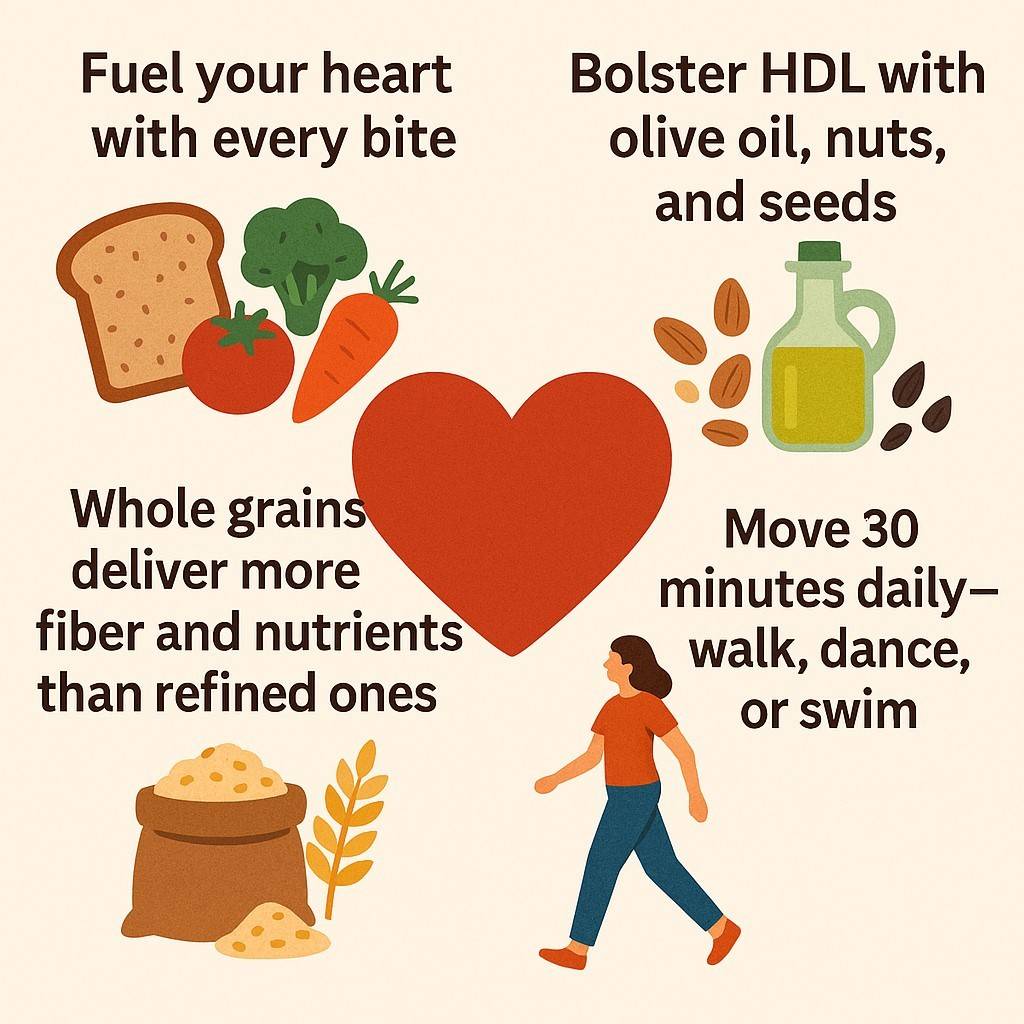
- Bolster HDL with olive oil, nuts, and seeds.
- Reduces blood pressure by limiting sodium and increasing potassium
- Improves blood vessel function with antioxidants from colorful vegetables
- Never stop pumping oxygen and nutrients to every cell.
- Supports a healthy weight with nutrient-dense, low-calorie foods
- Soothes inflammation with omega-3s from fatty fish.
These effects aren’t just theoretical. Studies show that people who follow a heart-healthy diet can reduce their risk of heart disease by up to 80%.
Core Principles of the Cardiovascular Health Diet
This diet’s core elements:
1. Eat More Fruits and Vegetables
Aim for 5–9 servings a day. These foods are rich in fiber, vitamins, and antioxidants, which protect your arteries and reduce inflammation.
Examples:
- Leafy greens (spinach, kale, arugula)
- Cruciferous vegetables (broccoli, cauliflower)
- Berries, apples, oranges, bananas
2. Choose Whole Grains
Whole grains deliver more fiber and nutrients than refined ones. They help lower cholesterol and keep blood sugar stable.
Examples:
- Oats, quinoa, brown rice
- Whole-wheat bread and pasta
- Barley, bulgur
3. Prioritize Lean Proteins
Proteins fuel muscle and heart health, but quality varies by source. Choose lean, plant-based, or omega-3-rich options.
Examples:
- Lentils, chickpeas, black beans
- Skinless poultry
- Fatty fish (salmon, mackerel, sardines)
4. Use Healthy Fats
Replace saturated fats (butter, lard) with unsaturated fats that support heart function.
Examples:
- Extra virgin olive oil
- Avocados
- Nuts and seeds
5. Limit Sodium and Added Sugars
Too much salt raises blood pressure. Too much sugar increases weight and inflammation. Read labels and cook at home when possible.
Tips:
- Use herbs, garlic, lemon, and vinegar for flavor
- Avoid processed snacks and fast food
- Choose unsweetened beverages
Nutrients That Support Cardiovascular Health
Here are the top nutrients your heart loves — and where to find them:
| Nutrient | Role in Heart Health | Food Sources |
| Fiber | Lowers cholesterol | Oats, beans, fruits, and vegetables |
| Potassium | Lowers blood pressure | Bananas, potatoes, spinach |
| Magnesium | Regulates heartbeat | Nuts, whole grains, leafy greens |
| Omega-3s | Reduces inflammation | Salmon, flaxseeds, walnuts |
| Antioxidants | Protects blood vessels | Berries, tomatoes, green tea |
Sample One-Day Cardiovascular Health Diet Meal Plan
Here’s a simple, delicious day of eating that follows the Heart-healthy eating:
Breakfast
- Oatmeal topped with blueberries, chia seeds, and a drizzle of honey
- Green tea or black coffee
Morning Snack
- Apple slices with almond butter
Lunch
- Lentil and vegetable soup
- Mixed greens salad with olive oil and lemon
- Whole-grain bread
Afternoon Snack
- Plain yogurt with sliced strawberries and walnuts
Dinner
- Grilled salmon with quinoa and steamed broccoli
- Cucumber and tomato salad with fresh herbs
- Herbal tea
This plan is rich in fiber, healthy fats, lean protein, and antioxidants — all key parts of the Cardiovascular Health Diet.
Foods to Avoid for Heart Health
- To protect your heart, limit or avoid:
- Processed meats (sausages, bacon, deli meats)
- Fried foods (especially fast food)
- Sugary drinks (soda, sweetened juices)
- Refined grains (white bread, pastries)
- Trans fats lurk in margarine and processed pastries. Want healthier fat swaps?
- High-sodium snacks (chips, crackers, canned soups)
These foods contribute to inflammation, high cholesterol, and weight gain — all risk factors for heart disease.
Lifestyle Tips to Support the Cardiovascular Health Diet
Eating well is just one aspect of heart health. Here are other habits that help:
- Move for 30 minutes daily—walk, dance, or swim.
- Manage stress: Try deep breathing, journaling, or yoga
- Sleep well: 7–9 hours of quality sleep supports heart function
- Quit smoking: Tobacco damages blood vessels
- Limit alcohol: If you drink, keep it moderate
Real Stories: How the Cardiovascular Health Diet Changed Lives
I started the Cardiovascular Health Diet after my doctor warned me about high blood pressure. Within three months, I lost 10 pounds, my cholesterol dropped, and I felt more energized than I had in years.” — Mona, 52
My father had a heart attack at 60. I didn’t want the same fate. I switched to whole grains, added more vegetables, and started cooking with olive oil. It’s been five years, and my heart is strong.” — Ahmed, 34
FAQs About the Cardiovascular Health Diet
What’s the best diet for cardiovascular health?
Heart-healthy eating, the DASH diet, and the Mediterranean diet are all excellent. Built around whole foods, beneficial fats, and minimal salt.
Can diet reverse heart disease?
In some cases, yes. A strict, plant-based Cardiovascular Health Diet combined with lifestyle changes can improve artery function and reduce plaque buildup.
How much salt is safe?
Aim for less than 2,300 mg of sodium per day — ideally closer to 1,500 mg if you have high blood pressure.
Is coffee bad for your heart?
Moderate coffee (1–2 cups daily) is safe and may even have heart benefits. Avoid sugary coffee drinks.
Final Thoughts: Your Heart Deserves Better
The Cardiovascular Health Diet isn’t just about avoiding disease — it’s about living fully. It’s about waking up with energy, moving with ease, and aging with grace. Fuel your heart with every bite.
Start small. Swap white bread for whole grain. Add a salad to dinner. Cook with olive oil. These changes add up — and your heart will feel the difference.
If you’d like, I can now create a featured image prompt for this article that’s emotionally resonant and visually optimized for clicks. Want me to generate that next?

Health & wellness writer with 30+ years of experience in nutrition, fitness, and healthy aging. Founder of NextFitLife.com — evidence-based health guidance.