
NextFitLife Pain Management & Conditions
Published: March 2026
Last updated: August 7, 2026
Next editorial review: August 2027 or sooner if pain or medication-safety guidance changes
Medical review status:
This sub-hub page has not been medically reviewed. Individual articles identify a named qualified reviewer when a medical review has taken place.
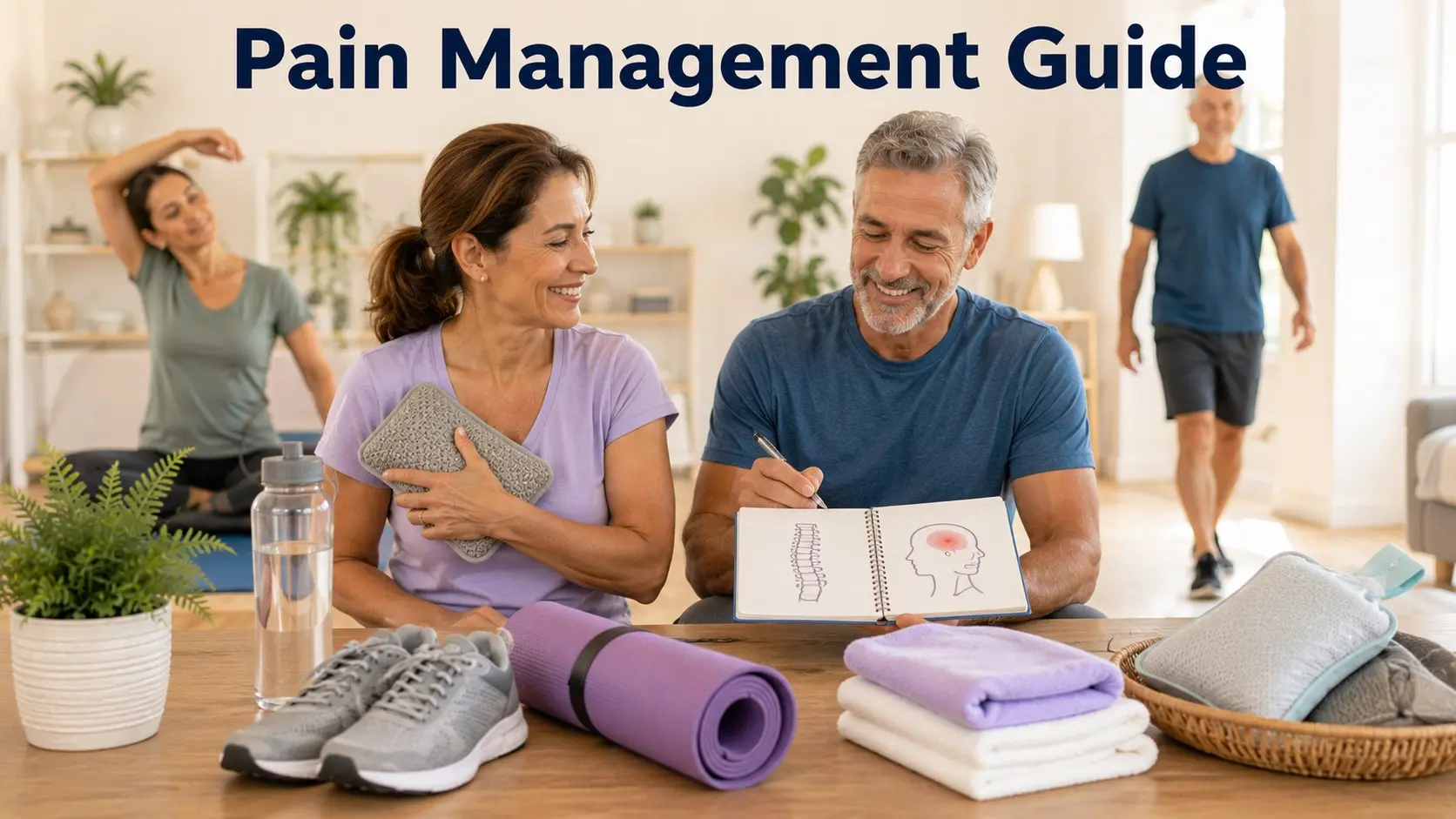
This Pain Management & Conditions sub-hub organizes NextFitLife guides about headache and migraine, back pain and sciatica, dental pain, common musculoskeletal pain, chronic-pain management, and safer use of pain-relief strategies.
Pain is a symptom, not a diagnosis. The same location can hurt for many different reasons, and the severity of pain does not always reveal how serious the cause is. Use this page to understand general pain concepts and prepare questions for a qualified healthcare professional rather than to diagnose the cause yourself.
Some pain symptoms should not be managed at home
Seek emergency help for new severe chest pain or pressure, especially with shortness of breath, sweating, nausea, lightheadedness, or discomfort spreading to the arm, back, neck, jaw, or stomach.
Seek urgent medical assessment for a sudden severe or “worst” headache, especially with weakness, numbness, confusion, loss of consciousness, double vision, seizure, fever with stiff neck, trouble speaking, or symptoms after a head injury.
Back or leg pain with new loss of bladder or bowel control, inability to urinate, numbness around the genitals or buttocks, new sexual dysfunction, or rapidly worsening weakness can indicate compression of the cauda equina nerves and requires emergency assessment.
Severe facial or jaw swelling, fever with a suspected tooth infection, difficulty swallowing, or difficulty breathing can indicate a spreading dental infection and needs urgent care.
Choose a starting point
Select the topic closest to your problem.
Headache and migraine
Learn about migraine, other headache patterns, warning signs, and why a sudden or neurologically unusual headache needs evaluation.
Back pain and sciatica
Understand nerve symptoms, recovery, movement, red flags, and why bladder, bowel, saddle-sensation, or progressive weakness changes are emergencies.
Tooth and jaw pain
Learn what can provide temporary comfort and why decay, cracked teeth, abscess, or spreading infection still requires dental treatment.
Joint and musculoskeletal pain
Use the dedicated bone-and-joint hub for osteoarthritis, inflammatory arthritis, gout, knee pain, hip pain, and other musculoskeletal conditions.
Pain medicines
Review OTC pain-reliever safety, duplicate ingredients, NSAID risks, acetaminophen risks, and why stronger medicines require individualized decisions.
Persistent or chronic pain
Learn why treatment often focuses on function, activity, sleep, coping, rehabilitation, and condition-specific care rather than a guaranteed pain-free result.
Before choosing a pain article
- Check the article’s author, update date, medical-review status, and condition-specific references.
- A page is medically reviewed only when it names the reviewer, relevant credentials, and review date.
- Do not use pain intensity alone to decide whether a condition is safe to treat at home.
- Do not combine pain relievers, cold-and-flu products, or prescription medicines without checking their active ingredients and interaction risks.
- Do not start high-dose supplements, baking soda remedies, concentrated herbal products, or unregulated “pain cures” because an article says they work quickly.
- Do not continue an exercise that causes new weakness, numbness, loss of coordination, severe radiating pain, or another significant neurological change.
- Pregnancy, older age, kidney disease, liver disease, ulcers, cardiovascular disease, anticoagulants, and other medicines can change which pain relievers are safe.
Headache and migraine need pattern recognition, not location-based diagnosis
Headache disorders include migraine, tension-type headache, cluster headache, and other primary headaches. Headache can also occur with infection, medication effects, dehydration, head injury, blood-vessel problems, eye disease, and other conditions.
Location alone cannot diagnose the cause. A one-sided headache can occur with migraine, for example, while sinus pressure, dental pain, jaw problems, and eye disorders can overlap with head pain.
NINDS advises prompt evaluation for a sudden severe headache, a first or worst headache with confusion or weakness, a headache that changes or progressively worsens, headache after brain injury, or headache with neurological loss, seizure, or breathing difficulty.
- Migraine vs Headache: Symptoms, Common Patterns, Treatment Questions, and Red Flags
- Headache Types and Location: What Pain Patterns Can Suggest and What They Cannot Diagnose
Be cautious with “instant migraine relief”
Migraine treatment may include trigger management, sleep and hydration support, acute medicines, preventive treatment, and condition-specific advice. No piercing, supplement, pressure point, food, or “five-minute” method should be presented as a guaranteed migraine treatment.
Stroke-like symptoms should not be assumed to be hemiplegic migraine simply because a person has had migraine before. New weakness, numbness, speech difficulty, major vision change, or confusion needs urgent evaluation.
Most back pain improves, but neurological red flags change the plan
Back pain can come from muscles, ligaments, discs, joints, nerve compression, inflammatory conditions, fractures, infection, kidney problems, pregnancy, or other causes. Sciatica refers to pain, numbness, tingling, or weakness related to irritation or pressure on the sciatic nerve; it is a symptom rather than a diagnosis by itself.
NIAMS advises medical evaluation when back pain occurs with trouble urinating, leg weakness or numbness, fever, unintended weight loss, significant injury, or pain that is severe or does not improve.
Cauda equina warning signs
New difficulty starting urination, inability to feel bladder filling, urinary retention or incontinence, new bowel-control changes, numbness around the genitals or buttocks, new sexual dysfunction, or rapidly worsening leg weakness with back or leg pain requires emergency assessment.
Most uncomplicated back pain is not treated with prolonged bed rest. NIAMS recommends staying as active as tolerated and gradually increasing activity while avoiding movements that clearly worsen symptoms. Exercise and physical therapy should be adapted to the cause and the individual.
Pain relief does not treat the cause of a toothache
Tooth pain can come from decay, a cracked tooth, gum disease, exposed roots, grinding, sinus disease, or infection. Temporary relief does not mean the cause has resolved.
A tooth abscess can cause severe tooth pain, fever, swollen gums or glands, and swelling of the jaw or face. A swollen upper or lower jaw can be a serious sign. Dental examination and sometimes dental X-rays are needed to identify the source.
Antibiotics may be used for selected dental infections, but an abscess often also needs definitive dental treatment. Do not use leftover antibiotics or repeatedly suppress pain while delaying dental care.
Over-the-counter pain relievers still have important risks
Acetaminophen
Acetaminophen is included in many prescription and over-the-counter products. Taking more than one acetaminophen-containing product can accidentally lead to overdose and serious liver injury. Always check active ingredients and follow the product label or professional advice.
NSAIDs
Nonsteroidal anti-inflammatory drugs such as ibuprofen and naproxen can help some types of pain, but they can increase the risk of gastrointestinal bleeding, kidney problems, and cardiovascular complications in susceptible people. Risk depends on health conditions, other medicines, dose, and duration.
Ask a pharmacist or healthcare professional before using an OTC pain reliever if you have kidney disease, liver disease, previous ulcers or bleeding, cardiovascular disease, take anticoagulants or steroids, are pregnant, or already take medicines that may contain the same ingredient.
Prescription pain medicines
CDC guidance states that nonopioid approaches are at least as effective as opioids for many common types of acute pain and that nonopioid therapies are preferred for many subacute and chronic pain conditions. Opioids still have an important role in selected severe pain situations, but benefits and risks must be individualized.
If you already take an opioid regularly, do not abruptly stop or change the dose because of a general article. Changes should be planned with the prescribing clinician.
Chronic pain care should measure function as well as pain intensity
Persistent pain can affect sleep, mood, movement, relationships, work, and quality of life. Treatment is often more useful when goals include walking, daily activity, sleep, work, caregiving, and participation in meaningful activities rather than promising complete elimination of pain.
Depending on the condition, treatment may include physical therapy or structured exercise, psychological approaches such as cognitive behavioral therapy, sleep support, condition-specific medicines, selected procedures, and treatment of depression, anxiety, or other factors that can amplify disability.
A change in pain pattern still matters. New weakness, fever, unexplained weight loss, progressive neurological symptoms, new bowel or bladder problems, or pain associated with a new systemic illness should not simply be labeled “chronic pain.”
Joint pain, gout, knee pain, and hip pain belong in Bone & Joint Health
Arthritis, osteoarthritis, inflammatory joint disease, gout, osteoporosis-related pain, and persistent knee or hip pain need condition-specific guidance rather than generic pain-relief lists.
Gout flares are generally treated with evidence-based anti-inflammatory medicines such as NSAIDs, colchicine, or corticosteroids when appropriate. Baking soda should not be promoted as “immediate gout pain relief,” particularly because sodium intake and kidney, heart, or blood-pressure conditions can make such advice unsafe.
Some symptoms in the old pain directory belong elsewhere
Chest pain
Chest pain belongs primarily in Heart & Cardiovascular Health.
New, severe, worsening, or persistent chest discomfort should not be self-triaged by whether it is left-sided, right-sided, sharp, burning, or exercise-related.
Abdominal and gallbladder pain
Stomach pain, diarrhea with pain, gallbladder pain, and liver-area pain belong in
Digestive Health & Gut
or Liver Health.
Tinnitus and vertigo
Tinnitus and vertigo are hearing and balance symptoms rather than pain disorders. NIDCD states that there is currently no cure for tinnitus, although hearing care, sound-based approaches, counseling, and treatment of an underlying cause can reduce its impact for some people.
Seizures
Seizures and dissociative seizure-like episodes are neurological conditions, not pain-management topics. They require diagnosis-specific neurological or mental-health information and should not be grouped with back pain or migraine simply because headaches can sometimes coexist.
Source standard for pain content
Pain articles should cite the specific medical specialty relevant to the symptom. A generic pain reference is not enough for chest pain, neurological symptoms, dental infection, sciatica, migraine, gout, or medication safety.
Core public and professional references for this topic include:
- NINDS: Headache
- NIAMS: Back Pain
- MedlinePlus: Sciatica
- MedlinePlus: Tooth Abscess
- American Heart Association: Heart Attack Warning Signs
- NIDCD: Tinnitus
- NIAMS: Gout Treatment
- FDA: Acetaminophen Safety
- CDC: Clinical Practice Guideline for Prescribing Opioids for Pain
These organizations do not endorse NextFitLife. Individual articles should cite the exact sources that support their specific claims.
Frequently asked questions
When is a headache an emergency?
Seek urgent care for a sudden severe or first/worst headache, especially with weakness, numbness, confusion, loss of consciousness, seizure, major vision changes, fever with stiff neck, trouble speaking, or symptoms after a significant head injury.
What back-pain symptoms suggest cauda equina syndrome?
New urinary retention or loss of bladder control, new bowel-control changes, numbness around the genitals or buttocks, new sexual dysfunction, or rapidly worsening leg weakness with back or leg pain requires emergency assessment.
Should I stay in bed when I have back pain?
Prolonged bed rest is generally not recommended for uncomplicated back pain. Activity is usually increased gradually as tolerated, but the plan changes when trauma, severe neurological symptoms, infection, or other red flags are present.
Can a tooth abscess be cured with painkillers?
No. Pain medicine may temporarily reduce discomfort but does not remove an abscess or fix a damaged tooth. Dental treatment is needed to identify and treat the source.
Is acetaminophen always safe because it is sold over the counter?
No. Too much acetaminophen can cause severe liver injury. It is also found in many combination products, so reading active-ingredient labels helps avoid accidental duplicate dosing.
Are ibuprofen and naproxen safe for everyone?
No. NSAIDs can increase gastrointestinal, kidney, and cardiovascular risks in some people. Health conditions, pregnancy, age, other medicines, dose, and duration all matter.
Can tinnitus be cured with supplements or home remedies?
No supplement or home remedy has been proven to cure tinnitus. NIDCD notes that current management may include treating an underlying cause, hearing aids, sound therapy, and behavioral approaches that reduce the impact of symptoms.
Is every article in this sub-hub medically reviewed?
No. An article is medically reviewed only when it clearly displays the reviewer’s name, relevant credentials, and review date. Otherwise, treat it as general educational content.
Editorial policies and contact
Use pain information to guide the next step, not to mask a red flag
Safe pain care depends on where the pain is, how it started, how long it has lasted, whether it is changing, associated neurological or systemic symptoms, medical history, pregnancy, medicines, and how much function is affected. Use this directory to understand general options and recognize when professional evaluation is needed.
Medical disclaimer
NextFitLife provides general educational information and does not provide diagnosis, emergency triage, medication dosing, dental treatment, physical therapy, imaging decisions, opioid management, or individualized pain treatment. Consult an appropriately qualified healthcare professional about severe, persistent, worsening, neurological, traumatic, infectious, chest, dental, or otherwise concerning pain.