
NextFitLife Digestive Health & Gut
Published: March 2026
Last updated: August 7, 2026
Next editorial review: August 2027 or sooner if guidance changes
Medical review status:
This sub-hub page has not been medically reviewed. Individual articles identify a named qualified reviewer when a medical review has taken place.
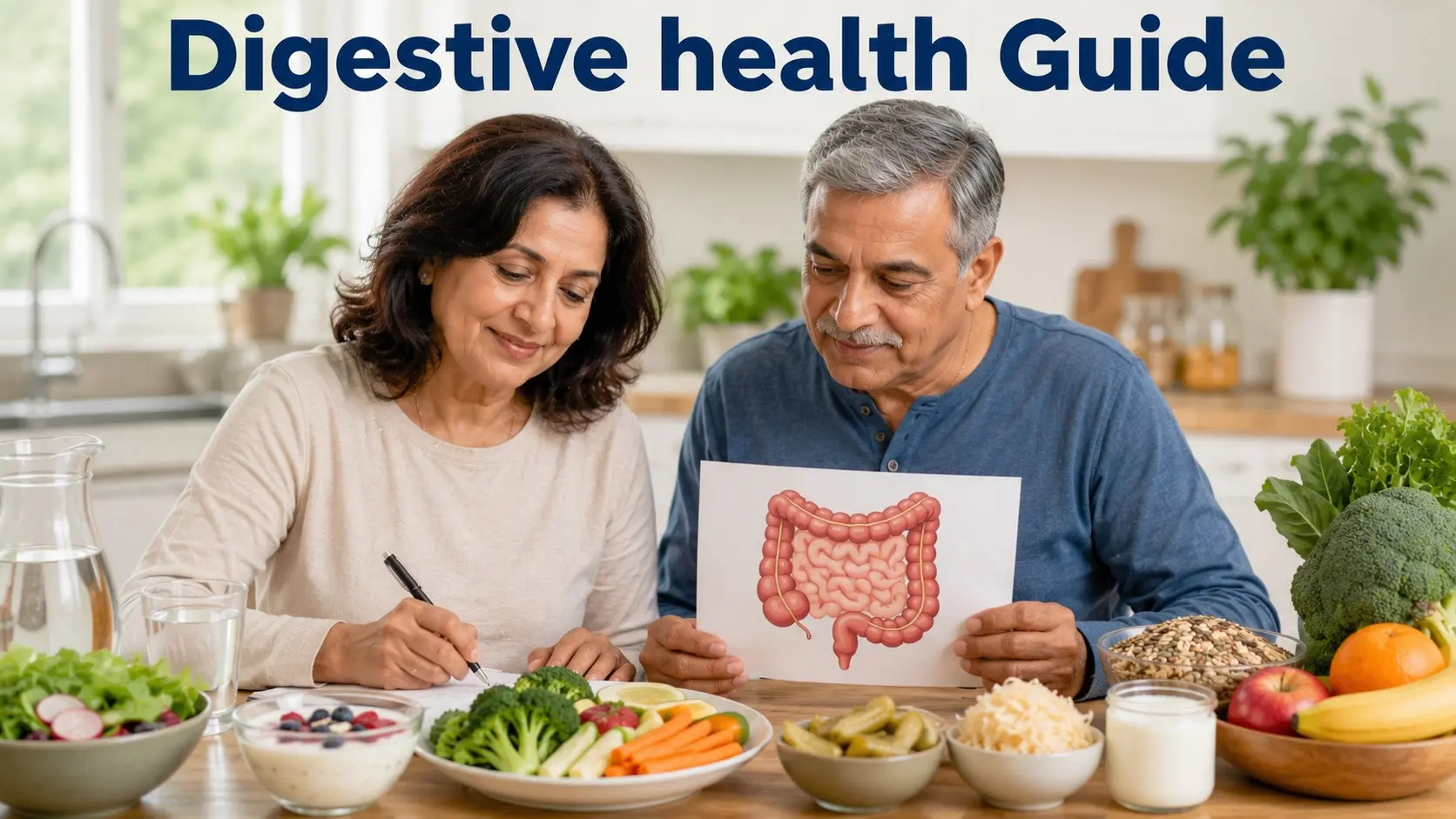
This Digestive Health & Gut sub-hub organizes NextFitLife guides about acid reflux, bloating, gas, constipation, diarrhea, irritable bowel syndrome, celiac disease, the gut microbiome, digestive infections, colonoscopy preparation, and bowel-health warning signs.
Digestive symptoms are common and often have more than one possible cause. Use this page to understand general topics and prepare questions for a healthcare professional, not to diagnose IBS, celiac disease, inflammatory bowel disease, ulcers, infection, cancer, or another digestive condition.
Get prompt help for serious digestive symptoms
Seek urgent medical care for vomiting blood, vomit that looks like coffee grounds, black or tarry stool, large amounts of blood in the stool, severe or rapidly worsening abdominal pain, fainting, confusion, or signs of shock.
Contact a healthcare professional promptly for persistent vomiting, severe diarrhea, dehydration, trouble swallowing, unexplained weight loss, fever with significant digestive symptoms, persistent constipation, or a major unexplained change in bowel habits.
Diarrhea needs extra caution in infants, older adults, pregnant people, people with weakened immune systems, and people with serious chronic health conditions because dehydration can develop more quickly or cause complications.
Choose a starting point
Select the topic closest to your question.
Gut health and celiac disease
Learn about the microbiome, celiac testing, gluten-free treatment after diagnosis, and the limits of commercial gut tests.
Reflux, heartburn, and ulcers
Explore reflux symptoms, GERD, stomach discomfort, ulcers, medication questions, and warning signs that need evaluation.
Bloating, gas, and abdominal discomfort
Understand common causes, food triggers, persistent symptoms, and why severe or recurrent bloating may need assessment.
Diarrhea and constipation
Find information about hydration, medicines, diet, infections, IBS, chronic symptoms, and when to seek medical care.
Infections and travel illness
Learn about gastroenteritis, traveller’s diarrhea, hydration, prevention, and symptoms that require medical attention.
Colonoscopy and bowel warning signs
Understand preparation, blood in stool, changes in bowel habits, screening questions, and symptoms that need professional evaluation.
Before choosing an article
- Check the article’s author, last-updated date, medical-review status, and topic-specific references.
- A page is medically reviewed only when it names the reviewer, relevant credentials, and review date.
- Do not start a gluten-free diet before celiac-disease testing unless a healthcare professional has advised you to do so. Removing gluten beforehand can affect test accuracy.
- Do not use a commercial microbiome test to diagnose IBS, food intolerance, infection, or another digestive disease.
- Do not start long-term laxatives, antidiarrheal medicines, elimination diets, antibiotics, or supplements based only on an online article.
- For colonoscopy preparation, follow the exact instructions provided by your endoscopy team. Prep instructions can differ by product, health condition, medicines, and procedure time.
Digestive-health article directory
Articles are grouped by reader need. Each article has its own editorial status, evidence requirements, and safety limitations.
Gut health, microbiome, and celiac disease
- Supporting Gut Health: Diet, Lifestyle, Microbiome, and Evidence Limits
- Gut Microbiome Tests: What They May Show and What They Cannot Diagnose
- Celiac Disease: Symptoms, Testing, Diagnosis, and Gluten-Free Treatment
- Possible Signs of Celiac Disease and When to Ask About Testing
- Eating With Celiac Disease: Gluten Sources, Labels, and Cross-Contact
Acid reflux, heartburn, stomach discomfort, and ulcers
- Stomach Acid and Digestive Symptoms: Reflux, Indigestion, and Care Questions
- Reflux and Acid-Related Symptoms: Lifestyle, Medication, and Red Flags
- Acid Reflux and GERD: Symptoms, Causes, Treatment, and When to Seek Care
- Peptic and Stomach Ulcers: Symptoms, Causes, Diagnosis, and Treatment
Bloating, gas, stomach noises, and abdominal discomfort
Bloating, gas, and bowel sounds are common symptoms rather than diagnoses. Persistent symptoms may relate to diet, constipation, IBS, food intolerance, celiac disease, infection, medication, or other conditions.
- Stomach Gurgling and Gas: Common Causes and When to Get Checked
- Stomach Gurgling, Pain, and Bloating: Possible Causes and Red Flags
- Stomach Gurgling, Pain, and Diarrhea: Possible Causes and When to Seek Care
- Gas Relief: Practical Options and Signs It May Be More Than Gas
- Persistent Bloating After Meals: Possible Causes and When to Get Checked
- Severe Bloating After Eating: Possible Causes and Medical Red Flags
- Eating for Bloating: Food Patterns, Fibre, Triggers, and Individual Differences
- IBS and Stomach Noises: Symptoms, Diet Questions, and Care Options
- Abdominal Pain After Eating: Common Causes and When to Seek Care
Diarrhea, constipation, and IBS-related bowel changes
Persistent diarrhea or constipation should not automatically be labelled as IBS. Diagnosis may require a medical history, examination, blood or stool tests, or other evaluation depending on symptoms and risk factors.
- Stress and Diarrhea: The Gut-Brain Connection and Other Possible Causes
- Diarrhea During a Period: Possible Causes, Hydration, and Red Flags
- Diarrhea in Older Women: Causes, Medicine Effects, Dehydration, and Care
- Diarrhea: Common Causes, Dehydration, Testing, and Warning Signs
- Eating and Drinking With Diarrhea: Hydration, Food, and Safety
- Constipation and Nausea: Possible Links and When to Seek Advice
- Constipation Treatment: Fiber, Fluids, Activity, Laxatives, and Safety
- Chronic Constipation: Evaluation, Daily Habits, and Treatment Questions
- IBS With Constipation: Fibre, Low-FODMAP Questions, and Dietitian Support
- Movement and Constipation: How Physical Activity May Support Regularity
Digestive infections and travel-related illness
- Viral Gastroenteritis: Symptoms, Hydration, Prevention, and When to Seek Care
- Traveller’s Diarrhea: Prevention, Hydration, Treatment Questions, and Red Flags
Colonoscopy and bowel-health warning signs
Source standard for digestive-health content
Important claims about celiac disease, IBS, diarrhea, constipation, GERD, ulcers, colonoscopy, infection, medication, supplements, or cancer warning signs should cite the specific guideline, government page, professional guidance, or research source used.
Core public reference sources for this topic include:
- NIDDK: Digestive Diseases
- NIDDK: Acid Reflux and GERD in Adults
- NIDDK: Irritable Bowel Syndrome
- NIDDK: Eating, Diet, and Nutrition for IBS
- NIDDK: Diagnosis of Celiac Disease
- NIDDK: Diarrhea Symptoms, Dehydration, and When to Seek Care
- NIDDK: Gastrointestinal Bleeding Symptoms
- National Cancer Institute: Colon Cancer Signs, Symptoms, and Diagnosis
- CDC: Traveller’s Diarrhea
These organizations do not endorse NextFitLife. Each article should cite the exact sources supporting its claims.
Frequently asked questions
What does this Digestive Health & Gut sub-hub cover?
It covers reflux, GERD, bloating, gas, IBS, celiac disease, constipation, diarrhea, gut-health claims, digestive infections, colonoscopy preparation, and bowel warning signs.
Should I stop eating gluten before I am tested for celiac disease?
Not unless a healthcare professional has instructed you to do so. Starting a gluten-free diet before diagnostic testing can affect blood-test and biopsy results and make celiac disease harder to diagnose accurately.
Can a microbiome test diagnose why I have bloating or IBS symptoms?
A commercial microbiome test should not be used by itself to diagnose IBS, celiac disease, infection, food intolerance, or another digestive disorder. Ongoing symptoms deserve assessment based on medical history, examination, and appropriate testing.
Is a low-FODMAP diet right for everyone with bloating or IBS?
No. Some people with IBS may benefit from a short, supervised low-FODMAP trial followed by structured food reintroduction. Restrictive diets are not appropriate for everyone and are easier to use safely with professional or dietitian guidance.
When does diarrhea need medical attention?
Seek prompt medical advice for black or bloody stools, severe abdominal or rectal pain, frequent vomiting, dehydration, high fever, very frequent loose stools, or diarrhea that persists. Older adults, pregnant people, immunocompromised people, and people taking antibiotics may need earlier medical advice.
Can black stool be caused by gastrointestinal bleeding?
Yes. Black or tarry stool can be a sign of bleeding higher in the digestive tract, although medicines and foods can sometimes change stool color. Black tarry stool, vomiting blood, fainting, dizziness, or weakness requires prompt medical assessment.
Do stomach noises mean bowel cancer?
Stomach and bowel noises alone are not a reliable cancer sign. More important warning signs can include blood in the stool, a persistent change in bowel habits, unexplained weight loss, ongoing abdominal discomfort, fatigue, or vomiting. These symptoms can also have noncancerous causes and should be assessed appropriately.
Is every article in this sub-hub medically reviewed?
No. An article is medically reviewed only when it clearly displays the reviewer’s name, relevant credentials, and review date. Otherwise, treat it as general educational content.
Editorial policies and contact
Use digestive-health information safely
Digestive advice can change according to age, symptoms, medicines, pregnancy, hydration, travel, infection exposure, immune status, family history, diet, and previous test results. Use this directory to understand the basics and prepare questions, not to replace individual assessment.
Medical disclaimer
NextFitLife provides general educational information and does not provide medical advice, diagnosis, treatment, emergency care, or individualized recommendations. Always consult an appropriately qualified healthcare professional about persistent digestive symptoms, tests, medicines, supplements, elimination diets, laxatives, antibiotics, or colonoscopy preparation. In an emergency, contact your local emergency service immediately.