
NextFitLife Bone & Joint Health
Published: March 2026
Last updated: August 15, 2026
Next editorial review: August 2027, or sooner if major bone, osteoporosis, arthritis, or screening guidance changes
Written and edited by: Adel Galal, Founder and Editor of NextFitLife
Medical review status: This hub has not been medically reviewed. Individual articles clearly identify a qualified reviewer when formal medical review has taken place.
Reading time: About 20 minutes
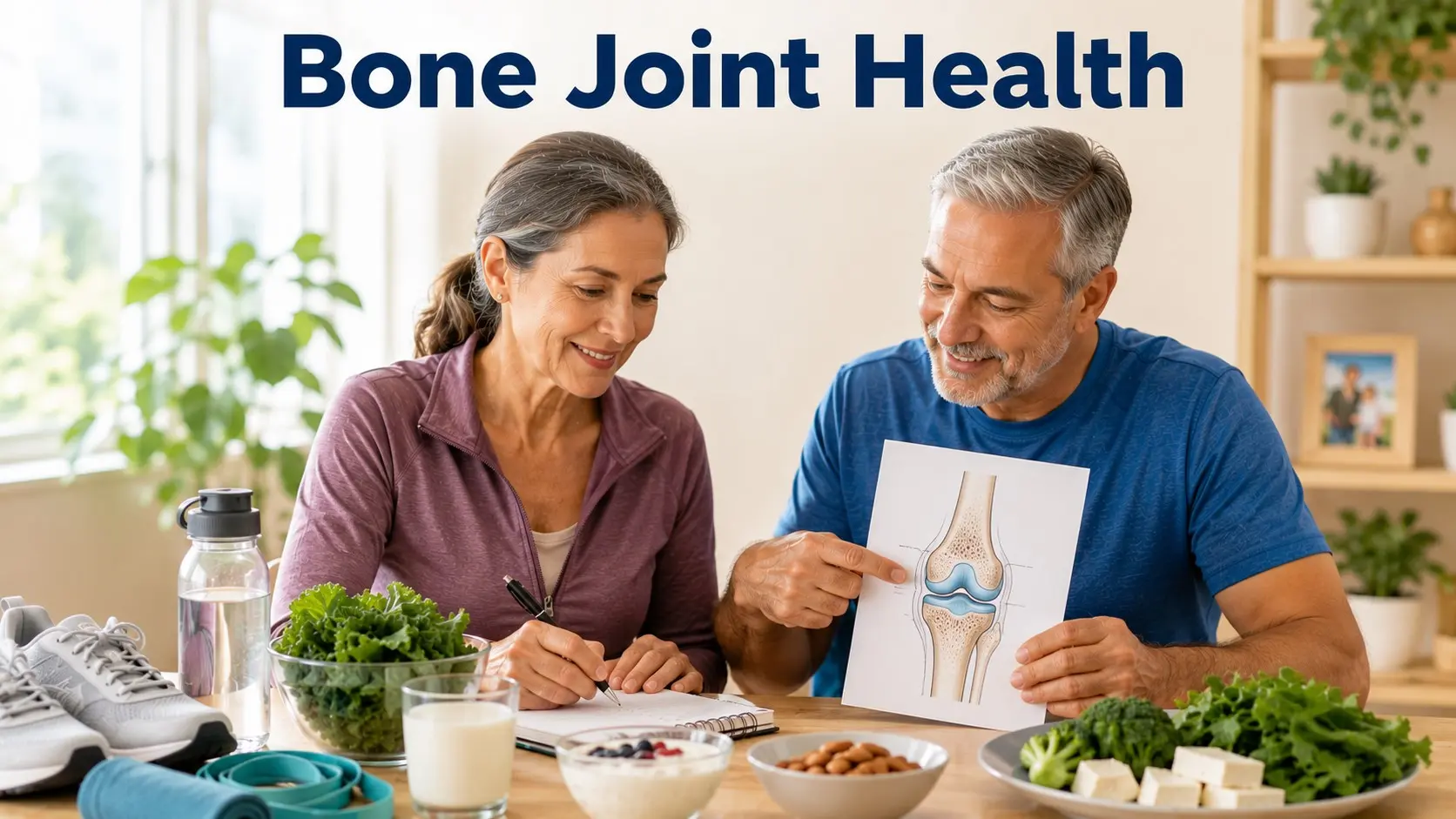
Your bones and joints help you stand, walk, lift, bend, and move through daily life.
But bone health and joint health are not the same thing.
Osteoporosis affects bone strength.
Arthritis affects joints.
A fracture is a break in a bone.
Joint swelling can have many causes.
Back pain may come from muscles, joints, discs, nerves, fractures, or other medical problems.
This Bone & Joint Health hub is the main NextFitLife medical resource for:
- Osteoporosis
- Osteopenia
- Bone mineral density
- DXA scans
- Fragility fractures
- Fracture risk
- Falls and fall prevention
- Arthritis
- Osteoarthritis
- Rheumatoid arthritis
- Gout
- Joint pain
- Joint swelling
- Exercise and mobility
- Bone and joint treatment
This hub is intentionally medical.
If your question is about symptoms, fractures, bone density tests, arthritis, diagnosis, exercise safety, or treatment, stay here.
If you are looking for calcium, vitamin D, vitamin K, magnesium, protein, omega 3, or foods that support bones and joints, visit the Bone & Joint Nutrition Hub.
Keeping the two topics separate makes it easier to find the right information and avoids confusing medical conditions with nutrition advice.
Medical Notice
I am not a dermatologist or A doctor, and this content does not replace professional medical advice. This article explains published guidance and does not provide a personal clinical assessment. Always consult qualified medical professionals for diagnosis and treatment of any health condition.
Bone and joint symptoms can have many causes.
Do not use pain, stiffness, swelling, weakness, or a symptom checklist alone to diagnose osteoporosis, arthritis, a fracture, infection, nutrient deficiency, autoimmune disease, or another condition.
Get Urgent Help for These Bone, Joint, or Back Symptoms
Some bone and joint problems need prompt medical care.
Possible Fracture
Seek urgent assessment after an injury if you:
- Cannot bear weight
- Have an obvious deformity
- Have severe pain after a fall or accident
- Cannot normally use the injured arm or leg
- Have numbness or weakness after the injury
Hot, Red, and Very Painful Joint
A joint that suddenly becomes very painful, hot, red, or swollen needs prompt medical assessment.
This is especially important if you also have:
- Fever
- Chills
- Feeling very unwell
- Difficulty moving the joint
A joint infection is one possible cause.
Back Pain With New Nerve Warning Signs
Seek emergency assessment for back pain with new:
- Loss of bladder control
- Difficulty starting urination
- Loss of bowel control
- Numbness around the genitals, anus, or buttocks
- Weakness or numbness in both legs
These symptoms can occur with serious pressure on nerves at the bottom of the spine.
Quick Answer: How Do You Protect Bone and Joint Health?
Good bone and joint health usually depends on several things working together.
- Know your osteoporosis risk
- Get bone density testing when appropriate
- Stay physically active
- Build and maintain muscle
- Include balance exercise as you age
- Reduce fall risks
- Do not smoke
- Manage medical conditions that affect bone
- Review medicines that can affect bone or balance
- Use arthritis treatment that matches the type of arthritis
- Seek care for persistent or severe joint symptoms
- Use supplements only when they are appropriate for you
Food and nutrients also matter.
For detailed nutrition guidance, use the Bone & Joint Nutrition Hub.
Choose a Starting Point
Select the topic closest to your question.
Osteoporosis and Osteopenia
Learn what low bone density means and why osteoporosis may have no symptoms until a fracture occurs.
DXA and Bone Density Tests
Understand when screening is recommended and what T scores and Z scores can mean.
Fractures and Fall Prevention
Learn why fragility fractures matter and how fall prevention can help protect bone health.
Arthritis and Joint Pain
Understand common arthritis types and why treatment depends on the cause of joint symptoms.
Exercise and Mobility
Learn how resistance exercise, weight bearing activity, and balance work can support bone and joint function.
Bone and Joint Nutrition
Looking for calcium, vitamin D, vitamin K, magnesium, protein, omega-3, and bone supportive foods?
Bone Health and Joint Health Are Different
Bones and joints work together.
But they are different tissues.
Bones
Bones form your skeleton.
They support your body.
They protect organs.
They store minerals.
Bone is living tissue.
It changes throughout life.
Joints
Joints are places where bones meet.
Many joints include cartilage, ligaments, tendons, and joint fluid.
Joint problems can affect movement and cause pain, stiffness, or swelling.
Why the Difference Matters
A person can have good bone density and still have arthritis.
A person can have osteoporosis without joint pain.
Joint pain does not prove that your bones are weak.
Weak bones do not automatically cause arthritis.
What Is Osteoporosis?
Osteoporosis is a condition in which bones become weaker and more likely to break.
It often has no obvious symptoms before a fracture.
This is why osteoporosis is often called a silent disease.
You cannot reliably know your bone density from:
- How strong you feel
- How much you exercise
- Whether your joints hurt
- How much calcium you eat
- Whether you look healthy
Bone density testing and fracture risk assessment are more useful.
Common Osteoporosis Fracture Sites
- Hip
- Spine
- Wrist
Other bones can also fracture.
Can Osteoporosis Cause Back Pain?
Osteoporosis itself may cause no pain.
But a spinal fracture caused by weak bone can cause back pain.
Repeated spinal fractures can also lead to height loss or changes in posture.
What Is Osteopenia?
Osteopenia means bone mineral density is lower than the healthy young adult range but has not reached the usual osteoporosis T score threshold.
Osteopenia is not the same as osteoporosis.
It also does not tell the whole fracture story.
Doctors may also consider:
- Age
- Previous fractures
- Family history
- Falls
- Medicines
- Medical conditions
- Smoking
- Alcohol use
- Other fracture risk factors
A person with osteopenia can still have meaningful fracture risk.
Who Is at Higher Risk of Osteoporosis?
Osteoporosis risk factors include things you can change and things you cannot change.
Examples include:
- Older age
- Menopause
- Previous fragility fracture
- Family history of osteoporosis or hip fracture
- Low body weight
- Smoking
- Heavy alcohol use
- Low physical activity
- Long-term glucocorticoid medicine use
- Some hormone disorders
- Some digestive diseases
- Some cancer treatments
- Other medical conditions that affect bone
Having one risk factor does not mean you have osteoporosis.
It may mean that a healthcare professional should assess your risk.
Who Should Get Osteoporosis Screening?
Current United States Preventive Services Task Force guidance recommends osteoporosis screening for women age 65 or older.
It also recommends screening postmenopausal women younger than 65 when clinical assessment shows increased fracture risk.
What About Men?
For men, the United States Preventive Services Task Force currently states that there is not enough evidence to determine the overall benefits and harms of routine population screening.
This does not mean that no man should ever have a bone density test.
A healthcare professional may still order testing because of:
- A fragility fracture
- Long term steroid use
- A medical condition linked with bone loss
- Very low body weight
- Hormonal problems
- Other strong clinical risk factors
Population screening guidance is not the same as an individual medical decision.
What Is a DXA or DEXA Scan?
A DXA scan is the most commonly used test for measuring bone mineral density.
DXA stands for dual energy X-ray absorptiometry.
You may also see the test called DEXA.
The test commonly measures the hip and spine.
It can help:
- Diagnose osteoporosis
- Find low bone density
- Estimate fracture risk
- Monitor osteoporosis treatment
The scan is quick and noninvasive.
It uses a low level of X-ray radiation.
Can a Heel Scan Diagnose Osteoporosis?
Heel ultrasound and other peripheral tests can sometimes help estimate bone risk.
They are not the same as central hip and spine DXA testing.
A healthcare professional can explain which test is appropriate for you.
What Do T Scores and Z Scores Mean?
T Score
For postmenopausal women and men age 50 or older, DXA results are commonly reported as a T score.
General T score ranges are:
- Minus 1 or higher: bone density in the healthy range
- Between minus 1 and minus 2.5: low bone density or osteopenia
- Minus 2.5 or lower: bone density in the osteoporosis range
A T score should not be interpreted alone.
Fracture history and other risk factors matter too.
Z Score
A Z score compares your bone density with people of similar age and sex.
Z scores are commonly used in:
- Premenopausal women
- Men younger than 50
- Children
Ask your healthcare professional to explain what your result means in your own health context.
Fractures and Fragility Fractures
A fracture means a bone has broken.
Fractures can happen because of major trauma.
They can also happen because bone is weak.
A fragility fracture occurs after relatively low trauma that would not normally be expected to break healthy bone.
A fragility fracture can be an important clue to osteoporosis.
Why a First Fragility Fracture Matters
One fragility fracture can increase concern about future fractures.
Ask whether you need:
- Bone density testing
- Fracture risk assessment
- Medication review
- Fall assessment
- Osteoporosis treatment
Do not treat a low-trauma fracture as only bad luck without asking why the bone broke.
Fall Prevention Is Part of Bone Health
Strong bones matter.
Avoiding falls matters too.
A fall can lead to a serious fracture.
Fall risk can increase because of:
- Weak muscles
- Poor balance
- Vision problems
- Dizziness
- Low blood pressure
- Some medicines
- Unsafe flooring
- Poor lighting
- Foot problems
Simple Fall Prevention Steps
- Keep walkways clear
- Improve lighting
- Use handrails
- Wear stable footwear
- Review medicines that cause dizziness
- Have vision checked
- Work on strength
- Work on balance
- Use a walking aid when recommended
Falls are not always just bad luck.
Repeated falls deserve medical review.
Exercise for Bone Health
Exercise for bone health can support bones, muscles, balance, and mobility.
Several types of activity can help.
Weight Bearing Activity
Examples can include:
- Walking
- Stair climbing
- Dancing
- Other activities performed on your feet
Resistance Exercise
Resistance exercise can help maintain muscle and support bone.
Examples include:
- Resistance bands
- Weight machines
- Free weights
- Body weight exercises
Balance Exercise
Balance work can be especially useful as people age.
Examples can include:
- Tai chi
- Supported balance drills
- Exercises prescribed by a physical therapist
Exercise With Osteoporosis
Exercise can be helpful, but more impact is not always better.
People with osteoporosis, low bone density, previous spinal fractures, or high fracture risk may need exercise changes.
A physical therapist or other qualified professional can help adapt:
- Lifting
- Bending
- Twisting
- Impact exercise
- Balance work
Do not copy an advanced osteoporosis workout from social media without knowing your fracture risk.
What Is Arthritis?
Arthritis is not one disease.
The word refers to many conditions that affect joints.
Different types have different causes and treatments.
Common examples include:
- Osteoarthritis
- Rheumatoid arthritis
- Gout
- Other inflammatory arthritis
- Infectious arthritis
This is why a general “arthritis cure” claim should make you cautious.
The correct treatment depends on which arthritis type you have.
Osteoarthritis
Osteoarthritis is the most common type of arthritis.
It affects the whole joint.
Changes can involve cartilage, bone, and surrounding tissues.
Common symptoms include:
- Joint pain
- Stiffness
- Reduced movement
- Swelling in some people
Common sites include:
- Knees
- Hips
- Hands
- Spine
Movement With Osteoarthritis
Appropriate physical activity can reduce pain and improve function for many people with arthritis.
Joint friendly choices may include:
- Walking
- Cycling
- Swimming
- Water exercise
- Tai chi
- Appropriately scaled strength exercise
Start at a manageable level.
Increase gradually.
Rheumatoid Arthritis
Rheumatoid arthritis is an autoimmune inflammatory disease.
The immune system attacks tissues in and around joints.
It is different from osteoarthritis.
Symptoms can include:
- Swollen joints
- Warm joints
- Pain
- Morning stiffness
- Fatigue
Rheumatoid arthritis can affect more than joints.
Early diagnosis and treatment matter because uncontrolled inflammation can damage joints and affect other parts of the body.
A rheumatologist commonly manages rheumatoid arthritis.
Gout
Gout is an inflammatory arthritis caused by urate crystal buildup in joints.
It often causes sudden severe pain and swelling.
The big toe is a common site.
Other joints can also be affected.
A painful swollen joint should not automatically be assumed to be gout.
Joint infection can sometimes look similar.
A healthcare professional may need to examine the joint and sometimes test joint fluid.
Infectious or Septic Arthritis
Infectious arthritis means an infection is affecting a joint.
It can become serious quickly.
Possible symptoms include:
- Severe joint pain
- Swelling
- Redness
- Warmth
- Fever
- Difficulty moving the joint
Prompt medical assessment is important.
Do not wait several days to see if a very hot, red, painful joint improves on its own.
When Does Joint Pain Need Medical Assessment?
Many minor aches improve with time.
But persistent or severe joint pain deserves assessment.
See a healthcare professional if you have:
- Severe unexplained joint pain
- Significant swelling
- A joint that is red or hot
- Difficulty moving the joint
- Pain that keeps returning
- Joint symptoms after an injury
- Persistent morning stiffness
- Unexplained weight loss
- Fever
- Several swollen joints
The cause may be mechanical, inflammatory, crystal-related, infectious, or another condition.
Back Pain Is Not Always a Bone Problem
Back pain is common.
It can arise from:
- Muscles
- Ligaments
- Joints
- Discs
- Nerves
- Fractures
- Other medical conditions
Osteoporosis can increase the risk of spinal fractures.
But most back pain is not caused by osteoporosis.
Seek medical advice if back pain is severe, rapidly worsening, follows a significant injury, or occurs with serious nerve warning signs.
How Are Bone and Joint Conditions Treated?
Treatment depends on the diagnosis.
There is no single bone and joint treatment.
Osteoporosis Treatment
Osteoporosis care may include:
- Exercise
- Fall prevention
- Nutrition
- Calcium and vitamin D assessment
- Medicine when fracture risk is high enough
- Treatment of medical causes of bone loss
Several medicine groups are used for osteoporosis.
The right treatment depends on factors such as:
- Age
- Sex
- Fracture history
- Kidney function
- Other medical conditions
- Current medicines
- Level of fracture risk
Do not start or stop osteoporosis medicine based on an article.
Arthritis Treatment
Arthritis treatment may include:
- Physical activity
- Physical therapy
- Pain treatment
- Anti-inflammatory treatment
- Disease-modifying medicine for autoimmune arthritis
- Weight management when appropriate
- Joint injections in selected cases
- Surgery in selected cases
The correct plan depends on the type of arthritis.
Supplement Safety for Bone and Joint Health
Supplements are concentrated products.
More is not automatically better.
Calcium
Total calcium intake includes food and supplements.
Taking extra calcium without knowing how much you already consume may be unnecessary.
Vitamin D
Too much vitamin D can be harmful.
Blood testing and supplementation decisions should be based on your health context.
Vitamin K
Large changes in vitamin K intake can affect warfarin treatment.
People taking warfarin should discuss major dietary or supplement changes with their healthcare team.
Magnesium
High-dose magnesium supplements can cause side effects.
Kidney disease can increase the risk of problems from excess magnesium.
Several Supplements at Once
Combining multiple products can accidentally duplicate nutrients.
Bring a full list of supplements and medicines to medical appointments.
For detailed food and nutrient guidance, visit the Bone & Joint Nutrition Hub.
Bone and Joint Nutrition Has Its Own Resource
Nutrition supports bone, muscle, and general health.
But detailed nutrition information now belongs in one separate resource:
Bone & Joint Nutrition: Foods, Vitamins and Nutrients for Strong Bones and Joints
The nutrition resource covers:
- Calcium rich foods
- Vitamin D foods
- Vitamin K and vitamin K2
- Magnesium
- Protein
- Omega 3 fats
- Foods for osteoporosis support
- Anti inflammatory eating patterns
- Supplement questions
This medical hub remains focused on:
- Osteoporosis
- Osteopenia
- DXA scans
- Fractures
- Falls
- Arthritis
- Joint symptoms
- Diagnosis
- Treatment
Bone Health Across Life
Children and Teenagers
Childhood and adolescence are important periods for building bone.
Nutrition and physical activity matter.
Persistent bone pain, repeated fractures, or growth concerns need pediatric assessment.
Adults
Adults should continue resistance and weight-bearing activity when medically appropriate.
Smoking, heavy alcohol use, some health conditions, and some medicines can affect bone.
After Menopause
Bone loss can speed up after menopause as estrogen levels fall.
This is one reason osteoporosis becomes more common with age in women.
Older Adults
Muscle strength, balance, vision, medicine effects, and fall prevention become increasingly important.
Medicines That Can Affect Bone Health or Fall Risk
Some medicines can contribute to bone loss.
Others can increase fall risk through dizziness or sleepiness.
Examples that may deserve review include:
- Long-term glucocorticoids
- Some cancer treatments
- Some medicines that affect hormones
- Sedating medicines
- Medicines that cause dizziness
Do not stop a prescription medicine on your own.
Ask whether any of your medicines affect bone strength or fall risk.
Which Specialist Treats Bone and Joint Problems?
The right specialist depends on the problem.
Primary Care Doctor
Primary care can often start the evaluation of osteoporosis, fractures, joint pain, and arthritis symptoms.
Rheumatologist
A rheumatologist treats many forms of arthritis, autoimmune disease, and inflammatory musculoskeletal conditions.
Orthopedic Specialist
Orthopedic specialists treat bone and joint injuries and conditions that may need surgical treatment.
Endocrinologist
An endocrinologist may help manage osteoporosis linked with hormones or other metabolic bone disease.
Physical Therapist
A physical therapist can help with:
- Strength
- Balance
- Mobility
- Safe movement
- Exercise after injury
Geriatrician
A geriatrician can help older adults with osteoporosis, falls, medicines, frailty, and several medical conditions at the same time.
Questions to Ask Your Healthcare Professional
- Am I at risk of osteoporosis?
- Should I have a DXA scan?
- What does my T score mean?
- What does my Z score mean?
- Have I had a fragility fracture?
- Do I need osteoporosis medicine?
- Could one of my medicines weaken bone?
- What exercise is safe for me?
- Should I see a physical therapist?
- What type of arthritis do I have?
- Do I need blood tests?
- Do I need joint fluid testing?
- Should I see a rheumatologist?
- How can I reduce my fall risk?
- Do I need calcium or vitamin D supplements?
Conclusion
Bone and joint health is about more than calcium or exercise.
Know your osteoporosis risk.
Use DXA testing when appropriate.
Take fractures seriously.
Build strength and balance.
Stay active with arthritis when it is safe.
And seek medical care for severe, persistent, or unusual joint symptoms.
Call to action: Protect your bone and joint health by choosing the section that matches your concern and writing down one question to discuss at your next healthcare visit.
High Authority References and Sources
National Institute of Arthritis and Musculoskeletal and Skin Diseases: Osteoporosis
United States Preventive Services Task Force: Osteoporosis Screening
NIAMS: Bone Mineral Density Tests and What the Numbers Mean
NIAMS: Exercise for Your Bone Health
Centers for Disease Control and Prevention: Physical Activity and Arthritis
MedlinePlus: Infectious Arthritis
Continue Reading on NextFitLife
Bone and Joint Nutrition
Bone & Joint Nutrition Hub
Eating With Osteoporosis: Calcium, Vitamin D, Protein, and Practical Nutrition
Nutrition for Strong Bones and Muscles
Calcium Rich Foods
Foods High in Vitamin D
Vitamin K2 Rich Foods
Magnesium Rich Foods
Joint and Pain Resources
Related Health Hubs
Frequently Asked Questions About Bone and Joint Health
What does the Bone and Joint Health Hub cover?
This medical hub covers osteoporosis, osteopenia, DXA scans, fractures, fall prevention, arthritis, joint pain, exercise, treatment, and warning signs.
Where can I find calcium and vitamin D information?
Detailed calcium, vitamin D, vitamin K, magnesium, protein, omega 3, and food information is organized in the separate Bone and Joint Nutrition Hub.
Can osteoporosis cause pain?
Osteoporosis often causes no symptoms until a fracture occurs. A spinal fracture can cause back pain, height loss, or posture changes.
Can I have osteoporosis without symptoms?
Yes. Many people do not know they have osteoporosis until bone density testing or a fracture reveals it.
What is osteopenia?
Osteopenia means bone density is lower than the healthy young adult range but is not as low as the usual osteoporosis T score threshold.
Who should be screened for osteoporosis?
Current United States Preventive Services Task Force guidance recommends screening women age 65 or older and younger postmenopausal women who are at increased fracture risk after clinical risk assessment.
Should men have routine osteoporosis screening?
The United States Preventive Services Task Force currently states that evidence is insufficient to determine the overall benefits and harms of routine population screening in men. Individual men may still need testing because of fractures, medicines, or medical risk factors.
What is a DXA scan?
A DXA scan is a low-radiation test that measures bone mineral density, usually at the hip and spine.
What does a T score of minus 2.5 mean?
A T score of minus 2.5 or lower is in the bone density range used for osteoporosis. A healthcare professional should interpret it with your fracture history and other risk factors.
What is the difference between a T score and a Z score?
A T score compares bone density with a healthy young adult reference. A Z score compares it with people of similar age and is often used in younger adults and children.
What is a fragility fracture?
A fragility fracture is a fracture caused by relatively low trauma that would not normally be expected to break healthy bone.
Can exercise help osteoporosis?
Exercise can support bone, muscle strength, balance, and fall prevention. People with osteoporosis may need an individualized plan to reduce fracture risk.
What exercise is best for bone health?
Weight-bearing activity, resistance exercise, and balance training can all be useful. The safest program depends on age, fitness, fracture history, and bone density.
Can exercise help arthritis?
Yes. Appropriate physical activity can reduce pain and improve function for many people with arthritis.
Is arthritis the same as osteoporosis?
No. Osteoporosis affects bone strength. Arthritis affects joints.
What is osteoarthritis?
Osteoarthritis is a common arthritis type that affects the whole joint and can cause pain, stiffness, and reduced movement.
What is rheumatoid arthritis?
Rheumatoid arthritis is an autoimmune inflammatory disease that can damage joints and affect other parts of the body.
What is gout?
Gout is an inflammatory arthritis caused by urate crystal buildup in joints.
When is a swollen joint urgent?
A very painful, red, hot, swollen joint needs prompt medical assessment, especially with fever, chills, or inability to move the joint, because infection is one possible cause.
What back pain symptoms are an emergency?
Back pain with new bladder or bowel problems, numbness around the genitals or anus, or new weakness or numbness in both legs needs emergency assessment.
Should everyone take calcium supplements?
No. Calcium needs depend on diet, age, medical conditions, and other factors. Food may provide enough for many people.
Should everyone take vitamin D supplements?
No. Vitamin D needs vary. Excessive supplementation can be harmful, and some people may need testing or a clinician-recommended dose.
Can vitamin K interact with medicine?
Yes. Major changes in vitamin K intake can affect warfarin treatment and should be discussed with the healthcare team.
Which doctor treats osteoporosis?
Primary care doctors often manage osteoporosis. Endocrinologists, rheumatologists, geriatricians, and other specialists may also be involved.
Which doctor treats arthritis?
It depends on the type. Primary care may begin the evaluation. Rheumatologists often treat inflammatory arthritis, while orthopedic specialists manage many structural and surgical joint problems.
How can I protect my joints as I age?
Stay active, maintain muscle strength, use suitable exercise, manage injuries and chronic conditions, and seek care for persistent swelling or pain.
How can I reduce fracture risk?
Know your osteoporosis risk, get screening when appropriate, exercise safely, prevent falls, review medicines, and follow treatment if osteoporosis is diagnosed.