Published: September 13, 2026
Last updated: September 13, 2026
Next review: September 2027, or sooner if meaningful human research on Grewia asiatica is published
Written and source checked by: Adel Galal, Founder and Lead Writer at NextFitLife
Medical review status: This article has not been medically reviewed by a doctor or registered dietitian.
Falsa is a nutritious little fruit.
It does not need to be called a miracle superfood.
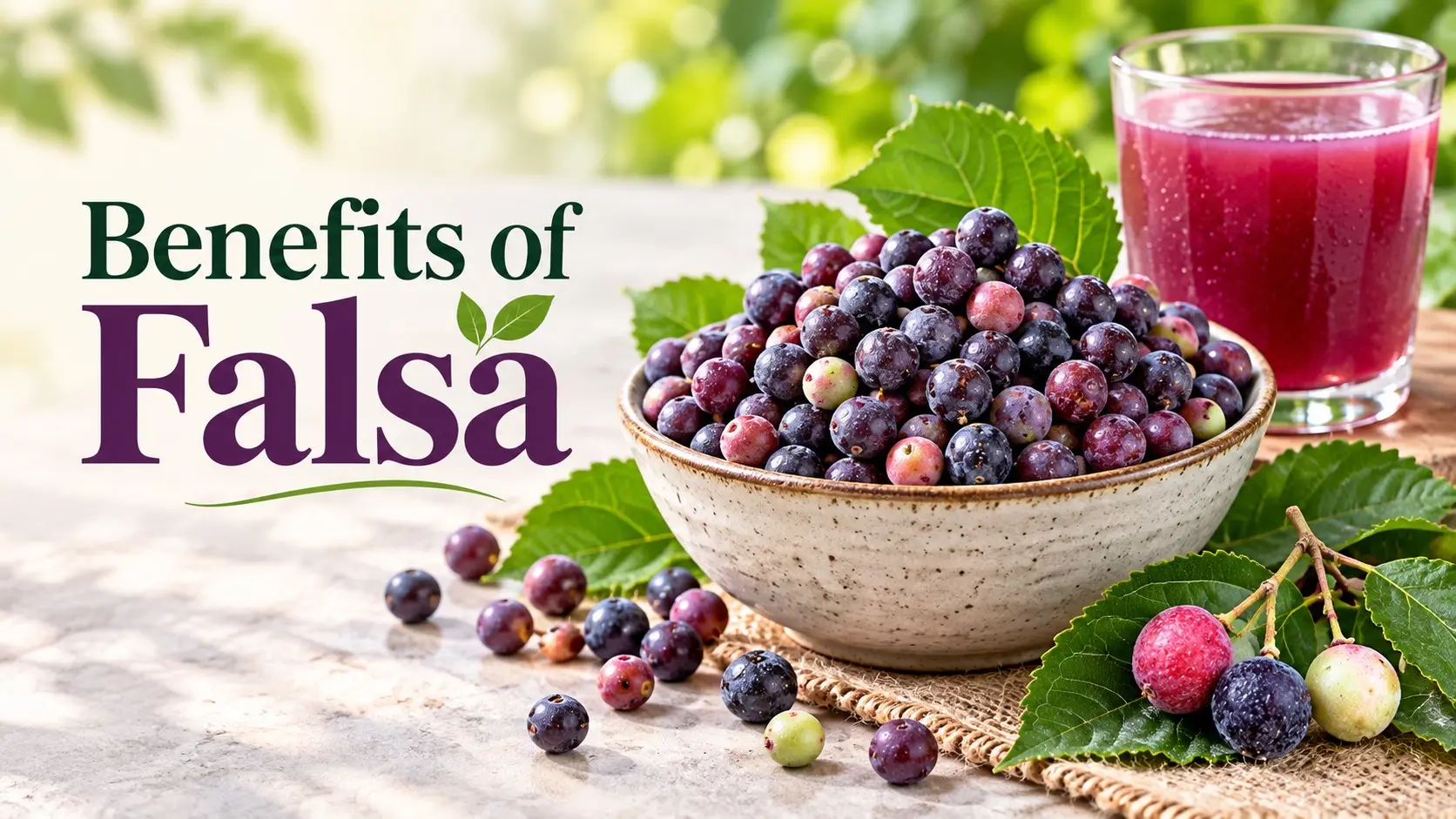
Also known as phalsa, falsa is the fruit of Grewia asiatica, a plant grown mainly in South Asia and other warm regions.
Ripe falsa turns dark purple or almost black.
Its flavor is tart, sweet, and slightly acidic.
The fruit contains natural carbohydrates, fiber, minerals, vitamin compounds, and colorful plant pigments such as anthocyanins, phenolics, tannins, and flavonoids.
That makes falsa interesting nutritionally.
It does not prove that falsa treats diabetes, cancer, liver disease, high blood pressure, arthritis, or infection.
Most research on those claims is still laboratory or animal research.
Important medical note: This content is for general educational purposes and does not replace professional medical advice, diagnosis, or treatment. Consult an appropriately qualified healthcare professional for personal medical concerns. This article explains published guidance and does not provide a personal clinical assessment. Always consult qualified medical professionals for diagnosis and treatment of any health condition.
If you have diabetes, chronic kidney disease, a food allergy, a digestive disorder, pregnancy related nutrition needs, or another medical condition that affects fruit, carbohydrate, potassium, fiber, or fluid intake, ask your healthcare professional how falsa fits your diet.
What Are the Main Benefits of Falsa?
Quick answer: The Benefits of Falsa come mainly from eating it as a whole seasonal fruit. Falsa provides natural carbohydrates, dietary fiber, minerals, vitamin compounds, and colorful plant compounds including anthocyanins and phenolics. Early research also suggests a low glycemic response, but human evidence is too limited to call falsa a treatment for diabetes or other diseases.
That distinction is important.
A food can be nutritious without being medicine.
What Exactly Is Falsa?
Falsa and phalsa are common names for Grewia asiatica.
The plant is native to parts of South Asia.
It is grown in countries including India and Pakistan.
The small fruits change color as they ripen.
They move from green through red and purple to dark purple or almost black.
Fresh ripe fruit has a sweet and tart taste.
Falsa is eaten fresh.
It is also used in drinks, syrups, chutneys, jams, and other traditional foods.
One practical problem is shelf life.
The ripe berries are delicate and highly perishable.
That is one reason falsa remains a seasonal local fruit rather than a supermarket staple around the world.
Falsa Nutrition Is Harder to Standardize Than You Might Think
I would be careful with websites that give one perfectly precise nutrition table for all falsa.
Research shows meaningful variation between:
- Fruit varieties
- Growing regions
- Stages of ripeness
- Soil conditions
- Harvest time
- Processing methods
A 2023 study found that sugars, acidity, minerals, phenolics, and anthocyanins changed during fruit development.
A 2025 nutritional analysis also found carbohydrates, fiber, minerals, phenolics, and flavonoids in mature falsa fruit.
So I would treat exact numbers as sample specific unless they come from a standardized national food database.
The more reliable message is the overall pattern.
Fresh falsa provides carbohydrate, some dietary fiber, minerals, vitamin compounds, and multiple plant phytochemicals.
1. Falsa Adds Useful Fruit Variety
This sounds basic.
It matters.
No single fruit contains everything you need.
Falsa gives you a different mix of nutrients and plant compounds from mango, watermelon, apples, citrus fruit, or berries.
Eating a variety of fruit is more useful than chasing one supposed superfood.
Color can help too.
Dark purple plant foods often contain pigments such as anthocyanins.
Falsa is one of them.
Use the NextFitLife Fruits and Vegetables Hub to compare more fruit and vegetable choices.
2. Falsa Contains Anthocyanins
The dark purple color of ripe falsa is one of its most interesting features.
Researchers have identified anthocyanins among its bioactive compounds.
Anthocyanins are natural pigments found in many red, blue, and purple plant foods.
They are studied for antioxidant and cell signaling effects.
This does not mean every anthocyanin rich fruit prevents disease.
Finding an antioxidant compound in a food is not the same as proving a clinical benefit.
Think of anthocyanins as one good reason to eat colorful plants.
Not as medicine.
3. It Also Contains Phenolics and Flavonoids
Falsa contains more than one class of plant compounds.
Published reviews describe polyphenols, flavonoids, tannins, and other phytochemicals in Grewia asiatica fruit.
Laboratory studies show antioxidant activity.
That means falsa extracts can interact with oxidation related processes under experimental conditions.
It does not tell us exactly what eating a bowl of falsa does to long term disease risk in a person.
Human clinical trials are still scarce.
This is one of the biggest limits in the falsa research.
4. Falsa Contributes Vitamin C
Research reviews consistently describe falsa as containing vitamin C.
Vitamin C has several proven jobs in the human body.
It is needed to produce collagen.
It supports normal immune function.
It acts as an antioxidant.
It also helps increase absorption of nonheme iron from plant foods.
I would not give falsa a universal vitamin C value because published samples vary considerably.
Instead, think of falsa as one seasonal contributor to your total vitamin C intake.
Other useful sources include citrus fruit, peppers, guava, kiwi, strawberries, broccoli, and tomatoes.
For broader vitamin guidance, visit the NextFitLife Nutrition and Vitamins Hub.
5. It Provides Some Dietary Fiber
Falsa contains dietary fiber.
A 2025 laboratory analysis reported measurable fiber in fresh mature fruit.
The exact amount should not be treated as universal because fruit composition varies.
Fiber supports normal bowel function.
It can also make food more satisfying.
But falsa should not be sold as a treatment for constipation.
Your overall fiber intake matters more.
Strong everyday sources include:
- Beans
- Lentils
- Oats
- Vegetables
- Pears
- Berries
- Whole grains
- Nuts
- Seeds
6. Falsa Provides Several Minerals
Studies of Grewia asiatica fruit report several minerals.
These include varying amounts of:
- Iron
- Calcium
- Phosphorus
- Magnesium
- Zinc
- Manganese
The concentration differs between studies and fruit samples.
This is why I would not call falsa a treatment for iron deficiency anemia or another mineral deficiency.
A food containing iron does not guarantee that the amount is enough to correct anemia.
Iron deficiency needs proper assessment.
If you have fatigue, weakness, shortness of breath, pale skin, heavy bleeding, or known low iron, ask a healthcare professional whether blood testing is appropriate.
7. Fresh Falsa Can Be a Refreshing Summer Fruit
Falsa is often eaten during hot weather.
The fresh fruit contains water.
Traditional falsa drinks also contain water.
That can contribute to daily hydration.
But there is a major difference between fresh fruit and sweet falsa syrup.
A traditional drink may contain:
- Fresh falsa
- Water
- Sugar
- Syrup
- Salt
- Spices
The added sugar can change the nutrition dramatically.
If hydration is your goal, water remains the simplest drink.
Falsa can be part of the meal or snack.
8. Early Human Research Found a Low Glycemic Response
This is probably the most interesting human research on falsa.
A 2013 clinical study tested Grewia asiatica fruit in healthy people without diabetes.
The researchers reported a low glycemic response.
They also reported a glycemic index value of 5.34 under their study conditions.
I would treat that number cautiously.
It comes from one older study.
The participants were healthy and did not have diabetes.
It does not prove that falsa treats diabetes.
It does not tell us how a glass of sweetened falsa juice affects blood glucose.
And it does not mean someone using insulin can eat unlimited amounts.
This is promising early evidence.
It is not a diabetes prescription.
9. Whole Falsa Can Fit a Weight Management Diet
Fruit can be useful when you want something sweet without turning every snack into candy, biscuits, cake, or a sugary drink.
That does not mean falsa burns body fat.
It does not.
A whole fruit snack can fit a weight management plan because it provides food volume, plant compounds, and some fiber.
The useful question is what falsa replaces.
Fresh fruit instead of a heavily sweetened dessert?
Reasonable.
A large glass of falsa syrup loaded with sugar on top of the normal diet?
Different story.
For a wider plan, use the NextFitLife Natural Weight Loss Guide.
10. Falsa Makes Healthy Eating More Interesting
I value this benefit more than it sounds.
A healthy diet should not be five foods repeated forever.
Seasonal fruit adds:
- Different flavors
- Different colors
- Different textures
- Different plant compounds
- Cultural food traditions
Falsa gives you tartness and sweetness at the same time.
You can eat it fresh.
You can add it to plain yogurt.
You can use it in a fruit bowl.
You can make an unsweetened or lightly sweetened drink.
Food that you enjoy is easier to keep eating.
What Does the Research Actually Say About Falsa?
This is the section I would read before believing a long benefits list.
| Claim | Evidence Level | What We Can Say |
|---|---|---|
| Contains anthocyanins and phenolics | Good compositional evidence | Supported |
| Antioxidant activity | Mostly laboratory evidence | Interesting, but not proof of disease prevention |
| Low glycemic response | Limited human evidence | Promising, but not enough for diabetes treatment claims |
| Antidiabetic action | Mostly laboratory and animal work | Not established as a human treatment |
| Cancer prevention | Cell and extract research | Not proven in people |
| Liver protection | Mainly animal research | Not established clinically |
| Treats inflammation | Mostly extract and preclinical studies | Not a medical anti inflammatory treatment |
Does Falsa Have Antioxidants?
Yes.
Falsa contains several compounds studied for antioxidant activity.
These include anthocyanins, flavonoids, phenolics, and tannins.
Laboratory tests show antioxidant capacity.
This sounds impressive.
Keep the meaning straight.
An antioxidant assay measures chemical activity under experimental conditions.
It does not prove that the fruit prevents heart disease, cancer, arthritis, or aging in humans.
Eat antioxidant rich foods because they belong in a varied diet.
Do not use them as a substitute for treatment.
Does Falsa Help Diabetes?
This claim needs restraint.
The small 2013 human study in healthy adults reported a low glycemic response.
Other falsa research has looked at digestive enzymes related to carbohydrate breakdown in laboratory experiments.
That is interesting.
But there are not enough strong clinical trials in people with diabetes to recommend falsa as treatment.
If you have diabetes:
- Fruit still contains carbohydrate
- Portion matters
- Juice behaves differently from whole fruit
- Added sugar matters
- Medicine matters
- Your glucose response matters
A sweet falsa drink can be very different from a small serving of fresh whole fruit.
Follow your personal diabetes plan.
Is Falsa Good for Blood Pressure?
There is not enough human evidence to call falsa a blood pressure lowering food.
Some reviews discuss traditional use and laboratory findings related to cardiovascular health.
That does not prove a treatment effect.
If you have hypertension, focus on the full pattern.
That includes sodium intake, vegetables, fruit, legumes, whole grains, suitable protein foods, activity, sleep, body weight when relevant, and prescribed medicine.
Do not replace blood pressure treatment with falsa juice.
Does Falsa Prevent Cancer?
No human evidence proves that eating falsa prevents or treats cancer.
This needs to be very clear.
Researchers have tested extracts from Grewia asiatica against cells in laboratory settings.
Reviews describe anticancer activity in experimental models.
Cells in a laboratory are not a person.
The dose is different.
The exposure is different.
The metabolism is different.
Do not use falsa, falsa extract, or another food as a substitute for cancer screening or treatment.
Does Falsa Protect the Liver?
Animal studies have explored possible liver protective effects of Grewia asiatica extracts.
That is preclinical evidence.
It does not prove that eating falsa treats fatty liver, hepatitis, medication injury, or another liver condition.
If liver tests are abnormal, find the cause.
Do not try to treat abnormal liver enzymes with a fruit drink.
Is Falsa Good for Digestion?
Fresh falsa provides some fiber and water.
Those can be useful parts of a normal diet.
But claims that falsa cures indigestion, diarrhea, or intestinal infections mostly come from traditional medicine or preclinical research.
Persistent diarrhea can cause dehydration.
Blood in stool, fever, severe abdominal pain, repeated vomiting, or signs of dehydration need proper assessment.
For broader food guidance, see the NextFitLife Gut Health Foods Guide.
Is Falsa Good for Anemia?
Falsa contains iron in published nutrient analyses.
That does not make it a treatment for iron deficiency anemia.
Food iron content varies.
Plant iron absorption also depends on the meal.
Vitamin C can help improve absorption of nonheme iron.
But anemia can have many causes.
These include:
- Iron deficiency
- Vitamin B12 deficiency
- Folate deficiency
- Bleeding
- Kidney disease
- Inflammation
- Genetic blood disorders
Diagnosis comes first.
Is Falsa Good for Skin?
Falsa contains vitamin compounds and colorful plant phytochemicals.
Vitamin C supports normal collagen formation.
That is real.
But falsa has not been proven to clear acne, erase pigmentation, remove wrinkles, or create glowing skin.
Nutrition supports skin biology.
Sunscreen protects against ultraviolet exposure.
Skin conditions need appropriate skincare or medical treatment.
Is Falsa Good for Weight Loss?
Fresh whole falsa can fit a weight loss eating pattern.
It does not burn fat.
It does not detox the body.
It does not accelerate metabolism enough to create weight loss.
Its advantage is simpler.
Fruit can replace a more energy dense snack.
But preparation matters.
Fresh falsa and heavily sweetened falsa syrup are not nutritionally identical.
For a fuller approach, read Foods for Weight Loss and Metabolism.
Fresh Falsa or Falsa Juice: Which Is Better?
I would start with the whole fruit.
Whole fruit keeps its natural food structure.
It usually requires more chewing.
It also keeps the fiber that can be reduced when juice is strained.
| Option | Main Advantage | Watch For |
|---|---|---|
| Fresh whole falsa | Keeps the whole fruit structure | Natural carbohydrate still counts |
| Unsweetened blended falsa drink | Refreshing and convenient | Easy to drink more fruit quickly |
| Strained falsa juice | Smooth texture | May contain less fiber |
| Sweet falsa syrup | Traditional sweet drink | Added sugar can become substantial |
What 2026 Research Says About Falsa Drinks
A 2026 open access study compared different phalsa syrup recipes.
The researchers measured pigments, phytochemicals, antioxidant enzymes, and sensory properties.
The study confirms that processing and recipe choices change the final product.
That is useful.
It does not prove that syrup produces health benefits in people.
It also reminds us why the word falsa on a bottle tells you very little about nutrition.
Check:
- Added sugar
- Serving size
- Fruit percentage
- Other ingredients
How Much Falsa Should You Eat?
There is no established medical serving of falsa for healthy adults.
A small bowl of fresh berries is a reasonable food portion for many people.
You do not need to eat large quantities to get value from a fruit.
People monitoring blood glucose should count the carbohydrate within their individual plan.
People with kidney disease or another prescribed diet may need different guidance.
Can You Eat Falsa Every Day?
If fresh falsa is in season, you tolerate it, and it fits your diet, it can be part of your fruit intake.
You do not need it every day.
Rotate fruit across the week.
Try falsa alongside:
- Berries
- Citrus
- Melons
- Mango
- Apples
- Pears
- Guava
- Peaches
Variety beats obsession with one fruit.
Simple Ways to Eat Falsa
| Idea | How to Use It |
|---|---|
| Fresh snack | Wash and serve fresh ripe falsa |
| Yogurt bowl | Add falsa to plain yogurt with oats |
| Fruit bowl | Combine falsa with other seasonal fruit |
| Summer drink | Blend falsa with cold water and little or no added sugar |
| Frozen fruit | Freeze cleaned berries for later blending when suitable |
| Dessert | Use fresh falsa instead of a heavily sweetened dessert |
Does Adding Salt Make Falsa Healthier?
No.
Falsa is traditionally eaten with salt in some places because salt changes the flavor.
It does not make the fruit more nutritious.
If you have hypertension, kidney disease, heart failure, or another reason to restrict sodium, do not assume salt is harmless because it is sprinkled on fruit.
Use taste and your health needs to decide.
Does Falsa Detox the Body?
No.
Your body already has systems for processing and eliminating waste.
Your liver, kidneys, lungs, digestive tract, and other organs do that work.
Falsa can be part of a healthy diet.
It does not flush toxins out of your organs.
Does Falsa Boost Immunity?
Falsa contains nutrients and plant compounds involved in normal physiology.
That is different from boosting the immune system above normal.
Vitamin C supports normal immune function.
Anthocyanins and phenolics are studied for biological effects.
Eating falsa does not make you immune to infection.
Is Falsa Safe During Pregnancy?
Fresh washed fruit can usually fit within a varied pregnancy diet unless your care team has given you different instructions.
The important issue is food safety.
Wash fresh fruit under clean running water.
Avoid fruit that is spoiled, moldy, or stored unsafely.
If buying a prepared falsa drink, consider:
- How much sugar was added
- Whether the water and ice are safe
- How the fruit was handled
- Whether the drink stayed cold when required
Pregnancy is not the time to rely on unverified herbal extracts or concentrated falsa supplements.
Wash Fresh Falsa Before Eating It
Fresh fruit can carry dirt and microbes.
Wash falsa under clean running water before eating or preparing it.
Do not wash fruit with soap, household detergent, bleach, or disinfectant.
Remove spoiled berries.
Keep clean fruit away from raw meat, poultry, seafood, and eggs.
Use clean hands and clean utensils.
Falsa Is Highly Perishable
Ripe falsa is delicate.
Use it soon after purchase.
Keep it cool.
Discard fruit that smells wrong, becomes slimy, grows mold, or shows clear spoilage.
Its short shelf life is one reason researchers continue to study processing methods such as juices and syrups.
Who Should Be More Careful With Falsa?
People With Diabetes
Fresh fruit contains carbohydrate.
Sweetened falsa drinks can contain much more.
Follow your individual carbohydrate plan.
People With Kidney Disease
Do not use online fruit lists to set your potassium or fluid intake.
Follow your personal kidney care plan.
People With Food Allergies
Any food can potentially trigger allergy.
Seek emergency care for trouble breathing, throat swelling, fainting, or signs of a severe allergic reaction.
People With Digestive Symptoms
Large fruit portions can cause discomfort in some people.
Persistent pain, diarrhea, vomiting, blood in stool, or unexplained weight loss needs medical assessment.
Common Falsa Myths
Falsa Cures Diabetes
No.
One small human study found a low glycemic response in healthy participants.
That is not proof of diabetes treatment.
Falsa Prevents Cancer
No.
Cell and extract research does not prove cancer prevention in humans.
Falsa Detoxes the Liver
No.
Animal studies of extracts do not make falsa a liver treatment.
Falsa Treats Anemia
No.
It contains iron in nutrient analyses, but anemia needs diagnosis and appropriate treatment.
Falsa Makes Skin Glow
It contributes nutrients to the diet.
It does not guarantee cosmetic skin changes.
Falsa Juice Is Always Healthy
No.
The amount of added sugar matters.
Natural Means Medicinal
No.
Natural foods can be nutritious without treating disease.
My Practical Take on Falsa
I think falsa is more interesting when we stop exaggerating it.
It is a dark purple seasonal fruit.
It contains anthocyanins.
It contains other polyphenols.
It contributes some fiber, minerals, and vitamin compounds.
There is even a small amount of human research on its glycemic response.
That is already enough to make it worth eating.
We do not need to turn a fruit into a treatment for ten diseases.
Good nutrition is stronger when the claims stay realistic.
Conclusion
The Benefits of Falsa are best understood as the benefits of a colorful whole fruit.
It adds dietary variety, anthocyanins, phenolics, vitamin compounds, minerals, some fiber, and a refreshing seasonal flavor.
Early human research on blood glucose is interesting but not strong enough to support diabetes treatment claims.
Choose fresh whole fruit when possible.
Watch added sugar in falsa drinks.
And treat extracts and medical claims much more cautiously than normal food.
Your next step: If fresh falsa is available this season, try a small bowl as fruit or blend it with cold water and little or no added sugar. Enjoy the food without asking it to behave like medicine.
References and Sources
The following open or publicly accessible scientific and public health sources were used to research and fact check this guide:
- Kaur S and colleagues. Phytochemical and Pharmacological Characteristics of Phalsa, Grewia asiatica L.: A Comprehensive Review. Heliyon. 2024.This open access review covers falsa nutrition, phytochemicals, anthocyanins, flavonoids, traditional use, and the major limitation that many pharmacological findings come from laboratory or animal research.Read the Full Open Access 2024 Falsa Review
- The Chemical Composition and Health Promoting Effects of the Grewia Species. Nutrients. 2021.This systematic review evaluated nutritional composition and bioactive compounds across Grewia species and identified G. asiatica as one of the most frequently studied species.Read the Full Open Access Systematic Review
- Mesaik MA and colleagues. Effect of Grewia asiatica Fruit on Glycemic Index and Phagocytosis Tested in Healthy Human Subjects. Pakistan Journal of Pharmaceutical Sciences. 2013.This clinical study reported a low glycemic response in healthy participants. It did not test falsa as treatment for people with diabetes.Read the Human Falsa Study on PubMed
- Arshad and colleagues. Comparative Analysis of Antioxidant Enzymes, Pigments, Phytochemicals, and Sensory Attributes in Different Phalsa Syrup Recipes. Food Science and Nutrition. 2026.This recent open access study demonstrates that processing and recipe formulation affect phalsa pigments, phytochemicals, antioxidant measures, and the characteristics of the final drink.Read the Full Open Access 2026 Phalsa Study
- Centers for Disease Control and Prevention. Safer Food Choices.CDC food safety guidance covers washing produce, separating it from raw animal foods, refrigeration, and safer handling for people at higher risk of foodborne illness.Read the CDC Safer Food Choices Guide
Continue Reading on NextFitLife
Use these related NextFitLife guides to build a wider fruit and nutrition plan:
- Fruits and Vegetables HubExplore fruit nutrition, food form, blood sugar considerations, washing, storage, portions, and produce safety.
- Nutrition and Vitamins HubLearn about vitamin sources, minerals, food first nutrition, deficiency questions, supplements, and nutrient safety.
- Top Healthy Foods GuideBuild a varied eating pattern using fruit, vegetables, beans, whole grains, fish, eggs, nuts, seeds, and other nutrient rich foods.
- Nutrition Tips for Improving Your HealthUse practical everyday habits to improve food variety, meal balance, hydration, fiber, and overall diet quality.
- Healthy Sweet SnacksFind whole fruit and other balanced ideas when you want something naturally sweet.
- Natural Weight Loss GuideUse fruit within a wider plan built around balanced meals, protein, fiber, walking, strength, sleep, and realistic habits.
- Gut Health Foods GuideLearn how fruit, fiber, fluids, food form, digestive symptoms, and meal patterns fit together.
Main produce hub: Visit the NextFitLife Fruits and Vegetables Hub for more fruit nutrition, serving, storage, safety, and medical caution guides.
About the Author
Adel Galal is the Founder and Lead Writer at NextFitLife.
He focuses on making health, fitness, nutrition, and wellness information easier to understand and use in real life.
His content combines real life experience, extensive research, and consultation with healthcare providers.
For less common foods such as falsa, he gives extra weight to human evidence and clearly separates traditional use, laboratory findings, animal research, and established nutrition facts.
Adel is not a doctor, dermatologist, registered dietitian, endocrinologist, diabetes specialist, oncologist, gastroenterologist, nephrologist, or licensed healthcare professional.
This article provides general nutrition education and does not diagnose or treat any health condition.
Learn more about Adel, NextFitLife, and the site's editorial approach on the About Us page.
Frequently Asked Questions
What is falsa fruit?
Falsa, also called phalsa, is the small edible fruit of Grewia asiatica. Ripe fruit is usually dark purple or nearly black and has a sweet and tart taste.
What are the main benefits of falsa?
Falsa provides dietary variety, fiber, minerals, vitamin compounds, anthocyanins, phenolics, flavonoids, and other plant compounds. Evidence for treating specific diseases remains limited.
Is falsa rich in antioxidants?
Falsa contains anthocyanins, phenolics, flavonoids, and tannins with antioxidant activity in laboratory research. This does not prove that eating falsa prevents disease.
Does falsa contain vitamin C?
Yes. Scientific reviews report vitamin C in Grewia asiatica fruit. The exact concentration varies among fruit samples, growing conditions, ripeness, and analytical methods.
Is falsa high in fiber?
Falsa contains dietary fiber, but published values vary. It should be one part of a wider fiber rich diet rather than your only fiber source.
Is falsa good for diabetes?
One human study in healthy people reported a low glycemic response. There is not enough clinical research to recommend falsa as diabetes treatment. Fresh fruit and sweet falsa drinks can also affect blood glucose differently.
What is the glycemic index of falsa?
A 2013 study reported a glycemic index value of 5.34 under its study conditions. Because this comes from limited older research in healthy participants, the number should not be treated as a universal value or diabetes treatment recommendation.
Can falsa lower blood pressure?
There is not enough human clinical evidence to say that falsa lowers blood pressure. It should not replace hypertension medicine or a medically recommended eating plan.
Does falsa prevent cancer?
No. Laboratory research has examined Grewia asiatica extracts and cancer cells, but eating falsa has not been proven to prevent or treat cancer in humans.
Is falsa good for the liver?
Animal research has explored possible liver protective effects of falsa extracts. This has not established fresh falsa as a treatment for human liver disease.
Can falsa treat anemia?
No. Nutrient studies report iron in falsa, but anemia has many possible causes and should be diagnosed properly. Falsa should not replace iron treatment when it is medically needed.
Is falsa good for skin?
Falsa contributes nutrients and plant compounds to the diet. It has not been proven to make skin glow, clear acne, remove pigmentation, or treat skin disease.
Is falsa good for weight loss?
Fresh falsa can fit into a weight management diet when it replaces more energy dense sweets. It does not burn fat or cause weight loss by itself.
Is falsa juice healthy?
It depends on how it is prepared. An unsweetened or lightly sweetened falsa drink can fit into a healthy diet. Large amounts of added sugar can change the nutrition substantially.
Is fresh falsa better than falsa syrup?
Fresh whole fruit is usually the simpler everyday choice because it keeps the whole fruit structure and avoids automatically adding sugar. Syrup recipes vary widely.
Can you eat falsa every day?
Fresh falsa can be eaten regularly during its season if you tolerate it and it fits your diet. Eating a variety of fruits across the week is still a better overall strategy.
Is falsa safe during pregnancy?
Fresh washed fruit can usually fit a varied pregnancy diet unless your care team advises otherwise. Pay close attention to washing, storage, added sugar in drinks, and the safety of water or ice used in prepared beverages.
Should falsa be washed before eating?
Yes. Wash fresh fruit under clean running water and remove spoiled berries. Do not use soap, detergent, bleach, or household cleaner on produce.
What is the scientific name of falsa?
The scientific name is Grewia asiatica. The fruit is also commonly called phalsa or falsa.

Health & wellness writer with 30+ years of experience in nutrition, fitness, and healthy aging. Founder of NextFitLife.com — evidence-based health guidance.