Published: May 4, 2024
Last updated: July 18, 2026
Next review: July 2027
Written by: Adel Galal, Founder and Lead Writer at NextFitLife
Editorial review: Updated and checked against current child nutrition and food safety guidance
Medical review status: This article has not been medically reviewed by a pediatrician or registered dietitian
Reading time: About 19 minutes
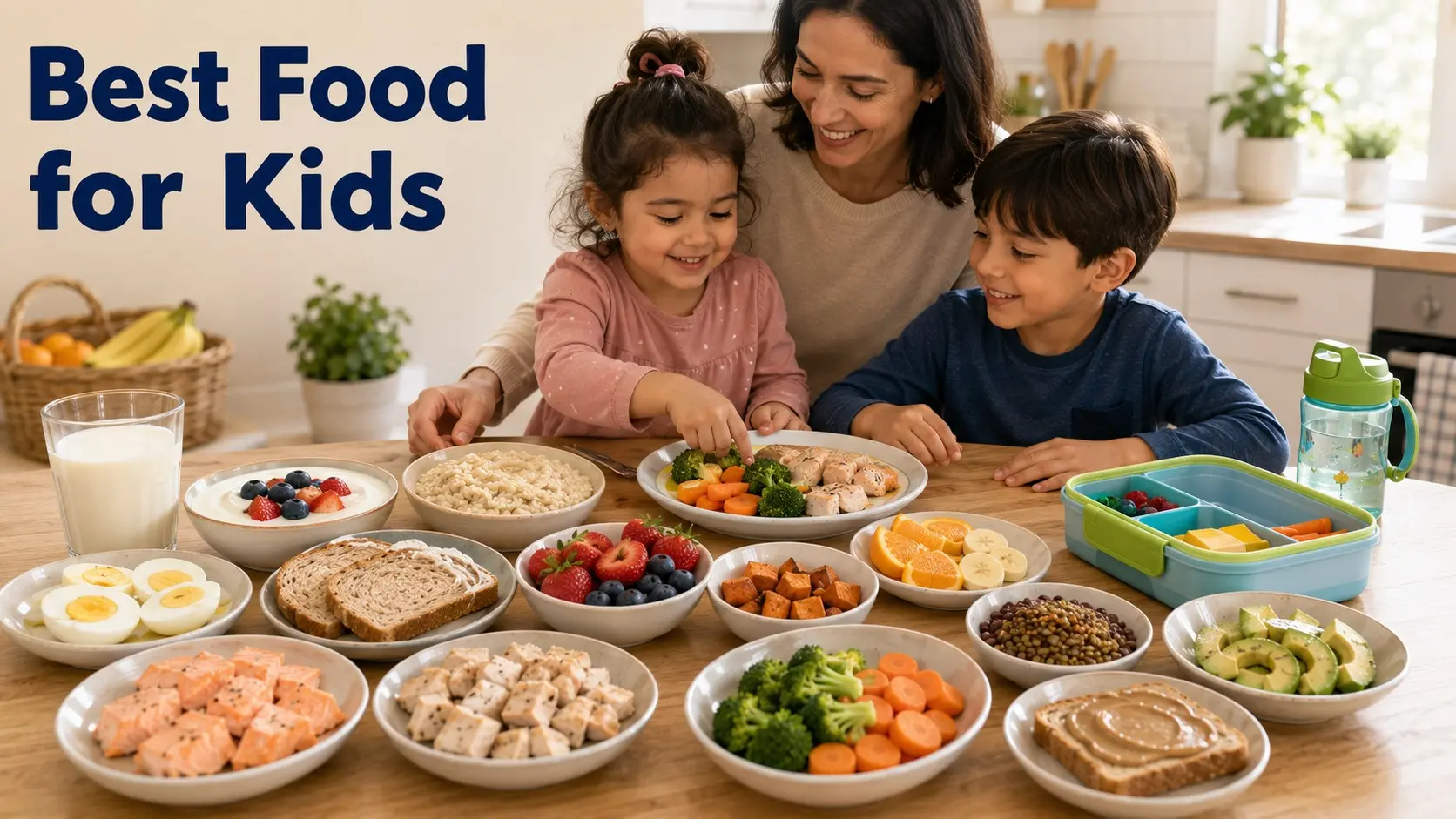
Parents often search for the Best Food for Kids because they want meals that support growth, learning, play, and long-term health.
There is no single perfect food.
Children need a variety of foods across the week. This may include vegetables, fruit, protein foods, dairy or suitable alternatives, whole grains, and healthy sources of fat.
The best choices also depend on age, development, allergies, culture, budget, appetite, medical needs, and what the child can chew and swallow safely.
This guide explains 15 practical foods that can form part of balanced meals. It also covers picky eating, portions, drinks, allergies, lunch ideas, choking safety, and signs that need professional care.
This article mainly focuses on children aged 2 years and older. Babies under 2 need more age specific feeding advice about breast milk, formula, food textures, allergens, and choking prevention.
For more practical guidance, visit the NextFitLife Foods and Nutrition Hub.
Important Medical Note
I am not a dermatologist or a doctor. I am also not a pediatrician, pediatric dietitian, allergy specialist, feeding therapist, or child development professional.
This content does not replace professional medical advice. What I share comes from real life experience with food and healthy living, extensive research, and consultation with healthcare providers.
Always consult qualified medical professionals for diagnosis and treatment of any health condition.
Do not use this article to treat poor growth, anemia, food allergy, diabetes, kidney disease, an eating disorder, swallowing problems, or another medical condition.
Quick Answer: What Is the Best Food for Kids?
The Best Food for Kids is not one special product.
A useful eating pattern includes different foods from these groups:
- Vegetables
- Whole fruit
- Eggs, fish, poultry, meat, beans, lentils, tofu, or other protein foods
- Milk, yogurt, cheese, or a suitable fortified alternative
- Oats, whole grain bread, rice, pasta, quinoa, or other grains
- Nuts, seeds, avocado, olive oil, or other suitable fats
Fifteen practical choices are:
- Eggs
- Plain yogurt
- Milk or fortified soy drink
- Oats
- Whole grains
- Berries
- Bananas, oranges, and other whole fruit
- Broccoli, carrots, peas, and other vegetables
- Sweet potatoes
- Beans and lentils
- Salmon and other lower mercury fish
- Chicken or turkey
- Tofu and tempeh
- Avocado and olive oil
- Nut and seed butters prepared safely
These are examples, not a required checklist.
A child does not have to eat every food on the list.
What Does Healthy Eating Mean for a Child?
Child nutrition is about more than vitamins.
Children need enough food to support:
- Normal growth
- Brain development
- Strong bones and teeth
- Muscle development
- Normal blood formation
- Learning and concentration
- Active play
- Normal digestion
- Puberty and development
The amount a child needs changes with age, body size, activity, growth, and health.
Some children naturally eat more on one day and less on another day.
Look at the overall pattern across several days instead of judging one meal.
A Simple Plate for Kids
A child friendly plate can include:
- A vegetable or fruit
- A protein food
- A grain, potato, or other source of energy
- A dairy food or suitable alternative when needed
- A small amount of healthy fat
This is a flexible guide.
It should not become a strict rule that causes stress at the table.
Start with a small portion. Allow the child to ask for more.
Children should learn to notice hunger and fullness rather than being forced to clean the plate.
The 15 Best Food for Kids
1. Eggs
Eggs are a simple source of protein.
They also provide choline, vitamin B12, selenium, and other nutrients.
Choline supports normal brain and nerve functions.
Easy ways to serve eggs include:
- Boiled eggs
- Scrambled eggs
- An omelet with vegetables
- Egg on whole grain toast
- Egg mixed into rice
Cook eggs fully for young children unless a healthcare professional gives different advice.
Cut the egg into small, soft pieces that match the child’s chewing ability.
Egg is a common allergen. Seek medical advice if it causes hives, swelling, repeated vomiting, wheezing, or breathing trouble.
2. Plain Yogurt
Plain yogurt provides protein, calcium, and vitamin B12.
Some products also contain vitamin D and live cultures.
Choose plain yogurt more often than heavily sweetened yogurt.
Add natural flavor with:
- Berries
- Banana
- Soft fruit
- Oats
- Cinnamon
- Finely ground seeds
Yogurt can be useful for breakfast, snacks, dips, or sauces.
It is not safe for a child with a milk protein allergy.
Lactose free yogurt may suit some children with lactose intolerance.
3. Milk or a Suitable Fortified Alternative
Milk can provide protein, calcium, vitamin B12, iodine, and added vitamin D.
The right type and amount depend on the child’s age, growth, diet, and medical needs.
Plain milk is usually a better everyday choice than flavored milk with a large amount of added sugar.
If dairy is not suitable, fortified soy drink is often closer to dairy milk in protein than many other plant drinks.
Check the label for:
- Protein
- Calcium
- Vitamin D
- Vitamin B12
- Added sugar
Rice, almond, coconut, and oat drinks may contain little protein unless the product is specially fortified.
Children with allergies, poor growth, or a restricted diet may need guidance from a pediatrician or registered dietitian.
Read the NextFitLife Calcium Rich Foods Guide for more food sources.
4. Oats
Oats provide carbohydrate, fiber, magnesium, and several B vitamins.
They are easy to change for different tastes.
Try oats with:
- Milk or fortified soy drink
- Plain yogurt
- Berries
- Banana
- Apple
- Nut or seed butter
- Ground flaxseed
Choose plain oats more often than very sweet instant products.
Cook oats until soft for younger children.
Oats can also be used in pancakes, muffins, or homemade snack bars.
5. Whole Grains
Whole grains may provide fiber, iron, magnesium, and B vitamins.
Examples include:
- Whole grain bread
- Brown rice
- Quinoa
- Whole grain pasta
- Barley
- Whole grain cereal
- Whole grain tortillas
Children do not need every grain to be whole grain.
A mix of whole and refined grains may fit, especially when a young child has a small appetite or needs more energy.
Pair grains with protein and vegetables.
Examples include rice with beans, pasta with chicken and vegetables, or toast with eggs.
6. Berries
Berries provide vitamin C, fiber, water, and plant compounds.
Useful choices include:
- Strawberries
- Blueberries
- Raspberries
- Blackberries
Add berries to yogurt, oats, cereal, pancakes, or a fruit bowl.
For younger children, cut berries into small safe pieces.
Frozen berries can be affordable. Cook or prepare them according to local food safety advice.
Fruit does not need added sugar to be useful.
7. Bananas, Oranges, Apples, Pears, and Other Fruit
Whole fruit provides carbohydrate, fiber, vitamins, minerals, and water.
Offer different colors and textures across the week.
Simple choices include:
- Bananas
- Oranges
- Apples
- Pears
- Peaches
- Melon
- Kiwi
- Grapes prepared safely
Whole fruit is usually a better everyday choice than juice.
Juice is easy to drink quickly and contains less fiber than whole fruit.
Cut grapes lengthwise into small pieces for young children.
Cook, grate, or thinly slice hard apples and pears when needed for safety.
8. Broccoli, Carrots, Peas, and Other Vegetables
Vegetables provide fiber, vitamins, minerals, and plant compounds.
No vegetable is required.
Try different colors and cooking methods.
Useful choices include:
- Broccoli
- Carrots
- Peas
- Green beans
- Spinach
- Tomatoes
- Cucumber
- Peppers
- Zucchini
- Cauliflower
Children may prefer vegetables roasted, steamed, blended into soup, served with dip, or mixed with familiar foods.
Do not hide every vegetable.
Let the child see and learn its name while also using it in mixed meals.
Hard raw vegetables can be choking hazards for young children. Cook them until soft or cut them into thin safe shapes.
9. Sweet Potatoes
Sweet potatoes provide carbohydrate, fiber, potassium, and beta carotene.
The body can use beta carotene to make vitamin A.
Serve sweet potatoes:
- Mashed
- Baked
- Roasted
- Mixed into soup
- Cut into soft wedges
- Added to beans or lentils
Avoid making them very salty or coating them with large amounts of sugar.
Regular potatoes are also nutritious and can be part of healthy foods for children.
10. Beans and Lentils
Beans and lentils provide protein, fiber, iron, zinc, magnesium, and carbohydrate.
Examples include:
- Chickpeas
- Black beans
- White beans
- Kidney beans
- Red lentils
- Green lentils
- Split peas
Use them in soup, rice, pasta sauce, tacos, hummus, or simple stews.
Beans may cause gas when a child is not used to them.
Start with a small amount.
Cook beans until soft.
Whole beans can be a choking risk for very young children. Mash or flatten them when needed.
Beans and lentils are useful iron rich foods.
Serve them with vitamin C foods such as tomatoes, peppers, oranges, or berries to support iron absorption.
11. Salmon and Other Lower Mercury Fish
Fish can provide protein, vitamin B12, iodine, selenium, vitamin D, and omega 3 fats.
Good choices may include:
- Salmon
- Trout
- Sardines
- Pollock
- Shrimp
- Tilapia
- Light canned tuna
Choose fish from lower mercury categories and use age suitable portions.
Remove every bone before serving.
Cook fish fully and cut it into soft pieces.
Fish is a common allergen. Introduce it safely and seek advice when a child has allergy risk or a previous reaction.
12. Chicken or Turkey
Chicken and turkey provide protein, iron, zinc, and vitamin B12.
Use fresh cooked poultry more often than processed nuggets, sausages, or salty deli meat.
Serve poultry:
- Baked
- Roasted
- Grilled
- Added to soup
- Mixed with rice
- Placed in a whole grain wrap
Remove skin, bones, and tough pieces when needed.
Cut meat across the grain into small soft pieces for young children.
13. Tofu and Tempeh
Tofu and tempeh provide plant protein.
Calcium set tofu may also provide calcium.
Fortified soy foods can help children who do not eat dairy or meat.
Serve tofu:
- Soft and cubed
- Mixed into noodles
- Added to rice
- Blended into a sauce
- Cooked with vegetables
Normal soy food intake is suitable for many children.
Soy must be avoided when a child has a diagnosed soy allergy.
14. Avocado and Olive Oil
Children need dietary fat for energy and normal development.
Avocado and olive oil provide healthy fats.
Serve avocado:
- Mashed on toast
- Mixed with beans
- Added to eggs
- Placed in a wrap
- Served with rice
Use olive oil in cooking, salad dressing, pasta, vegetables, or hummus.
Fat is energy dense. Use a suitable amount rather than adding a large quantity to every meal.
15. Nut and Seed Butters
Peanut, almond, cashew, sunflower seed, and sesame pastes may provide protein, fat, magnesium, zinc, and other nutrients.
Use a smooth product with little added sugar and salt.
For young children, spread it thinly on toast or mix it into yogurt or oats.
Do not offer a thick spoonful of nut butter to a young child because it can block the airway.
Whole nuts and large nut pieces are also choking hazards for young children.
Nut and seed foods are common allergens. Follow pediatric advice when the child has severe eczema, an existing food allergy, or a previous reaction.
Why Variety Matters More Than a Superfood
No food provides every nutrient a child needs.
One child may enjoy eggs and yogurt.
Another may prefer beans and tofu.
A useful weekly pattern includes different:
- Protein foods
- Vegetables
- Fruit
- Grains
- Calcium sources
- Sources of fat
This variety supports nutrient intake and helps children learn different tastes and textures.
Important Nutrients for Growing Children
Protein
Protein foods support muscles, organs, skin, enzymes, and many body functions.
Sources include eggs, fish, chicken, yogurt, milk, beans, lentils, tofu, nuts, and seeds.
Iron
Iron helps the blood carry oxygen.
Low iron may cause anemia.
Sources include meat, poultry, fish, beans, lentils, tofu, eggs, and fortified cereal.
Children with tiredness, pale skin, poor appetite, unusual cravings, or growth concerns need medical assessment.
Calcium and Vitamin D
Calcium rich foods and vitamin D support normal bone development.
Sources may include milk, yogurt, cheese, fortified soy drink, calcium set tofu, fish with soft bones, and some green vegetables.
Vitamin B12
Vitamin B12 supports normal blood and nerve functions.
It is found in fish, meat, eggs, milk, yogurt, cheese, and fortified foods.
Children following a vegan diet need a reliable B12 source and may need professional supplement advice.
Read the NextFitLife B12 Rich Foods Guide.
Fiber
Fruit, vegetables, beans, lentils, oats, and whole grains provide fiber.
Add fiber slowly and offer enough fluid.
Too much fiber may fill a small child before enough energy and nutrients are eaten.
Best Food for Kids by Age
Children Aged 2 to 4
Use soft foods, small pieces, calm meals, and close supervision.
Offer three meals and one or two planned snacks when suitable.
Give small servings and allow more when the child remains hungry.
Common choking risks still matter at this age.
Children Aged 5 to 10
Focus on nutrient dense foods such as eggs, dairy or alternatives, vegetables, fruit, whole grains, beans, fish, and other proteins.
Let children help wash vegetables, mix food, set the table, and choose between two suitable options.
Avoid making sweets the reward for eating vegetables.
Children Aged 11 to 18
Adolescence is a period of rapid growth.
Energy, protein, calcium, vitamin D, and iron needs become especially important.
Girls who menstruate need careful attention to iron.
Teenagers should be involved in shopping, cooking, label reading, and planning meals.
Energy drinks are not suitable everyday beverages for children or teenagers.
How Much Should a Child Eat?
There is no single portion that fits every child.
Needs change with:
- Age
- Body size
- Activity
- Growth rate
- Puberty
- Health
- Appetite
Start with a small serving.
Offer more without pressure.
A child may eat very little at one meal and more later.
Growth over time is more useful than comparing one child with another child.
A Parent’s Role and a Child’s Role
The parent or caregiver decides:
- Which foods are offered
- When meals and snacks happen
- Where the child eats
- How food is prepared safely
The child decides:
- Whether to eat
- Which offered foods to choose
- How much to eat
This does not mean the child controls the full menu.
It means adults provide structure without forcing bites.
Help for Picky Eaters
Picky eaters may reject foods because of taste, smell, texture, appearance, fear, or a wish for control.
Try these steps:
- Serve one familiar food with the meal.
- Offer a very small amount of the new food.
- Do not force tasting.
- Keep the meal calm.
- Show the child that adults eat the food too.
- Offer the food again on another day.
- Let the child touch, smell, cut, or help prepare it.
A child may need eight to ten exposures or more before accepting a new food.
Licking, touching, or keeping a food on the plate can be progress.
What Not to Do With a Picky Eater
- Do not force the child to clean the plate
- Do not punish the child for refusing food
- Do not offer sweets as the only reward
- Do not prepare an unlimited number of replacement meals
- Do not speak negatively about the child’s body
- Do not label the child as bad or difficult
Seek professional help when the child eats very few foods, gags often, fears swallowing, loses weight, has poor growth, or avoids whole textures or food groups.
Safe Snacks for Kids
Healthy snacks for kids may fill the gap between meals.
A snack is a small planned eating time, not constant grazing.
Simple ideas include:
- Fruit with plain yogurt
- Whole grain toast with thin nut butter
- Vegetables with hummus
- A boiled egg with fruit
- Cheese with soft fruit
- Oats with yogurt
- Beans on toast
- Avocado on whole grain bread
Choose age safe textures.
Popcorn, whole nuts, hard candy, and uncut grapes can be dangerous for young children.
Simple School Lunch Ideas
Good school lunch ideas do not need to be perfect.
Try to include a grain or starch, a protein, fruit or vegetables, and water.
Lunch Idea 1
Chicken and avocado whole grain wrap with cucumber and an orange.
Lunch Idea 2
Hummus, soft pita, cucumber, berries, and plain yogurt.
Lunch Idea 3
Egg sandwich with tomatoes, fruit, and milk or fortified soy drink.
Lunch Idea 4
Bean and cheese quesadilla with peppers and sliced pear.
Lunch Idea 5
Cold pasta with chicken, peas, tomatoes, and olive oil dressing.
Use an insulated lunch box and cold pack for foods that need refrigeration.
A One Day Best Food for Kids Meal Plan
This is a general example, not a personal prescription.
Breakfast
Oats with plain yogurt, banana, and finely ground seeds.
Morning Snack
Soft fruit with cheese or a suitable alternative.
Lunch
Chicken, rice, peas, and carrots.
Afternoon Snack
Whole grain toast with a thin layer of nut or seed butter.
Dinner
Salmon, sweet potato, and broccoli.
Vegetarian Dinner
Lentils, rice, avocado, and cooked vegetables.
A Three Day Family Meal Plan
Day 1
Breakfast: Eggs, toast, and fruit.
Lunch: Hummus wrap with cucumber and yogurt.
Dinner: Chicken, rice, and vegetables.
Day 2
Breakfast: Oats with berries and milk.
Lunch: Bean and cheese quesadilla with fruit.
Dinner: Salmon, potato, and peas.
Day 3
Breakfast: Plain yogurt with banana and oats.
Lunch: Egg sandwich with tomato and fruit.
Dinner: Lentil pasta sauce with vegetables and cheese or tofu.
Use the NextFitLife Meal Prep and Recipes Hub for more simple meal planning ideas.
Drinks for Children
Water should be the main drink for most children.
Plain milk or a suitable fortified alternative may also provide useful nutrients.
Limit:
- Regular soda
- Fruit drinks
- Sweet tea
- Sweet coffee drinks
- Sports drinks
- Energy drinks
- Large juice portions
Caffeinated drinks are not suitable for babies and young children.
Energy drinks are not recommended for children and teenagers.
Read the NextFitLife Beverages and Drinks Hub for more drink guidance.
Added Sugar and Children
No child needs added sugar for growth.
Current United States guidance recommends avoiding added sugar during infancy, early childhood, and middle childhood.
Adolescents should also limit sugary drinks, sweets, and highly processed foods.
Common added sugar sources include:
- Sweet drinks
- Flavored yogurt
- Sweet cereal
- Cookies
- Candy
- Cakes
- Sweet sauces
- Fruit drinks
This does not mean parents must panic over one birthday cake.
The normal daily pattern matters most.
Salt and Highly Processed Foods
Children do not need large amounts of salt.
Much of their sodium may come from:
- Processed meat
- Instant noodles
- Salty snacks
- Fast food
- Frozen meals
- Ready made sauces
- Some breads and cheese
Compare labels and choose lower sodium products when practical.
Use herbs, garlic, lemon, and mild spices for flavor.
Food Allergy Safety
Food allergies are different from food dislikes and intolerances.
Common allergens include:
- Milk
- Egg
- Peanut
- Tree nuts
- Soy
- Wheat
- Fish
- Shellfish
- Sesame
Possible allergic reaction signs include:
- Hives
- Swelling
- Repeated vomiting
- Coughing
- Wheezing
- Breathing trouble
- Voice changes
- Faintness
Call emergency services for breathing trouble, severe swelling, collapse, or a serious reaction involving more than one body system.
Follow the child’s allergy action plan and use prescribed epinephrine when instructed.
Choking Prevention
Choking can happen even when a child has eaten the food before.
Young children should:
- Sit upright while eating
- Eat in a calm place
- Be watched by an adult
- Avoid eating while walking, running, or lying down
- Use foods cut to an age safe size and texture
Common choking hazards include:
- Whole nuts
- Popcorn
- Hard candy
- Chewing gum
- Whole grapes
- Whole cherry tomatoes
- Hard raw carrot pieces
- Large apple chunks
- Hot dog rounds
- Large meat pieces
- Fish bones
- Thick spoonfuls of nut butter
- Marshmallows
Learn child first aid and choking response from a qualified local training provider.
Vegetarian Food for Kids
A vegetarian child can grow well with a planned diet.
Useful foods include:
- Eggs
- Milk and yogurt
- Beans
- Lentils
- Tofu
- Tempeh
- Whole grains
- Nuts and seeds in safe forms
- Vegetables
- Fruit
Pay attention to protein, iron, zinc, vitamin B12, calcium, vitamin D, iodine, and omega 3 fats.
Vegan Food for Kids
A vegan diet needs careful planning.
Vitamin B12 must come from reliable fortified foods or a suitable supplement.
Other nutrients that may need close attention include:
- Protein
- Iron
- Zinc
- Calcium
- Vitamin D
- Iodine
- Omega 3 fats
- Total energy
Use a pediatric registered dietitian when possible.
Do not assume a plant drink alone replaces all nutrients found in milk.
Best Food for Kids With Constipation
Constipation may improve with suitable fluid, movement, and fiber.
Foods that may help include:
- Pears
- Kiwi
- Prunes
- Oats
- Beans
- Lentils
- Vegetables
- Whole grains
Add fiber slowly.
Seek medical advice for severe pain, vomiting, blood in stool, abdominal swelling, poor growth, or long lasting constipation.
Affordable Best Food for Kids
Healthy food does not need to be expensive.
Budget choices include:
- Oats
- Eggs
- Beans
- Lentils
- Peanut butter
- Frozen vegetables
- Seasonal fruit
- Rice
- Potatoes
- Plain yogurt
- Canned lower mercury fish
Frozen and canned foods can be nutritious.
Choose fruit packed in water or juice and vegetables with little added salt when possible.
How to Make Family Meals Easier
Family meals do not need to be formal.
Try these steps:
- Plan three easy dinners before shopping
- Cook extra rice, beans, or chicken
- Keep frozen vegetables available
- Wash fruit after shopping
- Prepare one simple dip
- Let children help with safe kitchen jobs
- Eat the same main meal with age safe changes
Visit the NextFitLife Healthy Eating and Lifestyle Hub for shopping and meal habit guidance.
When a Child May Need a Supplement
Supplements are not required for every child.
A pediatrician may recommend one because of:
- A diagnosed deficiency
- A vegan diet
- Very limited eating
- Absorption problems
- Vitamin D needs
- Iron deficiency
- A medical condition
Do not give an adult supplement to a child.
Keep vitamins and minerals locked away.
Iron overdose can be especially dangerous.
Gummy vitamins can look like candy and may be eaten in unsafe amounts.
When to Contact a Pediatrician or Dietitian
Seek professional advice when a child has:
- Poor growth
- Weight loss
- Very low appetite
- Extreme food restriction
- Frequent gagging or choking
- Difficulty chewing or swallowing
- Repeated vomiting
- Ongoing diarrhea or constipation
- Possible food allergy
- Very pale skin or severe tiredness
- A vegan diet without a clear B12 plan
- Strong fear of eating
- Concern about body shape or weight
Seek urgent care for breathing trouble, severe allergic reaction, choking, fainting, dehydration, blood in vomit or stool, or severe abdominal pain.
Common Myths About the Best Food for Kids
Myth: One superfood will make a child smarter
No single food controls intelligence or school performance.
Myth: Children must finish everything on the plate
Forcing food may make meals stressful and weaken hunger and fullness awareness.
Myth: Fruit contains too much sugar for children
Whole fruit provides fiber, vitamins, minerals, and water. It is different from sweet drinks and candy.
Myth: Juice is equal to whole fruit
Juice contains less fiber and is easy to drink in a large amount.
Myth: All plant drinks are equal to milk
Protein and added nutrients differ widely. Read the label.
Myth: Picky eating always means bad parenting
No. Food refusal can be part of development or may involve sensory, feeding, medical, or anxiety concerns.
Myth: Supplements can replace food
Supplements do not provide the full mix of energy, protein, fiber, and food experience that meals provide.
Myth: Healthy food must be expensive
Eggs, oats, beans, lentils, frozen vegetables, rice, potatoes, and seasonal fruit can be affordable.
Five High Authority References and Sources
- Dietary Guidelines for Americans 2025 to 2030Open current federal guidance about whole nutrient dense foods, childhood nutrition, food exposure, added sugar, dairy, protein, vegetables, fruit, whole grains, and adolescent needs.
- Centers for Disease Control and Prevention: Foods and Drinks to EncourageOpen guidance about vegetables, fruit, proteins, dairy foods, fortified alternatives, and whole grains for young children.
- Centers for Disease Control and Prevention: Choking HazardsOpen safety guidance about supervision, seated eating, safe textures, nuts, grapes, hard foods, meat, nut butter, popcorn, and candy.
- American Academy of Pediatrics: Healthy Food Choices for Your FamilyOpen pediatric guidance about food variety, family meals, major food groups, and practical healthy choices.
- United States Food and Drug Administration: Advice About Eating FishOpen guidance for parents about lower mercury seafood choices and age suitable fish portions for children.
Conclusion: Best Food for Kids
The Best Food for Kids is a varied and safe eating pattern, not one perfect meal.
Start with foods your family can afford and enjoy. Add eggs, yogurt, oats, fruit, vegetables, beans, fish, poultry, tofu, whole grains, and healthy fats in forms that match your child’s age.
Choose one small step today. Add fruit to breakfast, serve one vegetable at dinner, or let your child help prepare a simple meal.
Speak with a pediatrician or registered dietitian when growth, allergies, swallowing, severe picky eating, or medical conditions affect food choices.
Internal Links and NextFitLife Hubs
- NextFitLife Foods and Nutrition Hub
- Healthy Eating and Lifestyle Hub
- Meal Prep and Recipes Hub
- Beverages and Drinks Hub
- Calcium Rich Foods Guide
- Vitamin B12 Rich Foods Guide
- Vitamins for Strong Bones and Joints
- Foods High in Magnesium
Frequently Asked Questions About the Best Food for Kids
What is the Best Food for Kids?
The Best Food for Kids is a varied pattern that includes vegetables, fruit, protein foods, dairy or suitable alternatives, whole grains, and healthy fats. No single food provides every nutrient.
What are the 15 best foods for children?
Useful choices include eggs, yogurt, milk or fortified soy drink, oats, whole grains, berries, whole fruit, vegetables, sweet potatoes, beans, lentils, fish, poultry, tofu, avocado, and safe nut or seed butters.
What foods help children grow?
Growth needs enough energy, protein, iron, calcium, vitamin D, zinc, healthy fat, and other nutrients. Eggs, fish, poultry, beans, yogurt, milk, tofu, whole grains, vegetables, and fruit can contribute.
What is a healthy breakfast for kids?
Try oats with yogurt and fruit, eggs with whole grain toast, plain yogurt with berries, or a bean and egg wrap. A useful breakfast often includes protein and a source of carbohydrate.
What is a healthy school lunch?
A practical school lunch may include a whole grain wrap or bread, chicken, egg, beans, hummus, or cheese, plus fruit or vegetables and water.
How can I help a picky eater?
Offer one familiar food with the meal, keep new portions small, avoid pressure, model eating the food, involve the child in cooking, and offer the food again on another day.
How many times should I offer a new food?
A child may need eight to ten exposures or more. Refusal on the first day does not mean the food must disappear forever.
Are nuts safe for kids?
Whole nuts can cause choking in young children. Use smooth nut butter spread thinly or finely ground nuts in an age safe form. Avoid the food when the child has an allergy.
Can kids eat fish?
Yes. Choose lower mercury fish, cook it fully, remove every bone, and use a portion that fits the child’s age and needs.
Are plant drinks equal to milk?
Not always. Protein, calcium, vitamin D, vitamin B12, and sugar differ by product. Fortified soy drink is often closer to dairy milk in protein than many other plant drinks.
Should children take vitamins?
Not every child needs a supplement. A pediatrician may recommend one for a diagnosed deficiency, vegan diet, restricted eating, absorption problem, or another medical need.
When should I worry about my child’s eating?
Seek professional advice for poor growth, weight loss, extreme food restriction, frequent choking or gagging, swallowing trouble, repeated vomiting, possible allergy, severe tiredness, or fear of eating.

Health & wellness writer with 30+ years of experience in nutrition, fitness, and healthy aging. Founder of NextFitLife.com — evidence-based health guidance.