Health

Welcome to the NextFitLife Health library — evidence-based articles on vision care, sleep, preventive wellness, healthy aging, and the lifestyle habits that protect your health for life.

Every article is written by Adel Galal, a health and wellness writer with over 30 years of personal study and practice. Content is grounded in peer-reviewed research and cites high-authority sources, including the National Eye Institute, the American Academy of Ophthalmology, and the World Health Organization.

Topics covered include eye health, dry eye syndrome, macular degeneration, glaucoma, cataracts, sleep and vision, hydration, UV protection, and comprehensive guides for every stage of adult life. All content is for educational purposes only and does not substitute for professional medical advice.

Celiac Disease shown with a small intestine illustration, gluten containing grains, gluten free foods, and medical testing guidance

Celiac Disease: Unlocking the Secrets to a Vibrant, Gluten-Free Existence

Last Updated: August 28, 2026 Next Review: August 2027, or sooner if major celiac disease diagnostic or treatment guidance changes Written and Source Checked by: Adel Galal, Founder of NextFitLife Review Status: Fully rewritten using current NIDDK, American College of Gastroenterology, NHS, and open medical guidance Celiac Disease: Diagnosis, Gluten Free Treatment and Long Term

Celiac Disease: Unlocking the Secrets to a Vibrant, Gluten-Free Existence Read More »

List of Foods to Avoid with Celiac Disease showing wheat, bread, pasta, malt, soy sauce, beer, oats, and safe gluten free swaps

List of Foods to Avoid with Celiac Disease: 10 Hidden Traps

Published on: May 2024 Updated on: October 12, 2026 The List of Foods to Avoid with Celiac Disease starts with wheat, barley, rye, triticale, malt, regular wheat based bread and pasta, conventional beer, and foods contaminated with gluten during preparation. Oats need special care because most people with celiac disease should choose oats specifically labeled

List of Foods to Avoid with Celiac Disease: 10 Hidden Traps Read More »

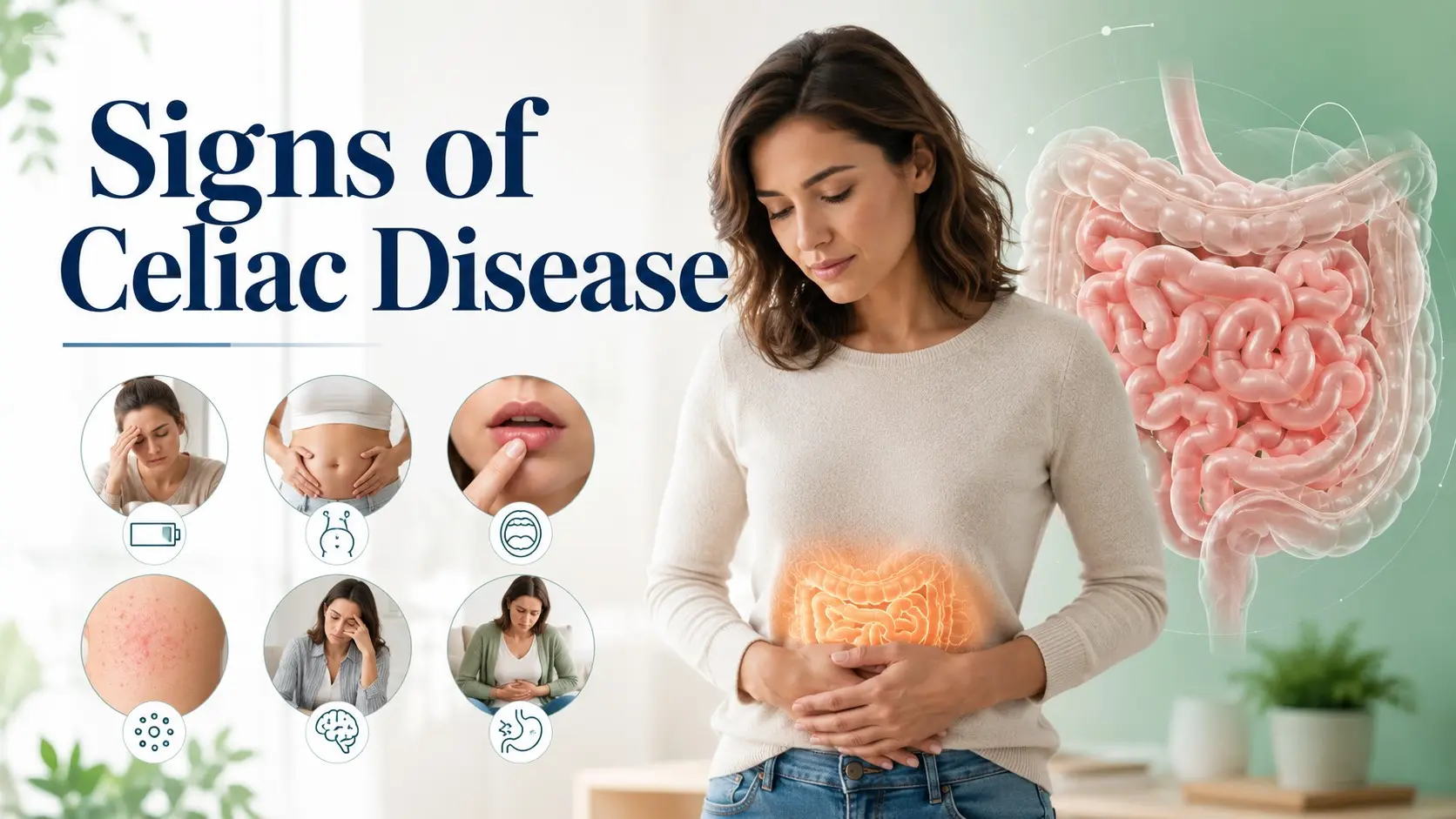
Signs of Celiac Disease including digestive symptoms, fatigue, anemia, skin rash, mouth ulcers, nerve symptoms and childhood growth changes.

Signs of Celiac Disease: 15 Digestive and Hidden Symptoms to Know in 2026

Last Updated: August 28, 2026 Next Review: August 2027, or sooner if major celiac disease testing or symptom guidance changes Written and Source Checked by: Adel Galal, Founder of NextFitLife Review Status: Fully rewritten using current NIDDK, NHS, and American College of Gastroenterology guidance Signs of Celiac Disease can appear in the gut, skin, blood,

Signs of Celiac Disease: 15 Digestive and Hidden Symptoms to Know in 2026 Read More »

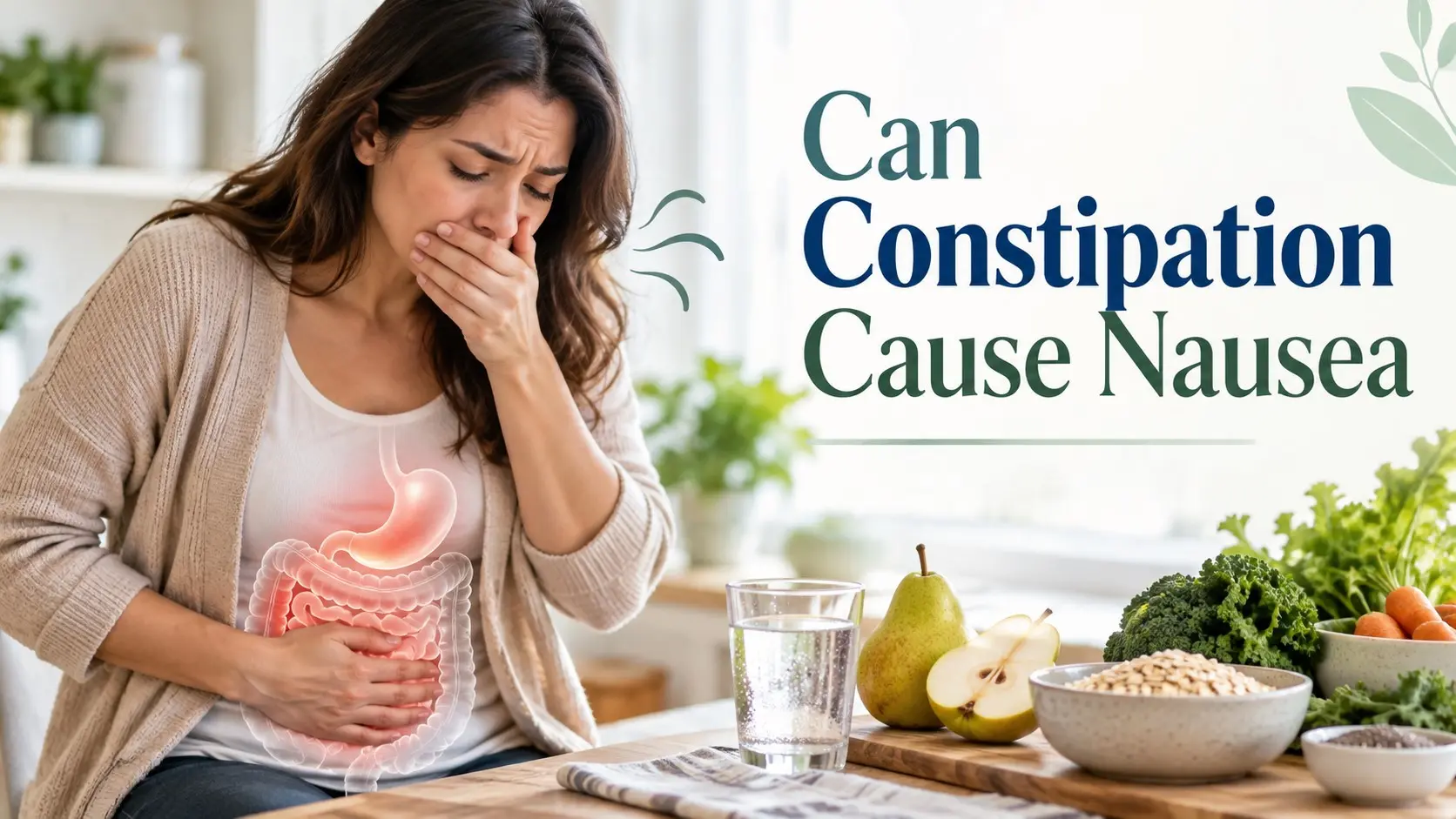
Can constipation cause nausea showing abdominal discomfort, bloating, nausea, and slowed bowel movement

Can Constipation Cause Nausea? 9 Safe Relief Steps

Published on: April 2024 Updated on: October 11, 2026 Can constipation cause nausea? Yes. Constipation can occur with nausea, especially when stool moves slowly, the abdomen becomes bloated or distended, appetite falls, or constipation becomes severe. But nausea can also have another cause, so repeated vomiting, severe pain, or inability to pass gas should not

Can Constipation Cause Nausea? 9 Safe Relief Steps Read More »

Bloating gurgling stomach showing abdominal bloating, digestive noises, gas, and common food triggers

Bloating Gurgling Stomach: 12 Smart Clues for Relief

Published on: April 2024 Updated on: October 11, 2026 Bloating gurgling stomach symptoms usually happen because food, liquid, air, and gas are moving through your digestive tract. The noises are called borborygmi, and they are often normal. The bloating may come from swallowed air, food fermentation, constipation, lactose intolerance, IBS, or another digestive problem. The

Bloating Gurgling Stomach: 12 Smart Clues for Relief Read More »

Self-care habits for mental health shown through walking, sleep, journaling, breathing, healthy meals, rest, and social connection

Self-care habits for mental health: 13 Calming Resets

Published on: April 2024 Updated on: October 11, 2026 Self-care habits for mental health are small actions that help you protect sleep, energy, stress levels, relationships, and daily function. Good self care can include movement, regular meals, rest, breathing exercises, social connection, healthy boundaries, and asking for support. It should support mental health care, not

Self-care habits for mental health: 13 Calming Resets Read More »

Scroll to Top