Last Updated: August 3, 2026
Next Review: August 2027, or sooner if major diabetes or cardiovascular guidance changes
Review Status: Editorially reviewed and source checked against current public health and clinical guidance
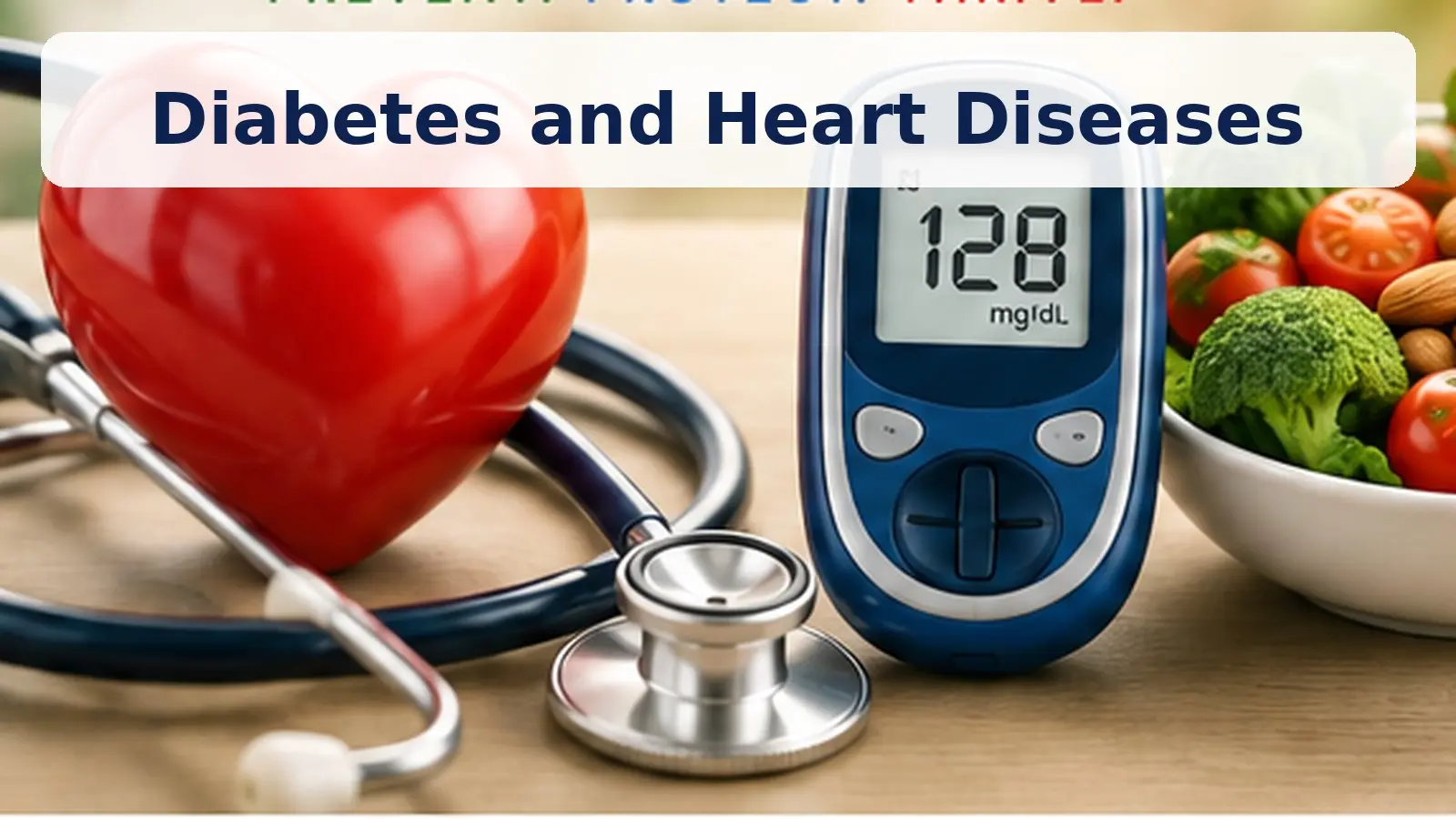
Diabetes and Heart Diseases: Risks, Prevention, and Care in 2026
Diabetes and heart diseases are closely connected. High blood glucose can damage blood vessels. It can also damage the nerves that help control the heart. Many people with diabetes also have high blood pressure, unhealthy cholesterol levels, kidney disease, excess weight, or low activity. These risks can build on each other.
The result is a higher chance of cardiovascular disease, including coronary artery disease, heart attack, stroke, heart failure, and poor circulation in the legs and feet.
This guide explains the connection in clear words. It combines the useful information from the older Better Health article with current guidance on risk, warning signs, food, exercise, monitoring, medicines, kidney health, and daily care.
Quick answer
People with diabetes have about twice the risk of heart disease compared with people without diabetes. Heart protection needs more than glucose control. It also includes blood pressure care, cholesterol treatment, no smoking, physical activity, nourishing food, kidney checks, weight support, sleep care, and medicines chosen for the person’s full heart and kidney risk.
Emergency warning
Call your local emergency number now for chest pressure or pain, severe shortness of breath, fainting, sudden weakness, trouble speaking, facial droop, a sudden severe change in balance, or symptoms that may be a heart attack or stroke. Do not drive yourself. People with diabetes can have mild or unusual heart attack symptoms.
Medical note: This content is for general educational purposes and does not replace professional medical advice, diagnosis, or treatment. Consult an appropriately qualified healthcare professional for personal medical concerns. This article explains published guidance and does not provide a personal clinical assessment. Always consult qualified medical professionals for diagnosis and treatment of any health condition.
What you will learn
- Why diabetes raises cardiovascular risk
- Which heart and blood vessel conditions are more common
- How to recognize urgent warning signs
- Which health numbers matter
- How food, movement, sleep, and smoking affect risk
- How cholesterol and blood pressure treatment protect the heart
- Why some diabetes medicines also protect the heart and kidneys
- How kidney, eye, nerve, and foot health fit into the same plan
- How to prepare for a medical appointment
- How to build a realistic daily care routine
Why Diabetes and Heart Diseases Are Closely Linked
Diabetes is a condition in which blood glucose stays too high because the body does not make enough insulin, does not use insulin well, or both.
Over time, high glucose can injure the inner lining of blood vessels. This makes it easier for cholesterol and other material to collect in the artery wall. That process is called atherosclerosis.
Diabetes can also affect the nerves that control heart rate and blood pressure. It may change how the heart responds to exercise, stress, and low blood sugar.
The link is not caused by glucose alone. Type 2 diabetes often occurs with insulin resistance, high blood pressure, high triglycerides, low HDL cholesterol, excess abdominal fat, fatty liver, sleep problems, and chronic kidney disease. Together, these conditions create higher cardiometabolic risk.
The CDC reports that people with diabetes have twice the risk of heart disease. NIDDK also notes that adults with diabetes are nearly twice as likely to have heart disease or stroke.
Good care can lower risk. It cannot promise that heart disease will never happen. The goal is to reduce preventable harm and find problems early.
What Counts as Heart Disease in Diabetes?
The phrase heart disease includes several conditions. Diabetes can raise the risk of each one in a different way.
Coronary artery disease
Coronary artery disease happens when plaque narrows the arteries that feed the heart.
It can cause chest pressure, shortness of breath, reduced exercise ability, or a heart attack. Some people have no clear symptoms until the disease is advanced.
Heart attack
A heart attack happens when blood flow to part of the heart is suddenly blocked.
People with diabetes may have classic chest pain. They may also have mild pressure, breathlessness, sweating, nausea, unusual tiredness, jaw pain, back pain, or no obvious chest pain.
Read the NextFitLife guide to signs of a heart attack for emergency action and a fuller symptom list.
Stroke
A stroke happens when blood flow to part of the brain is blocked or when a blood vessel in the brain bursts.
Use the FAST signs. Look for face droop, arm weakness, and speech trouble. Time matters. Call emergency services immediately.
Read stroke symptoms and FAST warning signs.
Heart failure
Heart failure means the heart cannot pump or fill as well as the body needs.
Possible signs include shortness of breath, reduced exercise ability, swelling in the legs, fast weight gain from fluid, needing extra pillows to breathe, waking breathless, and severe tiredness.
Diabetes can raise heart failure risk even when blood glucose is well managed. High blood pressure, kidney disease, obesity, coronary disease, and direct changes in heart muscle can all play a role.
Read heart failure symptoms and warning signs.
Peripheral artery disease
Peripheral artery disease happens when narrowed arteries reduce blood flow to the legs and feet.
Signs may include calf pain while walking, cold feet, slow healing wounds, weak foot pulses, shiny skin, numbness, or color changes.
PAD can be an early sign of wider cardiovascular disease. Diabetes and smoking greatly increase the risk.
Read poor circulation in feet.
Abnormal heart rhythm
Diabetes, high blood pressure, sleep apnea, heart disease, kidney disease, and electrolyte problems can raise the risk of an abnormal rhythm.
Palpitations need urgent care when they occur with chest pain, severe breathlessness, fainting, or weakness.
The Main Shared Risk Factors
Diabetes does not act alone. The following factors often combine.
| Risk factor | Why it matters | What to discuss |
|---|---|---|
| High blood glucose | Can damage vessels and nerves over time | A1C, glucose patterns, low glucose risk, medicine |
| High blood pressure | Adds force against artery walls and strains the heart | Home readings, personal target, salt, medicine, kidney health |
| High LDL cholesterol | Helps plaque build inside arteries | Statin need, LDL goal, side effects, family history |
| High triglycerides | Often occurs with insulin resistance and higher cardiovascular risk | Food, alcohol, glucose control, medicine |
| Smoking | Damages vessels, reduces oxygen, and raises clot risk | Quit support, medicine, counseling, trigger plan |
| Kidney disease | Raises heart risk and changes medicine safety | eGFR, urine albumin, blood pressure, medicine review |
| Low activity | Can worsen fitness, glucose, blood pressure, and weight | Safe activity level and exercise warning signs |
| Excess abdominal fat | Is linked with insulin resistance and inflammation | Realistic weight support and nutrition plan |
Heart Attack and Stroke Warning Signs
Call emergency services for possible heart attack
- Chest pressure, squeezing, heaviness, burning, fullness, or pain
- Pain or discomfort in an arm, shoulder, back, neck, jaw, or upper stomach
- Shortness of breath
- Cold sweat
- Nausea or vomiting
- Lightheadedness or fainting
- Sudden severe weakness
- New and unusual exhaustion with other warning signs
Do not wait for severe pain. Do not use an antacid to test whether the problem is heartburn. Do not exercise to see whether the feeling goes away.
Call emergency services for possible stroke
- Face droop
- Arm or leg weakness, especially on one side
- Speech trouble or confusion
- Sudden vision change
- Sudden severe loss of balance
- Sudden severe headache with no clear cause
Symptoms that improve can still be serious. A short episode may be a transient ischemic attack and needs urgent assessment.
Can Diabetes Cause a Silent Heart Attack?
Some people with diabetes have nerve damage called autonomic neuropathy. This may reduce pain signals from the heart.
A heart attack may then feel like:
- Mild pressure
- Indigestion
- Breathlessness
- Sweating
- Nausea
- Dizziness
- Unusual tiredness
- A sudden drop in exercise ability
This does not mean every person with diabetes will have a silent heart attack. It means subtle symptoms should not be ignored.
Know the Diabetes ABCs and the Wider Heart Picture
A useful starting framework is the diabetes ABCs.
A is for A1C
A1C estimates average blood glucose over about two to three months.
A common goal for many adults is below 7 percent, but this is not a universal target. Age, pregnancy, low blood sugar risk, kidney disease, heart disease, other illnesses, and personal preferences can change the goal.
A1C does not show every low or high reading. Home glucose or continuous glucose monitor data may add useful detail.
B is for blood pressure
Blood pressure is one of the strongest changeable heart risks.
The correct target is personal. It depends on cardiovascular risk, age, kidney health, medicine tolerance, dizziness, falls, pregnancy, and other conditions.
Use a validated monitor and the correct cuff size. Sit quietly. Keep the arm supported. Record several readings instead of reacting to one number.
C is for cholesterol
LDL cholesterol is a main treatment target because lowering LDL reduces cardiovascular events.
Many adults with diabetes need a statin based on age and risk, even when cholesterol does not look very high. People with known cardiovascular disease often need stronger LDL lowering.
Do not stop a statin because of one online claim. Discuss muscle symptoms, liver concerns, pregnancy plans, medicine interactions, and alternatives with the prescriber.
Read high cholesterol and diabetes.
S is for smoking
Smoking plus diabetes causes more vessel damage than either factor alone.
Stopping smoking is one of the strongest heart protection steps. Counselling and approved quit medicines can improve the chance of success.
Kidney health belongs in the same plan
The heart, kidneys, and blood vessels work as one system.
Important tests may include an eGFR blood test and a urine albumin test. Kidney disease can be present before symptoms appear.
Read diabetes and kidney disease.
Tests That May Be Used
Not every person needs every heart test.
Routine care may include:
- A1C
- Blood pressure
- Lipid panel
- Kidney function
- Urine albumin
- Weight and waist measurement when useful
- Foot and pulse examination
- Smoking and activity review
- Medicine review
When symptoms or risk suggest a problem, a clinician may order:
- Electrocardiogram
- Echocardiogram
- Stress testing
- Coronary imaging
- Leg blood flow testing
- Heart rhythm monitoring
Routine screening tests should be chosen for a reason. More testing is not always better.
Use the Medical Tests and Screenings Hub to prepare questions.
Food for Blood Sugar and Heart Health
A useful eating plan should help glucose, blood pressure, cholesterol, kidney health, and daily energy.
There is no one perfect diabetes diet.
A heart healthy diet usually includes:
- Vegetables
- Whole fruit
- Beans and lentils
- Whole grains when suitable
- Fish
- Lean poultry
- Plain yogurt or suitable alternatives
- Nuts and seeds
- Olive oil and other unsaturated fats
Limit:
- Sugary drinks
- Large amounts of refined carbohydrate
- Processed meat
- Foods high in saturated fat
- Industrial trans fat
- Excess sodium
- Frequent ultra processed snacks
- Heavy alcohol use
A simple plate
Fill about half the plate with nonstarchy vegetables.
Add a quarter plate of protein, such as fish, chicken, eggs, beans, lentils, tofu, or plain yogurt.
Add a quarter plate of a higher fiber carbohydrate, such as oats, brown rice, whole grain bread, beans, lentils, or potatoes in a suitable portion.
Add a small amount of healthy fat.
Carbohydrates still matter
Carbohydrate foods affect glucose, but they do not all act the same.
Whole fruit, beans, oats, and whole grains bring fiber and nutrients. Sugary drinks and sweets can raise glucose quickly and provide little fullness.
Meal size, medicine, activity, and timing also matter.
Sodium and blood pressure
Lower sodium intake can help some people manage blood pressure.
Most sodium comes from packaged food, restaurant meals, sauces, processed meat, and salty snacks.
Salt substitutes can contain potassium and may be unsafe with kidney disease or certain medicines. Ask before using one.
Mediterranean and DASH style patterns
Mediterranean and DASH style eating patterns can support cardiovascular health. They focus on vegetables, fruit, beans, whole grains, fish, nuts, and unsaturated fats.
Read healthy eating for the heart and Mediterranean diet and heart health.
Physical Activity: Strong Medicine, With Safety Rules
Physical activity can improve insulin sensitivity, blood pressure, cholesterol, fitness, sleep, mood, and quality of life.
The American Heart Association recommends at least 150 minutes of moderate aerobic activity each week, or 75 minutes of vigorous activity, plus muscle strengthening on at least two days.
This is a long term goal. Start lower when needed.
Safe starting ideas
- Ten minutes of walking after one meal
- Chair based movement
- Easy cycling
- Swimming when wounds and heart status allow
- Light resistance training
- Balance work
Check before exercise when needed
Get personal advice before starting or increasing exercise if you have:
- Chest pain
- Known coronary disease
- Heart failure
- Fainting
- Severe shortness of breath
- Severe high blood pressure
- Foot ulcers
- Advanced eye disease
- Severe neuropathy
- Kidney failure
- Repeated low blood sugar
Prevent low blood sugar
Exercise can lower glucose during activity and for hours afterward.
People who use insulin or certain tablets may need a plan for glucose checks, food, medicine adjustment, and treatment of low glucose.
Do not change insulin on your own. Follow the plan from your diabetes team.
Weight, Waist Size, and Heart Risk
Weight is only one part of health.
When a person has overweight or obesity, modest weight loss may improve glucose, triglycerides, blood pressure, movement, and sleep.
Extreme diets can cause muscle loss, low glucose, dehydration, and medicine problems.
Use a gradual plan with professional support when diabetes or heart disease is present.
Read the Complete Weight Loss Guide and the Weight Management and Metabolism Hub.
Sleep, Stress, and Mental Health
Poor sleep can worsen glucose control, appetite, blood pressure, and daily activity.
Sleep apnea is common in people with type 2 diabetes, obesity, resistant high blood pressure, and heart disease.
Ask for help if you snore loudly, stop breathing during sleep, wake with headaches, or feel very sleepy during the day.
Living with two chronic conditions can also cause fear, burnout, depression, or financial stress.
Diabetes self management works better when emotional health is supported.
Useful support may include diabetes education, counseling, family help, a walking group, medication organization, and a simpler care plan.
Medicines That Protect More Than Blood Sugar
Medicine choices should consider glucose, heart disease, heart failure, kidney disease, weight, low glucose risk, cost, side effects, and personal goals.
Statins
Statins lower LDL cholesterol and reduce heart attack and stroke risk for many people with diabetes.
Statins can raise glucose slightly in some people, but CDC guidance says the cardiovascular benefit outweighs that risk for many patients.
Blood pressure medicines
Many people need medicine in addition to food and activity changes.
ACE inhibitors or ARBs are often considered when diabetes occurs with high blood pressure, albumin in the urine, kidney disease, or certain heart conditions.
Other classes may also be needed.
SGLT2 inhibitors
SGLT2 inhibitors are glucose lowering medicines that can also reduce heart failure and kidney risk for selected people.
They are not suitable for everyone. Risks can include genital infection, dehydration, and ketoacidosis. Kidney function, sick day rules, surgery plans, and other medicine must be reviewed.
GLP 1 receptor agonists
GLP 1 receptor agonists can lower glucose and support weight loss. Some have proven cardiovascular benefit for selected people with type 2 diabetes.
Side effects, gallbladder history, pancreatitis concerns, kidney status, pregnancy, cost, and other medicine all matter.
Insulin and low glucose risk
Insulin is essential for type 1 diabetes and may be needed in type 2 diabetes.
Low glucose can stress the heart. A person using insulin needs a clear plan for meals, exercise, illness, driving, and emergencies.
Aspirin
Daily aspirin is not right for every person with diabetes.
It may be used after certain cardiovascular events or in selected high risk patients, but bleeding risk matters.
Do not start daily aspirin without professional advice.
Medicine safety: Never start, stop, share, or change a diabetes, blood pressure, cholesterol, heart, or blood thinning medicine based on an article. Ask a doctor or pharmacist who knows your health history.
Type 1, Type 2, and Gestational Diabetes
Type 1 diabetes
People with type 1 diabetes need insulin. Long term heart risk is affected by glucose exposure, blood pressure, cholesterol, kidney disease, smoking, activity, and family history.
Heart prevention should begin early and continue through adulthood.
Type 2 diabetes
Type 2 diabetes is strongly linked with insulin resistance and other cardiometabolic risks.
Heart and kidney protection may influence medicine choice even when A1C is near the personal goal.
Gestational diabetes
Gestational diabetes usually improves after birth, but it raises future risk of type 2 diabetes and cardiovascular disease.
Postpartum glucose testing and long term follow up are important.
The Heart, Kidney, Eye, Nerve, and Foot Connection
Diabetes affects large and small blood vessels.
The same risk plan can help several organs.
Kidneys
Kidney disease raises heart risk. Early kidney damage may show as albumin in urine before symptoms begin.
Eyes
Blood sugar, blood pressure, and cholesterol control help protect the retina.
Read the Eye Health and Vision Hub.
Nerves and feet
Nerve damage may reduce pain, heat, and pressure sensation.
Poor circulation can slow healing.
Check the feet every day when your care team advises. Seek prompt care for a blister, cut, color change, swelling, warmth, drainage, or a wound that does not heal.
A Practical Daily Care Plan
Every day
- Take medicine as prescribed
- Check glucose when your plan requires it
- Look at your feet
- Choose water instead of a sugary drink
- Add vegetables and a protein food to meals
- Move safely
- Notice chest, breathing, swelling, and stroke symptoms
Each week
- Review glucose patterns
- Check blood pressure if advised
- Plan simple meals
- Complete aerobic and strength activity based on ability
- Refill medicine before it runs out
- Choose one stress care action
At regular medical visits
- Review A1C and glucose data
- Review blood pressure
- Review cholesterol
- Review kidney tests
- Discuss foot and eye care
- Check vaccine needs
- Review smoking and alcohol
- Discuss exercise safety
- Review medicine benefit, side effects, cost, and interactions
Questions to Ask Your Healthcare Team
- What is my current cardiovascular risk?
- What are my personal A1C, blood pressure, and LDL goals?
- Do I need a statin?
- Would an SGLT2 inhibitor or GLP 1 receptor agonist help my heart or kidneys?
- Do I need urine albumin and kidney function tests?
- Is my exercise plan safe?
- Could my medicine cause low blood sugar during exercise?
- What heart symptoms should make me call emergency services?
- Do I need an ECG or another heart test?
- What should I do on sick days?
- How should I manage medicine before surgery or fasting?
- Which specialist or diabetes education service could help me?
Common Myths
Myth: A normal A1C means the heart is safe
A1C is important, but heart risk also depends on blood pressure, cholesterol, kidney health, smoking, age, family history, and previous cardiovascular disease.
Myth: Only people with type 2 diabetes get heart disease
Type 1 and type 2 diabetes can both raise cardiovascular risk.
Myth: Chest pain must be severe
A heart attack can cause mild pressure, breathlessness, nausea, or unusual tiredness.
Myth: Food can replace prescribed medicine
Food supports health. It does not replace insulin or heart protective medicine when those treatments are needed.
Myth: Exercise is too dangerous for everyone with heart disease
Many people benefit from a supervised or individualized exercise plan. The safe type and level depend on the condition.
Myth: Diabetes medicines only lower glucose
Some medicines also have proven heart or kidney benefits for selected patients.
My Research Approach
I have spent more than thirty years learning about nutrition, fitness, healthy aging, blood sugar, and cardiovascular health through personal practice and careful research.
For this high risk topic, I do not rely on personal experience alone.
I compare key claims with guidance from the American Diabetes Association, CDC, NIDDK, American Heart Association, and World Health Organization.
I remove miracle claims. I do not tell readers to change medicine. I make emergency symptoms clear. My aim is to help readers understand the topic and prepare better questions for qualified professionals.
Conclusion
Diabetes and heart diseases share many risks, but risk is not destiny.
Protecting the heart means managing blood glucose, blood pressure, cholesterol, kidney health, smoking, activity, food, sleep, and medicine together.
Start with one action today. Check an overdue number. Take a safe walk. Refill medicine. Replace one sugary drink. Or book a heart and diabetes review.
Use this guide as a map, then build your personal plan with a qualified healthcare team.
Explore Related NextFitLife Guides
- Health Hub
- Heart and Cardiovascular Health Hub
- Diabetes and Blood Sugar Management Hub
- Kidney Health and Disease Hub
- Eye Health and Vision Hub
- Medical Tests and Screenings Hub
- Weight Management and Metabolism Hub
- High Cholesterol and Diabetes
- Diabetes and Kidney Disease
- Signs of a Heart Attack
- Stroke Symptoms and FAST Signs
- Heart Failure Symptoms
- Poor Circulation in Feet
- Healthy Eating for the Heart
- Mediterranean Diet and Heart Health
High Authority References and Sources
- American Diabetes Association: Cardiovascular Disease and Risk Management, Standards of Care in Diabetes 2026. Open source
- Centers for Disease Control and Prevention: Diabetes and Your Heart. Open source
- National Institute of Diabetes and Digestive and Kidney Diseases: Diabetes, Heart Disease, and Stroke. Open source
- American Heart Association: Cardiovascular Disease and Diabetes, reviewed July 1, 2026. Open source
- World Health Organization: Diabetes fact sheet. Open source

Adel Galal has more than thirty years of personal experience with health, fitness, nutrition, and healthy aging. He uses careful research and consultation with healthcare providers to explain complex topics in simple language.
Diabetes and cardiovascular disease are high risk medical topics. This article was written for education and source checked against current public health and clinical guidance. It was not medically reviewed by a named doctor.
Frequently Asked Questions About Diabetes and Heart Diseases
Why does diabetes increase the risk of heart disease?
High blood glucose can damage blood vessels and the nerves that help control the heart. Diabetes also often occurs with high blood pressure, unhealthy cholesterol levels, kidney disease, excess weight, and inflammation. These factors raise the risk of heart attack, stroke, heart failure, and poor circulation.
Can good blood sugar control remove all heart risk?
No. Blood sugar control is important, but heart risk also depends on blood pressure, cholesterol, smoking, kidney health, activity, age, family history, and previous heart or blood vessel disease. Heart protection needs a complete plan.
What numbers should a person with diabetes know?
Important numbers may include A1C, home glucose or continuous glucose monitor data, blood pressure, LDL cholesterol, triglycerides, kidney function, urine albumin, weight, and waist size. Personal targets should be set with the healthcare team.
What are heart attack symptoms in people with diabetes?
Symptoms may include chest pressure or pain, shortness of breath, cold sweat, nausea, dizziness, unusual weakness, or discomfort in the arm, shoulder, back, neck, jaw, or upper stomach. Some people with diabetes have mild or less typical symptoms. Call emergency services when a heart attack is possible.
Can low blood sugar affect the heart?
Yes. Severe hypoglycemia can cause a fast or irregular heartbeat, sweating, confusion, weakness, and stress on the cardiovascular system. People who use insulin or medicines that can cause low blood sugar need an individual prevention and treatment plan.
Which diabetes medicines can also protect the heart?
For selected adults with type 2 diabetes, clinicians may use an SGLT2 inhibitor or a GLP 1 receptor agonist with proven cardiovascular benefit. The right medicine depends on heart disease, heart failure, kidney health, side effects, cost, and other medicines.
Is exercise safe with diabetes and heart disease?
Exercise is helpful for many people, but the plan should match symptoms, fitness, medicines, glucose patterns, foot health, and heart status. Get medical advice before starting or intensifying exercise when you have known heart disease, chest symptoms, severe shortness of breath, fainting, or major diabetes complications.
How often should heart risk be reviewed in diabetes?
Risk should be reviewed regularly and whenever health or treatment changes. Visits may include blood pressure, cholesterol, A1C, kidney tests, smoking status, activity, weight, symptoms, medicines, and family history. The schedule is personal.
Can diabetes cause heart failure without blocked arteries?
Yes. Diabetes can raise heart failure risk through high blood pressure, kidney disease, inflammation, metabolic changes, and direct effects on heart muscle. Heart failure can occur with or without major blocked coronary arteries.
What is the first step to protect the heart when living with diabetes?
Book a risk review and learn your main numbers. Then choose one practical action, such as taking medicine as prescribed, checking blood pressure, walking safely, replacing sugary drinks, stopping smoking, or arranging an overdue cholesterol or kidney test.

Health & wellness writer with 30+ years of experience in nutrition, fitness, and healthy aging. Founder of NextFitLife.com — evidence-based health guidance.