Eating Healthy During Pregnancy: Best Foods and Safety Tips
Eating healthy during pregnancy means choosing a varied, balanced, and safely prepared diet that supports your changing nutritional needs and your baby’s development.
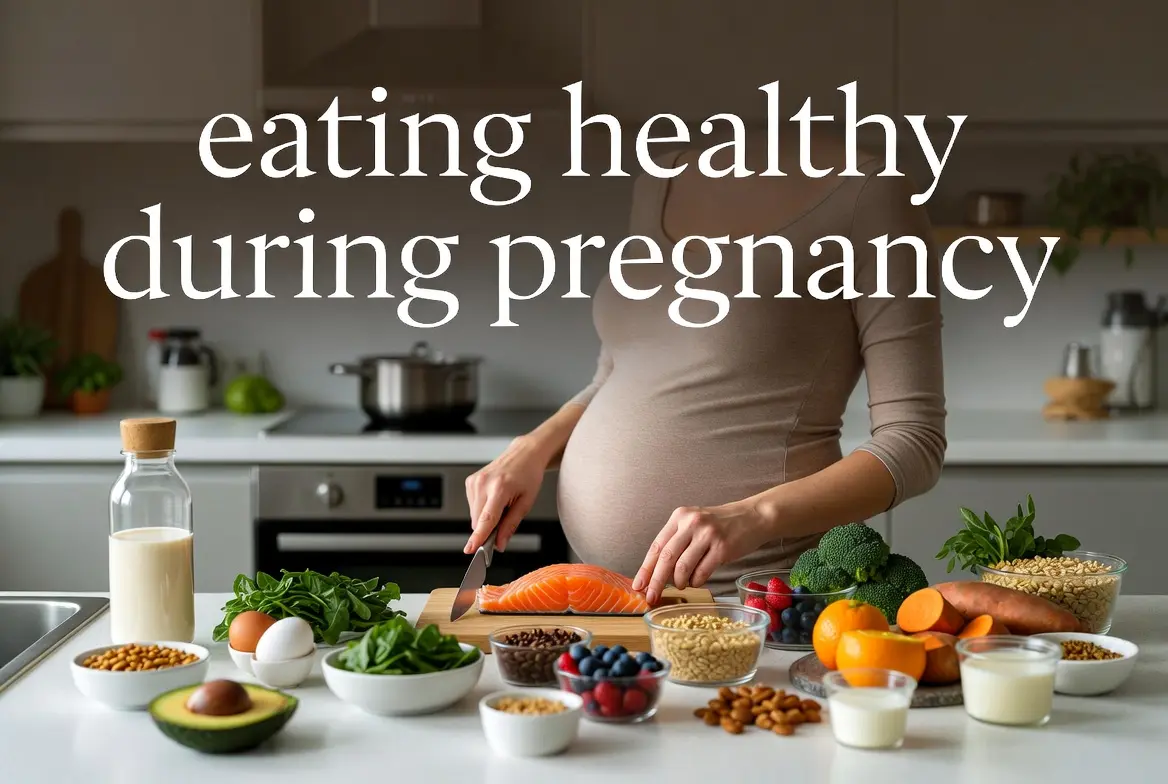
A practical pregnancy diet includes vegetables, fruit, whole grains, beans, lentils, fully cooked eggs, pasteurized dairy or fortified alternatives, lean meat, poultry, tofu, nuts, seeds, healthy oils, and lower-mercury seafood.
Pregnancy does not require a perfect diet or twice as much food. Most people with a healthy pre-pregnancy weight need no additional calories during the first trimester, about 340 extra calories per day during the second trimester, and approximately 450 extra calories per day during the final trimester. Individual needs vary with body size, activity, health, and whether you are carrying more than one baby.
Quick answer: What should you eat during pregnancy?
Build meals from vegetables and fruit, whole grains or other fibre-rich carbohydrates, beans, lentils, eggs, fish, poultry, lean meat or tofu, pasteurized dairy or fortified alternatives, and unsaturated fats. U.S. guidance recommends 8–12 ounces of lower-mercury seafood per week during pregnancy. Take a prenatal supplement recommended by your healthcare professional.
Pregnancy food-safety essentials
Avoid alcohol, raw or undercooked animal foods, unpasteurized milk or juice, raw sprouts, unwashed produce, and fish in the FDA’s highest-mercury category. Heat deli meats, cold cuts, hot dogs, and fermented or dry sausages to 165°F (74°C) or until steaming hot before eating.
Follow four basic steps: clean, separate, cook, and chill. Pregnancy increases vulnerability to serious foodborne infections, including Listeria.
This guide provides general education. Your obstetrician, midwife, physician, pharmacist, or registered dietitian should personalize advice for allergies, multiple pregnancy, nausea, gestational diabetes, anemia, kidney disease, bariatric surgery, eating disorders, or other health needs.
What Does a Healthy Pregnancy Diet Look Like?
A healthy pregnancy diet follows the same broad principles as a healthy adult diet, with extra attention to prenatal nutrients and food safety.
Aim for:
- Variety across and within food groups.
- Regular meals and snacks that suit your appetite.
- Enough protein, carbohydrate, fat, fibre, vitamins, and minerals.
- Safe food storage and preparation.
- Foods that fit your culture, budget, allergies, and medical needs.
- Convenient options when fatigue or nausea makes cooking difficult.
A Simple Meal Formula
When possible, combine:
- A protein food: eggs, beans, lentils, fish, chicken, lean meat, tofu, yogurt, or cheese.
- A carbohydrate: oats, whole-grain bread, rice, potato, pasta, quinoa, or another grain.
- Vegetables or fruit: include several colors across the week.
- A calcium-rich food: pasteurized dairy or a suitable fortified alternative.
- An unsaturated fat: olive oil, avocado, nuts, seeds, or tahini.
Examples include eggs with whole-grain toast and fruit, lentils with rice and cooked vegetables, salmon with potatoes and broccoli, or tofu with noodles and mixed vegetables.
Do You Need to “Eat for Two”?
No. Nutrient needs increase more than calorie needs. U.S. public-health guidance gives these general estimates for people who began pregnancy at a healthy weight:
- First trimester: usually no additional calories.
- Second trimester: about 340 extra calories per day.
- Third trimester: about 450 extra calories per day.
These figures are not universal targets. Your prenatal team may recommend something different based on your health, weight pattern, activity, appetite, or multiple pregnancy.
Essential Nutrients During Pregnancy
Pregnancy increases requirements for several nutrients. The table below uses U.S. reference values for adults ages 19–50 and is not a personalized supplement prescription.
| Nutrient | Pregnancy target | Why it matters | Useful sources |
|---|---|---|---|
| Folate | 600 mcg DFE/day | Supports neural-tube formation and cell development | Beans, lentils, leafy greens, citrus, fortified grains, prenatal supplement |
| Iron | 27 mg/day | Supports increased blood production and oxygen transport | Lean meat, poultry, beans, lentils, fortified cereal |
| Calcium | 1,000 mg/day | Supports bones, teeth, nerves, and muscles | Pasteurized dairy, fortified soy products, calcium-set tofu, sardines |
| Choline | 450 mg/day | Supports fetal brain and spinal-cord development | Eggs, meat, fish, milk, soy, peanuts |
| Iodine | 220 mcg/day | Supports thyroid function and neurological development | Iodized salt, dairy, eggs, seafood, appropriate prenatal supplement |
| Vitamin D | 15 mcg (600 IU)/day | Supports calcium use and bone health | Fortified milk, fortified alternatives, eggs, fatty fish, supplements |
| Vitamin B12 | 2.6 mcg/day | Supports red blood cells and neurological development | Meat, fish, eggs, dairy, fortified foods, supplements when needed |
| Omega-3 fats | No single universal food target | DHA contributes to normal brain and retinal development | Lower-mercury oily fish; plant foods provide mainly ALA |
Needs can differ for teenagers, multiple pregnancy, malabsorption, bariatric surgery, anemia, kidney disease, or prescribed high-dose supplementation.
Folic Acid and Prenatal Vitamins
How Much Folic Acid Is Needed?
Pregnant people need about 600 micrograms of dietary folate equivalents per day. Because food alone may not provide enough folic acid, ACOG recommends a prenatal vitamin containing at least 400 micrograms of folic acid, ideally beginning before conception when possible.
Folic acid helps reduce the risk of major neural-tube defects. It cannot prevent every birth defect or guarantee a particular pregnancy outcome.
Who May Need a Higher Dose?
Some people need a higher prescribed dose because of a previous neural-tube defect, certain medicines, diabetes, malabsorption, or another risk factor. Do not take high-dose folic acid unless your healthcare professional recommends it.
What Should a Prenatal Vitamin Contain?
Formulas differ. Prenatal supplements often help meet folic acid, iron, iodine, and vitamin D needs, but some contain little or no choline or iodine.
Review the label with your obstetric clinician, midwife, pharmacist, or registered dietitian.
Supplement Safety
Do not:
- Double the prenatal dose.
- Combine several multivitamins without review.
- Add high-dose iron automatically.
- Take vitamin A or retinol supplements without professional advice.
- Assume herbal products are safe because they are natural.
- Use “detox,” weight-loss, or bodybuilding supplements during pregnancy.
10 Useful Food Groups for Pregnancy
1. Leafy Green Vegetables
Spinach, kale, romaine lettuce, collard greens, and Swiss chard provide folate, fibre, vitamin C, and other micronutrients.
Wash raw leaves thoroughly and keep them refrigerated.
2. Beans, Lentils, and Chickpeas
Legumes provide plant protein, fibre, folate, iron, and magnesium.
Pair them with vitamin C-rich foods such as tomatoes, peppers, oranges, kiwi, or berries to support plant-iron absorption.
3. Fully Cooked Eggs
Eggs provide protein, choline, vitamin B12, iodine, and a small amount of vitamin D.
Avoid raw or undercooked eggs unless the product has been treated and local pregnancy food-safety guidance says it is safe.
4. Pasteurized Dairy or Fortified Alternatives
Milk, yogurt, cheese, lactose-free milk, and fortified soy products can provide calcium, protein, vitamin B12, iodine, and vitamin D.
Plant alternatives vary. Compare protein, calcium, vitamin D, vitamin B12, iodine, and added sugar.
5. Lower-Mercury Fish
Salmon, sardines, trout, cod, pollock, shrimp, tilapia, haddock, and canned light tuna are useful lower-mercury choices.
Eat fish fully cooked. Raw sushi, sashimi, ceviche, and raw shellfish can carry foodborne risks.
6. Lean Meat and Poultry
Fully cooked lean meat and poultry provide protein, iron, zinc, and vitamin B12.
Keep raw meat separate from produce and ready-to-eat foods.
7. Whole Grains
Oats, brown rice, whole-grain bread, quinoa, barley, bulgur, and whole-grain pasta provide energy, fibre, and micronutrients.
Fortified grains may also contribute folic acid and iron.
8. Fruit
Berries, oranges, apples, bananas, pears, kiwi, and mango provide fibre, vitamins, carbohydrates, and plant compounds.
Wash whole fruit carefully. Whole fruit usually provides more fibre than juice.
9. Mixed Vegetables
Include several colours and varieties such as broccoli, carrots, tomatoes, peppers, sweet potatoes, courgette, cauliflower, and aubergine.
Fresh, frozen, and lower-sodium canned vegetables can all be useful.
10. Nuts, Seeds, Avocado, and Olive Oil
These foods provide unsaturated fats, fibre, protein, and minerals. Options include walnuts, almonds, peanut butter, chia seeds, ground flaxseed, pumpkin seeds, avocado, olive oil, and tahini.
Use allergy-safe alternatives when necessary.
For more ideas, read 13 Foods to Eat When You’re Pregnant.
Which Fish Are Safe During Pregnancy?
FDA and EPA advice recommends that people who are pregnant or breastfeeding eat 8–12 ounces per week of fish from lower-mercury choices. A pregnancy serving is approximately 4 ounces.
Useful Lower-Mercury Choices
- Salmon.
- Sardines.
- Trout.
- Cod.
- Pollock.
- Shrimp.
- Tilapia.
- Haddock.
- Canned light tuna.
Fish to Avoid Because of High Mercury
- King mackerel.
- Marlin.
- Orange roughy.
- Shark.
- Swordfish.
- Tilefish from the Gulf of Mexico.
- Bigeye tuna.
Albacore or white tuna is a “Good Choice” rather than a “Best Choice,” so it should be eaten less frequently than canned light tuna.
Do not avoid all fish because of mercury concerns. Choose lower-mercury species, vary the types, and cook seafood thoroughly.
Related reading: Omega-3 Benefits for Women.
Foods to Avoid During Pregnancy
Avoid Alcohol
No amount, timing, or type of alcohol is known to be safe during pregnancy.
Avoid Raw or Undercooked Animal Foods
- Raw or undercooked meat and poultry.
- Raw or undercooked seafood.
- Raw shellfish.
- Raw or undercooked eggs.
- Raw dough or batter containing raw egg or untreated flour.
Avoid Unpasteurized Products
- Unpasteurized milk.
- Cheese or yogurt made from unpasteurized milk.
- Unpasteurized juice or cider.
Avoid Other Higher-Risk Foods
- Raw sprouts.
- Unwashed fruit and vegetables.
- Refrigerated pâté or meat spreads.
- Refrigerated smoked seafood unless it is cooked in a dish.
- Fish in the FDA’s highest-mercury category.
Heat Deli Meat Until Steaming
Heat deli meat, cold cuts, hot dogs, and fermented or dry sausages to 165°F (74°C) or until steaming hot immediately before eating.
Soft Cheese
Soft cheese can be eaten when it is clearly made from pasteurized milk and has been stored and handled safely.
Food-Safety Steps
- Clean: Wash hands, surfaces, utensils, and produce.
- Separate: Keep raw animal foods away from ready-to-eat food.
- Cook: Use a food thermometer when appropriate.
- Chill: Refrigerate perishable food promptly.
Alcohol and Caffeine During Pregnancy
Alcohol
CDC guidance states that there is no known safe amount, no safe time, and no safe type of alcohol during pregnancy. Beer, wine, and spirits can all expose the fetus to alcohol.
If you drank before knowing you were pregnant, stop now and discuss the exposure with your prenatal clinician without shame or delay.
Caffeine
ACOG advises limiting caffeine to less than 200 milligrams per day.
Count caffeine from:
- Coffee.
- Tea.
- Cola.
- Chocolate.
- Energy drinks.
- Some medicines and supplements.
The caffeine content of coffee varies by size, bean, and preparation method. Check the label or retailer information rather than assuming one cup always contains the same amount.
Energy drinks are not suitable routine pregnancy beverages because caffeine and additional stimulant ingredients may be high or unclear.
What Can You Eat for Morning Sickness?
Smaller, more frequent meals may help some people with nausea, reflux, or early fullness, but they are not automatically better for everyone.
Possible strategies include:
- Dry toast or crackers before getting out of bed.
- Small meals and snacks.
- Cold foods when hot-food smells trigger nausea.
- Avoiding personal smell and food triggers.
- Sipping fluids regularly.
- Separating large drinks from meals when fullness worsens nausea.
- Using bland foods temporarily.
- Trying ginger food or drink products if approved by your clinician.
Do not assume that concentrated ginger supplements or every herbal tea is pregnancy-safe.
When Vomiting Needs Medical Help
Contact your prenatal team promptly when:
- You cannot keep fluids down.
- Urine becomes very dark or infrequent.
- You feel dizzy or faint.
- You are losing weight.
- Vomiting is severe or contains blood.
- You have abdominal pain, fever, or other concerning symptoms.
Pregnancy Cravings and Pica
Ordinary cravings are common and do not necessarily indicate a nutrient deficiency.
A craving does not make a food medically necessary. You can include the desired food when it is safe and fits your health needs.
What Is Pica?
Contact a healthcare professional if you crave or eat non-food substances such as:
- Soil or clay.
- Large amounts of ice.
- Laundry starch.
- Soap.
- Chalk.
- Paper.
Pica may be associated with iron deficiency or another problem and requires assessment.
Constipation During Pregnancy
Supportive strategies may include:
- Increasing fibre gradually.
- Eating fruit, vegetables, beans, lentils, and whole grains.
- Drinking fluids regularly.
- Remaining physically active when your prenatal clinician says it is safe.
Do not start herbal laxatives or high-dose fibre supplements without advice. Iron supplements can worsen constipation, but do not stop prescribed iron on your own.
Eating With Gestational Diabetes
Gestational diabetes requires an individualized eating and glucose-monitoring plan.
A registered dietitian or diabetes-care professional may help you:
- Distribute carbohydrates across meals and snacks.
- Choose higher-fibre carbohydrate sources.
- Combine carbohydrates with protein or unsaturated fat.
- Monitor how different meals affect glucose.
- Adjust food around medication or insulin.
- Meet pregnancy nutrient and calorie needs.
Do not eliminate all carbohydrates, fast, skip meals, or follow an extreme low-carbohydrate diet unless a specialist has created and monitors the plan.
Healthy Weight Gain During Pregnancy
Healthy pregnancy weight gain depends on pre-pregnancy body mass index, whether you are carrying one or more babies, and your medical needs.
| Pre-pregnancy BMI | U.S. recommended total gain for one baby |
|---|---|
| Below 18.5 | 28–40 lb |
| 18.5–24.9 | 25–35 lb |
| 25.0–29.9 | 15–25 lb |
| 30.0 or above | 11–20 lb |
These are general U.S. recommendations for a singleton pregnancy. Multiple pregnancies have different targets.
Avoid trying to lose weight during pregnancy unless your specialist team has created a medically supervised plan.
Sample One-Day Pregnancy Meal Plan
This example is not a prescription. Change foods and portions for appetite, culture, allergies, nausea, medical conditions, and individual energy needs.
Breakfast
- Fully cooked eggs.
- Whole-grain toast.
- Avocado.
- Orange or berries.
- Pasteurized milk or fortified soy drink.
Morning Snack
- Plain pasteurized yogurt.
- Banana.
- Walnuts or suitable seeds.
Lunch
- Chickpea, tomato, cucumber, and spinach bowl.
- Quinoa or brown rice.
- Olive-oil and lemon dressing.
- Pasteurized cheese if desired.
Afternoon Snack
- Apple.
- Peanut or seed butter.
- Whole-grain crackers.
Dinner
- Fully cooked salmon.
- Sweet potato.
- Broccoli.
- Pasteurized yogurt sauce.
Vegetarian Dinner Alternative
- Lentil and tofu curry.
- Brown rice.
- Cooked vegetables.
- Fortified soy yogurt.
Vegetarian and Vegan Pregnancy Diets
A well-planned vegetarian or vegan diet can support pregnancy, but several nutrients need close attention.
Discuss:
- Vitamin B12.
- Iron.
- Iodine.
- Choline.
- Calcium.
- Vitamin D.
- Zinc.
- Protein.
- DHA and EPA.
Reliable vitamin B12 from fortified foods or supplements is essential for vegan diets. Plant omega-3 foods provide ALA, but conversion to DHA and EPA is limited.
Read our guide to vitamin B12-rich foods.
Eating Out Safely During Pregnancy
Food safety matters more than whether a dish is grilled, steamed, or fried.
Ask:
- Is the meat, fish, or egg fully cooked?
- Is the cheese pasteurized?
- Does the sauce or dessert contain raw egg?
- Is the juice pasteurized?
- Does the salad contain raw sprouts?
- Has cold food remained properly refrigerated?
- Can deli meat be heated until steaming?
Avoid food that has been sitting at unsafe temperatures, and refrigerate leftovers promptly.
How Nutrition Supports Normal Fetal Development
A balanced pregnancy diet supplies building blocks needed for normal development of the brain, spinal cord, blood, bones, eyes, organs, and other tissues.
Food cannot determine a baby’s complexion, facial features, hair texture, or beauty. Those traits are strongly influenced by genetics and normal biological variation.
No food pattern can guarantee that a baby will be healthy or prevent every pregnancy complication. Nutrition is one important part of prenatal care alongside medical appointments, screening, appropriate supplements, sleep, activity when safe, and avoidance of harmful exposures.
Eating Healthy During Pregnancy: Key Takeaways
- Pregnancy requires nutrient-rich food, not twice as many calories.
- Vegetables, fruit, legumes, whole grains, protein foods, pasteurized dairy or alternatives, and unsaturated fats form the foundation.
- Take an appropriate prenatal supplement and review its label professionally.
- Folic acid helps reduce neural-tube defect risk.
- Eat 8–12 ounces of lower-mercury seafood weekly under U.S. guidance.
- Avoid high-mercury fish and raw seafood.
- No amount of alcohol is known to be safe during pregnancy.
- Keep caffeine below 200 milligrams per day under ACOG guidance.
- Avoid unpasteurized products, raw sprouts, and undercooked animal foods.
- Heat deli meats and hot dogs until steaming hot.
- Gestational diabetes and pregnancy weight gain require individualized care.
- Food supports development but does not determine a baby’s beauty or guarantee outcomes.
My Editorial Approach to Pregnancy Nutrition
Adel Galal’s editorial perspective
Pregnancy nutrition content must be useful without promising a perfect outcome or turning ordinary foods into medicine. My approach is to compare current official guidance, separate food from supplement advice, and convert safety rules into practical meals and shopping choices.
For this guide, I prioritized information from ACOG, FDA, CDC, the NIH Office of Dietary Supplements, and U.S. public-health nutrition guidance.
Frequently Asked Questions About Eating Healthy During Pregnancy
What are the healthiest foods to eat during pregnancy?
Useful choices include vegetables, fruit, beans, lentils, whole grains, fully cooked eggs, pasteurized dairy, tofu, lean meat, poultry, nuts, seeds, and lower-mercury seafood.
Do I need to eat for two?
No. Most people need no extra calories during the first trimester, with moderate increases during the second and third trimesters. Individual needs vary.
How much folic acid is needed during pregnancy?
Pregnant people need about 600 micrograms of dietary folate equivalents daily. A prenatal vitamin generally supplies at least 400 micrograms of folic acid.
Which fish are safe during pregnancy?
Lower-mercury choices include salmon, sardines, cod, shrimp, pollock, tilapia, trout, haddock, and canned light tuna. U.S. guidance recommends 8–12 ounces per week.
Which fish should be avoided during pregnancy?
Avoid king mackerel, marlin, orange roughy, shark, swordfish, Gulf of Mexico tilefish, and bigeye tuna.
Can I drink coffee while pregnant?
ACOG recommends keeping caffeine below 200 milligrams per day. Include coffee, tea, cola, chocolate, energy drinks, medicines, and supplements in the total.
Can I drink alcohol during pregnancy?
No amount, type, or timing of alcohol is known to be safe during pregnancy.
Can I eat deli meat while pregnant?
Heat deli meat, cold cuts, hot dogs, and dry sausages to 165°F or until steaming hot before eating.
Is pasteurized soft cheese safe during pregnancy?
Soft cheese can be eaten when it is clearly made from pasteurized milk and has been stored and handled safely.
Are vegetarian and vegan diets safe during pregnancy?
They can be adequate when well planned. Vitamin B12, iron, iodine, choline, calcium, vitamin D, zinc, protein, and omega-3 intake may require special attention.
What should I eat for morning sickness?
Dry toast, crackers, small meals, cold foods, and regular sips of fluid may help. Contact a clinician when vomiting prevents normal food or fluid intake.
What should I eat with gestational diabetes?
The plan should be individualized according to glucose readings, medicines, pregnancy needs, and food preferences. Ask for a registered dietitian or diabetes-care professional.
Can food make my baby more beautiful?
No. Food cannot determine complexion, facial features, hair texture, or beauty. A nutritious diet supports normal growth and development.
Is every trimester important for nutrition?
Yes. Early pregnancy is important for neural-tube and organ formation, while growth, bone development, and brain development continue throughout pregnancy.
Sources and Medical References
- American College of Obstetricians and Gynecologists — Healthy Eating During Pregnancy
- ACOG — Caffeine During Pregnancy
- ACOG — Morning Sickness
- U.S. Food and Drug Administration — Advice About Eating Fish
- Centers for Disease Control and Prevention — Safer Food Choices for Pregnant Women
- CDC — Pregnancy and Listeria Risk
- CDC — Alcohol Use During Pregnancy
- CDC — Weight Gain During Pregnancy
- NIH Office of Dietary Supplements — Pregnancy Nutrient Guidance
- Office of Disease Prevention and Health Promotion — Pregnancy Nutrition Quick Tips
Part of the NextFitLife Pregnancy and Nutrition Series
Continue with our guides to the best foods to eat when pregnant, omega-3 benefits for women, foods high in vitamin D, vitamin B12-rich foods, healthy eating habits, and the Foods and Nutrition Hub.
Pregnancy nutrition and food-safety disclaimer
This article provides general education and does not replace prenatal care, medical nutrition therapy, food-allergy advice, supplement review, gestational-diabetes treatment, or assessment of severe nausea and vomiting. Contact your prenatal care team for personalized guidance and urgent symptoms.
Written and source-checked by Adel Galal
Founder and Lead Writer, NextFitLife | 30+ Years of Personal Study in Health, Fitness, Nutrition, Sleep, and Healthy Aging
Adel Galal creates practical health and nutrition guides by comparing authoritative medical and public-health sources, removing exaggerated claims, and translating evidence into realistic daily choices.
He is not an obstetrician, physician, midwife, registered dietitian, pharmacist, or prenatal-care professional. This article was editorially source-checked against ACOG, FDA, CDC, NIH, and U.S. public-health guidance but has not been clinically reviewed unless a named qualified reviewer appears on the published page.

Health & wellness writer with 30+ years of experience in nutrition, fitness, and healthy aging. Founder of NextFitLife.com — evidence-based health guidance.