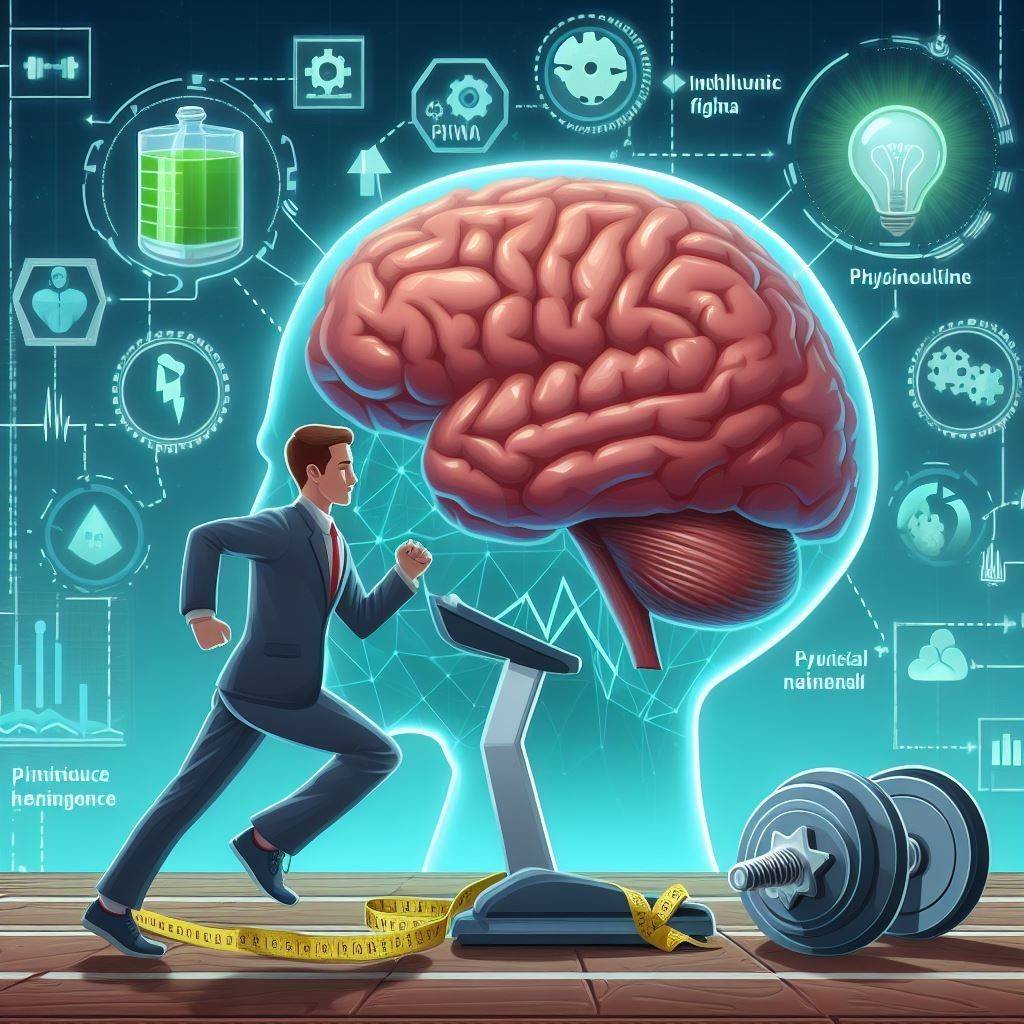
Physical Fitness and Mental Health: The Perfect Balance for Wellbeing
Discover how Physical Fitness and Mental Health work together for total well-being. Learn how exercise boosts your mind and body! Find out more now!
Introduction
In today’s busy world, many of us find it hard to maintain a healthy balance between our body and mind.
Physical Fitness and Mental Health are both important, but balancing them can be challenging.
With a lot happening, it’s easy to forget either our bodily health or intellectual well-being.
However, both need attention to live in the correct shape.
I’ve seen the nice impact of ordinary exercise on my intellectual health, and I've seen it help many others too.
It’s outstanding how those two areas of our lives are deeply linked. When we contend with our bodies, we additionally cope with our minds. Let me explain how.
What is Physical Fitness?
Physical fitness way taking care of your body through exercising and motion.
This can encompass things like walking, jogging, swimming, yoga, or even dancing.
Anything that gets your frame moving and your heart pumping is first-rate in your health.
What is Mental Health?
Mental health is set on how to sense and handle the strain.
It affects how we make decisions, how we relate to different people, and how we address existence.
When you have good mental health, it’s easier to stay calm, focused, and happy.
How Physical Fitness Affects Mental Health
Over the years, I’ve seen how exercise changes not just the body, but the mind too. Regular physical activity has many mental health benefits:
1. Exercise Releases Endorphins
Endorphins are chemicals in the brain that make you feel happy.
When you work out, your brain releases endorphins, which act as natural mood boosters.
This is why people often feel better after a workout.
2. Stress Relief
Exercise is one of the high-quality ways to lessen stress.
When I’ve had a tough day, going for a run or even a walk helps me clear my head.
It lowers cortisol levels (a stress hormone), which makes you feel more relaxed.
3. Improved Sleep Quality
When you’re active during the day, it’s easier to sleep well at night.
Exercise can help you fall asleep faster and improve the quality of your sleep.
I’ve personally noticed this after a workout.
4. Boosts Self-Esteem
Seeing improvements in your physical fitness, like being able to run longer or lift heavier weights, can boost your self-esteem.
When you feel good about your body, you also feel better mentally.
This helps improve your body image and gives you a sense of accomplishment
5. Sharper Cognitive Function
Physical activity increases blood flow to the brain, which can help with focus and concentration.
Regular exercise keeps your brain healthy and can even help prevent cognitive decline as you age.
It’s one reason I make exercise a priority every day — to keep my mind sharp.
How Physical and Mental Health are Connected
Your body and mind are deeply connected. Physical health problems, like being overweight or out of shape, can lead to mental health issues, such as feeling anxious or depressed.
On the flip side, if you’re struggling with mental health, you might not feel motivated to exercise. But when you find that balance, both your mind and body feel better.
I’ve seen people who start exercising for their physical health and then notice they feel better mentally.
It’s a cycle — the better you feel physically, the better your mind feels, and the more motivated you are to keep going. [
How Physical Strength Improves Mental Health
Does lifting weights or doing strength training help with mental health? Absolutely! Building physical strength can lead to mental resilience. Here’s how:
1. Boost confidence
Strength training is a successful way to build confidence. As you get stronger and see physical changes, it improves how you feel about yourself.
When I see progress in my strength, it makes me feel capable of handling challenges outside the gym too.
2. Mental Toughness
Strength training pushes you to set goals and reach them.
This creates mental toughness because you learn to push through discomfort and stick to a routine.
It’s not just about building muscles — it’s about building resilience.
3. Cognitive Function and Memory
Exercise, especially aerobic activities like running or swimming, has been shown to increase BDNF (Brain-Derived Neurotrophic Factor), which supports brain health and cognitive function. It can improve memory and may even slow cognitive decline.
I’ve noticed that after a workout, I think more clearly and stay more focused on tasks.
The Correlation Between Physical and Mental Health
Research shows that physical health and mental health are strongly connected. Here are some ways they affect each other:
1. Improved Reduction of My Mood and Anxiety Reduction
Exercise helps regulate neurotransmitters like serotonin and dopamine, which are linked to mood.
This is why regular physical activity is often recommended for managing anxiety and depression. I’ve found that exercise is a successful way to lift my mood on tough days.
2. Prevention of Mental Health Disorders
Physical activity can help prevent mental health issues like depression and anxiety.
It’s part of a holistic approach to well-being that includes both physical fitness and mental health care.
3. Social Connections and Emotional Support
Exercise can also be a successful way to connect with others.
Joining a fitness class or working out with friends provides social support, which is good for emotional well-being.
I’ve made some successful friends through group exercise classes, and those connections have helped me stay motivated.
Maintaining the Balance Between Physical Fitness and Mental Health
Finding the right balance between physical fitness and mental health can take some time. Here are a few tips I’ve found useful:
1. Start Small and Build Up
You don’t need to run a marathon or lift heavy weights right away. Start with something simple like a 15-minute walk each day.
It’s amazing how small steps can make a big difference over time. I started small, and over time, I built up my fitness routine.
2. Try Different Types of Exercise
Some people love running, while others prefer yoga or strength training.
Try different forms of exercise to see what works best for you.
I like to mix it up — some days I’ll go for a run, and other days I’ll do yoga for stress relief.
3. Focus on the Mental Benefits
If you're struggling to stay motivated, focus on how exercise makes you feel mentally, not just physically.
I always remind myself that exercise improves my mood, reduces my stress, and helps me sleep better.
This keeps me going on days when I don’t feel like working out.
4. Set Realistic Goals
Goal setting is the key to staying motivated. Set small, realistic goals like walking three times a week or lifting weights twice a week.
Reaching these goals will give you a sense of accomplishment and boost your confidence.
5. Mind-Body Exercises
Don’t forget about exercises that focus on both your mind and body, like yoga or meditation. These practices can reduce stress, improve focus, and enhance emotional well-being.
I like to do yoga to stretch my body and calm my mind after a long day
The Role of Mental Health Professionals and Fitness Experts
If you’re dealing with serious mental health challenges, don’t hesitate to seek help from mental health professionals.
They can provide therapy or counselling to support your mental well-being.
Combining professional help with regular exercise can make a vast difference
FAQs About Physical Fitness and Mental Health
How does physical fitness affect mental health?
Physical fitness has a direct positive impact on mental health by releasing feel-good chemicals in the brain, reducing stress hormones, improving sleep, and boosting confidence.
Regular exercise can help reduce symptoms of anxiety, depression, and stress, making you feel more relaxed and mentally clear.
How are physical and mental health connected?
Physical and mental health are interconnected. A healthy body supports a healthy mind, and vice versa.
When you take care of your physical health through exercise, proper nutrition, and rest, it supports better mental well-being.
In contrast, neglecting your mental health can lead to physical symptoms like fatigue or muscle tension.
Does physical strength improve mental health?
Yes! Building physical strength can improve mental health by increasing self-confidence, providing a sense of accomplishment, and reducing stress.
Strength training helps create a stronger body and a stronger mind, leading to better emotional balance and mental clarity.
What is the correlation between mental health and physical health status?
The correlation between mental health and physical health is strong.
Good mental health supports a healthy lifestyle, which promotes physical well-being.
Similarly, staying physically fit reduces the risk of mental health disorders and helps you cope better with life’s challenges.
Neglecting either aspect can lead to imbalances, affecting both your body and mind.
Conclusion
Physical fitness and mental health are two sides of the same coin. Taking care of one naturally benefits the other.
I’ve experienced it firsthand, and I know how powerful this connection can be.
By staying active, setting realistic goals, and focusing on both your body and mind, you can improve your overall well-being.
Regular exercise doesn’t just improve your physical strength — it enhances your mental clarity and emotional well-being and even helps manage stress.
Whether you’re doing aerobic exercise, strength training, or yoga, every little helps.
Start small, stay consistent, and remember that taking care of both your body and mind is the key to living a healthy, happy life.
Recommended Reading
- Role of Physical Activity on Mental Health and Well-Being: A Review
- Mental Health vs. Physical Health: Understanding the Balance

Health & wellness writer with 30+ years of experience in nutrition, fitness, and healthy aging. Founder of NextFitLife.com — evidence-based health guidance.