Last Updated January 21, 2026 Published January 21, 2026
Why Healthy Breakfast Foods Matter More Than You Think
I used to skip breakfast almost every day. Rushing out the door with just coffee seemed easier than preparing food. But after weeks of mid-morning crashes and constant hunger, I realized something had to change.
That’s when I discovered the power of healthy breakfast foods. Within two weeks of eating nutritious morning meals, my energy levels stabilized, my focus improved, and those 10 a.m. snack cravings disappeared.
Breakfast breaks your overnight fast and jump-starts your metabolism. According to the American Heart Association, eating a healthy breakfast is linked to better heart health, improved cognitive function, and more stable blood sugar levels throughout the day.
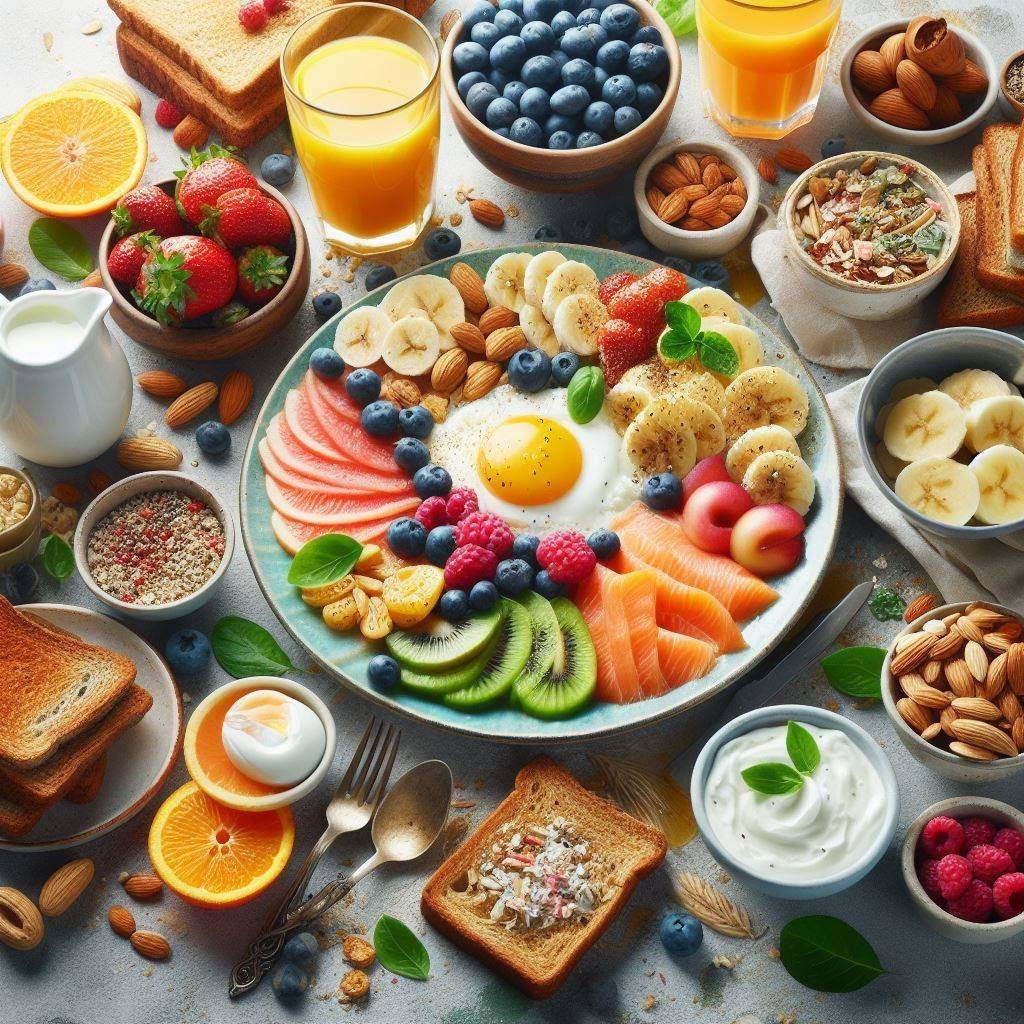
This guide shares 16 proven nutritious breakfast ideas that work—not complicated recipes you’ll never make, but proper foods you can prepare quickly and enjoy daily. Whether you’re looking to lose weight, fuel your workouts, or simply start your day with more energy, these healthy morning meals will set you up for success.
What Makes Healthy Breakfast Foods Actually Nutritious?
The Four Essential Components
A truly nourishing breakfast includes these elements:
Lean Protein
Keeps you full longer and supports muscle maintenance. Aim for 15-25 grams per meal.
Complex Carbohydrates
Provides sustained energy without blood sugar spikes. Think of whole grains, not refined flour.
Healthy Fats
Supports brain function and helps absorb fat-soluble vitamins. Include sources like nuts, avocado, or olive oil.
Fiber
Aids digestion and promotes fullness. Target at least 5 grams per breakfast.
Quick Breakfast Quality Checklist
Before you eat, ask yourself:
- Does this meal include protein?
- Are there whole, unprocessed ingredients?
- Will this keep me full for 3-4 hours?
- Am I getting vitamins and minerals?
If you answer “yes” to at least three questions, you’re on the right track.
16 Best Healthy Breakfast Foods (Tested and Approved)
1 Steel-Cut Oatmeal
Why It Works
Oatmeal delivers 4 grams of fiber per cup and keeps you satisfied for hours. Steel-cut oats contain more nutrients than instant varieties because they’re less processed, making them one of the most reliable, nutritious breakfast ideas.
How I Eat It
I prepare a big batch on Sunday and refrigerate portions for the week. Each morning, I reheat one serving and add fresh berries, walnuts, and a drizzle of honey.
Quick Tip – Cook oats in milk instead of water for extra protein and a creamier texture.
2 Greek Yogurt
Why It Works
Greek yogurt packs nearly double the protein of regular yogurt—about 15-20 grams per cup. Probiotics within it play a key role in promoting gut wellness.
How I Eat It
I choose plain, non-fat Greek yogurt to avoid added sugars. Then I customize it with sliced almonds, chia seeds, and whatever fruit is in season.
Quick Tip – Check labels carefully. Some “Greek-style” yogurts contain thickeners instead of being truly strained.
3 Eggs (Any Style)
Why It Works
One egg provides 6 grams of complete protein with all nine essential amino acids. Eggs are also rich in choline, which supports brain health, making them among the most versatile, quick, and healthy breakfasts.
How I Eat Them
My go to is scrambled eggs with spinach and mushrooms. I cook them in a tiny bit of olive oil and pair them with whole-grain toast.
Quick Tip – Prep hard-boiled eggs in advance for grab-and-go mornings.
4 Avocado Toast
Why It Works
Avocados contain heart-healthy monounsaturated fats, potassium, and fiber. A single medium-sized avocado contains roughly 10 grams of dietary fiber.
How I Eat It
I mash half an avocado on sprouted whole-grain bread and top with a poached egg and red pepper flakes. The combination gives me healthy fats, protein, and complex carbs.
Quick Tip – Add lemon juice to your mashed avocado to prevent browning.
5 Nutrient-Packed Smoothies
Why They Work
Smoothies let you combine multiple food groups in one glass. You can easily consume 3-4 servings of fruits and vegetables before 9 a.m.
My Formula
- 1 cup leafy greens (spinach or kale)
- 1 cup frozen berries
- 1 scoop protein powder
- 1 tablespoon nut butter
- 1 cup unsweetened almond milk
Quick Tip – Freeze pre-portioned smoothie bags with all dry ingredients. Just add liquid and blend.
6 Chia Seed Pudding
Why It Works
Chia seeds absorb moisture, enlarging and turning into a gel that feels like pudding. They provide omega-3 fatty acids, fiber, and plant-based protein.
How I Make It
Mix 3 tablespoons of chia seeds with 1 cup of unsweetened almond milk and a touch of vanilla extract. Refrigerate overnight and top with berries in the morning.
Quick Tip – Make 3-4 servings at once in mason jars for easy weekday breakfasts.
7 Peanut Butter Banana Toast
Why It Works
This classic combo delivers protein, healthy fats, potassium, and complex carbohydrates. It’s perfect for pre-workout fuel.
How I Eat It
Two slices of whole-grain bread with 2 tablespoons of natural peanut butter and sliced banana. Sometimes I add a sprinkle of cinnamon.
Quick Tip – Choose peanut butter with only peanuts and salt on the ingredient list—no added oils or sugar.
8 Cottage Cheese Bowl
Why It Works
Cottage cheese contains 14 grams of protein per half-cup and is rich in calcium for bone health.
How I Eat It
I combine cottage cheese with fresh pineapple, a handful of walnuts, and a drizzle of honey. The sweet-savoury combination is surprisingly satisfying.
Quick Tip – Look for low-sodium varieties to reduce your salt intake.
9 Breakfast Burrito
Why It Works
A well-made breakfast burrito combines protein, fiber, and vegetables in a portable package.
My Recipe
Whole-wheat tortilla filled with scrambled eggs, black beans, diced peppers and onions, and fresh salsa. I skip the cheese to keep it lighter.
Quick Tip- Make several burritos at once, wrap in foil, and freeze. Reheat in the microwave for 2 minutes.
10 Breakfast Parfait
Why It Works
Layering creates a visual appeal that makes healthy eating more enjoyable. Plus, you get protein, probiotics, and antioxidants in one bowl.
How I Built It
- Bottom layer: Greek yogurt
- Middle layer: Fresh berries
- Top layer: Homemade granola
- Repeat layers once
Quick Tip – Use tall glasses to show off the layers and make breakfast feel special.
11 Whole-Grain Pancakes
Why They Work
Made with whole-wheat flour, these provide fiber while still feeling indulgent. Top with fruit instead of syrup to avoid sugar crashes.
My Approach
I make a large batch on weekends and freeze individual pancakes. They reheat perfectly in the toaster.
Quick Tip – Add mashed banana or pumpkin puree to the batter for extra nutrients and moisture.
12 Quinoa Breakfast Bowl
Why It Works
Quinoa is a complete protein containing all nine essential amino acids. It’s also gluten-free and high in iron.
How I Prepare It
Cook quinoa in almond milk instead of water. Top with sliced almonds, fresh berries, and a drizzle of maple syrup.
Quick Tip – Cook a big batch of quinoa and use it for both breakfast and lunch throughout the week.
13 Veggie-Loaded Breakfast Sandwich
Why It Works
This portable option packs protein and vegetables into a handheld meal perfect for busy mornings.
My Version
Whole-grain English muffin with scrambled egg, spinach, tomato, and mashed avocado. No processed meat needed.
Quick Tip – Prepare egg patties in a muffin tin for perfectly shaped sandwich fillings.
14 Smoked Salmon on Whole-Grain Bagel
Why It Works
Salmon provides omega-3 fatty acids crucial for heart and brain health. According to Harvard Medical School, eating fatty fish regularly reduces inflammation and supports cognitive function.
How I Enjoy It
Whole-grain bagel with a thin layer of low-fat cream cheese, smoked salmon, cucumber slices, and capers.
Quick Tip – Buy smoked salmon in bulk and freeze portions to make this affordable for regular consumption.
15 Tofu Scramble
Why It Works
For plant-based eaters, tofu provides protein without animal products. Firm tofu contains about 10 grams of protein per half-cup.
How I Make It
Crumble firm tofu and sauté with turmeric (for colour), nutritional yeast (for flavour), spinach, and mushrooms. Serve with whole-grain toast.
Quick Tip – Press tofu for 15 minutes before cooking to remove excess water and improve texture.
16 Homemade Granola
Why It Works
Store-bought granola often contains excessive sugar and unhealthy oils. Making your own lets you control ingredients and quality.
My Simple Recipe
Mix rolled oats, chopped almonds, pumpkin seeds, cinnamon, and a handful of honey. Bake at 300°F for 30 minutes, stirring occasionally.
Quick Tip –Store in an airtight container for up to two weeks. Use as a yogurt topping or eat with milk.
Healthy Breakfast Foods for Special Diets
Gluten-Free Breakfast Ideas
Living gluten-free doesn’t mean sacrificing variety or nutrition. There are plenty of balanced breakfast options that naturally contain no gluten.
Best Options –
- Steel-cut oatmeal with nuts and berries (ensure certified gluten-free oats)
- Eggs with sauteed vegetables and gluten-free toast
- Smoothie bowls topped with coconut and fresh fruit
- Greek yogurt parfait with gluten-free granola
Pro Tip – Always check labels on oats, as they’re often processed in facilities with wheat.
Dairy-Free Morning Meals
Eliminating dairy opens up new plant-based possibilities.
Best Options –
- Smoothies made with almond, oat, or coconut milk
- Avocado toast with nutritional yeast (tastes cheesy)
- Chia pudding prepared with coconut milk
- Oatmeal cooked in cashew milk
Pro Tip: Fortified plant milks provide calcium comparable to dairy milk.
Vegetarian Breakfast Solutions
Plant-based protein sources fuel vegetarian mornings effectively. These balanced breakfast options provide complete nutrition without meat.
Best Options –
- Scrambled eggs with vegetables and whole-grain toast
- Greek yogurt bowl with nuts, seeds, and fruit
- Black bean breakfast tacos with avocado
- Veggie-packed omelet with cheese
Pro Tip – Combine beans and grains to create complete proteins.
Vegan Breakfast Choices
Vegan breakfasts can be just as protein-rich and satisfying. Many nutritious breakfast ideas are naturally plant-based and nutrient-dense.
Best Options –
- Tofu scramble with vegetables
- Overnight oats with almond milk and chia seeds
- Smoothie bowl with plant-based protein powder
- Whole-grain toast with almond butter and banana
Pro Tip – Add nutritional yeast to scrambles and bowls for B12 and savoury flavour.
Paleo-Friendly Options
The paleo approach emphasizes whole, unprocessed foods.
Best Options –
- Vegetable omelet with avocado
- Sweet potato hash with eggs
- Fruit salad with nuts and seeds
- Leftover dinner protein with sauteed greens
Pro Tip – Prep sweet potato cubes in advance for quick morning hashes.
Keto Breakfast Ideas
Low-carb, high-fat breakfasts keep you in ketosis.
Best Options –
- Eggs cooked in coconut oil with avocado
- Full-fat Greek yogurt with nuts (watch portions)
- Keto smoothie with coconut milk and berries
- Bacon and eggs with sauteed spinach
Pro Tip – Track your macros to ensure you’re staying within keto guidelines (typically under 20g net carbs daily).
How to Choose Your Perfect Healthy Breakfast Foods
Consider These Four Factors
Nutritional Balance
Does your meal include protein, healthy fats, and fiber? These three components work together to provide sustained energy.
Calorie Awareness
Your breakfast should be 300-500 calories for most adults. Modify according to how active you are and the wellness outcomes you want to reach.
Appropriate Portions
Even healthy foods can lead to weight gain when eaten in excess. Start by using measuring cups and move to visual portioning once you’re accurate.
Personal Restrictions
Honour your dietary needs, whether medical, ethical, or preference-based. There’s no one-size-fits-all approach.
My Personal Breakfast Journey
For years, I believed the myth that eating breakfast would make me hungrier throughout the day. So, I stuck to black coffee until lunch, thinking I was being disciplined.
The reality? By noon, I was so ravenous that I’d overeat and make poor choices. My afternoon energy would crash, and I’d reach for sugary snacks just to function.
When I finally committed to eating healthy breakfast foods, everything changed. I started with simple Greek yogurt and berries. Within a week, I noticed I wasn’t desperately hungry by lunch. Within a month, my afternoon energy slumps disappeared.
Now, five years later, I genuinely look forward to breakfast. It’s become my favourite meal—a muted moment before the day’s chaos begins. I rotate between oatmeal, eggs, and smoothies depending on my schedule and mood.
The key was finding options that fit my life. I needed nutritious breakfast ideas that took less than 10 minutes to prepare and tasted good. No elaborate recipes or expensive ingredients.
If you’re skeptical about breakfast, I encourage you to experiment for just two weeks. Try different best foods to eat in the morning from this guide and notice how you feel. Your body will tell you what works.
Common Mistakes
Relying on Processed Foods
Packaged breakfast bars and sugary cereals seem convenient, but often contain as much sugar as candy bars. These don’t qualify as healthy breakfast foods despite marketing claims.
Better Approach – Prep proper food in batches so healthy options are just as convenient.
Drinking Your Calories Without Nutrition
Fancy coffee drinks can contain 400+ calories with minimal nutritional value.
Better Approach – Choose black coffee or add just milk. Save calories for actual food.
Skipping Protein
Carb-heavy breakfasts (toast, pastries, cereal) cause blood sugar spikes and crashes.
Better Approach – Always include a protein source to stabilize energy levels.
Eating the Same Thing Daily
While routine helps, eating identical meals can lead to nutrient gaps and breakfast boredom.
Better Approach – Rotate between 4-5 favourite options throughout the week.
Quick Comparison: Healthy Breakfast Foods at a Glance
| Breakfast Option | Prep Time | Protein (g) | Fiber (g) | Best For |
| Oatmeal with toppings | 5-10 min | 8-12 | 8-10 | Sustained energy |
| Greek yogurt parfait | 3-5 min | 15-20 | 5-7 | Quick protein boost |
| Eggs with vegetables | 10-15 min | 12-18 | 3-5 | Low-carb preference |
| Avocado toast | 5-7 min | 8-12 | 10-12 | Heart health |
| Smoothie | 5 min | 15-25 | 8-12 | On-the-go nutrition |
| Chia pudding | 5 min (overnight) | 6-8 | 10-12 | Meal prep lovers |
Key Takeaways: Your Action Plan
Start Small
Don’t overhaul everything at once. Pick one or two healthy breakfast foods from this guide and try them this week.
Prep Ahead
Sunday meal prep transforms Monday through Friday mornings. Spend 30 minutes preparing ingredients or completing meals.
Listen to Your Body
Some people thrive on big breakfasts, while others prefer lighter meals. Adjust portions based on your hunger and energy needs.
Balance Your Plate
Every breakfast should include protein, healthy fats, and fiber. This mix works to steady glucose levels while preventing sudden cravings.
Make It Enjoyable
If you don’t like your breakfast, you won’t stick with healthy habits. Find the best nutritious foods to eat in the morning that you genuinely enjoy eating.
Stay Consistent
Give your body time to adjust to a breakfast routine. Most people notice improvements within 2-3 weeks.
Conclusion: Transform Your Mornings
Breakfast isn’t just another meal—it’s the foundation that shapes your entire day. The right healthy breakfast influences your energy, focus, mood, and food choices for the next 12-16 hours.
You don’t need complicated recipes or expensive superfoods. You need real, whole foods that fit your lifestyle and preferences. Whether you choose oatmeal, eggs, yogurt, or smoothies, the best healthy breakfast foods are the ones you’ll eat consistently.
Start with one change tomorrow morning. Maybe it’s adding protein to your usual toast. Perhaps it’s trying Greek yogurt instead of sugary cereal. Minor improvements with nutritious breakfast ideas compound over time.
The way you begin your morning shapes the flow of the entire day ahead. Make it count with balanced breakfast options that nourish both body and mind.
What will you choose for breakfast tomorrow?
Medical Disclaimer: I am not a medical doctor, and this content does not replace professional medical advice. What I share comes from real-life experience, extensive research, and consultation with healthcare providers. Always consult qualified medical professionals for diagnosis and treatment of any health condition.
References:
Meal Timing and Frequency: Implications for Cardiovascular Disease Prevention. Journal,
https://www.ahajournals.org/doi/abs/10.1161/cir.0000000000000476
What are your favourite healthy breakfasts to make?
https://connect.mayoclinic.org/discussion/breakfast/

Adel Galal is a health and wellness writer with over 30 years of experience studying and writing about health, fitness, nutrition, and healthy living. He is the founder of NextFitLife.com, where he shares practical, evidence-based guidance to support long-term health at any age. Adel’s mission is simple:
to help people make smarter health choices that fit real life, at any age.