
Updated on: November 6, 2026
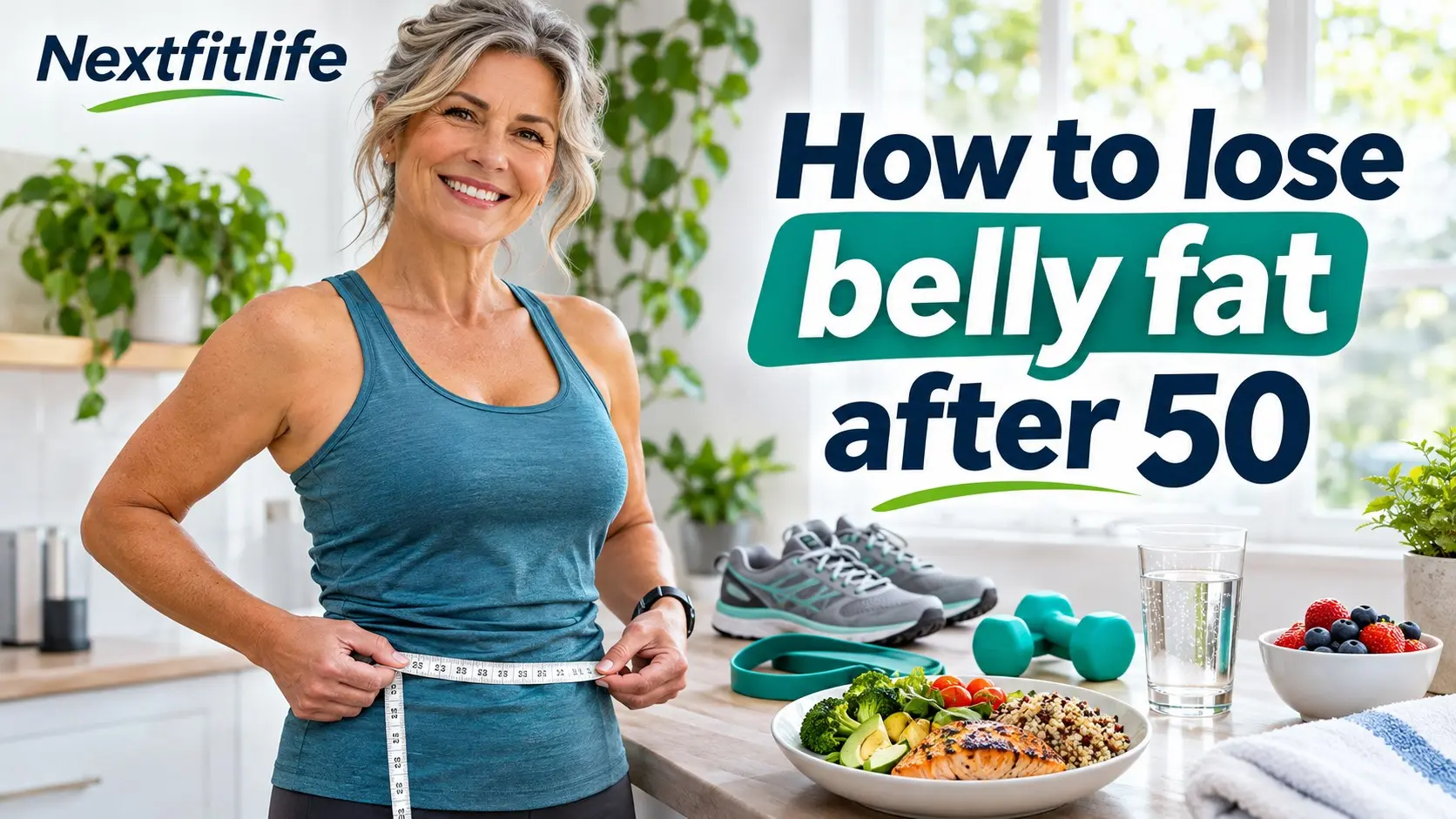
Learning how to lose belly fat after 50 can feel harder than it did years ago, but it is still possible.
Your body may have less muscle. You may move less during the day. Sleep may change. Menopause can change where women store fat, while age can also shift body composition in men.
The answer is not a detox, a miracle food, or hundreds of crunches. It is a plan that lowers total body fat while helping you protect muscle, strength, bone health, and daily function.
The best way to lose belly fat after 50 is to reduce total body fat gradually while protecting muscle. Use a modest calorie deficit, eat filling meals with protein and fiber, walk often, do strength training at least twice each week, sleep well, reduce excess alcohol, and track your waist over time. You cannot choose where fat leaves first, but visceral fat can decrease as your overall body fat and health improve.
This matters because belly fat is not just a cosmetic issue. Some abdominal fat sits deep around the organs, and higher levels can raise health risk.
This article is for general information and education. It does not replace medical advice, diagnosis, or treatment.
Speak with a healthcare professional before starting a new diet or exercise plan if you have heart disease, diabetes, kidney disease, liver disease, high blood pressure, osteoporosis, severe joint pain, balance problems, recent surgery, an eating disorder, or unexplained weight loss. Get urgent medical help for chest pain, fainting, severe trouble breathing, sudden weakness, confusion, or severe dizziness.
What You Will Learn
- Why belly fat can increase after 50
- What visceral fat is and why it matters
- How to measure your waist correctly
- The 9 most useful fat loss steps
- How much protein matters after 50
- Why strength training becomes more important
- How walking, sleep, and balance fit into the plan
- How menopause changes fat distribution
- How to track progress without losing muscle
Table of Contents
- Quick Answer
- Why Belly Fat May Increase After 50
- Visceral Fat vs Subcutaneous Fat
- How to Measure Your Waist
- 9 Proven Steps to Lose Belly Fat
- Best Diet After 50
- Protein and Muscle
- Walking and Cardio
- Strength Training
- Balance After 65
- Menopause and Belly Fat
- Sleep and Stress
- Realistic Results Timeline
- Common Mistakes
- When to Get Medical Advice
- Conclusion
- References and Sources
- Explore More Health and Wellness Guides
- About the Author
- Frequently Asked Questions
Why Belly Fat May Increase After 50
There is rarely one cause.
Several small changes can happen at the same time. You may lose muscle, move less, sleep differently, eat the same portions while needing less energy, or develop health problems that affect weight.
Muscle Can Decline With Age
Muscle loss with age can affect strength, balance, mobility, and daily energy use. It is often worse when activity falls.
This is one reason strength training after 50 matters so much. You do not only want a lower scale number. You want to keep useful muscle.
Daily Movement May Fall
Many people become less active without noticing.
You may sit more, drive more, walk less, or avoid movement because of knee, hip, or back pain.
Small changes in daily movement can reduce how much energy you use.
Sleep Can Change
Poor sleep can affect appetite, energy, food choices, exercise, and recovery.
If you snore loudly, wake gasping, or feel very sleepy during the day, ask a healthcare professional about sleep apnea.
Menopause Can Shift Fat Toward the Waist
Many women notice more belly fat after 50 during and after menopause.
Aging is a major driver of weight change, while lower estrogen can also shift more fat toward the abdomen instead of the hips and thighs.
This does not mean hormones make fat loss impossible. Food, movement, muscle, sleep, alcohol, stress, and health still matter.
Health Conditions and Medicines Can Matter
Thyroid disease, diabetes, sleep apnea, pain, depression, and some medicines can affect appetite, activity, fluid balance, or body weight.
A rapid or unexplained change deserves medical attention.
Visceral Fat vs Subcutaneous Fat
| Fat Type | Where It Sits | Why It Matters |
|---|---|---|
| Subcutaneous fat | Under the skin | Affects body shape and total body fat |
| Visceral fat | Deep inside the abdomen around organs | Linked with higher metabolic and cardiovascular risk |
You cannot measure visceral fat directly with a bathroom scale, but waist size can give useful information.
For a deeper explanation, visit the NextFitLife Belly Fat Loss Guide.
How to Measure Your Waist
- Stand upright and relax.
- Place a soft tape near the top of your hip bones.
- Keep the tape level around your body.
- Do not pull it into the skin.
- Breathe out normally.
- Read the number without sucking in your stomach.
Common U.S. guidance uses more than 35 inches for women and more than 40 inches for men as general points where weight related health risk may rise. These numbers are screening tools, not perfect rules for every person.
How to Lose Belly Fat After 50: 9 Proven Steps
1. Use a Modest Calorie Deficit
Body fat falls when your body uses more energy than you take in over time.
The gap does not need to be large. A very strict diet can leave you tired, hungry, and more likely to lose muscle.
2. Put Protein in Each Main Meal
Protein after 50 can help with fullness and muscle maintenance.
Useful foods include eggs, fish, chicken, lean meat, Greek yogurt, cottage cheese, beans, lentils, tofu, and tempeh.
3. Eat More Fiber Rich Foods
Vegetables, fruit, oats, beans, lentils, whole grains, nuts, and seeds can make meals more filling.
Increase fiber gradually if your current intake is low.
4. Walk Most Days
Walking after 50 is simple, flexible, and easy to adjust.
Start with 10 minutes if needed, then build time or pace slowly.
5. Strength Train at Least Twice a Week
Strength work helps protect muscle, bone, balance, and daily function.
You can use body weight, resistance bands, dumbbells, machines, or other safe resistance.
6. Build Toward 150 Minutes of Cardio
Brisk walking, cycling, swimming, dancing, and other aerobic activities can support fitness and fat loss.
Start below the full target if you are inactive now.
7. Protect Your Sleep
Sleep and weight loss are linked through appetite, energy, recovery, and daily habits.
Most adults need around seven to nine hours of sleep.
8. Reduce Liquid Calories and Excess Alcohol
Sweet drinks and alcohol can add energy without giving much fullness.
Water, plain tea, and coffee can be easier choices when they suit you.
9. Track More Than Scale Weight
Use weight, waist circumference, strength, walking pace, energy, and clothing fit together.
Your waist and fitness may improve even when the scale moves slowly.
Best Diet After 50 for Belly Fat Loss
There is no single best diet for every person over 50.
The best pattern is one that supports healthy weight loss without leaving you weak or underfed.
| Plate Area | Food Group | Examples | Main Benefit |
|---|---|---|---|
| About half | Vegetables and fruit | Broccoli, spinach, peppers, tomatoes, berries, apples | Fiber, volume, vitamins, minerals |
| About one quarter | Protein | Fish, eggs, chicken, yogurt, beans, tofu | Fullness and muscle support |
| About one quarter | Carbohydrate | Oats, potatoes, rice, beans, whole grains | Energy and useful nutrients |
| Small portion | Healthy fat | Olive oil, nuts, seeds, avocado | Flavor and useful fats |
You do not need to remove carbohydrates. Whole fruit, beans, oats, potatoes, rice, and whole grains can all fit.
If you need a full food structure, use the NextFitLife Belly Fat Loss Meal Plan.
A Simple Day of Food After 50
| Meal | Simple Example | Why It Helps |
|---|---|---|
| Breakfast | Greek yogurt, berries, oats, and nuts | Protein, fiber, and steady energy |
| Lunch | Chicken or lentils, vegetables, and potatoes | Protein and filling whole foods |
| Snack | Fruit with cottage cheese or yogurt | Simple protein and fiber |
| Dinner | Fish, vegetables, and brown rice | Balanced protein, produce, and carbohydrate |
How Much Protein Do You Need After 50?
There is no single perfect protein number for everyone.
Needs depend on body size, health, activity, and whether you are trying to lose weight.
A practical starting habit is to include a clear protein food with each main meal.
People with kidney disease or another condition that affects protein needs should get personal guidance from a healthcare professional or registered dietitian.
Walking After 50
Walking is one of the easiest ways to increase activity.
You can start with 10 minutes and build slowly. You can also split your walking into shorter sessions.
Walk for 10 minutes after breakfast, 10 minutes after lunch, and 10 minutes after dinner. That gives you 30 minutes without needing one long session.
You do not need to chase 10,000 steps immediately. Start from your real baseline.
For a structured plan, use the 12 Week Walking Workout Plan.
Strength Training After 50
Strength training becomes more important as you age because you want to lose fat without giving up muscle.
It can also support bone health, balance, and daily function.
| Exercise | Beginner Goal | Main Benefit |
|---|---|---|
| Chair squat | 6 to 10 reps | Leg strength and daily function |
| Wall push up | 6 to 10 reps | Upper body strength |
| Band row | 8 to 12 reps | Back and shoulder strength |
| Glute bridge | 8 to 12 reps | Hip strength |
| Farmer carry | 20 to 30 seconds | Grip, core, and walking strength |
Start with one round. Rest when needed. Add a second round when the first feels comfortable.
Use the 20 Exercises to Lose Belly Fat Safely guide for more ideas.
Balance Work After 65
If you are 65 or older, add balance exercises to your week.
Balance work can support confidence and reduce fall risk.
- Supported single leg standing
- Heel to toe walking
- Supported marching
- Slow chair rises
- Side stepping near a wall
Keep a chair, wall, or counter close. If you fall often or feel unsafe, ask a physical therapist for guidance.
Menopause and Belly Fat After 50
Menopause belly fat is real in the sense that body fat distribution can shift toward the waist after menopause.
However, menopause is not the only cause of weight gain. Aging, lower movement, lower muscle mass, sleep, food intake, alcohol, and genetics also matter.
Hormone therapy is not a belly fat drug. It may be used for suitable menopause symptoms after a medical assessment.
Women looking for a focused plan can also read NextFitLife Diet Guidance for Women Over 50.
Sleep and Stress After 50
Sleep does not melt belly fat, and stress does not explain every large waist.
Still, poor sleep and ongoing stress can make healthy eating and activity harder.
You may feel hungrier, move less, drink more alcohol, or skip workouts when you are tired or stressed.
Normal stress does not prove that you have a cortisol disorder. Reducing stress can support sleep, food choices, and movement, but it does not directly melt visceral fat.
For more detail, read Cortisol and Belly Fat.
How Fast Can You Lose Belly Fat After 50?
There is no exact belly fat clock.
You may lose fat from another area first. Your waist may change before your weight moves much, or your weight may move first.
The important goal after 50 is not to lose weight as fast as possible. It is to improve body composition while protecting muscle and health.
| Time | Main Focus | What to Watch |
|---|---|---|
| Week 1 | Build simple routines | Do not judge fat loss from water changes |
| Weeks 2 to 4 | Improve consistency | Track waist, weight trend, and strength |
| Weeks 5 to 8 | Review progress | Adjust one habit if needed |
| Month 3 and beyond | Maintain useful habits | Protect muscle and long term health |
A Simple 7 Day Starter Plan
Day 1
Measure your waist and take a 10 to 20 minute walk.
Day 2
Add a clear protein source to each main meal and do a short strength session.
Day 3
Walk again and add vegetables or fruit to at least two meals.
Day 4
Use gentle movement and plan enough time for sleep.
Day 5
Do your second strength session and reduce one high calorie drink.
Day 6
Take a longer easy walk or another cardio activity you enjoy.
Day 7
Review the week and keep the two habits that felt easiest to repeat.
Common Belly Fat Mistakes After 50
1. Chasing Spot Reduction
Crunches can make your stomach muscles stronger. They cannot make fat leave your waist first.
2. Dieting Too Aggressively
Very low food intake can increase fatigue and may raise the risk of losing muscle.
3. Doing Only Cardio
Cardio is useful, but strength training helps protect muscle and function.
4. Ignoring Balance
After 65, balance work becomes an important part of activity and fall prevention.
5. Blaming Hormones for Everything
Hormones can affect fat distribution, but food, movement, sleep, muscle, genetics, medicines, and health conditions matter too.
6. Trusting Detoxes or Supplements
No drink or supplement can target abdominal fat.
7. Looking Only at the Scale
Track your waist, strength, walking, blood pressure, blood sugar, and other health markers when relevant.
When Should You Speak With a Healthcare Professional?
- Your weight or waist changes very quickly
- You are losing weight without trying
- You have heart disease or diabetes
- You have kidney or liver disease
- You have osteoporosis or severe joint problems
- You fall often or have major balance problems
- You have symptoms of sleep apnea
- You take medicines that may affect body weight
- You have a history of an eating disorder
- You are considering prescription weight loss medicine
Get urgent medical help for chest pain, fainting, severe trouble breathing, sudden weakness, confusion, or another severe or rapidly worsening symptom.
Conclusion
If you want to know how to lose belly fat after 50, focus on the habits that protect your health as well as your waist.
Use a modest calorie deficit, eat enough protein, walk often, strength train, sleep well, reduce excess alcohol, and track your progress over several weeks.
Do not chase fast loss at the cost of muscle, bone health, or energy.
Your next step: choose one food change, one walking goal, and two short strength sessions for this week. Start there and build slowly.
References and Sources
- National Institute of Diabetes and Digestive and Kidney Diseases. Health Tips for Older Adults.
https://www.niddk.nih.gov/health-information/weight-management/healthy-eating-physical-activity-for-life/health-tips-for-older-adults - Centers for Disease Control and Prevention. What Counts as Physical Activity for Older Adults.
https://www.cdc.gov/physical-activity-basics/adding-older-adults/what-counts.html - Mayo Clinic. Belly fat in women: Taking and keeping it off.
https://www.mayoclinic.org/healthy-lifestyle/womens-health/in-depth/belly-fat/art-20045809 - Mayo Clinic. The reality of menopause and weight gain.
https://www.mayoclinic.org/healthy-lifestyle/womens-health/in-depth/menopause-weight-gain/art-20046058 - Mayo Clinic. Strength training: Get stronger, leaner, healthier.
https://www.mayoclinic.org/healthy-lifestyle/fitness/in-depth/strength-training/art-20046670
Explore More Health and Wellness Guides
Frequently Asked Questions
What is the best way to lose belly fat after 50?
Use a modest calorie deficit, eat enough protein and fiber, walk or do other aerobic activity, strength train at least twice each week, sleep well, and make changes you can maintain.
Why does belly fat increase after 50?
Age related muscle loss, lower daily movement, sleep changes, food intake, genetics, health conditions, medicines, and menopause can all contribute.
Can you target belly fat with exercise?
No. Ab exercises can strengthen your core, but they cannot make fat leave your stomach first. Belly fat decreases as part of overall fat loss.
Is walking good for belly fat after 50?
Yes. Walking can support fitness, energy use, and total fat loss. It is easy to adjust and can be split into short sessions.
How often should adults over 50 strength train?
At least two days each week is a useful goal for most adults when exercise is safe. Train the major muscle groups and progress gradually.
Does menopause make belly fat impossible to lose?
No. Menopause can shift fat toward the abdomen, but body fat can still decrease. Food, movement, strength training, sleep, and long term consistency still matter.
Do adults over 65 need balance training?
Yes. Older adults should include balance activities along with aerobic and muscle strengthening work to support function and reduce fall risk.
Should I eat less after 50?
Energy needs may fall with age, but extreme restriction is not a good answer. Use portions that support your goal while still meeting protein and nutrient needs.
How long does it take to lose belly fat after 50?
There is no fixed timeline. Progress depends on your starting body composition, food intake, activity, sleep, health, medicines, genetics, and consistency.
Can belly fat decrease even if the scale changes slowly?
Yes. Waist size, visceral fat, fitness, strength, blood pressure, and blood sugar can improve even when scale weight changes slowly.

