Last updated: July 24, 2026
Next review: July 2027, or sooner if chronic kidney disease guidance changes
Written by: Adel Galal, Founder and Lead Writer at NextFitLife
Review status: Written and source checked using current chronic kidney disease, kidney testing, medicine, nutrition, dialysis, transplantation, and conservative-care guidance. This article has not been medically reviewed by a nephrologist, physician, renal dietitian, pharmacist, or another licensed healthcare professional.
Reading time: About 22 minutes
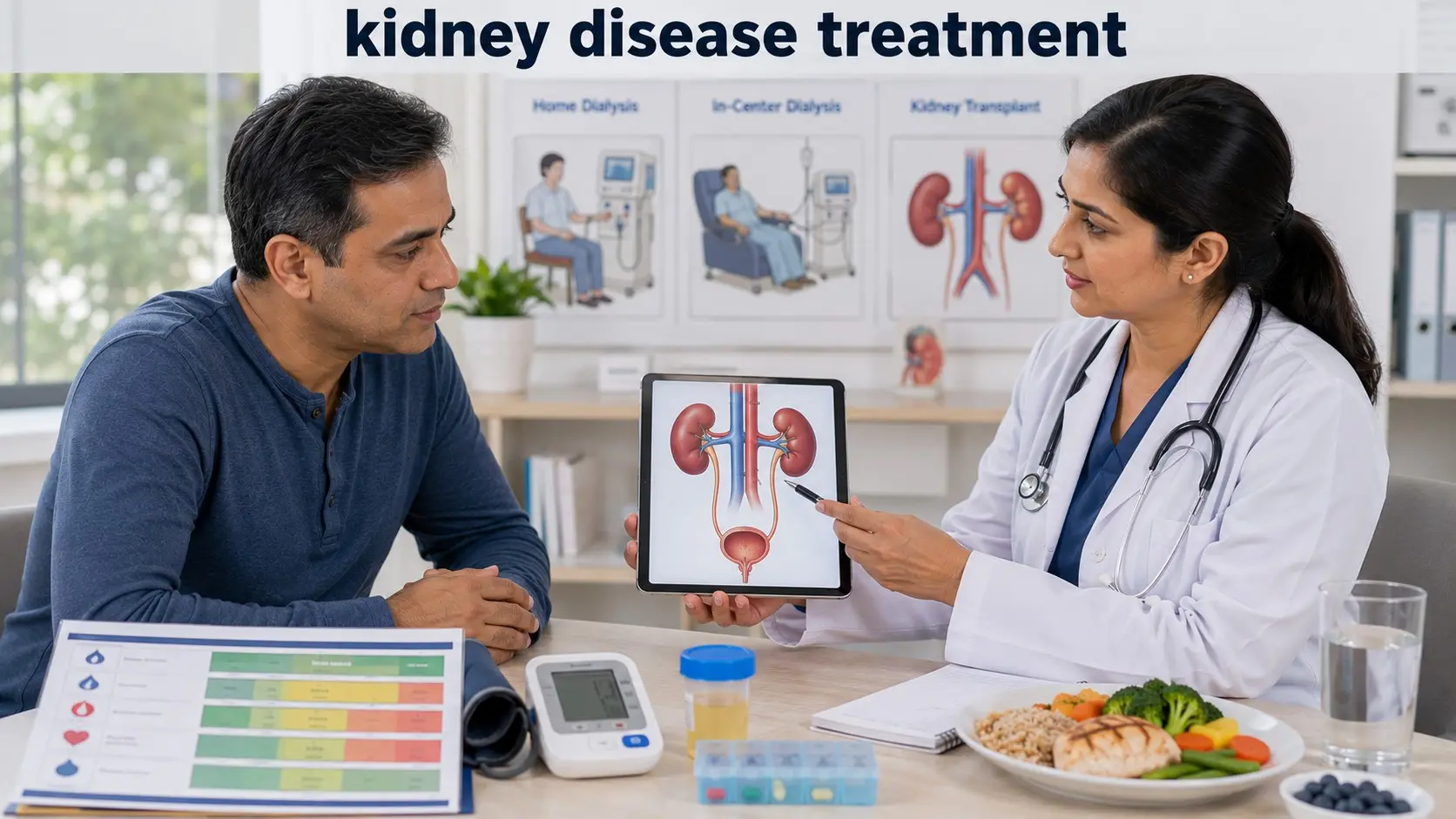
Quick Answer: How Is Chronic Kidney Disease Treated?
Kidney disease treatment depends on the cause, estimated kidney function, urine albumin level, symptoms, complications, and risk of progression. Chronic kidney disease cannot always be reversed, but treatment may slow further damage, reduce cardiovascular risk, manage symptoms, and delay kidney failure.
Care may include blood-pressure and diabetes management, kidney-protective medicines, regular eGFR and urine albumin tests, an individualized eating plan, physical activity, smoking cessation, and treatment for anemia, swelling, high potassium, acidosis, or bone and mineral disorders.
Advanced kidney disease may require education about hemodialysis, peritoneal dialysis, kidney transplantation, or comprehensive conservative management.
Dialysis is not started from an eGFR number alone. Symptoms, laboratory abnormalities, fluid status, quality of life, personal preferences, and overall health also matter.
Seek urgent medical care for a major reduction in urine, severe breathlessness, chest pain, confusion, seizures, fainting, rapidly worsening swelling, or severe vomiting and dehydration.
When Kidney Symptoms Need Urgent Medical Care
Contact an urgent medical service if you have:
- A sudden or major reduction in urine output
- Very little urine despite drinking normally
- Rapidly worsening swelling of the legs, abdomen, hands, or face
- Persistent vomiting or diarrhea
- Severe weakness or dehydration
- Visible blood in the urine
- Severe pain in the side or back
- Fever with urinary symptoms
- A rapidly rising creatinine result
- Severe or difficult-to-control blood pressure
- New severe itching with marked illness
Call your local emergency number or go to the nearest emergency department, emergency room, or A&E department for:
- Severe shortness of breath
- Chest pain or pressure
- Confusion or difficulty waking
- A seizure
- Fainting or collapse
- Severe muscle weakness
- Dangerous-feeling heart palpitations
- Very little or no urine with serious illness
- Cold, pale, blue, grey, or mottled skin
These symptoms may indicate acute kidney injury, severe fluid overload, dangerously high potassium, infection, urinary obstruction, or another medical emergency.
Medical and Editorial Notice
This article was written and source-checked by Adel Galal, Founder and Lead Writer at NextFitLife.
Adel is a health and wellness writer. He is not a nephrologist, physician, renal dietitian, pharmacist, dialysis nurse, transplant clinician, emergency clinician, or licensed healthcare professional.
This article is for educational purposes only. It cannot diagnose chronic kidney disease, interpret your laboratory results, select medicines, calculate a protein or fluid target, determine when dialysis should begin, or replace individual medical care.
Kidney treatment varies according to the underlying disease, age, pregnancy status, kidney function, albuminuria, blood pressure, diabetes, cardiovascular disease, nutrition, symptoms, and personal goals.
Do not start, stop, or change prescription medicine because of information on this page.
NextFitLife uses display advertising to support the website. Advertising does not determine the testing guidance, treatment information, dietary advice, emergency warnings, source selection, or conclusions on this page.
Read the Editorial Policy, Medical Review Policy, Corrections Policy, and Medical Disclaimer.
What Is Chronic Kidney Disease?
Chronic kidney disease, or CKD, means an abnormality of kidney structure or function that has been present for at least three months and has implications for health.
CKD may involve:
- A persistently reduced estimated glomerular filtration rate
- Albumin or protein leaking into urine
- Persistent blood in urine from a kidney cause
- Structural kidney abnormalities
- Abnormal kidney tissue found through biopsy
- A kidney transplant
- Another persistent marker of kidney damage
A single low eGFR result or positive urine test does not always confirm chronic kidney disease. Dehydration, infection, intense exercise, medicines, urinary blockage, or acute kidney injury can temporarily alter results.
Abnormal findings may therefore need to be repeated or compared with older records.
For a broader overview, read Chronic Kidney Disease: Causes, Symptoms, and Treatments.
What Do Healthy Kidneys Do?
The kidneys perform several essential jobs:
- Filter waste products from the blood
- Control fluid balance
- Regulate sodium, potassium, and other electrolytes
- Help control blood pressure
- Maintain acid and base balance
- Support red-blood-cell production
- Activate vitamin D for bone and mineral health
- Remove or process some medicines
Kidney disease can therefore affect far more than urine production.
What Is the Difference Between CKD and Acute Kidney Injury?
| Feature | Chronic kidney disease | Acute kidney injury |
|---|---|---|
| Timing | Persists for at least three months | Develops over hours or days |
| Common causes | Diabetes, high blood pressure, glomerular disease, inherited disease, or long-term obstruction | Dehydration, severe infection, low blood pressure, medicine toxicity, or sudden obstruction |
| Reversibility | Often cannot be fully reversed, although progression may be slowed | May improve when the cause is treated promptly |
| Treatment focus | Long-term kidney and cardiovascular protection | Urgent treatment of the immediate cause |
| Emergency potential | Advanced complications may be urgent | Can rapidly become an emergency |
A person can have acute kidney injury on top of existing CKD. This is sometimes called acute-on-chronic kidney injury.
Seek prompt care during vomiting, diarrhea, fever, severe infection, reduced urine output, or dehydration, particularly if you already have CKD.
What Are the Symptoms of Kidney Disease?
Early CKD often causes no obvious symptoms. Testing is therefore important for people with risk factors.
Symptoms that may appear as kidney disease progresses include:
- Fatigue
- Swelling of the ankles, feet, legs, hands, or face
- Shortness of breath
- Nausea or reduced appetite
- Unexplained weight change
- Itching
- Muscle cramps
- Restless legs
- Sleep difficulty
- Difficulty concentrating
- Changes in urination
- Foamy urine
- Blood in urine
These symptoms are not specific to CKD. Blood and urine tests are needed to identify the cause.
What Causes Chronic Kidney Disease?
Possible causes include:
- Diabetes
- High blood pressure
- Glomerulonephritis
- Polycystic kidney disease
- Lupus and other autoimmune diseases
- Repeated kidney infections
- Long-term urinary obstruction
- Kidney stones in selected cases
- Congenital kidney or urinary-tract abnormalities
- Inherited kidney disorders
- Some medicines or toxins
- Previous acute kidney injury
Correctly identifying the cause matters because treatment for diabetic CKD differs from treatment for lupus nephritis, polycystic kidney disease, obstruction, or another kidney disorder.
Read Kidney Disease: Symptoms, Causes, Stages, and Daily Care.
Which Tests Guide Kidney Disease Treatment?
| Test | What it evaluates | Why it matters |
|---|---|---|
| Serum creatinine and eGFR | Estimated kidney filtration | Helps classify the G category and monitor change |
| Urine albumin-to-creatinine ratio | Albumin leaking into urine | Helps classify the A category, estimate risk, and guide medicine choices |
| Urinalysis | Blood, protein, infection, glucose, and other findings | May identify kidney damage or another urinary condition |
| Blood pressure | Pressure affecting kidney and cardiovascular health | High blood pressure can cause and accelerate CKD |
| Potassium and electrolytes | Mineral and salt balance | Abnormal levels may affect medicine, diet, and emergency risk |
| Bicarbonate | Acid and base balance | A low result may indicate metabolic acidosis |
| Complete blood count | Red blood cells and anemia | CKD may reduce red-cell production |
| Iron tests | Iron availability and storage | Helps determine the cause and treatment of anemia |
| Calcium, phosphorus, vitamin D, and PTH | Bone and mineral balance | Advanced CKD may cause mineral and bone disorder |
| A1C or glucose | Blood-glucose control | Diabetes is a major cause and progression factor |
| Kidney ultrasound | Kidney size, structure, cysts, stones, or obstruction | May help identify the underlying cause |
Additional Tests in Selected Cases
Depending on the suspected cause, doctors may also use:
- Urine microscopy
- Urine protein-to-creatinine ratio
- Cystatin C
- Autoimmune blood tests
- Viral infection tests
- Genetic testing
- CT or MRI
- Kidney biopsy
A kidney biopsy may be recommended when tissue information could clarify the diagnosis, predict outcome, or change treatment.
What Do eGFR and UACR Mean?
Estimated Glomerular Filtration Rate
Estimated glomerular filtration rate, or eGFR, estimates how effectively the kidneys filter blood.
It is usually calculated from serum creatinine, age, and other validated variables. Cystatin C may improve accuracy in selected situations.
eGFR is reported in milliliters per minute per 1.73 square meters of body-surface area.
Urine Albumin-to-Creatinine Ratio
Urine albumin-to-creatinine ratio, or UACR, measures albumin relative to creatinine in a urine sample.
It may be reported as:
- Milligrams of albumin per gram of creatinine, or mg/g
- Milligrams of albumin per millimole of creatinine, or mg/mmol
A first-morning midstream sample is often preferred for confirmation.
Exercise, fever, infection, menstruation, high blood glucose, and temporary illness can affect urine albumin results.
How Are CKD Stages Classified?
CKD is classified using the underlying cause, the GFR category, and the albuminuria category.
GFR Categories
| Category | eGFR in mL/min/1.73 m² | Description |
|---|---|---|
| G1 | 90 or higher | Normal or high filtration with another marker of kidney damage |
| G2 | 60 to 89 | Mildly reduced filtration with another marker of kidney damage |
| G3a | 45 to 59 | Mildly to moderately reduced filtration |
| G3b | 30 to 44 | Moderately to severely reduced filtration |
| G4 | 15 to 29 | Severely reduced filtration |
| G5 | Below 15 | Kidney failure |
G1 or G2 alone does not establish CKD when there is no other marker of kidney damage.
Albuminuria Categories
| Category | UACR in mg/g | UACR in mg/mmol | Description |
|---|---|---|---|
| A1 | Below 30 | Below 3 | Normal to mildly increased |
| A2 | 30 to 300 | 3 to 30 | Moderately increased |
| A3 | Above 300 | Above 30 | Severely increased |
Risk cannot be determined from eGFR alone. A person with a relatively preserved eGFR and substantial albuminuria may still have a high risk of progression and cardiovascular disease.
How Often Should Kidney Tests Be Repeated?
Monitoring frequency depends on:
- GFR category
- Albuminuria category
- Rate of change
- Cause of CKD
- Medicine changes
- Diabetes and blood pressure
- Risk of kidney failure
- Symptoms and complications
Many people with stable CKD require eGFR and albuminuria testing at least annually. Higher-risk disease may require testing several times a year.
Kidney function and potassium are commonly rechecked after starting or increasing medicines that affect the renin–angiotensin system or potassium balance.
What Are the Main Goals of Kidney Disease Treatment?
- Identify and treat the underlying cause
- Slow loss of kidney function
- Reduce albuminuria when possible
- Control blood pressure
- Manage diabetes safely
- Reduce heart attack, stroke, and heart-failure risk
- Treat swelling and fluid overload
- Prevent dangerous potassium abnormalities
- Treat anemia, acidosis, and bone or mineral problems
- Maintain nutrition, strength, and quality of life
- Prepare early for kidney-failure choices when needed
Which Medicines May Slow Chronic Kidney Disease?
The appropriate medicine depends on the cause, eGFR, albuminuria, blood pressure, diabetes, potassium, cardiovascular disease, pregnancy potential, and other medicines.
ACE Inhibitors and ARBs
Angiotensin-converting enzyme inhibitors and angiotensin receptor blockers may lower blood pressure, reduce albuminuria, and protect kidney function.
They are particularly important for many people with increased urine albumin.
Safety monitoring may include:
- Blood pressure
- Serum creatinine
- eGFR
- Potassium
ACE inhibitors and ARBs should not normally be combined with each other.
An early creatinine change does not automatically mean the medicine is damaging the kidneys. The prescriber should interpret the size of the change, potassium, blood pressure, fluid status, and other factors.
SGLT2 Inhibitors
Sodium-glucose cotransporter-2 inhibitors are kidney- and heart-protective medicines for many eligible adults with CKD.
They may be considered for some people with:
- Type 2 diabetes and CKD
- Albuminuria
- Heart failure
- CKD without diabetes when eligibility criteria are met
Possible issues include genital infections, volume depletion, and rare ketoacidosis.
A clinician may advise temporarily withholding an SGLT2 inhibitor during prolonged fasting, major surgery, or critical illness. Follow an individualized written plan rather than stopping it routinely.
Nonsteroidal Mineralocorticoid Receptor Antagonists
A nonsteroidal mineralocorticoid receptor antagonist may be considered for selected adults with type 2 diabetes, persistent albuminuria, suitable kidney function, and normal potassium despite standard treatment.
Regular potassium monitoring is important.
GLP-1 Receptor Agonists
A long-acting glucagon-like peptide-1 receptor agonist may be considered for selected adults with type 2 diabetes and CKD when individualized glucose goals have not been reached or other first-line medicines cannot be used.
The specific choice should consider cardiovascular benefit, kidney function, weight, side effects, and treatment preferences.
Statins and Cardiovascular Medicines
CKD substantially increases cardiovascular risk. Statin-based treatment may be recommended according to age, eGFR, cardiovascular disease, dialysis status, and overall risk.
Antiplatelet or other cardiovascular medicine is used only when there is a separate clinical indication.
How Should Blood Pressure Be Managed With CKD?
Blood-pressure treatment is one of the most important parts of CKD care.
KDIGO suggests a standardized office systolic blood-pressure target below 120 mm Hg for many adults with high blood pressure and CKD when tolerated.
This target:
- Requires standardized measurement
- Is not identical to an ordinary rushed clinic reading
- Must be individualized
- May be less intensive for frailty, falls, postural dizziness, or limited life expectancy
Home blood-pressure readings can help identify trends, but the target should be agreed with the treating clinician.
How Are Diabetes and Kidney Disease Treated Together?
Diabetes care may include:
- Individualized blood-glucose targets
- An SGLT2 inhibitor when suitable
- Metformin when kidney function and other factors permit
- A GLP-1 receptor agonist for selected people
- Insulin or another glucose-lowering medicine
- Blood-pressure and lipid treatment
- Regular eGFR and UACR monitoring
Kidney disease can alter medicine clearance and increase the risk of low blood sugar. Diabetes treatment may therefore need adjustment as eGFR declines.
Read Diabetes and Kidney Disease: Testing, Treatment, and Prevention.
How Are CKD Complications Treated?
| Complication | Possible treatment approach |
|---|---|
| Swelling or fluid overload | Sodium adjustment, diuretics, fluid guidance, and treatment of heart or kidney causes |
| Anemia | Iron assessment, iron replacement, and selected red-cell-stimulating treatment |
| High potassium | Medicine review, dietary assessment, treatment of constipation or acidosis, and potassium-lowering medicine |
| Metabolic acidosis | Dietary or alkali treatment in selected people with monitoring |
| CKD mineral and bone disorder | Phosphorus management, vitamin D-related treatment, and other specialist therapy when indicated |
| High blood pressure | Kidney-protective medicine, diuretics, calcium-channel blockers, and lifestyle measures |
| Itching | Skin care, dialysis optimization when relevant, and targeted medicine |
| Nausea or reduced appetite | Evaluation of uremia, medicine effects, nutrition, and other causes |
| Restless legs or cramps | Iron assessment, medicine review, activity, and targeted symptom care |
Not every person with CKD develops these complications or needs these treatments.
Which Medicines and Supplements Can Be Risky With Kidney Disease?
Kidney disease can change how medicines are removed from the body. Some products require a lower dose, a longer interval, or an alternative.
Ask a clinician or pharmacist before using:
- Ibuprofen, naproxen, or another nonsteroidal anti-inflammatory drug
- Cold and flu remedies containing an NSAID or decongestant
- Magnesium-containing laxatives or antacids
- Potassium supplements
- Salt substitutes containing potassium chloride
- Herbal kidney cleanses or detox products
- Creatine supplements
- High-dose protein powders
- Unregulated weight-loss or bodybuilding products
Imaging contrast is not automatically prohibited in CKD. The radiology and kidney teams should assess the indication, type of contrast, kidney function, acute illness, and individual risk.
Do not stop a prescription medicine independently.
What Should You Do During Vomiting, Diarrhea, or Fever?
Acute illness can increase dehydration and kidney-injury risk.
Contact your care team for a personalized sick-day plan if you take:
- Diuretics
- ACE inhibitors or ARBs
- SGLT2 inhibitors
- Metformin
- NSAIDs
- Other medicines affected by dehydration or kidney function
Blanket stopping rules are not safe for everyone. Ask which medicine to pause, when to restart it, and when laboratory testing is needed.
What Is the Best Diet for Kidney Disease?
There is no single renal diet for every person with CKD.
The safest plan considers:
- CKD cause and stage
- eGFR and UACR
- Blood potassium and phosphorus
- Bicarbonate
- Blood pressure and swelling
- Diabetes
- Appetite and body weight
- Muscle mass and frailty
- Dialysis or transplant status
- Medicines
Many people benefit from a diverse pattern based on minimally processed foods, more plant-based foods when suitable, and fewer ultraprocessed products.
Potassium, phosphorus, protein, sodium, and fluids should be individualized by a renal dietitian rather than restricted automatically.
Read Diet for Kidney Disease: Foods and a Safer Eating Guide.
How Much Sodium Should You Eat With CKD?
For many adults with CKD, guidance suggests consuming less than 2 grams of sodium per day, equivalent to approximately 5 grams of salt.
Reducing sodium may help:
- Lower blood pressure
- Reduce swelling
- Improve the effect of blood-pressure medicine
- Reduce thirst during fluid restriction
High-sodium sources often include:
- Processed meat
- Instant noodles
- Packaged soup
- Fast food
- Salty snacks
- Commercial sauces
- Pickled products
- Many frozen meals
Sodium restriction is not appropriate for every kidney disorder. People with salt-wasting conditions need individualized instructions.
Do not replace ordinary salt with potassium chloride unless the kidney team approves it.
Should Protein Be Restricted With CKD?
Protein needs vary by CKD stage, dialysis status, age, nutrition, pregnancy, and illness.
For many metabolically stable adults with CKD stages G3 to G5 who are not receiving dialysis, guidance suggests approximately 0.8 grams of protein per kilogram of body weight each day.
Very high protein intake may accelerate kidney stress in people at risk of progression.
However, low-protein diets may be unsafe for:
- People with malnutrition
- Older adults with frailty or muscle loss
- People recovering from major illness or surgery
- Pregnant people
- Children
- Many people receiving dialysis
A very-low-protein diet should only be used under close specialist and dietitian supervision.
Should Potassium Be Restricted With Kidney Disease?
Do not restrict potassium automatically.
The decision should consider:
- Blood-potassium results
- eGFR
- Medicines
- Diabetes control
- Metabolic acidosis
- Constipation
- Food preparation
- Dialysis type
Many potassium-containing foods also provide fiber and other nutrients.
When potassium is high, a renal dietitian may focus on:
- Potassium additives in processed food
- Portion sizes
- Salt substitutes
- Constipation treatment
- Medicine interactions
- Appropriate food preparation
Dangerously high potassium may cause muscle weakness, palpitations, abnormal heart rhythm, collapse, or no symptoms at all. Severe hyperkalemia requires urgent treatment.
Should Phosphorus Be Restricted With CKD?
Phosphorus restriction is usually based on blood results, CKD stage, parathyroid hormone, bone health, and the overall dietary pattern.
Do not automatically eliminate all dairy, beans, nuts, or whole grains.
Phosphate additives in highly processed food are often absorbed more readily than naturally occurring phosphorus.
Common additive-containing products may include:
- Processed meat
- Cola
- Processed cheese
- Some baking mixes
- Some packaged drinks
- Fast food
Check ingredient lists for terms containing “phos.”
Phosphate binders are used only when prescribed and are generally taken with food as directed.
How Much Water Should You Drink With CKD?
There is no universal six-to-eight-cup rule for chronic kidney disease.
Fluid needs depend on:
- Urine output
- Swelling
- Heart function
- Blood-sodium level
- Diuretic use
- Dialysis
- Climate and activity
- Vomiting, diarrhea, or fever
People with early, stable CKD often do not need a fluid restriction unless another condition requires one.
People with kidney failure, severe swelling, low urine output, heart failure, or dialysis may need a daily fluid target.
Drinking excessive water does not restore damaged kidney filters and can cause dangerous fluid or sodium imbalance.
Follow the fluid amount given by your kidney team rather than forcing water.
10 Daily Steps That May Slow CKD Progression
1. Know Your eGFR and UACR
Ask for both numbers and whether they are stable, improving, or worsening.
2. Monitor Blood Pressure
Use a validated upper-arm monitor and follow instructions about timing, posture, cuff size, and recording results.
3. Manage Diabetes
Follow an individualized glucose plan and attend kidney, eye, foot, and cardiovascular checks.
4. Take Medicines as Prescribed
Use reminders or a medication organizer and request a pharmacist review when the regimen becomes complex.
5. Review Nonprescription Products
Tell the care team about pain relievers, vitamins, protein powders, herbal remedies, and traditional medicines.
6. Reduce Sodium
Choose minimally processed foods and compare sodium on labels.
7. Follow Personalized Nutrition Advice
Do not copy another person’s potassium, phosphorus, protein, or fluid restrictions.
8. Stay Physically Active
Aim for regular activity at a level suited to your health, mobility, and fall risk.
Walking, cycling, swimming, resistance exercise, or supervised rehabilitation may be appropriate.
9. Stop Smoking
Smoking increases cardiovascular and kidney risk. Counseling and cessation medicine may improve the likelihood of success.
10. Attend Monitoring and Follow-Up
Regular care can identify eGFR decline, albuminuria, high potassium, anemia, acidosis, and bone problems before severe symptoms develop.
Can Exercise Improve Kidney Function?
Exercise does not regrow damaged kidney tissue, but regular activity may support:
- Blood-pressure control
- Blood-glucose control
- Cardiovascular health
- Muscle strength
- Energy
- Sleep
- Mood
- Weight management
Start gradually if you are inactive, frail, anemic, breathless, or receiving dialysis.
Stop and seek medical advice for chest pain, fainting, severe breathlessness, or unusual weakness.
What Role Do Sleep and Stress Management Play?
Stress reduction does not directly repair kidney filters, but it may support blood-pressure control, sleep, treatment adherence, and quality of life.
Helpful options may include:
- Regular sleep routines
- Breathing exercises
- Mindfulness
- Counseling
- Kidney support groups
- Social-work assistance
- Financial or transport support
Mental-health symptoms deserve professional care rather than being dismissed as an expected part of kidney disease.
When Should You See a Nephrologist?
A referral to a kidney specialist may be appropriate for:
- Advanced CKD
- Rapid loss of eGFR
- High or rising kidney-failure risk
- Substantial albuminuria
- Persistent blood in urine from a suspected kidney cause
- Resistant high blood pressure
- Repeated high potassium
- Persistent acidosis
- Suspected glomerulonephritis
- Inherited or structural kidney disease
- Unexplained CKD
- Preparation for dialysis or transplantation
Referral thresholds differ between health systems and may also use a kidney-failure risk calculator.
What Is the Kidney Failure Risk Equation?
The Kidney Failure Risk Equation, or KFRE, estimates the chance that a person with selected stages of CKD will require kidney replacement therapy within a defined period.
It commonly uses:
- Age
- Sex
- eGFR
- Urine ACR
It may help guide:
- Nephrology referral
- Frequency of monitoring
- Dialysis education
- Vascular-access planning
- Transplant assessment
A risk estimate supports clinical decision-making but does not replace individual assessment.
What Happens When Kidney Disease Becomes Advanced?
Advanced CKD care should begin before a crisis.
Education may cover:
- In-center hemodialysis
- Home hemodialysis
- Peritoneal dialysis
- Living-donor transplantation
- Deceased-donor transplantation
- Preemptive transplantation
- Comprehensive conservative management
The best option depends on health, home circumstances, treatment goals, support, expected benefits, and personal preferences.
When Is Dialysis Considered?
Dialysis is considered from a combination of:
- Symptoms
- Laboratory abnormalities
- Fluid status
- Nutrition
- Quality of life
- Personal preferences
- eGFR
Possible reasons to start dialysis include:
- Uncontrolled fluid overload
- Dangerous potassium or acid abnormalities
- Uremic symptoms
- Pericarditis linked to kidney failure
- Progressive nutritional decline
- Symptoms that cannot be managed adequately with medical treatment
This often, but not always, occurs when eGFR is very low. Dialysis should not begin from a single threshold alone.
Hemodialysis
Hemodialysis passes blood through an external filter and returns it to the body.
It may be performed:
- In a dialysis center
- At home after training
- On conventional, short-daily, or nocturnal schedules where available
Access may use an arteriovenous fistula, graft, or catheter.
Peritoneal Dialysis
Peritoneal dialysis uses the lining of the abdomen as a filter.
Types include:
- Continuous ambulatory peritoneal dialysis
- Automated peritoneal dialysis using a nighttime machine
It is usually performed at home after training.
| Option | How it works | Important considerations |
|---|---|---|
| In-center hemodialysis | Blood is filtered through a dialysis machine | Uses a regular center schedule and trained staff |
| Home hemodialysis | Hemodialysis is performed at home after training | May offer more flexible schedules but requires suitable support and space |
| Peritoneal dialysis | The abdominal lining filters waste and fluid | Usually performed at home manually or with a nighttime machine |
Dialysis replaces some kidney functions but does not cure kidney failure.
Who May Qualify for a Kidney Transplant?
A kidney transplant places a healthy donor kidney into the body.
The donor may be:
- A living donor
- A deceased donor
Evaluation may assess:
- Heart and lung health
- Infection and cancer risk
- Blood-group and tissue compatibility
- Ability to take anti-rejection medicine
- General surgical risk
- Psychological and social support
Some people may receive a transplant before dialysis begins. This is called preemptive transplantation.
A transplant is a treatment rather than a cure. Lifelong follow-up and immunosuppressive medicine are usually required.
What Is Comprehensive Conservative Kidney Management?
Comprehensive conservative management is active care for people who choose not to receive dialysis or transplantation, or for whom those treatments may offer limited benefit.
It may include:
- Treatment of anemia, swelling, nausea, itching, and breathlessness
- Blood-pressure and fluid management
- Nutrition support
- Medicine review
- Psychological and spiritual support
- Advance-care planning
- Family and caregiver support
- Palliative care when appropriate
Choosing conservative management does not mean receiving no treatment.
The decision should follow informed discussion about expected benefits, burdens, prognosis, quality of life, and personal values.
What Supportive Care Is Available for Kidney Disease?
Supportive kidney care may be used alongside CKD medicines, dialysis, transplantation, or conservative management.
It may address:
- Pain
- Itching
- Nausea
- Breathlessness
- Fatigue
- Sleep problems
- Restless legs
- Anxiety or depression
- Caregiver stress
- Advance-care planning
Palliative care can be introduced at any stage of a serious illness and is not limited to the final days of life.
What Should You Avoid Doing?
- Do not diagnose CKD from one abnormal test.
- Do not force excessive water intake.
- Do not restrict potassium without a reason.
- Do not eliminate phosphorus-rich nutritious foods automatically.
- Do not follow a very-low-protein diet without supervision.
- Do not use herbal kidney cleanses.
- Do not take potassium or magnesium supplements without approval.
- Do not use NSAIDs repeatedly without checking safety.
- Do not stop kidney-protective medicine independently.
- Do not skip laboratory monitoring.
- Do not wait for severe symptoms before discussing kidney-failure choices.
- Do not assume dialysis is the only option for every person with kidney failure.
How Should You Prepare for a Kidney Appointment?
Bring or record:
- Recent eGFR and creatinine results
- Urine ACR results
- Home blood-pressure readings
- Blood-glucose readings when relevant
- Every prescription medicine
- Nonprescription medicine and supplements
- Changes in urine output
- Swelling or breathlessness
- Appetite and weight changes
- Muscle cramps, itching, nausea, or fatigue
- Recent vomiting, diarrhea, fever, or infection
- Questions about food and fluid restrictions
What Questions Should You Ask Your Kidney Care Team?
- What is the cause of my kidney disease?
- Has it been present for at least three months?
- What are my current eGFR and UACR categories?
- How quickly is my kidney function changing?
- What is my risk of kidney failure?
- Which medicines protect my kidneys?
- When should creatinine and potassium be rechecked?
- What is my blood-pressure target?
- Should I limit sodium, protein, potassium, phosphorus, or fluids?
- Can I use my current pain medicine and supplements?
- Do I need a renal dietitian?
- Do I have anemia, acidosis, or mineral and bone disorder?
- When should I see a nephrologist?
- When should dialysis and transplant education begin?
- Would conservative kidney management be an option?
- Which symptoms require emergency care?
Key Takeaway
Kidney disease treatment is individualized using the underlying cause, eGFR, urine albumin, symptoms, complications, and progression risk.
CKD usually requires abnormalities to persist for at least three months and should not be diagnosed from one isolated result.
Kidney-protective care may include blood-pressure management, ACE inhibitors or ARBs, SGLT2 inhibitors, diabetes treatment, cardiovascular protection, regular monitoring, and treatment of anemia, swelling, acidosis, high potassium, or bone and mineral problems.
A kidney diet is not a universal list of banned foods. Sodium, protein, potassium, phosphorus, and fluids should be matched to laboratory results and individual needs.
Advanced CKD choices may include hemodialysis, peritoneal dialysis, kidney transplantation, or comprehensive conservative management.
Severe breathlessness, chest pain, confusion, seizures, collapse, dangerous palpitations, or very little urine with serious illness requires emergency care.
References and Authoritative Sources
KDIGO 2024 Clinical Practice Guideline for the Evaluation and Management of Chronic Kidney Disease
KDIGO 2024 CKD Guideline Executive Summary
National Institute of Diabetes and Digestive and Kidney Diseases: Chronic Kidney Disease
NIDDK: Tests and Diagnosis for Chronic Kidney Disease
NIDDK: Managing Chronic Kidney Disease
NIDDK: Choosing a Treatment for Kidney Failure
NIDDK: Hemodialysis
NIDDK: Peritoneal Dialysis
NIDDK: Kidney Transplant
NHS: Chronic Kidney Disease Treatment
NHS: Acute Kidney Injury
National Kidney Foundation: Nutrition and Kidney Disease
Source review date: July 24, 2026
Frequently Asked Questions
What is the main treatment for chronic kidney disease?
Treatment may include controlling blood pressure and diabetes, kidney-protective medicines, regular eGFR and urine albumin testing, personalized nutrition, smoking cessation, physical activity, and treatment of CKD complications.
Can chronic kidney disease be reversed?
Many forms of CKD cannot be completely reversed, but treating the cause and risk factors may slow progression. Some kidney abnormalities caused by obstruction, medicine effects, inflammation, or acute illness may improve with appropriate treatment.
Can one low eGFR result diagnose CKD?
No. CKD generally requires evidence of kidney abnormality lasting at least three months. A low result may need to be repeated or compared with previous tests.
What two tests are most important for CKD?
Estimated glomerular filtration rate assesses kidney filtration, while urine albumin-to-creatinine ratio measures albumin leaking into urine. Both contribute to diagnosis and risk assessment.
What does an eGFR below 60 mean?
An eGFR below 60 may indicate reduced kidney filtration. CKD is generally confirmed when the reduction persists for at least three months or another chronic marker of kidney damage is present.
What medicines protect the kidneys?
Depending on the individual condition, kidney-protective medicines may include an ACE inhibitor, ARB, SGLT2 inhibitor, or other treatment for diabetes, blood pressure, and cardiovascular risk.
Can someone without diabetes take an SGLT2 inhibitor?
Some adults with CKD without diabetes may benefit from an SGLT2 inhibitor when clinical eligibility criteria are met. The decision depends on eGFR, albuminuria, heart failure, risks, and other factors.
Should everyone with CKD avoid bananas and potatoes?
No. Potassium restriction depends on blood-potassium results, medicines, kidney function, constipation, and other factors. Many people with CKD do not need to avoid every potassium-rich food.
Should everyone with kidney disease follow a low-protein diet?
No. Protein needs depend on CKD stage, dialysis, age, nutrition, pregnancy, and illness. Restricting protein too much may cause malnutrition and muscle loss.
How much water should someone with CKD drink?
There is no universal amount. Fluid needs depend on urine output, swelling, heart function, sodium, dialysis, medicines, climate, and acute fluid losses.
Are NSAID pain medicines safe with CKD?
NSAIDs such as ibuprofen and naproxen can cause kidney injury or worsen CKD in some people. Ask a clinician or pharmacist before using them.
When should a person with CKD see a nephrologist?
Referral may be appropriate for advanced or rapidly progressing CKD, substantial albuminuria, resistant blood pressure, repeated high potassium, suspected glomerular disease, unexplained CKD, or kidney-failure planning.
At what eGFR does dialysis begin?
Dialysis is not started from eGFR alone. The decision uses symptoms, laboratory abnormalities, fluid status, nutrition, quality of life, preferences, and overall health.
What is the difference between hemodialysis and peritoneal dialysis?
Hemodialysis filters blood through an external machine. Peritoneal dialysis uses the lining of the abdomen as a filter and is usually performed at home.
Can a kidney transplant cure kidney failure?
A transplant can replace much of the lost kidney function but is considered a treatment rather than a cure. Lifelong follow-up and anti-rejection medicine are usually required.
What is conservative kidney management?
It is active treatment focused on symptoms, quality of life, nutrition, advance-care planning, and family support without dialysis or transplantation.
When is kidney disease an emergency?
Seek emergency help for severe breathlessness, chest pain, confusion, seizures, collapse, dangerous palpitations, or very little urine with serious illness.
Is this article medically reviewed?
No. It was written and source checked using authoritative kidney-health guidance, but it has not been medically reviewed by a licensed healthcare professional.

Health & wellness writer with 30+ years of experience in nutrition, fitness, and healthy aging. Founder of NextFitLife.com — evidence-based health guidance.