Published: September 2, 2025
Last Updated: August 8, 2026
Next Review: August 2027, or earlier if important liver-health guidance changes
Written and Source Checked by: Adel Galal, Founder and Editor of NextFitLife
Review Status: Editorially reviewed and source checked. Not medically reviewed by a physician, hepatologist, pharmacist, or registered dietitian.
If you are searching for a liver detox, the most important fact is that no commercial cleanse has been proven to flush toxins from the liver, reverse liver scarring, or erase the effects of heavy alcohol use. The advertisements may recommend a special tea, juice cleanse, fasting plan, powder, or supplement stack.
That is not how the liver works.
Your liver already processes nutrients, alcohol, medicines, hormones, and waste products every day. It also produces bile, stores energy, makes important proteins, and helps regulate many chemical processes in the body.
The goal is not to force the liver to “flush” itself. The safer goal is to reduce avoidable liver stress, support overall metabolic health, and seek appropriate medical care when symptoms or risk factors are present. For broader guidance, visit the Liver Health Hub.
Quick Answer: Does a Liver Detox Work?
Most commercial liver detox cleanses are not proven to remove toxins, reverse liver damage, or cure fatty liver disease.
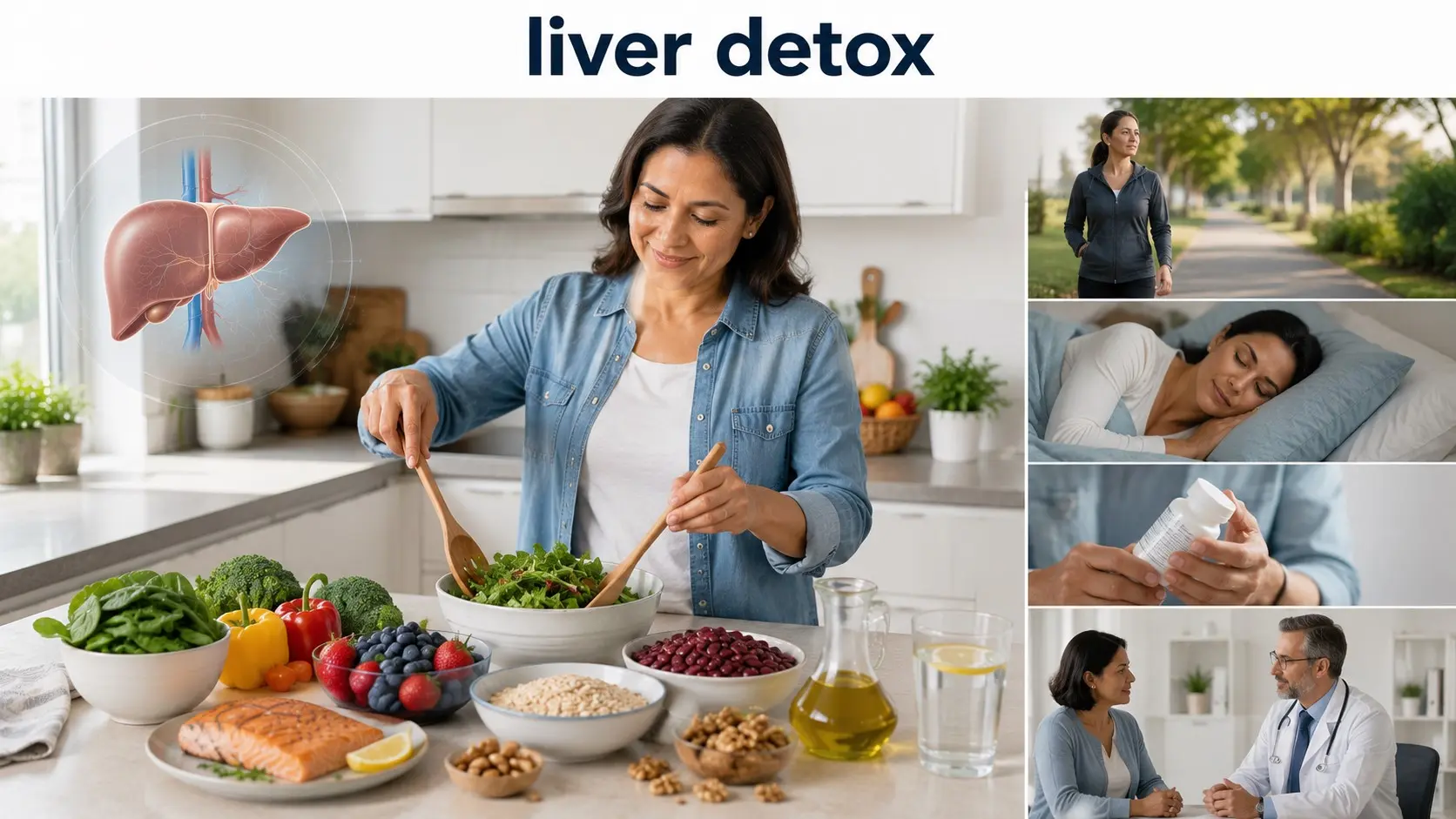
A safer “liver detox” means supporting normal liver function through practical habits. These may include limiting or avoiding alcohol, eating balanced meals, replacing sugary drinks, moving regularly, managing weight gradually when appropriate, controlling blood sugar and cholesterol, using medicines correctly, avoiding risky supplements, protecting against viral hepatitis, and getting medical care when needed.
Water, lemon water, tea, and smoothies may support hydration or replace sugary drinks. They do not flush toxins, remove liver fat, repair liver scarring, or treat liver disease.
Important Medical Safety Note
This guide is for general education. It cannot diagnose fatty liver disease, hepatitis, cirrhosis, alcohol-associated liver disease, gallbladder disease, medication-related liver injury, liver cancer, or another medical condition.
Do not stop prescribed medicine, begin a restrictive cleanse, take high-dose supplements, or suddenly stop heavy long-term alcohol use based only on an online article.
Seek urgent medical care for yellow skin or eyes, vomiting blood, black stools, severe abdominal swelling, severe upper abdominal pain, confusion, fainting, difficulty breathing, unusual sleepiness, or rapidly worsening symptoms.
What Does Your Liver Do?
The liver is a large organ with hundreds of important functions. It works continuously rather than waiting for a cleanse to activate it.
Your liver helps:
- Process carbohydrates, fats, and proteins
- Convert nutrients into forms the body can use
- Store glycogen for energy
- Produce bile for fat digestion
- Process alcohol and many medicines
- Handle waste products from normal metabolism
- Produce proteins involved in blood clotting
- Regulate cholesterol and other blood fats
- Store vitamins and minerals
- Support immune function
The word “detoxification” is a real biological term, but it does not mean that a drink washes the liver. Liver enzymes transform substances so they can be used, neutralized, or removed from the body through bile, urine, breath, or stool.
What Should “Liver Detox” Mean?
In a responsible health article, liver detox should mean reducing avoidable harm and supporting the body’s normal functions. It should not mean forcing toxins out through diarrhea, fasting, sweating, or excessive urination.
| Marketing Claim | More Accurate Explanation |
|---|---|
| Flush toxins in three days | No standard drink or cleanse has been proven to flush liver disease away. |
| Reset the liver | The liver works continuously. Healthy habits may reduce avoidable stress over time. |
| Reverse alcohol damage overnight | The effect of alcohol depends on amount, frequency, health history, and existing liver damage. |
| Melt liver fat | Fatty liver management may involve gradual weight loss, physical activity, diet changes, and medical care. |
| Remove medicine toxins | Medicines and supplements must be used correctly. Suspected liver injury requires medical evaluation. |
Do Liver Detox Cleanses Work?
Most commercial liver cleanses have not been shown to cleanse the liver, reverse established damage, cure fatty liver disease, or protect someone from the effects of heavy alcohol use. NCCIH notes that research on detox and cleanse programs is limited and generally low quality, with no compelling evidence that detox diets eliminate toxins from the body.
Detox products may rely on testimonials, before-and-after photographs, vague descriptions of “toxins,” or claims that cannot be measured. A product may make a person pass more urine or stool, but that is not proof that the liver has been cleaned.
Temporary weight loss during a cleanse often reflects changes in water, food intake, or bowel contents rather than meaningful loss of body fat or liver fat.
A cleanse may also distract someone from an underlying condition such as:
- Metabolic dysfunction-associated steatotic liver disease, or MASLD
- Alcohol-associated liver disease
- Viral hepatitis
- Gallstones or gallbladder inflammation
- Medication-related liver injury
- Autoimmune liver disease
- Bile-duct disease
- Advanced fibrosis or cirrhosis
These conditions need accurate diagnosis rather than a generic detox product.
Why Some Liver Cleanses and Supplements May Be Risky
“Natural” does not automatically mean safe, pure, effective, or suitable for everyone.
Possible risks of detox diets and products include:
- Dehydration
- Diarrhea and abdominal cramping
- Low blood sugar
- Electrolyte imbalance
- Loss of muscle from severe calorie restriction
- Interactions with prescription medicines
- Unexpected ingredients or contamination
- Liver injury from concentrated herbs or extracts
- Delayed diagnosis and treatment
Products That Deserve Extra Caution
- Multi-ingredient “liver cleanse” capsules
- Laxative detox teas
- High-dose green tea extract
- Concentrated turmeric or curcumin supplements
- Bodybuilding and muscle-building products
- Rapid weight-loss supplements
- Products with proprietary blends that do not list exact amounts
- Supplements claiming to treat hepatitis, fatty liver, or cirrhosis
Green tea as a normal beverage differs from a concentrated green tea extract. NCCIH reports uncommon liver injury in some people using green tea products, primarily concentrated extracts in tablets or capsules.
Similarly, turmeric used in ordinary food differs from highly bioavailable curcumin supplements. NCCIH reports that liver damage has occurred in some people using formulations designed to increase curcumin absorption.
Who Should Avoid Unsupervised Cleanses?
Do not begin a cleanse without qualified medical guidance if you:
- Are pregnant or breastfeeding
- Have liver, kidney, heart, or gallbladder disease
- Have diabetes or frequent low blood sugar
- Take blood thinners
- Take seizure, heart, transplant, or mental-health medicine
- Use several medicines or supplements
- Have an eating-disorder history
- Have unexplained weight loss
- Have yellow skin or eyes
- Have severe or persistent abdominal pain
10 Safer Ways to Support Liver Health
1. Limit or Avoid Alcohol
Alcohol is processed mainly by the liver. Drinking too much at one time or repeatedly over time can contribute to liver inflammation, fat accumulation, fibrosis, cirrhosis, and other health problems.
The appropriate advice depends on your health, drinking pattern, medicines, pregnancy status, and whether liver disease is already present.
Practical steps may include:
- Choose alcohol-free days
- Avoid binge drinking
- Use smaller servings
- Alternate alcoholic drinks with water
- Avoid mixing alcohol with medicines unless a clinician or pharmacist confirms it is safe
- Ask for professional help if cutting down is difficult
If you have diagnosed liver disease, ask your clinician whether you should avoid alcohol completely.
Withdrawal warning: A person who has been drinking heavily for a prolonged period should not automatically stop suddenly without medical support. NIAAA warns that alcohol withdrawal can be potentially life threatening and may include seizures or delirium.
2. Replace Sugary Drinks More Often
Regular soft drinks, energy drinks, sweetened tea, packaged fruit drinks, and large specialty coffees may provide substantial added sugar and calories without creating much fullness.
Frequent excess can make weight, blood sugar, and triglyceride management more difficult. These factors are closely connected with metabolic fatty liver disease.
Try replacing one sugary drink at a time with:
- Water
- Sparkling water without added sugar
- Unsweetened tea
- Water flavoured with lemon, lime, mint, cucumber, or berries
- Coffee without large amounts of syrup, sugar, or cream
Flavoured water may be refreshing, but it should not be described as a toxin-removing drink.
3. Build Meals Around Minimally Processed Foods
A balanced eating pattern supports metabolic health and provides nutrients the liver and the rest of the body need.
Useful foods may include:
- Vegetables
- Whole fruit
- Beans, peas, and lentils
- Oats and other whole grains
- Fish and seafood
- Eggs, poultry, tofu, and other suitable protein foods
- Plain yogurt or suitable fortified alternatives
- Nuts and seeds in appropriate portions
- Olive oil and other sources of unsaturated fat
The best pattern depends on your allergies, culture, food access, budget, kidney health, diabetes status, and other medical needs.
For more food ideas, read Liver Health Hub and explore the Nutrition & Vitamins Hub.
4. Move Regularly
Physical activity supports blood sugar control, cardiovascular health, fitness, body composition, mood, and weight management. It may also help reduce liver fat in people with metabolic fatty liver disease.
Options include:
- Walking
- Cycling
- Swimming
- Dancing
- Resistance-band exercises
- lightweight training
- Chair-based exercises
- Active household tasks
Begin at a level you can repeat. A ten-minute walk after a meal may be a more realistic start than an exhausting workout.
Use stairs only when they are safe and suitable for your mobility, balance, joints, heart health, and fitness level.
5. Manage Weight Gradually When Appropriate
For people with excess body weight and MASLD, gradual and sustained weight loss may reduce liver fat. Larger sustained losses may also improve liver inflammation and fibrosis in some patients.
Crash diets, long fasts, and severe calorie restriction are not safe substitutes for a structured plan. Rapid weight loss and malnutrition can create health problems and may worsen liver function in some circumstances.
A sustainable plan may include:
- Reducing portion sizes gradually
- Adding vegetables and protein to meals
- Replacing sugary drinks
- Walking regularly
- Using strength exercise when appropriate
- Improving sleep
- Getting support from a clinician or registered dietitian
Read the NextFitLife guide to Weight Management & Metabolism Hub.
Medical Treatment for MASH Is Different From a Detox
Some people with metabolic dysfunction-associated steatohepatitis, or MASH, and moderate-to-advanced fibrosis may now qualify for prescription treatment in addition to lifestyle care. In the United States, the FDA approved resmetirom in 2024 and semaglutide in 2025 for selected adults with noncirrhotic MASH and moderate-to-advanced fibrosis.
These medicines are not liver cleanses, are not appropriate for everyone, and require professional assessment, diagnosis, monitoring, and discussion of risks and benefits. Do not use a commercial “detox” as a substitute for evaluation of suspected MASLD or MASH.
For broader background on fatty liver disease and related liver conditions, use the Liver Health Hub.
6. Manage Blood Sugar, Cholesterol, Triglycerides, and Blood Pressure
Liver health is closely connected with wider metabolic and cardiovascular health.
MASLD is more common in people with:
- Insulin resistance
- Prediabetes or type 2 diabetes
- High triglycerides
- Abnormal cholesterol levels
- High blood pressure
- Excess abdominal fat
Useful steps include regular checkups, taking prescribed medicine as directed, eating balanced meals, moving regularly, and following individualized treatment advice.
For related guidance, read:
- Diabetes & Blood Sugar Management Hub
- Heart & Cardiovascular Health Hub
- Heart & Cardiovascular Health Hub
- Heart & Cardiovascular Health Hub
7. Use Medicines Correctly
The liver processes many prescription and over-the-counter medicines. Problems may occur when a medicine is taken at an excessive dose, combined with alcohol, mixed with another interacting product, or used by someone with a relevant medical condition.
Safer medicine habits include:
- Read and follow the label
- Use the correct measuring device for liquid medicine
- Check whether two products contain the same active ingredient
- Ask before mixing medicine with alcohol
- Tell clinicians about all nonprescription products
- Use one pharmacy when possible so interactions are easier to identify
- Do not stop prescribed medicine without medical advice
Acetaminophen, also called paracetamol, is present in many pain, cold, and flu products. Taking multiple products can accidentally lead to excessive total intake.
Do not provide yourself with an extra dose after heavy drinking. Ask a pharmacist or clinician what is safe for your situation.
8. Avoid Unverified Detox and Supplement Products
No supplement can diagnose the cause of abnormal liver tests or replace evidence-based treatment.
Before taking any liver-health product, ask:
- Does it claim to cure or treat a disease?
- Does it identify the exact ingredients and doses?
- Could it interact with my medicines?
- Has it been independently tested for quality?
- Does the advertisement rely only on testimonials?
- Is the product encouraging me to delay medical care?
Bring photographs or a written list of all pills, powders, teas, herbs, and vitamins to medical appointments.
9. Protect Yourself From Viral Hepatitis
Hepatitis means inflammation of the liver. Several viruses can cause hepatitis, and some infections may remain silent for years.
Protection may include:
- Ask whether hepatitis A or B vaccination is recommended for you
- Do not share needles or injecting equipment
- Avoid sharing razors or toothbrushes that may contain blood
- Use safer sex practices based on your risk
- Choose properly regulated tattoo and piercing services
- Follow food and water precautions when travelling
- Get tested after a possible exposure
Vaccination recommendations depend on age, previous vaccination, health conditions, occupation, travel, and exposure risk. A clinician can check which vaccines or tests are appropriate.
10. Get Tested When Symptoms or Risk Factors Are Present
Liver disease can be silent. Feeling well does not prove that the liver is healthy, and feeling tired does not prove that the liver is damaged.
A clinician may consider:
- Liver-enzyme blood tests
- Bilirubin
- Albumin
- Platelet count
- Blood-clotting tests
- Blood sugar and HbA1c
- Cholesterol and triglycerides
- Hepatitis testing
- Ultrasound
- Fibrosis-risk calculations
- Elastography or specialist assessment
No single test answers every liver-health question. Results must be interpreted with symptoms, medicines, alcohol intake, age, medical history, and imaging. See the Medical Tests & Screenings Hub for broader test-interpretation guidance.
What Drinks May Fit Liver-Friendly Habits?
No beverage cleans liver disease. However, some drinks can help with hydration or replace beverages high in added sugar.
| Drink | Possible Practical Benefit | What It Cannot Do |
|---|---|---|
| Water | Supports normal hydration and can replace sugary drinks. | Cannot flush out liver fat or scarring. |
| Lemon or lime water | Adds flavour and may make water easier to drink. | Does not detox or cure the liver. |
| Unsweetened tea | A lower-sugar alternative to sweetened beverages. | Is not a treatment for liver disease. |
| Coffee | May fit a healthy eating pattern when tolerated and not heavily sweetened. | Does not replace testing or medical care. |
| Simple smoothie | Can provide whole-food ingredients when portions are suitable. | Does not cleanse the liver and may be high in calories or sugar. |
Lower-Sugar Flavoured Water Ideas
- Lemon and mint water
- Cucumber and mint water
- Strawberry or berry water
- Orange and basil water
- Sparkling water with lime
- A few ginger slices in warm water
These are drink alternatives, not medical treatments.
Drink Safety Notes
- Do not replace all meals with drinks for several days
- Avoid laxative teas marketed for weight loss
- Check whether grapefruit interacts with your medicines
- Avoid adding several supplements to one drink
- Ask about fluids if you have kidney, heart, liver, or fluid-balance problems
- Watch smoothie portions if you manage blood sugar or weight
Foods That May Support Liver Health
No single food cleans the liver. The overall pattern matters more than one ingredient.
Vegetables
Leafy greens, broccoli, cauliflower, peppers, tomatoes, carrots, aubergine, courgettes, and other vegetables provide fibre and a range of nutrients.
Whole Fruit
Berries, apples, oranges, pears, peaches, and other whole fruits can fit a balanced diet. Whole fruit is generally more filling than juice because it retains fibre.
Beans and Lentils
Beans, chickpeas, peas, and lentils provide fibre, plant protein, and slowly digested carbohydrates.
Fish and Suitable Protein Foods
Fish, eggs, poultry, tofu, plain yogurt, and other suitable protein foods may help build balanced meals. Personal protein needs vary, particularly with kidney disease or advanced liver disease.
Whole Grains
Oats, barley, brown rice, and whole-grain bread may provide more fibre than refined alternatives.
Unsaturated Fats
Olive oil, nuts, seeds, avocado, and oily fish can provide unsaturated fats. Portions still matter because these foods are energy dense.
Foods and Drinks to Limit More Often
- Sugar-sweetened drinks
- Frequent large desserts
- Deep-fried meals
- Processed meats
- Large fast-food meals
- Foods high in trans fat
- Excessive portions
- Heavy alcohol intake
You do not need a perfect diet. Aim for a repeatable pattern that suits your health and daily life.
For detailed meal guidance related to excess liver fat, read the Liver Health Hub.
Can a Liver Detox Improve Energy?
Many people search for a liver detox because they feel tired, foggy, or unmotivated. Fatigue is real, but it has many possible causes.
Persistent tiredness may be related to:
- Insufficient or poor-quality sleep
- Stress
- Anemia or low iron
- Vitamin B12 deficiency
- Thyroid disease
- Diabetes
- Depression or anxiety
- Sleep apnea
- Infection
- Medicine side effects
- Alcohol use
- Liver, kidney, heart, or other medical conditions
Do not assume fatigue means toxins have accumulated in your liver. If tiredness persists, worsens, interferes with daily life, or comes with weight loss, jaundice, breathlessness, bleeding, pain, or other symptoms, arrange medical assessment.
What Should You Do After Drinking Too Much Alcohol?
A detox tea cannot undo alcohol exposure.
After an isolated episode of drinking, general supportive steps may include:
- Stop drinking more alcohol
- Drink fluids gradually
- Eat a balanced meal if you can do so safely
- Rest
- Avoid driving
- Avoid taking extra medicine without checking its alcohol warning
- Seek help if symptoms are severe
Call emergency services for signs of possible alcohol overdose, including inability to wake, repeated vomiting, seizures, slow or irregular breathing, bluish or pale skin, confusion, or loss of consciousness.
If heavy drinking is frequent, speak with a healthcare professional. Effective medical and behavioural treatments are available for alcohol use disorder.
Who Should Ask About Liver Tests?
Ask a healthcare professional whether testing is appropriate if you have:
- Yellow skin or eyes
- Dark urine or pale stools
- Persistent upper-right abdominal discomfort
- Ongoing unexplained fatigue
- Heavy or frequent alcohol use
- Type 2 diabetes
- Obesity or excess abdominal fat
- High triglycerides or abnormal cholesterol
- Possible viral hepatitis exposure
- A family history of liver disease
- Previous abnormal liver blood tests
- Use of supplements linked with liver injury
- Long-term use of medicines that require monitoring
Upper-right abdominal pain is not always caused by the liver. The gallbladder, stomach, intestines, muscles, ribs, lungs, and other structures can also cause pain.
Read Digestive Health & Gut Hub, while remembering that online symptom comparisons cannot establish a diagnosis.
Warning Signs of Liver Problems
Liver problems may cause no obvious symptoms at first. Possible symptoms include:
- Unexplained fatigue
- Reduced appetite
- Nausea
- Itchy skin
- Dark urine
- Pale or unusually light stools
- Yellow skin or eyes
- Discomfort under the right ribs
- Easy bruising or bleeding
- Swollen legs
- Increasing abdominal swelling
- Unexplained weight loss
- Confusion or unusual sleepiness
Seek Urgent Care for Red Flags
- Vomiting blood
- Black, tar-like stools
- Severe confusion
- Fainting
- Severe or rapidly worsening abdominal pain
- Rapid abdominal swelling
- Difficulty breathing
- Jaundice with fever or severe illness
Simple 7-Day Liver-Support Starter Plan
This is not a cleanse. It is a set of small, general habits that may help you build a healthier routine.
| Day | Action | Purpose |
|---|---|---|
| Day 1 | Replace one sugary drink with water or an unsweetened option. | Reduce added sugar gradually. |
| Day 2 | Add a vegetable to lunch or dinner. | Improve meal quality and fibre intake. |
| Day 3 | Walk for ten minutes if safe. | Begin a repeatable movement habit. |
| Day 4 | Choose an alcohol-free day if you are not at risk of withdrawal. | Reduce alcohol exposure. |
| Day 5 | Write down every medicine, supplement, powder, tea, and herb you use. | Prepare for a medicine-safety review. |
| Day 6 | Create a calmer bedtime routine. | Support sleep and daily decision-making. |
| Day 7 | Book medical care if you have symptoms or risk factors. | Avoid delaying diagnosis. |
Daily Liver-Support Checklist
- Did I choose water or a lower-sugar drink?
- Did I eat vegetables or whole fruit?
- Did I include a suitable protein food?
- Did I avoid heavy alcohol use?
- Did I move safely?
- Did I take medicine as directed?
- Did I avoid unverified detox supplements?
- Did I allow enough time for sleep?
- Did I monitor blood sugar or blood pressure if advised?
- Did I pay attention to warning signs?
Questions to Ask Your Healthcare Professional
- Do my symptoms suggest that I need liver tests?
- Could I have metabolic fatty liver disease?
- Could alcohol be affecting my liver?
- Should I be tested for hepatitis?
- Do I need an ultrasound or fibrosis assessment?
- Are my prescription medicines safe for my liver?
- Could any of my supplements cause liver injury?
- Should I avoid alcohol completely?
- Would gradual weight loss be appropriate for me?
- Should I see a liver specialist or registered dietitian?
Key Takeaway
If you are looking for a liver detox, the safest approach is not a commercial cleanse. A liver detox should not mean a harsh cleanse, laxative tea, extended fast, or miracle supplement.
Your liver already performs the body’s detoxification work. The safest ways to support it are ordinary but meaningful: limit alcohol, eat balanced meals, replace sugary drinks, move regularly, manage weight gradually when appropriate, control metabolic risk factors, use medicines safely, avoid questionable supplements, protect against hepatitis, and seek medical care when symptoms or risk factors are present.
Healthy drinks can support hydration. Nutritious food can support overall health. Neither can diagnose, cleanse, or cure liver disease.
Recommended next step: Use the Liver Health Hub to learn about fatty liver, hepatitis, gallbladder and pancreas topics, warning signs, and appropriate medical follow-up.
References and Authoritative Sources
- NCCIH: “Detoxes” and “Cleanses” — What You Need To Know
- NIDDK: Treatment for NAFLD / MASLD and NASH / MASH
- NCCIH: Green Tea — Usefulness and Safety
- NCCIH: Turmeric — Usefulness and Safety
- NIAAA: Understanding Alcohol Use Disorder and Withdrawal Risk
- FDA: Resmetirom Approval for Selected Adults With MASH/NASH and Fibrosis
- FDA: Semaglutide Approval for Selected Adults With MASH and Fibrosis
Source review date: August 8, 2026
These organizations do not endorse NextFitLife.
Related NextFitLife Guides
- Liver Health Hub
- Nutrition & Vitamins Hub
- Weight Management & Metabolism Hub
- Diabetes & Blood Sugar Management Hub
- Heart & Cardiovascular Health Hub
- Medical Tests & Screenings Hub
- Digestive Health & Gut Hub
- Complete Health Hub
Frequently Asked Questions About Liver Detox
What does liver detox actually mean?
There is no proven commercial liver detox cleanse that flushes toxins or reverses liver damage. Safer liver support focuses on balanced nutrition, alcohol guidance, regular movement, metabolic-risk management, medicine and supplement safety, and medical care when needed.
Do liver detox cleanses work?
Most commercial liver cleanses have not been proven to remove toxins, reverse liver damage, cure fatty liver disease, or protect someone from alcohol-related harm. Some cleanses may also cause dehydration, medicine interactions, or liver injury.
Can lemon water detox the liver?
No. Lemon water can support hydration and may replace a sugary drink, but it does not flush toxins, remove liver fat, repair fibrosis, or cure liver disease.
What drinks are best for liver-friendly habits?
Water, sparkling water without added sugar, unsweetened tea, and moderately sweetened or unsweetened coffee may fit liver-friendly habits. Their main value is hydration or replacing high-sugar drinks, not cleansing the liver.
Can detox tea harm the liver?
Some detox teas contain laxatives, concentrated extracts, or multiple herbs that may cause side effects or interact with medicines. Certain herbal and dietary supplements have also been linked with liver injury.
What foods may support liver health?
A balanced pattern may include vegetables, whole fruit, beans, lentils, whole grains, fish, suitable protein foods, nuts, seeds, and unsaturated fats such as olive oil. No individual food cleans or cures the liver.
Can a liver detox improve fatigue?
Fatigue has many possible causes, including poor sleep, anemia, thyroid disease, diabetes, depression, medicine effects, infection, alcohol use, and liver or other medical conditions. Persistent fatigue should be assessed rather than automatically blamed on toxins.
What should I do after drinking too much alcohol?
Stop drinking more alcohol, hydrate gradually, rest, avoid driving, and avoid taking extra medicine without checking the alcohol warning. Seek emergency help for inability to wake, seizures, repeated vomiting, abnormal breathing, confusion, or loss of consciousness.
Who should ask about liver tests?
Ask a healthcare professional if you have jaundice, dark urine, pale stools, persistent fatigue, upper-right abdominal discomfort, heavy alcohol use, diabetes, obesity, abnormal cholesterol, possible hepatitis exposure, risky supplement use, or previous abnormal liver tests.
What warning signs may indicate a serious liver problem?
Urgent warning signs include vomiting blood, black stools, severe confusion, fainting, rapidly increasing abdominal swelling, severe abdominal pain, difficulty breathing, or jaundice with fever or severe illness.
Medical Disclaimer
All health content on NextFitLife is provided for general educational and informational purposes only. It is not intended to replace professional medical advice, diagnosis, testing, treatment, emergency care, or individualized nutrition guidance.
Always consult a qualified healthcare professional before changing your diet, exercise routine, alcohol intake, supplements, medicines, vaccination plan, testing schedule, or treatment, especially if you have liver disease, kidney disease, heart disease, diabetes, pregnancy, medication use, unexplained symptoms, or another chronic condition.
Seek urgent medical care for yellow skin or eyes with severe illness, vomiting blood, black stools, severe abdominal swelling, confusion, fainting, difficulty breathing, severe abdominal pain, or another medical emergency.

Health & wellness writer with 30+ years of experience in nutrition, fitness, and healthy aging. Founder of NextFitLife.com — evidence-based health guidance.