Published on: May 16, 2022
Last updated: July 28, 2026
Written and source checked by: Adel Galal
Clinical review status: This article has not been reviewed by a psychologist, psychiatrist, therapist, or registered dietitian.
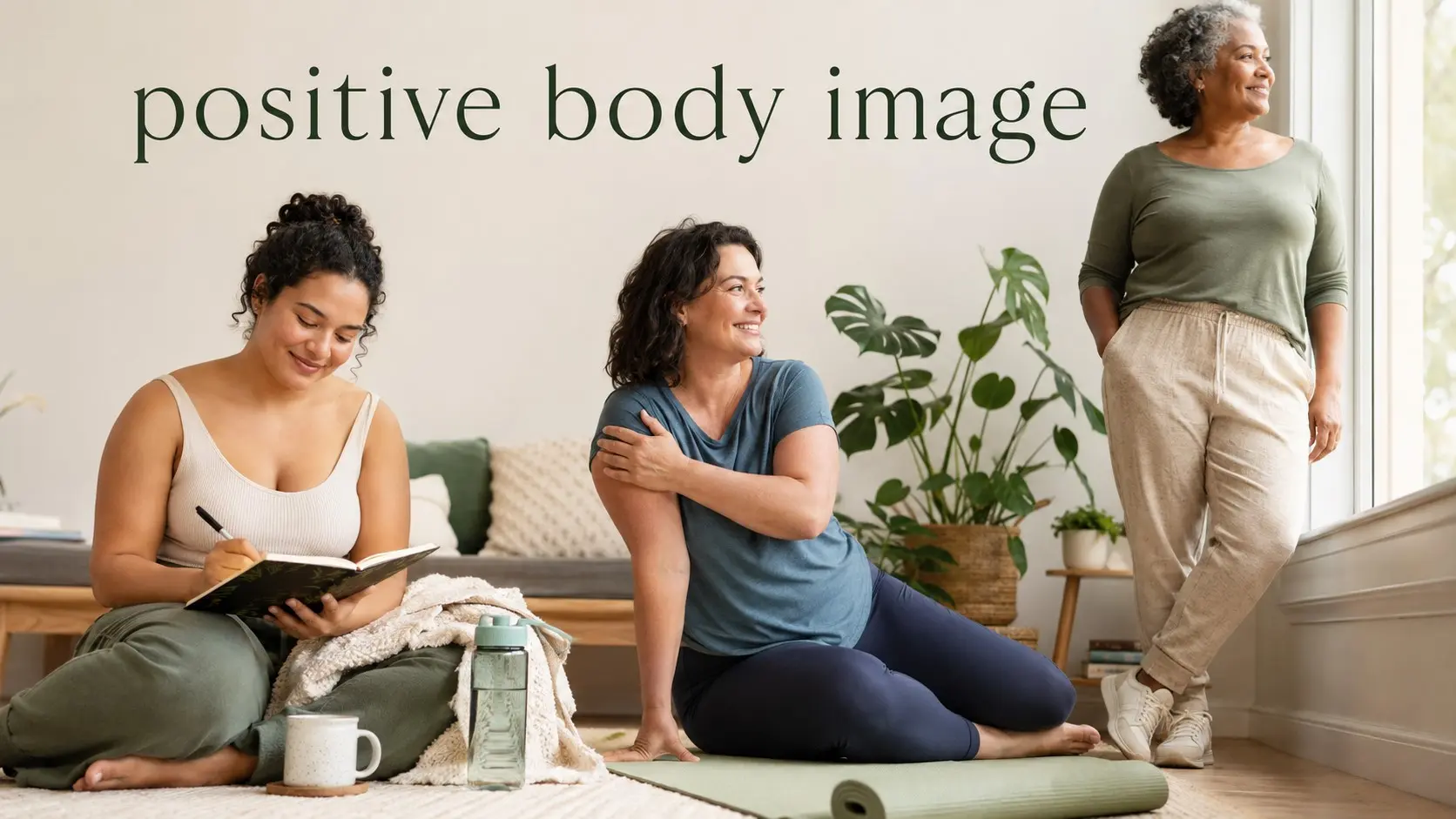
A positive body image does not mean that you must love every part of your body every day. It means that your body does not control your worth.
You can respect your body even when you feel unsure about how it looks. You can eat, move, rest, dress, and join in with life without waiting for a perfect shape.
This guide offers simple steps for building body confidence, reducing comparison, and finding support when appearance worries become hard to manage.
For a wider view, visit the Body Image and Wellness Guide. You can also explore the main NextFitLife Beauty Guide.
Important: Body image problems can sometimes link with anxiety, depression, body dysmorphic disorder, or an eating disorder. Online advice cannot diagnose these conditions.
Quick Answer
A positive body image means that you can accept natural body changes, care for yourself, and value more than appearance. Start with neutral self talk. Wear clothes that fit now. Reduce harmful social media. Move in ways that feel good. Ask for help when body worries affect food, exercise, work, school, or relationships.
What Is Body Image?
Body image is how you think and feel about your body.
It can include:
- How you see your shape and size
- How you feel about your skin, hair, face, or age
- How you think other people see you
- How much time you spend thinking about appearance
- What you do because of those thoughts
Body image can change from one day to the next. It can also change during puberty, pregnancy, illness, menopause, aging, injury, or weight change.
Your body image is not always an exact picture of your body. Feelings can change the way you see yourself.
What Does a Positive Body Image Mean?
A person with a healthier body image may still have hard days. The main difference is that appearance does not control every choice.
A healthy approach may include:
- Respecting the body
- Accepting natural differences
- Giving the body food and rest
- Moving without punishment
- Wearing clothes that feel comfortable
- Seeing personal value beyond looks
- Seeking health care without shame
- Knowing that worth does not depend on weight
This can support a more healthy self image.
Body Positivity, Body Acceptance, and Body Neutrality
These words are linked, but they are not the same.
| Idea | Simple meaning | Example |
|---|---|---|
| Body positivity | All bodies deserve respect and fair treatment | My body does not need to match one beauty rule |
| Body acceptance | Allowing your body to exist as it is today | I can wear clothes that fit my body now |
| Body neutrality | Putting less focus on appearance | I do not need to feel beautiful to have a good day |
| Body appreciation | Noticing what the body helps you do | My hands help me work, cook, create, and connect |
Body neutrality can feel easier than forced love. You do not need to praise every body part. You can begin with respect.
What Can Shape Body Image?
Family Comments
Comments about weight, food, skin, hair, and age can stay in the mind for years.
Bullying
Teasing can cause shame and fear. This can happen at school, work, home, or online.
Social Media
Photos may use filters, lighting, poses, editing, or cosmetic treatment. They may not show real daily life.
Culture
Beauty rules change across places and time. No single body type is natural for every person.
Health Changes
Illness, scars, pain, disability, medicine, or surgery can change how a person feels about the body.
Life Stages
Puberty, pregnancy, menopause, and aging can change shape, skin, hair, strength, and movement.
10 Simple Ways to Build a Positive Body Image
1. Use Neutral Words
Harsh words can make a hard moment worse.
Try to move from judgment to fact.
Instead of saying:
My stomach is awful.
Try:
My stomach changes when I sit, breathe, eat, and move.
This is a form of self compassion. It does not require fake praise.
2. Notice What Your Body Does
Your body is more than a shape.
It may help you:
- Breathe
- Walk
- Rest
- Work
- Learn
- Hug
- Create
- Speak
- Laugh
- Heal
Not every body can do the same things. Ability can also change. Body respect should include rest and support.
3. Wear Clothes That Fit Today
Your body should not have to hurt to fit into clothes.
Choose clothes that let you sit, breathe, walk, and work in comfort.
Sizes are not the same across brands. A number on a label does not measure your worth.
4. Reduce Body Checking
Body checking may include:
- Looking in mirrors many times
- Taking many photos
- Pinching the skin
- Measuring body parts
- Checking weight each day
- Asking others for comfort again and again
These actions may calm fear for a short time. Then the worry may return.
Try setting a simple limit. Use the mirror for dressing or care, then move to another task.
5. Clean Up Your Social Media Feed
Social media and body image can affect each other.
Ask how an account makes you feel.
Unfollow or mute pages that cause shame, fear, strict food rules, or pressure to buy a fix.
Follow people with different:
- Ages
- Body shapes
- Skin tones
- Abilities
- Hair types
- Interests
- Jobs
- Ways of living
A photo does not show health, pain, money, editing, stress, or what happened before the picture.
6. Move for Care, Not Punishment
Movement can support sleep, strength, mood, balance, and heart health.
It should not be a payment for food.
Choose movement that fits your health and ability. This may be walking, swimming, stretching, dancing, lifting, or chair exercise.
Use the NextFitLife Fitness Hub to find realistic movement ideas.
Rest is also part of health. Missing one workout does not mean that you failed.
7. Eat Without Moral Labels
Food is not a test of whether you are good or bad.
Food gives energy. It can also bring comfort, culture, joy, and connection.
Try to avoid strict rules that make eating full of fear.
For balanced food guidance, visit the Foods and Nutrition Hub.
8. Build an Identity Beyond Appearance
Write five things that matter about you that are not about looks.
Examples include:
- Kindness
- Humor
- Patience
- Skill
- Faith
- Work
- Creativity
- Friendship
- Learning
- Courage
This can help protect self esteem from daily appearance changes.
9. Stop Commenting on Other Bodies
Body comments can hurt even when they sound like praise.
Avoid guessing about:
- Weight loss
- Pregnancy
- Health
- Food choices
- Fitness
- Age
You may not know if a change came from illness, grief, stress, medicine, or an eating disorder.
10. Ask for Support Early
You do not need to wait for the problem to become severe.
Talk to a qualified professional if body worries affect:
- Food
- Exercise
- Sleep
- Work
- School
- Friends
- Relationships
- Health care
- Money
- Daily choices
Natural Body Features Are Not Failures
Human bodies have many shapes.
Natural features include:
- Skin folds
- Stretch marks
- Cellulite
- Scars
- Soft stomachs
- Hip dips
- Gray hair
- Wrinkles
- Different breast shapes
- Different muscle and fat patterns
These features do not show how clean, strong, kind, or worthy a person is.
Read the NextFitLife Hip Dips Guide to learn why hip curves are a common part of bone and body structure.
Our Skin Aging and Wrinkles Guide also explains why normal aging should not be treated as failure.
Weight Stigma Is Not Motivation
Weight stigma means unfair treatment or shame based on body size.
It may happen in:
- Families
- Schools
- Workplaces
- Fitness spaces
- Health care
- Social media
Shame does not create safe health habits. It can cause people to avoid movement, care, and social support.
Health messages should use respect. They should focus on needs, symptoms, access, and useful habits.
What to Do on a Hard Body Image Day
- Name the feeling. Say, I am having a hard body image moment.
- Pause checking. Step away from the mirror, scale, or camera.
- Meet a need. Eat, drink, rest, take medicine, or change into soft clothes.
- Leave the feed. Close pages that make the feeling worse.
- Choose one real task. Work, read, call a friend, or go outside safely.
- Use neutral words. Do not force praise that you do not believe.
- Talk to someone. Share the feeling with a safe person.
- Get support. Ask for professional help when this happens often.
A feeling is real, but it is not an order. You can feel uncomfortable and still eat, rest, leave the house, or join an event.
When Body Image Worries Need More Support
Some body worry is common. More support may be needed when it takes over daily life.
Signs of Strong Appearance Anxiety
Possible signs of appearance anxiety include:
- Thinking about one body part for hours
- Checking mirrors many times
- Avoiding all mirrors
- Comparing yourself all day
- Hiding with makeup or clothes
- Avoiding photos
- Missing work or school
- Avoiding friends or relationships
- Seeking many cosmetic treatments
- Never feeling comfort after reassurance
Body Dysmorphic Disorder
Body dysmorphic disorder is a mental health condition. A person may spend a lot of time worrying about a flaw that seems small or is not clear to other people.
BDD is not vanity. It can cause real pain and disrupt life.
A doctor or mental health professional can assess it. Treatment may include talking therapy and medicine.
Eating Disorder Warning Signs
Eating disorder warning signs may include:
- Eating very little
- Binge eating
- Vomiting after food
- Using laxatives to change weight
- Strong fear of weight gain
- Strict food rules
- Secret eating
- Exercise that feels forced
- Feeling unable to rest
- Dizziness or fainting
- Weakness
- Thinking about food and shape all day
An eating disorder can affect a person at any body size.
Seek urgent help for fainting, chest pain, severe weakness, confusion, uncontrolled vomiting, vomiting blood, severe dehydration, self harm, suicidal thoughts, or immediate danger.
Use the NextFitLife Health Hub for general education. Use a qualified professional for diagnosis and treatment.
How to Support Someone With Poor Body Image
Listen first.
Do not argue about whether they look good.
Try saying:
I can hear that this is causing pain. You deserve support.
You can also:
- Avoid comments about weight
- Avoid praise for unknown weight loss
- Do not watch or judge what they eat
- Ask what would help
- Offer to help find a professional
- Take self harm or eating problems seriously
Common Body Image Myths
Myth: Positive Body Image Means Loving Every Part
No. Respect and neutral care are good starting points.
Myth: A Thin Body Always Means Good Health
Appearance alone cannot show a person’s health.
Myth: Body Confidence Means Never Feeling Insecure
Confidence can exist with hard days.
Myth: Shame Helps People Change
Shame can make health care, food, movement, and social life harder.
Myth: Eating Disorders Are Easy to See
They can affect people of every size, age, gender, and background.
Myth: One Cosmetic Change Will Fix Self Worth
A procedure may change one feature. It may not treat fear, shame, or repeated worry.
Five High Authority References and Sources
Mental Health Foundation: Body Image
Open guidance about body image across childhood, adult life, pregnancy, aging, culture, and mental wellbeing.
United States Office on Women’s Health: Body Image
Open government guidance about negative body image, self esteem, social pressure, and ways to build a healthier body image.
NHS: Body Dysmorphic Disorder
Open guidance about body dysmorphic disorder, common signs, daily life effects, treatment, and how to seek help.
National Institute of Mental Health: Eating Disorders
Open guidance about eating disorder types, signs, causes, medical risks, and treatment.
CDC: Weight Stigma and Respectful Care
Open public health guidance about the harms of weight stigma and the use of respectful and caring language.
Conclusion
A positive body image does not require a perfect body or perfect thoughts. It begins with respect. Use kinder words. Reduce harmful comparison. Eat, move, dress, and rest without punishment.
Call to action: Choose one small step today. Mute one harmful account, wear one comfortable outfit, or speak to a qualified professional if body worries are limiting your life.
Related NextFitLife Guides and Hubs
Medical and Mental Health Disclaimer
This article gives general education. It does not replace mental health assessment, medical care, nutrition care, diagnosis, treatment, or emergency help.
Speak with a qualified doctor, psychologist, psychiatrist, therapist, counselor, or registered dietitian if concerns about appearance, food, exercise, weight, or self worth affect daily life.
About the Author
Frequently Asked Questions
What is a positive body image?
A positive body image means respecting and caring for your body while knowing that your worth is not based only on appearance.
Do I need to love every part of my body?
No. You can begin with body respect and neutral care. You do not need to force yourself to feel beautiful every day.
What is body neutrality?
Body neutrality means giving less attention to appearance and more attention to comfort, function, health, values, and daily life.
How can I stop comparing my body?
Reduce body checking, mute harmful social media accounts, follow more diverse people, and focus on skills and values that are not about looks.
Can social media harm body image?
It can. Edited images, repeated comparison, and beauty marketing may increase body dissatisfaction. Review how each account makes you feel.
Are hip dips normal?
Yes. Hip dips are common curves that are linked with bone shape and the way muscle and fat are placed.
What is body dysmorphic disorder?
Body dysmorphic disorder is a mental health condition that causes strong and repeated worry about perceived appearance flaws.
Can a person have an eating disorder at any size?
Yes. Body size alone cannot show whether a person has an eating disorder.
When should I seek help for body image concerns?
Seek help when body worries affect food, exercise, work, school, social life, relationships, health care, or emotional safety.
How can I support someone with poor body image?
Listen without judging their appearance. Avoid weight comments. Ask what support they need and help them find qualified care.

Health & wellness writer with 30+ years of experience in nutrition, fitness, and healthy aging. Founder of NextFitLife.com — evidence-based health guidance.