Written and source checked by: Adel Galal, Founder and Editor of NextFitLife
Medical review status: Editorially reviewed against current NHS, ADA, NIDCR, and American Heart Association guidance. This article has not been medically reviewed by a dentist, physician, neurologist, ENT specialist, cardiologist, or pharmacist.
Quick Answer: Why Can Toothache and Headache Happen Together?
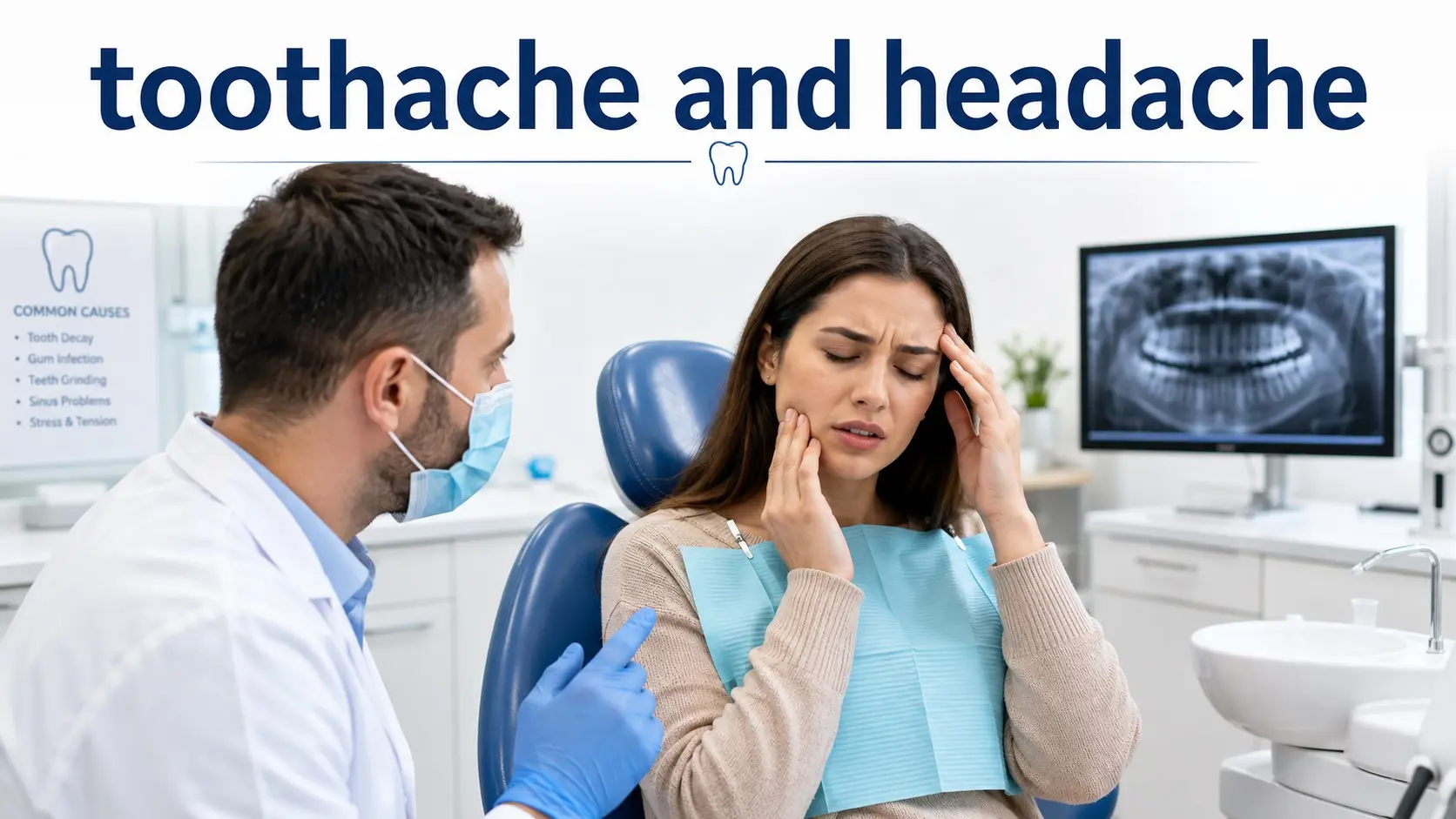
Toothache and headache can occur together for several reasons. A painful tooth can refer pain into the jaw, temple, ear, or face. Sinusitis can cause both headache and pain in the upper teeth. Teeth grinding and temporomandibular disorders can cause jaw, temple, and tooth discomfort. Migraine can also cause one-sided head and facial pain.
The important point is that the pattern alone does not prove the cause. One painful tooth with biting sensitivity or swelling points more toward a dental problem, while several upper teeth aching with nasal congestion and facial pressure may fit sinusitis. New severe headache or neurological symptoms need medical assessment rather than dental self-treatment.
For broader pain guidance, visit the Pain Management & Conditions Hub.
When Toothache and Headache Need Urgent or Emergency Care
Urgent Dental Care
Arrange urgent dental care if you have severe or persistent tooth pain, facial or jaw swelling, fever, a bad taste or pus, pain when biting, or difficulty opening your mouth.
Emergency Medical Care
Seek emergency medical care if tooth, jaw, face, or head pain occurs with:
- difficulty breathing, swallowing, or speaking
- severe swelling of the mouth, throat, neck, or area around the eye
- a headache that starts suddenly and is extremely painful
- new weakness or numbness of the face, arm, or leg
- new difficulty speaking, walking, balancing, or remembering
- confusion, unusual drowsiness, or a seizure
- new vision loss or major visual disturbance
- chest pressure or discomfort with jaw, neck, arm, back, or stomach discomfort
- shortness of breath, cold sweat, nausea, or light-headedness with possible heart-attack symptoms
Do not assume a severe headache is “from the tooth,” and do not assume jaw discomfort with chest or breathing symptoms is dental.
Medical and Dental Notice
This guide provides general education. It cannot diagnose a cavity, dental abscess, sinusitis, migraine, temporomandibular disorder, stroke, heart attack, or another cause of pain.
Persistent, severe, recurrent, or unusual pain should be assessed by the appropriate dental or medical professional.
How Can Tooth Pain Cause Head Pain?
The teeth, jaw, face, and head share branches of the trigeminal nerve. Because of these shared pathways, the brain may sometimes perceive pain away from the exact structure causing it. This is called referred pain.
A dental problem may therefore be felt in the:
- jaw
- cheek
- ear area
- temple
- same side of the face or head
Referred pain is a reason to get the source checked, not a reason to assume every headache comes from a tooth.
Dental Causes of Toothache and Headache
Tooth Decay or a Cavity
NIDCR explains that tooth decay may be painless early, but as it progresses, it can form a cavity and eventually cause pain or infection. Tooth pain with hot, cold, sweet foods, or biting can be a clue that a tooth needs dental assessment.
Dental Abscess
A dental abscess is a collection of pus caused by infection. NHS guidance says it needs urgent dental treatment and will not go away on its own.
Possible signs include intense tooth or gum pain, facial or jaw swelling, a bad taste, difficulty opening the mouth, and fever. Pain may spread into the jaw, ear, face, or head.
Cracked Tooth or Broken Filling
Sharp pain with biting or release of a bite, sensitivity, or intermittent pain can occur with a crack or damaged restoration. Repeatedly “testing” the tooth by biting hard can worsen symptoms.
Wisdom Tooth Problems
A partially erupted or impacted wisdom tooth can become inflamed or infected and cause pain at the back of the mouth, jaw discomfort, swelling, or referred facial pain.
For safer temporary dental-pain care, see the First Aid & Home Remedies Hub.
Can Sinusitis Cause Upper Teeth Pain and Headache?
Yes. NHS guidance lists both headache and toothache among possible sinusitis symptoms.
Sinusitis is more likely when tooth or facial pain occurs with:
- blocked or runny nose
- reduced sense of smell
- green or yellow nasal mucus
- pain, swelling, or tenderness around the cheeks, eyes, or forehead
- fever
- ear pressure
- cough
Several upper teeth may feel achy because the upper back teeth sit close to the maxillary sinuses.
However, sinus symptoms do not rule out dental disease. A single tooth that is sharply painful with biting, very temperature sensitive, visibly damaged, or surrounded by swelling still needs dental assessment.
Can Teeth Grinding or a Jaw Disorder Cause Toothache and Headache?
Yes. Teeth grinding and jaw clenching can contribute to morning headache, jaw-muscle soreness, tooth sensitivity, worn teeth, and temple discomfort.
Temporomandibular disorders, often shortened to TMD, can cause pain around the jaw joint and muscles used for chewing. Symptoms may include:
- jaw pain
- pain while chewing
- temple pain or headache
- clicking or popping
- jaw stiffness or locking
- ear-area discomfort
A dentist or clinician can help distinguish TMD or grinding from tooth decay, infection, sinus disease, or another cause.
Can Migraine Feel Like Tooth or Facial Pain?
Migraine is a neurological condition, not a dental infection. Current NHS guidance describes typical migraine features such as throbbing headache, nausea or vomiting, sensitivity to light and sound, and sometimes aura.
Some people experience facial or jaw discomfort during a migraine attack, but a migraine diagnosis should not be used to explain away a painful or swollen tooth.
Seek urgent medical advice if a migraine attack lasts longer than 72 hours, aura lasts longer than 1 hour, or migraine occurs during pregnancy or soon after childbirth. Seek emergency care for a sudden extremely painful headache, new neurological deficits, seizure, confusion, or vision loss.
What Can Cause Toothache and Headache on One Side?
One-sided pain has many possible causes and does not identify the diagnosis by itself.
| Pattern | Possible explanations |
|---|---|
| One tooth with biting or temperature pain | Cavity, cracked tooth, pulp inflammation, filling problem, or infection |
| Upper teeth plus congestion and cheek pressure | Sinusitis, although dental disease may coexist |
| Jaw and temple pain, worse with clenching | Teeth grinding or TMD |
| Throbbing one-sided headache with nausea or light sensitivity | Migraine |
| Sudden severe headache or new neurological symptoms | Emergency medical causes must be excluded |
Can Heart Problems Cause Jaw Pain?
Yes. American Heart Association guidance lists discomfort in the jaw, neck, back, arms, or stomach among possible heart-attack symptoms, especially when accompanied by chest discomfort, shortness of breath, sweating, nausea, or light-headedness.
Do not label jaw discomfort as a tooth problem when it occurs with possible heart-attack symptoms. Seek emergency medical care.
Tooth pain by itself is much more commonly dental, but emergency symptoms should always take priority.
For broader heart-health information, visit the Heart & Cardiovascular Health Hub.
What Is Safer Short-Term Relief for Toothache and Headache?
Short-term relief depends on the likely cause. It should never delay urgent care.
For Toothache While Waiting for a Dentist
Current NHS toothache guidance suggests:
- using suitable pain medicine such as ibuprofen or paracetamol if safe for you
- rinsing with warm salt water
- eating soft foods
- avoiding chewing with the sore tooth
- using a soft toothbrush
- avoiding very hot, cold, or sweet foods
NHS guidance also advises avoiding flossing around the sore tooth while waiting for care.
Dental Pain Medicines
The ADA living guideline for adolescents and adults supports nonopioid analgesics as first-line temporary therapy when definitive dental treatment is not immediately available. NSAIDs such as ibuprofen or naproxen, alone or combined with acetaminophen, can be effective in suitable patients.
NSAIDs are not safe for everyone. Kidney disease, stomach ulcers or bleeding, some cardiovascular conditions, pregnancy, allergies, asthma triggered by NSAIDs, blood-thinning medicine, and other factors can change what is appropriate.
For Suspected Sinusitis
For mild sinusitis, NHS guidance includes rest, fluids, appropriate pain medicine, avoiding smoking, and nasal saline care. Most sinusitis is viral and antibiotics are not commonly needed.
For Migraine
Use your established migraine plan. Current NHS guidance includes painkillers, triptans, gepants, and anti-nausea medicines depending on the person and clinical plan. Avoid repeatedly treating an unusual new headache as migraine without assessment.
What Should You Avoid?
- do not place aspirin directly on a tooth or gum
- do not use leftover antibiotics
- do not pop or squeeze a gum swelling
- do not use alcohol, bleach, vinegar, or undiluted peroxide on a painful tooth
- do not keep taking pain medicine for days instead of arranging dental care
- do not assume all upper-tooth pain is sinusitis
- do not assume all one-sided headache is migraine
- do not ignore facial swelling or breathing/swallowing difficulty
- do not ignore chest, breathing, neurological, or sudden severe headache symptoms because a tooth also hurts
How Do Dentists and Doctors Find the Cause?
A Dentist May Check
- which tooth is painful
- decay or visible damage
- gum swelling
- pain with biting or tapping
- temperature sensitivity
- cracks or loose restorations
- wisdom teeth
- jaw joint and muscle tenderness
- signs of grinding
- dental X-rays when indicated
A Medical Clinician May Check
- headache pattern and neurological symptoms
- nasal and sinus symptoms
- fever or systemic illness
- vision changes
- blood pressure and cardiovascular symptoms
- migraine features
- whether urgent imaging or other testing is needed
For broader guidance about testing, use the Medical Tests & Screenings Hub.
How Is Toothache and Headache Treated?
Treatment follows the cause, not the location of the pain.
| Cause | Typical treatment direction |
|---|---|
| Cavity | Dental restoration; deeper damage may need root-canal treatment or other dental care |
| Dental abscess | Urgent dental treatment such as drainage, root-canal treatment, or extraction; antibiotics when clinically indicated |
| Cracked tooth | Dental repair, crown, root-canal treatment, or extraction depending on severity |
| Grinding or TMD | Individualized jaw care, behaviour changes, dental protection when appropriate, and sometimes physical therapy |
| Sinusitis | Supportive care for many cases; medical treatment if symptoms are severe, persistent, recurrent, or complicated |
| Migraine | Acute and preventive migraine treatment based on attack pattern and medical history |
| Possible heart attack or stroke | Emergency medical evaluation |
Key Takeaway
Toothache and headache can occur together, but the cause may be dental, sinus-related, jaw-related, neurological, or occasionally another medical problem.
A painful single tooth, biting sensitivity, bad taste, swelling, or fever raises concern for dental disease. Several upper teeth aching with congestion and facial pressure may fit sinusitis. Jaw and temple pain with clenching may fit grinding or TMD. Throbbing headache with nausea and light sensitivity may fit migraine.
Temporary pain relief can help, but it should not delay treatment of a cavity, cracked tooth, or dental abscess. Emergency headache, neurological, breathing, eye-swelling, or cardiac symptoms need immediate medical attention.
References and Authoritative Sources
- NHS: Toothache
- NHS: Dental Abscess
- NHS: Sinusitis
- NHS: Migraine
- NHS: Headaches
- American Dental Association: Acute Pain Management — Toothache
- NIDCR: Tooth Decay
- American Heart Association: Heart Attack and Stroke Warning Signs
Source review date: August 9, 2026
These organizations do not endorse NextFitLife.
Frequently Asked Questions About Toothache and Headache
Can a toothache cause a headache?
Yes. Dental pain can be referred into the jaw, face, ear, or temple because these areas share nerve pathways. A dentist should assess persistent or severe tooth pain.
Can sinusitis make your upper teeth hurt?
Yes. NHS guidance lists toothache among possible sinusitis symptoms. Sinusitis is more likely when several upper teeth ache together with nasal congestion, facial pressure, reduced smell, or coloured nasal mucus.
How do I know whether upper-tooth pain is dental or sinus-related?
A single tooth that is sharply painful with biting or temperature change is more suggestive of dental disease. Several upper teeth aching with congestion and cheek pressure may fit sinusitis. The distinction is not always clear without assessment.
Can teeth grinding cause headaches?
Yes. Grinding and clenching can contribute to jaw-muscle soreness, tooth sensitivity, worn teeth, and temple or morning headaches.
Can migraine cause face or tooth pain?
Migraine can cause severe one-sided head and facial pain in some people, but a swollen, damaged, or very painful tooth still needs dental evaluation.
What is the fastest safe relief for toothache and headache?
There is no single fast treatment because the causes differ. For toothache, temporary options may include suitable pain medicine, warm salt water, soft foods, and avoiding painful triggers while arranging dental care.
Should I floss around a painful tooth?
Current NHS toothache guidance advises using a soft toothbrush and avoiding flossing around the sore tooth while waiting for dental care.
Does a dental abscess go away on its own?
No. NHS guidance states that a dental abscess needs urgent dental treatment and will not go away on its own.
Can jaw pain be a heart-attack symptom?
Yes. The American Heart Association lists jaw discomfort among possible heart-attack symptoms, especially with chest discomfort, shortness of breath, sweating, nausea, or light-headedness.
When is a headache an emergency?
Seek emergency care for a sudden extremely painful headache, seizure, new weakness or numbness, major speech or balance difficulty, confusion, or significant new vision problems.
Is this article medically reviewed?
No. It was source checked against current NHS, ADA, NIDCR, and American Heart Association guidance but has not been medically reviewed by a licensed dental or medical professional.
Medical and Dental Disclaimer
NextFitLife provides general educational information. This page cannot diagnose dental disease, sinusitis, migraine, stroke, heart attack, TMD, or another cause of pain and cannot replace emergency, dental, or medical assessment.

Health & wellness writer with 30+ years of experience in nutrition, fitness, and healthy aging. Founder of NextFitLife.com — evidence-based health guidance.