
Published on: August 12, 2023
Updated on: October 22, 2026
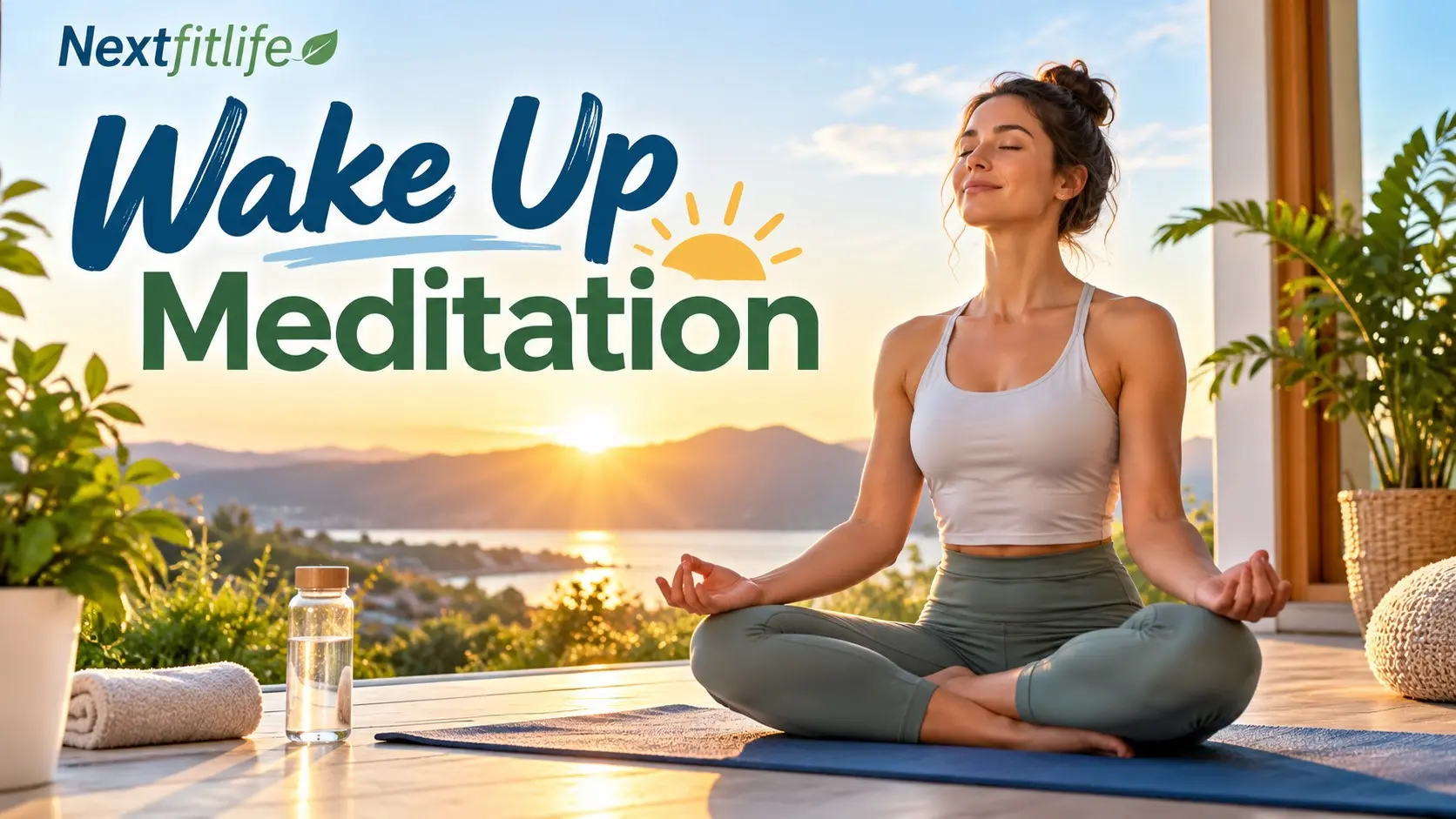
Wake Up Meditation is a simple way to begin the day with less rush and more awareness. You do not need incense, a silent room, or 30 minutes of free time. A few minutes of breathing, body awareness, or quiet attention can be enough to create a calmer start.
Morning meditation is not a magic energy switch, and it cannot guarantee perfect focus. What it can do is give you a short pause before your phone, work, messages, and responsibilities take over.
For many people, the best morning routine combines mindfulness meditation with natural light, gentle movement, water, and a clear first task.
Important: This article is for general information and education. It does not replace medical advice, diagnosis, or treatment.
I am not a dermatologist or a doctor, and this content does not replace professional medical advice. What I share comes from real life experience, extensive research, and consultation with healthcare providers. Always consult qualified medical professionals for diagnosis and treatment of any health condition.
Table of Contents
- Quick Answer
- What Wake Up Meditation Means
- 7 Morning Meditation Methods
- Breath awareness
- Body scan
- Gratitude practice
- Morning intention
- Mindful movement
- Open awareness
- Walking meditation
- 2 Minute Routine
- 5 Minute Routine
- 10 Minute Routine
- Morning Light and Alertness
- Benefits and Limits
- Common Mistakes
- When Meditation Feels Uncomfortable
- Frequently Asked Questions
- References and Sources
Wake Up Meditation: Quick Answer
The easiest Wake Up Meditation is to sit comfortably for two to five minutes, notice your breathing, and gently return your attention each time your mind wanders.
You do not have to stop thoughts.
You are simply practicing the skill of noticing where your attention goes and bringing it back.
A simple routine looks like this:
- Sit up comfortably.
- Let your shoulders relax.
- Notice one natural breath.
- Follow the next five breaths.
- Notice sounds and body sensations.
- Choose one simple intention for the day.
For a wider look at the connection between movement and mental wellbeing, see Physical Fitness and Mental Health.
What Is Wake Up Meditation?
Wake Up Meditation is simply meditation practiced soon after waking.
It may use:
- Mindful breathing
- Body awareness
- Quiet observation
- Gratitude
- Gentle movement
- Walking
- A guided meditation
There is no single correct method.
The goal is not to create a blank mind. The goal is to notice what is happening without immediately reacting to every thought, sound, or feeling.
What Can Morning Meditation Realistically Help With?
Current research on mindfulness suggests possible benefits for:
- Stress symptoms
- Anxiety symptoms
- Emotional regulation
- Present moment awareness
- Sleep quality in some people
- Attention and awareness
These effects are not guaranteed.
Mindfulness practices should also not be described as a treatment that automatically replaces therapy, medication, or other medical care.
The National Center for Complementary and Integrative Health notes that meditation and mindfulness may help with anxiety and depression symptoms, while evidence varies by condition and intervention.
7 Calming Wake Up Meditation Practices
1. Simple Breath Awareness
This is one of the easiest forms of meditation for beginners.
Sit comfortably and breathe naturally.
Notice:
- The air entering your nose
- Your chest or abdomen moving
- The pause between breaths
- The feeling of breathing out
When your mind moves to work, messages, worries, or plans, notice that it happened and return to the breath.
You do not need deep breathing unless it feels comfortable. Natural breathing is enough.
2. Morning Body Scan
A body scan meditation moves attention slowly through the body.
Start with your face, then notice your shoulders, chest, hands, abdomen, hips, legs, and feet.
You are not trying to fix each sensation.
Simply notice whether an area feels:
- Warm
- Cool
- Tense
- Relaxed
- Heavy
- Light
This can help you notice how your body feels before you rush into the day.
3. Gratitude Practice
After waking, think of one to three things you genuinely appreciate.
They do not have to be dramatic.
You might notice:
- A quiet morning
- A comfortable bed
- Your health today
- A person you care about
- A simple opportunity ahead
The goal is not to force positivity. It is to notice something good without pretending that difficult problems do not exist.
4. Set One Morning Intention
An intention is different from a long task list.
Try one sentence:
- I will respond slowly when I feel rushed.
- I will finish one important task before checking everything else.
- I will speak kindly to myself today.
- I will take a short walk after lunch.
This can turn morning mindfulness into a practical behavior rather than leaving it on the meditation cushion.
5. Mindful Morning Movement
You do not have to sit still to meditate.
Stand and move slowly while paying attention to:
- Your feet on the floor
- Your shoulders moving
- Your breathing
- Your balance
- The stretch through your body
A few minutes of gentle movement can be useful if sitting makes you sleepy.
If you want a more active morning routine, visit the NextFitLife Fitness Hub.
6. Open Awareness Meditation
Instead of focusing only on breathing, let your attention open to whatever is present.
Notice:
- Birds outside
- Traffic
- Light entering the room
- Your breathing
- Thoughts passing through
Try to notice these experiences without immediately labeling them as good or bad.
This is one way to practice present moment awareness.
7. Walking Meditation
If sitting feels difficult, take a slow walk.
Notice the rhythm of your steps and the feeling of each foot touching the ground.
You can walk indoors or outside.
Outdoor walking also gives you a chance to get morning light, which plays an important role in circadian timing and alertness.
For a broader active routine, read Healthy and Active Lifestyle.
A 2 Minute Wake Up Meditation
| Time | Practice |
|---|---|
| 0 to 30 seconds | Sit upright and notice your body. |
| 30 to 90 seconds | Follow your natural breathing. |
| 90 to 120 seconds | Choose one simple intention for the morning. |
Two minutes may sound small, but a short routine is easier to repeat than an ambitious practice you keep skipping.
A 5 Minute Morning Meditation
- Minute 1: Notice breathing.
- Minute 2: Relax the jaw, shoulders, hands, and abdomen.
- Minute 3: Notice sounds and body sensations.
- Minute 4: Think of one thing you appreciate.
- Minute 5: Set one intention for the day.
You can use a quiet timer so you do not keep checking the clock.
A 10 Minute Wake Up Meditation Routine
| Minutes | Focus |
|---|---|
| 1 to 2 | Breathing and posture |
| 3 to 5 | Body scan |
| 6 to 7 | Open awareness |
| 8 to 9 | Gratitude or reflection |
| 10 | Set one intention |
Morning Light Matters Too
Meditation is not the only useful morning signal.
Morning light strongly affects the body's circadian clock.
For people who sleep at night, bright morning light tends to shift the circadian rhythm earlier and can support daytime alertness. CDC and NIOSH guidance also notes that light is a major environmental cue for sleep and wake timing.
A practical morning routine can therefore include:
- Wake up.
- Open curtains or go outside when possible.
- Practice two to ten minutes of meditation.
- Drink normally according to thirst.
- Move your body gently.
This routine does not need to be perfect to be useful.
Does Wake Up Meditation Give You Energy?
Not in the same way as sleep, food, caffeine, or physical movement.
Meditation may help you feel calmer or mentally organized, but calling it an “energy booster” overstates the evidence.
If you wake up very sleepy, practical wake cues may include:
- Enough nighttime sleep
- Morning light
- Movement
- Water if you are thirsty
- A normal breakfast if you prefer one
If you frequently wake exhausted despite enough time in bed, meditation should not be used to hide a persistent sleep problem.
Can Morning Meditation Improve Focus?
Mindfulness trains attention by asking you to notice when your mind wanders and return it to a chosen focus.
This makes the practice relevant to concentration, but one short meditation does not guarantee “laser sharp” attention for the entire day.
The more realistic goal is to practice noticing distraction and returning to the task.
If focus is one of your wider wellness goals, the NextFitLife article Fitful Focus Get Fit Stay Full Be Focused explores exercise, nutrition, sleep, and concentration together.
Can Wake Up Meditation Reduce Stress?
It may help.
NCCIH reports that mindfulness practices may reduce symptoms of stress, anxiety, and depression in some people. Effects vary between studies and people.
A useful morning meditation can create a pause between waking and reacting to the day's demands.
That does not mean stress disappears. It may simply give you a calmer way to meet it.
Can Morning Meditation Treat Anxiety?
Do not rely on meditation alone for an anxiety disorder.
NCCIH notes that mindfulness meditation may provide small to modest improvements in anxiety related symptoms, but evidence does not support describing meditation as a guaranteed treatment for anxiety disorders.
If anxiety is severe, persistent, or interfering with work, sleep, relationships, or daily life, speak with a qualified mental health professional.
Does Meditation Improve Sleep?
It may help some people, but the evidence is mixed.
Some studies show better sleep quality with mindfulness practice. However, evidence for mindfulness alone as a treatment for chronic insomnia is limited.
Cognitive behavioral therapy for insomnia, known as CBT I, has stronger evidence and is recommended for chronic insomnia.
If sleep is one of your fitness concerns, see How to Optimize Sleep for Fitness Outcomes.
Can You Meditate in Bed?
Yes.
If sitting upright is uncomfortable, you can practice while lying down.
The main downside is that you may fall back asleep.
If your goal is to become more alert, sitting near a window or practicing after standing up may work better.
Should You Meditate Before Checking Your Phone?
You can, and many people find this useful.
The benefit is mainly practical. Your attention begins with a chosen activity rather than immediately reacting to messages, news, or social media.
You do not have to create a strict “no phone” rule.
Even waiting two minutes can give you a calmer start.
How Long Should Wake Up Meditation Last?
There is no required duration.
| Experience | Practical Starting Time |
|---|---|
| New beginner | 2 to 3 minutes |
| Comfortable beginner | 5 minutes |
| Regular practice | 10 minutes or longer if useful |
Consistency matters more than forcing a long session.
7 Wake Up Meditation Mistakes to Avoid
Trying to Stop Every Thought
Thoughts are normal. Notice them and return your attention.
Starting With 30 Minutes
A shorter routine may be easier to maintain.
Using Meditation to Replace Sleep
Meditation cannot compensate for ongoing sleep deprivation.
Expecting Instant Energy
Morning meditation may feel calming rather than energizing.
Forcing Deep Breaths
Natural breathing is enough unless another technique feels comfortable.
Judging Every Session
A restless session still counts as practice.
Ignoring Distress
If meditation repeatedly makes you feel worse, change the method or seek appropriate support.
What If Meditation Makes You More Anxious?
This can happen.
Meditation is generally considered low risk, but some people report anxiety, intrusive thoughts, low mood, or other uncomfortable experiences. NCCIH notes that negative experiences have been reported in meditation research.
If sitting quietly feels uncomfortable, try:
- Eyes open meditation
- Walking meditation
- Shorter sessions
- Guided meditation
- Gentle stretching
- Focusing on external sounds instead of internal sensations
If distress is severe or persistent, stop the practice and speak with a qualified professional.
Conclusion
Wake Up Meditation does not need to be long or perfect. Two to ten minutes of breathing, body awareness, gratitude, movement, or quiet observation can create a calmer transition into the day.
For an even stronger morning routine, combine meditation with morning light, gentle movement, adequate sleep, and one clear intention.
Your next step is simple: tomorrow morning, sit for two minutes before opening your phone and follow five natural breaths. Build from there only if the practice feels useful.
Internal Links + Hub
- NextFitLife Health Hub for evidence based health and wellness guidance.
- NextFitLife Fitness Hub for exercise, movement, and recovery guides.
- Morning Meditation for more meditation ideas.
- Healthy and Active Lifestyle for everyday wellness habits.
- Physical Fitness and Mental Health for the connection between movement and emotional wellbeing.
- Fitful Focus Get Fit Stay Full Be Focused for exercise, food, sleep, and attention habits.
- Optimize Sleep for Fitness Outcomes for recovery and sleep guidance.
- How to Start Fitness if you want to pair meditation with a beginner movement routine.
About the Author
Adel Galal is a father of four, three sons and a daughter, and a grandfather of four, with 33 years of hands on parenting experience. He is the founder of Parnthub.com, based in Cairo, Egypt, where he shares practical guidance on feeding, development and family life from newborns to teenagers.
Adel is not a medical professional. Health articles cite trusted sources and are for general information only.
For NextFitLife wellness content, the focus is on practical routines, evidence based health information, movement, sleep, mindfulness, and realistic habits rather than miracle claims.
Learn more about Adel and NextFitLife on the About Us page.
Frequently Asked Questions
What is Wake Up Meditation?
Wake Up Meditation is meditation practiced soon after waking. It may include mindful breathing, a body scan, gratitude, quiet observation, gentle movement, or walking.
How long should I meditate in the morning?
Beginners can start with two to five minutes. There is no required duration. Increase the time only if a longer practice feels useful and sustainable.
Can Wake Up Meditation improve focus?
Mindfulness trains attention by helping you notice distraction and return to a chosen focus. It may support attention, but one session does not guarantee perfect concentration for the whole day.
Can Wake Up Meditation reduce stress?
Mindfulness meditation may reduce stress and anxiety symptoms for some people. Effects vary, and meditation should not replace professional treatment when it is needed.
Does morning meditation give you energy?
Not directly. It may help you feel calmer or mentally organized, while sleep, morning light, movement, food, and caffeine have more direct roles in alertness and energy.
Can I meditate while still in bed?
Yes. You can meditate sitting or lying in bed. If you tend to fall back asleep, sitting upright near natural morning light may work better.
Should I meditate before checking my phone?
You can. Waiting a few minutes before checking your phone may help you begin the day with a chosen focus instead of reacting immediately to notifications.
Does Wake Up Meditation help anxiety?
Mindfulness may reduce anxiety related symptoms in some people, but it is not a guaranteed treatment for an anxiety disorder. Persistent anxiety deserves professional assessment.
Can meditation improve sleep?
Mindfulness may improve sleep quality for some people, but evidence for meditation alone as a treatment for chronic insomnia is limited. CBT I has stronger evidence for chronic insomnia.
What if meditation makes me anxious?
Shorten the practice or try eyes open meditation, walking, gentle movement, or external sound awareness. If meditation repeatedly causes significant distress, stop and seek appropriate professional support.
Is morning light important after meditation?
Yes. Morning light is a strong cue for the circadian system and can support daytime alertness and sleep timing, especially for people who sleep at night.
References and Sources
- National Center for Complementary and Integrative Health. Meditation and Mindfulness: Effectiveness and Safety.
https://www.nccih.nih.gov/health/meditation-and-mindfulness-effectiveness-and-safety - National Center for Complementary and Integrative Health. 8 Things to Know About Meditation and Mindfulness.
https://www.nccih.nih.gov/health/tips/8-things-to-know-about-meditation-and-mindfulness - National Center for Complementary and Integrative Health. Stress.
https://www.nccih.nih.gov/health/stress - National Center for Complementary and Integrative Health. Sleep Disorders and Complementary Health Approaches.
https://www.nccih.nih.gov/health/sleep-disorders-and-complementary-health-approaches - National Center for Complementary and Integrative Health. Anxiety and Complementary Health Approaches.
https://www.nccih.nih.gov/health/anxiety-and-complementary-health-approaches - Centers for Disease Control and Prevention, NIOSH. Effects of Light on Circadian Rhythms.
https://www.cdc.gov/niosh/work-hour-training-for-nurses/longhours/mod2/19.html

Health & wellness writer with 30+ years of experience in nutrition, fitness, and healthy aging. Founder of NextFitLife.com — evidence-based health guidance.

