Published: December 2022
Last updated: September 21, 2026
Next review: September 2027, or sooner if major pregnancy nutrition or food safety guidance changes.
Written and source-checked by: Adel Galal, Founder and Lead Writer at NextFitLife
Medical review status: This article has not been medically reviewed by an obstetrician, midwife, registered dietitian, pharmacist, or other licensed healthcare professional.
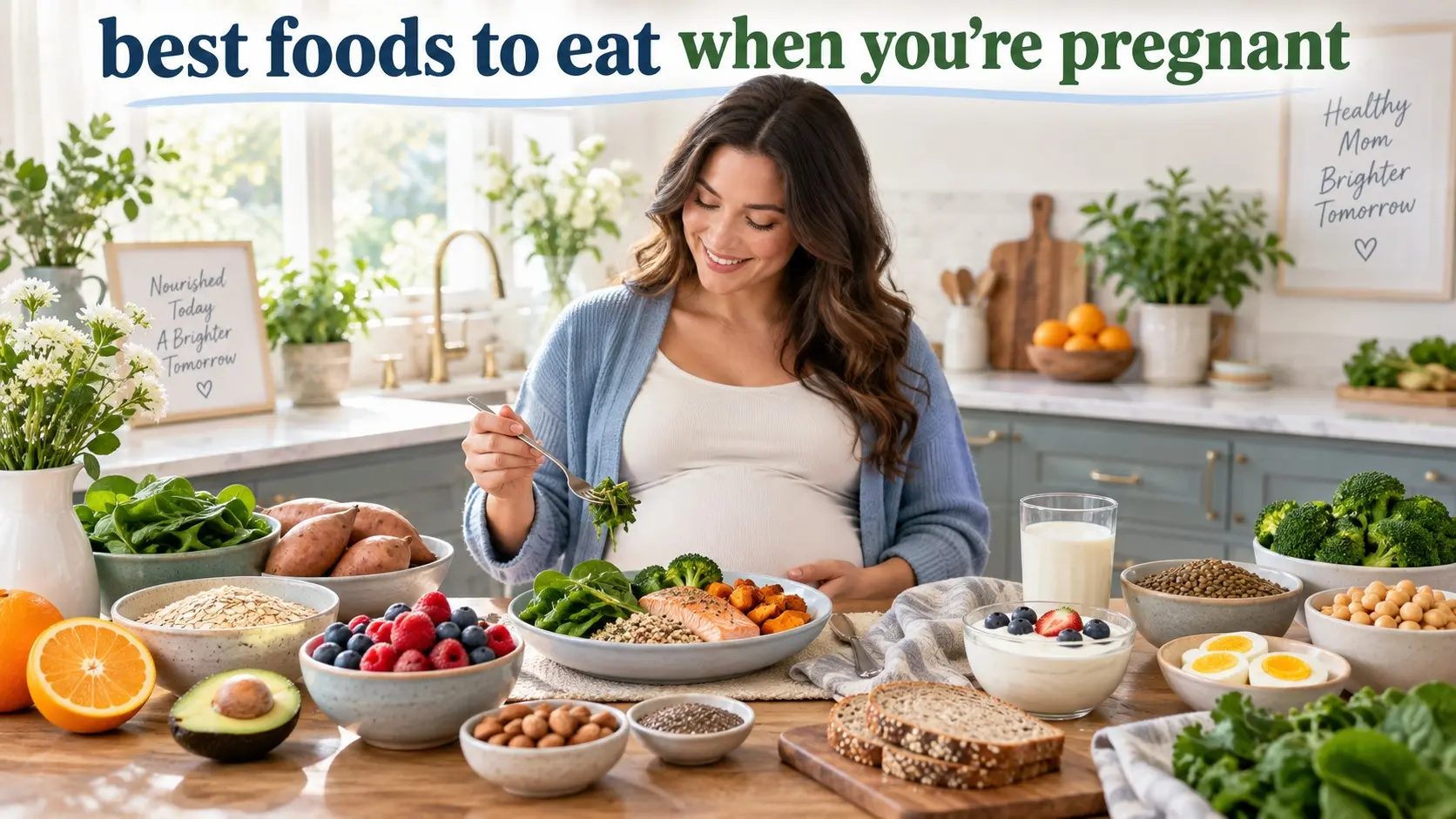
Best foods to eat when you’re pregnant include cooked lower-mercury fish, fully cooked eggs, pasteurized dairy, beans, lentils, lean meat, leafy greens, whole grains, fruit, vegetables, nuts, seeds, avocado, and other nutrient-rich foods.
No single food creates a healthy pregnancy. What matters is the full eating pattern, good food safety, a suitable prenatal vitamin, and regular prenatal care.
Pregnancy also changes some food rules. Raw fish, undercooked meat and eggs, unpasteurized dairy, high-mercury fish, and alcohol need special attention because they can create risks for you or your baby.
This guide explains 15 useful food choices, why they matter, how to eat them safely, the nutrients pregnancy needs most, and which foods need to be avoided or changed.
For a broader guide, see Eating Healthy During Pregnancy.
Pregnancy Nutrition and Medical Notice
I am not a dermatologist or A doctor, and this content does not replace professional medical advice. What I share comes from real-life experience, extensive research, and consultation with healthcare providers. Always consult qualified medical professionals for diagnosis and treatment of any health condition.
Pregnancy nutrition needs change with age, body size, trimester, twins or other multiple pregnancy, anemia, diabetes, kidney disease, food allergies, nausea, vomiting, eating disorders, bariatric surgery, and other health conditions.
Use your prenatal care team for personal advice about supplements, weight gain, medicines, food restrictions, and blood test results.
Table of Contents
- Quick Answer
- Key Pregnancy Nutrients
- 15 Essential Food Choices
- Simple Pregnancy Plate
- Fish and Mercury
- Foods to Avoid or Change
- Prenatal Vitamins
- Food When You Feel Sick
- Vegetarian and Vegan Pregnancy
- Caffeine
- Alcohol
- When to Get Medical Help
- References and Sources
- Conclusion
- Internal Links and Hub
- About the Author
- Frequently Asked Questions
Quick Answer: best foods to eat when you’re pregnant
The best foods to eat when you’re pregnant are foods that give you protein, iron, folate, calcium, iodine, choline, healthy fats, vitamins, minerals, and fibre while staying safe from food-borne illness.
Good choices include cooked salmon, eggs, pasteurized yogurt, milk, lean meat, poultry, lentils, beans, tofu, leafy vegetables, colourful vegetables, whole fruit, whole grains, avocado, nuts, and seeds.
Variety matters more than finding one perfect pregnancy food.
Which Nutrients Matter Most During Pregnancy?
Your body needs more of several nutrients during pregnancy.
Food should provide much of that nutrition, while a prenatal vitamin helps cover important gaps.
| Nutrient | Pregnancy Amount | Food Sources |
|---|---|---|
| Folic acid and folate | 600 micrograms daily during pregnancy | Fortified grains, beans, leafy greens, peanuts, citrus foods |
| Iron | 27 milligrams daily | Lean meat, poultry, beans, lentils, fortified cereal |
| Calcium | 1,000 milligrams daily for adults age 19 to 50 | Milk, yogurt, cheese, fortified soy products, some greens |
| Iodine | 220 micrograms daily | Seafood, dairy, eggs, iodized salt |
| Choline | 450 milligrams daily | Eggs, meat, milk, peanuts, soy foods |
| Vitamin D | 600 international units daily | Fortified milk, salmon, sardines, other fortified foods |
Needs can differ when you are younger than 19, carrying more than one baby, following a vegan diet, or living with anemia or another condition.
15 Essential Foods to Include During Pregnancy
1. Pasteurized Yogurt
Yogurt gives you protein and calcium in an easy-to-eat food.
Plain Greek yogurt can also provide plenty of protein with little added sugar. Add berries, oats, nuts, or seeds if they fit your diet.
Safety: Check the label and choose yogurt made with pasteurized milk.
2. Milk and Pasteurized Cheese
Milk and cheese provide calcium, protein, vitamin B12, and often iodine.
Fortified milk can also provide vitamin D.
If you do not use dairy, a fortified soy drink can be a useful option because it provides protein as well as added nutrients.
Safety: Avoid raw milk and products made from unpasteurized milk.
3. Fully Cooked Eggs
Eggs are useful because they provide protein and choline.
Choline helps support development of the baby's brain and spinal cord. ACOG lists 450 milligrams per day as the recommended amount during pregnancy.
Use eggs in breakfast, sandwiches, salads, rice dishes, or vegetable meals.
Safety: Cook eggs until the whites and yolks are firm. If a recipe uses uncooked egg, use pasteurized eggs.
4. Salmon, Trout, Sardines, and Other Lower Mercury Fish
Fish provides protein, iodine, iron, vitamin D, choline, and omega-3 fatty acids.
FDA says fish intake during pregnancy can support fetal brain development.
Good lower mercury choices include salmon, sardines, trout, shrimp, pollock, tilapia, cod, and canned light tuna.
Safety: Fish should be cooked. Raw sushi, sashimi, ceviche, and undercooked shellfish are riskier during pregnancy.
5. Lean Beef
Lean beef gives you protein, iron, zinc, vitamin B12, and choline.
Iron becomes especially important during pregnancy because your body needs to make more blood.
Pair plant or meat sources of iron with vitamin C rich foods such as peppers, oranges, berries, or broccoli.
Safety: Cook meat to a safe internal temperature. Do not eat raw or undercooked beef.
6. Chicken and Turkey
Chicken and turkey are simple sources of protein and can provide iron and B vitamins.
Use them in soups, salads, rice bowls, wraps, or vegetable dishes.
Safety: Poultry should reach a safe internal temperature. Raw poultry can carry harmful germs.
7. Beans, Lentils, and Chickpeas
Legumes give you protein, fiber, iron, folate, and several minerals.
They are useful in both vegetarian and mixed diets.
Try lentil soup, chickpea salad, hummus, bean bowls, or beans mixed with whole grains and vegetables.
If beans cause gas, start with a smaller amount and increase it slowly.
8. Tofu and Other Soy Foods
Tofu provides plant protein, and some types also contain calcium.
Soy foods can be especially useful when you eat little or no meat.
Choose calcium set tofu when calcium is one of your nutrition goals, and use fortified soy milk when you need a dairy alternative.
9. Spinach, Kale, and Other Leafy Greens
Leafy vegetables provide folate, vitamin C, vitamin K, fibre, and many plant nutrients.
Use them cooked in eggs, soups, pasta, lentil dishes, or as part of a salad.
Safety: Wash fresh greens well. CDC lists unwashed produce as a higher risk food during pregnancy.
10. Broccoli, Bell Peppers, and Tomatoes
These vegetables add vitamin C, fiber, folate, and other nutrients.
Vitamin C also helps your body absorb iron from plant foods.
This makes beans with peppers, lentils with tomato, or iron-fortified cereal with fruit useful combinations.
11. Sweet Potatoes and Carrots
Sweet potatoes and carrots provide beta carotene, which your body can convert into vitamin A.
Vitamin A supports normal fetal growth, vision, and tissue development.
Food sources of beta carotene differ from taking large doses of preformed vitamin A in supplements.
Do not add high-dose vitamin A supplement unless your prenatal clinician specifically recommends them.
12. Berries, Oranges, Kiwi, and Other Whole Fruit
Whole fruit provides vitamin C, potassium, folate, water, and fibre.
Berries, oranges, kiwi, pears, apples, bananas, mango, peaches, and other fruit can all fit.
You do not need to choose only low sugar fruit during a normal pregnancy unless your medical team gives you a specific plan.
Safety: Wash fresh fruit before eating it.
13. Oats, Quinoa, Brown Rice, and Other Whole Grains
Whole grains provide carbohydrates for energy along with fibre, B vitamins, and minerals.
Oats are easy for breakfast. Quinoa, bulgur, brown rice, and whole grain bread can work well at lunch or dinner.
FDA recommends eating a variety of grains rather than relying on the same grain every day.
14. Avocado
Avocado provides unsaturated fat, fibre, folate, and potassium.
Use it with eggs, beans, salads, whole grain toast, or vegetable meals.
It is nutritious, but it is not a special pregnancy cure or a food you must eat every day.
15. Nuts, Seeds, and Nut Butters
Nuts and seeds provide healthy fats, protein, fiber, magnesium, and other nutrients.
Walnuts, almonds, peanuts, chia seeds, pumpkin seeds, sesame seeds, and natural nut butters can all fit.
Use a small handful as a snack or add them to yogurt, oats, salads, or cooked food.
If you have a diagnosed food allergy, follow your allergy care plan.
What Should a Pregnancy Meal Look Like?
You do not need a perfect pregnancy plate at every meal.
A simple pattern can make planning easier.
Vegetables or fruit: Choose one or more colours.
Protein: Add cooked fish, eggs, chicken, lean meat, beans, lentils, tofu, or pasteurized dairy.
Grain or another carbohydrate: Add oats, quinoa, brown rice, bread, potato, beans, or another suitable choice.
Healthy fat: Add olive oil, avocado, nuts, or seeds when useful.
Drink: Water is a simple main drink.
Your personal portions should fit your appetite, pregnancy stage, body size, activity, and medical needs.
How Much Fish Should You Eat During Pregnancy?
Don't remove fish from your diet during pregnancy just because some fish contain mercury.
The FDA and EPA recommend 8 to 12 ounces per week of lower-mercury choices during pregnancy.
That is usually two to three servings from the FDA “Best Choices” list.
Examples of Lower Mercury Choices
- Salmon
- Sardines
- Trout
- Shrimp
- Pollock
- Tilapia
- Cod
- Canned light tuna
- Haddock
- Clams
- Scallops
Fish to Avoid Because of High Mercury
FDA lists these among the highest mercury choices to avoid during pregnancy:
- King mackerel
- Marlin
- Orange roughy
- Shark
- Swordfish
- Tilefish from the Gulf of Mexico
- Bigeye tuna
Albacore or white tuna is a “Good Choice,” not a “Best Choice,” so the weekly amount is lower.
Foods to Avoid or Change During Pregnancy
Pregnancy changes how your immune system responds to some foodborne germs.
CDC says pregnant people are about 10 times more likely to develop a Listeria infection than other people.
| Riskier Choice | Safer Choice |
|---|---|
| Raw meat | Meat cooked to a safe internal temperature |
| Raw or runny eggs | Eggs with firm whites and yolks, or pasteurized egg for uncooked recipes |
| Raw fish, sushi, sashimi, or ceviche | Fully cooked lower mercury fish |
| Raw milk or unpasteurized dairy | Pasteurized milk, yogurt, and cheese |
| Unwashed fruit and vegetables | Produce washed well before eating |
| Raw sprouts | Sprouts cooked until steaming hot |
| Cold deli meat and hot dogs | Heat to 165°F or until steaming hot |
| Unpasteurized juice | Pasteurized juice |
Use the basic food safety steps too: clean, separate, cook, and chill.
Do You Still Need a Prenatal Vitamin if You Eat Well?
Usually, yes.
ACOG recommends a prenatal vitamin because pregnancy needs for some nutrients are hard to meet through food alone.
Folic Acid
ACOG recommends 600 micrograms of folic acid each day during pregnancy.
A daily prenatal vitamin should contain at least 400 micrograms of folic acid. Ideally, this starts at least one month before pregnancy and continues during early pregnancy.
Some people need a much higher prescription amount because of a previous neural tube defect or another risk. Do not copy that high dose unless your clinician tells you to take it.
Iron
Pregnancy raises iron needs to 27 milligrams per day.
Your prenatal vitamin often contains iron, and food adds more.
If blood tests show anemia, your clinician may advise extra iron.
Check the Label
Prenatal vitamins differ.
Some gummy prenatal products contain little or no iron. Some formulas also provide less choline than you may expect.
Take the bottle or a photo of the label to a prenatal visit if you are unsure.
For more nutrient safety information, visit the NextFitLife Nutrition and Vitamins Guide.
What Should You Eat if Pregnancy Nausea Makes Food Hard?
Nausea can make a perfect meal plan useless if you cannot tolerate the food.
Small meals and snacks may be easier than enormous meals. Plain crackers, toast, rice, bananas, cold fruit, yogurt, potatoes, or another simple food may be easier on some days.
Keep fluids going in small amounts if drinking a full glass makes nausea worse.
For more ideas, read Foods That Fight Nausea During Pregnancy.
Contact your prenatal team if vomiting makes it hard to keep down food or fluid, you feel faint, you urinate very little, or you are losing weight.
Do You Need to “Eat for Two”?
No.
Pregnancy increases nutrition needs, but that does not mean eating twice as much food.
Focus on food quality and follow your prenatal clinician's advice about weight gain and energy needs.
Your needs depend on your starting weight, trimester, activity, and whether you are carrying one baby or more.
Can a Vegetarian or Vegan Diet Be Healthy During Pregnancy?
Yes, but it needs planning.
Vegetarian meals can use lentils, beans, chickpeas, tofu, nuts, seeds, eggs, and dairy when included.
A vegan pregnancy needs special attention to vitamin B12, iron, iodine, calcium, vitamin D, choline, protein, and omega-3 fats.
Ask your prenatal clinician or a registered dietitian to review your diet and prenatal supplement rather than guessing at supplement doses.
How Much Caffeine Is Safe During Pregnancy?
ACOG advises keeping caffeine below 200 milligrams per day.
Caffeine comes from more than coffee. Tea, chocolate, cola, energy drinks, supplements, and some medicines can add to the total.
The amount in coffee varies a lot by cup size and brewing method, so check the label or shop information when you can.
Is Any Alcohol Safe During Pregnancy?
No known amount has been shown to be safe during pregnancy.
CDC advises avoiding alcohol throughout pregnancy. There is no known safe time and no known safe type of alcohol.
This includes beer, wine, and liquor.
If you drank alcohol before you knew you were pregnant, stop now and discuss your concerns honestly with your prenatal clinician.
If stopping alcohol is difficult, ask for medical help rather than trying to handle it alone.
What About Herbal Tea and Supplements?
“Natural” does not automatically mean safe during pregnancy.
Herbal products can contain active compounds, and safety data during pregnancy are limited for many products.
Tell your obstetric clinician, midwife, or pharmacist about every supplement, herb, powder, vitamin, tea, and over-the-counter product you use.
Do not use high-dose vitamins just because a nutrient is important during pregnancy. More is not always safer.
When Should Food Problems During Pregnancy Get Medical Help?
Call your prenatal team when eating or drinking becomes difficult or when a symptom feels unusual.
Seek medical advice for:
- Vomiting that makes it hard to keep fluids down
- Signs of dehydration
- Fainting
- Unexplained weight loss
- Severe weakness
- Food poisoning symptoms
- Fever
- Blood in vomit or stool
- Severe abdominal pain
- Known exposure to food that has been recalled for Listeria
- Concern about high blood sugar or gestational diabetes
- Severe food restriction or fear around eating
Your prenatal team can also help if heartburn, constipation, nausea, cravings, or food aversions make it difficult to eat a varied diet.
Common Pregnancy Food Myths
Myth: You Need to Eat Twice as Much
No. Pregnancy raises nutrient and energy needs, but you do not need twice the food.
Myth: All Fish Should Be Avoided
No. FDA recommends lower mercury fish during pregnancy because fish provides important nutrients.
Myth: Sushi Is Fine if the Restaurant Is Expensive
No. Raw fish carries a foodborne illness risk regardless of the restaurant price.
Myth: All Cheese Is Unsafe
No. Many cheeses made from pasteurized milk can be safe. The type and handling matter.
Myth: Fruit Has Too Much Sugar During Pregnancy
No. Whole fruit can be part of a healthy pregnancy diet unless your care team gives you a special plan.
Myth: A Prenatal Vitamin Replaces Healthy Food
No. Supplements help cover specific nutrient needs, but food also provides protein, fibre, healthy fats, and many other nutrients.
Myth: More Vitamins Mean a Healthier Baby
No. High doses of some nutrients can cause harm. Use the prenatal plan recommended for you.
References and Sources
The pregnancy nutrition and safety information in this article was checked against current obstetric, food safety, and public health guidance.
- American College of Obstetricians and Gynecologists: Healthy Eating During Pregnancy
Guidance on folic acid, iron, calcium, iodine, choline, vitamin D, prenatal vitamins, and healthy pregnancy nutrition.
Read the ACOG pregnancy nutrition guide - U.S. Food and Drug Administration: Advice About Eating Fish
FDA and EPA guidance on lower mercury seafood, fish servings during pregnancy, nutrients in fish, and fish with high mercury levels to avoid.
Read the FDA and EPA fish guidance - Centers for Disease Control and Prevention: Safer Food Choices for Pregnant Women
Current food safety guidance on raw meat, eggs, dairy, produce, deli meat, sprouts, fish, pasteurization, Listeria, and safe cooking.
Read the CDC pregnancy food safety guide - U.S. Food and Drug Administration: Dietary Advice Before and During Pregnancy
Guidance on folic acid, fortified foods, whole grains, fish, and a varied diet before and during pregnancy.
Read the FDA pregnancy dietary advice - Centers for Disease Control and Prevention: Alcohol Use During Pregnancy
Current guidance stating that there is no known safe amount, safe time, or safe type of alcohol use during pregnancy.
Read the CDC alcohol and pregnancy guidance
Conclusion: Build Safe, Varied Meals Rather Than a Perfect Diet
The best foods to eat when you’re pregnant are not rare superfoods. They are safe, nutrient-rich foods that help provide protein, folate, iron, calcium, iodine, choline, healthy fats, fiber, vitamins, and minerals.
Choose cooked lower-mercury fish, fully cooked eggs, pasteurized dairy, beans, lentils, lean meat, tofu, leafy greens, colourful vegetables, whole fruit, whole grains, avocado, nuts, and seeds.
Food safety matters just as much as nutrition. Avoid raw animal foods, unpasteurized dairy, high-mercury fish, and alcohol, and keep caffeine below the limit recommended by your prenatal team.
Your next step: choose three foods from this guide that you already enjoy, add them to this week's meals, and bring questions about supplements or food restrictions to your next prenatal visit.
Internal Links and Hub
Continue with these NextFitLife pregnancy and nutrition guides:
Frequently Asked Questions About the Best Foods to Eat When You’re Pregnant
What are the best foods to eat when you’re pregnant?
The best foods to eat when you’re pregnant include cooked lower-mercury fish, fully cooked eggs, pasteurized dairy, lean meat, poultry, beans, lentils, tofu, leafy greens, colourful vegetables, whole fruit, whole grains, avocado, nuts, and seeds.
What should I eat every day during pregnancy?
Try to eat a varied mix of vegetables, fruit, protein foods, grains, healthy fats, and pasteurized dairy or a suitable fortified alternative.
Which nutrients are most important during pregnancy?
Important nutrients include folic acid, iron, calcium, iodine, choline, vitamin D, vitamin B12, protein, and omega-3 fats.
How much folic acid does I need?
ACOG recommends 600 micrograms per day during pregnancy and advises a prenatal vitamin with at least 400 micrograms of folic acid.
How much iron do I need during pregnancy?
ACOG lists 27 milligrams of iron per day during pregnancy.
How much calcium do I need?
Pregnant adults age 19 to 50 need about 1,000 milligrams of calcium per day. Younger pregnant people need more.
Why is choline important?
Choline supports development of the fetal brain and spinal cord. Eggs, milk, meat, peanuts, and soy foods provide choline.
Can I eat eggs when pregnant?
Yes. Eggs provide protein and choline. Cook them until the whites and yolks are firm, or use pasteurized egg in recipes that will not be fully cooked.
Can I eat salmon while pregnant?
Yes. Salmon is a lower-mercury fish and provides protein, omega-3 fats, vitamin D, and other nutrients.
How much fish should I eat?
FDA and EPA recommend 8 to 12 ounces per week of a variety of lower-mercury seafood during pregnancy.
Which fish should I avoid?
Avoid fish in the FDA's highest mercury group, including shark, swordfish, king mackerel, marlin, orange roughy, bigeye tuna, and tilefish from the Gulf of Mexico.
Can I eat tuna?
Yes, but the type matters. Canned light tuna is an FDA Best Choice. Albacore or white tuna is a Good Choice and should be eaten less often.
Can I eat sushi when pregnant?
Cooked sushi can be an option when the ingredients are pregnancy-safe. Raw fish sushi and sashimi should be avoided because of food-borne illness risk.
Can I eat cheese?
Yes. Choose pregnancy-safe cheeses made from pasteurized milk and follow current food safety guidance for soft and deli-sliced cheeses.
Can I eat yogurt?
Yes. Pasteurized yogurt is a useful source of calcium and protein.
Can I eat fruit when pregnant?
Yes. Whole fruit provides vitamins, minerals, water, and fibre. Wash fresh fruit well before eating it.
Are bananas safe in pregnancy?
Yes. Bananas can be part of a healthy pregnancy diet and provide carbohydrates, potassium, fibre, and vitamin B6.
Can I eat nuts during pregnancy?
Yes, unless you have an allergy or your healthcare professional gives you another reason to avoid them.
Can I eat deli meat?
CDC recommends heating deli meat, cold cuts, hot dogs, and similar products to 165°F or until steaming hot during pregnancy.
Are raw sprouts safe?
Raw sprouts are a high-risk food during pregnancy. Cook sprouts until steaming hot.
How much coffee can I drink?
ACOG recommends keeping total caffeine intake below 200 milligrams per day during pregnancy.
Can I drink alcohol while pregnant?
CDC states that there is no known safe amount, safe time, or safe type of alcohol use during pregnancy.
Do I need a prenatal vitamin?
A prenatal vitamin is recommended because food alone may not provide enough of some key pregnancy nutrients, especially folic acid and iron.
Can a vegan pregnancy be healthy?
Yes, with careful planning. Vitamin B12, iron, iodine, calcium, vitamin D, choline, protein, and omega 3 intake deserve special attention.
What should I eat when morning sickness is bad?
Small meals and simple foods such as crackers, toast, rice, fruit, potatoes, yogurt, or another food you tolerate may be easier. Get medical help if vomiting prevents you from keeping fluids down.
Do I need to eat for two?
No. Pregnancy increases nutrient and energy needs, but it does not mean eating twice as much food.
Should I take extra herbs or supplements?
Do not add herbs or high-dose supplements without checking with your prenatal clinician or pharmacist because many products have limited pregnancy safety data.

Health & wellness writer with 30+ years of experience in nutrition, fitness, and healthy aging. Founder of NextFitLife.com — evidence-based health guidance.