Last updated: September 12, 2026
Next review: September 2027, or sooner if important nutrition guidance changes
Written and source checked by: Adel Galal, Founder and Lead Writer at NextFitLife
Medical review status: This article has not been medically reviewed by a doctor or registered dietitian.
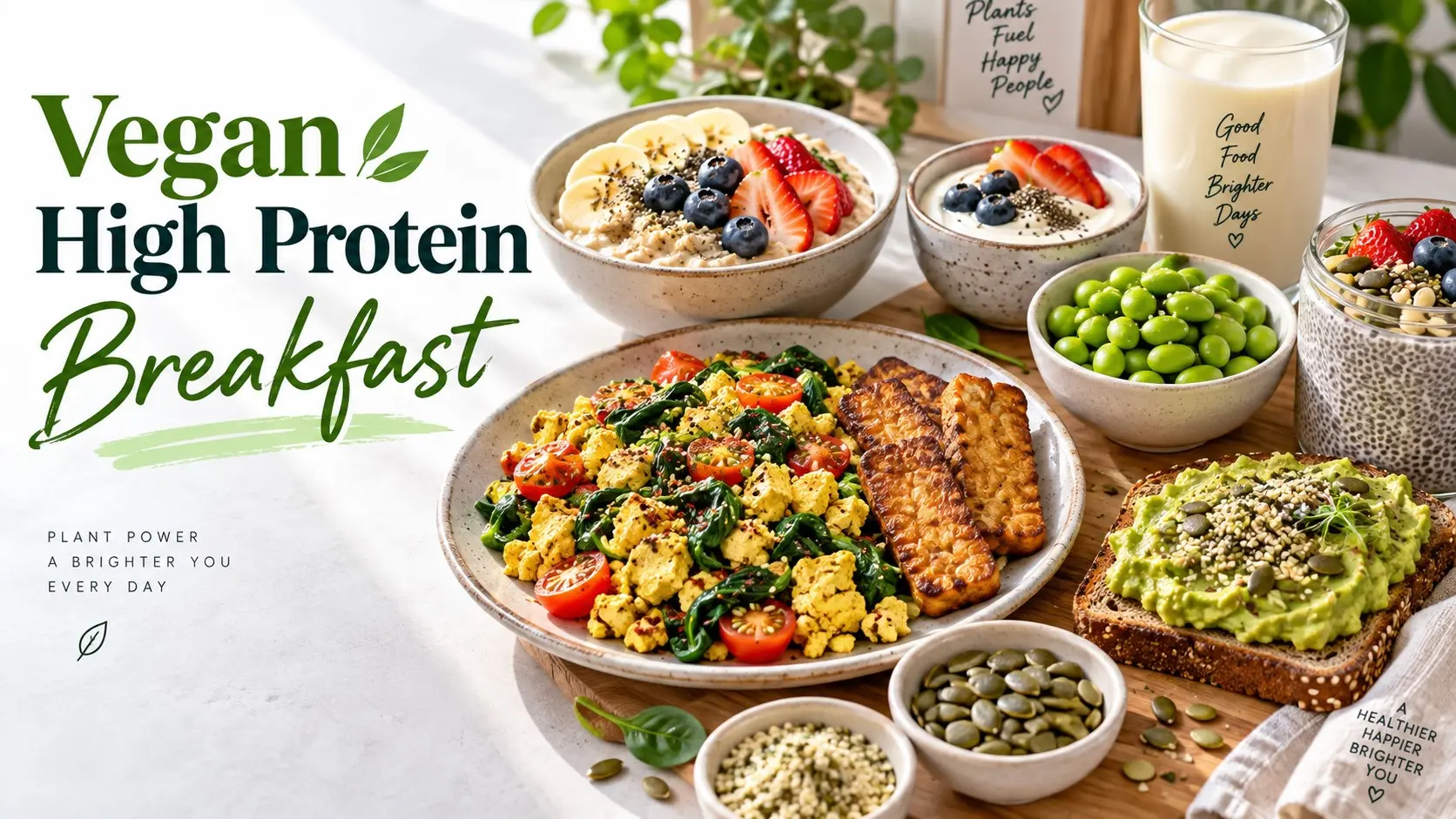
A Vegan High Protein Breakfast can be simple.
You do not need eggs.
You do not need dairy.
You do not need a huge protein shake.
Tofu, tempeh, edamame, lentils, beans, soy milk, soy yogurt, seitan, chickpea flour, oats, seeds, and optional plant protein powder can all help.
The key is using the right portions and combining foods well.
This guide gives you 29 practical breakfast ideas.
Every recipe stays below 300 calories based on the portions listed.
Most provide about 15 to 27 grams of protein.
Some need five minutes.
Others work well for vegan meal prep.
Most use normal supermarket foods.
Important medical note: This content is for general educational purposes and does not replace professional medical advice, diagnosis, or treatment. Consult an appropriately qualified healthcare professional for personal medical concerns. This article explains published guidance and does not provide a personal clinical assessment. Always consult qualified medical professionals for diagnosis and treatment of any health condition.
Important calorie note: A breakfast under 300 calories is not appropriate for every person. These portions are recipe examples, not calorie prescriptions. Your energy needs depend on your body size, age, activity, health, pregnancy status, goals, medicines, and total food intake. Add more food when your body needs it.
Nutrition estimate note: Calories and protein are estimates. Soy foods, breads, tortillas, protein powders, and plant yogurts vary greatly by brand. Check the package label when exact values matter.
What Is a Vegan High Protein Breakfast?
Quick answer: A vegan high-protein breakfast uses plant foods to provide a useful amount of protein in the morning.
Good choices include:
- Tofu
- Tempeh
- Edamame
- Lentils
- Beans
- Chickpea flour
- Seitan
- Fortified soy milk
- High-protein soy yogurt
- Pea or soy protein powder when useful
- Oats
- Hemp seeds
- Chia seeds
- Nut and seed butters
A useful breakfast does not need the highest possible protein number.
It needs enough food, good nutrition, and a combination that fits your needs.
Can Vegans Get Enough Protein?
Yes.
A well-planned vegan diet can provide enough protein.
Harvard's Nutrition Source lists beans, lentils, soy foods, nuts, seeds, and whole grains among useful plant-based protein sources.
You do not need to combine two special proteins at every meal.
Instead, eat a varied diet across the day.
Useful vegan protein sources include soy foods, beans, lentils, peas, nuts, seeds, and grains.
Protein needs still vary from person to person.
Age matters.
Activity matters.
Body size matters.
Pregnancy matters.
Health conditions matter.
Do not copy another person's protein target without considering your own needs.
Best Vegan Breakfast Protein Sources
| Food | Useful Serving | Why It Works at Breakfast |
|---|---|---|
| Firm tofu | 100 to 150 grams | Easy to scramble, bake, or add to bowls |
| Tempeh | 60 to 85 grams | Firm texture and useful protein |
| Edamame | One half to three quarters cup | Protein plus fibre |
| Lentils | One half to one cup cooked | Protein, fibre, iron, and carbohydrate |
| Beans | One half to three quarters cup | Affordable and filling |
| Chickpea flour | About one half cup | Useful for vegan omelets and pancakes |
| Seitan | 60 to 85 grams | Very protein-dense |
| Fortified soy milk | One cup | Easy for oats, smoothies, and cereal |
| High-protein soy yogurt | 150 to 250 grams | Fast and requires no cooking |
| Pea or soy protein powder | Partial or full serving as needed | Convenient when normal food is not enough |
Seitan safety: Seitan contains wheat gluten and is not suitable for people with celiac disease or a wheat allergy.
29 Vegan High Protein Breakfast Recipes Under 300 Calories
| Recipe | Approx. Calories | Approx. Protein | Prep Time |
|---|---|---|---|
| Tofu Spinach Scramble | 220 | 20 g | 10 min |
| Silken Tofu Berry Smoothie | 230 | 17 g | 5 min |
| Edamame Tomato Toast | 250 | 17 g | 8 min |
| Lentil Tofu Breakfast Bowl | 255 | 21 g | 10 min |
| Tempeh Breakfast Tacos | 250 | 17 g | 10 min |
| Chickpea Flour Omelet | 270 | 18 g | 12 min |
| Seitan Spinach Wrap | 230 | 24 g | 8 min |
| Berry Protein Oats | 275 | 23 g | 7 min |
| Soy Yogurt Protein Bowl | 245 | 20 g | 3 min |
| Black Bean Breakfast Bowl | 250 | 16 g | 8 min |
| White Bean Tomato Toast | 290 | 16 g | 6 min |
| Tofu Breakfast Sandwich | 285 | 20 g | 10 min |
| Vegan Protein Pancakes | 245 | 22 g | 12 min |
| Protein Chia Pudding | 280 | 21 g | 5 min plus chill |
| Quinoa Edamame Bowl | 285 | 17 g | 8 min |
| Savory Tofu Oats | 285 | 19 g | 10 min |
| Red Lentil Breakfast Soup | 270 | 18 g | 10 min |
| Tempeh Apple Plate | 250 | 17 g | 7 min |
| Chocolate Soy Protein Bowl | 225 | 23 g | 3 min |
| Pumpkin Tofu Oats | 280 | 20 g | 8 min |
| Chickpea Tofu Skillet | 285 | 19 g | 10 min |
| Pea Protein Berry Smoothie | 280 | 27 g | 5 min |
| Edamame Hummus Toast | 270 | 15 g | 6 min |
| Coffee Protein Overnight Oats | 250 | 22 g | 5 min plus chill |
| Seitan Potato Hash | 240 | 22 g | 12 min |
| Silken Tofu Soy Yogurt Bowl | 260 | 20 g | 4 min |
| Lentil Breakfast Wrap | 250 | 16 g | 8 min |
| Cinnamon Soy Protein Porridge | 260 | 22 g | 7 min |
| Tempeh Bean Salsa Bowl | 290 | 21 g | 10 min |
1. Tofu Spinach Scramble
This tofu breakfast is simple, warm, and savoury.
Ingredients
- 150 grams firm tofu
- One cup spinach
- One small tomato
- Turmeric
- Black pepper
- Garlic powder
Method
Crumble the tofu into a warm pan.
Add spinach and tomato.
Season lightly.
Cook until hot and the vegetables soften.
Estimated nutrition: About 220 calories and 20 grams of protein.
2. Silken Tofu Berry Smoothie
Ingredients
- 200 grams silken tofu
- One cup unsweetened fortified soy milk
- One half cup berries
- Ice
- Cinnamon or vanilla
Method
Blend everything until smooth.
Add more water or ice if needed.
Estimated nutrition: About 230 calories and 17 grams of protein.
3. Edamame Tomato Toast
Ingredients
- Three-quarters cup cooked edamame
- One slice whole grain toast
- Chopped tomato
- Lemon juice
- Black pepper
Method
Mash the edamame lightly with lemon.
Spread it over toast.
Add tomato and pepper.
Estimated nutrition: About 250 calories and 17 grams of protein.
4. Lentil Tofu Breakfast Bowl
Ingredients
- One half cup cooked lentils
- 100 grams firm tofu
- Tomato
- Spinach
- Cumin
Method
Warm the lentils and tofu together.
Add tomato, spinach, and cumin.
Serve hot.
This gives you iron-rich foods, protein, and fibre in one bowl.
Estimated nutrition: About 255 calories and 21 grams of protein.
5. Tempeh Breakfast Tacos
Ingredients
- 70 grams tempeh
- Two small corn tortillas
- Fresh salsa
- Lime juice
Method
Brown the tempeh in a nonstick pan.
Warm the tortillas.
Add tempeh and salsa.
Finish with lime.
Estimated nutrition: About 250 calories and 17 grams of protein.
6. Chickpea Flour Omelet
Ingredients
- One half cup chickpea flour
- Two tablespoons nutritional yeast
- Water
- Spinach
- Tomato
- Black pepper
Method
Mix chickpea flour with enough water to make a batter.
Stir in nutritional yeast and vegetables.
Cook in a nonstick pan until firm on both sides.
Estimated nutrition: About 270 calories and 18 grams of protein.
7. Seitan Spinach Wrap
Ingredients
- 75 grams seitan
- One small whole grain wrap
- Spinach
- Tomato
- Salsa
Method
Warm the seitan.
Add it to the wrap with vegetables and salsa.
Roll and serve.
Estimated nutrition: About 230 calories and 24 grams of protein.
Safety: Do not use seitan if you have celiac disease or a wheat allergy.
8. Berry Protein Oats
These protein oats work well when you want a sweet breakfast.
Ingredients
- 25 grams oats
- One cup unsweetened soy milk
- One half serving pea or soy protein powder
- One teaspoon chia seeds
- One half cup berries
Method
Cook the oats in soy milk.
Remove from heat.
Stir in the protein powder.
Add chia and berries.
Estimated nutrition: About 275 calories and 23 grams of protein.
9. Soy Yogurt Protein Bowl
Ingredients
- 200 grams high-protein unsweetened soy yogurt
- One half cup berries
- One tablespoon hemp seeds
- Cinnamon
Method
Add everything to a bowl.
Stir and eat.
Check the yogurt label because protein varies greatly by brand.
Estimated nutrition: About 245 calories and 20 grams of protein.
10. Black Bean Breakfast Bowl
Ingredients
- Three-quarters cup cooked black beans
- Two tablespoons nutritional yeast
- Spinach
- Salsa
- Cumin
Method
Warm the beans.
Add spinach and cumin.
Top with salsa and nutritional yeast.
Estimated nutrition: About 250 calories and 16 grams of protein.
11. White Bean Tomato Toast
Ingredients
- Three-quarters cup cooked white beans
- One slice whole grain toast
- Tomato
- Lemon juice
- Black pepper
Method
Mash the beans.
Add lemon and pepper.
Spread on toast.
Add tomato.
Estimated nutrition: About 290 calories and 16 grams of protein.
12. Tofu Breakfast Sandwich
Ingredients
- 125 grams firm tofu
- One whole grain English muffin or similar bread
- Tomato
- Spinach
- Mustard
Method
Slice and cook the tofu.
Place it inside the bread with tomato, spinach, and mustard.
Estimated nutrition: About 285 calories and 20 grams of protein.
13. Vegan Protein Pancakes
Ingredients
- 20 grams oats
- One half banana
- 20 grams pea or soy protein powder
- One half cup soy milk
- Cinnamon
Method
Blend the ingredients.
Cook small pancakes in a nonstick pan.
Serve with berries if they fit your portion.
Estimated nutrition: About 245 calories and 22 grams of protein.
14. Protein Chia Pudding
Ingredients
- One cup fortified unsweetened soy milk
- Two tablespoons chia seeds
- One half serving plant protein powder
- One quarter cup berries
Method
Mix everything except the berries.
Refrigerate until thick.
Add berries before eating.
Estimated nutrition: About 280 calories and 21 grams of protein.
15. Quinoa Edamame Bowl
Ingredients
- One half cup cooked quinoa
- Three quarters cup cooked edamame
- Spinach
- Lemon juice
- Black pepper
Method
Warm the quinoa and edamame.
Add spinach.
Finish with lemon and pepper.
Estimated nutrition: About 285 calories and 17 grams of protein.
16. Savoury Tofu Oats
Ingredients
- 30 grams oats
- 125 grams firm tofu
- Spinach
- Black pepper
- Garlic powder
Method
Cook the oats with water.
Crumble in warm tofu.
Add spinach and seasoning.
This is a simple savoury vegan breakfast.
Estimated nutrition: About 285 calories and 19 grams of protein.
17. Red Lentil Breakfast Soup
Ingredients
- One cup cooked red lentils
- Tomato
- Spinach
- Cumin
- Lemon juice
Method
Warm the lentils with tomato and spinach.
Add enough water for your preferred texture.
Season with cumin and lemon.
Estimated nutrition: About 270 calories and 18 grams protein.
18. Tempeh Apple Breakfast Plate
Ingredients
- 85 grams tempeh
- One small apple
- Cinnamon
Method
Cook the tempeh in a nonstick pan.
Slice the apple.
Sprinkle the apple with cinnamon.
Estimated nutrition: About 250 calories and 17 grams of protein.
19. Chocolate Soy Protein Bowl
Ingredients
- 200 grams high-protein unsweetened soy yogurt
- 10 grams pea or soy protein powder
- One teaspoon unsweetened cocoa powder
- One half cup berries
Method
Mix the protein powder and cocoa into the yogurt.
Add berries.
Estimated nutrition: About 225 calories and 23 grams of protein.
20. Pumpkin Tofu Oats
Ingredients
- 20 grams oats
- 80 grams silken or soft tofu
- One cup unsweetened soy milk
- Two tablespoons pumpkin puree
- Cinnamon
Method
Cook the oats in soy milk.
Blend or mash the tofu with pumpkin.
Stir it into the oats.
Add cinnamon.
Estimated nutrition: About 280 calories and 20 grams of protein.
21. Chickpea Tofu Skillet
Ingredients
- One half cup chickpeas
- 100 grams firm tofu
- Tomato
- Spinach
- Paprika
Method
Cook the tofu and chickpeas together.
Add vegetables and paprika.
Serve warm.
Estimated nutrition: About 285 calories and 19 grams protein.
22. Pea Protein Berry Smoothie
Ingredients
- One cup unsweetened soy milk
- One serving pea protein powder
- One half banana
- One half cup berries
- Ice
Method
Blend until smooth.
If you prefer to chew part of breakfast, use less banana in the smoothie and eat some whole fruit beside it.
Estimated nutrition: About 280 calories and 27 grams protein.
23. Edamame Hummus Toast
Ingredients
- One half cup cooked edamame
- Two tablespoons hummus
- One slice whole grain toast
- Tomato
Method
Mash the edamame with hummus.
Spread on toast.
Add tomato.
Estimated nutrition: About 270 calories and 15 grams of protein.
24. Coffee Protein Overnight Oats
Ingredients
- 25 grams oats
- One cup unsweetened soy milk
- 15 grams pea or soy protein powder
- A small amount of cooled coffee
- One teaspoon cocoa powder
Method
Mix everything in a jar.
Refrigerate overnight.
Stir before eating.
This is useful vegan breakfast meal prep.
Estimated nutrition: About 250 calories and 22 grams protein.
25. Seitan Potato Hash
Ingredients
- 75 grams seitan
- 120 grams cooked potato
- Bell pepper
- Onion
- Paprika
Method
Cut everything into small pieces.
Cook in a nonstick pan until hot and lightly browned.
Estimated nutrition: About 240 calories and 22 grams of protein.
26. Silken Tofu Soy Yogurt Bowl
Ingredients
- 200 grams silken tofu
- 150 grams high protein soy yogurt
- One half cup strawberries
- Vanilla
Method
Blend tofu and soy yogurt until creamy.
Add strawberries.
Estimated nutrition: About 260 calories and 20 grams protein.
27. Lentil Breakfast Wrap
Ingredients
- One half cup cooked lentils
- One small protein rich whole grain tortilla
- Salsa
- Spinach
Method
Warm the lentils.
Add everything to the tortilla.
Roll and serve.
Estimated nutrition: About 250 calories and 16 grams of protein.
28. Cinnamon Soy Protein Porridge
Ingredients
- 30 grams oats
- One cup unsweetened soy milk
- 15 grams soy or pea protein powder
- Cinnamon
- Vanilla
Method
Cook oats with soy milk.
Remove from the heat.
Stir in protein powder, cinnamon, and vanilla.
Estimated nutrition: About 260 calories and 22 grams protein.
29. Tempeh Bean Salsa Bowl
Ingredients
- 60 grams tempeh
- One half cup black beans
- Salsa
- Spinach
- Lime juice
Method
Cook the tempeh.
Warm the beans.
Add spinach and salsa.
Finish with lime.
Estimated nutrition: About 290 calories and 21 grams protein.
What Makes These Breakfasts More Filling?
Protein is only part of the answer.
A useful breakfast can also include dietary fiber, water, whole foods, and enough total food for your needs.
Beans, lentils, berries, oats, chia, vegetables, and whole grains can help increase fiber.
That is why I prefer combining protein with normal foods rather than chasing protein numbers alone.
Do You Need Protein Powder?
No.
You can build a high protein vegan breakfast without protein powder.
Tofu, tempeh, seitan, soy foods, lentils, beans, edamame, and chickpea flour can do much of the work.
Protein powder can still be convenient.
It can help when:
- You have little time
- Your appetite is low
- You have higher protein needs
- Your breakfast food options are limited
- You need an easy portable meal
Check the label before buying.
Look at protein, calories, added sugar, sodium, allergens, and other ingredients.
A powder should be a tool.
It does not need to become your whole diet.
What About Complete Protein?
Your body needs essential amino acids.
Some plant foods have a stronger amino acid profile than others.
Soy is especially useful.
Other useful sources include beans, lentils, peas, grains, nuts, seeds, and quinoa.
You do not need to create a perfect complete protein combination at every meal.
A varied diet across the day can provide the amino acids your body needs.
Why Soy Works So Well at Breakfast
Soy foods are very useful in vegan breakfasts.
They can provide protein in relatively modest portions.
Examples include:
- Tofu
- Tempeh
- Edamame
- Fortified soy milk
- Soy yogurt
This makes soy protein easy to spread through breakfast without making portions huge.
Important Nutrients on a Vegan Diet
Protein should not be your only focus.
A vegan diet needs good planning.
The NHS notes that people following vegan diets should pay attention to several nutrients that can be harder to obtain.
Vitamin B12
Vitamin B12 deserves special attention.
Natural plant foods are not reliable sources of vitamin B12.
Useful vegan sources include properly fortified foods and appropriate supplements.
Examples can include:
- Fortified soy milk
- Fortified breakfast cereals
- Fortified nutritional yeast
- Vitamin B12 supplements
Check the label.
Do not assume every plant milk or nutritional yeast contains vitamin B12.
Iron
Vegan foods can provide iron.
Examples include:
- Lentils
- Beans
- Tofu
- Fortified cereals
- Pumpkin seeds
- Chickpeas
Plant iron is absorbed less efficiently than iron from meat.
NIH notes that people who eat a vegetarian diet may need more dietary iron because nonheme iron is absorbed less efficiently.
Pair iron-rich foods with vitamin C foods.
Try berries, citrus fruit, tomatoes, peppers, or broccoli.
Calcium and Vitamin D
Fortified plant drinks can help.
Calcium-set tofu can also provide calcium.
Check labels because fortification varies.
Iodine
Iodine can be easy to overlook on a vegan diet.
Ask a registered dietitian or healthcare professional about iodine if your diet has few reliable sources.
Omega 3 Fats
Useful vegan foods include:
- Ground flaxseed
- Chia seeds
- Walnuts
- Hemp seeds
Can a Vegan High Protein Breakfast Help With Weight Management?
It can be part of a weight management plan.
But protein does not burn body fat by itself.
No breakfast melts fat.
No smoothie resets metabolism.
Protein may help meals feel satisfying for some people.
Fiber rich foods may also help.
Your full eating pattern still matters.
So do sleep, activity, medicines, health conditions, and total energy intake.
For a wider guide, visit the NextFitLife Weight Loss and Metabolism Hub.
Can You Make These Breakfasts Without Protein Powder?
Yes.
Choose recipes built around:
- Tofu
- Tempeh
- Edamame
- Seitan
- Beans
- Lentils
- Chickpea flour
- High protein soy yogurt
Those are some of the easiest ways to make vegan breakfast recipes with more protein.
Five Minute Vegan High Protein Breakfasts
When the morning is busy, use the fastest choices.
| Breakfast | Main Protein Source | Time |
|---|---|---|
| Soy Yogurt Protein Bowl | Soy yogurt and hemp | 3 min |
| Chocolate Soy Protein Bowl | Soy yogurt and plant protein | 3 min |
| Silken Tofu Soy Yogurt Bowl | Tofu and soy yogurt | 4 min |
| Silken Tofu Berry Smoothie | Tofu and soy milk | 5 min |
| Pea Protein Berry Smoothie | Soy milk and pea protein | 5 min |
Best Vegan Breakfasts for Meal Prep
Prepare these the night before:
- Protein chia pudding
- Coffee protein overnight oats
- Berry protein oats
- Cooked lentils
- Cooked beans
- Cooked quinoa
- Baked tofu
- Cooked tempeh
Store food safely in the refrigerator.
Use clean containers.
Reheat cooked foods safely when needed.
How to Add More Protein Without Too Many Extra Calories
Start with the protein source.
Then build the rest of the meal.
For example:
- Choose tofu before adding lots of avocado
- Use edamame before adding large amounts of nuts
- Use soy milk instead of a low-protein plant drink
- Choose higher protein soy yogurt when available
- Add beans or lentils to savoury meals
- Use a modest amount of seeds rather than several large spoonfuls
Nuts and seeds are nutritious.
They are also energy dense.
A small portion may fit better when you specifically want a breakfast below 300 calories.
Common Vegan High Protein Breakfast Mistakes
Using Nut Butter as the Main Protein
Nut butter has protein.
But it also contains a lot of energy in a small amount.
It works better as a supporting ingredient than the only protein source when calories matter.
Choosing Low Protein Plant Milk
Some plant drinks contain very little protein.
Fortified soy milk often provides more protein than many almond, coconut, or rice drinks.
Compare labels.
Ignoring Vitamin B12
A breakfast can contain plenty of protein and still be missing an important nutrient.
Make sure your full vegan diet has a reliable vitamin B12 plan.
Adding Too Many Toppings
Seeds, nuts, coconut, nut butter, granola, and dried fruit can all be nutritious.
Adding all of them to one bowl can change a light breakfast into a very large meal.
Choose the toppings that serve a purpose.
Assuming Vegan Means Healthy
A vegan label does not tell you the full nutrition story.
Vegan cookies are still cookies.
Vegan breakfast bars can still contain a lot of sugar.
Look at the whole food or full nutrition label.
Who Should Get Personal Nutrition Advice?
Talk with a doctor or registered dietitian before making major diet changes if you:
- Have kidney disease
- Have liver disease
- Have diabetes
- Have celiac disease
- Have severe digestive disease
- Have iron deficiency or anemia
- Have a vitamin B12 deficiency
- Are pregnant
- Are breastfeeding
- Are under 18
- Have an eating disorder or a history of one
- Have unexplained weight loss
- Have trouble meeting your energy needs
A dietitian can help make a vegan diet nutritious without making food more complicated than necessary.
My Approach to Vegan Nutrition
At NextFitLife, I do not rank a breakfast by protein alone.
I look at the full meal.
I consider protein.
I consider fibre.
I consider calories.
I consider vitamin and mineral needs.
I also consider whether someone can actually prepare the meal.
I compare nutrition guidance from government, university, and healthcare sources before turning it into simple food ideas.
I do not believe vegan eating needs expensive powders or specialty foods.
Beans, lentils, tofu, soy milk, oats, and frozen edamame can do a lot.
Conclusion
A Vegan High Protein Breakfast can be simple, filling, colorful, and practical.
Start with tofu, tempeh, beans, lentils, edamame, chickpea flour, seitan, soy milk, or soy yogurt.
Add oats, fruit, vegetables, or whole grains.
Use seeds and nut butter in sensible portions.
Do not forget nutrients such as vitamin B12 and iron.
Your next step: Choose three recipes from this guide. Buy the ingredients once. Repeat those breakfasts during the week before trying more complicated options.
References and Sources
- NHS. The Vegan Diet. Reviewed June 5, 2026.
Read the NHS vegan diet guidance. - National Institutes of Health Office of Dietary Supplements. Vitamin B12 Fact Sheet.
Read the NIH vitamin B12 guidance. - National Institutes of Health Office of Dietary Supplements. Iron Fact Sheet for Consumers.
Read the NIH iron guidance. - Harvard T.H. Chan School of Public Health. Protein, The Nutrition Source.
Read the Harvard protein guide. - United States Department of Health and Human Services and United States Department of Agriculture. Dietary Guidelines for Americans, 2025 to 2030.
Read the current Dietary Guidelines resources.
Explore More NextFitLife Nutrition Guides
Continue building your nutrition plan with these related NextFitLife guides:
- High Protein Foods for Weight LossCompare animal and plant protein foods, serving sizes, calories, and practical meal ideas.
- Weight Loss and Metabolism HubExplore protein, fiber, meal planning, portions, movement, and sustainable weight management.
- Nutrition and Vitamins HubLearn about vitamin B12, iron, calcium, vitamin D, zinc, magnesium, food sources, and supplements.
- Gut Health and Digestion Foods HubExplore fiber, beans, oats, digestive comfort, fermented foods, and gut friendly meals.
- Top Healthy Foods GuideFind whole foods, plant protein choices, healthy fats, whole grains, fruit, and vegetables.
- Healthy Sweet SnacksFind practical snack ideas when you want something sweet without turning it into a full dessert meal.
About the Author
Adel Galal is the Founder and Lead Writer at NextFitLife.
He focuses on making health, nutrition, fitness, and wellness information easier to understand and use in normal life.
His work combines real life experience, extensive research, and consultation with healthcare providers.
For nutrition articles, he checks recognized government, university, medical, and public health sources and turns complex information into practical food choices.
Adel is not a doctor, dermatologist, or registered dietitian.
NextFitLife content is educational and does not replace professional medical or nutrition care.
Learn more about Adel, NextFitLife, and the site's editorial approach on the About Us page.
Frequently Asked Questions
What is the best Vegan High Protein Breakfast?
There is no single best option. Tofu scramble, protein oats, tempeh tacos, lentil bowls, chickpea flour omelets, edamame toast, and soy yogurt bowls can all provide useful plant protein.
How can vegans get more protein at breakfast?
Build breakfast around tofu, tempeh, edamame, beans, lentils, seitan, chickpea flour, soy milk, or high protein soy yogurt. Add grains, fruit, vegetables, or seeds around the main protein source.
Can I get 20 grams of vegan protein at breakfast?
Yes. Tofu, seitan, soy foods, lentils, tempeh, or a modest amount of plant protein powder can make 20 grams practical. Exact protein depends on the food and portion.
Can a vegan breakfast have protein without protein powder?
Yes. Tofu, tempeh, seitan, edamame, beans, lentils, chickpea flour, soy yogurt, and soy milk can provide protein without powder.
Is tofu good for breakfast?
Yes. Firm tofu works well in scrambles, wraps, sandwiches, and savory oats. Silken tofu can be blended into smoothies, oats, or creamy breakfast bowls.
Are oats high in protein?
Oats contain some protein but usually work better when paired with soy milk, soy yogurt, tofu, seeds, or a plant protein powder when a higher protein breakfast is the goal.
Is peanut butter a high protein vegan breakfast food?
Peanut butter provides some protein, but it also contains a lot of energy in a small serving. It works well as part of breakfast rather than the only protein source.
What is a good vegan breakfast for weight management?
Try tofu with vegetables, protein oats, soy yogurt with berries, lentils, beans, or edamame. Choose a portion that fits your individual needs. No breakfast causes weight loss by itself.
Do vegans need vitamin B12?
Vegans need a reliable source of vitamin B12 because natural plant foods are not dependable sources. Fortified foods and supplements are common options. Speak with a healthcare professional when you are unsure about your needs.
How can vegans get iron at breakfast?
Use lentils, beans, tofu, chickpea flour, fortified cereal, or seeds. Pair plant iron with a vitamin C food such as berries, citrus fruit, tomato, peppers, or broccoli.
Is soy milk better than almond milk for protein?
Soy milk often contains substantially more protein than many almond, rice, or coconut drinks. Brands vary, so compare the nutrition label and choose a fortified product when possible.
Can I eat a vegan high protein breakfast every day?
Yes, if it fits your overall nutrition needs. Change the foods through the week so you get a wider range of nutrients and flavors.
Is a breakfast under 300 calories enough?
Not for everyone. Some people need a much larger breakfast. The recipes in this guide stay below 300 calories because of their listed portions, but your own meal should match your hunger, health, body size, activity, and total energy needs.
What is the fastest vegan high protein breakfast?
A high protein soy yogurt bowl, tofu smoothie, overnight oats, or soy milk protein smoothie can take about five minutes or less when the ingredients are ready.

Health & wellness writer with 30+ years of experience in nutrition, fitness, and healthy aging. Founder of NextFitLife.com — evidence-based health guidance.