Published: November 2022
Last updated: September 21, 2026
Next review: September 2027, or sooner if major liver or nutrition guidance changes.
Written and source checked by: Adel Galal, Founder and Lead Writer at NextFitLife
Medical review status: This article has not been medically reviewed by a liver specialist, doctor, registered dietitian, pharmacist, or other licensed healthcare professional.
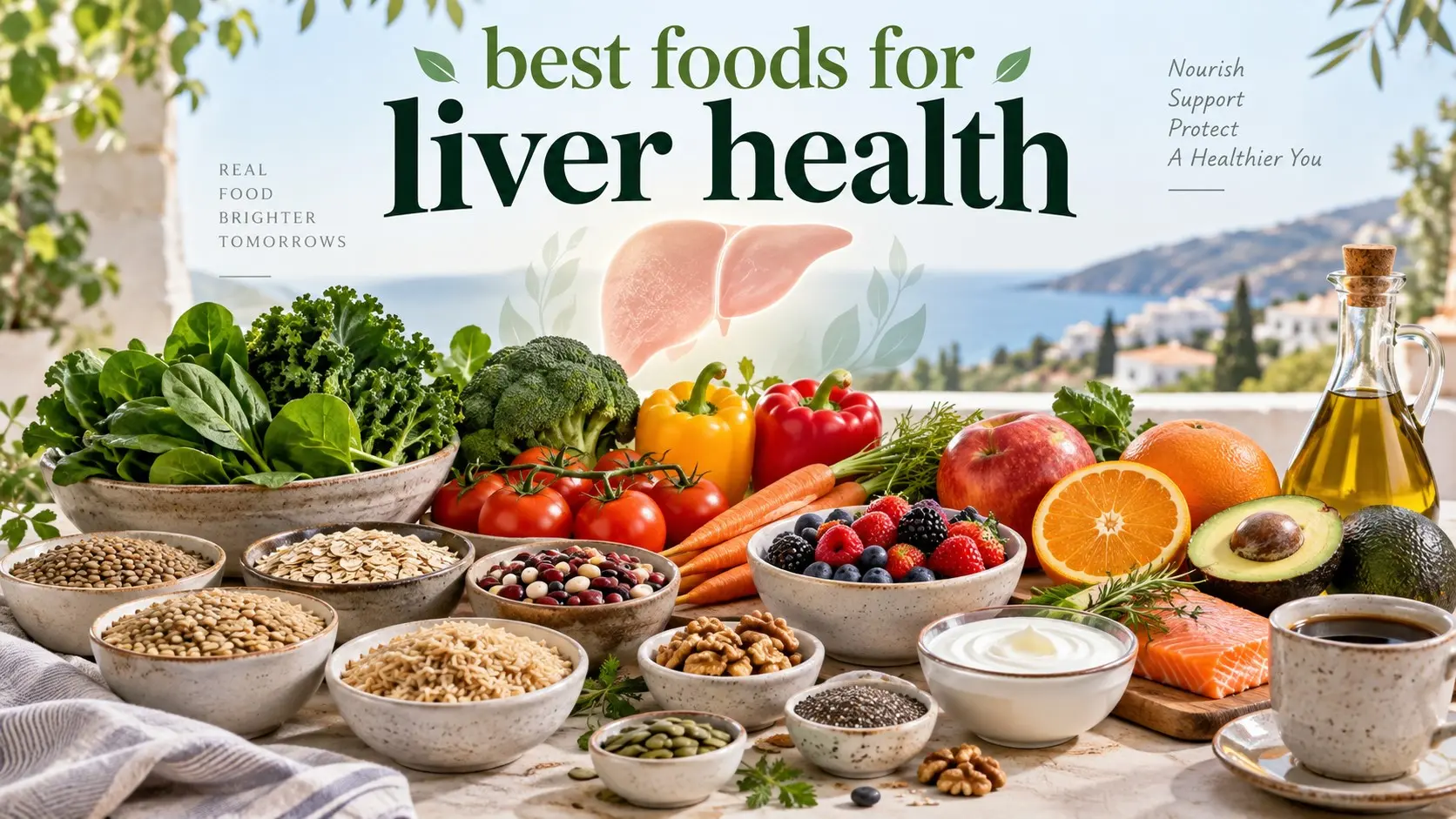
Best foods for liver health are not magic detox foods. They are simple foods that fit a healthy eating pattern, such as vegetables, whole fruit, beans, whole grains, fish, nuts, seeds, olive oil, and other foods rich in fibre and unsaturated fat.
The bigger picture matters more than one ingredient. A Mediterranean-style eating pattern, less added sugar, fewer highly processed foods, a healthy weight when needed, regular activity, and careful alcohol use can all help protect liver health.
This guide gives you 17 practical food choices, explains what to limit, and clears up common claims about coffee, turmeric, lemon water, garlic, and liver cleanses.
For more nutrition guidance, visit the NextFitLife Nutrition and Vitamins Guide.
Medical Notice
This content is for general educational purposes and does not replace professional medical advice, diagnosis, or treatment. Consult an appropriately qualified healthcare professional for personal medical concerns. This article explains published guidance and does not provide a personal clinical assessment. Always consult qualified medical professionals for diagnosis and treatment of any health condition.
Food cannot diagnose or cure hepatitis, cirrhosis, liver cancer, advanced fibrosis, alcohol related liver disease, or other serious liver problems.
Some herbs and supplements can also harm the liver. Ask a qualified healthcare professional before starting a liver cleanse, herbal product, high dose vitamin, or supplement if you have liver disease or abnormal liver tests.
Table of Contents
- Quick Answer
- What the Liver Does
- The Eating Pattern That Matters Most
- 17 Smart Food Choices
- What About Coffee?
- Foods and Drinks to Limit
- Simple Liver-Friendly Plate
- Weight Loss and Fatty Liver
- Do Liver Detox Foods Work?
- When Food Is Not Enough
- References and Sources
- Conclusion
- Internal Links and Hub
- About the Author
- Frequently Asked Questions
Quick Answer: What Are the Best Foods for Liver Health?
The best foods for liver health are foods that help build a healthy overall diet. Good choices include vegetables, berries, other whole fruit, beans, lentils, oats, whole grains, fish, tofu, eggs, plain yogurt, nuts, seeds, olive oil, and avocado.
These foods give you fibre, protein, vitamins, minerals, and unsaturated fats. They also replace foods that can make liver fat and blood sugar problems worse, such as sugary drinks, sweets, refined grains, and many highly processed foods.
What Does Your Liver Actually Do?
Your liver helps process food, store energy, make bile, manage blood sugar, make important proteins, and handle medicines and other chemicals.
It also helps remove waste from the blood. That does not mean you need a special drink to “clean” it.
Your liver already has systems for handling waste. The best support is to reduce things that can harm it and give your body a balanced diet.
What Is Fatty Liver Disease Called Now?
The condition once called nonalcoholic fatty liver disease, or NAFLD, is now commonly called MASLD. That means metabolic dysfunction-associated steatotic liver disease.
The form with liver swelling and damage is called MASH. It was once called NASH.
MASLD often appears with extra body weight, insulin resistance, type 2 diabetes, high triglycerides, or high blood pressure.
If you already have fatty liver, see the NextFitLife Fatty Liver Disease Treatments Guide.
The Eating Pattern Matters More Than One Superfood
Current liver guidance does not center on one food, spice, juice, or supplement.
A Mediterranean-style pattern has much stronger support. It is built around vegetables, whole fruit, beans, lentils, whole grains, fish, nuts, seeds, and olive oil, with fewer sugary drinks, refined foods, and heavily processed meals.
This type of eating pattern can also help with blood sugar, weight, cholesterol, and heart health. Those problems often occur alongside MASLD.
17 Smart Choices for Liver Health
1. Leafy Greens
Spinach, kale, arugula, lettuce, and similar greens are easy ways to add vegetables without adding much sugar or saturated fat.
They provide fibre, folate, potassium, and many plant compounds. Their value comes from being part of a vegetable-rich diet, not from “flushing toxins” out of the liver.
Use them in salads, soups, eggs, grain bowls, or cooked side dishes.
2. Broccoli and Other Cruciferous Vegetables
Broccoli, cauliflower, cabbage, and Brussels sprouts fit well in a Mediterranean-style diet.
They provide fibre and many plant nutrients while adding volume to meals. This can make it easier to build filling meals without relying on large amounts of refined starch or fatty processed food.
Roast, steam, grill, or add them to soups and stir fries.
3. Tomatoes, Peppers, and Carrots
Color matters because different vegetables provide different plant compounds and nutrients.
Tomatoes, peppers, carrots, courgettes, aubergine, and similar vegetables can make up a large part of a liver-friendly meal.
Fresh and frozen vegetables are both useful. Lower-salt canned options can work too.
4. Berries
Blueberries, strawberries, raspberries, and blackberries give you fruit, fibre, and polyphenols with no added sugar.
They work well with oats or plain yogurt. Frozen berries without added sugar are useful when fresh berries cost too much or are out of season.
They should be treated as healthy fruit, not as a treatment for liver disease.
5. Apples, Oranges, Pears, and Other Whole Fruit
Whole fruit is a better everyday choice than juice because it keeps the fiber and is easier to portion.
NIDDK advises people with fatty liver to favor lower glycemic foods such as many fruits and vegetables while cutting drinks and foods loaded with simple sugar.
Fruit juice can deliver a lot of sugar quickly, so whole fruit usually makes more sense.
6. Beans and Lentils
Beans, chickpeas, peas, and lentils give you plant protein plus fiber.
That combination can help build filling meals and replace some processed meat or large portions of refined grains.
Try lentil soup, chickpea salad, beans with brown rice, or hummus with vegetables.
7. Oats
Oats are a simple whole grain choice and an excellent source of soluble fibre.
A bowl of plain oats can replace sugary cereal or pastries at breakfast. Add berries, plain yogurt, or a small amount of nuts instead of a large spoonful of sugar.
Oats are useful because they fit the bigger healthy eating pattern, not because they clean the liver.
8. Barley, Brown Rice, Quinoa, and Other Whole Grains
Whole grains usually provide more fibre than refined grain foods.
NIDDK recommends lower glycemic foods such as whole grains for people with fatty liver while advising less white bread, white rice, and other refined choices.
Portion still matters, especially if you have diabetes or are trying to lose weight.
9. Salmon
Salmon gives you protein and omega-3 fatty acids.
Omega-3 fats support heart health, which matters because people with MASLD often also have high triglycerides, diabetes, or other heart risk factors.
Bake, grill, or roast salmon rather than covering it in heavy fried coatings.
10. Sardines, Mackerel, and Trout
You do not need salmon every time you eat fish.
Sardines, mackerel, trout, and herring also provide omega-3 fats. Some can be cheaper and easier to keep at home.
If you use canned fish, check the salt level if you have high blood pressure or have been told to limit sodium.
11. Tofu and Tempeh
Tofu and tempeh are useful plant protein foods.
They can replace fatty or processed meat in stir-fries, soups, bowls, and salads. That swap can lower saturated fat while keeping the meal filling.
Choose the form you enjoy and can use often.
12. Eggs and Poultry
Eggs and skinless poultry can fit a healthy liver eating pattern when prepared simply.
The goal is not to eat huge amounts of protein. It is to choose protein foods that fit your health needs and replace heavily processed meat more often.
If you also have kidney disease, your ideal protein amount may need to be set by your healthcare team.
13. Plain Yogurt
Plain yogurt can provide protein and calcium without the large amount of added sugar found in some flavoured products.
Use it with berries, oats, or nuts. Check the label because some products that look healthy contain a lot of added sugar.
A suitable fortified plant alternative can also work if you do not use dairy.
14. Walnuts, Almonds, and Other Nuts
Nuts provide unsaturated fats, fiber, plant protein, and minerals.
They are also energy-dense, so a small portion is usually enough. The goal is to replace less helpful snacks, not add large amounts of nuts on top of the same diet.
Walnuts fit especially well with a Mediterranean style pattern.
15. Chia, Flax, Sesame, and Other Seeds
Seeds offer fibre and healthy fats in a small amount of food.
Use them in oatmeal, yogurt, salads, or whole grain dishes. Ground flax can be easier to mix into meals.
Again, the benefit comes from the full food pattern rather than one seed acting as medicine.
16. Extra Virgin Olive Oil
Olive oil is a main fat in the Mediterranean diet.
It is rich in unsaturated fat and can replace butter, shortening, or other fats high in saturated fat.
It still contains a lot of energy, so more is not always better. Use enough to cook or dress food rather than pouring large amounts over every meal.
17. Avocado
Avocado gives you fibre and mostly unsaturated fat.
It can replace butter, creamy sauces, or other foods higher in saturated fat. Add it to toast, salad, beans, or a grain bowl if you enjoy it.
Avocado does not “clean” the liver. It is simply one healthy fat source among several.
What About Coffee and Liver Health?
Coffee is one of the more interesting drinks in liver research.
Studies have linked coffee use with less advanced liver disease and lower liver scarring in some groups. Current liver guidance discusses coffee as a possible helpful part of care, but that does not make coffee a treatment.
If you already enjoy coffee and tolerate it, plain coffee or coffee with little added sugar can fit. A large drink filled with syrup, cream, and sugar is a fresh food.
If you do not drink coffee, you do not need to start just for your liver.
Is Green Tea Good for the Liver?
Unsweetened brewed tea can fit a healthy diet.
The mistake is turning that into a claim that green tea “detoxes” the liver. It does not work like a cleaning fluid.
Concentrated herbal or green tea extract supplements are also different from drinking normal tea. Supplements can have stronger effects, and some products have been linked with liver injury.
If you have liver disease, ask your healthcare team before taking concentrated herbal products.
Foods and Drinks to Limit for Better Liver Health
What you eat less often can matter as much as what you add.
| Limit More Often | Why It Matters | Simple Swap |
|---|---|---|
| Sugary drinks | They can add large amounts of sugar and calories quickly. | Water, sparkling water, plain tea, or coffee. |
| Fruit juice | It has less fiber and can deliver sugar quickly. | Whole fruit. |
| Sweets and pastries | Often high in added sugar, refined flour, and saturated fat. | Fruit, plain yogurt, or a smaller occasional portion. |
| Refined grains | They usually contain less fiber. | Oats, barley, brown rice, or whole grain bread. |
| Processed meats | Often high in salt and saturated fat. | Beans, fish, tofu, eggs, or suitable poultry. |
| Foods high in saturated fat | Can make a high calorie eating pattern easier and may worsen metabolic risk. | Olive oil, nuts, seeds, fish, or avocado in suitable portions. |
| Alcohol | Alcohol can directly damage the liver and can worsen liver disease. | Ask your clinician what is safe for your liver condition. |
How Much Alcohol Is Safe for Liver Health?
This question depends on your health.
If you have known liver disease, especially significant liver scarring, cirrhosis, or alcohol related liver disease, your healthcare team may advise no alcohol at all.
NIDDK tells people with fatty liver to minimize alcohol because it can cause liver damage. Current liver guidance is even stricter when fibrosis is advanced.
If you drink heavily every day, do not suddenly stop without medical advice. Alcohol withdrawal can be dangerous.
A Simple Liver-Friendly Plate
You do not need a special liver recipe book to build a useful meal.
Half the plate: vegetables, such as broccoli, spinach, peppers, tomatoes, or salad.
One quarter: protein, such as fish, beans, lentils, tofu, eggs, poultry, or plain yogurt.
One quarter: a whole grain or another suitable high-fibre carbohydrate, such as brown rice, barley, oats, or whole-grain bread.
Add: a modest amount of olive oil, nuts, seeds, or avocado.
Drink: water or another unsweetened drink.
This is a flexible guide, not a medical prescription. Diabetes, kidney disease, cirrhosis, food allergies, pregnancy, and other conditions can change what is right for you.
A Sample Day of Liver-Friendly Meals
Breakfast
Plain oatmeal with berries and walnuts, plus coffee or tea with little added sugar.
Lunch
Lentil and vegetable soup with whole grain bread and a simple salad dressed with olive oil.
Snack
Plain yogurt with fruit, or an apple with a small portion of nuts.
Dinner
Baked salmon or tofu with roasted vegetables and brown rice or barley.
This example is meant to show a pattern. Your own portions should fit your size, health, activity, medicines, and goals.
Does Weight Loss Help Fatty Liver?
If you have MASLD and also have overweight or obesity, gradual weight loss can improve liver health.
NIDDK reports that losing about 3% to 5% of body weight can reduce liver fat. Greater loss, often around 7% to 10%, may be needed to improve liver swelling and scarring in some people.
Rapid weight loss is not the goal. NIDDK warns that very fast weight loss and poor nutrition can make liver disease worse.
For a safer approach, visit the NextFitLife Weight Loss and Metabolism Hub.
Does Exercise Help Even if Weight Does Not Change?
Yes.
NIDDK notes that physical activity can help fatty liver even without weight loss. Movement also helps blood sugar, heart health, fitness, and weight control.
Walking is a good start for many people. Strength training, cycling, swimming, or other exercise can also fit if they are safe for you.
Do Lemon Water, Garlic, Turmeric, or Detox Drinks Clean the Liver?
No food or drink has been shown to wash toxins out of the liver.
Your liver already processes many chemicals and waste products. A lemon drink does not turn that system on, and a spice does not replace medical care.
Lemon Water
Lemon water can help you drink more fluid if you enjoy it. It does not cleanse liver cells.
Garlic
Garlic is a useful food for flavor and can fit a healthy diet. It is not a proven liver detox treatment.
Turmeric
Turmeric is a normal spice and can be used in meals. High-dose turmeric or curcumin supplements are different and should not be treated as harmless just because they come from a plant.
Detox Tea
There is no proven detox tea that cleans the liver. Some herbal products can even cause liver injury.
If you have abnormal liver tests, use food as food and let your medical team handle treatment.
Are Liver Supplements Worth Taking?
Do not assume a supplement labelled “liver support” has been proven to protect the liver.
NIDDK warns that some herbal remedies can damage the liver. Supplements can also interact with medicines.
If you have liver disease, ask your doctor or pharmacist before taking milk thistle, concentrated green tea extract, high-dose vitamins, turmeric capsules, or another herbal product.
Food Is Important, but Liver Treatment Has Changed
Diet and activity are still central in MASLD care, but food is not the only treatment when liver damage is advanced.
By 2026, the United States has approved medicines for some adults with MASH and moderate to advanced liver fibrosis, including rostrum and semaglutide.
These medicines are for selected patients with a proper diagnosis. They are not replacements for healthy food, and healthy food is not a replacement for them when medical treatment is needed.
When Should You Get Medical Help?
Many liver problems cause few symptoms early, so blood tests or imaging may find them first.
Talk with a healthcare professional if you have abnormal liver tests, known fatty liver, hepatitis, heavy alcohol use, or risk factors such as type 2 diabetes and obesity.
Seek urgent medical care for symptoms such as:
- Yellow skin or yellow eyes
- Vomiting blood
- Black or bloody stool
- New confusion
- Severe belly swelling
- Fainting
- Severe weakness
- Trouble breathing
- Severe or rapidly worsening abdominal pain
These symptoms are not something to treat with a new food or detox drink.
Common Myths About the Best Foods for Liver Health
Myth: One Food Can Heal the Liver
No. A healthy pattern matters more than one food.
Myth: Green Juice Cleans the Liver
No. Juice does not wash toxins from liver tissue.
Myth: Fruit Is Bad for Fatty Liver
Whole fruit can fit a healthy diet. Sugary drinks and large amounts of juice are a different issue because they deliver sugar quickly with less fibre.
Myth: You Must Avoid All Fat
No. Unsaturated fats from olive oil, fish, nuts, seeds, and avocado can fit a liver-friendly diet.
Myth: Supplements Are Safer Than Medicine
No. Some supplements can damage the liver or interact with medicine.
References and Sources
The medical and nutrition information in this article was checked against current liver guidance and open medical sources.
- National Institute of Diabetes and Digestive and Kidney Diseases: Eating, Diet, and Nutrition for Fatty Liver Disease
U.S. government guidance on healthy eating, lower glycemic foods, whole grains, unsaturated fats, added sugar, fructose, weight, and alcohol in fatty liver care.
Read the NIDDK liver nutrition guide - National Institute of Diabetes and Digestive and Kidney Diseases: Treatment for Fatty Liver Disease
Guidance on gradual weight loss, physical activity, liver fat, inflammation, fibrosis, supplements, and the risks of rapid weight loss.
Read the NIDDK fatty liver treatment guide - Mayo Clinic: Fatty Liver Disease Diet
Updated guidance on the Mediterranean diet, vegetables, whole fruit, whole grains, fish, healthy fats, sugary foods, processed foods, refined carbohydrates, and alcohol.
Read the Mayo Clinic MASLD diet guide - American Association for the Study of Liver Diseases: MASLD Treatment Guidance 2026
Current specialist guidance supporting Mediterranean-style eating, vegetables, fruit, legumes, seafood, plant protein, whole grains, weight care, exercise, coffee, and limits on refined sugar and alcohol.
Read the AASLD 2026 MASLD guidance - U.S. Food and Drug Administration: Treatment for MASH
Current FDA information showing that some adults with MASH and moderate to advanced fibrosis now have prescription treatment options besides diet, activity, and metabolic risk care.
Read the FDA MASH treatment update
Conclusion: Build the Pattern, Not a Detox Plan
The best foods for liver health are everyday foods that help build a balanced eating pattern: vegetables, whole fruit, beans, lentils, whole grains, fish, plant proteins, nuts, seeds, olive oil, and other foods that fit your health needs.
At the same time, cut back on sugary drinks, refined food, highly processed meals, and excess alcohol. If weight loss is right for you, make it gradual rather than extreme.
Your next step: pick one vegetable, one whole grain, one protein food, and one unsaturated fat from this guide and build one simple meal around them this week.
Internal Links and Hub
Continue with these NextFitLife guides for liver health, nutrition, weight, and digestion:
- Fatty Liver Disease Treatments
- Nutrition and Vitamins Guide
- Weight Loss and Metabolism Hub
- Gut Health Foods Guide
- High Protein Foods for Weight Loss
Frequently Asked Questions About the Best Foods for Liver Health
What are the best foods for liver health?
The best foods for liver health include vegetables, whole fruit, beans, lentils, oats, whole grains, fish, tofu, eggs, plain yogurt, nuts, seeds, olive oil, and avocado.
What diet is best for fatty liver?
A Mediterranean-style eating pattern has powerful support. It focuses on vegetables, fruit, whole grains, beans, fish, nuts, seeds, and unsaturated fats while limiting sugary drinks, refined foods, and excess alcohol.
Can food reverse fatty liver?
Early fatty liver can improve in many people when food changes, activity, and gradual weight loss improve the metabolic causes. Advanced liver scarring needs medical care as well.
What foods should I avoid with fatty liver?
Limit sugary drinks, sweets, refined carbohydrates, highly processed foods, processed meats, and foods high in saturated fat. Alcohol should also be discussed with your healthcare professional.
Are vegetables good for the liver?
Yes. Vegetables provide fiber, vitamins, minerals, and plant compounds and are a major part of Mediterranean style eating.
Is fruit good for fatty liver?
Whole fruit can fit a healthy fatty liver diet. Fruit juice and sweet drinks are less useful because they can deliver sugar quickly with less fibre.
Are oats good for liver health?
Oats are a useful whole grain and an excellent source of fibre. They can replace sugary cereals or refined breakfast foods.
Are beans good for the liver?
Beans and lentils provide fibre and plant protein. They can help replace processed meat and refined foods in a balanced diet.
Is salmon good for fatty liver?
Salmon provides protein and omega 3 fats. It fits well in a Mediterranean style eating plan and can support heart health at the same time.
Is olive oil good for liver health?
Olive oil is rich in unsaturated fat and is a main part of the Mediterranean diet. Use it in reasonable amounts instead of fats higher in saturated fat.
Are nuts good for fatty liver?
Nuts can fit a liver-friendly diet because they provide fibre and unsaturated fat. Portions matter because nuts contain a lot of energy.
Is avocado good for the liver?
Avocado provides fibre and unsaturated fat. It is a healthy food choice but does not detox or cleanse the liver.
Is coffee good for liver health?
Research has linked coffee with lower rates of advanced liver disease in some groups. If you already enjoy coffee and tolerate it, plain coffee can fit a healthy diet.
Should I start drinking coffee for my liver?
No. If you do not already drink coffee, liver research alone is not a reason to start.
Does green tea detox the liver?
No. Brewed tea can fit a healthy diet, but it does not clean toxins from the liver.
Does lemon water cleanse the liver?
No. Lemon water can help with fluid intake if you like it, but it does not clean liver cells.
Does garlic detox the liver?
No. Garlic is a healthy flavouring food, but there is no good reason to describe it as a liver detox treatment.
Is turmeric good for liver health?
Turmeric can be used as a normal spice. It is not a proven cure for liver disease, and high-dose supplements should be discussed with a healthcare professional.
Do liver detox teas work?
No detox tea has been proven to clean or cure the liver. Some herbal supplements can even cause liver injury.
Can weight loss improve fatty liver?
Yes. If you are overweight or obese, gradual weight loss can reduce liver fat and may improve liver inflammation and scarring.
How much weight loss can help fatty liver?
NIDDK reports that losing about 3% to 5% of body weight can reduce liver fat. Greater loss may be needed to improve inflammation or scarring.
Does exercise help fatty liver without weight loss?
Yes. Physical activity can help liver health even when body weight does not change much.
Should people with liver disease drink alcohol?
The answer depends on the liver condition, but alcohol can cause liver damage. People with advanced scarring, cirrhosis, or alcohol related liver disease are often advised to avoid it.
Can supplements harm the liver?
Yes. Some herbal and high-dose supplement products can cause liver injury or interact with medicines.
When should I see a doctor about liver health?
Get medical advice for abnormal liver tests, known fatty liver, hepatitis, heavy alcohol use, or symptoms such as yellow skin or eyes, severe swelling, confusion, black stool, vomiting blood, or severe pain.

Health & wellness writer with 30+ years of experience in nutrition, fitness, and healthy aging. Founder of NextFitLife.com — evidence-based health guidance.