Last updated: September 12, 2026
Next editorial review: September 2027 or sooner if major nutrition or allergy guidance changes
Written and source checked by: Adel Galal, Founder and Lead Writer at NextFitLife
Medical review status: This article is educational and source checked. It has not been medically reviewed by a doctor, registered dietitian, allergist, kidney specialist, or other licensed healthcare professional.
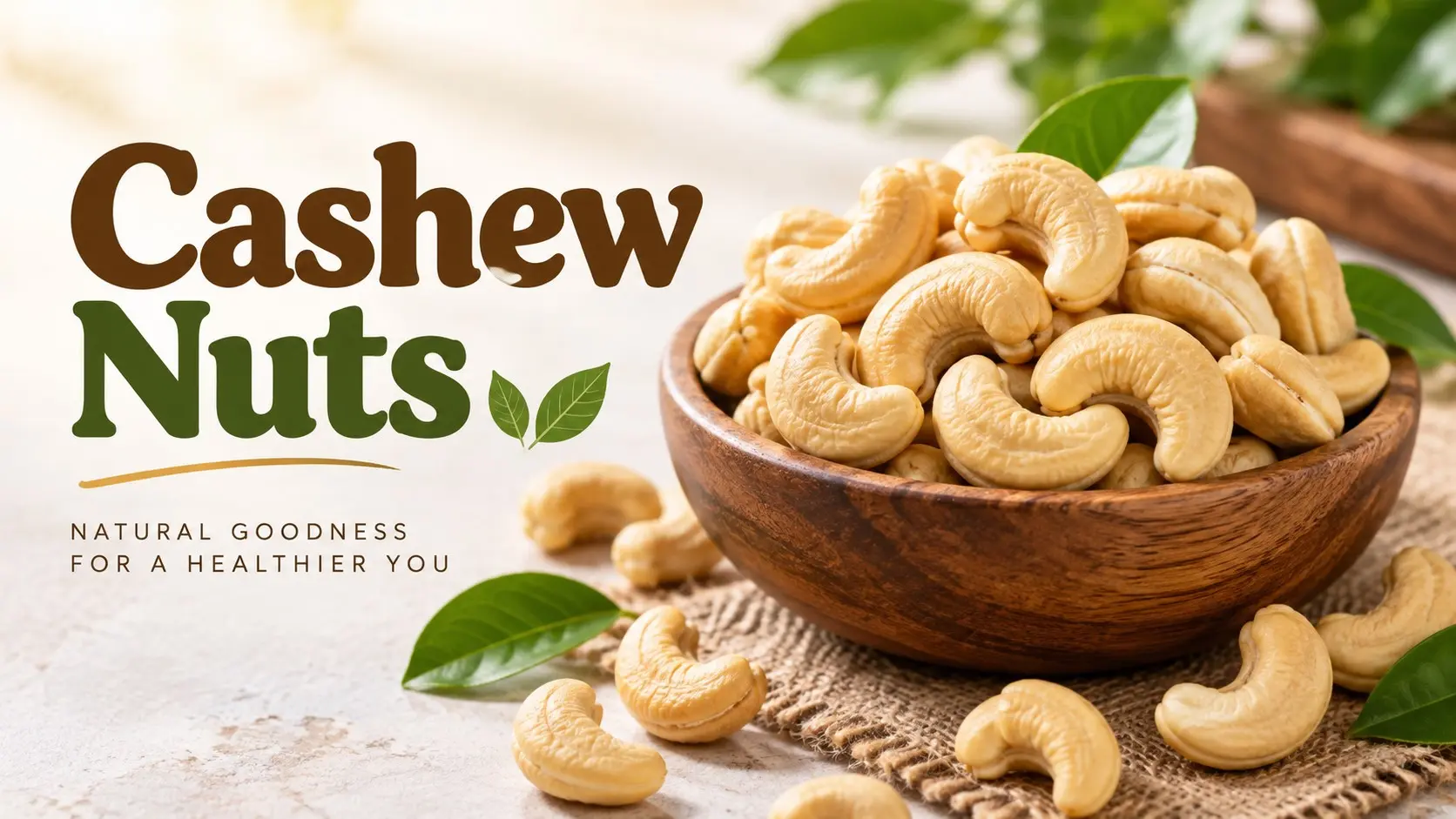
Cashew nuts are nutrient-dense.
They provide copper.
They provide magnesium.
They also give you iron, phosphorus, zinc, plant protein, and mostly unsaturated fat.
But cashews are not a cure.
They do not melt body fat.
They do not prevent heart disease by themselves.
And eating more is not always better.
A normal serving is about one ounce.
That is roughly 18 cashews.
Quick Answer: Are Cashew Nuts Healthy?
Yes. Cashew nuts can be part of a healthy eating pattern. One ounce provides about 163 calories, 4.3 grams of protein, 13 grams of fat, copper, magnesium, phosphorus, iron, zinc, and other nutrients. Most of the fat is unsaturated. Choose sensible portions and lower sodium options when possible.
For broader food guidance, visit the NextFitLife Healthy Foods Guide and the Nutrition and Vitamins Hub.
Nutrition and Medical Safety Notice
This content is for general educational purposes and does not replace professional medical advice, diagnosis, or treatment. Consult an appropriately qualified healthcare professional for personal medical concerns. This article explains published guidance and does not provide a personal clinical assessment. Always consult qualified medical professionals for diagnosis and treatment of any health condition.
Cashews are tree nuts.
A cashew allergy can cause a severe reaction.
Cashews may also need individual planning if you have kidney disease or another medical condition that affects your diet.
Do not use this article to replace personalized medical nutrition care.
What Is in One Ounce of Cashews?
One ounce is about 28 grams.
That is roughly 18 medium cashews.
| Nutrient | Approximate Amount |
|---|---|
| Calories | 163 |
| Protein | 4.3 g |
| Total fat | 13.1 g |
| Carbohydrate | 9.3 g |
| Fiber | About 0.9 g |
| Magnesium | About 74 mg |
| Phosphorus | About 139 mg |
| Iron | About 2 mg |
| Copper | About 629 mcg |
| Potassium | About 187 mg |
The exact number changes a little with the product and whether the cashews are raw style, dry roasted, oil roasted, salted, or flavoured.
That is why the Nutrition Facts label still matters.
Cashews Are High in Fat, but That Does Not Make Them Unhealthy
This old idea needs to go.
Total fat alone does not tell you whether a food fits a healthy diet.
Cashews contain a mix of fats.
Most of that fat is unsaturated.
Harvard lists about 10 grams of unsaturated fat and 2 grams of saturated fat in one ounce of cashews.
The FDA updated its definition of the term healthy to better reflect this type of nutrition science.
Nuts and seeds can now qualify as foundational foods in a healthy eating pattern even though they naturally contain fat.
The type of fat matters.
8 Smart Benefits of Cashew Nuts
1. Cashews Are an Excellent Source of Copper
This is their strongest nutritional feature.
One ounce of dry roasted cashews provides about 629 micrograms of copper.
That is about 70% of the current Daily Value.
This makes cashews one of the more practical copper-rich foods.
Your body needs copper for:
- Energy production
- Iron metabolism
- Connective tissue
- Nervous system function
- Immune function
Copper is essential.
That does not mean more copper is always better.
For most people, food is the sensible place to get it.
2. Cashews Give You Useful Magnesium
One ounce of dry roasted cashews provides around 74 mg of magnesium.
That is about 18% of the Daily Value.
Magnesium supports normal:
- Muscle function
- Nerve function
- Blood glucose regulation
- Blood pressure regulation
- Bone structure
- Protein production
This makes cashews useful among magnesium rich foods.
They are not the only option.
Pumpkin seeds, beans, spinach, whole grains, and other nuts also contribute.
See the NextFitLife Zinc and Magnesium Guide for more food sources.
3. Cashews Contribute Plant Based Iron
One ounce of roasted cashews provides around 2 mg of iron.
That is about 11% of the Daily Value used on U.S. food labels.
Iron helps your body make hemoglobin.
Hemoglobin carries oxygen in the blood.
Cashew iron is nonheme iron.
Plant iron is absorbed differently from iron in meat.
Eating plant sources of iron with vitamin C rich food can improve absorption.
Try cashews with:
- Orange
- Kiwi
- Bell pepper
- Strawberries
- Tomatoes
Cashews should not be used to self treat iron deficiency.
If you have low iron or anemia, get the cause assessed.
4. Cashews Provide Phosphorus
One ounce of dry roasted cashews provides about 139 mg of phosphorus.
That is about 11% of the Daily Value.
Your body uses phosphorus in bones and teeth.
It also plays a role in how cells store and use energy.
Most healthy people get plenty of phosphorus from food.
People with kidney disease may need different advice.
More is not automatically better.
5. Cashews Add Zinc to the Diet
Cashews also provide zinc.
One ounce contains around 1.6 mg.
Zinc supports normal immune function.
It is also involved in DNA production, cell division, protein production, and wound healing.
Cashews are useful here.
But they are not among the very highest zinc foods.
Oysters, meat, fortified foods, seeds, beans, and other foods can provide more.
6. Cashews Provide Plant Protein
One ounce gives you a little over 4 grams of plant protein.
That is useful.
It does not make cashews a high-protein food in the same class as chicken, fish, Greek yogurt, tofu, lentils, or some other legumes.
This distinction matters.
Cashews are mostly a fat rich, mineral rich food that also contains some protein.
Do not build an entire muscle gain plan around them.
For larger protein sources, see High Protein Meals.
7. Most of the Fat Is Unsaturated
One ounce of cashews contains about 13 grams of total fat.
Most of it is unsaturated fat.
Current nutrition guidance places more attention on the type of fat than on avoiding all fat.
Replacing foods rich in saturated fat with foods that contain more unsaturated fat can improve the overall fat quality of the diet.
This is where nuts can fit well.
Use cashews instead of less nutritious snack foods.
Do not simply add unlimited cashews on top of everything else you eat.
8. Cashews Fit a Healthy Eating Pattern
This is the strongest overall claim I would make.
Cashews are one type of tree nut.
Nuts and seeds are included in healthy dietary patterns because they provide protein, unsaturated fat, minerals, and other nutrients.
The current FDA definition of healthy specifically recognizes nuts and seeds as foods that can help build a healthy diet.
That does not mean cashews prevent disease on their own.
A healthy pattern also needs:
- Vegetables
- Fruit
- Whole grains
- Legumes
- Appropriate protein foods
- Suitable dairy or alternatives when used
- A sensible overall energy intake
One food cannot carry the whole diet.
Do Cashews Lower Cholesterol?
Do not promise that.
Cashew-specific research is mixed.
A 2020 systematic review and meta-analysis of randomized trials involving 392 participants found no significant overall effect on total cholesterol, LDL cholesterol, HDL cholesterol, or triglycerides.
It did find a modest reduction in systolic blood pressure.
Another tightly controlled randomized trial found no significant improvement in blood lipids or several other cardiovascular markers after cashew intake.
So the accurate message is:
Cashews can fit a heart-healthy dietary pattern, but they should not be described as a treatment for high cholesterol.
Are Cashews Good for Heart Health?
The wider nut evidence is stronger than the cashew-only evidence.
Large reviews of nuts and seeds have linked regular intake with better cardiovascular outcomes.
But individual nut studies do not always produce the same result.
This is why I prefer the phrase cashews and heart health in the context of the whole diet.
Use nuts as part of a good eating pattern.
Do not treat one nut like heart medicine.
Can Cashews Help With Weight Loss?
Cashews do not burn body fat.
One ounce contains about 160 calories.
That is not a problem.
It simply means portion size matters.
Nuts can fit a weight management plan when they replace less nutritious foods and total intake stays appropriate.
They can become less helpful when handful after handful gets added without noticing the calories.
For cashews for weight management, think substitution.
Not addition.
What Is a Good Cashew Serving Size?
A useful starting point is one ounce.
That is about 18 medium cashews.
This is a small handful.
You do not have to count every nut forever.
But measuring the portion a few times can show you what one ounce actually looks like.
This is especially useful if your goal involves calorie control.
The phrase cashew serving size matters because nuts are easy to eat quickly.
Are Raw Cashews Better Than Roasted Cashews?
Both can fit.
Commercial cashews sold as raw are processed before sale because the shell contains irritating compounds.
Dry roasted cashews are also fine.
The bigger differences are often added oil, salt, sugar, coatings, and portion size.
If you want a simple everyday option, choose:
- Plain cashews
- Dry roasted cashews
- Unsalted cashews
- Lightly salted cashews if sodium fits your diet
Are Salted Cashews Healthy?
They can still contain the same useful nutrients.
But sodium can rise quickly.
The FDA recommends keeping total sodium below 2,300 mg per day for most adults.
If you already eat a salty diet, choose unsalted cashews or compare labels.
You can also use herbs and spices for flavour.
Are Honey Roasted or Chocolate Cashews Healthy?
They are different foods.
The cashew is still there.
But added sugar, chocolate, oil, and salt can change the nutrition profile.
If you want dessert, enjoy dessert.
Just do not assume a candy coated cashew is nutritionally identical to a plain one.
Are Cashews High in Carbohydrates?
One ounce provides around 9 grams of carbohydrate.
That is more carbohydrate than some other nuts.
It is still a modest amount in a normal serving.
Whether that fits your diet depends on the rest of your meal and your individual needs.
Are Cashews Good for Diabetes?
Cashews can fit a balanced diet for many people with diabetes.
But they are not a diabetes treatment.
Portion size still matters.
So do medications, carbohydrate intake, weight goals, kidney health, and your overall meal pattern.
If you use insulin or glucose lowering medication, individualized advice is more useful than general internet rules.
Can Cashews Raise Blood Sugar?
Any food containing carbohydrate can affect blood glucose.
Cashews also contain fat and protein.
The effect depends on the amount eaten and what else is in the meal.
Do not judge a food from one nutrient alone.
Are Cashews Good for Muscle Building?
They help.
They are not a major muscle protein source.
One ounce gives you about 4 to 5 grams of protein.
If muscle gain is your goal, combine cashews with stronger protein foods.
Examples include:
- Greek yogurt
- Milk or fortified soy milk
- Eggs
- Fish
- Chicken
- Tofu
- Tempeh
- Beans
- Lentils
Cashews work well as part of the meal.
They should not be the entire protein plan.
For active eating ideas, visit Healthy Fitness Foods.
Can Vegans Use Cashews as a Protein Source?
Yes.
But use more than one source.
A varied vegan diet can include:
- Cashews
- Beans
- Lentils
- Soy foods
- Peas
- Seeds
- Whole grains
Cashews also provide minerals that make them useful in plant-based eating.
Do not forget nutrients such as vitamin B12, iodine, calcium, vitamin D, iron, zinc, and omega fats when planning a vegan diet.
Is Cashew Milk the Same as Eating Cashews?
No.
Cashew drinks are processed products.
The nutrient profile varies by brand.
Protein can be much lower than people expect.
Some products are fortified with calcium and vitamin D.
Some contain added sugar.
Read the label.
The FDA notes that plant based milk alternatives vary widely in protein, calcium, vitamin D, potassium, saturated fat, and added sugar.
Is Cashew Butter Healthy?
Plain cashew butter can fit a healthy diet.
Look at the ingredient list.
A simple product may contain cashews and little else.
Other products add sugar, oil, or salt.
Two tablespoons can be easy to underestimate.
Use the serving size on the label.
Can Cashews Cause Allergy?
Yes.
This is one of the most important safety sections.
Cashews are a tree nut.
Tree nut allergy can cause serious reactions.
Symptoms can include:
- Hives
- Swelling
- Vomiting
- Wheezing
- Trouble breathing
- Throat tightness
- Dizziness
- Loss of consciousness
Anaphylaxis is an emergency.
If someone develops a severe allergic reaction after eating cashews, use prescribed epinephrine when indicated and seek emergency medical care.
The American Academy of Allergy, Asthma and Immunology notes that cashews and pistachios are closely related tree nuts.
If you have a known nut allergy, do not test another nut at home without professional advice.
Are Cashews Safe for Children?
Whole nuts can be a choking hazard for young children.
The form and texture matter.
Nut butters also need age appropriate serving methods.
Food allergy risk should be discussed with a pediatric healthcare professional when appropriate.
Do not give whole nuts to a young child who cannot safely chew them.
What About Cashews and Kidney Disease?
This needs individual advice.
Cashews contain potassium and phosphorus.
The National Kidney Foundation notes that many people with chronic kidney disease do not automatically need to avoid nuts.
But potassium and phosphorus targets can change with lab results and dialysis treatment.
If you have kidney disease, use the plan given by your kidney clinician or renal dietitian.
Do not remove nutritious foods simply because a generic kidney food list says “nuts.”
Do Cashews Cause Kidney Stones?
Do not assume they do.
Kidney stone advice depends on the type of stone and the full diet.
For calcium oxalate stones, oxalate intake may matter for some people.
But treatment should focus on your actual stone type, fluid intake, sodium, calcium intake, and medical history.
Ask a kidney specialist or dietitian if you have recurrent stones.
Do Cashews Cause Inflammation?
There is no good reason to label plain cashews as an inflammatory food for most people.
The wider evidence on nuts fits them into healthy eating patterns.
But food allergies are different.
If cashews trigger an immune reaction in you, avoid them and follow your allergy plan.
Do Cashews Improve Brain Health?
Be careful with this claim.
Cashews contain nutrients used by the nervous system.
That does not prove that eating cashews improves memory or prevents dementia.
I would not make that promise.
Brain health depends on the entire dietary and lifestyle pattern.
Do Cashews Make Bones Stronger?
Cashews contribute magnesium, phosphorus, copper, and other nutrients involved in bone biology.
That does not make them a treatment for osteoporosis.
Bone health also depends on:
- Calcium
- Vitamin D
- Protein
- Weight bearing exercise
- Hormones
- Age
- Medical conditions
Cashews can contribute.
They cannot do the entire job.
Are Cashews Good for Skin and Hair?
Cashews provide copper, zinc, protein, and other nutrients involved in normal body function.
That does not mean they clear acne.
They do not erase wrinkles.
They do not cure hair loss.
Use food for nutrition.
Use proper diagnosis and treatment for skin or hair conditions.
Are Cashews Better Than Almonds?
No universal winner exists.
Almonds contain more vitamin E and fibre.
Cashews are especially strong in copper and magnesium.
Pistachios, walnuts, peanuts, and other nuts have their own strengths.
Variety is better than trying to crown one “best nut.”
Cashews Versus Peanuts
Peanuts are legumes.
Cashews are tree nuts.
Both provide protein, minerals, and unsaturated fat.
Peanuts usually provide more protein per ounce.
Cashews provide much more copper.
Choose based on:
- Allergy safety
- Taste
- Price
- Nutrition goals
- What fits the meal
What Is the Healthiest Way to Eat Cashews?
Keep it simple.
Plain is excellent.
Dry roasted is excellent.
Unsalted or lower-sodium options are useful if sodium matters to you.
Try cashews:
- With fruit
- In oatmeal
- On plain yogurt
- On salads
- In stir-fries
- With roasted vegetables
- In grain bowls
- Blended into sauces
A Simple Cashew Snack
Use one ounce of cashews.
Add a piece of fruit.
That is enough.
You get minerals, unsaturated fat, some protein, carbohydrates, and fibre from the full snack.
A Simple Cashew Breakfast
Try plain Greek yogurt or oats.
Add a small portion of chopped cashews.
Add berries or kiwi.
This gives you a more balanced meal than eating cashews alone.
A Simple Cashew Lunch
Add cashews to a salad or grain bowl.
Include:
- Vegetables
- A stronger protein source
- A whole grain or legume when appropriate
- A measured amount of cashews
Cashews work well as an accent.
A Simple Cashew Dinner
Cashews pair well with vegetables, tofu, chicken, rice, or noodles.
The portion still matters.
A small amount can add texture and flavour without turning the whole meal into a bowl of nuts.
Common Cashew Myths
| Claim | Better Answer |
|---|---|
| Cashews are unhealthy because they are high in fat | Most of their fat is unsaturated. Portion size still matters. |
| Cashews burn belly fat | No food selectively burns abdominal fat. |
| Cashews cure high cholesterol | Cashew-specific trials are mixed. They can fit a healthy diet. |
| Cashews are a high protein food | They provide some protein, but stronger protein sources exist. |
| Cashews prevent anemia | They contribute iron but do not treat diagnosed iron deficiency. |
| Cashews prevent osteoporosis | They contribute minerals but cannot replace full bone health care. |
| Cashews clear skin | No. They provide nutrients but do not treat skin disease. |
| Unlimited cashews are healthy | No. Nuts are nutrient dense and calorie dense. |
How I Evaluate Cashew Health Claims
I have maintained a personal interest in health, fitness, nutrition, sleep, wellness, food choices, and healthy aging for more than 30 years.
My health and wellness writing and research communication experience spans more than 15 years.
Before focusing full-time on NextFitLife, I spent 29 years working as an IT Manager for the Nestlé Egypt Region.
That background developed skills in data analysis, structured review, research organization, information management, systems thinking, and problem-solving.
These are research and communication skills.
They are not medical or dietetic credentials.
For cashew nutrition, I use a simple filter.
First, what nutrients are actually present?
Second, how much is in a normal serving?
Third, does a study of one nutrient prove a disease claim about the whole food?
Usually, it does not.
That is why I am comfortable saying cashews provide useful minerals and healthy fats.
I am not comfortable saying they cure cholesterol, diabetes, weak bones, hair loss, or heart disease.
Conclusion: Use Cashew Nuts as Food, Not Medicine
Cashew nuts are a useful nutrient dense food.
The strongest reasons to eat them are simple.
They are rich in copper.
They provide magnesium, iron, phosphorus, zinc, some plant protein, and mostly unsaturated fat.
They also fit easily into snacks and meals.
But keep the serving sensible.
Choose plain or lower sodium versions when possible.
And take allergy warnings seriously.
Your next step is simple: measure one ounce once so you know what a normal cashew portion looks like, then use that amount in a snack, breakfast, salad, or grain bowl this week.
References and Sources
- National Institutes of Health Office of Dietary Supplements. Copper, Magnesium, Iron and Phosphorus Fact Sheets.These NIH resources provide the mineral values used in this article and explain the normal functions of copper, magnesium, iron, and phosphorus.
Copper:
NIH Copper Fact SheetMagnesium:
NIH Magnesium Fact SheetIron:
NIH Iron Fact SheetPhosphorus:
NIH Phosphorus Fact Sheet - U.S. Food and Drug Administration. Updated Healthy Nutrient Content Claim.The FDA's updated criteria reflect current guidance that focuses on food groups, saturated fat, sodium, and added sugars. Nuts and seeds are recognized as foods that can fit a healthy dietary pattern.
- American Academy of Allergy, Asthma and Immunology. Everything You Need to Know About Tree Nut Allergy.This source explains that cashews are tree nuts, tree nut reactions can include severe anaphylaxis, and cashews and pistachios are closely related.
Source:
AAAAI Tree Nut Allergy Guide - Mayo Clinic. Nuts and Your Heart: Eating Nuts for Heart Health.Mayo Clinic lists one ounce as a standard nut serving and provides current calorie and fat values for dry roasted cashews and other nuts.
- Jalali M and colleagues. The Effects of Cashew Nut Intake on Lipid Profile and Blood Pressure: A Systematic Review and Meta-Analysis of Randomized Controlled Trials. Complementary Therapies in Medicine. 2020.This cashew-specific review included 392 participants. It found a modest reduction in systolic blood pressure but no significant overall effect on blood lipids or diastolic pressure.
Source:
PubMed Cashew Nut Meta-Analysis
Continue Reading on NextFitLife
- Nutrition and Vitamins Hub
- Top Healthy Foods Guide
- Zinc and Magnesium Benefits
- High Protein Meals
- Healthy Fitness Foods
- Nutrition Tips for Better Health
- Explore NextFitLife Health Fitness Nutrition and Beauty Guides
About the Author
Frequently Asked Questions About Cashew Nuts
Are cashew nuts healthy?
Yes. Cashews provide copper, magnesium, phosphorus, iron, zinc, plant protein, and mostly unsaturated fat. They work best as part of a varied diet.
How many cashews are in one serving?
One ounce is a common serving. That is about 18 medium cashews.
How many calories are in cashews?
One ounce of dry roasted cashews provides about 163 calories.
How much protein is in cashews?
One ounce provides about 4 to 5 grams of protein. Cashews contribute protein but are not among the highest-protein foods.
Are cashews high in copper?
Yes. One ounce of dry roasted cashews provides about 629 micrograms of copper, which is around 70% of the Daily Value.
Are cashews high in magnesium?
Yes. One ounce of dry roasted cashews provides about 74 mg of magnesium, around 18% of the Daily Value.
Do cashews contain iron?
Yes. One ounce provides around 2 mg of iron. Cashew iron is nonheme iron from a plant source.
Do cashews contain zinc?
Yes. One ounce provides about 1.6 mg of zinc.
Are cashews high in phosphorus?
Cashews provide a moderate amount. One ounce of dry roasted cashews contains about 139 mg of phosphorus.
Are cashews high in fat?
Yes. One ounce contains about 13 grams of fat. Most of that fat is unsaturated.
Are cashews bad because they contain saturated fat?
No. Cashews contain some saturated fat, but most of their fat is unsaturated. The full dietary pattern matters more than one nutrient in isolation.
Are cashews good for heart health?
Cashews can fit a heart-healthy eating pattern. Cashew-specific clinical studies are mixed, so they should not be described as a treatment for high cholesterol or heart disease.
Do cashews lower cholesterol?
Cashew-specific randomized trial evidence has not shown a consistent reduction in LDL or total cholesterol.
Can cashews lower blood pressure?
A 2020 meta-analysis found a modest reduction in systolic blood pressure, but the evidence is limited, and cashews should not replace blood pressure treatment.
Are cashews good for weight loss?
They can fit into a weight-loss plan when portions are controlled. Cashews are calorie-dense and do not directly burn fat.
Can cashews make you gain weight?
Any calorie dense food can contribute to excess calorie intake if eaten in large amounts. A measured serving can fit many healthy eating plans.
Are salted cashews healthy?
They still contain useful nutrients, but salted products can contain much more sodium. Compare labels if sodium matters to you.
Are roasted cashews healthy?
Yes. Plain dry roasted cashews are a practical option. Check for added oil, salt, sugar, or coatings.
Are raw cashews healthier than roasted cashews?
Both can fit. The more useful comparison is often added salt, oil, sugar, and serving size rather than raw versus roasted.
Can people with diabetes eat cashews?
Many people with diabetes can include cashews in balanced meals. Portion size, total carbohydrate intake, medicines, kidney health, and individual goals still matter.
Can vegans eat cashews for protein?
Yes, but cashews should be one of several plant protein sources rather than the only one.
Is cashew milk as nutritious as dairy milk?
Not necessarily. Cashew drinks vary by brand and can contain much less protein. Check calcium, vitamin D, protein, added sugar, and other nutrients on the label.
Is cashew butter healthy?
Plain cashew butter can fit a healthy diet. Check for added sugar, oil, salt, and serving size.
Can cashews cause an allergic reaction?
Yes. Cashews are a tree nut and can cause severe allergic reactions, including anaphylaxis, in people with an allergy.
Are cashew and pistachio allergies related?
Yes. Cashew and pistachio are closely related tree nuts. People with a known allergy should discuss testing and avoidance with an allergist.
Can people with kidney disease eat cashews?
Many people with kidney disease can eat some nuts, but potassium, phosphorus, dialysis status, and lab results can change the advice. Ask a kidney dietitian for individual guidance.
Do cashews cause kidney stones?
Not automatically. Kidney stone advice depends on stone type, the full diet, fluid intake, sodium, calcium intake, and individual medical history.
Do cashews cause inflammation?
Plain cashews are not considered an inflammatory food for most people. A true nut allergy is a different immune reaction and requires avoidance.
Are cashews good for bones?
Cashews provide magnesium, phosphorus, copper, and other nutrients involved in bone biology, but they do not prevent or treat osteoporosis by themselves.
Are cashews good for skin?
Cashews provide nutrients needed for normal body function, but they do not treat acne, scars, eczema, or wrinkles.
What is the healthiest way to eat cashews?
A small serving of plain, dry-roasted, unsalted, or lower-sodium cashews is a simple choice. Add them to fruit, oats, yogurt, salads, vegetables, or grain bowls.
How often can I eat cashews?
Cashews can be eaten regularly if they fit your calorie needs, diet, allergy status, and medical needs. Variety among nuts, seeds, legumes, and other foods is still useful.

Health & wellness writer with 30+ years of experience in nutrition, fitness, and healthy aging. Founder of NextFitLife.com — evidence-based health guidance.