
Published on: February 8, 2025
Updated on: November 4, 2026
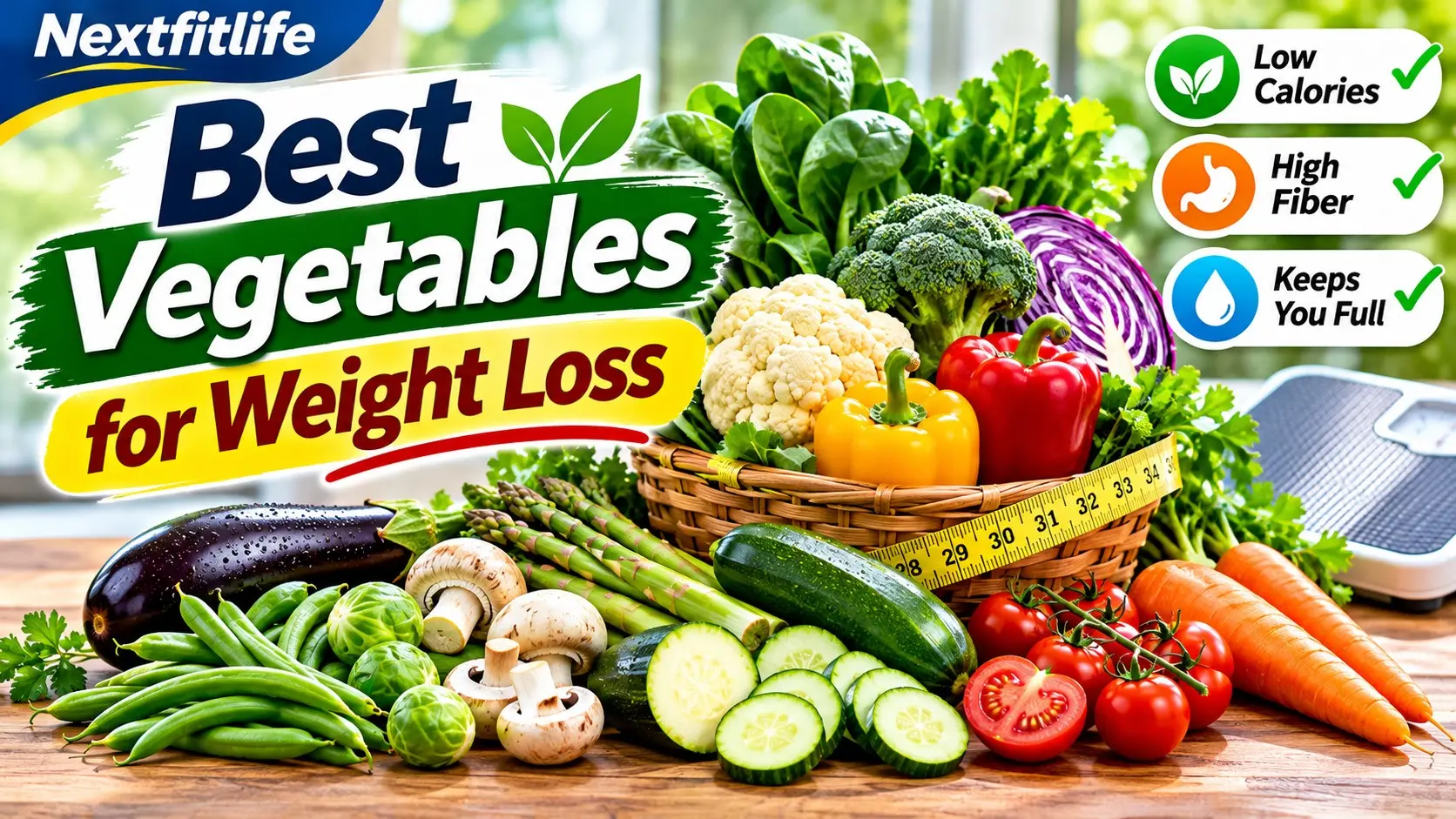
The best vegetables for weight loss are not magical fat burners. They are foods that help you build larger, more filling meals for fewer calories.
Many vegetables contain a lot of water and fiber, which can increase food volume and help you feel satisfied. When they replace more calorie dense foods such as fried sides, creamy pasta, or large portions of refined grains, they can make it easier to create a calorie deficit.
CDC guidance updated in 2026 notes that vegetables and fruits can help people lose or maintain weight because they provide water, fiber, vitamins, and minerals while often containing fewer calories than more energy dense foods. The key is substitution, not simply adding vegetables on top of everything else.
This guide ranks 17 useful vegetables, explains why each one can fit a weight loss plan, and shows you how to prepare them without turning a light vegetable into a high calorie side dish.
Important: This article is for general information and education. It does not replace medical advice, diagnosis, or treatment.
Table of Contents
- Quick Answer
- Why Vegetables Help With Weight Loss
- 17 Best Vegetables for Weight Loss
- Best Vegetables by Goal
- Best Cooking Methods
- Fresh vs Frozen vs Canned
- Raw vs Cooked Vegetables
- How Much to Eat
- Simple Weight Loss Plate
- Seven Day Vegetable Ideas
- Common Mistakes
- When to Get Nutrition Advice
- Conclusion
- References and Sources
- Internal Links and Weight Management Hub
- About the Author
- Frequently Asked Questions
Quick Answer: What Are the Best Vegetables for Weight Loss?
The best vegetables for weight loss are vegetables that help you feel full while keeping meal calories reasonable.
These 17 are especially useful:
- Broccoli
- Spinach
- Cauliflower
- Bell peppers
- Zucchini
- Cabbage
- Green beans
- Mushrooms
- Asparagus
- Carrots
- Cucumber
- Tomatoes
- Brussels sprouts
- Celery
- Eggplant
- Peas
- Sweet potato
Most nonstarchy vegetables are low in calories compared with many common side dishes, while fiber and water can increase satiety.
The strongest benefit comes when vegetables replace more calorie dense food rather than simply being added to the same plate.
For a full weight management plan, visit our Weight Loss Strategies and Basic Weight Loss Tips.
Why Can Vegetables Help With Weight Loss?
Vegetables can help for several simple reasons.
They Add Volume
Many vegetables contain a large amount of water.
That means you can often eat a generous portion without adding a large number of calories.
This is sometimes called low energy density.
Many Provide Fiber
High fiber vegetables add bulk to meals and can help with fullness.
CDC notes that water and fiber in vegetables and fruits can slow digestion and help people feel full.
They Can Replace Higher Calorie Foods
This is one of the most important ideas in the whole article.
Adding one cup of vegetables to a large pasta meal does not automatically reduce calories.
Replacing part of that pasta with broccoli, peppers, zucchini, or cauliflower may reduce the meal's total calorie density while keeping the plate visually large.
They Add Nutrients
Vegetables can provide vitamins, minerals, fiber, and plant compounds while supporting a broader healthy eating pattern.
The key idea: Vegetables support weight loss when they help you build filling meals with fewer calories overall. They do not directly burn body fat.
17 Best Vegetables for Weight Loss
1. Broccoli
Broccoli is one of the most useful vegetables for a weight management plan because it provides fiber, water, and plenty of food volume.
It works well roasted, steamed, stir fried with minimal oil, or added to soups and bowls.
Try replacing part of a large rice or pasta serving with broccoli.
Best use: bowls, stir fries, soups, side dishes.
2. Spinach
Spinach adds a lot of volume to meals while staying relatively low in calories.
You can add it to:
- Eggs
- Soups
- Wraps
- Salads
- Curries
- Pasta dishes
Cooked spinach shrinks greatly, so a large raw handful becomes a much smaller cooked portion.
Best use: breakfast, soups, salads, mixed meals.
3. Cauliflower
Cauliflower is versatile and can replace part of more calorie dense foods.
You can use it roasted, mashed, steamed, or mixed with rice.
Cauliflower rice is not nutritionally identical to regular rice, but mixing the two can lower the total calorie density while preserving texture and satisfaction.
Best use: rice mixes, roasted sides, soups, mash.
4. Bell Peppers
Bell peppers add crunch, color, water, and volume to meals.
They work well raw or cooked and pair easily with protein foods.
Try adding them to fajitas, omelets, salads, wraps, or stir fries.
Best use: snacks, wraps, stir fries, salads.
5. Zucchini
Zucchini is a mild vegetable with a high water content and relatively few calories.
You can grill it, roast it, sauté it with modest oil, or mix spiralized zucchini with regular noodles.
Replacing part of a pasta portion with zucchini can reduce total meal calories without making the plate feel tiny.
Best use: pasta mixes, grills, stir fries, soups.
6. Cabbage
Cabbage is inexpensive, filling, and versatile.
It works in salads, soups, stir fries, and slaws.
The main calorie trap is heavy mayonnaise dressing.
Use vinegar, lemon, yogurt based dressing, or a lighter amount of dressing instead.
Best use: soups, slaws, stir fries, bowls.
7. Green Beans
Green beans can add fiber and volume to a meal without requiring much preparation.
Fresh, frozen, and canned versions can all work.
If you use canned beans, look for lower sodium options when possible or rinse them before eating.
Best use: side dishes, meal prep, casseroles.
8. Mushrooms
Mushrooms have a savory flavor that can make lighter meals more satisfying.
They work especially well mixed with lean ground meat, eggs, or grains.
You can replace part of ground meat in some recipes with finely chopped mushrooms to lower calorie density while keeping plenty of food volume.
Best use: omelets, sauces, burgers, stir fries.
9. Asparagus
Asparagus provides fiber, water, and a firm texture that works well in meal prep.
Roast, grill, or steam it with herbs, lemon, garlic, or spices.
Be careful with large amounts of butter or creamy sauce, which can add far more calories than the asparagus itself.
Best use: roasted sides, salads, meal prep.
10. Carrots
Carrots are slightly sweeter than many green vegetables, but they can still fit very well into a weight loss plan.
Raw carrots work as a crunchy snack, while roasted carrots can add sweetness to a meal without dessert level calories.
Pair carrots with a measured serving of hummus or yogurt based dip.
Best use: snacks, soups, roasting, meal prep.
11. Cucumber
Cucumber contains a lot of water and gives meals fresh volume with few calories.
It is especially useful in salads, wraps, and snack plates.
Pair it with a protein source so the meal is more filling.
Best use: salads, snacks, wraps, cold bowls.
12. Tomatoes
Tomatoes add moisture, flavor, and color without making meals very calorie dense.
You can use fresh tomatoes, canned tomatoes, or no added sugar tomato products.
Tomato sauce can be healthy, but check for added oil, sugar, and large amounts of cheese in prepared dishes.
Best use: salads, sauces, soups, sandwiches.
13. Brussels Sprouts
Brussels sprouts are more substantial than leafy greens and provide useful fiber.
They are excellent roasted, but oil can add calories quickly.
A measured amount of oil plus seasoning is usually enough.
Best use: roasting, grain bowls, warm salads.
14. Celery
Celery is mostly water and provides a crisp texture.
It can make snack plates larger and works well in soups and salads.
Celery itself is very light, but large portions of peanut butter, cream cheese, or rich dips can completely change the calorie count.
Best use: snacks, soups, salads.
15. Eggplant
Eggplant can absorb a large amount of oil during cooking, which makes preparation especially important.
Roasting, grilling, or air frying with a measured amount of oil can keep it much lighter than deep frying.
Best use: roasting, grilling, stews.
16. Peas
Peas contain more calories and starch than many nonstarchy vegetables, but they also provide fiber and some protein.
They can still be a useful part of a balanced weight loss diet.
Think of peas as a more substantial vegetable rather than an unlimited free food.
Best use: soups, grain bowls, mixed vegetables.
17. Sweet Potato
Sweet potatoes are more calorie dense than cucumber, spinach, or zucchini, but that does not make them bad for weight loss.
They provide fiber, carbohydrate, and useful nutrients while making meals satisfying.
The preparation matters.
A baked sweet potato is very different from sweet potato fries covered in oil, sugar, or creamy sauce.
Best use: baked meals, bowls, meal prep.
Best Vegetables for Weight Loss by Goal
| Goal | Best Choices | Why They Help |
|---|---|---|
| Highest Meal Volume | Spinach, cucumber, zucchini, cabbage | Lots of water and food volume |
| Fiber Rich Choice | Broccoli, Brussels sprouts, peas, carrots | Adds fiber and fullness |
| Low Calorie Snacking | Cucumber, celery, peppers, carrots | Crunch and volume |
| Meal Prep | Broccoli, green beans, asparagus, Brussels sprouts | Easy to batch cook |
| Replace Part of Starches | Cauliflower, zucchini, cabbage | Can lower meal energy density |
| More Satisfying Carbohydrate | Peas, sweet potato | More substantial and filling |
Which Vegetables Are Lowest in Calories?
Vegetables with a high water content are often lower in calories per serving.
Examples include:
- Cucumber
- Celery
- Zucchini
- Leafy greens
- Tomatoes
- Bell peppers
That does not automatically make them “better” than peas or sweet potato.
More substantial vegetables can sometimes make a meal more satisfying.
Your overall eating pattern matters more than choosing the lowest calorie vegetable every time.
Which Vegetables Are Most Filling?
Fullness depends on the whole meal, not one vegetable.
Still, vegetables that provide more fiber or a larger volume can help.
Useful choices include:
- Broccoli
- Brussels sprouts
- Cabbage
- Carrots
- Peas
- Cauliflower
Pair them with protein and a sensible source of healthy fat for a more complete meal.
The Best Way to Cook Vegetables for Weight Loss
The vegetable itself is only part of the story.
Cooking can turn a light food into a high calorie dish.
Good Everyday Methods
- Steaming
- Roasting with measured oil
- Grilling
- Air frying with modest oil
- Boiling when appropriate
- Stir frying with controlled oil
- Adding vegetables to soups
CDC specifically recommends steaming or air frying rather than breading and frying when you want to keep vegetable dishes lighter.
Watch the Extras
These can add calories quickly:
- Butter
- Large amounts of olive oil
- Cheese
- Cream
- Mayonnaise
- Heavy salad dressings
- Fried coatings
- Sugary sauces
Olive oil can fit a healthy diet, but it is still calorie dense. Measure it rather than pouring freely if weight loss is your goal.
Are Fresh Vegetables Better Than Frozen?
No.
Frozen vegetables can be an excellent option and are often cheaper and easier to store.
CDC notes that frozen and canned vegetables can be nutritious alternatives to fresh produce.
For frozen vegetables, check whether sauces or butter have been added.
For canned vegetables, look for lower sodium choices or rinse them before eating when appropriate.
Are Raw Vegetables Better for Weight Loss?
Not necessarily.
Raw and cooked vegetables can both fit a healthy weight loss plan.
Cooking can make some vegetables easier to chew and digest. It can also make meals warmer, more satisfying, and easier to eat regularly.
The bigger issue is what gets added during cooking.
Steamed broccoli and deep fried broccoli are not nutritionally identical meals.
How Much Vegetables Should You Eat?
There is no single perfect amount for every person.
Your needs depend on age, sex, activity level, calorie needs, and overall diet.
A simple practical approach is to make vegetables a large part of lunch and dinner.
CDC suggests making at least half of dinner a variety of colorful, nutrient dense vegetables and fruits.
That does not mean half the plate must always be vegetables alone, but it gives you a useful visual starting point.
A Simple Weight Loss Plate
| Plate Area | Food | Examples |
|---|---|---|
| About Half | Vegetables and some fruit | Broccoli, peppers, salad, carrots |
| About One Quarter | Protein | Fish, chicken, eggs, beans, lentils |
| About One Quarter | High fiber carbohydrate | Brown rice, oats, quinoa, potato |
| Small Amount | Healthy fat | Olive oil, nuts, seeds, avocado |
This is a visual guide, not an exact medical prescription.
Seven Easy Ways to Use More Vegetables
Day 1: Add Spinach to Eggs
Mix a handful of spinach into scrambled eggs or an omelet.
Day 2: Replace Part of Rice With Cauliflower
Mix normal rice with cauliflower rice instead of replacing everything.
Day 3: Build a Large Salad
Use greens, cucumber, tomato, peppers, and a clear protein source.
Day 4: Roast Broccoli and Carrots
Use herbs, garlic, and a measured amount of oil.
Day 5: Add Mushrooms to Ground Meat
Finely chopped mushrooms can increase food volume while reducing the amount of meat needed.
Day 6: Make a Vegetable Soup
Use cabbage, tomatoes, carrots, green beans, and other vegetables you enjoy.
Day 7: Prepare a Snack Box
Use cucumber, carrots, celery, and peppers with a measured serving of hummus or yogurt based dip.
Can You Eat Unlimited Vegetables and Still Gain Weight?
Total calorie intake still matters.
Most nonstarchy vegetables are relatively low in calories, so they are difficult to overeat compared with many processed foods.
However, calories from oils, dressings, cheese, dips, breading, and sauces still count.
More importantly, peas, potatoes, sweet potatoes, corn, and similar foods are more calorie dense than leafy greens or cucumbers.
That does not make them unhealthy. It simply means portions still matter.
Do Vegetables Burn Belly Fat?
No vegetable can target belly fat.
Broccoli does not burn stomach fat, and celery does not create “negative calories.”
Vegetables can support overall fat loss when they help you eat fewer calories while keeping meals filling.
For a deeper explanation, read our Best Foods to Burn Belly Fat guide.
Are Starchy Vegetables Bad for Weight Loss?
No.
Sweet potatoes, peas, corn, and potatoes contain more carbohydrate and calories than many nonstarchy vegetables, but they can still fit into a weight loss diet.
They are often more filling than refined snacks or fried foods.
Preparation and portion size matter.
A baked potato with vegetables and lean protein is very different from a large serving of deep fried fries.
Which Vegetables Are Good for Evening Meals?
Any vegetable that fits your meal can work.
Good evening choices include:
- Broccoli
- Green beans
- Zucchini
- Cauliflower
- Asparagus
- Mushrooms
- Brussels sprouts
There is no rule that vegetables eaten after a certain time become fat.
Your overall energy intake across time matters much more than whether broccoli is eaten at 6 p.m. or 9 p.m.
What if Vegetables Cause Bloating?
Some people notice gas or bloating when they suddenly increase fiber.
If your usual diet is low in vegetables, increase them gradually.
You can also:
- Start with smaller portions.
- Cook vegetables instead of eating all of them raw.
- Increase fiber slowly.
- Drink enough fluid.
- Track which foods bother you most.
Persistent or severe digestive symptoms deserve medical advice.
Common Vegetable Weight Loss Mistakes
Adding Vegetables Without Replacing Anything
For calorie reduction, substitution is often more useful than simply adding more food.
Using Too Much Oil
A vegetable can absorb enough oil to become much more calorie dense.
Deep Frying Everything
Frying adds substantial calories and can erase much of the calorie advantage of vegetables.
Using Heavy Dressings
Measure dressings, cheese, mayonnaise, and creamy sauces.
Believing One Vegetable Burns Fat
No vegetable directly removes body fat.
Avoiding Starchy Vegetables Completely
Potatoes, peas, corn, and sweet potatoes can still fit into a balanced weight loss diet.
Eating Vegetables Without Enough Protein
A giant salad may not feel satisfying if the meal lacks protein and enough overall nutrition.
Assuming Fresh Is Always Better
Frozen and canned vegetables can be nutritious, convenient choices too.
When Should You Get Nutrition Advice?
General vegetable advice is appropriate for many healthy adults, but individual needs differ.
Talk with a healthcare professional or registered dietitian if you have:
- Kidney disease
- Significant digestive disease
- Food allergies
- A history of eating disorders
- Major unexplained weight loss
- Major unexplained weight gain
- Special medical diets
- Questions about medication and food interactions
NIDDK also notes that some vegetables such as spinach and sweet potatoes are high in oxalate, which can matter for certain people with a history of kidney stones.
Conclusion
The best vegetables for weight loss are the ones that help you build satisfying meals you can enjoy regularly. Broccoli, spinach, cauliflower, peppers, zucchini, cabbage, green beans, carrots, and other vegetables can add fiber, water, nutrients, and food volume for relatively few calories.
There is no single fat burning vegetable. Weight loss still depends on your overall eating pattern, calorie intake, activity, sleep, and consistency.
Your next step: choose three vegetables from this guide and use them to replace part of three more calorie dense meals this week. Keep the cooking simple and measure high calorie extras such as oil, cheese, and dressing.
References and Sources
- Centers for Disease Control and Prevention. Tips for Increasing Vegetables and Fruits in Your Diet: Healthy Eating for Healthy Weight. Updated July 23, 2026. CDC explains that water and fiber in vegetables and fruits can support fullness and that replacing calorie dense foods with vegetables may help reduce meal calories.
https://www.cdc.gov/healthy-weight-growth/healthy-eating/fruits-vegetables.html - National Institute of Diabetes and Digestive and Kidney Diseases. Eating and Physical Activity to Lose or Maintain Weight. NIDDK recommends a sustainable healthy eating pattern that includes vegetables of all types for weight management.
https://www.niddk.nih.gov/health-information/weight-management/adult-overweight-obesity/eating-physical-activity - National Institute of Diabetes and Digestive and Kidney Diseases. Health Tips for Adults. Guidance on colorful vegetables, calorie balance, whole foods, and long term healthy eating habits.
https://www.niddk.nih.gov/health-information/weight-management/healthy-eating-physical-activity-for-life/health-tips-for-adults - National Institute of Diabetes and Digestive and Kidney Diseases. Keep Active and Eat Healthy to Improve Well Being and Feel Great. Guidance on vegetables, fruits, whole grains, and balanced meal planning.
https://www.niddk.nih.gov/health-information/weight-management/keep-active-eat-healthy-feel-great - U.S. Department of Agriculture MyPlate. Vegetables. General guidance on choosing a variety of vegetables as part of a healthy eating pattern.
https://www.myplate.gov/eat-healthy/vegetables
Internal Links + Weight Management Hub
- Weight Loss Strategies
- Basic Weight Loss Tips
- Best Foods to Burn Belly Fat
- Herbal Drinks for Weight Loss
- How to Get Rid of Stress Belly
- Low Impact Exercises to Burn Fat at Home
- NextFitLife Fitness Hub
- Fitness Program Guide
- Strength Training and Muscle Building Guide
- Injury Prevention Exercises
About the Author
Adel Galal is a father of four, three sons and a daughter, and a grandfather of four, with 33 years of hands on parenting experience. He is the founder of Parnthub.com, based in Cairo, Egypt, where he shares practical guidance on feeding, development and family life from newborns to teenagers.
Adel is not a medical professional. Health articles cite trusted sources and are for general information only.
Learn more on the NextFitLife About Us page.
Frequently Asked Questions
What are the best vegetables for weight loss?
Useful choices include broccoli, spinach, cauliflower, bell peppers, zucchini, cabbage, green beans, mushrooms, asparagus, carrots, cucumber, tomatoes, Brussels sprouts, celery, eggplant, peas, and sweet potato. The best choices are the ones that help you build filling meals with reasonable calories.
Which vegetables are lowest in calories?
Cucumber, celery, leafy greens, zucchini, tomatoes, and bell peppers are examples of vegetables with a high water content and relatively few calories per serving.
Which vegetables are most filling for weight loss?
Broccoli, cabbage, Brussels sprouts, carrots, peas, and cauliflower can be filling because they provide fiber, volume, or both. Fullness also depends on the rest of the meal.
Do vegetables burn belly fat?
No. Vegetables cannot target belly fat or force fat loss from one area. They can support overall weight loss when they help reduce total calorie intake while keeping meals satisfying.
Are frozen vegetables good for weight loss?
Yes. Frozen vegetables can be nutritious, convenient, and inexpensive. Choose plain versions without heavy sauces or butter when you want to keep calories lower.
Are canned vegetables healthy?
Yes. Canned vegetables can fit a healthy diet. Look for lower sodium options when possible, and rinsing can help remove some sodium from certain canned foods.
Are starchy vegetables bad for weight loss?
No. Peas, potatoes, corn, and sweet potatoes can fit into a weight loss diet. They are more calorie dense than many nonstarchy vegetables, so preparation and portion size matter.
Should I eat vegetables raw or cooked for weight loss?
Both are useful. Choose the form you enjoy and can eat regularly. The bigger calorie difference often comes from oils, dressings, cheese, breading, and sauces added during preparation.
How should I cook vegetables for weight loss?
Steaming, grilling, roasting with measured oil, air frying with modest oil, and adding vegetables to soups are useful methods. Deep frying and heavy sauces can add many calories.
Can I eat unlimited vegetables and still lose weight?
Total calorie intake still matters. Most nonstarchy vegetables are low in calories, but oils, sauces, dressings, cheese, and more calorie dense vegetables can add substantial energy.

Health & wellness writer with 30+ years of experience in nutrition, fitness, and healthy aging. Founder of NextFitLife.com — evidence-based health guidance.

