
Published on: September 3, 2024
Updated on: November 3, 2026
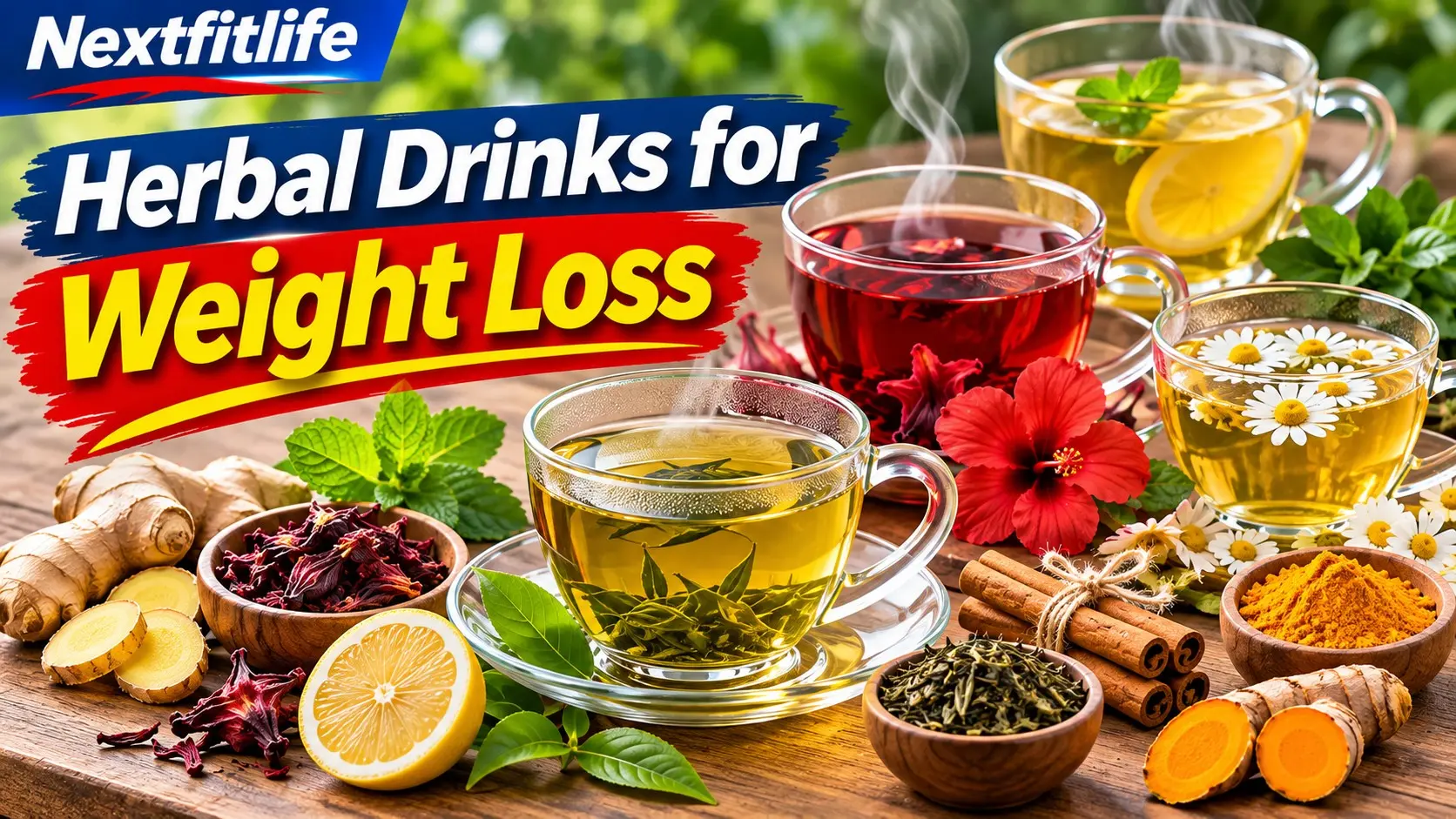
If you are searching for herbal drinks for weight loss, the most useful ones are not secret brews that melt fat. They are unsweetened drinks that give you flavor and hydration without adding much sugar or many calories.
That distinction matters. Replacing a sugary soda, sweet tea, juice drink, or dessert style coffee with an unsweetened herbal infusion may help lower your daily calorie intake. Drinking ginger, mint, or hibiscus tea on top of the same high calorie diet will not produce the same effect.
Green tea has been studied more than most teas, yet even there the average weight effect appears small. Other herbs have much weaker evidence, and some popular “detox” products can be unsafe.
This updated guide gives you 15 drinks that can fit into a healthy weight management plan, explains what the research actually says, and shows you how to prepare them without turning a low calorie drink into a sugary one.
Important: This article is for general information and education. It does not replace medical advice, diagnosis, or treatment.
Table of Contents
- Quick Answer
- Can Herbal Drinks Help With Weight Loss?
- 15 Herbal Drinks for Weight Loss Support
- Best Drinks by Goal
- Green Tea Evidence
- What About Detox Tea?
- Morning and Evening Drinks
- How to Prepare Herbal Drinks
- Seven Day Drink Rotation
- What to Avoid Adding
- Safety and Medication Interactions
- Habits That Matter More Than Tea
- Common Weight Loss Drink Mistakes
- When to Get Medical Advice
- Conclusion
- References and Sources
- Internal Links and Weight Management Hub
- About the Author
- Frequently Asked Questions
Quick Answer: What Are the Best Herbal Drinks for Weight Loss?
The best herbal drinks for weight loss are mostly unsweetened drinks that help you stay hydrated while replacing beverages that contain more calories.
Useful choices include:
- Ginger tea
- Peppermint tea
- Hibiscus tea
- Chamomile tea
- Rooibos tea
- Cinnamon infusion
- Turmeric ginger tea
- Lemon ginger infusion
- Fennel tea
- Lemon balm tea
- Rose hip tea
- Sage tea
- Mint and cucumber infusion
- Unsweetened green tea
- Iced herbal tea with citrus
None of these drinks should be expected to cause large weight loss by themselves.
The most useful strategy is simple: drink them without added sugar and use them in place of higher calorie beverages.
For a broader food and drink guide, see our Best Foods and Drinks for Weight Loss article.
Can Herbal Drinks Really Help With Weight Loss?
They can help indirectly.
A cup of plain herbal tea usually contains very few calories. If it replaces a drink containing 150 or 250 calories, that change can matter when repeated often.
The benefit comes mainly from the substitution.
Weight changes over time are influenced by:
- Total food and drink intake
- Physical activity
- Sleep
- Stress
- Medications
- Health conditions
- Age
- Genes
Herbal drinks are therefore one small tool inside a much larger plan.
Simple rule: Choose herbal drinks because you enjoy them and because they can replace sugary beverages, not because a label says “detox,” “fat burner,” or “slimming.”
15 Herbal Drinks for Weight Loss Support
1. Ginger Tea
Ginger makes a warming drink with a strong flavor, which can make plain water alternatives more enjoyable.
It does not reliably produce major weight loss on its own.
How to make it:
- Slice fresh ginger thinly.
- Add it to hot water.
- Steep for 5 to 10 minutes.
- Add lemon if you like.
Leave out sugar or honey when calorie reduction is your goal.
2. Peppermint Tea
Peppermint tea is naturally caffeine free and can be served hot or cold.
It has no convincing evidence as a direct fat burner, but its fresh taste makes it an easy replacement for sweetened evening drinks.
Steep dried peppermint leaves or a plain peppermint tea bag in hot water for several minutes.
3. Hibiscus Tea
Hibiscus produces a tart, deep red drink that works well hot or iced.
It is often marketed for weight loss, but recent randomized trial evidence does not show a clinically meaningful reduction in body weight, BMI, or waist circumference.
That does not make hibiscus useless. Unsweetened hibiscus tea remains a flavorful low calorie beverage.
Add a slice of orange or lemon instead of sugar if the tart flavor feels too strong.
4. Chamomile Tea
Chamomile is a caffeine free evening option.
It is not a proven weight loss treatment, but using a plain evening tea instead of cookies with a sweet drink may help change a calorie heavy bedtime habit.
Chamomile may cause allergic reactions in people sensitive to related plants, so stop using it if you develop symptoms.
5. Rooibos Tea
Rooibos is naturally caffeine free and has a mild flavor.
Human evidence does not support using it as a primary obesity treatment, but it works well when you want a warm drink without caffeine or sugar.
Try it plain or with cinnamon.
6. Cinnamon Infusion
Cinnamon can add warmth and sweetness without adding sugar.
Add one cinnamon stick to hot water and allow it to steep.
Do not assume that more cinnamon means more weight loss. Large amounts, especially of cassia cinnamon, can provide significant coumarin exposure.
Culinary amounts are a better approach than concentrated cinnamon supplements unless a healthcare professional advises otherwise.
7. Turmeric Ginger Tea
Turmeric and ginger create a strong, earthy drink.
Neither ingredient should be treated as a proven fat melting remedy.
Simple preparation:
- Hot water
- A few slices of ginger
- A small amount of turmeric
- Optional lemon
Use normal food amounts rather than high dose supplements.
8. Lemon Ginger Infusion
Lemon water does not burn fat, but lemon can make unsweetened water easier to drink.
Add ginger and it becomes a stronger flavored infusion without requiring syrup or sugar.
This is especially useful for people who dislike plain water.
9. Fennel Tea
Fennel seeds make a mild herbal infusion with a naturally sweet aroma.
Evidence for weight loss is limited, so use it as a beverage rather than as a treatment.
Crush a small amount of fennel seed, add hot water, steep, and strain.
10. Lemon Balm Tea
Lemon balm has a mild citrus like flavor and is naturally caffeine free.
It can be useful in the evening when you want something more interesting than water without adding sugar.
There is not enough high quality evidence to claim that lemon balm produces meaningful weight loss.
11. Rose Hip Tea
Rose hip tea offers a tart fruit like flavor without needing fruit juice.
As with most herbal infusions, its main practical advantage in a weight management plan is that it can be consumed unsweetened and with few calories.
12. Sage Tea
Sage gives water an earthy herbal flavor.
Use moderate culinary amounts and avoid concentrated essential oils by mouth.
Pregnant people and anyone taking medicines should ask a healthcare professional before using medicinal amounts of unfamiliar herbs.
13. Mint and Cucumber Infusion
This is technically an infused water rather than tea, but it is one of the easiest low calorie drinks to prepare.
Add:
- Fresh mint
- Cucumber slices
- Cold water
- Ice
Let it sit in the refrigerator before drinking.
It provides flavor without the sugar found in many commercial flavored beverages.
14. Unsweetened Green Tea
Green tea is not technically an herbal tea because it comes from Camellia sinensis, but it deserves a place in this guide because it is one of the most researched plant based drinks associated with weight management.
Recent reviews suggest that green tea may produce a small average reduction in body weight, but the certainty of evidence is low and results are not large enough to treat it as a weight loss therapy.
The practical benefit remains simple: plain green tea provides flavor with almost no calories.
It contains caffeine, so avoid drinking large amounts late in the day if caffeine affects your sleep.
15. Iced Herbal Tea With Citrus
Commercial iced tea can contain a great deal of added sugar.
You can make a lower calorie version at home.
- Brew peppermint, hibiscus, rooibos, or another preferred tea.
- Cool it.
- Add ice.
- Add lemon, lime, orange slices, or mint.
Keep it unsweetened or only lightly sweetened.
Best Herbal Drinks for Weight Loss by Goal
| Goal | Good Choices | Why |
|---|---|---|
| Replace Soda | Iced hibiscus, mint water, iced rooibos | Flavor with few calories when unsweetened |
| Morning Drink | Green tea, ginger tea | Strong flavor and optional caffeine |
| Caffeine Free | Peppermint, chamomile, rooibos, hibiscus | Suitable later in the day for many people |
| Cold Drink | Hibiscus, peppermint, citrus herbal tea | Easy replacement for sweet iced drinks |
| Evening Drink | Chamomile, rooibos, lemon balm | Naturally caffeine free |
Does Green Tea Really Help With Weight Loss?
Green tea has more research behind it than most teas marketed for weight loss.
A recent network meta analysis of randomized trials found a small average reduction in body weight compared with placebo or water. However, the certainty of evidence was low to very low.
That means green tea might have a modest effect, but it should not be sold as a powerful weight loss method.
There is also an important difference between brewed green tea and concentrated green tea extract supplements.
Drinking green tea as a normal beverage is generally considered safe for most adults. Concentrated extracts have been associated with side effects, and rare liver injury has been reported.
Do not assume that a concentrated capsule is simply a stronger and therefore better version of tea.
Does Hibiscus Tea Help With Weight Loss?
Recent evidence is not convincing.
A systematic review of six randomized controlled trials involving 339 participants did not find a clinically meaningful benefit for body weight, BMI, or waist circumference.
Hibiscus can still be a healthy drink choice when unsweetened. It simply should not be marketed as a proven fat burner.
What About Ginger Tea for Weight Loss?
Ginger has been studied in many forms, but drinking ginger tea is not an established weight loss treatment.
Its main advantage as a drink is practical: it has a strong flavor without requiring sugar.
That can help if it replaces a higher calorie beverage.
Can Herbal Tea Burn Belly Fat?
No herbal drink can select fat from your stomach and burn it away.
Abdominal fat can decrease as overall body fat decreases, but where fat is lost is influenced by biology and genetics.
For a fuller explanation, see our Best Foods to Burn Belly Fat guide.
Are Detox Teas Good for Weight Loss?
Be cautious.
Products sold as detox, skinny, flat tummy, or slimming teas may contain laxatives, stimulants, diuretics, or undisclosed ingredients.
A recent review found limited evidence for meaningful weight loss from commercial detox teas and documented reports of electrolyte problems, cardiovascular events, liver injury, high stimulant levels, and undeclared pharmaceutical ingredients.
A sudden drop on the scale after a laxative or diuretic product may mostly reflect water or intestinal contents rather than body fat.
Avoid products that promise: rapid detox, overnight belly fat loss, dramatic appetite suppression, extreme cleansing, or several kilograms of loss within days.
The Best Morning Herbal Drinks
There is no special morning fat burning window.
Choose drinks based on taste and caffeine tolerance.
Good morning choices include:
- Ginger tea
- Green tea
- Mint tea
- Cinnamon infusion
- Turmeric ginger tea
If breakfast is part of your routine, combine the drink with a balanced meal rather than using tea to replace food simply to cut calories aggressively.
The Best Evening Herbal Drinks
Caffeine free options make more sense later in the day.
Try:
- Chamomile
- Rooibos
- Peppermint
- Lemon balm
- Ginger
Sleep also matters for healthy weight management, so avoiding large amounts of caffeine near bedtime can be more useful than searching for a nighttime fat burning tea.
For a simple bedtime routine, see our Best Breathing Exercises for Sleep.
How to Make Herbal Drinks Without Adding Hidden Calories
The drink may begin with zero calories and end very differently after several additions.
Common additions include:
- Sugar
- Honey
- Flavored syrup
- Sweetened condensed milk
- Sweetened creamers
One teaspoon of honey or sugar is not automatically a problem, but several spoonfuls in several cups each day can add up.
Try flavor from:
- Lemon
- Lime
- Fresh mint
- Ginger
- Cinnamon
- Orange peel
- Ice
A Simple Seven Day Herbal Drink Rotation
| Day | Drink | Simple Use |
|---|---|---|
| Monday | Ginger Tea | Morning or afternoon |
| Tuesday | Iced Hibiscus Tea | Replace a sweet cold drink |
| Wednesday | Peppermint Tea | After lunch or dinner |
| Thursday | Green Tea | Earlier in the day |
| Friday | Rooibos Tea | Evening caffeine free drink |
| Saturday | Turmeric Ginger Tea | Warm afternoon drink |
| Sunday | Chamomile Tea | Caffeine free evening choice |
You do not need seven different teas for weight loss. This rotation simply keeps low calorie drinking interesting.
How Many Cups Should You Drink?
There is no universal number of cups required for weight loss.
Your total fluid needs depend on your body, weather, activity, food intake, health, and medications.
Herbal tea can contribute to hydration, but plain water should remain an easy everyday option.
Do not force yourself to drink excessive amounts of tea because a social media post says that more cups mean faster fat loss.
Herbal Does Not Automatically Mean Safe
The word “natural” does not guarantee safety.
Plants contain active chemical compounds. Some can interact with medication or affect blood pressure, blood sugar, bleeding, the liver, or other body systems.
Be especially careful if you:
- Take prescription medicines
- Use blood thinners
- Take blood pressure medicine
- Take diabetes medicine
- Have liver disease
- Have kidney disease
- Are pregnant
- Are breastfeeding
- Are preparing for surgery
Ask your healthcare professional or pharmacist before using medicinal quantities or concentrated herbal products.
Green Tea Beverage vs Green Tea Extract
These are not the same thing.
A normal brewed cup contains a relatively modest amount of tea compounds and caffeine.
Concentrated extracts can deliver much larger amounts in a tablet, powder, or capsule.
NCCIH reports that rare liver injury has occurred with green tea products, primarily concentrated extracts.
More concentrated does not automatically mean more effective or safer.
What Actually Matters More Than Herbal Tea?
If weight loss is your goal, focus most of your effort on habits with a much larger effect.
1. Build Filling Meals
Choose vegetables, whole fruit, protein rich foods, legumes, and high fiber carbohydrates.
See our Best Foods to Burn Belly Fat guide for practical meal choices.
2. Reduce Liquid Calories
This is where unsweetened herbal drinks can genuinely help.
Replace soda, sweetened tea, juice drinks, and high calorie coffee beverages more often.
3. Move Regularly
Walking, cycling, swimming, running, sports, and other activities support overall health and energy expenditure.
Explore the NextFitLife Fitness Hub for practical exercise guides.
4. Strength Train
Resistance training supports muscle, strength, and physical function during a weight management program.
Start with our Strength Training and Muscle Building Guide.
5. Sleep Enough
Poor sleep can make healthy eating and activity habits harder to maintain.
6. Manage Stress
Stress may change appetite, sleep, activity, and food choices.
Read our Stress Belly guide for a more complete explanation.
Common Herbal Weight Loss Drink Mistakes
Calling Tea a Fat Burner
The evidence does not support dramatic fat burning claims.
Adding Lots of Honey
Honey is still an added source of sugar and calories.
Buying Detox Tea
Some products contain laxatives, strong stimulants, diuretics, or undeclared substances.
Using Tea Instead of Food
Tea is a beverage, not a nutritionally complete meal.
Drinking Too Much Caffeine
Too much caffeine can cause nervousness, sleep problems, palpitations, and other symptoms in sensitive people.
Ignoring Medication Interactions
Herbs can affect medicines. Check before using concentrated herbal products.
Expecting Overnight Results
Body fat changes slowly. Water weight can change much faster and should not be mistaken for rapid fat loss.
When Should You Stop Using an Herbal Product?
Stop using the product and seek appropriate medical advice if you develop concerning symptoms such as:
- Yellow skin or eyes
- Dark urine
- Severe abdominal pain
- Persistent vomiting
- Fainting
- Chest pain
- Severe palpitations
- Difficulty breathing
- Facial or throat swelling
- A widespread allergic rash
Severe allergic reactions, chest pain, difficulty breathing, or fainting may require urgent medical care.
Who Should Get Individual Advice First?
Talk with your healthcare professional before using weight loss herbs or concentrated supplements if you have a medical condition, take regular medication, are pregnant, or are breastfeeding.
Also get individualized guidance if weight loss is difficult despite major lifestyle changes. Medical conditions and medications can affect body weight.
Conclusion
The best herbal drinks for weight loss are not mysterious teas that force your body to burn fat. Their real value is simpler: unsweetened herbal drinks can provide flavor and hydration while replacing beverages that contain more sugar and calories.
Ginger, peppermint, hibiscus, rooibos, chamomile, and similar infusions can all fit into a healthy eating plan. Green tea has somewhat more weight related evidence, but any average effect appears modest and it should not replace proven weight management habits.
Your next step: pick one sugary drink you have regularly and replace it this week with an unsweetened herbal tea, water, or another low calorie drink you genuinely enjoy. That simple change is more useful than chasing another detox brew.
References and Sources
- National Center for Complementary and Integrative Health. Green Tea: Usefulness and Safety. Includes guidance on beverage safety, caffeine, medication interactions, and risks associated with concentrated extracts.
https://www.nccih.nih.gov/health/green-tea - National Center for Complementary and Integrative Health. Dietary Supplements Marketed for Weight Loss. Explains the limited evidence and safety concerns surrounding many products promoted as fat burners or appetite suppressants.
https://www.nccih.nih.gov/health/tips/tips-know-the-facts-about-supplements-marketed-for-weight-loss - Comparative Effects of Tea and Coffee Drinking on Body Weight in Adults. Systematic review and network meta analysis of randomized trials showing a small possible effect of green tea with low to very low certainty evidence.
https://pubmed.ncbi.nlm.nih.gov/39497467/ - Clinical Effects of Hibiscus sabdariffa on Obesity Treatment. Systematic review and meta analysis finding no clinically meaningful benefit for weight, BMI, or waist circumference.
https://pubmed.ncbi.nlm.nih.gov/38878905/ - Safety and Effectiveness of Diet and Detox Teas for Weight Loss. Review describing limited benefit and safety concerns including electrolyte disturbance, cardiovascular events, liver injury, stimulants, and undeclared ingredients.
https://pubmed.ncbi.nlm.nih.gov/42039908/
Internal Links + Weight Management Hub
- Best Foods and Drinks for Weight Loss
- Best Foods to Burn Belly Fat
- NextFitLife Fitness Hub
- Fitness Program Guide
- Strength Training and Muscle Building Guide
- How to Get Rid of Stress Belly
- Best Breathing Exercises for Sleep
- How to Increase Stamina for Running
About the Author
Adel Galal is a father of four, three sons and a daughter, and a grandfather of four, with 33 years of hands on parenting experience. He is the founder of Parnthub.com, based in Cairo, Egypt, where he shares practical guidance on feeding, development and family life from newborns to teenagers.
Adel is not a medical professional. Health articles cite trusted sources and are for general information only.
Learn more on the NextFitLife About Us page.
Frequently Asked Questions
What are the best herbal drinks for weight loss?
Useful choices include ginger tea, peppermint tea, hibiscus, rooibos, chamomile, cinnamon infusions, and unsweetened green tea. Their main benefit is that they can replace higher calorie beverages rather than directly burning body fat.
Which herbal drink burns the most fat?
No herbal drink has been shown to burn large amounts of body fat. Green tea has more research than most teas, but recent reviews suggest any average weight loss effect is small.
Can herbal tea reduce belly fat?
No tea can selectively remove belly fat. Abdominal fat may decrease as overall body fat falls through sustainable changes in food intake, activity, sleep, and other habits.
Is green tea good for weight loss?
Green tea may have a small effect on average body weight, but evidence certainty is low and the effect is not large enough to make green tea a primary weight loss treatment.
Does hibiscus tea help you lose weight?
Recent randomized trial evidence does not show a clinically meaningful effect of hibiscus on body weight, BMI, or waist circumference. Unsweetened hibiscus tea can still be a low calorie beverage.
Is ginger tea good for weight loss?
Ginger tea is not a proven weight loss treatment. It can still be useful as a flavorful, low calorie alternative to sweetened drinks when you consume it without added sugar.
Are detox teas safe for weight loss?
Some detox and slimming teas may contain laxatives, stimulants, diuretics, or undeclared ingredients. Evidence for meaningful fat loss is weak, and safety problems have been reported.
What herbal tea can I drink at night?
Caffeine free choices such as chamomile, rooibos, peppermint, and lemon balm can be practical evening drinks. Choose plain versions without large amounts of sugar or honey.
Should I add honey to weight loss tea?
You can use a small amount if it fits your diet, but honey still provides sugar and calories. Large amounts can turn a very low calorie beverage into a higher calorie drink.
How many cups of herbal tea should I drink for weight loss?
There is no required number of cups for weight loss. Herbal tea can contribute to hydration, but drinking excessive amounts will not make fat loss happen faster.

Health & wellness writer with 30+ years of experience in nutrition, fitness, and healthy aging. Founder of NextFitLife.com — evidence-based health guidance.

