Published: July 2026
Last Updated: July 24, 2026
Next Review: July 2027, or earlier if important medical guidance changes
Written and Source Checked by: Adel Galal, Founder and Lead Writer at NextFitLife
Review Status: Educational health content. Not medically reviewed by a physician, hepatologist, or registered dietitian.
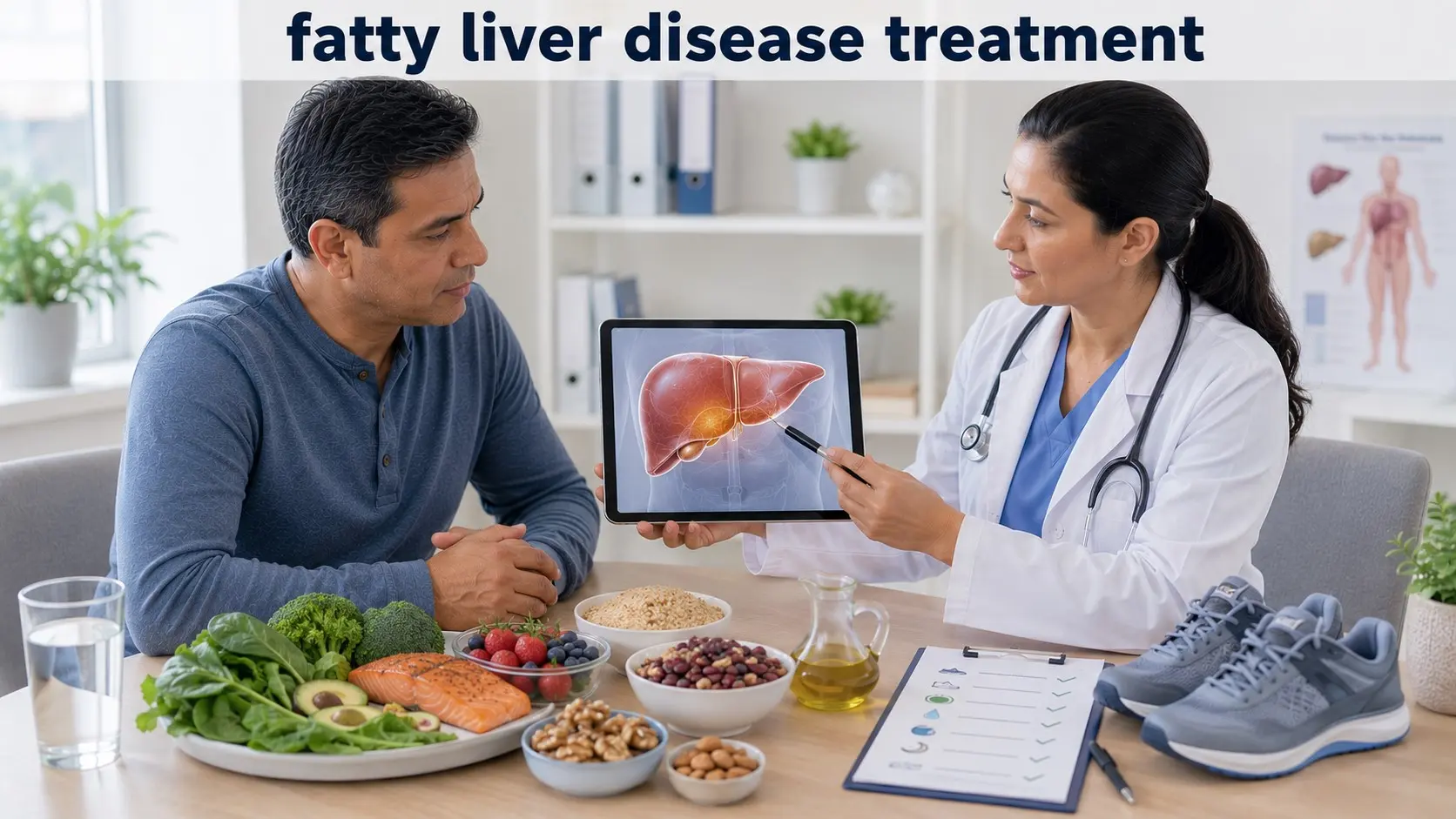
Fatty liver disease treatment depends on what is causing fat to build up in the liver, how much liver damage is present, and whether a person has related conditions such as type 2 diabetes, high triglycerides, high blood pressure, or obesity.
The condition once widely called nonalcoholic fatty liver disease, or NAFLD, is now commonly called metabolic dysfunction-associated steatotic liver disease, or MASLD. Its inflammatory form, previously called NASH, is now commonly called metabolic dysfunction-associated steatohepatitis, or MASH.
Some people with early liver fat can achieve substantial improvement through gradual weight management, regular physical activity, nutritious food, and better control of metabolic risk factors. However, advanced fibrosis, cirrhosis, alcohol-related liver disease, medication-related liver injury, and other liver conditions require individualized medical care.
Quick Answer: What are the main fatty liver disease treatments?
For many people with MASLD, treatment begins with gradual weight loss when appropriate, regular exercise, a balanced eating pattern, fewer sugary drinks, and management of blood sugar, cholesterol, triglycerides, and blood pressure.
Some adults with MASH and moderate-to-advanced liver fibrosis may qualify for prescription medicine. Medication decisions require proper testing and care from a qualified clinician.
Detox teas, juice cleanses, lemon water, apple cider vinegar, milk thistle, turmeric supplements, and similar products have not been proven to replace medical fatty liver treatment.
Important Medical Safety Note
This guide provides general education. It cannot diagnose fatty liver disease, determine your fibrosis stage, interpret your liver tests, or create a personal treatment plan.
Do not start or stop medicine, supplements, alcohol withdrawal, fasting, or a restrictive diet based only on an online article. Speak with a qualified healthcare professional who knows your medical history.
Seek urgent medical help for yellow skin or eyes, vomiting blood, black stools, severe abdominal swelling, confusion, fainting, severe weakness, difficulty breathing, or rapidly worsening symptoms.
What Is Fatty Liver Disease?
Steatotic liver disease is a broad term for conditions in which excess fat accumulates in liver cells. The cause matters because not every case of liver fat has the same treatment.
MASLD
MASLD describes liver fat associated with one or more cardiometabolic risk factors. These may include excess body weight, a larger waist circumference, insulin resistance, type 2 diabetes, abnormal cholesterol or triglycerides, and high blood pressure.
MASH
MASH is a more serious form in which liver fat is accompanied by inflammation and liver-cell injury. Over time, some people may develop fibrosis, which means liver scarring.
Alcohol-related and mixed causes
Alcohol can also cause steatotic liver disease. Some people have metabolic risk factors and consume enough alcohol for both factors to affect the liver. A clinician needs an accurate alcohol history to classify the condition and recommend safer care.
Other Possible Causes
Liver fat can also be related to certain medicines, rapid weight loss, malnutrition, pregnancy-related conditions, viral infections, genetic disorders, or other medical problems. This is one reason self-diagnosis is unsafe.
Can Fatty Liver Disease Improve?
Yes, liver fat and liver inflammation may improve in many people, especially when the condition is identified before advanced scarring develops. The degree of improvement varies.
It is more accurate to say that fatty liver disease may improve or that liver fat may be reduced than to promise that every case can be cured or reversed.
Someone with simple liver fat has a different outlook from someone with MASH, advanced fibrosis, cirrhosis, liver failure, or another liver disease. Even when liver tests improve, follow-up may still be needed.
9 Research-Backed Fatty Liver Disease Treatment Strategies
1. Confirm the Diagnosis and Check for Liver Fibrosis
The first treatment step is not a detox or a new diet. It is understanding what is happening in the liver.
A clinician may review:
- Current symptoms and medical history
- Alcohol intake
- Prescription and nonprescription medicines
- Herbs, supplements, powders, and teas
- Body weight and waist measurement
- Blood pressure
- Blood sugar and cholesterol results
- Liver enzyme tests
- Platelet count and other blood results
- Ultrasound or another imaging test
Healthcare professionals may use a calculation such as FIB-4 to help estimate the risk of advanced fibrosis. Some patients need transient elastography, magnetic resonance imaging, specialist assessment, or occasionally a liver biopsy.
Normal liver-enzyme results do not automatically exclude significant liver disease. Test results need to be interpreted together with risk factors, imaging, age, symptoms, and medical history.
2. Aim for gradual weight loss when appropriate
For people with overweight or obesity, gradual and sustained weight loss is one of the most established approaches for reducing liver fat.
According to the National Institute of Diabetes and Digestive and Kidney Diseases, losing approximately 3% to 5% of body weight may reduce liver fat. Larger losses of about 7% to 10% may be needed for a greater chance of improving liver inflammation and fibrosis.
These percentages are population-level guidance, not personal targets for every reader.
A suitable plan may involve:
- Reducing portions without severe restriction
- Replacing high-calorie drinks with water or unsweetened alternatives
- Building meals around vegetables, protein, and fibre-rich foods
- Planning repeatable meals instead of following a temporary cleanse
- Tracking habits or weight at a frequency that does not cause distress
- Getting professional support when weight loss has been difficult
Rapid weight loss, starvation diets, and malnutrition can worsen liver health. People with cirrhosis, unexplained weight loss, eating-disorder history, pregnancy, or significant chronic disease need individual guidance before attempting weight loss.
For a broader approach, read the NextFitLife guide to safe and sustainable natural weight loss.
3. Follow a Mediterranean-Style Eating Pattern
There is no single mandatory fatty liver diet. However, a Mediterranean-style pattern is frequently used because it emphasizes minimally processed foods, fibre, and unsaturated fats.
A practical eating pattern may include:
- Vegetables of different colours
- Whole fruit instead of frequent juice
- Beans, peas, and lentils
- Oats, barley, brown rice, and other whole grains
- Fish and seafood
- Eggs, poultry, tofu, or other suitable protein foods
- Plain yogurt or suitable fortified alternatives
- Nuts and seeds in reasonable portions
- Olive oil and other sources of unsaturated fat
The pattern should fit your health conditions, culture, budget, food access, allergies, and preferences. It does not need to be perfect to be useful.
Explore a more detailed fatty liver diet guide and this list of foods that can fit a liver-supportive eating pattern.
4. Reduce Sugary Drinks and Frequent Added Sugar
Sugary drinks can add substantial calories without creating much fullness. Frequent intake can also make blood sugar, triglyceride, and weight management more difficult.
Examples include:
- Regular soft drinks
- Sweetened tea and coffee
- Energy drinks
- Sweetened fruit drinks
- Large milkshakes
- Sweetened specialty coffees
Whole fruit does not need to be treated in the same way as a sweetened drink. Whole fruit contains fibre and is generally more filling than juice or soda.
Useful drink choices may include water, sparkling water, unsweetened tea, or coffee when caffeine is suitable for you.
You do not need to ban every dessert. The goal is to reduce frequent excess and build an eating pattern that can be maintained.
5. Combine aerobic activity and strength training
Physical activity may reduce liver fat and improve metabolic health, even when the number on the scale changes slowly.
A balanced activity plan may include:
- Brisk walking
- Cycling
- Swimming
- Dancing
- Low-impact cardio
- Resistance bands
- Weight training
- Bodyweight strength exercises
Adults are often advised to work toward at least 150 minutes of moderate-intensity aerobic activity per week, along with muscle-strengthening activity on two or more days. This is a general public-health target, not a starting requirement for everyone.
A beginner may start with five or ten minutes and build gradually. Someone with chest pain, severe breathlessness, dizziness, advanced liver disease, significant mobility limitations, or another medical condition should ask a qualified professional about safe activity.
6. Manage Diabetes, Cholesterol, Triglycerides, blood pressure, and sleep apnea
MASLD is closely connected with metabolic and cardiovascular health. Treating the liver without addressing related conditions can leave major health risks uncontrolled.
Your care plan may include appropriate management of:
- Prediabetes or type 2 diabetes
- High LDL cholesterol
- High triglycerides
- High blood pressure
- Obesity
- Obstructive sleep apnea
- Low physical fitness
Take prescribed medicine as directed. Do not stop a statin, diabetes medicine, blood-pressure medicine, or another prescription because of something read online.
Cardiovascular disease is an important concern for people with MASLD. Regular primary-care follow-up remains important even when the main concern is the liver.
7. Discuss Alcohol Honestly and Stop Smoking
Alcohol advice should be individualized because safety depends on the cause and stage of liver disease, medicine use, and drinking pattern.
People with cirrhosis or alcohol-related liver disease are generally advised to avoid alcohol. A person with MASLD should ask their clinician whether any amount is safe for their individual situation.
People who do not drink should not begin drinking for claimed health benefits.
Smoking does not directly explain every case of liver fat, but it raises cardiovascular and cancer risk. Stopping smoking supports overall health and is particularly important when metabolic risk is already elevated.
A person who is physically dependent on alcohol should not attempt sudden withdrawal alone. Alcohol withdrawal can be dangerous and may require supervised medical treatment.
8. Avoid liver detox products and unsupervised supplements
The liver already performs complex metabolic and waste-processing functions. It does not need to be flushed with juice, vinegar, lemon water, or detox tea.
Products promoted for liver cleansing may contain concentrated herbs, stimulants, laxatives, or undeclared ingredients. Some supplements have been associated with medication interactions or liver injury.
Extra caution is appropriate with:
- Multi-ingredient liver cleanse products
- Concentrated green tea extract
- Bodybuilding supplements
- Weight-loss supplements
- High-dose vitamins
- Unverified turmeric or curcumin products
- Milk thistle products marketed as treatment
- Products containing several unidentified herbs
This does not mean that every supplement harms every person. It means that “natural” is not proof of safety or effectiveness.
Bring a complete list of vitamins, herbs, powders, teas, and over-the-counter medicines to medical appointments.
Read the NextFitLife guide to liver detox claims and safer liver-supportive habits.
9. Discuss Prescription Treatment and Long-Term Monitoring
Lifestyle and metabolic risk management remain central to MASLD care. However, some people with MASH and moderate-to-advanced fibrosis may also qualify for prescription treatment.
In the United States, current FDA-approved options for selected adults include:
- Resmetirom, sold as Rezdiffra: Used with diet and exercise for selected adults with noncirrhotic MASH and moderate-to-advanced fibrosis.
- Semaglutide injection, sold as Wegovy: The FDA label includes treatment of selected adults with noncirrhotic MASH and moderate-to-advanced fibrosis.
These medicines are not suitable for every person who has fat in the liver. They require a prescription, appropriate diagnosis, review of risks and contraindications, and ongoing monitoring.
A clinician may also use medicine to manage diabetes, obesity, cholesterol, triglycerides, or blood pressure. These decisions should be based on the person’s full health profile, not on a single liver test.
Bariatric or metabolic surgery may be considered for some eligible people with obesity, but it requires specialist assessment and long-term nutrition and medical follow-up.
Fatty Liver Treatment Comparison
| Approach | Potential Role | Important Limitation |
|---|---|---|
| Gradual weight loss | May reduce liver fat and may improve inflammation or fibrosis when enough weight is lost and maintained. | Not appropriate as a universal goal. Rapid weight loss and malnutrition can be harmful. |
| Mediterranean-style eating | Supports food quality, fibre intake, metabolic health, and sustainable calorie control. | Portions and food choices still need to fit individual health needs. |
| Aerobic exercise | May reduce liver fat and improve fitness, blood sugar, and cardiovascular health. | The type and intensity should suit physical ability and medical conditions. |
| Strength training | Supports muscle, insulin sensitivity, mobility, and long-term weight management. | Safe technique and gradual progression matter. |
| Diabetes and lipid treatment | Helps manage important metabolic and cardiovascular risks. | Medicine selection must be individualized. |
| Resmetirom or semaglutide | May be considered for selected adults with noncirrhotic MASH and moderate-to-advanced fibrosis. | Prescription treatment requiring proper diagnosis and medical monitoring. |
| Detox drinks or herbal cleanses | No established role as a replacement for evidence-based treatment. | May waste money, interact with medicine, or cause liver injury. |
What Foods May Fit a Fatty Liver Eating Plan?
A liver-supportive pattern does not depend on one superfood. The overall eating pattern matters more than any single ingredient.
Vegetables
Use a variety of fresh, frozen, or lower-sodium canned vegetables. Leafy greens, broccoli, cauliflower, peppers, carrots, tomatoes, courgettes, aubergine, and other vegetables can help add fibre and volume to meals.
Whole Fruit
Berries, apples, oranges, pears, peaches, and other whole fruits can fit a balanced eating plan. Portion needs vary, especially for people managing blood sugar.
Protein Foods
Suitable options may include fish, eggs, poultry, tofu, tempeh, plain yogurt, beans, peas, and lentils. The right quantity depends on body size, kidney health, appetite, activity, and other medical needs.
Whole Grains
Oats, barley, whole-grain bread, brown rice, quinoa, and similar foods may provide more fibre than refined alternatives.
Unsaturated Fats
Olive oil, nuts, seeds, avocado, and oily fish can provide unsaturated fats. Portions still matter because these foods are energy dense.
Simple Meal Formula
A practical meal may include:
- Half a plate of suitable vegetables
- A quarter plate of protein
- A quarter plate of whole grain, potato, or another suitable carbohydrate
- A modest amount of unsaturated fat
- Water or an unsweetened drink
This formula is a flexible starting point, not a medical prescription.
What Should You Limit or Avoid?
Fatty liver treatment does not require fear of food. However, reducing frequent excess can make weight and metabolic management easier.
Consider limiting:
- Sugar-sweetened soft drinks
- Large sweetened coffees
- Frequent sweets and desserts
- sizeable portions
- Deep-fried meals
- Frequent processed meats
- Foods high in trans fat
- Heavy alcohol intake
- Unverified liver-cleansing supplements
You do not need to label every food as good or bad. A repeatable pattern matters more than one meal.
Are There Medicines for Fatty Liver Disease?
There is no single medicine for every form or stage of fatty liver disease.
Medication may be used for two different purposes:
- To treat selected patients with MASH and liver fibrosis
- To manage related conditions such as diabetes, obesity, high cholesterol, high triglycerides, or high blood pressure
Resmetirom
Resmetirom is a prescription medicine used with diet and exercise for selected adults with noncirrhotic MASH and moderate-to-advanced liver fibrosis.
It is not a general liver cleanse and is not intended for self-treatment. A prescriber needs to assess eligibility, interactions, side effects, liver status, and monitoring requirements.
Semaglutide
Semaglutide is a GLP-1 receptor agonist. The Wegovy injection label includes treatment of selected adults with noncirrhotic MASH and moderate-to-advanced fibrosis.
Semaglutide products are not interchangeable for every indication. Ozempic, Wegovy, and other semaglutide formulations have different approved uses, presentations, and dosing instructions.
Only a qualified prescriber should decide whether semaglutide is appropriate.
Vitamin E and Pioglitazone
Some clinical guidance has discussed vitamin E or pioglitazone in selected patient groups. They are not suitable for everyone and should not be started based on an online dose recommendation.
Potential benefits must be weighed against risks, health history, diabetes status, age, and other factors.
How is fatty liver disease monitored?
Monitoring may include:
- Body weight or waist measurement when relevant
- Blood pressure
- Blood sugar or HbA1c
- Cholesterol and triglycerides
- Liver enzymes
- Platelet count
- FIB-4 or another fibrosis-risk assessment
- Ultrasound or elastography
- Medication side-effect monitoring
- Specialist review when fibrosis risk is elevated
Do not judge liver recovery only by symptoms. Fatty liver disease is often silent, and a person may feel well even when fibrosis is present.
The frequency of testing depends on diagnosis, age, fibrosis risk, diabetes, treatment, and previous results.
How long does fatty liver improvement take?
There is no universal timeline.
Liver fat may begin changing before a person notices symptoms or before fibrosis changes can be measured. Weight, blood sugar, triglycerides, liver enzymes, inflammation, and scarring do not all improve at the same speed.
Progress may be affected by:
- The starting amount of liver fat
- Whether MASH is present
- The fibrosis stage
- Diabetes or insulin resistance
- Alcohol intake
- Medicine use
- Genetic factors
- How sustainable the lifestyle changes are
Avoid promises that fatty liver can be eliminated in 7, 14, or 30 days. Meaningful and measurable changes usually require consistent habits and appropriate medical follow-up over months or longer.
Common Fatty Liver Treatment Mistakes
Trying to Fix Everything in One Week
An extreme plan is difficult to maintain and may lead to under-eating, fatigue, or rapid weight regain.
Using Supplements Instead of Medical Testing
A supplement cannot determine whether you have simple steatosis, MASH, fibrosis, cirrhosis, viral hepatitis, or another liver condition.
Focusing Only on liver enzymes
Liver enzymes are useful, but do not tell the complete story. Fibrosis risk and metabolic health also matter.
Ignoring Alcohol
Accurate alcohol information helps a healthcare professional classify the condition and recommend safer care.
Stopping Prescribed Medicine
Do not stop cholesterol, diabetes, blood-pressure, or other medicine without professional advice.
Assuming thin people Cannot Develop MASLD
MASLD can also occur in people who are not classified as having obesity. Genetics, body-fat distribution, diabetes, cholesterol, blood pressure, medicine, and other factors can contribute.
When Should You See a Doctor?
Arrange medical assessment if you:
- Have been told that liver enzymes are elevated
- Have liver fat on an ultrasound or scan
- Have type 2 diabetes or several metabolic risk factors
- Have persistent discomfort under the right ribs
- Have ongoing unexplained fatigue
- Take medicine or supplements that may affect the liver
- Drink alcohol regularly and are worried about liver health
- Have a family history of liver disease
- Have unexplained weight loss or poor appetite
Seek urgent medical help for red flags
Urgent symptoms may include:
- Yellow skin or eyes
- Vomiting blood
- Black, tar-like stools
- Severe or rapidly increasing abdominal swelling
- New confusion or unusual sleepiness
- Fainting
- Severe weakness
- Difficulty breathing
- Severe abdominal pain
- Fever with worsening liver-related symptoms
Questions to Ask Your Healthcare Professional
- What is the likely cause of fat in my liver?
- Do I meet the criteria for MASLD?
- Is there evidence of MASH or liver fibrosis?
- What does my FIB-4 result mean?
- Do I need elastography or specialist referral?
- Should I avoid alcohol completely?
- Are my medicines or supplements affecting my liver?
- Would weight loss be appropriate for me?
- Should I see a registered dietitian?
- Do I qualify for prescription MASH treatment?
- How often should my liver and metabolic health be reviewed?
Conclusion
Fatty liver disease treatment is not based on one miracle food, drink, or supplement.
For many people with MASLD, the foundation is gradual weight management when appropriate, nutritious food, regular activity, fewer sugary drinks, and better management of blood sugar, cholesterol, triglycerides, blood pressure, and other metabolic risks.
Some people need additional testing, specialist care, or prescription treatment because MASH or liver fibrosis is present.
Start with a proper medical assessment. Then choose small, repeatable habits that fit your health and daily life. Use this article to prepare informed questions, not to replace personal medical care.
Next step: Read the NextFitLife fatty liver diet guide for practical food choices and meal-building ideas.
References and Sources
National Institute of Diabetes and Digestive and Kidney Diseases. Treatment for NAFLD and NASH.
Guidance on gradual weight loss, physical activity, supplements, and liver health.
American Association for the Study of Liver Diseases. New MASLD Nomenclature.
Explanation of the terms MASLD, MASH, MetALD, and steatotic liver disease.
European Association for the Study of the Liver. EASL-EASD-EASO Clinical Practice Guidelines on MASLD.
Clinical guidance covering diagnosis, risk assessment, lifestyle management, and treatment.
U.S. Food and Drug Administration. FDA Approval of Rezdiffra for Selected Adults With NASH and Liver Fibrosis.
U.S. Food and Drug Administration. Wegovy Prescribing Information.
Current label information, including the MASH indication for selected adults.
Rinella ME, et al. AASLD Practice Guidance on the Clinical Assessment and Management of Nonalcoholic Fatty Liver Disease.
Related NextFitLife Guides and Hub Links
Related Fatty Liver and Liver Health Guides
- Fatty Liver Diet: What to Eat and What to Limit
- Foods Good for Liver: Practical Food and Meal Ideas
- Liver Health: Safer Daily Habits That Support Liver Wellness
- Liver Detox: Claims, Myths, Risks, and Safer Alternatives
- Natural Weight Loss: Safe and Sustainable Habits
- Belly Fat Loss Guide: Visceral Fat, Food, and Exercise
NextFitLife Topic Hubs
- Kidney and Liver Health Foods Hub
- Foods and Nutrition Hub
- NextFitLife Health Hub
- Weight Management and Metabolism Hub
Frequently Asked Questions About Fatty Liver Disease Treatment
Can fatty liver disease be reversed?
Liver fat and inflammation may improve substantially in many people, particularly before advanced scarring develops. However, results depend on the cause, fibrosis stage, metabolic health, alcohol use, genetics, and treatment consistency. It is safer to discuss improvement rather than promise a universal reversal or cure.
What is the most effective treatment for fatty liver disease?
For many people with MASLD, treatment begins with gradual weight loss when appropriate, regular exercise, a balanced eating pattern, and management of blood sugar, cholesterol, triglycerides, and blood pressure. Some patients with MASH and significant fibrosis may also qualify for prescription treatment.
How much weight loss may improve fatty liver?
NIDDK guidance states that losing approximately 3% to 5% of body weight may reduce liver fat. A loss of about 7% to 10% may be needed for a greater chance of improving inflammation and fibrosis. Personal goals should be set with a qualified professional.
Can exercise reduce liver fat without weight loss?
Yes. Regular physical activity may reduce liver fat and improve insulin sensitivity, cardiovascular fitness, and metabolic health, even when weight loss is limited.
What is the best drink for fatty liver disease?
Water is a practical main drink for most people. Unsweetened tea or coffee may also fit when caffeine is suitable. No drink has been proven to flush fat or toxins out of the liver.
Do liver detox drinks work?
No detox drink has been shown to replace the liver’s normal functions or evidence-based fatty liver treatment. Some detox teas and supplements may cause dehydration, medication interactions, or liver injury.
Are milk thistle and turmeric proven treatments?
They should not be presented as proven replacements for medical treatment. Supplement quality and dose vary, and some products may interact with medicine or cause adverse effects. Discuss supplement use with a clinician or pharmacist.
What is the difference between MASLD and MASH?
MASLD describes liver fat associated with cardiometabolic risk. MASH is the inflammatory form in which liver-cell injury is also present. MASH carries a greater risk of fibrosis and advanced liver disease.
When is medicine used for fatty liver disease?
Prescription MASH treatment may be considered for selected adults with noncirrhotic MASH and moderate-to-advanced fibrosis. Medicine may also be used to manage diabetes, obesity, cholesterol, triglycerides, and blood pressure.
How quickly can fatty liver improve?
There is no guaranteed timeline. Liver fat, blood tests, weight, inflammation, and fibrosis may change at different rates. Meaningful improvement usually requires consistent care over months or longer rather than a short detox or two-week plan.
Medical Disclaimer
All health content on NextFitLife is provided for general educational and informational purposes only. It is not intended to replace professional medical advice, diagnosis, testing, treatment, emergency care, or personalized nutrition care.
Always consult a qualified healthcare professional before changing your diet, exercise routine, alcohol intake, supplements, prescription medicine, screening schedule, or treatment plan, especially if you have liver disease, diabetes, heart disease, kidney disease, pregnancy, medication use, unexplained symptoms, or another chronic condition.
Seek urgent medical help for yellow skin or eyes, vomiting blood, black stools, severe abdominal swelling, confusion, fainting, severe weakness, difficulty breathing, severe abdominal pain, or another medical emergency.

Health & wellness writer with 30+ years of experience in nutrition, fitness, and healthy aging. Founder of NextFitLife.com — evidence-based health guidance.