Published: Jun 25, 2024
Last Updated: July 25, 2026
Next Review: July 2027, or earlier if important diabetes, nutrition, or supplement-safety guidance changes
Written and Source Checked by: Adel Galal, Founder and Lead Writer at NextFitLife
Review Status: Editorially reviewed against current diabetes, nutrition, medicine-interaction, and supplement-safety sources. Not medically reviewed by an endocrinologist, registered dietitian, pharmacist, or certified diabetes care and education specialist.
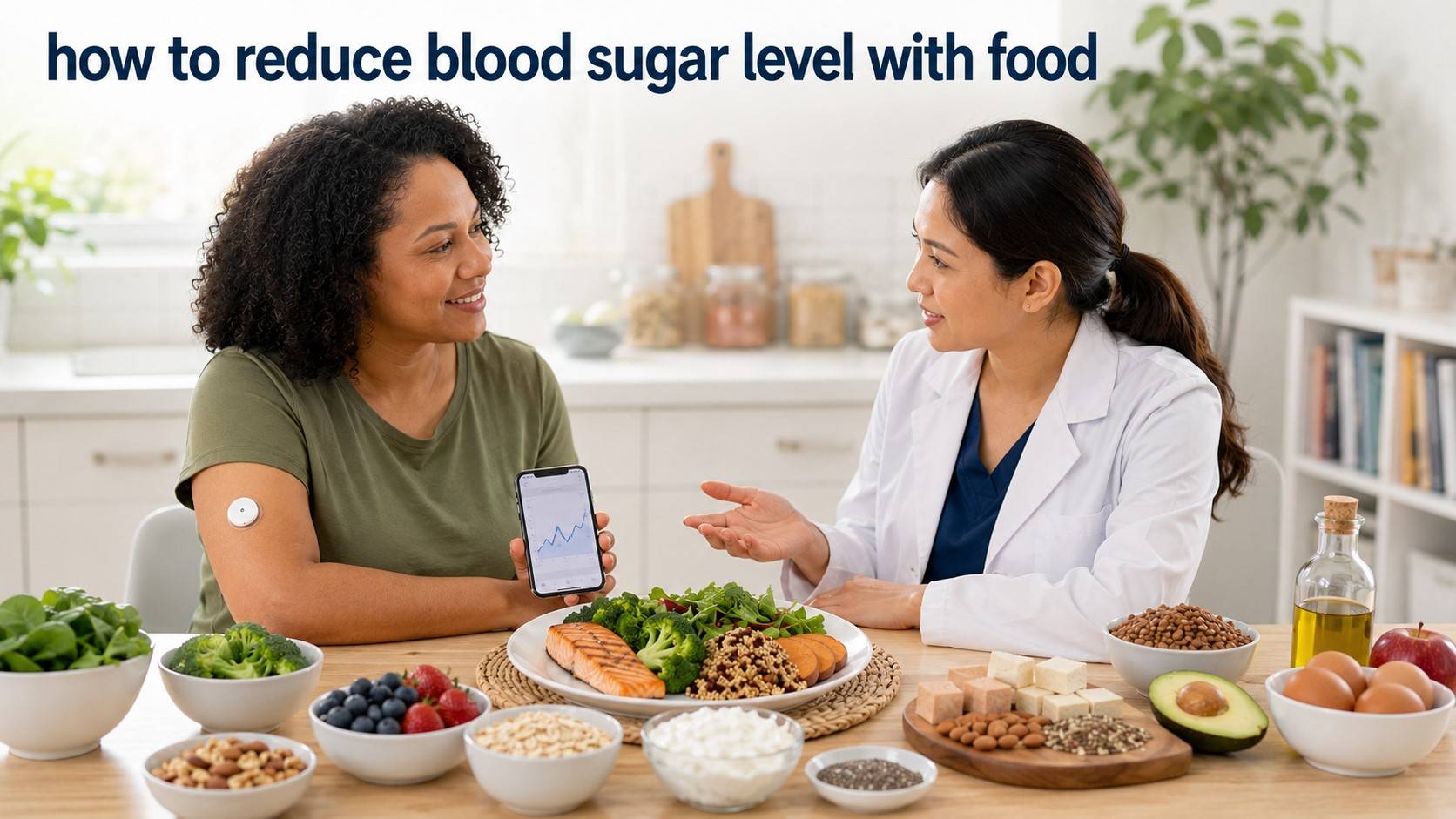
Learning how to reduce blood sugar level with food begins with an important distinction: food can support steadier glucose over time, but no ordinary food reliably or rapidly treats dangerously high blood glucose.
A balanced eating pattern may help by reducing oversized carbohydrate portions, replacing sugary drinks, increasing fibre, and combining carbohydrate with protein or unsaturated fat. These changes can influence how quickly and how much glucose rises after a meal.
Helpful choices include leafy greens, broccoli, beans, lentils, oats, barley, berries, whole fruit, plain Greek yogurt, fish, eggs, tofu, nuts, seeds, avocado, olive oil, and appropriately portioned whole grains or starchy vegetables.
These foods do not replace insulin, prescribed diabetes medicine, glucose monitoring, physical activity, kidney and eye checks, or professional medical care.
Quick Answer: How to Reduce Blood Sugar With Food?
Food can support lower and steadier blood glucose over time by improving meal quality, reducing excess carbohydrate portions, increasing fibre, and replacing sugar-sweetened drinks.
A practical plate may contain approximately half non-starchy vegetables, one quarter protein, and one quarter quality carbohydrate. Pairing carbohydrate with protein, fibre, or unsaturated fat may slow digestion compared with eating refined carbohydrate by itself.
Eighteen useful choices include leafy greens, cruciferous vegetables, other non-starchy vegetables, beans, lentils, oats, barley, intact whole grains, berries, apples, pears, citrus fruit, plain Greek yogurt, eggs, fish, tofu, nuts, seeds, avocado, olive oil, and measured starchy vegetables.
No ordinary food quickly treats dangerous hyperglycemia. Cinnamon, garlic, turmeric, apple cider vinegar, green tea, and dark chocolate are not substitutes for insulin or prescribed medicine.
Follow your personal high-glucose, hydration, ketone, and emergency plan. Seek urgent care for vomiting, abdominal pain, rapid or difficult breathing, severe dehydration, confusion, fainting, or positive ketones with worsening symptoms.
High Blood Sugar differ from Low Blood Sugar
High blood sugar, or hyperglycemia, is not treated by eating cinnamon, leafy greens, vinegar, eggs, nuts, or yogurt.
Follow the correction plan provided by your healthcare team. That plan may involve prescribed insulin or medicine, fluids when medically appropriate, repeat glucose checks, ketone testing, and instructions about when to seek help.
Low blood sugar, or hypoglycemia, requires fast-acting carbohydrate. Glucose tablets, glucose gel, or a measured amount of juice or regular soda may be used according to the personal low-glucose plan.
Nuts, chocolate, high-fibre foods, and high-fat foods usually act too slowly for the initial treatment of hypoglycemia.
How does food affect blood glucose?
Carbohydrate foods are broken down into glucose during digestion. Glucose then enters the bloodstream and provides energy for the body’s cells.
Foods containing carbohydrate include:
- Bread and grains
- Rice and pasta
- Potatoes, corn, and other starchy vegetables
- Beans, lentils, and peas
- Fruit
- Milk and yogurt
- Sweets and desserts
- Sugar-sweetened drinks
Carbohydrates are not automatically unhealthy or forbidden. Its effect depends on:
- The amount eaten
- The food’s fibre content
- How processed it is
- How it is cooked
- What is eaten with it
- Insulin and medicine timing
- Physical activity
- Starting glucose
- Sleep, stress, illness, and hormones
- Individual digestion and metabolism
Why Sugary Drinks Raise Glucose Quickly?
Soft drinks, sweetened tea, energy drinks, and many fruit drinks can deliver a large amount of carbohydrate rapidly.
Liquid sugar is absorbed quickly and usually provides less fibre and fullness than whole foods.
Replacing sugary drinks with water or an unsweetened alternative is one of the most useful food substitutions for many people.
Why Fibre Matters?
Fibre is a type of carbohydrate that the body does not digest and absorb in the same way as sugar and starch.
Fibre-rich foods may support:
- Slower digestion
- A steadier post-meal glucose response
- Fullness
- Bowel health
- Heart health
- Weight management
Increase fibre gradually. A sudden increase may cause bloating, gas, or discomfort.
People with gastroparesis, bowel disease, kidney disease, or fluid restrictions may need individualized advice.
Protein and Fat
Protein has less immediate effect on blood glucose than carbohydrate. Including protein may improve fullness and help balance a carbohydrate-containing meal.
Fat also has little immediate direct effect on glucose, but it can slow digestion. A large meal containing both substantial carbohydrates and fat may produce a delayed, prolonged glucose rise.
Unsaturated fats are preferred over large amounts of saturated or trans fat for cardiovascular health.
What Food Can and Cannot Do
Food May Help You:
- Reduce large post-meal glucose rises
- Increase fibre intake
- Replace sugary drinks
- Improve meal balance
- Support weight goals when appropriate
- Support cardiovascular and digestive health
- Identify personal glucose patterns
Food Cannot:
- Replace insulin in Type 1 diabetes
- Reliably treat dangerous hyperglycemia immediately
- Guarantee a particular glucose result
- Cure diabetes
- Replace prescribed medicine
- Prevent every complication
- Make carbohydrate portions irrelevant
Diabetes management is based on the overall pattern—not one food, spice, drink, or supplement.
The Diabetes Plate Method
The Diabetes Plate Method provides a simple visual structure for a balanced meal.
Using a nine-inch plate as a general guide:
- Half the plate: Non-starchy vegetables
- One quarter: Protein
- One quarter: Quality carbohydrate
- Drink: Water or another suitable low-sugar beverage
| Plate Area | Examples | Purpose |
|---|---|---|
| Half: Non-starchy vegetables | Leafy greens, broccoli, cauliflower, peppers, mushrooms, courgette, aubergine | Fibre, nutrients, and meal volume with relatively little carbohydrate |
| Quarter: Protein | Fish, eggs, tofu, poultry, beans, lentils, plain Greek yogurt | Fullness, muscle maintenance, and balanced nutrition |
| Quarter: Quality carbohydrate | Beans, whole grains, whole fruit, yogurt, sweet potato, corn | Energy, fibre, vitamins, and minerals |
The plate method is flexible and may need adjustment for pregnancy, kidney disease, gastroparesis, insulin treatment, sport, physical work, cultural foods, appetite, and weight goals.
How Food Pairing May Affect Post-meal Glucose
Eating carbohydrate with protein, fibre, or unsaturated fat may slow digestion compared with eating a refined carbohydrate alone.
Useful Pairings
- Berries with plain Greek yogurt
- An apple with peanut butter
- Oats with chia seeds and walnuts
- Whole-grain toast with eggs
- Beans with vegetables and avocado
- Brown rice with salmon and broccoli
- Whole-grain crackers with tuna
Pairing does not make carbohydrate “free.” The total portion, medicine, insulin, and personal response still matter.
Meal Order
Some people experience a smaller post-meal rise when vegetables and protein are eaten before the main carbohydrate portion.
This can be tested safely as part of an established meal plan. It does not replace suitable portions or prescribed treatment.
The Top 18 Foods for Steadier Blood Glucose
“Superfood” is a marketing term rather than a medical category.
The foods below are included because they offer combinations of fibre, protein, vitamins, minerals, or unsaturated fats—not because they instantly lower glucose.
1. Leafy Greens
Leafy greens are low in digestible carbohydrate and can add fibre, nutrients, and volume to meals.
Examples
- Spinach
- Kale
- Lettuce
- Collard greens
- Swiss chard
- Rocket or arugula
Ways to Use Them
- Build a mixed salad
- Add spinach to eggs
- Stir greens into soups
- Sauté with garlic and a small amount of olive oil
- Add chopped greens to beans or lentils
Greens do not directly lower dangerous glucose. Their value comes from supporting a balanced, high-fibre meal pattern.
2. Cruciferous Vegetables
Cruciferous vegetables provide fibre, vitamins, minerals, and plant compounds.
Examples
- Broccoli
- Cauliflower
- Cabbage
- Brussels sprouts
- Bok choy
Practical Uses
- Roast broccoli or cauliflower
- Add cabbage to stir-fries
- Use cauliflower with a smaller rice portion
- Add vegetables to soups and curries
Cauliflower rice can reduce carbohydrate when it replaces some grain, but it does not need to replace all grain unless that suits the individual plan.
3. Other non-starchy vegetables
A wide range of colourful non-starchy vegetables can help fill half the plate.
Examples
- Bell peppers
- Mushrooms
- Courgette or zucchini
- Aubergine or eggplant
- Cucumber
- Tomatoes
- Green beans
- Asparagus
Frozen vegetables without added sauces can be as practical as fresh vegetables and often cost less.
Preparation matters. Vegetables covered in sugary sauces, deep-fried batter, or large amounts of butter may have a very different nutritional profile.
4. Beans and Lentils
Beans and lentils contain carbohydrate, fibre, and plant protein.
Examples
- Lentils
- Chickpeas
- Black beans
- Kidney beans
- Pinto beans
- White beans
- Split peas
Why They Can Be Helpful
- High fibre content
- Plant protein
- Greater fullness
- Slower digestion than many refined grains
- Affordable and easy to store
Ways to Use Them
- Add lentils to soup
- Add chickpeas to salad
- Use beans in chilli or stew
- Blend chickpeas into hummus
- Replace part of a rice portion with beans
Beans can raise glucose because they contain carbohydrate. Their fibre and protein may produce a slower response than many refined foods.
5. Oats and Barley
Oats and barley provide soluble fibre and may be useful alternatives to low-fibre breakfast cereals or refined grains.
Better Options
- Steel-cut oats
- Rolled oats
- Pearled or hulled barley
Balanced Oatmeal
Combine oats with:
- Chia or flaxseed
- A modest berry portion
- Plain Greek yogurt
- Nuts
Sweetened instant oat packets may contain substantial added sugar. Compare total carbohydrate, fibre, added sugar, and serving size.
6. Intact Whole Grains
Whole grains contain more fibre and nutrients than refined grains, but they still contain carbohydrate.
Examples
- Quinoa
- Bulgur
- Farro
- Brown rice
- Whole rye
- Whole-grain bread
Portion Still Matters
A large bowl of brown rice can produce a substantial glucose rise. “Whole grain” does not mean unlimited.
A more balanced plate may use a moderate grain portion together with vegetables and protein.
Check the Label
For bread or cereal, look at:
- Total carbohydrate
- Fibre
- Added sugar
- Serving size
- Whether “whole” grain appears near the beginning of the ingredient list
7. Berries
Berries provide fibre, water, vitamins, and plant compounds while fitting into a diabetes meal plan.
Examples
- Strawberries
- Blueberries
- Raspberries
- Blackberries
Ways to Use Them
- Add to plain Greek yogurt
- Add to oats
- Pair with nuts
- Use frozen berries without added sugar
Berries still contain carbohydrates. They do not guarantee a flat reading or directly lower glucose that is already high.
8. Apples and Pears
Whole apples and pears provide fibre and water and are more filling than juice.
Balanced Pairings
- Apple with peanut butter
- Pear with walnuts
- Apple slices with plain yogurt
- Pear with cottage cheese
Portion and ripeness can influence the glucose response. Whole fruit is usually preferable to fruit juice for an everyday snack.
9. Citrus Fruit
Whole oranges, mandarins, lemons, limes, and grapefruit provide vitamin C, water, and fibre.
Whole citrus fruit provides more fibre and fullness than juice.
Grapefruit Medicine Warning
Grapefruit and grapefruit juice can interact with certain medicines, including some cholesterol, blood-pressure, transplant, anxiety, and other medicines.
The interaction can cause too much or too little medicine to enter the bloodstream.
Check the medicine label and ask a pharmacist whether grapefruit is safe with your prescriptions.
10. Plain Greek Yogurt
Plain Greek yogurt can provide protein and calcium and may fit into breakfast, snacks, dips, or sauces.
What to Check?
- Choose plain and unsweetened
- Review total carbohydrate
- Review added sugar
- Check the serving size
- Select a fat level that fits the overall plan
Ways to Use It
- Add berries and nuts
- Use with herbs as a dip
- Replace some sour cream
- Add a suitable amount to a smoothie
Flavoured yogurt may contain substantial added sugar even when labelled low-fat.
11. Eggs
Eggs provide protein with very little carbohydrate.
Meal Ideas
- Vegetable omelet
- Boiled egg with tomatoes and cucumber
- Eggs with avocado and whole-grain toast
- Egg added to a vegetable and grain bowl
Eggs may help balance a meal, but they do not rapidly lower high glucose.
Overall cardiovascular risk, preparation method, and the rest of the eating pattern matter more than treating one food as universally good or bad.
12. Fish
Fish supplies protein, and oily fish provides omega-3 fats that support a cardiovascular eating pattern.
Examples
- Salmon
- Sardines
- Trout
- Mackerel
- Tuna
- Cod
Preparation Ideas
- Bake with herbs and lemon
- Grill with vegetables
- Add canned tuna to salad
- Serve with beans or a moderate whole-grain portion
Fish supports meal balance and heart health. It is not an emergency glucose-lowering treatment.
13. Tofu and Tempeh
Tofu and tempeh provide plant protein and can replace some processed or high-saturated-fat meats.
Ways to Use Them
- Vegetable stir-fry
- Tofu scramble
- Tempeh salad
- Grilled tofu with vegetables
- Tofu added to soup or curry
Soy foods may fit a balanced diet, but soy itself is not a proven treatment for high glucose.
14. Nuts
Nuts provide protein, fibre, minerals, and unsaturated fats.
Examples
- Almonds
- Walnuts
- Pistachios
- Peanuts
- Hazelnuts
Useful Pairings
- Walnuts with pear
- Almonds with berries
- Peanut butter with apple
- Pistachios with plain yogurt
Nuts are energy-dense. A small planned portion may be useful, while eating directly from a large package can make portions difficult to judge.
15. Seeds
Seeds can add fibre, protein, and unsaturated fat to meals.
Examples
- Chia seeds
- Ground flaxseeds
- Pumpkin seeds
- Sunflower seeds
- Sesame seeds
Ways to Use Them
- Add chia to oats
- Add ground flaxseed to yogurt
- Add pumpkin seeds to salad
- Use tahini in a dressing
Increase high-fibre seeds gradually and drink an appropriate amount of fluid unless you have a prescribed fluid restriction.
16. Avocado
Avocado provides fibre and unsaturated fat with relatively little carbohydrate.
Ways to Use It
- Add to salad
- Serve with eggs
- Add to beans and vegetables
- Spread a measured amount on whole-grain toast
Avocado can make a meal more satisfying, but it is calorie-dense and does not directly correct hyperglycemia.
17. Olive Oil
Olive oil can replace some butter, shortening, or high-saturated-fat sauces.
Ways to Use It
- Salad dressing
- Roasted vegetables
- Marinades
- A measured amount in cooking
Olive oil contains no carbohydrate but is calorie-dense. It should be used in a suitable portion rather than added without limit.
18. Sweet Potato and Other Starchy Vegetables
Sweet potato is a nutrient-dense starchy vegetable, but it still contains carbohydrate and can raise glucose.
Other Starchy Vegetables
- White potato
- Corn
- Peas
- Plantain
- Winter squash
Use Them as the carbohydrate quarter
A sweet potato or another starchy vegetable can fill the carbohydrate section of the plate rather than being added to a meal that already contains a large rice, bread, or pasta portion.
Preparation Matters
Baked or boiled starchy vegetables may have a different nutritional profile from chips, fries, or versions covered in sugary sauces.
Sweet potatoes are not automatically lower on the glycemic index than every white-potato preparation. Portion, cooking, cooling, reheating, and meal pairing can all affect the response.
What about cinnamon, Garlic, Turmeric, and apple cider vinegar?
These ingredients may add flavour, but they should not be placed among foods that reliably lower high glucose.
Cinnamon
Cinnamon may be used to flavour oats, yogurt, fruit, coffee, or savoury dishes.
Research on cinnamon supplements and diabetes is inconsistent. Cinnamon should not replace insulin or prescribed medicine.
Large or prolonged intake of cassia cinnamon may expose a person to more coumarin, which can be a liver concern in susceptible people.
Garlic
Culinary garlic can add flavour to vegetables, sauces, soups, and protein dishes.
Garlic supplements may interact with medicines and can increase bleeding risk in some situations. Garlic should not be expected to produce a predictable glucose reduction.
Turmeric
Turmeric can be used as a cooking spice.
Concentrated curcumin supplements may cause digestive effects, interact with medicines, or create liver concerns in some people.
Turmeric supplements are not replacements for diabetes treatment.
Apple Cider Vinegar
Vinegar can be used in a salad dressing or marinade.
Evidence is not strong enough to recommend drinking apple cider vinegar as a standard diabetes treatment.
Undiluted vinegar can damage tooth enamel or irritate the mouth and digestive tract. It may also interact with some medicines or worsen low potassium in susceptible people.
Do not use vinegar to correct high glucose.
Green Tea and dark chocolate
Green Tea
Unsweetened green tea may be a useful alternative to sugar-sweetened drinks.
It should not be promised to lower glucose in every person. Caffeine may affect sleep, heart rate, anxiety, and glucose differently between individuals.
Concentrated green-tea extracts differ from drinking tea and may have additional safety concerns.
Dark Chocolate
A small portion of dark chocolate may fit within an individualized eating plan.
Dark chocolate still contains calories, fat, and usually carbohydrate. A high cocoa percentage does not transform it into a glucose treatment.
Place dark chocolate in the planned-dessert section rather than the high-glucose treatment section.
Whole Fruit Versus Fruit Juice
Whole fruit provides more fibre and fullness than juice.
A small glass of juice may contain carbohydrate from several pieces of fruit and can be consumed quickly.
Better Everyday Choices
- Whole fruit
- Water
- Unsweetened tea
- Sparkling water without sugar
When Juice May Be Used
A measured amount of juice may be used as a fast-acting carbohydrate to treat hypoglycemia according to a personal low-glucose plan.
This differs from drinking juice regularly for hydration or attempting to reduce high glucose.
Practical Food Substitutions
Replacing one food is often easier and more sustainable than rebuilding the entire diet at once.
| Instead of | Try | Why It May Help |
|---|---|---|
| Sugar-sweetened soft drink | Water, sparkling water, or unsweetened tea | Reduces rapidly absorbed liquid carbohydrate |
| Fruit juice | Whole fruit | Provides more fibre and fullness |
| Sweetened breakfast cereal | Rolled oats with nuts or seeds | Often provides more fibre and protein |
| Flavoured yogurt | Plain Greek yogurt with berries | May reduce added sugar while retaining protein |
| Large white-rice portion | Smaller grain portion plus beans and vegetables | Adds fibre, protein, and meal volume |
| Pastry snack | Whole fruit with nuts | Provides fibre, protein, and unsaturated fat |
| Processed meat | Fish, tofu, beans, eggs, or poultry | Supports protein variety and may reduce sodium or saturated fat |
| Large dessert | Smaller planned portion after a balanced meal | Reduces the carbohydrate load while preserving flexibility |
Balanced Meal Examples
These examples illustrate meal structure. They are not personal prescriptions.
Breakfast: Oats and Yogurt
- Rolled oats
- Plain Greek yogurt
- Berries
- Chia seeds
Breakfast: Eggs and Vegetables
- Vegetable omelet
- A measured whole-grain toast portion
- Tomatoes or cucumber
Lunch: Lentil Bowl
- Lentils
- Leafy greens
- Tomatoes and cucumber
- A small avocado portion
- Olive-oil and lemon dressing
Lunch: Chicken and Bean Salad
- Grilled chicken
- Mixed non-starchy vegetables
- A measured bean portion
- Olive-oil dressing
Dinner: Salmon Plate
- Baked salmon
- Roasted broccoli and peppers
- A moderate barley, brown rice, or sweet potato portion
- Water
Dinner: Tofu Stir-fry
- Tofu
- Broccoli, mushrooms, and peppers
- A moderate whole-grain or legume portion
- A lower-sodium sauce
Planned Dessert
- A small dark-chocolate portion
- Whole fruit with plain yogurt
- Berries with a small amount of nuts
Dessert can fit with planning. It does not need to be described as forbidden.
How often should someone eat?
There is no universal requirement to eat three meals and two snacks every day.
Meal frequency depends on:
- Medicine and insulin timing
- Hunger and fullness
- Work and sleep schedules
- Physical activity
- Pregnancy
- Gastroparesis
- Weight goals
- Hypoglycemia risk
Some people need planned snacks because of medicine or activity. Others do better without routine snacks.
Do not skip or delay meals when your treatment plan requires food at a particular time.
Using a Meter or CGM to learn from food
A blood-glucose meter or continuous glucose monitor may help identify personal patterns.
A structured review may compare:
- Glucose before eating
- The meal and approximate portions
- Medicine or insulin timing
- Activity before and after the meal
- Glucose after eating
Do not judge a food from one reading. Sleep, stress, illness, hormones, exercise, and medicine can change the result.
General targets are not personal Targets
For many nonpregnant adults, commonly used general goals include:
- Before meals: 80–130 mg/dl
- One to two hours after a meal begins: Below 180 mg/dL
Children, pregnant patients, older adults, and people with recurrent hypoglycemia or complex health conditions may need different goals.
Do Not Chase Every Glucose Rise
Glucose normally rises after carbohydrate-containing food.
The goal is not a perfectly flat glucose line. Review repeated patterns with the diabetes-care team rather than making frequent unsupervised medicine changes.
Medicine and Insulin Safety
Do not change medicine because you changed your diet
A sudden reduction in carbohydrate or calories may increase hypoglycemia risk in people using insulin, sulfonylureas, or meglitinides.
Do not reduce, skip, or stop medicine based on an article, meal plan, or one improved glucose reading.
Medicines That May Cause Low Glucose
- Insulin
- Sulfonylureas
- Meglitinides
Food and Medicine Interactions
Some foods and supplements can affect medicines. Examples include:
- Grapefruit with certain medicines
- Garlic supplements with medicines that affect bleeding
- Concentrated curcumin with some medicine pathways
- Alcohol with insulin or selected diabetes medicines
Give your pharmacist a complete list of prescriptions, nonprescription medicines, vitamins, herbs, teas, powders, and supplements.
Type 1 Diabetes Considerations
People with Type 1 diabetes require daily insulin.
Food planning may include:
- Carbohydrate counting
- Insulin-to-carbohydrate ratios
- Correction factors
- Continuous glucose monitoring
- Exercise planning
- Ketone and sick-day instructions
Reducing carbohydrate can change mealtime insulin needs, but it does not remove the need for basal insulin.
Skipping insulin can cause diabetic ketoacidosis even when very little food is eaten.
Diabetes and Kidney-Disease Nutrition
Kidney disease can change recommendations for:
- Protein
- Sodium
- Potassium
- Phosphorus
- Fluids
- Diabetes medicines
Foods promoted as universally healthy—such as beans, nuts, seeds, yogurt, avocado, oranges, or whole grains—may need different portions with advanced kidney disease.
Do not begin a generic high-protein, high-potassium, or “drink plenty of water” plan if you have chronic kidney disease or heart failure.
Learn more in the NextFitLife guide to diabetes and kidney disease.
What Should You Do When Blood Glucose Is High?
No ordinary food can be relied upon to correct dangerous hyperglycemia quickly.
Follow Your Personal Plan
Your high-glucose plan may include:
- Repeating the glucose check
- Confirming a CGM reading with a meter when needed
- Taking prescribed correction insulin or medicine
- Drinking an appropriate amount of water
- Checking blood or urine ketones
- Contacting the diabetes-care team
- Seeking emergency treatment
When to Check Ketones
Ketone testing may be advised during illness, with persistent high glucose, after interrupted insulin delivery, or when symptoms of diabetic ketoacidosis occur.
Follow the thresholds given by your healthcare team.
Seek Urgent Medical Care for:
- Repeated vomiting
- Abdominal pain
- Rapid or deep breathing
- Fruity-smelling breath
- Confusion
- Fainting
- Severe dehydration
- Inability to keep fluids down
- Positive ketones with worsening symptoms
For a dedicated safety guide, read How to Reduce Blood Sugar Level Immediately.
What Is the Best Food for Low Blood Sugar?
Low blood glucose requires fast-acting carbohydrate—not high-fibre “superfoods.”
Possible fast-acting choices
- Glucose tablets
- Glucose gel
- A measured amount of fruit juice
- A measured amount of regular soda
- Another fast-acting carbohydrate listed in the personal plan
The 15-15 Approach
Many adult plans use approximately 15 grams of fast-acting carbohydrate, followed by a glucose check after 15 minutes.
The amount may differ for children, kidney disease, pregnancy, or other individual circumstances.
Foods That Act Too Slowly
The following are usually not ideal for the initial treatment of hypoglycemia because fat, fibre, or protein can slow absorption:
- Chocolate
- Nuts
- Peanut butter
- High-fibre cereal
- Eggs
- Cheese
Severe Hypoglycemia
If a person is unconscious, having a seizure, or unable to swallow:
- Do not give food or drink by mouth
- Use prescribed glucagon when available
- Call emergency services
Simple Seven-Day Food-Substitution Plan
This is an organizational guide, not a fixed diabetes diet.
| Day | Change | Purpose |
|---|---|---|
| Day 1 | Replace one sugary drink with water or an unsweetened alternative. | Reduce rapidly absorbed liquid carbohydrate. |
| Day 2 | Fill half the lunch or dinner plate with non-starchy vegetables. | Increase fibre and meal volume. |
| Day 3 | Pair a fruit portion with yogurt or nuts. | Add protein or unsaturated fat to the snack. |
| Day 4 | Replace part of a refined grain with beans or lentils. | Increase fibre and plant protein. |
| Day 5 | Choose plain yogurt instead of a sweetened version. | Reduce added sugar while retaining protein. |
| Day 6 | Review one repeated meal with glucose data if advised. | Identify a personal post-meal pattern. |
| Day 7 | Choose one successful substitution to repeat. | Build a sustainable habit instead of an extreme plan. |
Questions to Ask a Dietitian or Diabetes-Care Team
- How much carbohydrate is appropriate for my meals?
- Should I use carbohydrate counting or the Plate Method?
- Which of my medicines can cause low glucose?
- Should treatment change if I eat fewer carbohydrates?
- What are my personal pre-meal and post-meal goals?
- When should I check glucose after eating?
- Would a CGM help me understand food patterns?
- When should I check ketones?
- What is my high-glucose correction plan?
- How should I treat low glucose?
- Do kidney disease or gastroparesis change my plan?
- Is grapefruit safe with my medicines?
- Do any spices or supplements interact with my treatment?
- How can I plan cultural and traditional foods?
- How can I improve meals within my budget?
Key Takeaway
Food can support lower and steadier glucose over time, but no single “superfood” instantly treats high blood sugar.
Useful choices include vegetables, beans, lentils, oats, whole grains, whole fruit, plain Greek yogurt, eggs, fish, tofu, nuts, seeds, avocado, olive oil, and measured starchy vegetables.
The strongest strategy is to control carbohydrate portions, replace sugary drinks, increase fibre, and combine carbohydrate with protein or unsaturated fat.
Cinnamon, garlic, turmeric, apple cider vinegar, green tea, and dark chocolate may fit as flavours or planned foods, but they should not be presented as diabetes treatments.
Food cannot replace insulin in Type 1 diabetes or prescribed medicine in Type 2 diabetes. Major food changes may alter treatment needs.
Recommended next step: Choose one repeated meal, apply the Plate Method or one practical substitution, and review the glucose pattern with your established diabetes plan.
References and Sources
American Diabetes Association: Standards of Care in Diabetes—2026
American Diabetes Association: 2026 Standards of Care Updates
American Diabetes Association: Eating Well and the Diabetes Plate Method
American Diabetes Association: Diabetes Meal Planning
American Diabetes Association: Diabetes-Friendly Food Groups
Centers for Disease Control and Prevention: Diabetes Meal Planning
Centers for Disease Control and Prevention: Fibre and Diabetes
Centers for Disease Control and Prevention: Carbohydrate Counting
Centers for Disease Control and Prevention: Treating Low Blood Sugar
Centers for Disease Control and Prevention: Diabetes and Kidney-Disease Nutrition
National Institute of Diabetes and Digestive and Kidney Diseases: Healthy Living With Diabetes
NIDDK: Managing Diabetes
CCIH: Garlic—Usefulness and Safety
NCCIH: Turmeric—Usefulness and Safety
NCCIH: Soy—Usefulness and Safety
U.S. Food and Drug Administration: Grapefruit Juice and Medicine Interactions
Related NextFitLife Guides and Topic Hubs
Related Diabetes and Nutrition Guides
- How to Control Diabetes With Food: 10 Foods for Steadier Blood Sugar
- How to Reduce Blood Sugar Level Immediately
- Type 2 Diabetes: Causes, Symptoms, Treatment, and Prevention
- Type 1 Diabetes: Causes, Symptoms, Treatment, and Early Detection
- Differences Between Type 1 and Type 2 Diabetes
- Tips for Diabetes Control
- How to Keep Diabetes Under Control
- Type 2 Diabetes Complications and Prevention
- Diabetes and Kidney Disease
- Natural Weight Loss: Safe and Sustainable Tips
NextFitLife Topic Hubs
- Foods and Nutrition Hub
- Medical Tests and Screenings Hub
- Weight Management and Metabolism Hub
- Health Hub
Frequently Asked Questions About Reducing Blood Sugar With Food
How can food help reduce blood sugar?
Food can support steadier glucose by reducing excessive carbohydrate portions, replacing sugary drinks, increasing fibre, and pairing carbohydrates with protein or unsaturated fat.
What foods support steadier blood glucose?
Useful choices include non-starchy vegetables, beans, lentils, oats, whole grains, whole fruit, plain yogurt, fish, eggs, tofu, nuts, seeds, avocado, and olive oil.
What food lowers blood sugar immediately?
No ordinary food reliably lowers dangerous hyperglycemia immediately. Follow your prescribed correction, hydration, ketone, and emergency plan.
What should I do when blood sugar is very high?
Repeat the glucose check when appropriate, follow your prescribed correction plan, maintain suitable hydration, check ketones when instructed, and seek help for worsening symptoms.
Can food replace diabetes medicine?
No. Food supports treatment but cannot automatically replace prescribed medicine. People with Type 1 diabetes need insulin every day.
Can Type 1 diabetes be controlled with food?
Food planning helps coordinate glucose and insulin, but food cannot replace insulin. Skipping insulin can cause diabetic ketoacidosis.
Are leafy greens good for diabetes?
Leafy greens provide fibre and nutrients with relatively little carbohydrate. They support a balanced eating pattern but do not directly correct high glucose.
Do beans raise blood sugar?
Yes. Beans contain carbohydrate, but their fibre and protein may produce a slower response than many refined carbohydrate foods.
Are berries good for high blood sugar?
Berries can fit into a diabetes eating plan and provide fibre. They do not lower glucose that is already dangerously high.
Which fruits are best for diabetes?
Whole fruit can fit into diabetes care. Berries, apples, pears, and citrus are common choices, but portion and personal glucose response matter.
Does grapefruit interact with medicine?
Yes. Grapefruit can interact with certain cholesterol, blood-pressure, transplant, anxiety, and other medicines. Check with a pharmacist.
Are oats and whole grains good for diabetes?
They generally provide more fibre than refined grains, but they still contain carbohydrate. Portions, processing, and meal composition matter.
Is sweet potato good for diabetes?
Sweet potato can fit as a measured starchy carbohydrate. It still raises glucose, and portion and preparation affect the response.
Does cinnamon lower blood sugar?
Evidence is inconsistent. Cinnamon may be used as a flavouring but should not replace insulin or prescribed medicine.
Can apple cider vinegar lower blood sugar?
Evidence is not strong enough to recommend vinegar as a reliable treatment. It may be used as a dressing ingredient but should not be used to correct high glucose.
Can garlic or turmeric treat diabetes?
No. They can add flavour, but they are not reliable diabetes treatments. Concentrated supplements may interact with medicines or create safety concerns.
Is dark chocolate suitable for diabetes?
A small portion may fit into an individualized plan. Dark chocolate still contains calories, fat, and carbohydrate and does not lower high glucose.
What is the Diabetes Plate Method?
It uses approximately half a plate of non-starchy vegetables, one quarter protein, and one quarter quality carbohydrate, with a suitable low-sugar drink.
How does food pairing affect glucose?
Combining carbohydrate with protein, fibre, or unsaturated fat may slow digestion compared with eating refined carbohydrate alone.
Which foods should be limited?
Sugary drinks, large desserts, oversized refined-grain portions, highly processed snacks, and frequent fried foods require more careful planning.
What is the best food for low blood sugar?
Low glucose is treated with fast-acting carbohydrates such as glucose tablets, glucose gel, or a measured amount of juice according to the personal plan.
How does kidney disease change a diabetes diet?
Kidney disease may change protein, sodium, potassium, phosphorus, fluid, and medicine recommendations. The plan should be individualized.
When should high blood sugar receive emergency care?
Seek urgent care for repeated vomiting, abdominal pain, rapid breathing, confusion, fainting, severe dehydration, inability to keep fluids down, or high ketones with worsening symptoms.
Medical Disclaimer
All health content on NextFitLife is provided for general educational and informational purposes only. It does not diagnose diabetes, create a personal meal plan, calculate carbohydrate or insulin, adjust medicine, interpret glucose or ketone results, or treat a diabetes emergency.
No ordinary food reliably lowers dangerous hyperglycemia immediately. Major changes in carbohydrate or calorie intake may increase hypoglycemia risk in people using insulin, sulfonylureas, or meglitinides.
Seek urgent medical care for repeated vomiting, abdominal pain, rapid or difficult breathing, confusion, fainting, severe dehydration, unconsciousness, inability to keep fluids down, or high ketones with worsening symptoms.

Health & wellness writer with 30+ years of experience in nutrition, fitness, and healthy aging. Founder of NextFitLife.com — evidence-based health guidance.