Isometric exercises are a fantastic way to build strength without moving a muscle. If you’re struggling to find time for workouts or want low-impact moves, these exercises are perfect. They involve holding a position to make your muscles stronger. The fix? Add simple isometric workout routines to your day! In this article, I’ll share 10 easy isometric exercises examples that work your whole body. Let’s get started!
Why I Love Isometric Exercises?
I’ve seen how isometric exercises examples can transform a fitness routine. They’re simple, don’t need equipment, and are great for beginners. Whether you’re at home or in a small space, these moves work. I like them because they’re gentle on joints but still build serious strength. Let’s explore why they’re so outstanding!
What Are Isometric Exercises?
Isometric exercises involve muscle contraction without movement. Your muscles work hard, but your joints stay still. For example, holding a plank variation engages your core without bending or twisting. These exercises are part of static strength training, which builds power and endurance.
I’ve tested bodyweight isometric exercises like the wall sit exercise, and they’re super effective. You don’t need a gym, and they’re perfect for anyone, even if you’re recovering from an injury.
Benefits of Isometric Exercises
Why choose isometric exercises examples? Here are some reasons:
- Strength-Building Static Holds: They make muscles stronger without moving.
- Joint-Friendly Strength Training: No stress on joints, successful for all ages.
- Time-Efficient Fitness Moves: Short holds fit into busy schedules.
- Improve Muscle Endurance: Holding positions makes muscles last longer.
- Injury Recovery Exercises: Safe for rehab (check with a doctor first).
I’ve seen isometric training benefits in my workouts. For example, plank hold benefits include a stronger core and better posture. These moves are a significant change.
Top 10 Isometric Exercises Examples
Here are 10 isometric exercises examples to build full-body strength. Each move is easy to do and targets different muscles. Let’s dive into these bodyweight isometric workouts!
1. Plank Hold
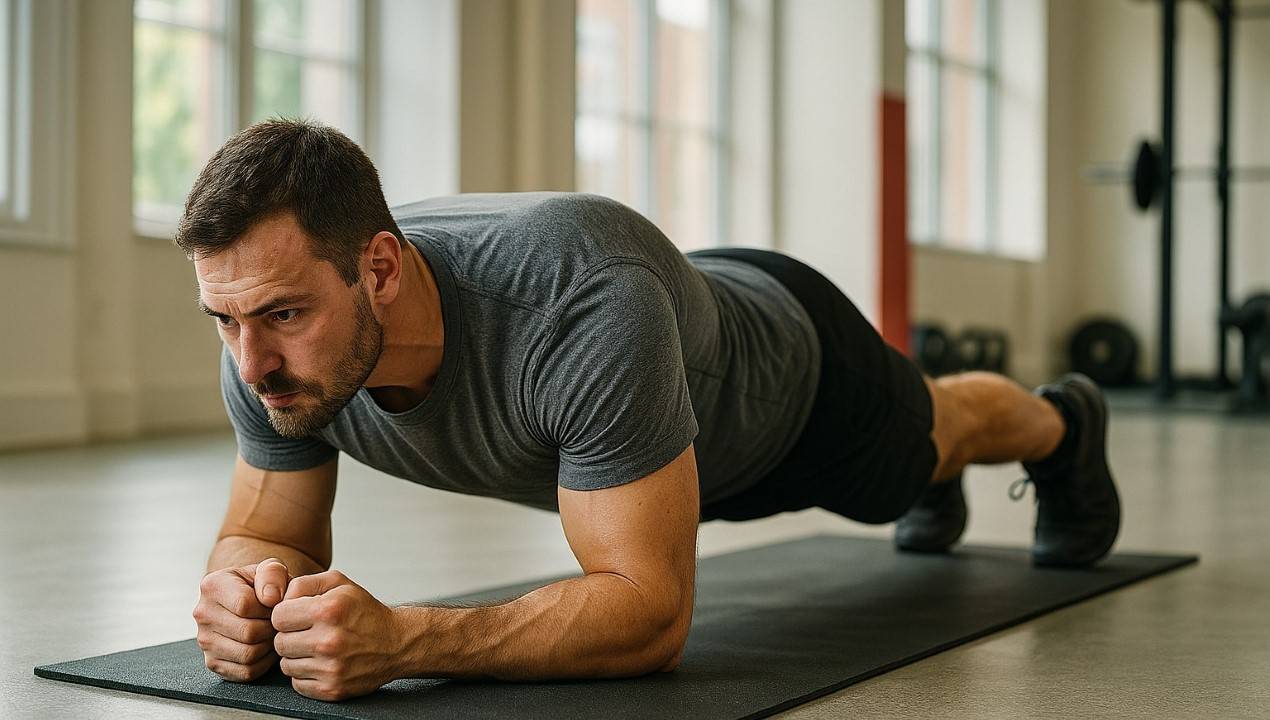
The plank is a top isometric core exercise. It works your abs, shoulders, and back.
How to do it: Lie face down. Lift onto your forearms and toes. Keep your body straight. Hold for 20–30 seconds.
Why I love it: Plank variations are so versatile! I’ve tried side planks too, and they’re great for balance.
Tip: Don’t let your hips sag. Breathe slowly.
2. Wall Sit
The wall sit exercise example is perfect for isometric leg exercises. It boosts thigh and glute strength.
How to do it: lean against a wall. Lower yourself until your knees form a right angle. Hold for 30–60 seconds.
Why I like it: It feels like sitting in an invisible chair! I’ve tested this at home, and it’s tough but fun.
Tip: Keep your back flat against the wall.
3. Push-Up Hold
These isometric exercises examples target your chest, arms, and core.
Start by positioning yourself in a push-up stance. Lower halfway and hold. Keep elbows at 90 degrees. Stay still for 15–30 seconds.
Why it works: It’s a successful strength-building static hold. I’ve seen my arms get stronger with this one.
Tip: Keep your body in line from head to heels.
4. Glute Bridge Hold
This move is outstanding for low-affected muscle training. It works your glutes and lower back.
How to do it: Lie on your back. Bend your knees and feet flat. Raise your hips to align your body in a straight line. Hold for 20–40 seconds.
Why I love it: It’s one of my favourite bodyweight holds for a stronger backside.
Tip: Squeeze your glutes tight for max effect.
5. Side Plank
The side plank effectively enhances core strength and stability. It strengthens your side abs and improves balance.
How to do it: Lie on your side. Prop up on one forearm. Raise your hips to create a straight body alignment. Hold for 15–30 seconds per side.
Why it is great: I’ve noticed better balance since adding this to my routine.
Tip: Stack your feet or stagger them for support.
6. Chair Pose Hold
This yoga-inspired move is a top isometric exercises examples for legs and core.
How to do it: Stand with feet together. Bend your knees and drop your hips as if sitting in a chair. Hold for 20–40 seconds.
Why I like it: It’s a fun way to mix functional fitness isometrics into my day.
Tip: Raise your arms for an extra challenge.
7. Wall Push
This isometric resistance technique strengthens your shoulders and chest.
How to do it: Face a wall. Place hands at shoulder height. Push hard without moving. Hold for 20–30 seconds.
Why it works: I’ve tried this at work, and it’s a quick strength boost.
Tip: Push with all your strength for the best results.
8. Calf Raise Hold
This is a simple isometric leg exercise for stronger calves.
How to do it: Stand with feet apart. Lift heels off the ground. Balance on toes. Hold for 20–40 seconds.
Why I love it: It’s a successful no-equipment exercise for standing stronger.
Tip: Hold a wall if you need balance.
9. Superman Hold
This move targets your back and glutes with isometric muscle contractions.
How to do it: Lie face down. Raise your arms, legs, and chest above the floor. Hold for 15–30 seconds.
Why it’s fun: like a superhero doing this posture improvement exercise!
Tip: Keep your neck relaxed and look down.
10. Hand Grip Squeeze

It enhances hand and forearm strength through static exercises.
How to do it: Squeeze a stress ball or towel hard. Hold for 20–30 seconds.
Why I like it: I do this while watching TV—super easy!
Tip: Switch hands to work on both sides.
How to Start with Isometric Exercises
Ready to try these isometric exercises examples? Here’s how to add them to your day:
- Choose 3–5 moves: Pick ones like plank exercise variations or wall sit exercise examples.
- Hold for 15–60 seconds, beginning briefly and extending as strength builds.
- Rest for 30 seconds: take a break between each hold.
- Repeat 2–3 times: Do a few rounds for a full workout.
I do these home workout routines 3–4 times a week. They’re quick and fit into my busy life.
Who Can Benefit from Isometric Exercises?
- Anyone can try these isometric exercises examples! They’ great for:
- Beginners starting isometric holds for beginners.
- Older adults need injury-friendly strength training.
- Athletes want isometric muscle building.
- People doing injury rehabilitation exercises (ask a doctor first).
I’ve seen friends of all ages love these movies because they’re so easy!
Tips for Doing Isometric Exercises Right
To get the most from isometric exercises, follow these tips:
- Breathe: Don’t hold your breath. Breathe slowly.
- Focus: Think about the muscle you’re working.
- Start Slow: Begin with temporary holds to avoid soreness.
- Stay Consistent: Do these muscle endurance workouts regularly.
I’ve learned that breathing is key! It makes static strength training feel easier.
Why Isometric Exercises Are Effective
Isometric exercises examples that work because they keep muscles under tension. This builds strength and stability. Research shows that isometric training benefits include better muscle endurance and lower blood pressure. They’re also successful core stabilization exercises for posture. I’ve noticed my posture has improved since starting these moves!
Common Mistakes to Avoid
Even simple isometric exercise examples can go wrong. Watch out for:
- Holding Your Breath: Always breathe during bodyweight holds.
- Poor Form: Keep your body aligned to avoid strain.
- Overdoing It: Short holds prevent injury.
I’ve made the mistake of holding my breath before—it’s no fun! Start slowly and stay safe.
FAQs About Isometric Exercises Examples
What Are Examples of Isometric Exercises?
Isometric exercises are movements where muscles work without moving. Examples include:
- Plank hold: successful for core and shoulders.
- Wall exercise: Strengthens legs.
- Side plank: Builds side abs.
- Push-up hold: Works chest and arms.
- Superman hold: Targets the back and glutes.
These isometric workout routines are easy and effective for everyone.
Is Walking Isometric or Isotonic?
Walking is isotonic, not isometric. Isotonic means muscles move and contract, like when your legs step. Isometric exercises examples involve no movement, like a wall sit exercise example. Both are great, but static strength exercises focus on holding still. I mix walking with isometrics for a balanced routine.
What Is the Meaning of Isometric Training?
Isometric training means exercising by holding a position. Your muscles are tense, but your joints don’t move. Think plank hold benefits or wall sit exercise examples. It’s great for isometric muscle building and joint-friendly strength training. I love how simple it is to do anywhere!
What Are Three Drawbacks of Isometric Exercises? (H3)
While isometric exercises examples are outstanding, they have downsides:
- Limited Movement: They don’t improve flexibility like dynamic exercises.
- Less Cardio: They don’t raise your heart rate much.
- Can Be Boring: Holding still isn’t as exciting for some.
I’ve found mixing isometrics with stretches or cardio solves these issues.
Final Thoughts
These isometric exercises examples are a fun, easy way to get stronger. From plank variations to wall sit exercises, they fit into any schedule. I’ve seen how bodyweight isometric workouts boost strength with no need a gym. Try these time-efficient fitness moves today! Which one will you start with? Let’s get strong together!

Health & wellness writer with 30+ years of experience in nutrition, fitness, and healthy aging. Founder of NextFitLife.com — evidence-based health guidance.