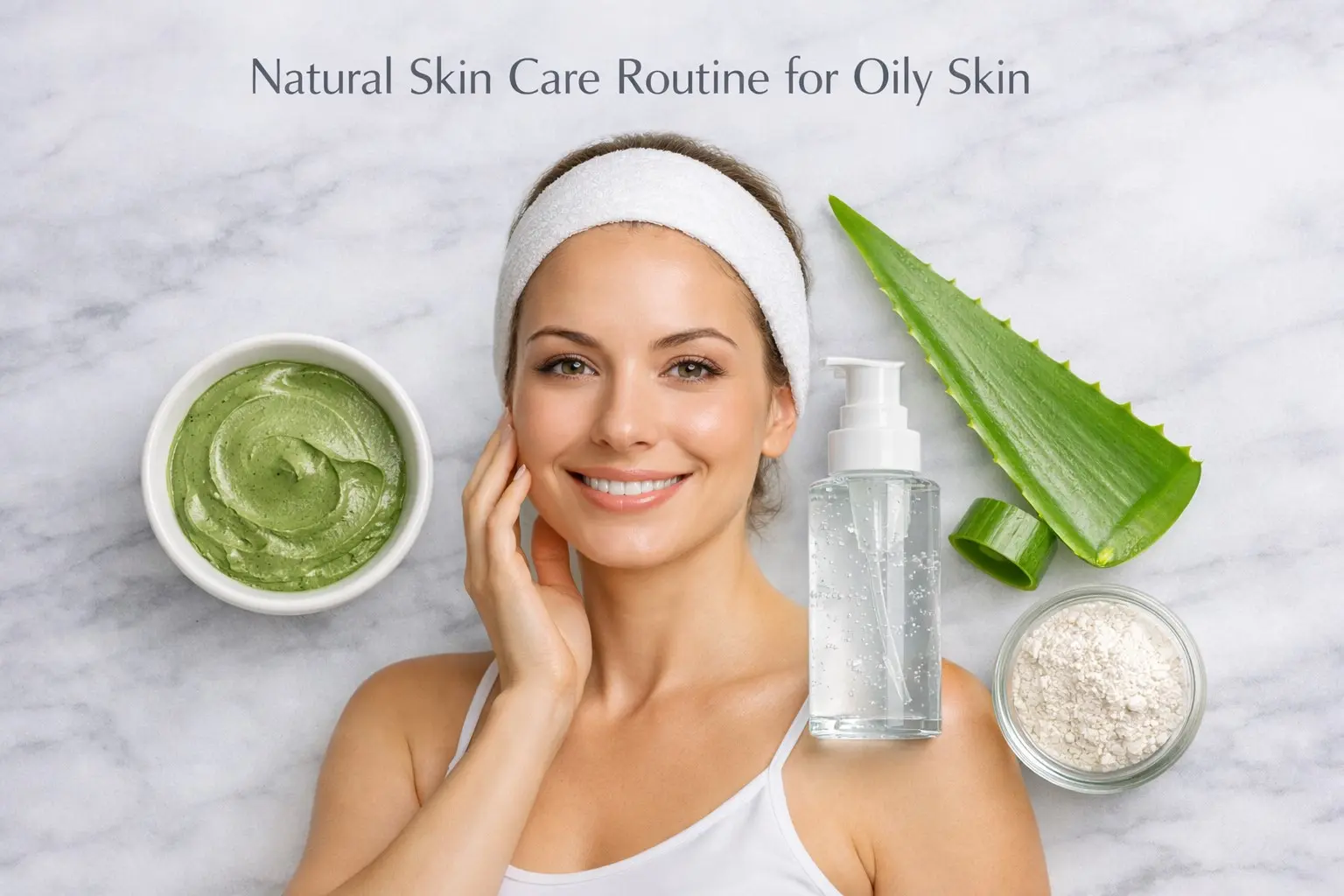
Last Updated: May 2026 — Consolidated from 5 oily skin articles with the latest dermatology research
Oily skin is one of the most misunderstood skin types. People with oily skin are often told to strip it with harsh cleansers, skip moisturizer, and use the most drying products available. Every single piece of that advice can make oily skin worse. I know because I spent years following it.
The science is clear, and the approach is counterintuitive: when you over-strip oily skin of its natural moisture barrier, sebaceous glands produce even more oil to compensate. The cycle continues. Real improvement comes from a balanced natural skin care routine for oily skin that regulates oil production without triggering the defensive overproduction response.
In this comprehensive guide, I have merged everything from four separate articles on oily skin and face care into one complete resource. You will find what causes oily skin, how to build a daily routine that works, the best ingredients to look for, the most effective evidence-based home remedies, and the most common mistakes that keep oily skin from improving.
| KEY FACTS | Oily skin affects approximately 50% of adults and is more common in younger adults and in warm climates
Sebaceous glands produce sebum, a natural oil that protects the skin barrier when balanced Excess sebum production is driven by genetics, hormones, diet, stress and incorrect skincare Over-cleansing is one of the most common causes of worsened oily skin - it triggers rebound oil production Non-comedogenic products are essential for oily skin — they moisturize without blocking pores Hydration is not optional for oily skin — dehydrated oily skin produces more oil to compensate |
What Causes Oily Skin? Understanding Sebum Production
Your skin produces oil through sebaceous glands that sit at the base of each hair follicle. The oil they produce — called sebum — is not the enemy. Sebum naturally protects and moisturizes your skin. The problem begins when production exceeds what your skin needs.
The primary drivers of excess sebum production are genetics, hormonal fluctuations, environmental factors, and — critically — the skincare products you use. Understanding which factors drive your oily skin determines which solutions will work best.
Genetics -The Foundation
If your parents had oily skin, your sebaceous glands likely produce more sebum by default. You cannot change your genetics, but you can manage the output effectively with the right routine. People with genetically oily skin often have the advantage of naturally slower aging because sebum provides built-in skin lubrication.
Hormonal Factors
Androgens — hormones including testosterone that both men and women produce — directly stimulate sebaceous gland activity. This is why oily skin peaks during puberty, can worsen during the menstrual cycle, and often improves after menopause. Hormonal fluctuations explain why the same person can have dramatically different skin on different days.
Incorrect Skincare - The Biggest Controllable Factor
Using harsh, stripping cleansers removes sebum too aggressively. The skin interprets this as a threat to its moisture barrier and responds by producing more oil than before. Skipping moisturizer has the same effect. This is the primary reason why many people with oily skin cannot seem to improve it despite using products specifically marketed for oily skin.
Diet and Lifestyle Triggers
- High glycaemic foods — refined sugars, white bread, processed snacks — spike insulin and IGF-1, both of which stimulate sebum production
- Dairy products — particularly skim milk — have been associated with increased acne and sebum production in multiple studies
- Chronic stress elevates cortisol, which directly stimulates oil production
- Dehydration — when skin lacks internal moisture, sebaceous glands increase output
- Humid, warm environments increase sweat and sebum simultaneously
The Complete Daily Face Care Routine for Oily Skin - Step by Step
A face care routine for oily skin needs to balance two things: managing excess oil without stripping the skin and maintaining the moisture barrier without adding heaviness. Here is the complete morning and evening routine.
Morning Routine — 5 Steps
| Step | Product Type | What to Look For | What to Avoid |
| 1. Cleanse | Gentle gel or foaming cleanser | Salicylic acid, niacinamide | SLS, alcohol, scrubbing beads |
| 2. Tone | Alcohol-free toner | Witch hazel, niacinamide, glycolic acid | Alcohol-based toners — strip skin |
| 3. Treat | Lightweight serum | Niacinamide 10%, retinol, AHA | Heavy oil-based serums |
| 4. Moisturize | Oil-free gel moisturizer | Hyaluronic acid, ceramides | Petrolatum, mineral oil, coconut oil |
| 5. Protect | SPF 30 to 50 mineral or gel sunscreen | Zinc oxide, non-comedogenic | Oil-based sunscreens, heavy creams |
Evening Routine - 5 Steps
| Step | Product Type | Purpose |
| 1. Double cleanse | Oil cleanser, then gel cleanser | Remove sunscreen, makeup and daytime sebum properly |
| 2. Exfoliate (2 to 3x weekly) | BHA or AHA exfoliant | Clear pores, reduce blackheads, refine skin texture |
| 3. Treat | Retinol or niacinamide serum | Regulate sebum long-term, improve skin texture |
| 4. Moisturize | Lightweight gel or water cream | Restore the moisture barrier overnight |
| 5. Spot treat if needed | Benzoyl peroxide or salicylic acid | Target active blemishes without over-drying |
Best Ingredients for Oily Skin: What to Look for on Every Label
Knowing which skincare ingredients for oily skin actually work versus which are just marketing terms saves significant money and frustration. Here is a research-backed breakdown.
Niacinamide -The Most Versatile Ingredient for Oily Skin
Niacinamide (vitamin B3) is the single most well-researched ingredient for oily skin management. A randomized controlled trial published in the Journal of Cosmetic and Laser Therapy found that 4% niacinamide applied twice daily reduced sebum excretion rate by 61% compared to placebo over 8 weeks. It also reduces pore appearance, brightens skin tone, and strengthens the moisture barrier simultaneously.
Look for concentrations between 4 and 10 percent. Products above 10 percent may cause temporary flushing in sensitive skin types.
Salicylic Acid - The Pore Clearer
Salicylic acid is a beta-hydroxy acid (BHA) that is oil-soluble, meaning it penetrates pores rather than just working on the surface. It dissolves the bonds between dead skin cells that clog pores, reduces blackheads, and has mild anti-inflammatory properties. Concentrations of 0.5 to 2 percent in cleansers and toners are effective without excessive dryness.
Hyaluronic Acid - Hydration Without Oil
Hyaluronic acid attracts and holds moisture from the air into the skin. It is completely non-comedogenic and oil-free, making it the ideal moisturizing ingredient for oily skin types. Unlike oils and heavy creams, it provides hydration without any greasiness. Apply to slightly damp skin for maximum absorption.
Retinol - Long-Term Sebum Regulation
Topical retinol normalizes skin cell turnover and directly reduces sebaceous gland activity with consistent use. It takes 8 to 12 weeks to show meaningful results, but it is one of the few ingredients with strong clinical evidence for long-term sebum reduction. Start with a low concentration (0.025 to 0.05 percent) used two to three nights per week, gradually increasing frequency.
Witch Hazel - Natural Astringent
Witch hazel is a plant-based astringent that reduces excess surface oil and tightens the appearance of pores. Choose alcohol-free formulations — witch hazel toners with high alcohol content provide short-term oil reduction but cause the rebound oil production problem over time. Used in moderation as a toner, alcohol-free witch hazel is a gentle and effective step for oily skin.
Home Care for Oily Skin - Natural Remedies With Real Evidence
The best home care for oily skin uses ingredients with both a logical mechanism and at least some clinical support. Here is an honest evidence review of the most popular options.
Clay Masks - Strong Evidence
Kaolin and bentonite clay masks absorb excess sebum from skin and pores. Studies confirm their ability to reduce surface oil and improve skin texture with regular use (1 to 2 times weekly). They physically adsorb oil molecules onto the clay structure. Leave on for 10 to 15 minutes maximum — over-drying the skin triggers rebound oil production.
Green Tea - Anti-Inflammatory and Sebum-Reducing
Green tea extract applied topically has been studied for sebum reduction. A study published in the Journal of Investigative Dermatology found that epigallocatechin gallate (EGCG) — the active compound in green tea — reduced sebum production by reducing androgen receptor activity in sebaceous glands. Both topical green tea products and cooled green tea used as a toner provide meaningful benefits.
Aloe Vera - Soothing and Balancing
Aloe vera gel is non-comedogenic, lightweight, and has mild astringent properties that reduce excess shine without stripping. It also has anti-inflammatory and antimicrobial properties useful for oily skin prone to breakouts. Pure aloe vera gel applied as a light moisturizer works well for extremely oily skin that does not tolerate heavier products.
Honey - Antimicrobial and Hydrating
Raw honey has well-documented antimicrobial and anti-inflammatory properties. As a face mask ingredient it provides gentle cleansing, hydration, and mild exfoliation through its natural enzyme content. It is particularly useful for oily skin prone to occasional breakouts. Apply a thin layer for 10 minutes, then rinse with warm water.
Apple Cider Vinegar - Use With Caution
Apple cider vinegar is frequently recommended for oily skin as a natural toner. Diluted properly (1 part ACV to 3 to 4 parts water), it can help balance skin pH and reduce surface bacteria. Undiluted or overused, it can cause chemical burns, skin irritation, and worsen oiliness through barrier damage. If using it at all, use it heavily diluted and only 2 to 3 times per week.
What to Avoid With Oily Skin: Common Mistakes That Make It Worse
Knowing what to avoid is as important as knowing what to use. These are the most common oily skin mistakes that keep people stuck in the oil cycle.
- Over-cleansing - washing more than twice daily or using harsh soaps strips the moisture barrier and triggers more oil production
- Skipping moisturizer -dehydrated skin produces more sebum to compensate; always use a lightweight oil-free moisturizer
- Coconut oil on the face - highly comedogenic, rated 4 out of 5 on the comedogenicity scale; clogs pores significantly
- Alcohol-heavy toners - provide short-term oil reduction, then trigger rebound overproduction
- Physical scrubbing -micro-tears in skin from scrubs create inflammation and worsen sebum production
- Touching your face frequently transfers bacteria and oil from your hands to your face throughout the day
- Heavy, oil-based foundations and sunscreens - choose water-based, non-comedogenic formulations only
Complete Natural Skin Care Routine for Oily Skin - A Minimal Approach
For those who prefer a natural skin care routine with minimal products, here is a simplified approach using accessible natural ingredients that work.
| Step | Natural Option | Frequency | Notes |
| Cleanse | Raw honey face wash | Twice daily | Apply to wet face, massage gently, rinse |
| Tone | Diluted witch hazel (alcohol-free) | Once daily after cleansing | Apply with a cotton pad, let dry completely |
| Treat | Aloe vera gel | Daily | Apply a thin layer as serum replacement |
| Mask | Kaolin clay with green tea | 2 times per week | Mix the clay with brewed, cooled green tea |
| Moisturise | Aloe vera gel (heavier application) | Daily after treatment | Lightweight natural moisturizer alternative |
| Spot treat | Raw honey or diluted tea tree oil | As needed | Apply directly to the blemish overnight |
My Personal Natural Skin Care Routine for Oily Skin at 58
| ADEL GALAL | I had oily skin throughout my 20s and 30s. The conventional advice I followed made it worse
every single time. Harsh cleansers, alcohol toners, skipping moisturizer. My skin produced even more oil after every harsh treatment.
The turning point was understanding the mechanism of rebound oil production. When I switched to: A gentle gel cleanser with niacinamide twice daily, An alcohol-free toner, A lightweight hyaluronic acid moisturizer, Kaolin clay mask twice per week,
...my skin balanced within 6 weeks. Not perfect. But genuinely, noticeably better.
At 58, my skin has naturally become less oily due to reduced androgen levels. But I still follow a balanced routine because I know what happens when I strip it. The principles that worked in my 30s still apply. |
Related Articles
Sleep Deprivation: How Poor Sleep Affects Skin Health — https://nextfitlife.com/sleep-deprivation/
Foods for Eye Health: Anti-Inflammatory Nutrition for Skin — https://nextfitlife.com/foods-for-eye-health/
How to Treat Iron Deficiency Anemia: Nutrients for Healthy Skin — https://nextfitlife.com/how-to-treat-anemia-iron-deficiency/
Vitamin K2 Benefits: Nutrients That Support Skin and Bone Health — https://nextfitlife.com/vitamin-k2-benefits/
How to Get Strong Nails: Nutrients That Support Healthy Skin — https://nextfitlife.com/how-to-get-strong-nails/
References and Sources
1- Sebaceous Gland Function and Acne — Journal of Clinical and Aesthetic Dermatology (PubMed 25741533)
https://pubmed.ncbi.nlm.nih.gov/25741533/
Peer-reviewed dermatology journal. Use for: sebum production mechanism, androgens and sebaceous gland activity.
2-Niacinamide and Sebum Production — International Journal of Dermatology (PubMed 17147561)
https://pubmed.ncbi.nlm.nih.gov/17147561/
RCT on niacinamide. Use for: 61% sebum reduction claim and niacinamide effectiveness for oily skin.
3-Salicylic Acid for Acne and Oily Skin — American Academy of Dermatology
https://www.aad.org/public/diseases/acne/skin-care/salicylic-acid
Leading dermatology body. Use for: salicylic acid mechanism, BHA pore-clearing, and comedogenicity information.
4- Diet and Acne — Dietary Glycaemic Index and Dairy Intake — JAAD (PubMed 23438493)
https://pubmed.ncbi.nlm.nih.gov/23438493/
Peer-reviewed clinical study. Use for: high glycaemic food and dairy connection to sebum and acne.
5-Green Tea EGCG and Sebum Reduction — Journal of Investigative Dermatology
https://www.jidonline.org/article/S0022-202X(16)32340-9/fulltext
Peer-reviewed research. Use for: green tea extract and androgen receptor activity in sebaceous glands.
Adel Galal
Health and Wellness Writer | 30+ Years Personal Practice | Founder, NextFitLife.com
Adel Galal has studied and practised health, fitness, and natural aging for over 30 years. At 58, he writes from genuine lived experience, combining evidence-based research with real-world personal observation. He is not a doctor or dermatologist. Everything shared reflects personal research, experience, and consultation with healthcare providers. Always consult a qualified dermatologist before changing your skincare routine.

Health & wellness writer with 30+ years of experience in nutrition, fitness, and healthy aging. Founder of NextFitLife.com — evidence-based health guidance.