Published: March 30, 2026 |
Last Updated: June 11, 2026 |
Reviewed by: Adel Galal, Health & Wellness Writer
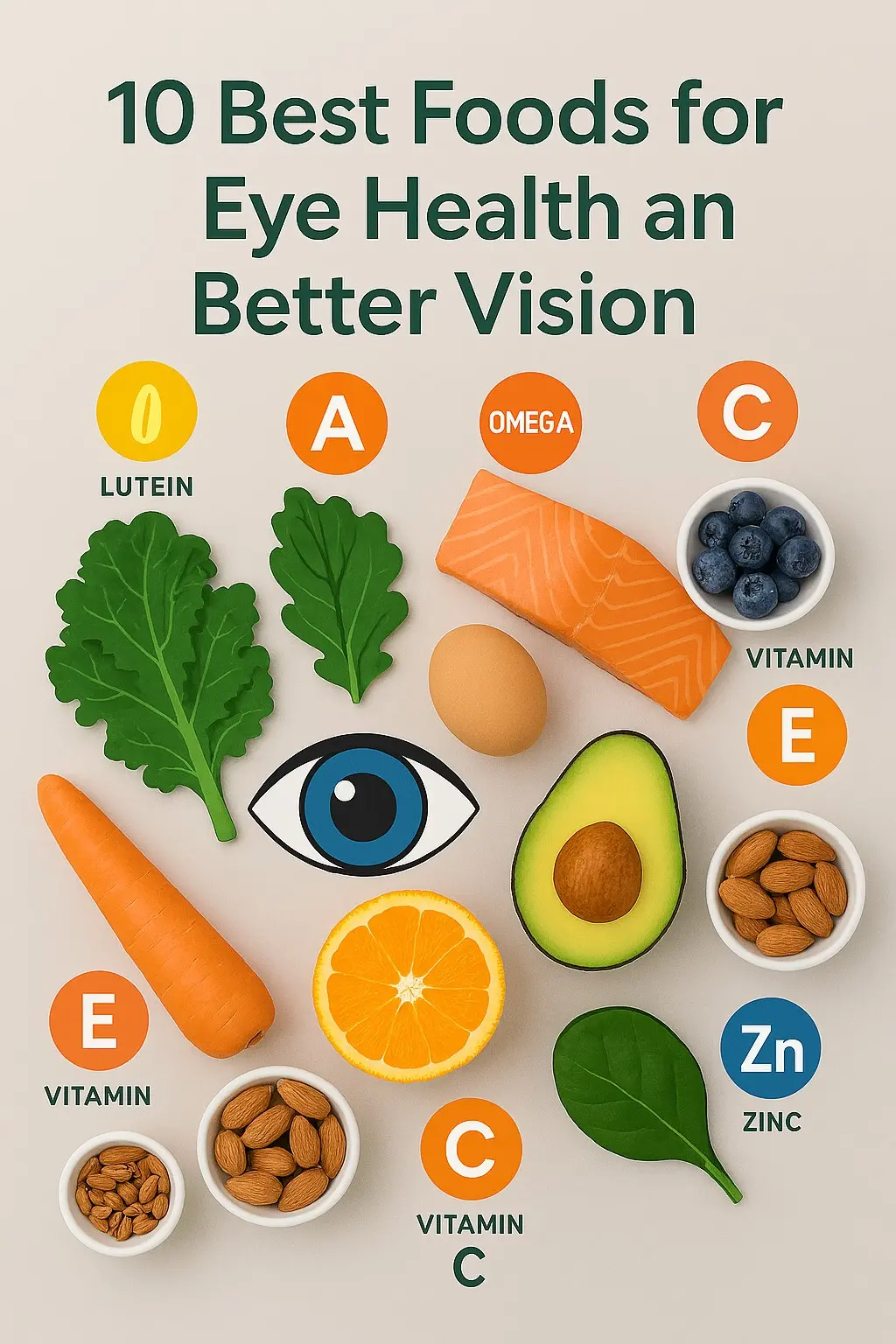
Foods for eye health can support healthy vision by providing nutrients your eyes use every day, including lutein, zeaxanthin, vitamin A, vitamin C, vitamin E, zinc, and omega-3 fatty acids.
Food cannot cure eye disease or replace glasses, contact lenses, eye drops, surgery, or medical treatment. But a nutrient-rich diet can support the retina, macula, tear film, blood vessels, and long-term eye wellness.
Who This Guide Is For
This guide is for people who want to protect long-term eye health through better food choices. It is especially useful if you spend long hours on screens, have dry eyes, want to support healthy aging, or have a family history of eye conditions.
This article is part of the NextFitLife Eye Health Complete Guide, Eye Health & Vision Hub, Foods & Nutrition Hub, and Nutrition & Vitamins Foods Hub.
For deeper reading, see our vitamins for eyes guide, omega-3 for eyes guide, anti-inflammatory foods for eyes, and dry eye syndrome guide.
What You’ll Learn
- Which foods support eye health most.
- What nutrients your eyes need and why.
- How lutein, zeaxanthin, omega-3s, zinc, and vitamins support vision.
- How to build simple meals for eye health.
- What foods and habits to limit?
- When supplements may be useful and when food is enough.
- When to see an eye care professional.
Why Food Matters for Eye Health?
Your eyes are active tissues that need oxygen, blood flow, hydration, healthy fats, and antioxidant nutrients. The retina and macula are especially sensitive to oxidative stress, light exposure, blood vessel health, and aging.
A healthy diet may help support:
- Macular health
- Retina function
- Tear quality
- Lens health
- Blood vessel health in the eyes
- Healthy aging and lower inflammation
Food is only one part of eye care. Regular eye exams, UV protection, not smoking, blood sugar control, blood pressure control, safe screen habits, and medical treatment when needed are also important.
Key Nutrients Your Eyes Need
| Nutrient | Why It Matters? | Food Sources |
|---|---|---|
| Lutein | Supports macular pigment and helps filter light | Kale, spinach, collards, eggs, broccoli |
| Zeaxanthin | Works with lutein in the macula | Leafy greens, eggs, corn, peppers |
| Vitamin A | Supports normal vision, especially low-light vision | Carrots, sweet potatoes, eggs, dairy, liver |
| Vitamin C | Antioxidant support for eye tissues | Citrus, berries, peppers, broccoli |
| Vitamin E | Helps protect cell membranes from oxidative stress | Almonds, sunflower seeds, avocado, nuts |
| Omega-3 fats | Support retina health and tear film quality | Salmon, sardines, tuna, mackerel, walnuts, flaxseed |
| Zinc | Helps vitamin A function in the retina | Beans, chickpeas, seafood, meat, pumpkin seeds |
Top Foods for Eye Health
The best eye-health diet is not built from one “superfood.” It comes from a pattern of colourful plants, healthy fats, fish or plant omega-3 sources, protein, and less ultra-processed food.
1. Leafy Green Vegetables
Leafy greens are among the best foods for eye health because they provide lutein and zeaxanthin, two carotenoids that concentrate in the macula.
Best choices: kale, spinach, collard greens, Swiss chard, turnip greens, and romaine lettuce.
Why leafy greens help?
- Provide lutein and zeaxanthin for macular pigment support.
- Provide vitamin C and other antioxidants.
- Support overall cardiovascular and metabolic health.
How to eat more
- Add spinach to eggs.
- Use kale in soups.
- Make salads with romaine or mixed greens.
- Sauté collards with garlic and olive oil.
- Add greens to smoothies if you tolerate them well.
Practical target: Include leafy greens on most days of the week.
2. Carrots and Sweet Potatoes
Carrots and sweet potatoes are rich in beta-carotene, which the body can convert into vitamin A. Vitamin A is important for normal vision and low-light vision.
Best choices: carrots, sweet potatoes, pumpkin, butternut squash, and other orange vegetables.
How to use them
- Snack on carrots with hummus.
- Roast sweet potatoes with olive oil.
- Add pumpkin to the soup.
- Use grated carrots in salads.
Carrots support eye nutrition, but they will not correct nearsightedness or replace glasses.
3. Oily Fish
Oily fish provide omega-3 fatty acids, especially DHA and EPA. DHA is an important structural fat in the retina, and omega-3 intake may support tear quality and dry eye comfort for some people.
Best choices: salmon, sardines, mackerel, trout, tuna, and anchovies.
How much to eat
A practical goal is to eat oily fish about twice per week if you eat seafood and it fits your health needs.
Simple serving ideas
- Baked salmon with vegetables.
- Sardines on whole-grain toast.
- Tuna salad with greens and beans.
- Mackerel with rice and vegetables.
For more details, read our omega-3 and eye health guide.
4. Eggs
Egg yolks provide lutein, zeaxanthin, vitamin A, and zinc. The fat in egg yolks may help the body absorb carotenoids.
How to use: Make an omelet with spinach and peppers, add boiled eggs to salads, or serve eggs with vegetables and whole-grain toast.
If you have high cholesterol, heart disease, diabetes, or specific dietary restrictions, ask your clinician what egg intake is appropriate for you.
5. Citrus Fruits and Berries
Citrus fruits and berries provide vitamin C and other plant compounds that support overall antioxidant status.
Best choices: oranges, grapefruit, strawberries, blueberries, raspberries, kiwi, and lemons.
Easy ways to eat more
- Add berries to yogurt or oatmeal.
- Eat an orange as a snack.
- Add lemon to water or salads.
- Blend berries into smoothies.
6. Bell Peppers
Bell peppers, especially red, and yellow peppers, are rich in vitamin C and colourful carotenoids. They are easy to add raw or cooked.
How to use: Slice peppers with hummus, add them to omelets, roast them with chicken, or mix them into salads and stir-fries.
7. Broccoli
Broccoli provides vitamin C, fiber, and carotenoids such as lutein and zeaxanthin. It is not a miracle food, but it is a strong, everyday vegetable for eye and whole-body health.
How to use: Steam lightly, roast with olive oil, add to soups, or mix into grain bowls.
8. Nuts and Seeds
Nuts and seeds provide vitamin E, healthy fats, minerals, and plant-based nutrients that support general health.
Best choices: almonds, walnuts, sunflower seeds, pumpkin seeds, chia seeds, and flaxseeds.
Simple serving ideas
- Add almonds to yogurt.
- Sprinkle chia seeds into oatmeal.
- Use walnuts in salads.
- Add pumpkin seeds to soups or grain bowls.
Portions matter because nuts and seeds are calorie-dense. A small handful is enough for most people.
9. Beans and Legumes
Beans and legumes provide zinc, fiber, plant protein, and blood-sugar-friendly carbohydrates. They support eye health indirectly by supporting metabolic health and blood vessel health.
Best choices: black beans, lentils, chickpeas, white beans, kidney beans, and split peas.
How to use them
- Add beans to salads.
- Use lentils in soup.
- Make chickpea wraps.
- Pair beans with vegetables and brown rice.
For more support, read our anti-inflammatory foods for eyes guide.
10. Avocado and Olive Oil
Avocado and olive oil provide healthy fats that can help absorb fat-soluble nutrients, including carotenoids from vegetables.
How to use: Add avocado to salads, eggs, or toast. Use olive oil on greens, roasted vegetables, or fish.
Keep portions moderate if weight management is a goal.
Eye-Healthy Meal Plan
Here is a simple one-day meal plan using foods for eye health.
Breakfast
- Eggs with spinach and bell peppers
- Whole-grain toast
- Orange slices or berries
Snack
- Carrot sticks with hummus
- Small handful of almonds
Lunch
- Kale or spinach salad
- Grilled salmon or chickpeas
- Avocado and olive oil dressing
Snack
- Greek yogurt with blueberries
- Or chia pudding made with fortified milk
Dinner
- Broccoli and pepper stir-fry
- Beans or lentils
- Roasted sweet potato
Weekly Shopping List for Eye Health
| Category | Foods to Buy |
|---|---|
| Leafy greens | Kale, spinach, collards, romaine |
| Orange vegetables | Carrots, sweet potatoes, pumpkin, squash |
| Omega-3 foods | Salmon, sardines, tuna, walnuts, chia seeds |
| Vitamin C foods | Oranges, berries, peppers, broccoli, kiwi |
| Protein foods | Eggs, fish, beans, lentils, chickpeas, yogurt |
| Healthy fats | Avocado, olive oil, nuts, seeds |
Simple Tips for Success
- Keep washed greens ready in the fridge.
- Buy frozen berries for easy breakfasts.
- Hard-boil eggs for quick snacks.
- Use canned salmon or sardines for fast meals.
- Add one vegetable to every lunch and dinner.
- Replace chips with nuts, fruit, or carrots and hummus.
- Pair leafy greens with olive oil or avocado to support carotenoid absorption.
Foods and Habits to Limit for Better Eye Health
Eye health is also affected by blood vessels, blood sugar, blood pressure, and inflammation. A balanced diet matters more than any single food.
Limit these when possible:
- Sugary drinks
- Frequent ultra-processed snacks
- Deep-fried foods
- Excess alcohol
- Frequent refined carbohydrates without fiber
- Smoking or secondhand smoke exposure
If you have diabetes, controlling blood sugar, blood pressure, and cholesterol is especially important for protecting vision.
Supplements vs Food for Eye Health
Food should be the foundation. Whole foods provide nutrients in combinations that also support heart, brain, metabolic, and overall health.
When supplements may help
Eye supplements may be recommended in specific situations. The AREDS2 formula is used for certain people with intermediate age-related macular degeneration, not as a general supplement for everyone.
Ask an eye care professional before taking eye supplements if you:
- Have been diagnosed with macular degeneration
- Smoke or recently quit smoking
- Take blood thinners
- Have kidney disease
- Take multiple supplements already
- Are you pregnant or breastfeeding
- Have a medical condition requiring diet restrictions
Can Food Improve Eyesight?
Food can support eye health, but it cannot correct refractive errors such as nearsightedness, farsightedness, or astigmatism. Those usually require glasses, contact lenses, or surgery.
Nutrition may help support the parts of the eye that are affected by aging, oxidative stress, dryness, and blood vessel health. But diet is not a replacement for eye exams or treatment.
When to See an Eye Doctor
See an eye care professional for regular exams and any concerning changes.
Seek urgent care right away if you have:
- Sudden vision loss
- New flashes of light
- Sudden new floaters
- A curtain or shadow over vision
- Severe eye pain
- Eye injury or chemical exposure
- Sudden double vision
People with diabetes should have regular dilated eye exams as advised by their healthcare team.
7-Day Eye-Healthy Food Starter Plan
| Day | Action |
|---|---|
| Day 1 | Add spinach or kale to one meal. |
| Day 2 | Snack on carrots with hummus. |
| Day 3 | Eat salmon, sardines, tuna, or a plant omega-3 source. |
| Day 4 | Add berries or citrus fruit to breakfast. |
| Day 5 | Use beans or lentils in lunch or dinner. |
| Day 6 | Add bell peppers or broccoli to a meal. |
| Day 7 | Build a salad with greens, eggs or fish, avocado, and nuts. |
Bottom Line on Foods for Eye Health
The best foods for eye health are colourful, nutrient-dense, and easy to repeat: leafy greens, orange vegetables, oily fish, eggs, citrus fruits, berries, peppers, broccoli, nuts, seeds, beans, lentils, avocado, and olive oil.
These foods support vision by providing lutein, zeaxanthin, vitamin A, vitamin C, vitamin E, zinc, and omega-3 fats. They work best as part of a whole lifestyle that includes UV protection, regular eye exams, not smoking, blood sugar control, sleep, hydration, and screen breaks.
Start with one simple change today: add leafy greens, fish, eggs, berries, or carrots to your next meal.
Related Guides on Eye Health, Nutrition, and Vision
Use these related guides to build a stronger eye-health plan:
- Eye Health Complete Guide
- Eye Health & Vision Hub
- Vitamins for Eyes
- Omega-3 for Eyes
- Anti-Inflammatory Foods for Eyes
- Hydration for Eyes
- Prevent Macular Degeneration
- Dry Eye Syndrome
FAQs About Foods for Eye Health
What foods are best for eye health?
The best foods for eye health include leafy greens, carrots, sweet potatoes, salmon, sardines, tuna, eggs, citrus fruits, berries, bell peppers, broccoli, nuts, seeds, beans, lentils, avocado, and olive oil. These provide lutein, zeaxanthin, vitamin A, vitamin C, vitamin E, zinc, and omega-3 fats.
Which vitamin is most important for eye health?
No single vitamin is enough by itself. Key nutrients include lutein, zeaxanthin, vitamin A, vitamin C, vitamin E, zinc, and omega-3 fatty acids. Different nutrients support different parts of the eye.
Can diet improve eyesight?
Diet can support eye health, but it cannot correct nearsightedness, farsightedness, or astigmatism. A healthy diet may help support the retina, macula, tear film, lens, and blood vessels, but it does not replace glasses or medical treatment.
Are carrots really good for your eyes?
Yes, carrots provide beta-carotene, which the body can convert into vitamin A. Vitamin A supports normal vision, especially in low light. However, carrots will not give perfect vision or replace eye care.
Is fish good for dry eyes?
Oily fish provide omega-3 fats, which may support tear film quality and comfort for some people with dry eyes. Dry eye can have many causes, so persistent symptoms should be checked by an eye care professional.
Should I take eye vitamins?
Eye vitamins are not necessary for everyone. AREDS2 supplements may help certain people with intermediate age-related macular degeneration. Ask an eye care professional before starting supplements, especially if you smoke, take medications, or have a medical condition.
How often should I eat foods for eye health?
Try to include eye-supporting foods every day. A simple pattern is leafy greens most days, colourful fruits and vegetables daily, oily fish about twice weekly if you eat seafood, and nuts, seeds, beans, or eggs regularly.
Sources and References
- National Eye Institute — AREDS/AREDS2 Clinical Trials https://www.nei.nih.gov/eye-health-information/clinical-trials/age-related-eye-disease-studies-aredsareds2/about-areds-and-areds2
- National Eye Institute — AREDS2 Supplements for Age-Related Macular Degeneration https://www.nei.nih.gov/eye-health-information/eye-conditions-and-diseases/age-related-macular-degeneration/nutritional-supplements-age-related-macular-degeneration
- American Academy of Ophthalmology — Diet, Nutrition, and Eye Health Supplements https://www.aao.org/eye-health/tips-prevention/diet-nutrition
- American Optometric Association — Diet and Nutrition https://www.aoa.org/healthy-eyes/caring-for-your-eyes/diet-and-nutrition
- CDC — Vision Loss and Diabetes https://www.cdc.gov/diabetes/diabetes-complications/diabetes-and-vision-loss.html
- American Academy of Ophthalmology — The Sun, UV Light and Your Eyes https://www.aao.org/eye-health/glasses-contacts/sun


Health & wellness writer with 30+ years of experience in nutrition, fitness, and healthy aging. Founder of NextFitLife.com — evidence-based health guidance.