
Published: Nov 15, 2023
Last updated: July 18, 2026
Next review: July 2027
Written by: Adel Galal, Founder and Lead Writer at NextFitLife
Editorial review: Updated and checked against current diabetes prevention guidance
Medical review status: This article has not been medically reviewed by a doctor or registered dietitian
Reading time: About 18 minutes
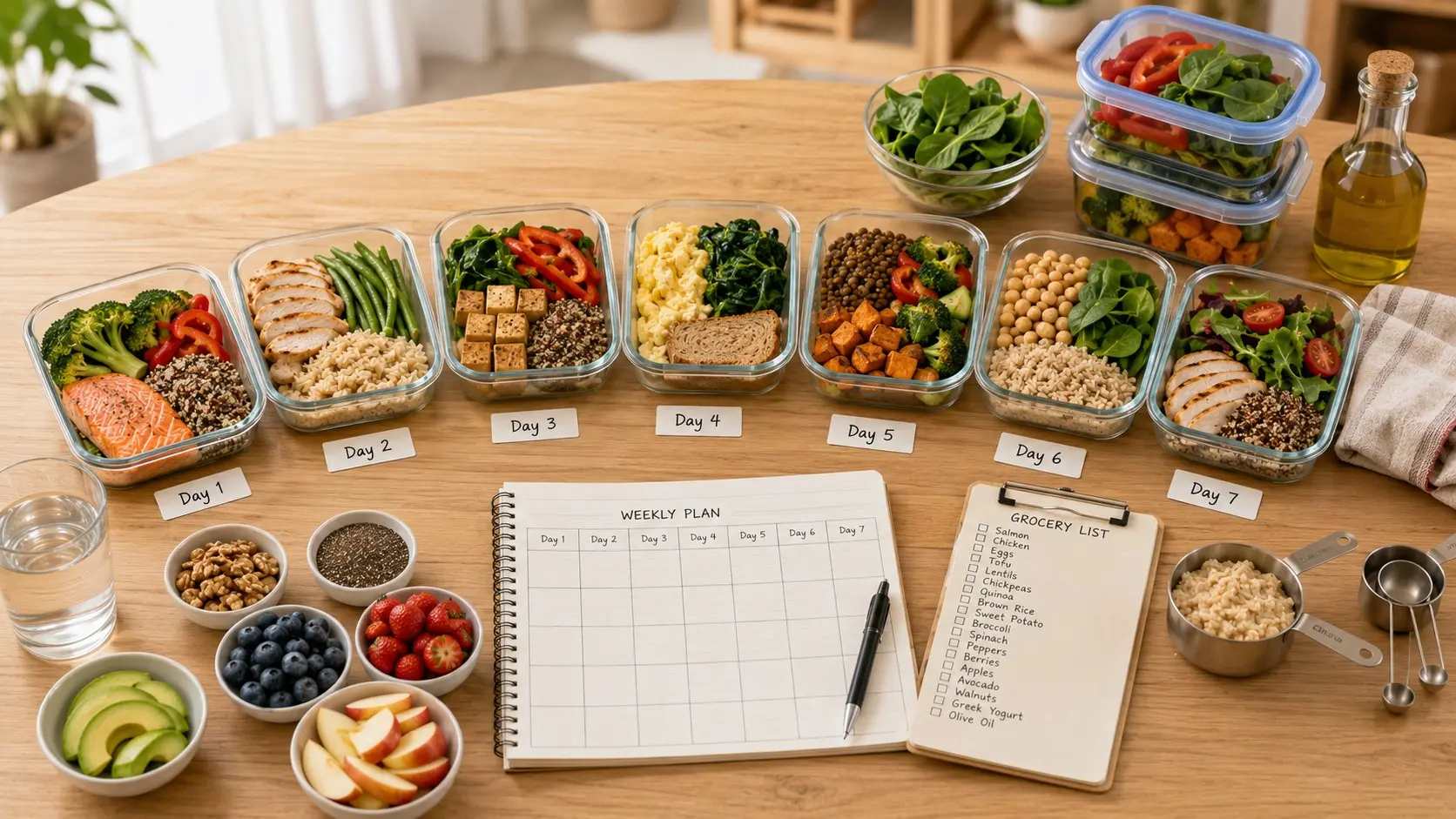
A 7-Day Meal Plan for Prediabetes can help you practice balanced portions, choose better carbohydrate foods, and build meals that support steady energy.
It cannot cure prediabetes in one week.
It also cannot promise that your blood sugar will return to a normal range. Food is only one part of care. Activity, sleep, weight management, medicine, stress, smoking, age, family history, and other health conditions may also matter.
This plan uses vegetables, whole fruit, beans, whole grains, lean protein, healthy fats, and unsweetened drinks. It does not remove every carbohydrate.
The goal is to help you create blood sugar-friendly meals that you can repeat after the seven days are over.
For more practical nutrition guidance, visit the NextFitLife Foods and Nutrition Hub.
Important Medical Note
This content is for general educational purposes and does not replace professional medical advice, diagnosis, or treatment. Consult an appropriately qualified healthcare professional for personal medical concerns. I am also not an endocrinologist, pharmacist, certified diabetes care and education specialist, or registered dietitian.
This content does not replace professional medical advice. This article explains published guidance and does not provide a personal clinical assessment.
Always consult qualified medical professionals for diagnosis and treatment of any health condition.
This meal plan is a general educational example. Your needs may be different because of your age, body size, activity, culture, pregnancy, medicines, kidney health, liver health, food allergies, or eating history.
Do not stop medicine, skip prescribed treatment, or begin a strict weight loss plan because of this article.
Quick Answer: What Is a 7-Day Meal Plan for Prediabetes?
A useful 7-Day Meal Plan for Prediabetes includes balanced meals instead of a list of forbidden foods.
Most main meals can use this simple structure:
- Half of the plate with nonstarchy vegetables
- One quarter with lean protein
- One quarter of a carbohydrate food
- A small portion of healthy fats
- Water or another unsweetened drink
Carbohydrate foods may include beans, lentils, oats, whole grains, fruit, potatoes, milk, yogurt, rice, bread, or pasta.
The amount should fit your body and medical needs.
You do not need to remove every carbohydrate. You need to choose suitable foods and portions.
What Is Prediabetes?
Prediabetes means your blood glucose is higher than normal but not high enough for a diabetes diagnosis.
Common United States test ranges include:
- An A1C from 5.7 percent to 6.4 percent
- A fasting blood glucose from 100 to 125 milligrams per deciliter
- A two-hour glucose result from 140 to 199 milligrams per deciliter during an oral glucose tolerance test
A healthcare professional must interpret your results.
Pregnancy, anemia, kidney disease, blood loss, medicines, and some blood conditions may affect how tests are used.
People with prediabetes often have no clear symptoms.
Prediabetes may raise the chance of type 2 diabetes, heart disease, stroke, high blood pressure, unhealthy cholesterol, and fatty liver disease.
Prediabetes and Insulin Resistance
Insulin resistance means that cells in the muscles, liver, and body fat do not respond to insulin as well as they should.
Insulin helps glucose move from the blood into cells.
When the cells do not respond well, the pancreas makes more insulin. Over time, it may not keep up. Blood glucose may then rise.
Healthy eating, regular activity, enough sleep, and weight management when needed may improve risk factors.
Some people may also need medicine.
Can Prediabetes Be Reversed?
Some people can bring their blood glucose below the prediabetes range through lifestyle changes, weight loss when needed, or medicine.
This is not guaranteed.
A better test result also does not mean that future risk has disappeared.
Keep attending medical visits and repeat blood testing at the schedule recommended by your healthcare professional.
Current guidance recommends that people with prediabetes be tested for type 2 diabetes every year.
What Current Guidance Says
The 2026 American Diabetes Association Standards of Care support an individual plan rather than one fixed diet.
A diabetes prevention program may include:
- A goal of at least 7 percent weight loss for suitable adults with excess weight
- At least 150 minutes of moderate activity each week
- Professional nutrition support
- Regular follow-up
- Changes that can continue over time
The CDC also reports that structured lifestyle change programs can greatly lower the risk of developing type 2 diabetes.
You do not need to reach every goal in the first week.
Start with one change that fits your life.
Who Should Not Use This Plan Without Personal Advice?
Speak with a doctor or registered dietitian before using this plan when you:
- Are you pregnant or breastfeeding
- Are younger than 18
- Have been diagnosed with diabetes
- Take insulin or medicine that may lower blood glucose
- Have kidney disease
- Have liver disease
- Have heart failure
- Have a prescribed fluid limit
- Have a food allergy
- Have celiac disease
- Have an eating disorder or a history of one
- Are underweight
- Have had weight loss surgery
- Have trouble swallowing
- Need a low potassium, low sodium, or low phosphorus diet
How to Use the Prediabetes Plate Method
Use a dinner plate that is about 9 inches wide.
Fill Half With Nonstarchy Vegetables
Examples include:
- Broccoli
- Spinach
- Green beans
- Zucchini
- Cabbage
- Cauliflower
- Cucumber
- Tomatoes
- Mushrooms
- Peppers
- Salad greens
Fill One Quarter With Lean Protein
Examples include:
- Fish
- Chicken
- Turkey
- Eggs
- Tofu
- Tempeh
- Plain Greek yogurt
- Cottage cheese
- Beans and lentils
Fill One Quarter With a Carbohydrate Food
Examples include:
- Brown rice
- Quinoa
- Oats
- Whole grain bread
- Whole grain pasta
- Potatoes
- Sweet potatoes
- Beans
- Lentils
- Fruit
- Milk or yogurt
Beans contain both carbohydrate and protein.
Your personal carbohydrate portions may need to be smaller or larger than this guide suggests.
A registered dietitian can help you find a suitable amount.
Why Pair Carbohydrates With Protein, Fat, or Fibre?
Carbohydrates raise blood glucose.
This does not make every carbohydrate food harmful.
Whole fruit, beans, oats, milk, yogurt, and whole grains contain useful nutrients.
Eating a carbohydrate with protein, fat, or fibre may slow digestion compared with drinking juice or eating a refined carbohydrate alone.
Examples include:
- Apple with peanut butter
- Berries with plain yogurt
- Whole grain toast with eggs
- Brown rice with fish and vegetables
- Beans with salad and avocado
- Oats with nuts and seeds
Before Starting the 7-Day Meal Plan for Prediabetes
This menu does not give one fixed calorie target.
Calorie needs differ greatly.
Use the listed portions as a starting point. Adjust them with help from your healthcare team.
Choose one optional snack only when you are hungry or when it fits your medical plan.
Water is the main drink.
Unsweetened tea or coffee may also fit if caffeine is safe for you.
Visit the NextFitLife Healthy Drinks Guide for help comparing sweet drinks, juice, smoothies, water, tea, and coffee.
7-Day Meal Plan for Prediabetes
Day 1: Start With Simple Balance
Breakfast
Cook one-half cup of dry oats with water, milk, or an unsweetened fortified soy drink.
Add:
- One-half cup of berries
- One tablespoon of chopped walnuts
- Cinnamon for flavor
Add one boiled egg or a small serving of plain Greek yogurt when you need more protein.
Lunch
Prepare a large chicken and chickpea salad with:
- Two or more cups of salad vegetables
- Three to four ounces of grilled chicken
- One-third to one-half cup of chickpeas
- One teaspoon of olive oil
- Lemon juice and herbs
Add one small whole-grain pita when it fits your needs.
Dinner
Serve:
- Three to four ounces of baked salmon
- Two cups of broccoli or mixed vegetables
- One-half cup of cooked quinoa
Optional Snack
One small apple with one tablespoon of unsweetened peanut butter.
Day 1 Practice
Notice your portions without judging yourself.
You are collecting information, not trying to be perfect.
Day 2: Add Protein to Breakfast
Breakfast
Combine:
- Three-quarters of a cup of plain Greek yogurt
- One-half cup of berries
- One tablespoon of chia seeds
- One quarter cup of plain oats
Choose yogurt with little or no added sugar.
Lunch
Make a turkey and avocado wrap with:
- One small whole grain tortilla
- Three ounces of cooked turkey
- Lettuce
- Tomatoes
- Cucumber
- One quarter of an avocado
Serve with raw vegetables or a side salad.
Dinner
Prepare a tofu vegetable stir fry with:
- Four ounces of tofu
- Two cups of broccoli, mushrooms, peppers, or green beans
- One-half cup of cooked brown rice
- A small amount of lower-sodium sauce
Optional Snack
Carrot and cucumber sticks with two tablespoons of hummus.
Day 2 Practice
Check your drinks.
Replace one sweet drink with water or an unsweetened option.
Day 3: Focus on High Fibre Foods
Breakfast
Prepare two eggs with spinach and mushrooms.
Serve with:
- One slice of whole grain toast
- One small orange
Lunch
Serve one to one and one half cups of lentil and vegetable soup.
Add a large side salad.
Use one small slice of whole grain bread when needed.
Dinner
Serve:
- Three to four ounces of baked chicken
- One half of a medium sweet potato
- Two cups of green beans and other vegetables
Optional Snack
One small pear with a small serving of walnuts.
Day 3 Practice
Add high-fibre foods slowly when your current intake is low.
Drink enough fluid.
Day 4: Use Beans and Whole Grains
Breakfast
Prepare overnight oats with:
- One-half cup of oats
- One-half cup of plain yogurt or fortified soy drink
- One tablespoon of ground flaxseed
- One-half cup of strawberries
Lunch
Make a tuna and white bean salad with:
- Three ounces of tuna
- One-third cup of white beans
- Tomatoes
- Cucumber
- Leafy greens
- Lemon and olive oil
Dinner
Serve turkey meatballs with:
- Roasted zucchini
- Mushrooms
- Tomato sauce with no large amount of added sugar
- One-half cup of cooked whole grain pasta
Optional Snack
One-half cup of cottage cheese with cucumber or tomatoes.
Day 4 Practice
Read one food label.
Check the serving size, added sugar, fibre, sodium, and protein.
Use the NextFitLife Healthy Eating Lifestyle Guide for more help with labels and portions.
Day 5: Include Healthy Fats
Breakfast
Serve one slice of whole grain toast with:
- One quarter of an avocado
- One egg
- Tomato slices
Add one-half cup of berries.
Lunch
Prepare a salmon salad with:
- Three ounces of salmon
- Two cups of salad vegetables
- One-third cup of beans
- One tablespoon of walnuts
- Lemon and one teaspoon of olive oil
Dinner
Serve:
- Three to four ounces of grilled chicken
- Two cups of roasted vegetables
- One-half cup of cooked quinoa
Optional Snack
Plain Greek yogurt with one teaspoon of chia seeds.
Day 5 Practice
Nuts, avocado, seeds, and olive oil are useful healthy fats.
Portions still matter because these foods contain a lot of energy in a small amount.
Day 6: Build a Lower Glycemic Meal
Breakfast
Cook one-half cup of oats.
Add:
- One half of a small apple
- Cinnamon
- One tablespoon of almonds
- Plain yogurt or one egg for protein
Cinnamon adds flavour. It should not replace medicine or be described as a cure for high blood glucose.
Lunch
Prepare a chickpea salad with:
- One-half cup of chickpeas
- Cucumber
- Tomatoes
- Leafy greens
- A small amount of feta cheese
- Lemon and herbs
Dinner
Prepare one stuffed bell pepper with:
- Lean ground turkey or lentils
- One-third cup of cooked brown rice
- Tomatoes
- Onions
- Herbs
Serve with a large side of nonstarchy vegetables.
Optional Snack
One small orange with a small handful of almonds.
Day 6 Practice
The glycemic index is one tool.
Portion size, cooking, ripeness, processing, and the other foods in the meal can also affect the glucose response.
Day 7: Make the Plan Easy to Repeat
Breakfast
Combine:
- Three-quarters of a cup of plain Greek yogurt
- One-half cup of berries
- One tablespoon of mixed nuts
- One tablespoon of oats
Skip honey or use only a very small amount when desired.
Lunch
Build a vegetable and tofu bowl with:
- Four ounces of tofu
- Two cups of mixed vegetables
- One-half cup of brown rice or a mix of brown rice and cauliflower
- A small amount of sesame seeds
Dinner
Serve:
- Three to four ounces of grilled shrimp
- A large arugula and vegetable salad
- One-half cup of cooked quinoa
- Lemon and one teaspoon of olive oil
Optional Snack
Three cups of plain air-popped popcorn with a small piece of cheese.
Day 7 Practice
Choose three meals from the week that you enjoyed.
Add them to your normal weekly routine.
Vegetarian Changes for the 7-Day Meal Plan for Prediabetes
Replace meat or fish with:
- Tofu
- Tempeh
- Lentils
- Beans
- Chickpeas
- Edamame
- Eggs
- Plain Greek yogurt
- Cottage cheese
Beans and lentils contain carbohydrates as well as protein.
You may need to reduce the rice, bread, or pasta portion when a meal contains a large bean portion.
Vegan Changes
Use:
- Tofu
- Tempeh
- Beans
- Lentils
- Edamame
- Unsweetened fortified soy or pea drink
- Plain unsweetened soy yogurt
- Nuts
- Seeds
A vegan diet needs a reliable vitamin B12 source.
Calcium, vitamin D, iodine, iron, zinc, protein, and omega-3 fats may also need attention.
Can You Eat Fruit With Prediabetes?
Yes. Whole fruit can fit into a prediabetes eating plan.
Fruit provides carbohydrate, fibre, vitamins, minerals, water, and plant compounds.
Choose whole fruit more often than juice.
A reasonable starting portion may be:
- One small apple
- One small orange
- One half of a large banana
- One cup of berries
- One small pear
Pair fruit with plain yogurt, nuts, seeds, cheese, or peanut butter when that suits you.
Can You Eat Rice With Prediabetes?
Yes. Rice can fit into a balanced meal.
Portion size matters.
Use about one-quarter of the plate for rice or another carbohydrate food.
Brown rice contains more fibre than white rice, but white rice can still fit.
Eat rice with vegetables and protein instead of eating a very large bowl alone.
Can You Eat Bread or Pasta?
Yes.
Choose whole grains more often because they usually contain more fibre.
Use bread or pasta as one part of the meal.
Add vegetables and protein.
Do not assume that a product is healthy only because it is brown.
Check the ingredient list and fibre amount.
Healthy Snacks for Prediabetes
A snack is optional.
You do not need to eat every two hours.
Useful healthy snacks may include:
- Apple with peanut butter
- Plain yogurt with berries
- Vegetables with hummus
- A boiled egg
- Cottage cheese with tomatoes
- Edamame
- A small serving of nuts
- Air-popped popcorn with cheese
Choose a snack because you are hungry or because it fits your treatment plan.
Do not snack only because food is available.
Drinks to Choose More Often
Choose:
- Water
- Unsweetened sparkling water
- Unsweetened tea
- Plain coffee when suitable
- Plain milk
- Unsweetened fortified plant drinks
Reduce:
- Regular soda
- Sweet tea
- Fruit drinks
- Energy drinks
- Sweet coffee drinks
- Large juice portions
- Large sweetened smoothies
Juice may raise blood glucose faster than whole fruit because it contains less fibre and is easy to drink quickly.
Prediabetes Grocery List
Vegetables
- Broccoli
- Spinach
- Green beans
- Zucchini
- Peppers
- Mushrooms
- Cauliflower
- Cabbage
- Salad greens
- Tomatoes
- Cucumber
- Carrots
Fruit
- Berries
- Apples
- Oranges
- Pears
- Bananas
Protein Foods
- Fish
- Chicken
- Turkey
- Eggs
- Tofu
- Tempeh
- Plain Greek yogurt
- Cottage cheese
- Tuna
- Shrimp
Beans and Grains
- Oats
- Brown rice
- Quinoa
- Whole grain bread
- Whole grain tortillas
- Whole grain pasta
- Lentils
- Chickpeas
- Black beans
- White beans
Fats and Flavour
- Olive oil
- Avocado
- Walnuts
- Almonds
- Chia seeds
- Ground flaxseed
- Peanut butter
- Lemon
- Herbs
- Spices
Simple Meal Prep for the Week
Use one or two hours to prepare basic foods.
You can:
- Cook a pot of brown rice or quinoa.
- Cook lentils or rinse canned beans.
- Bake chicken, fish, tofu, or another protein.
- Wash and cut vegetables.
- Prepare one simple dressing.
- Boil several eggs.
- Divide nuts into small portions.
- Freeze extra cooked meals safely.
Keep cooked food cold within two hours.
Use safe storage times and reheat food fully.
Visit the NextFitLife Meal Prep and Recipes Hub for more planning ideas.
How to Eat Well on a Budget
Healthy eating does not require expensive special products.
Lower-cost choices may include:
- Oats
- Eggs
- Beans
- Lentils
- Frozen vegetables
- Canned fish
- Peanut butter
- Brown rice
- Seasonal fruit
- Plain yogurt
- Store brand whole grain bread
Frozen vegetables can be as practical as fresh vegetables.
Choose canned vegetables with less sodium when possible.
Rinse canned beans to remove some sodium.
Weight Management and Prediabetes
Not every person with prediabetes needs to lose weight.
For adults with overweight or obesity, a modest loss may reduce the risk of type 2 diabetes.
Current prevention programs often use a goal of about 5 percent to 7 percent of starting weight.
Do not use a crash diet.
Rapid restriction may cause hunger, tiredness, muscle loss, and weight regain.
Use the NextFitLife Weight Loss and Metabolism Hub for safer long-term guidance.
Physical Activity Also Matters
A meal plan works best as part of a wider lifestyle plan.
A common goal is at least 150 minutes of moderate activity each week.
This may include brisk walking, cycling, swimming, dancing, or another activity you enjoy.
Start slowly when you are not active.
Short walks can count.
A ten-minute walk after a meal may be easier than one long session.
Strength activity may also support muscles and metabolic health.
Ask a healthcare professional before starting a new exercise plan if you have chest pain, breathing problems, severe joint pain, poor balance, heart disease, or another medical condition.
Sleep, Stress, and Smoking
Food is not the only part of type 2 diabetes prevention.
Sleep and stress may affect appetite, activity, and daily habits.
Smoking also raises health risks.
Ask for support when sleep, stress, or smoking makes lifestyle change difficult.
You do not need to fix every part of your life alone.
Do You Need to Check Blood Sugar at Home?
People with prediabetes do not automatically need to test their blood glucose at home every day.
A clinician may recommend testing in some situations.
This may depend on:
- Your test results
- Your symptoms
- Your medicines
- Pregnancy
- A diabetes diagnosis
- A structured treatment program
Do not buy a glucose meter because an online plan tells you that everyone needs one.
Ask your healthcare professional whether testing would change your care.
When Medicine May Be Discussed
Lifestyle change is important, but some people may also benefit from medicine.
A doctor may consider metformin or another treatment based on age, blood glucose, body weight, pregnancy history, kidney function, and other risk factors.
Do not start medicine or supplements without medical advice.
Cinnamon, vinegar, berberine, and herbal products do not replace proven care.
When to Contact a Healthcare Professional
Arrange medical care when you:
- Have a blood test in the prediabetes range
- Have not repeated your test within the advised time
- Are you losing weight without trying
- Feel very thirsty often
- Urinate much more than usual
- Have blurred vision
- Have repeated infections
- Have numbness or tingling
- Take medicine that affects blood glucose
- Are you pregnant or planning a pregnancy
Seek urgent medical care for:
- Confusion
- Fainting
- Severe weakness
- Persistent vomiting
- Trouble breathing
- Severe dehydration
- Chest pain
- Symptoms of very high or very low blood glucose
Common Myths About a 7-Day Meal Plan for Prediabetes
Myth: Prediabetes can always be cured in seven days
No. Seven days can help you practice new habits. It cannot guarantee a normal blood test or remove future risk.
Myth: You must remove every carbohydrate
No. Whole fruit, beans, oats, milk, yogurt, potatoes, and whole grains can fit into a personal plan.
Myth: People with prediabetes cannot eat fruit
Whole fruit can fit. Portion size and the full meal matter.
Myth: Brown rice never raises blood glucose
Brown rice still contains carbohydrates. It usually provides more fibre than white rice, but portion size still matters.
Myth: Honey is safe because it is natural
Honey is an added sugar. It can raise blood glucose.
Myth: Cinnamon reverses prediabetes
Cinnamon can add flavour. It has not been proven to replace lifestyle care or medicine.
Myth: Skipping meals is always helpful
Skipping meals may cause strong hunger and may not suit your medical or health needs.
Myth: Thin people cannot have prediabetes
People at many body sizes can develop prediabetes.
Five High Authority References and Sources
- American Diabetes Association: Prevention or Delay of Diabetes and Associated Comorbidities, Standards of Care in Diabetes 2026Open clinical guidance about prediabetes monitoring, diabetes prevention programs, activity, weight goals, and medical treatment.
- American Diabetes Association: Facilitating Positive Health Behaviours and Well-Being, Standards of Care in Diabetes 2026Open clinical guidance about individualized nutrition, physical activity, sleep, education, and person-centred care.
- Centers for Disease Control and Prevention: Diabetes Meal PlanningOpen guidance about the plate method, carbohydrate foods, portions, meal balance, and drinks.
- Centers for Disease Control and Prevention: Prediabetes and Type 2 Diabetes PreventionOpen guidance about prediabetes, risk, testing, activity, weight change, and the National Diabetes Prevention Program.
- National Institute of Diabetes and Digestive and Kidney Diseases: Insulin Resistance and PrediabetesOpen guidance about causes, test ranges, risk factors, annual testing, healthy living, and treatment.
Conclusion: 7-Day Meal Plan for Prediabetes
A 7-Day Meal Plan for Prediabetes can help you turn general advice into real meals.
It cannot promise a cure. It can help you practice better portions, eat more vegetables, choose fibre-rich carbohydrates, include protein, and reduce sweet drinks.
Choose one breakfast, one lunch, and one dinner from this guide. Prepare them this week and notice which meals fit your hunger, budget, and routine.
Then take your plan and recent blood test results to a doctor or registered dietitian for personal advice.
Internal Links and NextFitLife Hubs
- NextFitLife Foods and Nutrition Hub
- Special Diets Hub
- Meal Prep and Recipes Hub
- Healthy Eating Lifestyle Hub
- Weight Loss and Metabolism Hub
- Healthy Drinks Hub
- Heart Health and Cholesterol Foods Hub
Frequently Asked Questions About a 7-Day Meal Plan for Prediabetes
What is the best 7-Day Meal Plan for Prediabetes?
The best plan is one that fits your health, culture, budget, medicine, and food preferences. It should include vegetables, protein, fibre-rich carbohydrate foods, healthy fats, and suitable portions.
Can a 7-Day Meal Plan for Prediabetes reverse prediabetes?
It cannot guarantee this result. Seven days may help you begin healthier habits. Some people later bring their blood glucose below the prediabetes range through long-term lifestyle changes, weight management, or medicine.
How many carbohydrates should I eat?
There is no single amount for everyone. Your needs depend on body size, activity, medicines, health, and goals. A registered dietitian can set a personal target.
Can I eat fruit with prediabetes?
Yes. Choose whole fruit more often than juice. Use a suitable portion and pair it with protein or healthy fat when helpful.
Can I eat rice with prediabetes?
Yes. Use a moderate portion and combine it with vegetables and protein. Brown rice provides more fibre, but white rice can also fit.
Should I skip breakfast?
Not automatically. Some people prefer breakfast, and others do not. Your meal timing should fit your hunger, health, medicines, and daily routine.
Are snacks required?
No. Snacks are optional. Eat one when you are hungry or when it is part of your medical plan.
Can I drink fruit juice?
A small amount may fit, but whole fruit usually provides more fibre. Juice can raise blood glucose quickly and is easy to drink in large portions.
How often should prediabetes be tested?
Current guidance generally recommends yearly testing for people with prediabetes. Your healthcare professional may test more often based on your results and risk.
When should I see a registered dietitian?
Seek personal help when you take glucose-lowering medicine, have kidney disease, are pregnant, need weight support, have food allergies, or feel confused about portions and carbohydrates.

Health & wellness writer with 30+ years of experience in nutrition, fitness, and healthy aging. Founder of NextFitLife.com — evidence-based health guidance.