What foods are high in iron and zinc? 2026 Expert Guide: Discover what foods are high in iron and zinc. Get the best sources for a balanced diet.
Introduction to What foods are high in iron and zinc
Iron and zinc are essential minerals that play vital roles in maintaining good health. Iron is important for forming red blood cells, which carry oxygen to different body parts, while zinc is involved in immune function, wound healing, and DNA synthesis. Both nutrients are crucial for the proper functioning of the body, and a deficiency in either can lead to serious health problems.
While supplements can be a quick fix, the best way to ensure you get enough iron and zinc is by consuming a balanced diet that includes foods rich in these minerals. In this article, we'll explore some of the best food sources of iron and zinc and discuss the recommended daily intake for different age groups and genders.
We'll also provide tips on maximizing the absorption of these nutrients in the body to get the most out of your diet. By the end of this article, you'll understand what foods are high in iron and zinc, the role of iron and zinc in the body and how to incorporate them into your daily meals.
Benefits of iron and zinc
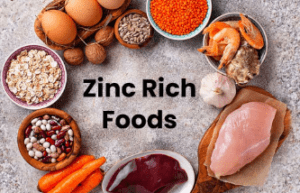
The benefits of iron and zinc
Iron:
Boosts energy levels
Iron is necessary for producing hemoglobin, a protein in red blood cells that carries oxygen throughout the body. Getting enough iron can help prevent fatigue and boost energy levels.
Supports immune function
Iron is important for the proper functioning of the immune system. It helps support the production of white blood cells, which fight off infections and diseases.
Promotes cognitive function
Iron is essential for proper brain function, including cognitive development and memory.
Regulates body temperature
Iron is involved in regulating body temperature, helping keep the body healthy.
Zinc:
Supports immune function
Like iron, zinc is important for immune function.
It helps support the production of white blood cells and can help prevent and reduce the severity of infections.
Promotes wound healing
(Zinc) plays a role in cell growth and division, making it important for wound healing and tissue repair.
Supports healthy skin
Zinc produces collagen, a protein that helps keep skin healthy.
Helps with taste and smell
Zinc is involved in properly functioning taste and smell receptors. Incorporating foods high in iron and zinc can help ensure you benefit from both minerals. It's important to note that the benefits of iron and zinc can be maximized by pairing them with other nutrients that aid absorption, like vitamin C and protein.
What foods are high in iron
Iron is found in various foods, but the body more easily absorbs some sources than others. Here are some of the best food sources of iron:
Red meat
Beef and lamb are all excellent sources of iron. They contain heme iron, which is more easily absorbed by the body than non-heme iron found in plant-based foods.
Poultry and fish
Chicken, turkey, and fish, such as salmon and tuna, are also excellent sources of heme iron.
Lentils and beans
Legumes like lentils, chickpeas, and kidney beans are high in non-heme iron, which is not as easily absorbed but can still provide a significant amount of the mineral.
Leafy green vegetables
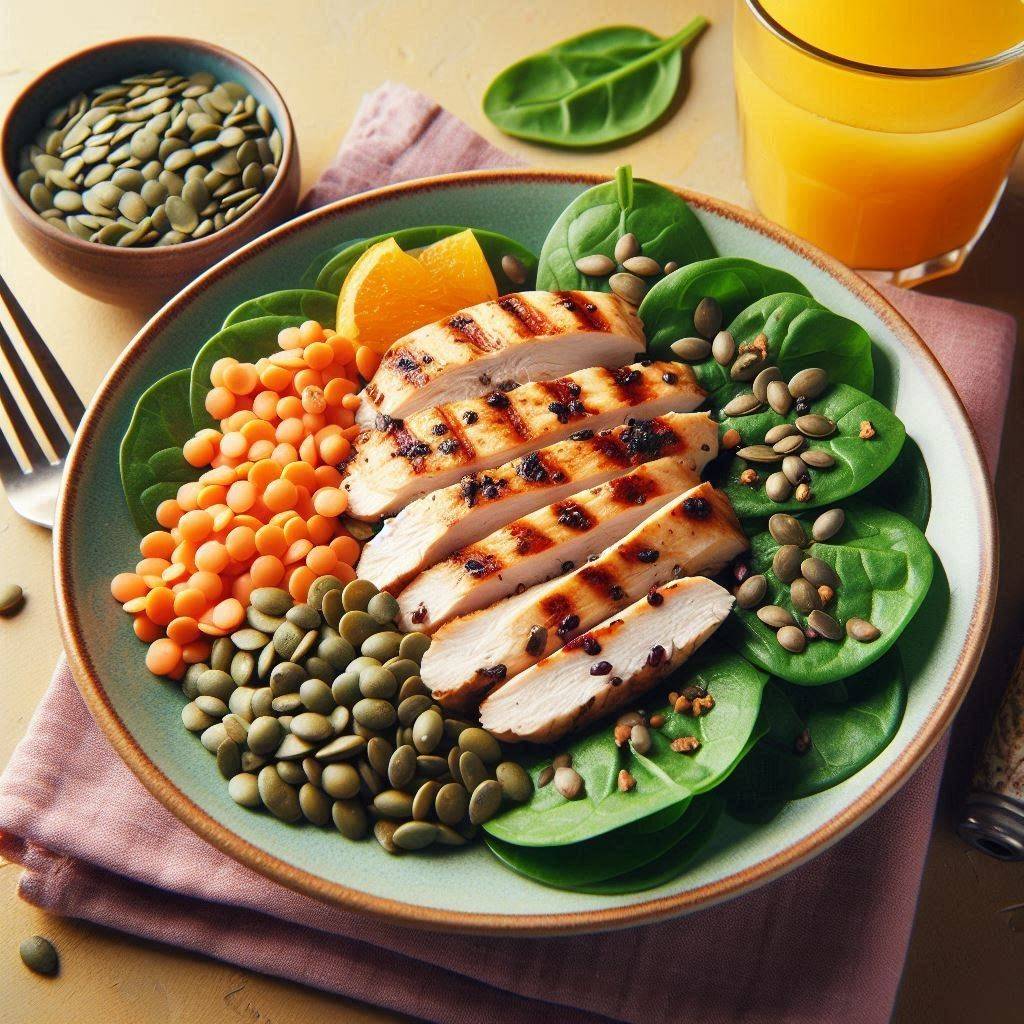
Spinach, kale, and other leafy greens are rich in non-heme iron. While they don't provide as much iron as animal-based sources, they are a good option for vegetarians and vegans.
Fortified cereals
Some cereals are fortified with iron, making them a convenient and easy source of minerals. Look for cereals that have at least 18 mg of iron per serving.
Tofu
Tofu is an excellent source of non-heme iron, with about 6 mg per 1/2 cup serving. It's also a versatile ingredient that can be used in various dishes.
Nuts and seeds
Some nuts and seeds, including pumpkin, cashews, and almonds, are high in iron. These are also good sources of healthy fats and protein.
Dark chocolate
Dark chocolate contains small amounts of iron, with about 3.3 mg per 100 grams. While it's not a significant source of iron, it can be a delicious way to satisfy a sweet tooth while also getting some extra nutrients. The recommended daily iron intake varies depending on age and gender.
Menstruating women require 18 mg of iron daily, whereas adult males and women over 50 need 8 mg. Pregnant women require 27 mg daily. Citrus fruits, tomatoes, and peppers boost iron absorption when eaten alongside iron-rich meals. Calcium inhibits iron absorption, so avoid eating iron-rich meals with calcium. Cast iron pans also boost food iron content.
What foods are high in zinc
Zinc is found in various foods, but the body more easily absorbs some sources than others.
Here are some of the best food sources of zinc:
Oysters
Oysters are one of the best sources of zinc, with about 74 mg per 100-gram serving. However, they are not a practical option for everyone, so plenty of other sources exist.
Beef
Beef is also an excellent source of zinc, with about 5-7 mg per 100-gram serving.
Chicken
Chicken is a wonderful source of zinc, with about 2.4 mg per 100-gram serving. The dark meat of chicken, such as thighs and drumsticks, contains more zinc than white meat.
Nuts and seeds
Some nuts and seeds, including pumpkin seeds, cashews, and sesame seeds, are high in zinc. These are also wonderful sources of healthy fats and protein.
Shellfish
Besides oysters, other shellfish like crab, lobster, and mussels are also excellent sources of zinc.
For example, a 100-gram serving of crab contains about 5.7 mg of zinc.
Beans and legumes
Many beans and legumes are excellent sources of zinc, including chickpeas, lentils, and black beans.
For example, a 100-gram serving of cooked lentils contains about 1.5 mg of zinc.
Dairy
Dairy products like cheese and yogurt are excellent sources of zinc, with about 2-3 mg per serving.
They also contain other important nutrients like calcium and protein.
Whole grains
Whole grains like quinoa, brown rice, and oats are also sources of zinc and other important nutrients like fiber and B vitamins. For example, a cup of cooked quinoa contains about 1.2 mg of zinc. The recommended daily zinc intake varies depending on age and gender.
Adult men should aim for 11 mg of zinc daily, while adult women should aim for 8 mg daily. Pregnant and breastfeeding women need more zinc, around 11-13 mg daily. To maximize zinc absorption in the body, it's important to consume sources of zinc with other nutrients that can aid absorption, such as protein and phytase.
Phytase is an enzyme found in whole grains, legumes, and nuts that can help release zinc from phytic acid, a compound that inhibits zinc absorption. Cooking techniques such as soaking, sprouting, and fermenting can also help increase zinc availability in these foods. Incorporating these zinc-rich foods into your diet can help you meet your daily zinc needs. Remember to consume these foods with other nutrients that can aid absorption, and consider cooking techniques that can increase zinc availability.
What foods are high in iron and zinc
Here are what foods that are high in iron and zinc.
Getting enough iron and zinc is important for overall health and well-being, as minerals play key roles in various bodily functions.
While many foods are wonderful sources of either iron or zinc, some are rich in both.
Here are some of the best foods that are high in both iron and zinc:
Red meat
Red meat, like beef and lamb, is a wonderful source of iron and zinc.
A 100-gram serving of beef contains about 2.6 mg of iron and 5.1 mg of zinc, while a 100-gram serving of lamb contains about 1.8 mg of iron and 3.7 mg of zinc.
Seafood
Seafoods like shrimp, crab, and clams are also a good source of iron and zinc. For example, a 100-gram serving of shrimp contains about 1.1 mg of iron and 1.2 mg of zinc, while a 100-gram serving of clams contains about 28 mg of iron and 2.3 mg of zinc.
Nuts and seeds
Some nuts and seeds, including pumpkin, cashews, and sesame seeds, are high in iron and zinc. These are also unimpeachable sources of healthy fats and protein. For example, a 100-gram serving of pumpkin seeds contains about 15 mg of iron and 7.6 mg of zinc.
Beans and legumes
Many beans and legumes are also excellent sources of iron and zinc, including lentils, chickpeas, and black beans. For example, a 100-gram serving of cooked lentils contains about 3.3 mg of iron and 1.5 mg of zinc.
Quinoa
As mentioned earlier, quinoa is an excellent source of zinc, but it's also a superb source of iron. One cup of cooked quinoa contains about 2.8 mg of iron and 1.2 mg of zinc.
Dark chocolate
Dark chocolate is a tasty treat and an excellent source of iron and zinc. A 100-gram serving of dark chocolate contains about 6.3 mg of iron and 3.3 mg of zinc.
Tofu
Tofu is a popular plant-based protein source high in iron and zinc. Half a cup of tofu contains about 3.4 mg of iron and 1.3 mg of zinc.
Spinach
Spinach is a nutrient-dense leafy green high in iron, zinc, and other important vitamins and minerals. One cup of cooked spinach contains about 6.4 mg of iron and 0.8 mg of zinc. Incorporating foods high in iron and zinc into your diet can help ensure you meet your daily needs for these minerals. Pairing these foods with other nutrients that aid absorption, like vitamin C and protein, can help maximize absorption and ensure your body can utilize these important minerals.
Now we know what foods are high in iron and zinc. It's important to note that consuming too much iron or zinc can be harmful, so it's important to stick to the recommended daily intake levels. If you're concerned about your iron or zinc intake, talk to your healthcare provider or a registered dietitian to determine the right amount.
What are the effects of iron and zinc deficiency in humans?
Iron Deficiency:
Anemia
Iron deficiency is the most common cause of anemia, in which there aren't enough red blood cells to carry oxygen throughout the body. Symptoms of anemia include fatigue, weakness, dizziness, and shortness of breath.
Weak immune system
Iron deficiency can weaken the immune system, making individuals more susceptible to infections.
Delayed cognitive development
Iron is essential for cognitive development, and a deficiency during childhood can lead to delayed cognitive development and impaired learning.
Pregnancy complications
Iron deficiency during pregnancy can lead to complications like premature birth and low birth weight.
Zinc Deficiency:
Growth and development issues
Zinc deficiency can lead to growth and development issues, particularly in children. It can cause stunted growth, delayed sexual maturation, and wound healing.
Weak immune system
Like iron, zinc is important for immune function, so deficiency can weaken the immune system and increase the risk of infections.
Skin problems
Zinc is involved in collagen production, so deficiency can lead to skin problems like rashes and lesions.
Reduced sense of taste and smell
Zinc is important for the proper functioning of taste and smell receptors, so deficiency can lead to a reduced sense of taste and smell. If you suspect you have an iron or zinc deficiency, speaking with your healthcare provider is important. They can perform tests to determine if you're deficient and recommend a treatment plan,
which may include dietary changes and/or supplementation.
What foods are high in iron and zinc?
Red meat, seafood, nuts, seeds, beans, legumes, quinoa, dark chocolate, tofu, and spinach are all successful sources. Pairing these foods with nutrients that aid absorption, like vitamin C and protein, can maximize their benefits. Too much iron or zinc can be harmful, so adhere to the recommended daily intake. Consult your healthcare provider or a registered dietitian if you're concerned about your intake.
References
National Institutes of Health. Iron. (2021).
https://ods.od.nih.gov/factsheets/Iron-HealthProfessional/
National Institutes of Health. Zinc. (2021).
https://ods.od.nih.gov/factsheets/Zinc-HealthProfessional/
Harvard T.H. Chan School of Public Health. Iron. (2021). https://www.hsph.harvard.edu/nutritionsource/iron/
Harvard T.H. Chan School of Public Health. Zinc. (2021).
https://www.hsph.harvard.edu/nutritionsource/zinc/

Health & wellness writer with 30+ years of experience in nutrition, fitness, and healthy aging. Founder of NextFitLife.com — evidence-based health guidance.