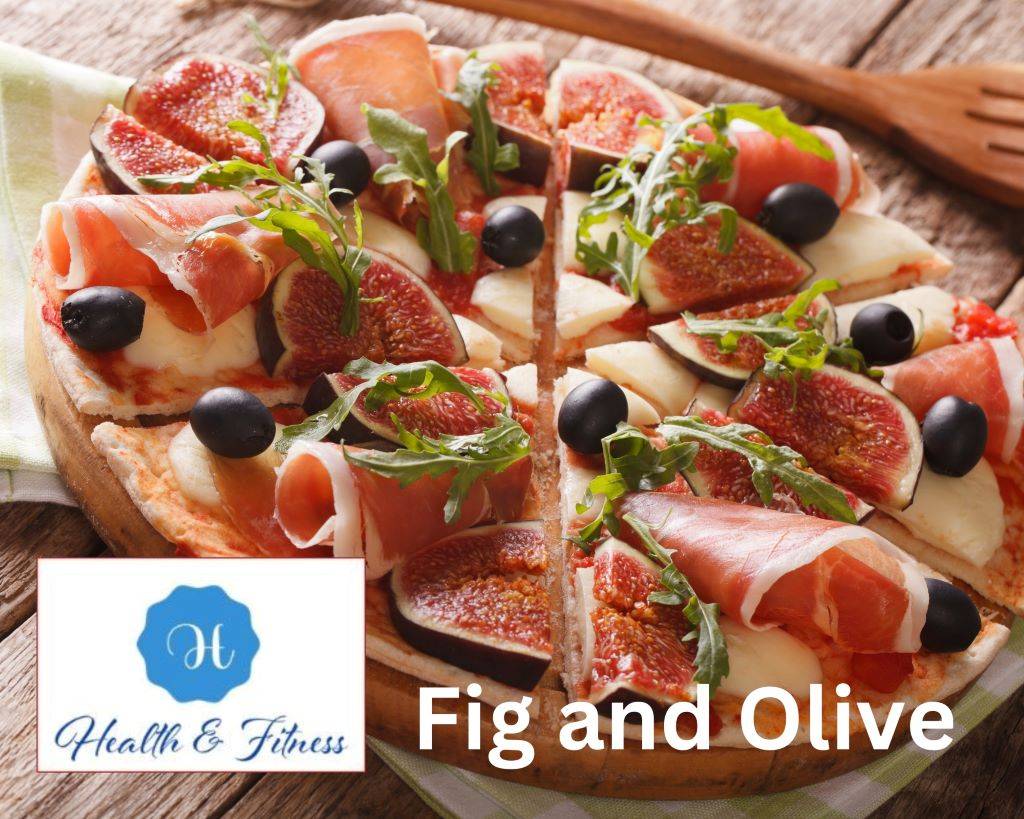
Fig and Olive with fresh figs green and black olives olive oil whole grain bread chickpeas salad walnuts and Mediterranean foods

Fig and Olive: 9 Delicious Pairings for Better Eating

Updated: September 9, 2026
Next review: September 2027 or sooner if major nutrition, heart health, sodium, diabetes, or dietary guidance changes
Written and source checked by: Adel Galal, Founder and Lead Writer at NextFitLife
Review status: Checked against current Dietary Guidelines for Americans 2025 to 2030, American Heart Association Mediterranean diet guidance, FDA sodium guidance, and peer reviewed research on figs and table olives. This article has not been medically reviewed by a physician or registered dietitian.

Quick answer: Fig and Olive make a useful sweet pairing. Figs provide natural carbohydrates, fiber, minerals, and plant compounds. Olives provide mostly unsaturated fat, some fiber, vitamin E, and phenolic compounds. Together they can fit a Mediterranean style meal, but they do not create a special cure or superfood effect.

Sweet fig.

Salty olive.

That contrast is the real secret.

Not detoxification.

Not fat burning.

Not some mysterious chemical reaction that appears when the two foods touch the same plate.

They simply work well together.

A ripe fig gives sweetness and a soft texture.

An olive gives salt, richness, and bite.

Add whole grains, vegetables, beans, yogurt, cheese, nuts, or another protein food and you have the beginning of a very useful meal.

This style of eating also fits naturally into a Mediterranean diet.

The American Heart Association describes Mediterranean style eating as a pattern rich in fruits, vegetables, grains, beans, nuts, seeds, and olive oil as a main source of fat.

That matters more than trying to prove that one fig and three olives have a unique health effect.

For the bigger picture, visit the NextFitLife Foods and Nutrition Hub.

What makes Fig and Olive work so well together?

Flavor comes first.

Figs are naturally sweet.

Olives are savory and salty.

Figs are soft.

Olives are firmer.

The contrast keeps a simple meal interesting.

Nutritionally, the foods bring different things too.

Figs contribute:

  • Dietary fiber
  • Natural carbohydrates
  • Potassium and other minerals
  • Polyphenols
  • Other plant compounds

Table olives contribute:

  • Monounsaturated fat
  • Some dietary fiber
  • Vitamin E
  • Polyphenols
  • Flavor that can make vegetables and whole grains easier to enjoy

This is a good food partnership.

It is not a medical treatment.

Fig versus olive versus olive oil

These foods are sometimes discussed as if they are nutritionally identical.

They are not.

FoodMain nutrition featureWhat to watch
Fresh figsFiber, water, natural carbohydrate, plant compoundsPortion if blood glucose control matters
Dried figsFiber and concentrated fruit nutrientsMore concentrated natural sugar and calories
Table olivesUnsaturated fat, some fiber, vitamin E, phenolicsSodium can be high
Extra virgin olive oilMostly unsaturated fat plus phenolic compoundsCalorie dense and contains no fiber

That last distinction matters.

Table olives and extra virgin olive oil come from the same fruit.

But whole olives still contain some fiber.

Olive oil does not.

Olive oil is almost entirely fat.

It can be an excellent cooking or dressing fat.

It is still concentrated energy.

Fresh figs or dried figs?

Both can fit.

They are not identical serving for serving.

Fresh figs

Fresh figs contain more water.

That gives them more volume.

They work very well in:

  • Salads
  • Toast
  • Yogurt bowls
  • Snack plates
  • Flatbreads

Dried figs

Dried figs have had much of their water removed.

That concentrates:

  • Natural sugar
  • Calories
  • Fiber
  • Minerals

A few dried figs can be useful.

A large bag eaten without noticing is different.

If weight management or diabetes matters for you, the smaller size of dried fruit makes portion awareness more useful.

Are figs a good source of fiber?

Yes.

Figs contribute dietary fiber.

This can support normal bowel function as part of an overall fiber rich diet.

But figs are not constipation medicine.

Your full pattern matters.

Useful fiber foods also include:

  • Oats
  • Beans
  • Lentils
  • Berries
  • Pears
  • Vegetables
  • Whole grains
  • Nuts
  • Seeds

See the High Fiber Foods Chart for Constipation for more options.

Can too many figs upset your stomach?

They can.

A large increase in fruit and fiber can cause:

  • Gas
  • Bloating
  • Cramping
  • Loose stool

Dried figs are especially easy to eat quickly.

If your current diet is low in fiber, start with a modest portion.

Add fiber gradually.

Drink enough fluid unless you have been told to restrict fluids.

Are olives healthy?

Olives can fit very well in a healthy eating pattern.

Table olives contain mostly monounsaturated fat, particularly oleic acid.

They also provide some fiber, vitamin E, and phenolic compounds such as hydroxytyrosol.

That makes them much more than a salty garnish.

But there is a catch.

Sodium.

Why can olives contain so much sodium?

Table olives are commonly processed and stored in brine.

That can make their sodium content high.

The FDA Daily Value for sodium is less than 2,300 mg per day.

FDA considers:

  • 5 percent Daily Value or less per serving low in sodium
  • 20 percent Daily Value or more per serving high in sodium

Olive brands can vary greatly.

Check the Nutrition Facts label.

How to make olives easier to fit

Try these simple habits:

  • Use a modest portion
  • Compare sodium between brands
  • Choose lower sodium olives when available
  • Let herbs, lemon, vinegar, and spices provide more flavor
  • Avoid adding lots of extra salt to a meal that already contains olives

You do not need to fear olives.

You just need to remember the brine counts.

Are olives good for heart health?

I would phrase it carefully.

Olives and olive oil can fit a heart healthy eating pattern because they provide unsaturated fat.

The American Heart Association recommends replacing sources of saturated fat with foods and oils containing more monounsaturated and polyunsaturated fat.

Olive oil is also a central fat in Mediterranean style eating.

But olives do not prevent heart disease on their own.

The pattern matters.

That includes:

  • Fruit
  • Vegetables
  • Whole grains
  • Beans and lentils
  • Nuts and seeds
  • Suitable protein foods
  • Unsaturated fats
  • Less excess sodium
  • Less saturated fat
  • Less highly processed food

Does combining Fig and Olive create extra health benefits?

There is no strong clinical evidence for a unique fig and olive synergy.

The foods complement each other.

That is enough.

A fig brings fruit, sweetness, and fiber.

An olive brings unsaturated fat and savory flavor.

Putting them together can help you build a satisfying snack or meal from whole foods.

But I would not claim the combination:

  • Detoxes the liver
  • Cleans the colon
  • Burns fat
  • Lowers cholesterol by itself
  • Cures constipation
  • Controls diabetes
  • Prevents cancer

That would go beyond the evidence.

9 delicious Fig and Olive pairing ideas

1. Fig and Olive Whole Grain Toast

This is the easiest one.

You need:

  • Whole grain bread
  • Fresh figs
  • A few sliced olives
  • Ricotta, cottage cheese, hummus, or another suitable spread
  • Black pepper
  • Fresh herbs

Method:

  1. Toast the bread.
  2. Add your chosen protein rich spread.
  3. Slice fresh figs on top.
  4. Add a few olive slices.
  5. Finish with black pepper and herbs.

The fig gives sweetness.

The olives stop the toast becoming dessert.

It works surprisingly well.

For more breakfast building ideas, visit Healthy Breakfast Foods.

2. Mediterranean Fig and Olive Salad

This makes a better lunch than a bowl of leaves with nothing else in it.

You need:

  • Mixed greens or arugula
  • Fresh figs
  • Olives
  • Chickpeas
  • Cucumber
  • Tomatoes
  • Walnuts
  • Extra virgin olive oil
  • Lemon juice or vinegar

Method:

  1. Add greens to a large bowl.
  2. Add chickpeas and vegetables.
  3. Quarter the figs.
  4. Add a modest serving of olives.
  5. Top with walnuts.
  6. Dress lightly with olive oil and lemon.

This gives you:

  • Fruit
  • Vegetables
  • Legumes
  • Nuts
  • Unsaturated fat

That whole combination matters more than either ingredient alone.

3. Fig and Olive Chickpea Grain Bowl

This is a good meal prep option.

You need:

  • Brown rice, quinoa, or another whole grain
  • Chickpeas
  • Fresh or chopped dried figs
  • Olives
  • Spinach
  • Cucumber
  • Carrots
  • Herbs
  • Lemon

Method:

  1. Add cooked grain to a bowl.
  2. Add chickpeas.
  3. Add vegetables.
  4. Add a small amount of fig.
  5. Add sliced olives.
  6. Finish with herbs and lemon.

If you use dried figs, chop them small.

You need less than you think.

4. Fig and Olive Flatbread

Sweet and salty works beautifully here.

You need:

  • Whole grain flatbread
  • Fresh figs
  • Sliced olives
  • Ricotta, mozzarella, feta, or a suitable plant alternative
  • Arugula
  • Black pepper

Method:

  1. Add a modest amount of cheese to the flatbread.
  2. Add sliced figs and olives.
  3. Bake until warm and crisp.
  4. Add arugula after cooking.
  5. Finish with pepper.

If you use feta plus olives, watch the sodium.

Two salty ingredients can add up fast.

5. Fig and Olive Lentil Salad

Lentils make this pairing much more filling.

You need:

  • Cooked lentils
  • Fresh figs
  • Olives
  • Parsley
  • Cucumber
  • Tomatoes
  • Lemon juice
  • Extra virgin olive oil

Method:

  1. Cool the cooked lentils.
  2. Add chopped vegetables.
  3. Add sliced figs.
  4. Add a few olives.
  5. Dress with lemon and a small amount of olive oil.

Lentils bring plant protein and more fiber.

This turns a snack pairing into a meal.

6. Fig and Olive Tapenade

This is where dried figs work particularly well.

You need:

  • Olives
  • One or two chopped dried figs
  • Lemon juice
  • Parsley
  • A small amount of extra virgin olive oil
  • Black pepper

Method:

  1. Chop the olives.
  2. Add finely chopped dried fig.
  3. Add parsley and lemon.
  4. Add just enough olive oil to bind the mixture.
  5. Mix until chunky.

Serve a small amount with:

  • Whole grain toast
  • Cucumber slices
  • Roasted vegetables
  • Bean spread

You do not need added sugar.

The fig handles that job.

7. Fig and Olive Yogurt Plate

This sounds odd until you try the savory version.

You need:

  • Plain Greek yogurt
  • Fresh figs
  • A few chopped olives
  • Walnuts
  • Mint
  • Black pepper

Use plain yogurt.

Not vanilla yogurt.

Add figs to one side.

Add olives and walnuts to the other.

Finish with mint.

The yogurt provides protein.

The figs and walnuts bring fiber.

The olives provide savory contrast.

8. Roasted Fig and Olive Tray

This works with tofu, chicken, or another protein that suits your diet.

You need:

  • Firm tofu or another suitable protein
  • Fresh figs
  • Olives
  • Zucchini
  • Bell peppers
  • Red onion if tolerated
  • Extra virgin olive oil
  • Thyme or rosemary

Method:

  1. Place the protein and vegetables on a tray.
  2. Add a small amount of olive oil.
  3. Roast until almost cooked.
  4. Add figs and olives near the end.
  5. Finish with herbs.

The figs soften.

Their sweetness balances the olives beautifully.

9. Fig and Olive Mediterranean Snack Plate

No cooking.

That earns it a place on the list.

Build a plate with:

  • One or two fresh figs
  • A modest portion of olives
  • Plain yogurt, hummus, or cheese
  • Walnuts or almonds
  • Cucumber
  • Tomatoes
  • Whole grain crackers or bread

This gives you different tastes and textures without turning snacks into ultra processed food.

Keep portions realistic.

A snack plate can quietly become a huge meal if every item is piled high.

9 Fig and Olive ideas at a glance

PairingMain advantageWhat to watch
Whole grain toastEasy breakfast or snackCheese and olive sodium
Mediterranean saladFruit, vegetables, legumes, healthy fatHeavy dressing
Chickpea grain bowlFiber and plant proteinDried fig portion
FlatbreadEasy sweet savory mealCheese and olive sodium
Lentil saladFiber and proteinLarge legume portions if sensitive
Fig olive tapenadeStrong flavor from a small portionSodium
Yogurt plateProtein plus fruit and healthy fatsLactose intolerance
Roasted trayComplete warm mealAmount of added oil
Mediterranean snack plateSimple whole food snackOverall portion

Can Fig and Olive support a Mediterranean diet?

Yes.

They fit naturally.

But the Mediterranean diet is much bigger than figs and olives.

The American Heart Association describes the pattern as including plenty of:

  • Fruit
  • Vegetables
  • Whole grains
  • Potatoes
  • Beans
  • Nuts
  • Seeds

Olive oil is used as a main fat.

Fish and poultry are used more often than red meat in traditional versions.

The pattern also limits highly processed foods and excess sodium.

So if your โ€œMediterranean mealโ€ is mostly cheese, salty olives, white bread, and a huge pour of oil, you have missed much of the point.

What is special about extra virgin olive oil?

Extra virgin olive oil is produced without refining that strips away many minor compounds.

It contains mostly oleic acid, a monounsaturated fat.

It also contains phenolic compounds.

That makes it a useful cooking and dressing fat.

But keep one thing clear.

Olive oil is still oil.

It is calorie dense.

A drizzle can become several tablespoons very quickly if you pour without looking.

Use enough to make food taste good.

You do not need to drink it.

Are dried figs good for constipation?

Dried figs provide fiber.

They can be part of a constipation friendly diet.

They are not a guaranteed laxative.

If constipation is mild, your wider plan should include:

  • Enough fiber
  • Enough fluid
  • Regular movement
  • A bathroom routine
  • Review of constipating medicines when relevant

If dried figs cause bloating or diarrhea, reduce the portion.

More is not better.

For a full digestive meal guide, see Recipes for Healthy Gut.

Can people with diabetes eat figs?

Many can.

Figs contain carbohydrate and natural sugars.

That means they affect blood glucose.

Dried figs are more concentrated than fresh figs.

If you have diabetes:

  • Watch the portion
  • Count the carbohydrate as part of your meal plan
  • Prefer whole fruit rather than fig syrup
  • Pair fruit with a balanced meal when useful
  • Monitor your own blood glucose as advised

Do not use figs to lower blood sugar.

Do not avoid all fruit simply because it tastes sweet.

Your individual diabetes plan matters.

What about fig jam?

Fig jam can taste excellent with olives and cheese.

But it is different from whole figs.

Commercial jam may contain:

  • Added sugar
  • Concentrated fruit
  • A smaller amount of fiber per bite than whole fruit

Use it as a condiment.

Not as your main fruit source.

A teaspoon or small spoon can provide plenty of flavor.

Can Fig and Olive help with weight loss?

Neither food burns fat.

They can fit a weight management diet.

Fresh figs add sweetness and fiber.

Olives add strong flavor from a small portion.

Olive oil and dried figs are both concentrated foods, so portions still matter.

The better question is:

What are they replacing?

If a fig, yogurt, and walnut snack replaces a large pastry, that can be useful.

If you add figs, olives, nuts, cheese, bread, and lots of olive oil on top of everything you already eat, they do not create weight loss.

For the full approach, visit the Weight Loss and Metabolism Hub.

Can Fig and Olive lower cholesterol?

I would not make that promise.

Unsaturated fats can be useful when they replace saturated fats.

Fiber rich plant foods can also fit a cholesterol conscious eating pattern.

But cholesterol changes depend on the whole diet and other factors.

If you replace butter heavy food with vegetables, beans, fruit, whole grains, nuts, and olive oil, that dietary change is meaningful.

Eating a few olives while keeping the rest of the diet unchanged is a different situation.

Can Fig and Olive help blood pressure?

The pair is not blood pressure medicine.

Figs contribute minerals and plant foods fit well in heart healthy eating.

But table olives can contain a lot of sodium.

If you have high blood pressure:

  • Check olive sodium
  • Use smaller portions
  • Choose lower sodium versions when available
  • Eat plenty of vegetables and fruit
  • Follow your prescribed treatment

Read the High Blood Pressure Guide for the wider strategy.

Are black olives healthier than green olives?

Not automatically.

Color alone does not give you a winner.

Olive nutrition changes with:

  • Cultivar
  • Ripeness
  • Curing method
  • Fermentation
  • Brine
  • Storage

Green and black olives can both fit a healthy diet.

Compare flavor, sodium, portion, and ingredients.

You do not need to rank every olive.

Should you buy olives in oil or brine?

Both can fit.

Brined olives can be high in sodium.

Olives packed in oil add more oil to the serving.

Read the label.

Decide which works better for your meal.

Do not assume โ€œMediterraneanโ€ means unlimited salt or oil.

Can people with kidney disease eat Fig and Olive?

Kidney diets are individual.

Some people with chronic kidney disease receive special advice about:

  • Sodium
  • Potassium
  • Protein
  • Phosphorus
  • Fluid

Table olives can be high in sodium.

Fruit and dried fruit can also affect a personal potassium plan.

Do not use a general Mediterranean food article as a renal diet prescription.

Ask your kidney care team what portions fit your blood tests and treatment.

Are Fig and Olive good for children?

They can fit an age appropriate diet.

But whole olives with pits can be a choking risk.

Remove pits completely.

Cut foods into an age appropriate shape.

Olives can also be salty, so large amounts are not needed.

Young children have different sodium needs from adults.

How to shop for good figs

For fresh figs, look for fruit that:

  • Feels ripe but not badly damaged
  • Has no visible mold
  • Smells fresh
  • Does not leak excessively

Fresh figs are delicate.

Use them soon.

How to shop for dried figs

Check the ingredients.

Plain dried figs do not need added sugar.

Also check:

  • Serving size
  • Added sugar
  • Packaging condition
  • Storage directions

Natural white crystals can sometimes appear on dried figs as fruit sugars reach the surface.

Visible mold, bad odor, or obvious spoilage is different.

How to shop for olives

Check:

  • Sodium per serving
  • Serving size
  • Whether pits remain
  • Added ingredients
  • Type of packing liquid

If two olives taste equally good and one has much less sodium, that can be an easy choice.

Common Fig and Olive mistakes

Calling the pair a superfood cure

They are food.

Eating dried figs like fresh figs

Dried fruit is much more concentrated.

Ignoring olive sodium

The brine counts.

Pouring unlimited olive oil

Healthy fat still contains calories.

Adding salty cheese to a salty olive meal without thinking

Sodium can stack quickly.

Turning figs into syrup and calling it healthier than sugar

Concentrated fruit sweeteners are still concentrated sweetness.

Expecting the pair to fix constipation or cholesterol alone

The whole eating pattern matters.

How I approach Fig and Olive nutrition advice

At NextFitLife, I separate good food from exaggerated claims.

For this guide, I checked:

  • Current healthy eating guidance
  • Mediterranean diet recommendations
  • Fig nutrition and phytochemical research
  • Table olive composition research
  • Healthy fats
  • Sodium guidance
  • Fresh versus dried fruit
  • Realistic portions

The conclusion is not complicated.

Figs are nutritious fruit.

Olives are a flavorful source of unsaturated fat and plant compounds.

Olive oil is a useful cooking fat.

They fit especially well when the rest of the plate contains vegetables, whole grains, beans, nuts, seeds, and suitable protein.

That is where the value is.

Conclusion

Fig and Olive deserve a place together because the sweet and savory flavors work beautifully and each food brings something different to the meal.

Use fresh figs when you want more volume.

Use dried figs in smaller portions.

Enjoy olives for flavor and unsaturated fat, but check the sodium.

Use olive oil as a useful fat, not an unlimited health drink.

Your next step: try the Fig and Olive whole grain toast or Mediterranean salad this week. Keep the portions simple and build the rest of the meal around vegetables, whole grains, legumes, and a suitable protein.

References and Sources

These sources are public and clickable so readers can review the evidence and nutrition guidance directly.

  1. U.S. Department of Health and Human Services and U.S. Department of Agriculture
    Dietary Guidelines for Americans 2025 to 2030

    https://odphp.health.gov/our-work/nutrition-physical-activity/dietary-guidelines/current-dietary-guidelines
    Used for current guidance prioritizing whole nutrient dense foods including fruit, vegetables, healthy fats, whole grains, and less excess sodium and highly processed food.
  2. American Heart Association
    What Is the Mediterranean Diet?

    https://www.heart.org/en/healthy-living/healthy-eating/eat-smart/nutrition-basics/mediterranean-diet
    Used for Mediterranean style dietary guidance emphasizing fruits, vegetables, grains, beans, nuts, seeds, minimally processed foods, and olive oil as a main fat source.
  3. Peer Reviewed Fig Review via PubMed Central
    Phytochemical Composition and Health Benefits of Figs Fresh and Dried

    https://pmc.ncbi.nlm.nih.gov/articles/PMC10255635/
    Used for fig fiber, minerals, phytochemicals, fresh and dried fig composition, and the limits of claims about specific health effects.
  4. Peer Reviewed Table Olive Review via PubMed Central
    Table Olives and Health: A Review

    https://pmc.ncbi.nlm.nih.gov/articles/PMC7737178/
    Used for table olive monounsaturated fat, fiber, vitamin E, phenolic compounds, processing, and the high sodium content found in many brined olive products.
  5. U.S. Food and Drug Administration
    Sodium in Your Diet

    https://www.fda.gov/food/nutrition-education-resources-materials/sodium-your-diet
    Used for the 2,300 mg sodium Daily Value, Nutrition Facts label guidance, and the definition of low and high sodium percentages per serving.

Explore More on NextFitLife

About the Author

Adel Galal
Founder and Lead Writer at NextFitLife

Adel Galal is the founder and lead writer of NextFitLife, an independent health and wellness website focused on clear and practical information about health, fitness, nutrition, food, beauty, and healthy aging.

He has more than 30 years of independent study and practical interest in nutrition, fitness, digestive health, weight management, sleep, and healthy aging, along with more than 15 years of health and wellness writing experience.

His editorial approach focuses on checking nutrition claims against public health guidance, food composition data, and peer reviewed research.

For food articles, Adel separates what a food actually contains from claims that it can cure or prevent disease.

That distinction matters with figs and olives because both foods have long cultural histories and many plant compounds, but that does not turn a food pairing into medicine.

Adel is not a physician, registered dietitian, cardiologist, gastroenterologist, endocrinologist, nephrologist, pharmacist, or other licensed healthcare professional.

I am not a dermatologist or A doctor, and this content does not replace professional medical advice. What I share comes from real-life experience, extensive research, and consultation with healthcare providers. Always consult qualified medical professionals for diagnosis and treatment of any health condition.


Learn more about Adel Galal and NextFitLife

Frequently Asked Questions

Are Fig and Olive healthy together?

Yes. Figs provide fiber, natural carbohydrates, minerals, and plant compounds, while olives provide mostly unsaturated fat, some fiber, vitamin E, and phenolics. The pairing can fit a balanced Mediterranean style meal.

What does Fig and Olive taste like together?

Figs are sweet and soft while olives are salty, savory, and firmer. The contrast works well in salads, toast, grain bowls, flatbreads, and snack plates.

Do Fig and Olive have a special health benefit when eaten together?

No unique clinical effect has been proven. Their value comes from the nutrients each food contributes and how they fit into a healthy overall eating pattern.

Are fresh figs healthier than dried figs?

Both can fit a healthy diet. Fresh figs contain more water and are less concentrated. Dried figs provide concentrated fiber and nutrients but also more natural sugar and calories in a smaller portion.

Are figs high in fiber?

Figs provide dietary fiber and can contribute to normal bowel function as part of a fiber rich diet.

Can figs help constipation?

The fiber in figs can support bowel regularity, but figs are not a guaranteed treatment for constipation. Fluid, total fiber intake, movement, medications, and medical causes also matter.

Can too many figs cause diarrhea?

A large amount of figs or a rapid increase in dietary fiber can cause gas, bloating, cramps, or loose stool in some people.

Are olives a healthy fat?

Olives contain mostly monounsaturated fat, including oleic acid. They can fit well in a diet that uses unsaturated fats in place of excess saturated fat.

Are olives high in sodium?

They can be. Table olives are often processed and stored in brine, so sodium varies widely by product. Check the Nutrition Facts label and compare brands.

Are black olives healthier than green olives?

Not automatically. Nutrient and sodium content vary with cultivar, ripeness, curing method, fermentation, and packaging. Both can fit a healthy diet.

Is olive oil healthier than whole olives?

They are different foods. Olive oil provides concentrated unsaturated fat and phenolic compounds but no fiber. Whole olives provide some fiber but often contain more sodium from processing.

Is extra virgin olive oil good for heart health?

Extra virgin olive oil can fit a heart healthy Mediterranean style diet and provides mostly monounsaturated fat. Its benefit depends on the overall eating pattern and what fats it replaces.

Can Fig and Olive help weight loss?

They do not burn fat. Both can fit a weight management plan in suitable portions, especially when they help replace less nutritious snacks or heavily processed foods.

Can people with diabetes eat figs?

Many can. Figs contain carbohydrate and natural sugars, so serving size should fit the person's diabetes meal plan. Dried figs are more concentrated than fresh figs.

Are fig jam and fresh figs the same nutritionally?

No. Jam is more concentrated and often contains added sugar. Fresh whole figs retain their natural fruit structure and are usually a better everyday fruit choice.

What cheese tastes good with figs and olives?

Ricotta, feta, mozzarella, cottage cheese, and goat cheese can all work. If you combine salty cheese with olives, pay attention to the total sodium in the meal.

Can I eat Fig and Olive every day?

They can fit regular eating for many healthy adults, but there is no need to eat them every day. Variety across fruits, vegetables, grains, legumes, nuts, seeds, and protein foods is more useful.

Can people with kidney disease eat figs and olives?

It depends on individual sodium, potassium, fluid, and kidney needs. People with chronic kidney disease should follow the plan provided by their doctor or renal dietitian.

Scroll to Top