Last Updated: May 2026 — Consolidated and expanded with 2026 research from Mayo Clinic and American Migraine Foundation
That heavy pressure behind your eyes, the dull ache across your cheeks and forehead, the feeling that your head is filled with wet concrete. If you know this feeling, you know sinus headache pain. It is one of the most common self-diagnosed conditions in the world — and paradoxically, one of the most misdiagnosed. Research published by the American Migraine Foundation found that up to 90 percent of people who believe they have Sinus blockage pain have migraines. That matters enormously because the treatment approaches are completely different.
In this comprehensive guide, I cover everything: what a true sinus headache is, how to tell it apart from a sinus migraine, what causes the pressure and pain, the fastest relief options, the most effective natural remedies with honest evidence assessments, and when symptoms mean you need medical attention. I have merged four separate articles on this topic into one complete resource, so you do not have to piece the information together from multiple places. How mineral deficiencies contribute to chronic symptoms
| KEY FACTS | Up to 90% of self-diagnosed sinus headaches are actually migraines (American Migraine Foundation)
True sinus headaches are caused by sinusitis — infection or inflammation of the sinus cavities It almost always comes with nasal symptoms — runny nose, congestion, coloured discharge Pure sinus headache without nasal symptoms is extremely rare and warrants medical evaluation Most acute sinusitis episodes resolve within 7 to 10 days with or without antibiotics Chronic sinusitis lasting over 12 weeks affects approximately 12% of adults globally |
What is a sinus headache, and what causes it?
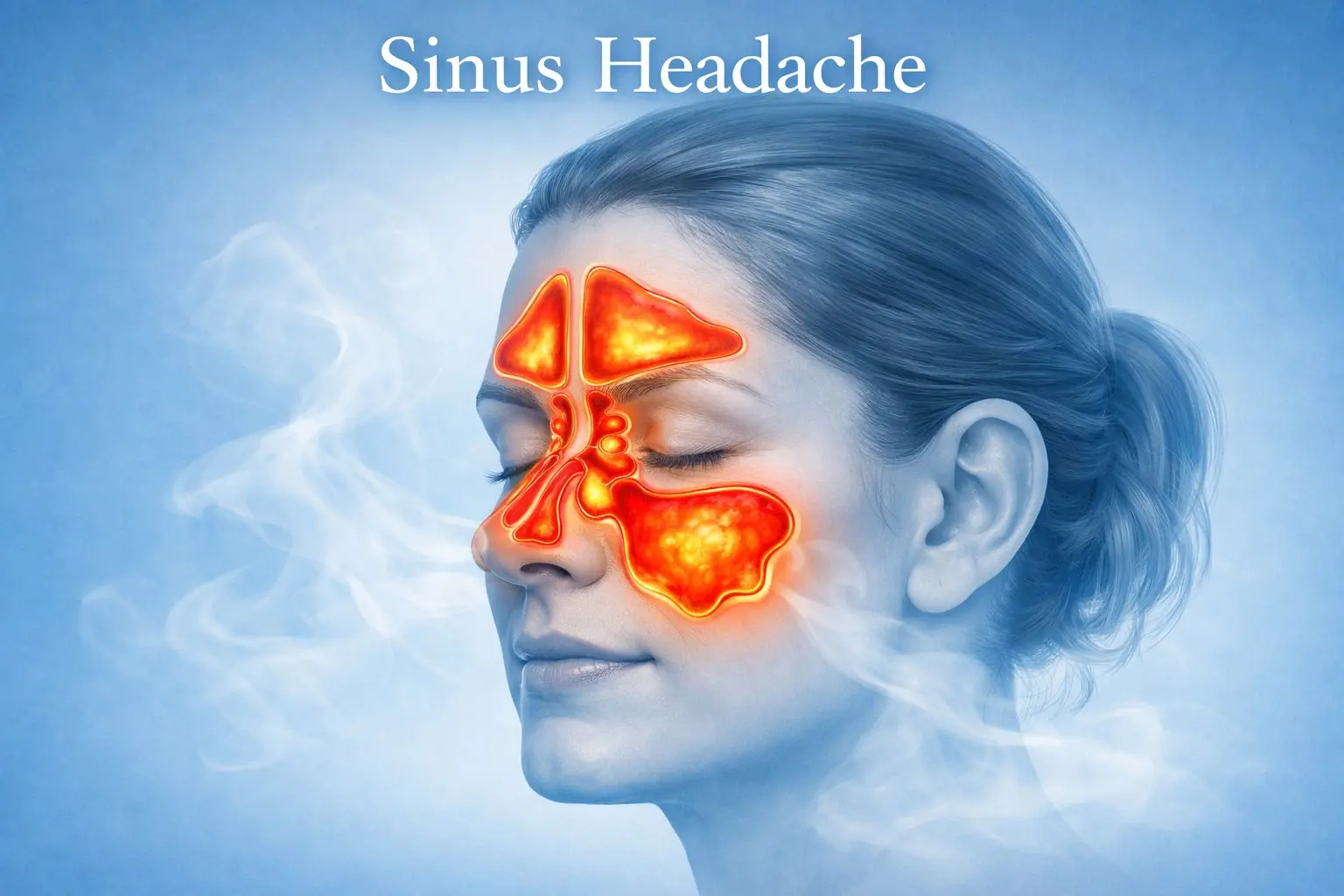
A true sinus pressure discomfort results from inflammation or infection of the sinuses — the air-filled cavities behind your forehead, cheekbones, and nose. When these cavities become inflamed and fill with mucus, the pressure they create causes the characteristic throbbing pain and facial heaviness most people associate with sinus problems.
The medical term for inflamed sinuses is sinusitis. It can be acute (lasting under 4 weeks, usually from a cold or bacterial infection) or chronic (lasting over 12 weeks, often from allergies, structural issues, or persistent infection). The Sinus blockage pain itself is a symptom of sinusitis, not a separate condition.
The sinuses most commonly involved in headache pain are the frontal sinuses (forehead), maxillary sinuses (cheeks and upper jaw area), and ethmoid sinuses (between the eyes). When these fill with inflamed tissue and trapped mucus, the resulting pressure creates the distinctive facial pain pattern.
What are the major causes of sinus headaches?
Understanding the causes of Sinus pressure headache helps you identify what is triggering yours and which treatment approach will work best.
Viral Infections - The Most Common Cause
The common cold is responsible for most cases of acute sinusitis and the resulting sinus pressure headache. When a viral infection swells the sinus lining, mucus cannot drain normally. The trapped fluid creates pressure that builds over hours into the familiar headache. Viral sinusitis typically resolves within 7 to 10 days and does not respond to antibiotics.
Bacterial Sinusitis
When a cold lingers beyond 10 days and symptoms worsen rather than improve, bacterial sinusitis may have developed. Signs include thick yellow or green nasal discharge, fever, and facial pain that worsens when bending forward. Bacterial sinusitis may require antibiotic treatment — this is one of the few situations where antibiotics are appropriate for a sinus condition.
Allergic Sinusitis
Seasonal allergies and year-round allergic rhinitis are among the most common causes of recurring Sinus pressure headache. Allergens cause chronic inflammation of the sinus lining, which impairs drainage and creates persistent low-grade sinus pressure. Managing the underlying allergy is the key to breaking the cycle of allergy-related sinus headaches. How chronic inflammation affects overall health
Structural Causes
A deviated nasal septum, nasal polyps, or narrow sinus passages can all impair normal drainage and create conditions for recurrent Sinus inflammation and pain. These structural causes are worth investigating if Sinus blockage pain is frequent and not clearly linked to infections or allergies.
Environmental Triggers
- Rapid changes in atmospheric pressure — flying, altitude changes, weather fronts
- Dry indoor air reduces the moisture that keeps sinus passages functioning normally
- Smoke and air pollution irritate sinus tissue
- Strong perfumes, cleaning products, and chemical fumes
- Swimming — chlorinated water entering the sinus cavities
Sinus Headache vs Sinus Migraine -How to Tell the Difference
This distinction is critical because misdiagnosing a migraine as sinus blockage pain leads to ineffective treatment. Research from the American Migraine Foundation found that most people who self-diagnose with sinus headaches actually have migraines with sinus symptoms — a phenomenon driven by the fact that migraines can cause nasal congestion and facial pressure through the same nerve pathways.
| Feature | True Sinus Headache | Sinus Migraine |
| Nasal symptoms | Always present — thick coloured discharge | Sometimes present but often clear |
| Fever | Sometimes present | Not present |
| Pain location | Facial pressure — cheeks, forehead, eyes | Often one-sided, throbbing |
| Nausea | Rarely | Very common |
| Light sensitivity | Rarely | Very common |
| Duration | Days — if sinusitis lasts | 4 to 72 hours is typical |
| Response to decongestants | Good improvement | Minimal improvement |
| Response to triptans | Little or none | Significant improvement |
| Triggers | Colds, allergies, and weather | Stress, hormones, food, sleep |
The clearest distinguishing feature is nasal discharge. A true sinus headache virtually always comes with thick, coloured mucus — yellow, green, or dark. If your headache has sinus-like pressure but your mucus is clear and watery, or absent entirely, the headache is much more likely to be a migraine affecting the sinus nerves.
What are the Symptoms of a sinus headache?
True sinus headache symptoms always include both the headache itself and nasal symptoms simultaneously. If nasal symptoms are absent, reconsider whether this is actually a Sinus congestion headache.
Primary Symptoms
- Deep, dull aching pressure in the forehead, cheeks, and around the eyes
- Pain worsens when bending forward or lying down
- Thick nasal discharge that is yellow, green, or brown
- Nasal congestion makes breathing through the nose difficult
- Reduced sense of smell and taste
- Feeling full or pressure in the ears
Additional symptoms that may accompany sinusitis
- Low-grade fever, particularly with bacterial sinusitis
- Fatigue and a general feeling of being unwell
- Bad breath from infected mucus draining into the throat
- Postnasal drip is causing throat irritation and cough, particularly at night
- Tooth pain in the upper teeth — the maxillary sinuses sit directly above the upper teeth roots
| SEE A DOCTOR IF | Symptoms last longer than 10 days without improvement
You have a high fever above 39 degrees Celsius Severe headache that is the worst of your life — this warrants immediate evaluation Vision changes, swelling around the eyes, or a stiff neck alongside a headache Symptoms significantly worsen after initial improvement You have had more than 3 sinus infections in one year |
How to Get Rid of a Sinus Headache Fast: Relief That Works
For immediate Sinus blockage pain relief, the goal is to reduce inflammation, open drainage pathways, and manage pain while the underlying cause resolves. Here is what works fastest.
Steam Inhalation - Fastest Natural Relief
Inhaling steam directly reduces sinus inflammation and loosens mucus for immediate drainage. Boil water, pour it into a bowl, drape a towel over your head, and breathe the steam for 5 to 10 minutes. Adding a few drops of eucalyptus oil enhances the effect — eucalyptol has documented anti-inflammatory and mucolytic properties in peer-reviewed research.
A hot shower with steam filling the bathroom achieves a similar effect and is easier to sustain. Many people find this provides 30 to 60 minutes of meaningful pressure relief.
Saline Nasal Irrigation - The Most Evidence-Backed Option
Saline nasal irrigation using a neti pot or squeezing bottle flushes mucus and debris directly from the sinus passages. The Cochrane Collaboration found consistent evidence that nasal saline irrigation improves symptoms and quality of life in sinusitis. It is safe, inexpensive, and more effective than many over-the-counter medications for symptom relief.
Use sterile or distilled water — never tap water with a pre-measured saline packet. Tilt your head sideways, insert the spout, and allow the solution to flow through one nostril and out the other. Do this twice daily when sinusitis is active.
Over-the-counter decongestants
Oral decongestants containing pseudoephedrine or phenylephrine reduce nasal swelling and open drainage pathways. Nasal decongestant sprays containing oxymetazoline work faster and more powerfully but must not be used for more than 3 consecutive days — longer use causes rebound congestion called rhinitis medicamentosa, which worsens congestion and creates dependency.
Pain Relief Medication
Standard pain relievers such as ibuprofen, naproxen, or paracetamol reduce sinus headache pain. Ibuprofen and naproxen have the added benefit of reducing inflammation directly. Follow the package dosing instructions. Do not use for more than 10 consecutive days without medical guidance — overuse of pain medication can paradoxically cause rebound headaches.
Warm Compress
Applying a warm, damp compress over the sinus areas — forehead and cheeks — for 10 to 15 minutes dilates blood vessels, encourages mucus movement, and provides direct pain relief. Simple, free, and effective as an immediate comfort measure alongside other treatments.
Natural Remedies for Sinus Headache: What the Evidence Shows
Several natural remedies for Sinus blockage pain have genuine scientific support. Here is an honest review of each. anti-inflammatory foods that reduce sinus pressure
Eucalyptus Oil — Solid Evidence
Eucalyptol, the active compound in eucalyptus oil, has been studied as a treatment for sinusitis. A randomized controlled trial published in the Laryngoscope found that cineole (eucalyptol) supplementation significantly reduced sinusitis symptoms compared to placebo. Adding eucalyptus oil to steam inhalation or using a chest rub provides genuine mucus-clearing and anti-inflammatory benefits.
Ginger Tea - Anti-inflammatory support
Ginger contains gingerols and shogaols with documented anti-inflammatory properties. While no large trials specifically address ginger for sinusitis, its mechanisms are consistent with reducing sinus inflammation. Ginger tea with raw honey — which has its own antimicrobial properties — provides warmth that eases congestion alongside the active anti-inflammatory compounds.
Apple Cider Vinegar - Popular but Limited Evidence
Apple cider vinegar is widely recommended online for sinus relief. The proposed mechanism — that acetic acid thins mucus and its alkalizing effect reduces inflammation — is not well supported in clinical literature. It will not cause harm in diluted form, but should not be relied upon as a primary treatment.
Spicy Foods - Capsaicin Effect
Eating spicy foods containing capsaicin — chilli peppers, horseradish, wasabi — triggers an immediate increase in nasal secretions that temporarily flushes the nasal passages. This provides short-term relief but does not address the underlying inflammation. It is a useful immediate measure when you need quick temporary drainage.
Humidifier - Prevention and Comfort
Dry indoor air — particularly in winter with central heating — thickens nasal mucus and impairs sinus drainage. Running a humidifier in the bedroom keeps mucus thin enough to drain properly. The American Academy of Otolaryngology recommends maintaining indoor humidity between 40 and 50 percent for optimal sinus health.
Hydration
Staying well hydrated directly this sinus mucus, making it easier to drain. Aim for at least 2 litres of fluid daily when experiencing sinusitis. Warm fluids — herbal teas, broth are particularly helpful because the warmth provides additional steam and the additional fluid supports systemic hydration. How poor sleep worsens inflammation and immune response
Chronic Sinus Headaches: When They Keep Coming Back
If you are experiencing frequent Sinus congestion headaches more than 3 or 4 per year, there is an underlying cause that lifestyle measures alone will not fully resolve. Addressing the root cause is the only way to break the cycle.
Allergy Testing and Management
Unmanaged allergic rhinitis is the most common driver of recurrent Sinus congestion headache. An allergy test identifies your specific triggers. Options then include avoidance strategies, antihistamines, nasal corticosteroid sprays, and, for significant allergies, immunotherapy, which systematically reduces allergic sensitivity over time.
Nasal Corticosteroid Sprays
Nasal steroid sprays such as fluticasone, budesonide, or mometasone reduce chronic nasal inflammation with minimal systemic absorption. They are first-line treatments for both allergic rhinitis and chronic sinusitis in clinical guidelines. They require consistent daily use for 2 to 4 weeks before their full effect is felt.
managing chronic health conditions naturally
Structural Assessment
If recurrent sinusitis occurs despite managed allergies and good nasal hygiene, a CT scan of the sinuses can identify structural issues such as a deviated septum or nasal polyps. These are treatable with surgery — septoplasty for a deviated septum, endoscopic sinus surgery for polyps — that provides lasting relief when conservative measures have failed.
What I Do Personally for Sinus Pressure at 58
| Adel Galal | Living in a climate with significant seasonal changes, I deal with allergy-related sinus pressure
Every spring and autumn. Over the years, I have found what actually works versus what sounds Good on the internet. Here is my personal protocol: Daily saline nasal rinse every morning during allergy season — this single habit has halved the number of sinus headache days I experience each year. Humidifier running in the bedroom, October through April. Steam inhalation with 2 drops of eucalyptus oil at the first sign of sinus pressure. This often stops developing headaches within 30 to 40 minutes. Ginger and honey tea in the evenings during high-pollen periods. I avoid oral decongestants where possible and never use nasal decongestant sprays For more than 2 consecutive days. Rebound congestion is a real problem I experienced firsthand before understanding the 3-day limit rule. Related ArticlesREFERENCES AND SOURCES
|
Adel Galal
Health and Wellness Writer | 30+ Years Personal Practice | Founder, NextFitLife.com
Adel Galal has studied and practised health, fitness, and natural aging for over 30 years. At 58, he writes from genuine lived experience, combining evidence-based research with real-world personal observation to make health guidance practical for adults over 40. He is not a doctor. Everything shared reflects personal research, experience, and consultation with healthcare providers. Always consult a qualified medical professional before changing your health routine.

Health & wellness writer with 30+ years of experience in nutrition, fitness, and healthy aging. Founder of NextFitLife.com — evidence-based health guidance.