Published on: October 15, 2026
Updated on: October 15, 2026
Written and source checked by: Adel Galal, Founder and Lead Writer at NextFitLife
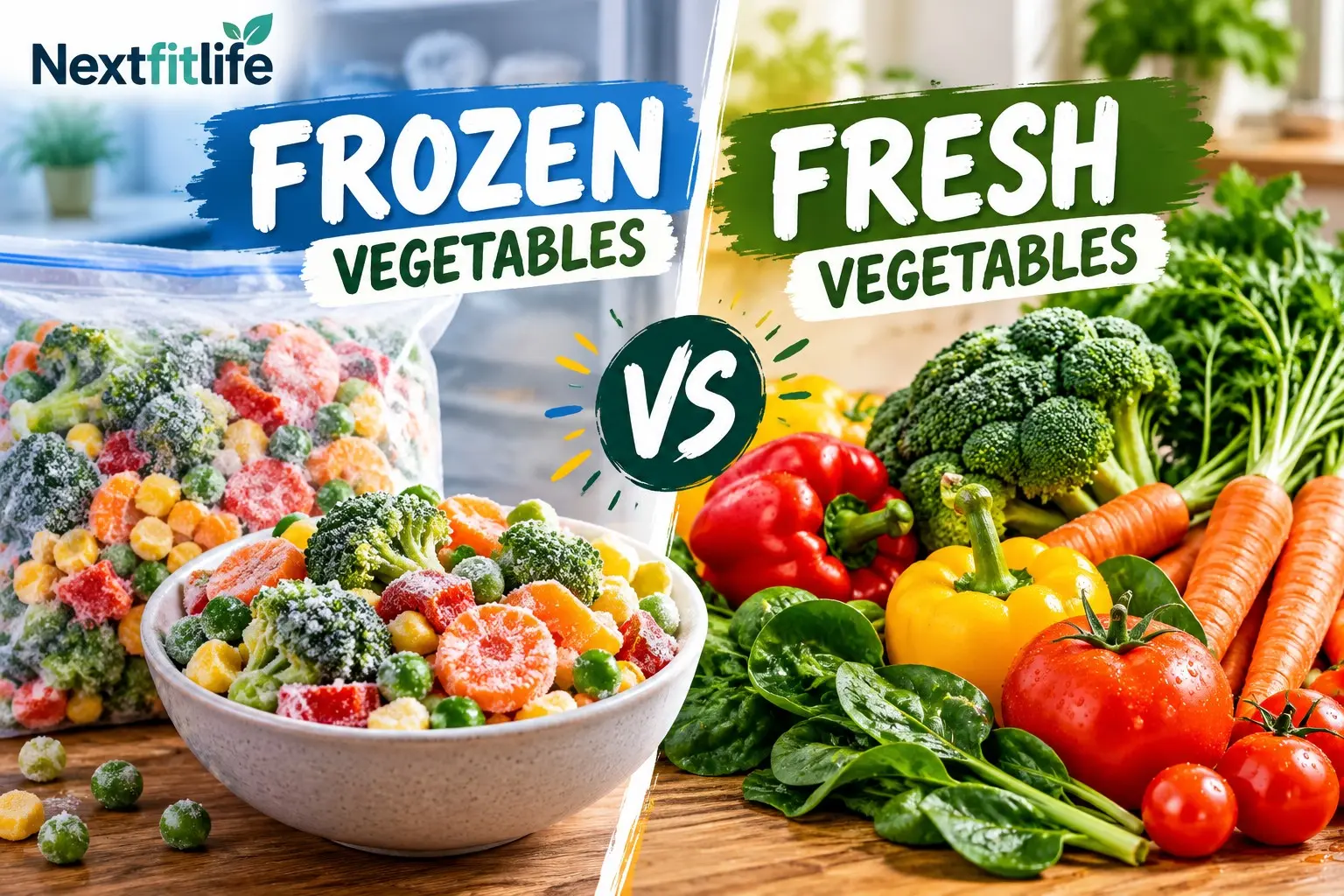
Frozen vegetables vs fresh is not a contest with one winner. Plain frozen vegetables can be just as nutritious as fresh vegetables, while fresh produce often wins when crisp texture and raw flavor matter. The smarter choice depends on the vegetable, how long it has been stored, how you cook it, your budget, and whether you will actually eat it.
This article is for general information and education. It does not replace medical advice, diagnosis, or treatment.
The CDC also states that frozen vegetables and fruits can be as nutritious as fresh versions. It advises choosing products without added salt, sugar, or syrup.
Table of Contents
- The quick verdict
- When fresh wins
- When frozen wins
- Nutrition
- Vitamins and minerals
- Storage and nutrient loss
- Blanching before freezing
- Cooking
- Why method matters
- Best ways to use frozen vegetables
- Health goals
- Weight management
- Meal planning
- Lower sodium choices
- Cost and waste
- Best vegetables to buy frozen or fresh
- Buying checklist
- FAQs
1. Which Is Better: Frozen Vegetables or Fresh?
For everyday nutrition, both are good choices.
Fresh vegetables make the most sense when you want crisp texture, raw flavor, or produce that you will use soon. Frozen vegetables make more sense when you need speed, longer storage, less preparation, or an easy way to keep vegetables available.
The real mistake is buying fresh produce because it feels healthier, then throwing half of it away a week later.
USDA MyPlate does not treat frozen vegetables as a lesser food group. Fresh, frozen, canned, cooked, and raw vegetables all count.
| Your Goal | Better Starting Choice | Why It Works |
|---|---|---|
| Raw salads | Fresh | Better crunch and texture |
| Quick dinners | Frozen | Already washed and cut in many products |
| Soups and stews | Frozen | Soft texture is rarely a problem |
| Stir fries | Fresh or frozen | Fresh gives more crunch, while frozen saves time |
| Reducing food waste | Frozen | You can use only the amount you need |
| Seasonal flavor | Fresh | Good seasonal produce can have excellent taste and texture |
| Meal prep | Both | Use each form where it performs best |
This practical approach fits the broader NextFitLife Healthy Eating Lifestyle guide, where convenience, budget, nutrition, and the full eating pattern matter more than food labels such as fresh or processed.
2. Are Frozen Vegetables as Nutritious as Fresh?
Yes, they can be.
Research comparing refrigerated fresh produce with frozen produce found that nutrient levels were often similar. The result was not identical for every vegetable or nutrient, so claims that frozen food always has more nutrients are too simple.
The useful message is that frozen vegetable nutrition can remain strong enough that you should not avoid the freezer aisle because you think fresh automatically means healthier.
A University of California, Davis research team compared fresh and frozen forms of eight fruits and vegetables. Their work found that frozen produce was generally comparable with refrigerated fresh produce for several vitamins. A second analysis found that minerals, fiber, and total phenolic compounds were also broadly comparable in most of the foods studied.
That gives us a better question than “Which is healthiest?”
Ask how the vegetable was stored, how long it sat before you ate it, and how you plan to cook it.
Fresh does not mean just picked
Fresh vegetables can be excellent. But supermarket vegetables may spend time being transported, stored, displayed, taken home, and then stored again in your refrigerator.
Vegetables remain biologically active after harvest. Over time, some nutrients can change.
This does not mean vegetables become useless after a few days. It means the word “fresh” tells only part of the story.
Freezing slows change
Freezing greatly slows many changes in food.
Vegetables intended for freezing are commonly processed soon after harvest. Many are washed, cut, blanched, cooled, and frozen.
This helps explain why frozen produce can compare well with refrigerated produce even after processing.
3. Does Blanching Destroy Nutrients?
It affects some nutrients, but that does not make frozen vegetables nutritionally poor.
Blanching means exposing a vegetable briefly to hot water or steam before freezing. This step helps slow enzymes that would otherwise keep changing the food during frozen storage.
Heat and water can reduce some heat sensitive or water soluble nutrients. Vitamin C is one example. Yet frozen storage can then slow further change.
The result is a tradeoff, not a nutritional disaster.
This is also why comparing one nutrient in one vegetable does not tell you whether fresh or frozen vegetables are better overall.
If you want to learn more about vitamins from food, visit our Nutrition and Vitamins hub.
4. Cooking Method Can Matter More Than Fresh Versus Frozen
This point gets missed in many comparisons.
You could spend ten minutes choosing the “healthier” broccoli, then cook it in a way that changes more of its nutrients than freezing did.
Nutrient retention depends on the vegetable, nutrient, heat, time, amount of water, and cooking method.
Vitamin C, for example, is sensitive to heat and water. Long cooking in plenty of water can cause more loss than quick cooking.
Simple cooking choices
- Steam vegetables until tender instead of cooking them far past that point.
- Microwave vegetables with little added water when the product instructions allow it.
- Roast vegetables when you want a firmer texture and deeper flavor.
- Add frozen vegetables straight to soups and sauces when suitable.
- Use the cooking liquid in soups and stews instead of pouring it away.
You do not need to chase the perfect cooking method for every vitamin. Eat a variety of vegetables and avoid turning every meal into a nutrition experiment.
5. Are Frozen Vegetables Good for Weight Loss?
Yes. Plain frozen vegetables can fit very well into a weight management plan.
The vegetables themselves do not cause special fat loss. Their value comes from making low energy, fiber rich foods easy to keep at home.
The CDC notes that vegetables and fruits provide water and fiber and can help people feel full. It also includes frozen vegetables among nutritious choices.
That makes frozen vegetables useful for weight loss when they help replace foods that contain more calories in the same amount of food.
Watch the package, though.
Plain broccoli and broccoli covered in cheese sauce are different foods from a nutrition point of view. Butter, cream sauces, breading, cheese, and salty seasoning can change the calories, saturated fat, and sodium.
For more everyday ideas, see 24 Nutrition Tips for Improving Your Health.
6. Frozen Vegetables Can Make Healthy Eating Easier
There is a simple advantage that nutrition charts do not show: frozen vegetables wait for you.
Fresh spinach does not.
A bag of frozen peas can sit in your freezer until you need a quick side dish. Frozen broccoli can go into an omelet, soup, rice dish, pasta sauce, or stir fry without a special shopping trip.
This can make healthy eating easier when life is busy.
CDC guidance published in 2026 specifically suggests frozen peppers, broccoli, and onions as quick additions to meals such as stews and omelets. It also advises looking for frozen vegetables without added salt.
Frozen vegetables work well for meal prep
For meal prep, frozen vegetables remove several small jobs. You may not need to wash, peel, trim, and chop them before cooking.
That does not sound dramatic, but small bits of friction decide whether some meals get cooked.
You can keep several vegetables in the freezer and use only what a meal needs.
7. Frozen Vegetables Can Help Cut Food Waste
This is one of their strongest real world advantages.
With fresh produce, the full bag or bunch starts aging as soon as you bring it home. Frozen vegetables let you take a portion and leave the rest frozen.
That can reduce food waste, especially if you live alone, cook for two people, shop less often, or have an unpredictable schedule.
The CDC also notes that frozen and canned options can cost less and last longer than fresh produce in many situations.
Still, do not assume frozen is always cheaper.
Prices vary by food, season, country, store, package size, and local supply.
Compare usable food, not only the price tag
Imagine two choices.
The fresh option looks cheaper per kilogram, but you trim part of it and some spoils before you cook it. The frozen option costs a little more but almost all of the bag gets eaten.
In that case, the freezer bag may give you better value.
The opposite can also happen when local produce is cheap, fresh, and used quickly.
So compare what you actually eat.
Which Vegetables Are Especially Useful Frozen?
| Vegetable | Frozen Works Well For | Fresh Is Better For |
|---|---|---|
| Broccoli | Soups, pasta, rice, quick sides | Crisp roasting and raw dishes |
| Spinach | Soup, eggs, curry, pasta | Fresh salads |
| Peas | Rice, soup, sides, pasta | Fresh seasonal use when available |
| Cauliflower | Soup, curry, mash | Raw platters and crisp roasting |
| Green beans | Quick cooked sides and casseroles | Very crisp dishes |
| Mixed vegetables | Fast meals and soups | Meals where each vegetable needs separate cooking |
There is no need to fill your freezer with every vegetable. Buy the ones that work in meals you actually eat.
For more ideas, our Top 20 Healthy Foods guide explains how vegetables fit with fruit, whole grains, protein foods, and healthy fats.
What Should You Check Before Buying Frozen Vegetables?
Turn the bag over.
For an everyday vegetable, a short ingredient list is usually easiest to understand.
Plain frozen vegetables are a simple choice when you want the vegetable without much else added.
- Read the ingredient list. Check for sauces, butter, cheese, sugar, and seasoning.
- Check sodium. This matters most when salt or sauce has been added.
- Compare serving information. This helps when two products look similar.
- Look at the bag. Avoid damaged or poorly sealed packaging.
- Follow cooking directions. Frozen does not automatically mean ready to eat.
The FDA advises people who want to reduce sodium to choose fresh vegetables, frozen vegetables without sauce or seasoning, or low sodium canned vegetables.
Is Fresh Better for Texture?
Usually, yes.
Freezing changes plant cells. Once thawed or cooked, some vegetables become softer and release more water.
That matters a lot for cucumber, salad greens, and vegetables where crunch is part of the meal.
It matters much less in soup.
This is why frozen spinach can be excellent in eggs or curry yet disappointing in a salad.
There is no contradiction. They are different tools.
Should You Thaw Frozen Vegetables Before Cooking?
Not always.
Many frozen vegetables can go straight into a pan, microwave, soup, stew, curry, or other cooked dish. Follow the package instructions because products differ.
If you thaw vegetables first, extra water can make them softer.
For roasting, use enough pan space so moisture can escape. Crowding a tray can steam the food instead of browning it.
Are Frozen Vegetables Safe to Eat Raw?
Do not assume they are.
A frozen product may have been blanched, but blanching is not the same as fully cooking a food for safe consumption.
Use the directions on the package. If the package says to cook before eating, cook it.
This distinction matters because frozen vegetables can look ready to eat even when the manufacturer intends them to be cooked.
What About Frozen Vegetables for Heart Health?
Plain frozen vegetables can fit a heart healthy eating pattern.
The main issue is usually what gets added to them. Sauces and seasonings can add sodium or saturated fat.
Compare labels and choose lower sodium products when that fits your needs.
You can also explore our Heart Healthy Foods guide for more information about vegetables, whole grains, beans, fruit, nuts, and other foods used in heart friendly eating patterns.
What Is the Best Choice for Your Goal?
If you want maximum convenience
Choose frozen vegetables that you enjoy and know how to use.
If you want crisp salads
Choose fresh vegetables.
If fresh produce keeps spoiling
Buy more frozen vegetables and smaller amounts of fresh produce.
If you cook for one person
Frozen vegetables can make portioning easier because you can take what you need.
If you want to lower sodium
Choose plain frozen vegetables without sauce or seasoning and compare Nutrition Facts labels.
If you want more variety
Use both. Keep fresh produce for texture sensitive meals and frozen produce for quick cooked meals.
Internal Links and Helpful NextFitLife Guides
- Healthy Eating Lifestyle: Simple Habits That Last
- Nutrition and Vitamins Guide
- 24 Nutrition Tips for Improving Your Health
- Top 20 Healthy Foods for Everyday Nutrition
- Heart Healthy Foods Guide
- Healthy Eating for Older Adults
References and Sources
- USDA MyPlate: Vegetable Group.
Explains that fresh, frozen, canned, cooked, raw, whole, cut, and puréed vegetables can count toward vegetable intake.
https://www.myplate.gov/web/web/eat-healthy/vegetables - Centers for Disease Control and Prevention: Tips for Increasing Vegetables and Fruits in Your Diet.
Provides current guidance on vegetable intake, frozen produce, fiber, and healthy weight management.
https://www.cdc.gov/healthy-weight-growth/healthy-eating/fruits-vegetables.html - U.S. Food and Drug Administration: Sodium in Your Diet.
Recommends fresh vegetables, frozen vegetables without sauce or seasoning, and low sodium or no salt added canned vegetables when reducing sodium.
https://www.fda.gov/food/nutrition-education-resources-materials/sodium-your-diet - Bouzari A, Holstege D, Barrett DM. Vitamin retention in eight fruits and vegetables.
Peer reviewed research comparing refrigerated and frozen storage.
https://pubmed.ncbi.nlm.nih.gov/25526594/ - Bouzari A, Holstege D, Barrett DM. Mineral, fiber, and total phenolic retention in eight fruits and vegetables.
Peer reviewed research comparing refrigerated and frozen storage.
https://pubmed.ncbi.nlm.nih.gov/25525668/
About the Author
Adel Galal is the Founder and Lead Writer at NextFitLife. He researches health, fitness, food, nutrition, beauty, and healthy aging topics and turns evidence into simple, practical guidance for everyday readers.
I am not a dermatologist or a doctor, and this content does not replace professional medical advice. What I share comes from real life experience, extensive research, and consultation with healthcare providers. Always consult qualified medical professionals for diagnosis and treatment of any health condition.
Learn more about the writer, editorial standards, research approach, and NextFitLife mission on the About Us page.
Frequently Asked Questions
Are frozen vegetables as healthy as fresh vegetables?
Yes. Plain frozen vegetables can be nutritionally similar to fresh vegetables. The exact nutrient level changes with the vegetable, storage time, processing, and cooking method.
Do frozen vegetables lose nutrients?
Some nutrients can change during blanching and storage. Fresh vegetables also change during storage. Research shows that frozen and refrigerated fresh produce can be similar for many nutrients.
Is it better to buy fresh or frozen vegetables for weight loss?
Both can work. Frozen vegetables are useful because they are easy to store and prepare. Choose plain vegetables and watch sauces, butter, cheese, breading, and added salt.
Are frozen vegetables processed food?
Yes. Freezing is a form of food processing. Processing does not automatically make a food unhealthy. Plain frozen broccoli is very different from a frozen vegetable dish covered in a rich sauce.
Should I wash frozen vegetables?
Follow the package directions. Products differ, and washing is not a replacement for cooking when the package tells you to cook the vegetables.
Can I cook vegetables straight from frozen?
Many frozen vegetables can be cooked without thawing first. Follow the package instructions and choose a cooking method that lets excess moisture escape when crisp texture matters.
Which frozen vegetables are best to keep at home?
Broccoli, peas, spinach, cauliflower, green beans, corn, peppers, and mixed vegetables are practical choices. Pick vegetables that fit meals you already cook.
Conclusion: Make Frozen Vegetables vs Fresh Work for You
The best answer to frozen vegetables vs fresh is simple: use both.
Choose fresh vegetables when crisp texture, raw use, or seasonal flavor matters. Keep plain frozen vegetables for quick meals, busy days, meal prep, and times when fresh produce might otherwise go to waste.
Your next step is easy. Check your refrigerator and freezer today. Keep the fresh vegetables you know you will eat, then add two or three plain frozen vegetables that make your normal meals easier. A vegetable that reaches your plate is more useful than the one you meant to eat.

Health & wellness writer with 30+ years of experience in nutrition, fitness, and healthy aging. Founder of NextFitLife.com — evidence-based health guidance.