Last Updated: July 14, 2026
Topic: Protein Shakes for Weight Loss
Reading Time: About 12 minutes
Content Note: This article is for education only. It does not replace medical advice.
Protein Shakes for weight loss can be helpful.
But they are not magic.
They do not burn fat by themselves.
They do not fix a poor diet.
They do not replace sleep.
They do not replace movement.
They do not make calories disappear.
A protein shake is just a tool.
It can help when it makes your day easier.
It can help when it replaces a low-protein snack.
It can help when it helps you feel full.
It can help when it supports muscle while you lose weight.
But it can hurt your plan if it adds extra calories you do not need.
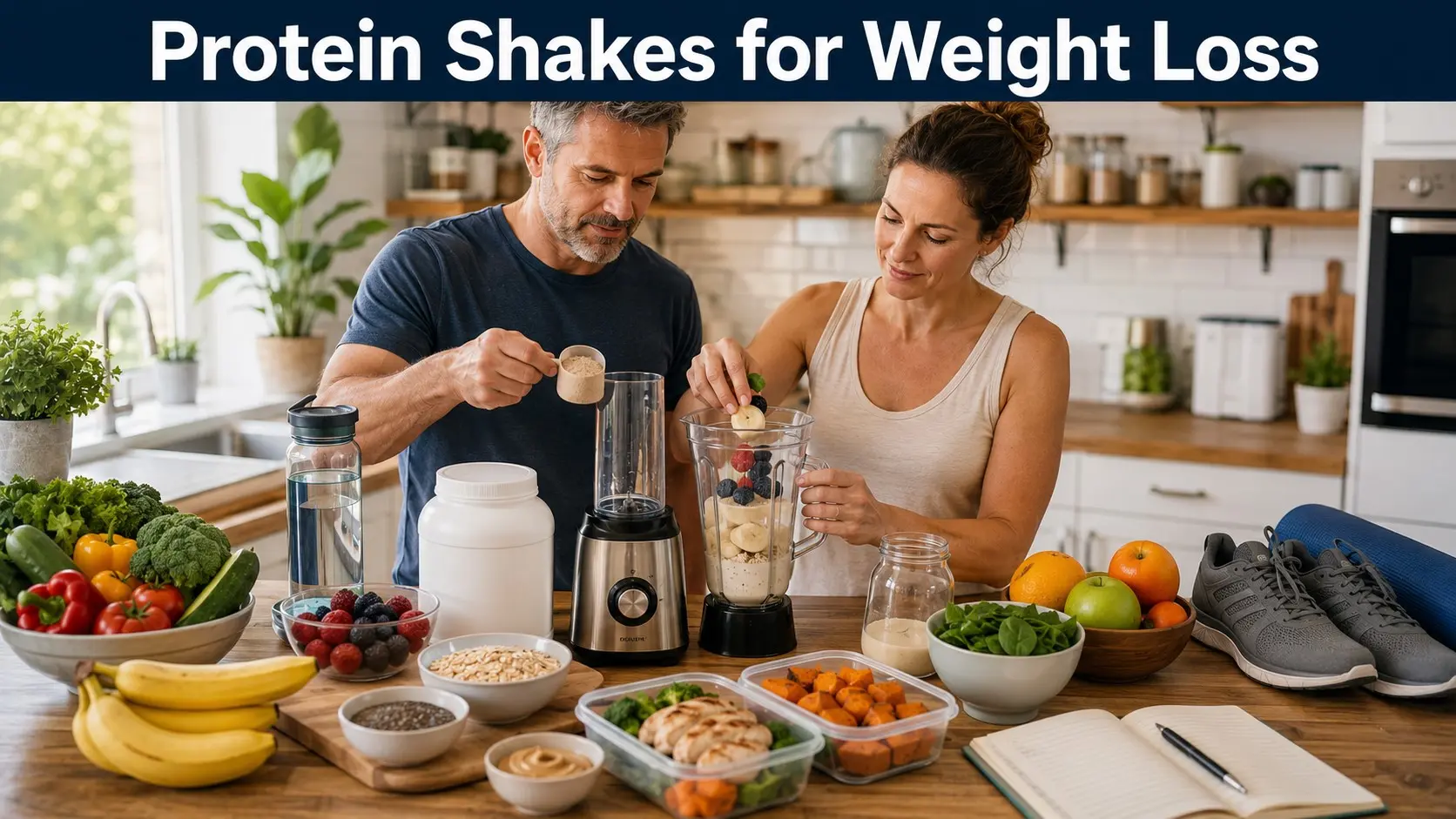
This guide explains how protein shakes work, when to use them, how much protein you may need, what to look for on the label, what mistakes to avoid, and how to build a simple shake that fits a safe weight loss plan.
Quick answer
Protein Shakes for Weight Loss can work when they help you meet protein needs and stay within a realistic calorie plan.
They work best when they include enough protein, not too much added sugar, and fit with whole foods like vegetables, fruit, beans, lentils, eggs, fish, chicken, yogurt, tofu, and whole grains.
They do not work well when they are added on top of your normal meals without changing anything else.
Use them as a meal helper, snack replacement, or post-workout option when needed.
Do not use them as your only nutrition plan.
What are protein shakes?
Protein shakes are drinks that provide protein.
Some use protein powder.
Some use Greek yogurt.
Some use milk.
Some use soy milk.
Some use tofu.
Some use ready-to-drink products.
This is why protein shakes can look very different from one person to another.
A shake can be simple and helpful.
Or it can become a high-calorie dessert drink.
The ingredients matter.
Do protein shakes help with weight loss?
They can help some people.
Protein can help make meals feel filling.
Protein can help support lean muscle during weight loss.
A shake can also make breakfast or snacks easier.
But weight loss still depends on your full day.
If a shake helps you replace a high-calorie snack, it may help.
If a shake adds calories on top of your normal food, it may not help.
This is the real answer behind protein shakes for weight loss.
Protein shakes are not magic
A shake does not cause fat loss by itself.
Fat loss needs a calorie gap over time.
That gap can come from food habits, portions, walking, strength training, sleep, and stress care.
A shake can support the plan.
It cannot be the whole plan.
This is why healthy weight loss should not depend on one product.
Protein for weight loss: why it matters
Protein matters because it helps build and repair body tissues.
It also helps keep meals satisfying.
When you lose weight, enough protein can help support muscle.
That matters because muscle helps with strength, movement, posture, and daily function.
This is why protein for weight loss is important.
But more protein is not always better.
Balance still matters.
How much protein do you need?
Protein needs vary.
Your needs can depend on body size, age, activity, muscle goals, health conditions, pregnancy, breastfeeding, and kidney health.
Many people can start by adding a protein food at each meal.
A practical goal is often 20 to 30 grams of protein in a meal or shake, but your personal needs may differ.
This supports daily protein intake.
If you have kidney disease, liver disease, diabetes, pregnancy, breastfeeding, an eating disorder history, or a long-term condition, ask a qualified healthcare professional or registered dietitian about the right amount for you.
Whole- food protein should come first
Protein shakes are convenient.
But whole foods give more than protein.
They can provide fibre, vitamins, minerals, water, texture, and chewing satisfaction.
Good whole food protein sources include:
- Eggs
- Fish
- Chicken
- Lean meat
- Greek yogurt
- Cottage cheese
- Beans
- Lentils
- Tofu
- Tempeh
- Soy milk
- Nuts and seeds
This supports high-protein foods.
When a protein shake makes sense
A protein shake may help when:
- You skip breakfast because you are busy.
- You need a simple post-workout option.
- You struggle to eat enough protein from meals.
- You want a more filling snack.
- You need a portable option.
- You are trying to replace a low-protein sweet snack.
This supports meal replacement shake use only when it fits the full day.
A shake should make your nutrition easier, not more confusing.
When a protein shake may not help
A protein shake may not help when:
- You add it without changing the rest of your intake.
- It has a lot of added sugar.
- It has many calories and does not keep you full.
- You use it instead of most meals.
- You hate the taste and feel deprived.
- It causes stomach upset.
- You rely on it instead of learning basic food habits.
This is why weight loss shakes should be used with care.
Before you start
Talk with a qualified healthcare professional before using protein shakes for weight loss if you have kidney disease, liver disease, diabetes, digestive disease, food allergies, pregnancy, breastfeeding, a history of eating disorders, unexplained weight change, severe fatigue, or a long-term health condition.
Also ask for advice if you take medicine that affects blood sugar, blood pressure, appetite, digestion, fluid balance, hormones, or weight.
Stop using the product and get help if you have swelling, rash, breathing trouble, severe stomach pain, vomiting, dizziness, confusion, or symptoms that worry you.
How to choose a protein powder
Read the label.
Do not trust only the front of the package.
Look for:
- About 20 to 30 grams of protein per serving
- Low added sugar
- A calorie amount that fits your plan
- Simple ingredients
- A protein type that you tolerate
- Third-party testing when possible
- No exaggerated fat loss claims
This supports protein powder for weight loss without falling for hype.
Types of protein powder
Whey protein
Whey comes from milk.
It is popular because it mixes well and is rich in essential amino acids.
It may not fit people with dairy allergies or some people with lactose sensitivity.
Casein protein
Casein also comes from milk.
It digests more slowly for many people.
It may feel filling, but it still needs to fit your calorie count.
Soy protein
Soy is a complete plant protein.
It can be useful for people who want a plant-based option.
Pea protein
Pea protein is plant-based.
Some people tolerate it well.
Some people notice gas or bloating.
Blended plant protein
Some powders combine pea, rice, hemp, or other plant proteins.
This can help improve amino acid balance.
This supports plant-based protein options.
Ready-to-drink shakes
Ready-to-drink shakes are convenient.
They can help during travel or busy days.
But check the label.
Some have more sugar or calories than expected.
Some have sugar alcohols that upset digestion.
Some are marketed like medicine, even when they are just food products.
This is why ready-to-drink protein shakes should be chosen carefully.
How to build a balanced weight loss protein shake
Use this simple formula.
- One protein source
- One fruit or vegetable
- One liquid
- One fibre or healthy fat, add in if needed
- Ice or water for volume
This supports balanced protein shake building.
Example
- Greek yogurt or protein powder
- Berries
- Unsweetened milk or soy milk
- Oats or chia seeds
- Ice
Keep it simple.
Best shake ingredients for weight loss
Protein base
- Plain Greek yogurt
- Cottage cheese
- Whey protein
- Soy protein
- Pea protein
- Silken tofu
Fiber add ins
- Berries
- Oats
- Chia seeds
- Ground flaxseed
- Spinach
Flavor add ins
- Cinnamon
- Unsweetened cocoa
- Vanilla
- Frozen fruit
This supports high-protein smoothie ideas.
Ingredients to limit
These can turn a shake into a high-calorie dessert.
- Large scoops of peanut butter
- Too much honey
- Sweetened yogurt
- Ice cream
- Large amounts of juice
- Many dates
- Chocolate syrup
- Full meal plus high-calorie shake
You do not need to ban these foods.
Just use them with awareness.
This supports calorie control.
Should a shake replace a meal?
Sometimes.
But not always.
A shake can replace a meal when it has enough protein, fibre, and calories to keep you full.
A thin shake with only powder and water may not feel like a meal for many people.
If you use a shake as a meal, add fruit, fibre, and a balanced plan for the rest of the day.
This supports safer meal replacement use.
Should a shake replace a snack?
This can work well.
A protein shake may help if your usual snack is low in protein and leaves you hungry.
For example, a shake may be more filling than a sweet drink or candy snack.
But you can also choose whole- food snacks.
- Greek yogurt with berries
- Cottage cheese with fruit
- Eggs with vegetables
- Apple with peanut butter
- Hummus with carrots
This supports high-protein snacks.
Protein shake timing
Timing is less important than your full day.
You can use a shake:
- At breakfast
- After a workout
- As an afternoon snack
- When you are too busy for a balanced meal
- When protein is low in your day
This supports post-workout protein when it fits your needs.
You do not need to drink a shake at a perfect minute.
Can protein shakes help preserve muscle?
Protein supports muscle.
Strength training also matters.
If you lose weight without enough protein or resistance training, you may lose more muscle than you want.
A shake can help you meet protein needs, but it works best with safe strength training.
This supports lean muscle.
Simple protein shake recipes
1. Berry yogurt shake
- Plain Greek yogurt
- Frozen berries
- Unsweetened milk or soy milk
- Chia seeds
- Ice
2. Banana oat shake
- Protein powder or Greek yogurt
- Half banana
- Oats
- Cinnamon
- Unsweetened milk
3. Chocolate peanut shake
- Protein powder or cottage cheese
- Unsweetened cocoa
- Small spoon peanut butter
- Ice
- Unsweetened milk
4. Green protein shake
- Plain Greek yogurt or soy protein
- Spinach
- Berries or an apple
- Ground flaxseed
- Water or unsweetened milk
These support protein smoothie recipes without relying on added sugar.
How to use protein shakes for weight loss
Use this simple plan.
Step 1
Check how much protein you already eat from meals.
Step 2
Choose one time when a shake would help.
Step 3
Keep the shake simple.
Step 4
Track how full you feel for 3 to 4 hours.
Step 5
Adjust ingredients if the shake is too light or too high in calories.
This supports weight loss meal plan building.
7-day protein shake plan
This is not a strict diet.
It is a way to test if shakes help you.
Day 1
Use a protein shake for breakfast if breakfast is usually skipped.
Day 2
Use whole- food protein at meals and no shake.
Day 3
Use a shake as an afternoon snack if cravings are strong.
Day 4
Use Greek yogurt, eggs, beans, or tofu instead of a shake.
Day 5
Use a shake after strength training if it fits your day.
Day 6
Compare hunger, energy, and digestion.
Day 7
Decide if shakes help or if whole food protein works better.
This supports a protein diet plan testing without extreme rules.
Common mistakes
- Using shakes but not changing total food intake
- Choosing high-sugar shakes
- Adding too much peanut butter, honey, or juice
- Replacing too many meals
- Ignoring whole foods
- Not reading labels
- Using shakes despite stomach upset
- Expecting fat loss without a full plan
Protein shakes should help your routine.
They should not become another diet trap.
Who should be careful?
Be careful with protein shakes if you have kidney disease, liver disease, diabetes, food allergies, digestive issues, pregnancy, breastfeeding, eating disorder history, or a long-term health condition.
Also be careful if a shake replaces many meals and leaves you weak, dizzy, hungry, or anxious around food.
This supports safe weight loss.
What about protein bars?
Protein bars can be convenient.
But they are not always better than food.
Some are high in calories.
Some are low in fibre.
Some taste like candy and do not keep you full.
Read the label.
Use them when they solve a real problem.
Do not depend on them for most meals.
Protein shakes vs whole food protein
Whole- food protein is usually a better foundation.
Shakes are a convenient tool.
| Option | Best use | Watch out for |
|---|---|---|
| Greek yogurt | Breakfast or snack | Added sugar in flavoured versions |
| Eggs | Meals and snacks | Cooking method and added fats |
| Beans and lentils | Meals with fibre | Digestive tolerance if added too fast |
| Chicken or fish | Main meals | Fried coatings and heavy sauces |
| Protein powder | Convenience | Added sugar, calories, and hype claims |
How to know if a shake is working
A protein shake may be working if:
- You feel fuller between meals.
- You snack less without feeling deprived.
- Your protein intake is easier to meet.
- Your digestion feels okay.
- Your full day still includes whole foods.
- Your weekly weight trend or body measurements move slowly over time.
This supports weight loss progress without scale obsession.
How to know if a shake is not working
A shake may not be working if:
- You are still hungry right after drinking it.
- You are adding it on top of normal intake.
- You feel bloated or sick.
- You use it instead of most meals.
- You feel anxious around food.
- You are spending money on a product you do not need.
In that case, try whole -food protein instead.
My simple rule
Do not ask only, “Which protein shake burns fat?”
Ask, “Does this shake help me eat enough protein, feel full, and stay consistent?”
That question works better.
A shake is useful only if it improves the full plan.
Conclusion
Protein Shakes for weight loss can help, but only when used the right way.
They are not magic.
They work best when they support protein intake, fullness, muscle, and a realistic calorie plan.
Choose simple shakes.
Read labels.
Limit added sugar.
Eat whole -food protein too.
Add walking, strength training, sleep, and stress care when possible.
Your next step: choose one simple shake from this Protein Shakes for Weight Loss guide and test it for 7 days as a breakfast helper or snack replacement.
Related guides from NextFitLife
This article is part of our Fitness Hub. You may also want to visit our Fitness Nutrition & Supplements Guide, Strength Training & Muscle Building Guide, and Fitness for Beginners Guide.
FAQ
Do protein shakes help with weight loss?
Protein shakes can help with weight loss when they help you meet protein needs, feel full, and stay within a realistic calorie plan. They do not cause fat loss by themselves.
Should I use protein shakes or whole food protein?
Whole- food protein should be the foundation. Protein shakes can be useful for convenience, busy mornings, snacks, or after workouts when they fit into your day.
How much protein should be in a weight loss shake?
Many people use shakes with about 20 to 30 grams of protein, but personal needs vary by body size, age, activity, health conditions, and goals.
Can protein shakes replace meals?
Sometimes, but not all the time. A meal replacement shake should have enough protein, fibre, and calories to keep you full, and your day should still include whole foods.
What should I avoid in protein shakes?
Limit high added sugar, large amounts of juice, too much peanut butter, dessert-style ingredients, unrealistic fat loss claims, and products that upset your stomach.
Who should ask a doctor before using protein shakes?
Ask a healthcare professional if you have kidney disease, liver disease, diabetes, food allergies, digestive disease, pregnancy, breastfeeding, eating disorder history, unexplained weight change, or a long-term condition.
References and Sources

Health & wellness writer with 30+ years of experience in nutrition, fitness, and healthy aging. Founder of NextFitLife.com — evidence-based health guidance.