Published on: Aug 30, 2024
Last updated: September 13, 2026
Next review: September 2027, or sooner if major sports nutrition or vegetarian nutrition guidance changes
Written and source-checked by: Adel Galal, Founder and Lead Writer at NextFitLife
Medical review status: This article has not been medically reviewed by a doctor, registered dietitian, sports dietitian, or exercise physiologist.
You can build muscle without eating meat.
You also do not need six meals a day.
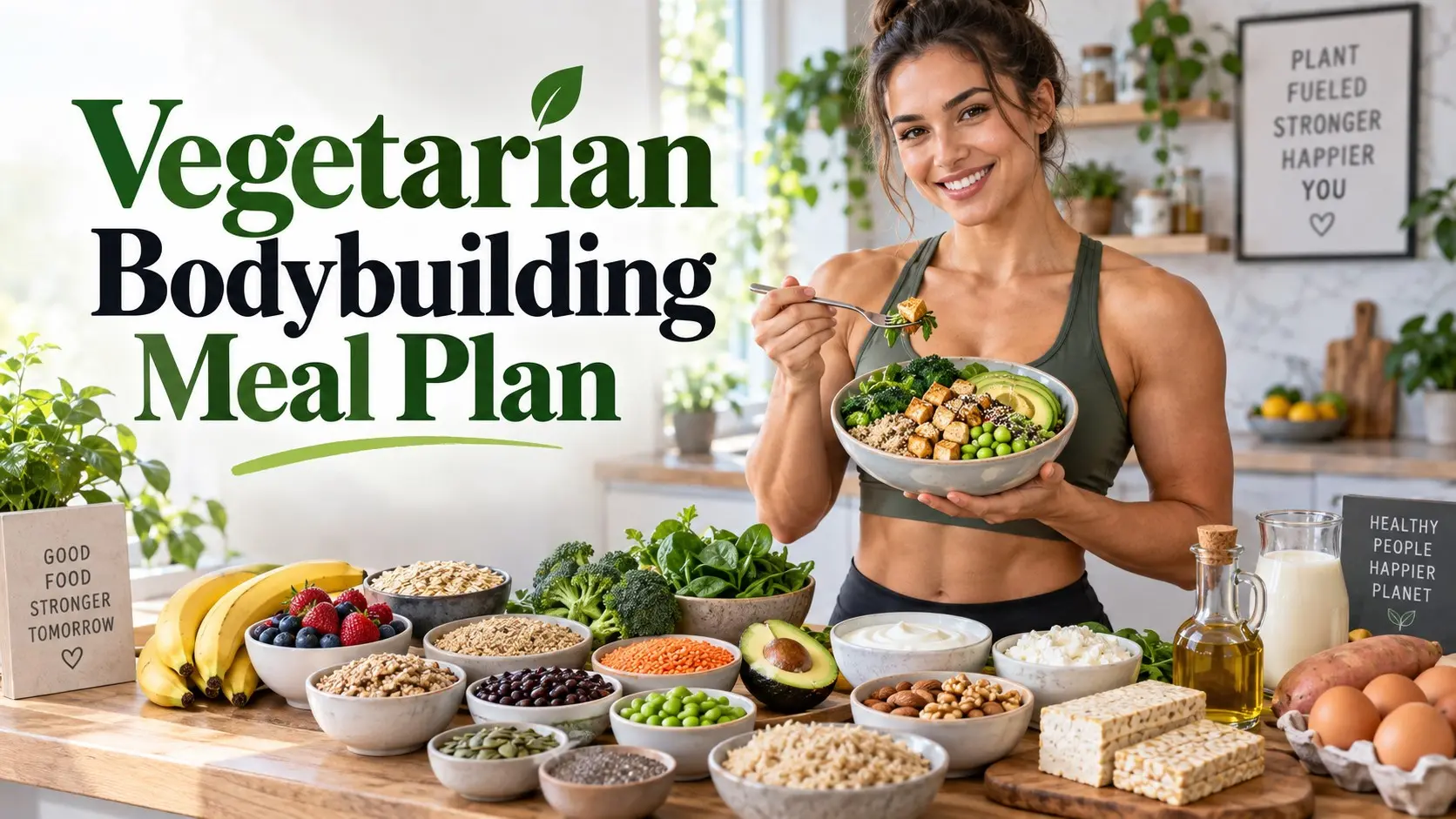
A good vegetarian bodybuilding meal plan needs enough protein, enough total food, useful carbohydrates, healthy fats, vegetables, fruit, and a sensible plan for nutrients that deserve extra attention.
The training still matters most.
Food gives your muscles what they need to respond to that training.
For most vegetarian lifters, the biggest nutrition questions are simple.
- Am I eating enough protein?
- Am I eating enough total energy?
- Are my protein sources varied?
- Am I getting enough vitamin B12 and iron?
- Is my diet supporting hard training?
Get those rights before worrying about expensive supplements.
Important medical note: I am not a dermatologist or A doctor, and this content does not replace professional medical advice. What I share comes from real-life experience, extensive research, and consultation with healthcare providers. Always consult qualified medical professionals for diagnosis and treatment of any health condition.
Speak with a qualified healthcare professional or registered dietitian before deliberately increasing protein, calories, or supplements if you have kidney disease, liver disease, diabetes, heart disease, digestive disease, gout, kidney stones, anemia, an eating disorder, pregnancy related needs, or another medical condition.
Can a Vegetarian Diet Really Build Muscle?
Quick answer: Yes. A well-planned vegetarian bodybuilding meal plan can support muscle growth when it provides enough protein, calories, carbohydrates, essential fats, vitamins, and minerals alongside progressive resistance training. Eggs, dairy, soy foods, legumes, seitan, grains, nuts, seeds, and protein powders can all contribute.
The idea that meat is required for muscle growth is outdated.
Protein quality still matters.
Total protein still matters.
Training matters even more.
A vegetarian diet simply needs smart planning.
Resistance Training Creates the Reason to Grow
You cannot eat your way into significant muscle without a training stimulus.
Resistance training tells the body that more muscle would be useful.
Nutrition supplies energy and amino acids.
Over time, this combination supports muscle hypertrophy.
Use progressive training.
Try to improve repetitions, load, technique, range of motion, or training quality over time.
For the bigger nutrition picture, read Best Nutrition for Muscle Building.
How Much Protein Do Vegetarian Bodybuilders Need?
A large resistance training meta-analysis found that additional protein improved gains in muscle and strength.
On average, benefits for fat-free mass appeared to level off around 1.6 grams of protein per kilogram of body weight per day.
That makes about 1.6 grams per kilogram a useful reference point for many healthy adults doing serious resistance training.
It is not a magic prescription.
Age, body size, training, total energy intake, health, and diet pattern all matter.
You do not automatically gain more muscle by pushing protein far above what you need.
Protein Quality Matters, but Do Not Overcomplicate It
Proteins provide amino acids.
Nine amino acids are essential because your body cannot make enough of them by itself.
Leucine is one of the amino acids involved in triggering muscle protein synthesis.
Animal foods such as eggs and dairy tend to provide high-quality protein in compact portions.
Some plant proteins have lower digestibility or lower amounts of certain essential amino acids.
That does not make them poor foods.
Recent research still shows that well-planned plant protein diets can support strength and muscle gain.
Soy protein is particularly useful.
A 2025 meta-analysis found no clear muscle mass difference between soy protein and milk protein interventions.
The practical lesson is simple.
Use enough total protein and eat a variety of sources.
You Do Not Need to Combine Proteins at Every Meal
This old nutrition rule causes needless stress.
You do not have to combine rice and beans in the same mouthful to create a complete protein.
Eat varied foods across the day.
Your total intake matters more.
Still, mixed meals make good sense.
Examples include:
- Lentils with rice
- Beans with whole grain bread
- Hummus with bread
- Tofu with rice
- Greek yogurt with oats
12 Excellent Vegetarian Protein Foods for Bodybuilding
| Food | Main Strength | Best Use |
|---|---|---|
| Eggs | Complete protein, vitamin B12, choline | Breakfast, lunch, dinner |
| Greek yogurt | High-protein dairy food | Breakfast, snacks, recovery meals |
| Cottage cheese | Protein and calcium | Meals or snacks |
| Milk or fortified soy milk | Protein plus useful micronutrients | Oats, smoothies, meals |
| Tofu | Versatile soy protein | Rice bowls, curries, stir-cooked meals |
| Tempeh | Dense fermented soy protein | Sandwiches, bowls, cooked meals |
| Edamame | Soy protein, fibre, carbohydrate | Snacks, salads, bowls |
| Lentils | Protein, iron, folate, fibre | Curry, soup, rice meals |
| Beans | Protein, fibre, minerals | Bowls, chilli, wraps |
| Chickpeas | Protein, carbohydrate, fibre | Hummus, curry, salads |
| Seitan | Very protein-rich wheat food | Main meals and sandwiches |
| Protein powder | Convenient concentrated protein | Only when normal meals are inconvenient |
You do not need all twelve.
Choose the foods you enjoy and tolerate.
Eggs and Dairy Make Vegetarian Bodybuilding Easier
If your vegetarian diet includes eggs and dairy, hitting protein needs can be straightforward.
Eggs provide complete protein.
Greek yogurt and cottage cheese provide concentrated dairy protein.
Milk adds both protein and carbohydrate.
These foods also make vitamin B12 intake easier.
If you avoid eggs or dairy, soy foods and fortified foods become more important.
Soy Is One of the Best Vegetarian Muscle Foods
Tofu, tempeh, edamame, and soy milk deserve a powerful place in this plan.
Soy provides all essential amino acids.
It is easy to use.
And current research does not support treating soy as an inferior bodybuilding food.
A 2025 systematic review found no significant difference between soy and milk protein for muscle mass across the included trials.
Use soy with confidence if you enjoy it.
Seitan Is High in Protein but Needs Context
Seitan is made from wheat gluten.
It is very protein-dense.
It is lower in lysine than some other protein foods.
That is easy to solve across the diet.
Eat beans, lentils, soy foods, dairy, or eggs at other meals.
Seitan is not suitable for people with celiac disease or a medically necessary gluten-free diet.
Beans and Lentils Do More Than Add Protein
Legumes give you protein plus carbohydrate.
That makes them useful bodybuilding foods.
You also get:
- Dietary fiber
- Iron
- Folate
- Potassium
- Magnesium
The downside is fullness.
A very high-fibre vegetarian diet can make eating enough calories difficult during a muscle gain phase.
You do not need to eat huge bean portions at every meal.
Carbohydrates Help You Train Hard
Protein gets the attention.
Carbohydrates keep training practical.
Useful sources include:
- Rice
- Oats
- Potatoes
- Sweet potatoes
- Bread
- Pasta
- Quinoa
- Fruit
- Beans
- Lentils
Carbohydrate helps maintain glycogen, which is stored carbohydrate used during exercise.
You do not need to fear white rice or normal bread.
Use a mixture of higher-fibre and easier-to-digest foods based on appetite and training.
Do You Need a Calorie Surplus?
Not always.
Beginners can sometimes gain muscle while eating around maintenance.
People returning after time away from training may regain muscle quickly.
Some people with higher body fat can gain muscle while losing fat.
Lean experienced lifters may benefit from a modest calorie surplus.
A giant surplus is not better.
Eating much more food can simply add body fat faster.
Start conservatively.
Watch strength, body weight trend, measurements, recovery, and appetite.
Healthy Fats Make Eating Enough Easier
Vegetarian diets can become very filling.
Fat helps increase energy intake without adding huge food volume.
Useful options include:
- Olive oil
- Avocado
- Peanut butter
- Almond butter
- Walnuts
- Almonds
- Chia seeds
- Flaxseed
- Pumpkin seeds
- Tahini
These foods are useful.
They are also energy-dense.
Portions still matter.
You Do Not Need Five or Six Meals
The old version of this article recommended five or six meals each day.
That is not required.
Three meals can work.
Four meals can work.
Five eating occasions can work.
The better schedule is the one that helps you eat enough protein and energy without making food planning take over your day.
A Simple Muscle Building Meal Formula
| Meal Part | Vegetarian Choices | Purpose |
|---|---|---|
| Protein | Eggs, Greek yogurt, tofu, tempeh, lentils, beans, seitan | Supplies amino acids for muscle |
| Carbohydrate | Rice, oats, potatoes, bread, pasta, quinoa, fruit | Provides energy and training fuel |
| Produce | Spinach, broccoli, peppers, tomatoes, berries, fruit | Adds fibre, vitamins, minerals, and variety |
| Healthy fat | Olive oil, nuts, seeds, avocado, tahini | Adds essential fats and useful energy |
7 Day Vegetarian Bodybuilding Meal Plan
This is a flexible example.
It is not a personal calorie prescription.
Adjust portions to your body size, training load, hunger, goals, and health.
Day 1
| Breakfast | Oats with Greek yogurt, banana, berries, and pumpkin seeds |
| Lunch | Tofu, rice, broccoli, edamame, and olive oil |
| Training snack | Banana with yogurt or soy milk |
| Dinner | Lentil curry with potatoes, spinach, and rice |
Day 2
| Breakfast | Eggs, whole grain toast, avocado, and fruit |
| Lunch | Tempeh bowl with quinoa, vegetables, and tahini |
| Snack | Cottage cheese with berries and walnuts |
| Dinner | Black bean chilli with rice, corn, tomato, and plain yogurt |
Day 3
| Breakfast | Greek yogurt with oats, banana, chia seeds, and berries |
| Lunch | Seitan sandwich with salad and roasted potatoes |
| Training snack | Fruit with milk or fortified soy milk |
| Dinner | Chickpea pasta with tomato sauce, spinach, vegetables, and grated cheese if desired |
Day 4
| Breakfast | Egg and tofu scramble with potatoes and whole grain toast |
| Lunch | Lentil and quinoa bowl with peppers, cucumber, greens, and olive oil |
| Snack | Greek yogurt with banana and peanut butter |
| Dinner | Tempeh stir cooked meal with rice, broccoli, carrots, and edamame |
Day 5
| Breakfast | Overnight oats with fortified soy milk, yogurt, berries, and seeds |
| Lunch | Egg and bean burrito bowl with rice, avocado, lettuce, and tomato |
| Training snack | Banana and a simple protein shake if needed |
| Dinner | Tofu curry with potatoes, peas, vegetables, and rice |
Day 6
| Breakfast | Vegetable omelet with whole grain bread, fruit, and yogurt |
| Lunch | Chickpea and tofu wrap with hummus and roasted potatoes |
| Snack | Cottage cheese with pineapple or berries and seeds |
| Dinner | Bean and lentil chilli with rice, avocado, and vegetables |
Day 7
| Breakfast | Protein oats with milk or soy milk, Greek yogurt, banana, and walnuts |
| Lunch | Tempeh and edamame rice bowl with mixed vegetables and sesame seeds |
| Snack | Fruit, yogurt, and a small handful of nuts |
| Dinner | Lentil pasta with tofu, tomato sauce, spinach, and vegetables |
Adjust Portions Instead of Copying Someone Else's Calories
A 60-kilogram beginner and a 100-kilogram advanced lifter should not automatically eat the same portions.
Your needs depend on:
- Body size
- Training volume
- Activity outside the gym
- Age
- Goals
- Current body composition
- Health
- Appetite
Online calorie calculators are estimates.
Use your weight trend and performance to adjust.
What Should You Eat Before Training?
Keep it simple.
A useful pre-training meal contains carbohydrate and some protein.
Examples include:
- Oats with Greek yogurt and banana
- Rice with tofu
- Toast with eggs
- Fruit with yogurt
- Potatoes with cottage cheese
Avoid a giant unfamiliar meal before heavy training.
Use foods you know you digest well.
What Should You Eat After Training?
You do not need a special bodybuilding food.
Eat a normal protein-rich meal.
Examples include:
- Tofu with rice and vegetables
- Eggs with potatoes and fruit
- Greek yogurt with oats and berries
- Tempeh with noodles and vegetables
- Lentils with rice
Carbohydrates help replace training fuel.
Protein provides amino acids.
That is enough.
There Is No Tiny Thirty-Minute Anabolic Window
Do not panic if you cannot drink a shake immediately after your final set.
Total daily protein matters greatly.
Resistance training affects muscle protein synthesis for many hours.
If you ate protein before training, simply eat your next normal meal.
If you trained after a long period without food, eating sooner can be practical.
Vitamin B12 Deserves Special Attention
Vegetarians have a greater risk of low vitamin B12 intake than people who regularly eat meat.
Eggs and dairy contain B12.
Fortified foods can help too.
NIH notes that natural food sources of B12 are limited to animal foods.
This becomes even more important if you move from vegetarian to fully vegan eating.
Vegans need a reliable source from fortified food or an appropriate supplement.
Do not wait for fatigue or numbness to guess whether B12 is low.
Symptoms have many causes.
For more detail, visit the NextFitLife Nutrition and Vitamins Hub.
Iron Needs More Planning on a Vegetarian Diet
Plant foods provide nonheme iron.
Nonheme iron is not absorbed as efficiently as heme iron from meat.
NIH therefore sets higher iron requirements for people following vegetarian diets.
Useful vegetarian iron sources include:
- Lentils
- Beans
- Tofu
- Tempeh
- Pumpkin seeds
- Fortified cereals
- Leafy greens
Pair plant iron with vitamin C foods.
Try:
- Lentils with tomatoes
- Beans with peppers
- Tofu with broccoli
- Fortified cereal with berries
- Spinach with citrus fruit
Do not take a high dose of iron just because you train hard.
Too much iron can be harmful.
Zinc Can Be Less Available From Plant Foods
Beans, nuts, seeds, and whole grains contain zinc.
They also contain phytates that reduce zinc absorption.
Vegetarian diets can therefore require a little more attention to zinc-rich foods.
Useful choices include:
- Pumpkin seeds
- Beans
- Chickpeas
- Oats
- Nuts
- Dairy foods
- Eggs
Soaking and cooking legumes and grains can improve mineral availability.
Calcium and Vitamin D Matter for Lifters Too
Muscle is not the only tissue under load.
Your bones matter.
Dairy foods make calcium easy for many vegetarians.
Other choices include:
- Calcium-fortified soy milk
- Calcium-set tofu
- Yogurt
- Milk
- Some fortified foods
Vitamin D is harder to obtain from food alone.
Fortified foods can help.
Do not use high-dose vitamin D supplements without a reason.
Do Vegetarian Bodybuilders Need Omega-3?
Everyone needs essential fats.
Vegetarian sources of the omega-3 fat ALA include:
- Ground flaxseed
- Chia seeds
- Walnuts
- Hemp seeds
If you do not eat fish, algae-based EPA and DHA products are vegetarian options for people who need or choose a supplement.
A supplement is not automatically required.
Creatine Is Worth Knowing About
Creatine monohydrate has much better evidence than most bodybuilding supplements.
Creatine occurs naturally mainly in meat and fish.
Vegetarians tend to have lower dietary creatine intake and often lower muscle creatine stores.
A systematic review of vegetarian participants found that creatine supplementation raised muscle creatine stores and could improve several exercise and lean tissue outcomes.
Research is less clear on whether vegetarians always gain more performance benefit than omnivores.
Creatine remains optional.
You can build muscle without it.
If you have kidney disease, take medicines, are pregnant, or have another medical condition, discuss supplements with a qualified healthcare professional first.
Do You Need BCAAs?
Usually not.
BCAAs provide only three amino acids.
Muscle growth requires all essential amino acids.
If your diet already provides enough high-quality total protein, separate BCAA supplements add little practical value.
I would buy tofu, yogurt, eggs, lentils, or a complete protein powder first.
Do You Need Protein Powder?
No.
Protein powder solves a convenience problem.
It does not solve a training problem.
It can be useful if:
- You struggle to eat enough protein
- You have a low appetite
- You need something portable
- Your schedule makes normal food difficult
Whey works for vegetarians who consume dairy.
Soy, pea, and blended plant protein products can also work.
Do Digestive Enzymes or Probiotics Fix Vegetarian Bloating?
Not automatically.
The old article suggested digestive enzymes and probiotics for bloating.
That is too broad.
A sudden jump in beans, lentils, whole grains, vegetables, nuts, and seeds can greatly increase fibre.
Your gut may need time to adjust.
Try:
- Increasing fibre gradually
- Using smaller bean portions at first
- Rinsing canned beans
- Cooking legumes thoroughly
- Using tofu or tempeh when very high fibre meals feel too filling
Persistent pain, diarrhea, constipation, blood in stool, unexplained weight loss, or severe bloating deserves medical assessment.
What if You Cannot Eat Enough Calories?
This is a common vegetarian muscle gain problem.
High-fibre food fills the stomach quickly.
Use more energy-dense foods when needed.
Examples include:
- Olive oil
- Nut butter
- Tahini
- Avocado
- Nuts
- Dried fruit
- Granola
- Rice
- Bread
- Smoothies
- Milk or soy milk
You do not need to eat enormous salads during a muscle gain phase.
What if You Are Gaining Fat Too Fast?
Reduce the surplus.
Do not slash protein.
Do not panic after one heavy weigh-in.
Body weight changes with:
- Food volume
- Water
- Carbohydrate intake
- Sodium
- Creatine
- Body fat
- Muscle
Watch several weeks of data.
How to Meal Prep Without Eating the Same Food Seven Days
Prep ingredients instead of identical containers.
Cook:
- A pot of rice or quinoa
- A tray of potatoes
- Tofu or tempeh
- A pot of lentils or beans
- Several vegetables
- Boiled eggs if you eat eggs
Then change the sauce and combination.
Monday can be a tofu rice bowl.
Tuesday can be a bean burrito bowl.
Wednesday can be lentil curry.
Meal prep should reduce work.
It should not make food boring.
Vegetarian Versus Vegan Bodybuilding
| Nutrition Point | Vegetarian | Vegan |
|---|---|---|
| Eggs | May be included | Excluded |
| Dairy | May be included | Excluded |
| Vitamin B12 | Can come from eggs, dairy, and fortified foods | Needs a reliable fortified food or supplement source |
| Protein options | Eggs, dairy, soy, legumes, seitan | Soy, legumes, seitan, grains, nuts, seeds |
| Creatine from food | Very little | Essentially absent |
For broader diet-specific guidance, use the NextFitLife Special Diets Hub.
Common Vegetarian Bodybuilding Mistakes
Eating Too Little Protein
A plate can look healthy and still contain very little protein.
Make protein visible in every main meal.
Eating Too Little Total Food
A very filling plant-rich diet can accidentally create an energy deficit.
Depending on Nuts as the Main Protein
Nuts provide some protein.
They are mainly an energy-dense fat source.
Use tofu, dairy, eggs, legumes, seitan, or another stronger protein anchor.
Calling Quinoa a High-Protein Main Course
Quinoa contains protein.
It is still mainly a useful carbohydrate food.
Pair it with tofu, lentils, eggs, yogurt, tempeh, or beans.
Ignoring Vitamin B12
This matters even more if your vegetarian diet becomes vegan.
Taking Iron Without Testing or Advice
Iron is important.
Too much supplemental iron can also be harmful.
Eating Huge Amounts of Fiber Overnight
Increase beans and other high fiber foods gradually.
Buying Supplements Before Fixing Meals
Food and training come first.
Believing Meal Frequency Builds Muscle
You do not need six meals a day.
Ignoring Progressive Training
The meal plan cannot compensate for weak training.
How Should You Track Progress?
Use several measures.
- Strength trends
- Training repetitions
- Body weight trend
- Body measurements
- Recovery
- Energy
- Photos if they are helpful and not obsessive
Muscle grows slowly.
Do not expect every week on the scale to represent new muscle.
Can You Build Muscle and Lose Fat on a Vegetarian Diet?
Yes, in some situations.
This is often easier for beginners, people returning after a training break, and some people carrying more body fat.
You still need progressive training.
Protein becomes especially important when calories are reduced.
For more weight management guidance, visit the NextFitLife Weight Loss and Metabolism Hub.
My Practical Vegetarian Bodybuilding Approach
I would start with the basics.
Put a real protein source into each main meal.
Use carbohydrates around training.
Eat enough total food.
Include vegetables and fruit.
Use nuts, seeds, avocado, or olive oil for useful fats.
Check B12.
Pay attention to iron and zinc.
Then train consistently.
Do not add five supplements because progress feels slow after two weeks.
Conclusion
A strong Vegetarian Bodybuilding Meal Plan does not need meat, six meals, or a shelf full of supplements.
It needs enough protein.
It needs enough energy.
It needs carbohydrate for training, useful fats, vegetables, fruit, and attention to nutrients such as vitamin B12 and iron.
Use eggs and dairy if they fit your vegetarian diet.
Use tofu, tempeh, edamame, lentils, beans, chickpeas, and seitan regularly.
Train progressively.
Give the plan time.
Your next step: Pick one day from this seven day plan. Adjust the portions for your needs, prepare the food, and use it on your next training day before changing anything else.
References and Sources
The following accessible sources were used to research and fact-check this article:
- Morton RW and colleagues. A Systematic Review, Meta-Analysis and Meta Regression of Protein Supplementation and Resistance Training.This large review of resistance training studies found that protein supplementation can improve muscle and strength gains, with average benefits for fat-free mass appearing to level off around a total daily intake near 1.6 grams per kilogram.Read the Full Open Access Protein and Resistance Training Review
- National Institutes of Health Office of Dietary Supplements. Vitamin B12 Fact Sheet.NIH explains that natural vitamin B12 sources are limited to animal foods and that vegetarians and vegans have a greater risk of inadequate intake. Fortified foods and supplements can provide reliable B12 when needed.Read the NIH Vitamin B12 Fact Sheet
- National Institutes of Health Office of Dietary Supplements. Iron Fact Sheet for Health Professionals.NIH explains why vegetarian iron requirements are higher because nonheme iron from plant foods is less bioavailable than heme iron. It also explains food sources, absorption, deficiency, and supplement safety.Read the NIH Iron Fact Sheet
- National Institutes of Health Office of Dietary Supplements. Zinc Fact Sheet for Health Professionals.NIH explains that beans, nuts, and whole grains provide zinc but phytates can reduce its absorption, which makes zinc planning more relevant in vegetarian and vegan diets.Read the NIH Zinc Fact Sheet
- Kaviani M, Shaw K, Chilibeck PD. Benefits of Creatine Supplementation for Vegetarians Compared With Omnivorous Athletes.This systematic review found lower dietary creatine availability in vegetarian diets and showed that creatine supplementation increased body creatine stores and several exercise-related outcomes in vegetarian participants, although the evidence did not prove that vegetarians always respond better than omnivores.Read the Full Open Access Creatine and Vegetarian Athletes Review
Continue Reading on NextFitLife
Use these related guides to build a complete vegetarian muscle gain plan:
- Best Nutrition for Muscle BuildingReview protein, energy intake, carbohydrate, healthy fats, creatine, meal timing, and the foods that support resistance training.
- High Protein Diet PlanLearn how to structure protein across meals without assuming more protein is always better.
- High Protein Foods GuideCompare eggs, dairy, tofu, tempeh, beans, lentils, edamame, and other useful protein foods.
- Healthy Fitness FoodsExplore practical foods for training energy, everyday activity, and recovery.
- Special Diets HubExplore vegetarian, vegan, keto, DASH, and other diet specific guides with attention to nutrition and safety.
- Nutrition and Vitamins HubReview vitamin B12, iron, zinc, vitamin D, calcium, magnesium, food sources, deficiencies, and supplement safety.
- Top Healthy Foods GuideBuild the rest of your diet with vegetables, fruit, whole grains, legumes, eggs, dairy foods, nuts, seeds, and healthy fats.
Main special diets hub: Visit the NextFitLife Special Diets Hub for more vegetarian, vegan, and diet-specific nutrition guidance.
About the Author
Adel Galal is the Founder and Lead Writer at NextFitLife.
He is a health and wellness writer with more than 30 years of experience following nutrition, fitness, and healthy aging topics.
His work focuses on turning nutrition and fitness evidence into practical steps readers can understand and use.
For muscle-building articles, he checks systematic reviews, resistance training research, government nutrition references, and supplement evidence rather than relying on gym folklore or unsupported personal claims.
Adel is not a doctor, dermatologist, registered dietitian, sports dietitian, certified personal trainer, pharmacist, exercise physiologist, or other licensed healthcare professional.
This article provides general education only. It does not prescribe a personal protein target, calorie target, supplement dose, body weight goal, or exercise program.
Learn more about Adel Galal, NextFitLife, and the site's editorial approach on the About Us page.
Frequently Asked Questions
Can vegetarians build as much muscle as meat eaters?
Yes. A well-planned vegetarian diet can support substantial muscle and strength gains when total protein, energy, essential nutrients, and resistance training are adequate. Protein source and quality still deserve attention.
What should a vegetarian bodybuilder eat?
Useful foods include eggs, Greek yogurt, cottage cheese, tofu, tempeh, edamame, lentils, beans, chickpeas, seitan, oats, rice, potatoes, quinoa, vegetables, fruit, nuts, seeds, avocado, and olive oil.
How much protein does a vegetarian bodybuilder need?
Around 1.6 grams of protein per kilogram of body weight per day is a useful evidence-based reference point for many healthy resistance trained adults. Individual needs vary.
Do vegetarians need more protein than meat eaters?
Not necessarily in every case. Some plant proteins have lower digestibility or lower amounts of certain essential amino acids, so vegetarian athletes should focus on adequate total intake and varied high-quality protein foods.
What are the best vegetarian proteins for muscle growth?
Eggs, Greek yogurt, cottage cheese, milk, tofu, tempeh, edamame, lentils, beans, chickpeas, and seitan are practical choices.
Is soy protein good for bodybuilding?
Yes. Soy provides all essential amino acids and is one of the most useful plant proteins. Current research shows soy can effectively support muscle gain when total nutrition and training are adequate.
Is tofu good for muscle building?
Yes. Tofu provides soy protein and fits easily into rice bowls, curries, stir-cooked meals, sandwiches, and other bodybuilding meals.
Is tempeh better than tofu?
Neither is automatically better. Tempeh is firmer and often more protein-dense, while tofu is versatile and available in different textures. Both can support muscle building.
Are lentils good for bodybuilding?
Yes. Lentils provide plant protein, carbohydrate, iron, folate, fibre, and minerals. Pair them with other protein foods across the day to help meet total protein needs.
Is seitan good for muscle building?
Yes. Seitan is very protein-rich. It is relatively low in lysine, so use other foods such as soy, legumes, eggs, or dairy elsewhere in the diet. Seitan is not suitable for celiac disease.
Do I need six meals a day to build muscle?
No. Three, four, or five eating occasions can all work. Total daily protein, energy intake, food quality, and training matter more than eating six times.
Do I need a protein shake after training?
No. A normal protein-rich meal can work just as well. Protein powder is mainly useful for convenience.
Is there a thirty-minute anabolic window?
No strict thirty minute window is required. Muscle protein synthesis remains influenced by resistance exercise for many hours. Your full daily protein intake matters greatly.
Can a vegetarian build muscle without supplements?
Yes. Eggs, dairy foods, soy foods, legumes, seitan, grains, nuts, seeds, and enough total energy can support muscle growth. Supplements are optional unless needed to correct a nutrient gap.
Do vegetarian bodybuilders need vitamin B12?
Vegetarians should pay attention to vitamin B12. Eggs and dairy provide B12, while fortified foods can add more. Fully vegan diets require a reliable fortified food or supplement source.
Do vegetarian athletes need more iron?
Vegetarian iron requirements are higher because nonheme iron from plants is absorbed less efficiently. Use lentils, beans, tofu, seeds, fortified grains, and vitamin C rich foods.
Should vegetarians take iron supplements?
Not automatically. Iron supplements should address an identified need or professional recommendation because excessive iron can be harmful.
Is creatine good for vegetarian bodybuilders?
Creatine monohydrate is one of the better studied sports supplements. Vegetarians tend to consume less creatine through food and often have lower muscle stores. Supplementation can increase those stores and may support resistance training outcomes.
Do vegetarians need BCAAs?
Usually not when total protein is adequate. Complete protein foods and protein powders supply the full group of essential amino acids rather than only the three BCAAs.
Can vegetarian bodybuilders eat eggs every day?
Eggs can fit a healthy vegetarian diet for many people. The right amount depends on the rest of the diet, personal preferences, allergies, health conditions, and medical advice.
What should I eat before lifting weights?
A simple meal with carbohydrate and protein works well. Examples include oats with yogurt, rice with tofu, toast with eggs, or fruit with Greek yogurt.
What should I eat after lifting weights?
Use a normal meal containing protein and carbohydrate, such as tofu with rice, eggs with potatoes, tempeh with noodles, or yogurt with oats and fruit.
Can I build muscle and lose fat on a vegetarian diet?
Yes, particularly for beginners, people returning to training, and some people with higher body fat. Protein, resistance training, energy balance, and recovery all matter.
Do I need a calorie surplus to build muscle?
Not everyone does. A modest surplus can help some experienced lean lifters, while beginners and some other people can gain muscle without deliberately eating above maintenance.
What is the best vegetarian breakfast for bodybuilding?
Good choices include eggs with oats, Greek yogurt with fruit and seeds, tofu scramble with potatoes, or protein oats made with milk or fortified soy milk.
What vegetarian foods help increase calories for bulking?
Nut butter, tahini, olive oil, avocado, nuts, dried fruit, rice, bread, granola, milk, fortified soy milk, and smoothies can raise energy intake without requiring huge meal volume.

Health & wellness writer with 30+ years of experience in nutrition, fitness, and healthy aging. Founder of NextFitLife.com — evidence-based health guidance.