Updated on: November 8, 2026
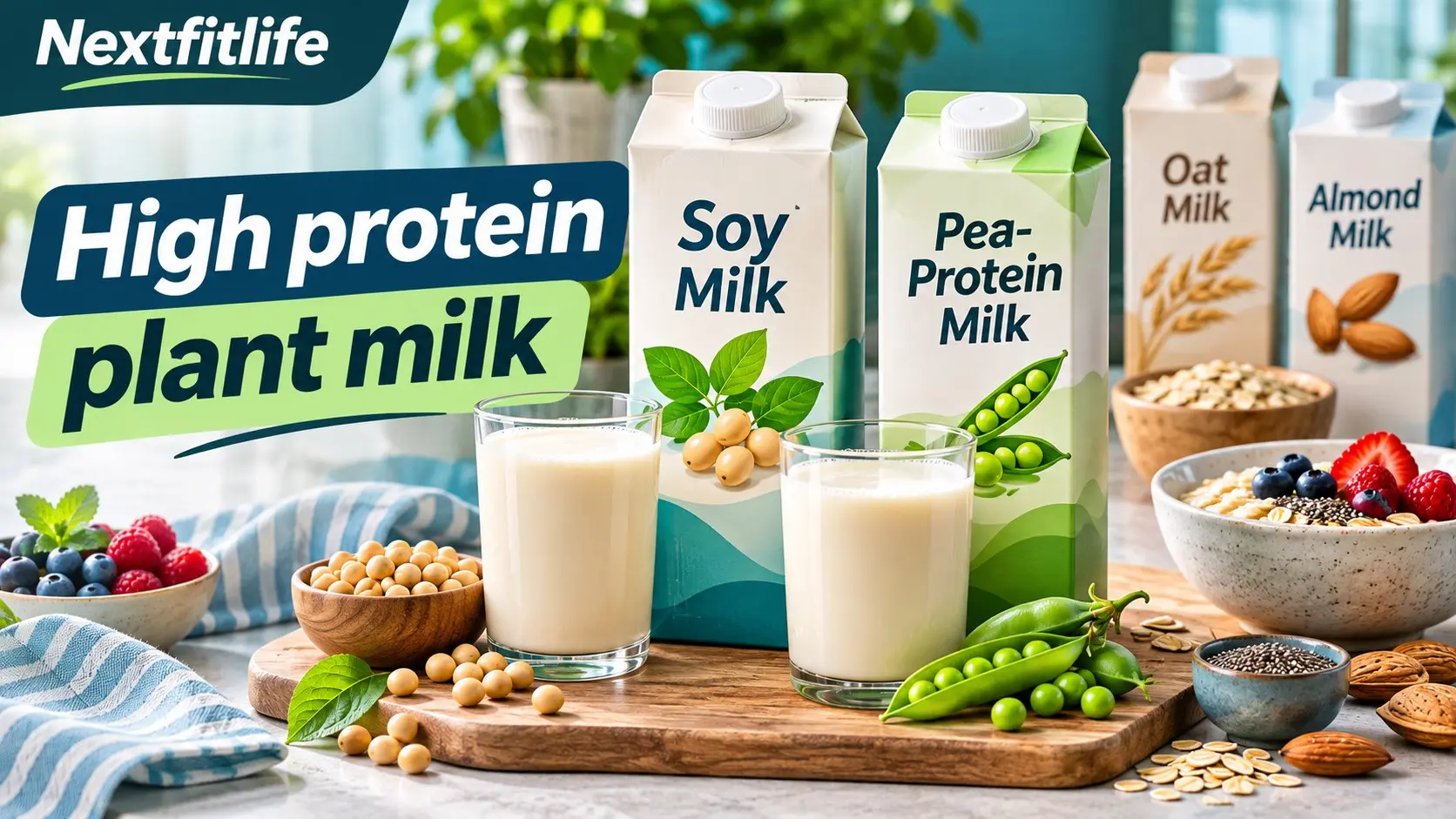
If protein matters, I would start with soy or pea based milk before standard almond, rice, coconut, or oat drinks.
But I would not buy a high protein plant milk just because the front of the carton shows a large protein number. The better choice also gives you useful calcium and vitamin D, keeps added sugar and saturated fat reasonable, and fits your health needs.
Quick Answer
High protein plant milk usually means soy, pea, or a protein fortified plant beverage that provides more protein than standard almond, rice, coconut, or oat milk. The best choice also provides useful calcium and vitamin D, keeps added sugar and saturated fat modest, and fits your allergies, calorie needs, and overall diet.
FDA guidance makes the bigger point clear: plant based milk products vary widely in protein, calcium, vitamin D, potassium, added sugar, and saturated fat. You have to compare the label rather than assume the plant name tells you everything.
Medical review: This article has not been reviewed by a licensed clinician. Adel Galal source checked it against the references listed at the end.
Get personal advice if nutrition is medically restricted:
If you have kidney disease, a food allergy, a prescribed low-protein diet, diabetes, severe digestive disease, or another medical condition, ask a doctor or registered dietitian before making a high-protein drink part of your daily routine.
For broader food guidance, start with the NextFitLife Foods and Nutrition Hub.
What You Will Learn
- Which plant milks have the most useful protein
- Why soy and pea milk stand out
- Why protein quality matters
- How to check calcium and vitamin D
- How added sugar changes the picture
- What saturated fat can tell you
- How allergies change your choice
- Why kidney disease needs a different plan
- How to use high protein plant milk in real meals
Table of Contents
- Quick Verdict
- What Counts as High Protein
- Soy Milk
- Pea Protein Milk
- Other Plant Milks
- Protein Quality
- Calcium and Vitamin D
- Vitamin B12
- Added Sugar
- Saturated Fat
- Muscle and Exercise
- Weight Loss
- Diabetes
- Kidney Disease
- Children
- Allergies
- Homemade vs Store Bought
- 9 Label Checks
- Practical Ways to Use It
- Conclusion
- References and Sources
- Internal Links and Hub
- About the Author
- Frequently Asked Questions
High Protein Plant Milk: The Quick Verdict
If I wanted plant milk to make a real contribution to protein intake, I would usually start with soy milk or pea protein milk.
Standard almond, rice, coconut, and oat drinks are usually weaker protein choices unless protein has been added.
| Milk Type | Protein Pattern | My Take |
|---|---|---|
| Soy milk | Usually high | Best all around starting choice |
| Pea protein milk | Usually high | Strong soy free option |
| Protein fortified blends | Can be very high | Check the full label |
| Hemp milk | Moderate in some products | Brand dependent |
| Oat milk | Usually modest | Choose mainly for taste unless protein is added |
| Almond milk | Usually low | Poor choice when protein is the priority |
| Rice milk | Usually very low | Not a protein focused choice |
My rule:
Do not buy the carton with the largest protein number. Buy the carton that gives you useful protein plus the nutrients you actually expect from milk.
1. What Counts as High Protein Plant Milk?
There is a practical answer and a formal labeling answer.
For everyday shopping, I think of high protein plant milk as a drink that makes a meaningful contribution to the meal rather than adding only one or two grams per cup.
Current CSPI comparisons show many soy and pea based drinks around 7 to 8 grams of protein per cup, while some protein fortified soy products now reach about 13 grams per cup.
Those are product examples, not rules for every carton.
FDA guidance says nutrient levels can differ substantially even within the same plant milk category.
Do not memorize one protein number:
Check the actual serving size and protein line on the carton. A soy milk from one company can differ from another soy milk made by a different company.
2. Soy Milk Is Still the Best All Around Starting Point
If someone asks me for one plant milk that does the best job of replacing dairy nutritionally, fortified soy is still my first place to look.
The reason is bigger than protein.
FDA guidance says fortified soy beverages are the only plant based alternatives currently included in the dairy group because their overall nutrient profile is similar enough to milk.
A well fortified soy drink can provide useful:
- protein
- calcium
- vitamin D
- potassium
- vitamin B12 in some products
The exact amounts still vary, so the Nutrition Facts label remains more useful than the word “soy.”
Soy also fits well into a broader protein pattern. For more plant protein ideas, see the NextFitLife High Protein Vegetables List.
3. Pea Protein Milk Is a Strong Alternative
Pea protein milk is one of the most useful choices for people who want more protein but avoid soy.
Many current products provide protein levels similar to soy milk, although formulas still vary.
Pea protein also has good digestibility data in human studies, but one research result should not be treated as proof that every commercial pea beverage has identical protein quality.
When pea milk makes sense:
Choose it when you want a high protein dairy alternative but cannot or do not want to use soy. Then check calcium, vitamin D, sugar, saturated fat, and allergens just as carefully.
4. Standard Almond, Oat, Rice, and Coconut Milk Are Usually Lower in Protein
This is where shoppers can be misled by the category name.
A standard almond or rice drink can contain very little protein. Oat milk is often modest. Coconut milk beverages are usually low too.
That does not make them bad foods.
It means they are doing a different job.
Choose those products because you like the taste, texture, calorie level, recipe performance, or allergy profile. Do not assume they are strong protein sources unless the label proves it.
If you are comparing oat and almond specifically, use the NextFitLife Oat Milk vs Almond Milk guide.
5. Protein Quality Matters, but Do Not Overcomplicate It
Ten grams of protein on a label tells you the amount.
It does not tell you everything about protein quality.
Different proteins vary in their amino acid profile and digestibility. Soy has strong evidence as a high quality plant protein, while pea protein can also provide good digestibility and useful essential amino acids.
For most healthy adults eating a varied diet, you do not need to turn breakfast into an amino acid spreadsheet.
Your total food pattern matters.
A simple rule:
If plant milk is expected to provide meaningful protein, soy or pea based products are usually stronger choices than low protein nut, rice, or coconut drinks.
6. Check Calcium Before You Celebrate the Protein
This is one of the biggest label mistakes.
A plant drink can provide 10 or 13 grams of protein and still be a poor dairy replacement if it lacks useful fortification.
FDA advises comparing calcium, protein, vitamin D, and potassium when choosing a plant based beverage.
If milk is one of your regular calcium sources, the replacement needs to do that job too.
| Label Item | Why Check It? |
|---|---|
| Protein | Shows how much the drink contributes to the meal |
| Calcium | Important if the drink replaces dairy as a calcium source |
| Vitamin D | Supports calcium balance and bone health |
| Potassium | Another nutrient that varies sharply by product |
7. Vitamin D and B12 Depend on Fortification
Vitamin D is commonly added to plant beverages, but it is not guaranteed to appear in the same amount in every product.
FDA allows vitamin D fortification in plant based milk alternatives, but manufacturers choose their formulas within permitted limits.
Vitamin B12 is another nutrient worth checking, especially if you eat a fully plant based diet.
Some soy and pea drinks are fortified with B12. Others are not.
The Healthy Eating Lifestyle Guide explains how fortified foods fit into a wider balanced eating pattern.
8. Added Sugar Can Undo a Good First Impression
The word “protein” on the carton does not make added sugar disappear.
Original, vanilla, chocolate, and café style plant drinks can contain far more added sugar than unsweetened versions.
FDA recommends choosing milk and plant based alternatives lower in added sugar more often.
Check this exact line:
Look at “Includes Added Sugars” rather than relying only on total sugar or the words “natural” and “plant based.”
9. Saturated Fat Still Matters
A high protein product can still contain more saturated fat than you want for everyday use.
This varies by formula.
Coconut based blends deserve extra attention because coconut ingredients can raise saturated fat, although the final amount depends on the recipe.
FDA advises choosing milk and plant based beverages lower in saturated fat more often.
Does High Protein Plant Milk Help Build Muscle?
It can help you reach your daily protein intake.
That is useful, but the drink is not a muscle building program by itself.
Muscle gain still depends on:
- Enough total protein
- Enough energy
- strength training
- Recovery
- Consistency
A high protein soy or pea milk can make breakfast easier because it adds protein to oats, cereal, smoothies, or coffee without requiring another separate food.
If you use protein drinks with coffee, the NextFitLife Protein Coffee Guide explains where that trend helps and where it gets oversold.
Is High Protein Plant Milk Good for Weight Loss?
It can fit well, but the phrase “high protein” does not automatically mean low calorie.
One product might provide more protein with only a small calorie difference. Another might also contain more sugar, oil, or total energy.
For weight management, I would ask:
- Does this drink improve the protein content of the meal?
- Does it fit my total calorie needs?
- Is the added sugar reasonable?
- Will I actually use it in a repeatable eating pattern?
For the wider plan, visit the NextFitLife Complete Weight Loss Guide.
What About Diabetes?
Choose by the whole carbohydrate profile, not the protein headline.
A high protein unsweetened soy or pea milk may fit very differently from a sweetened chocolate plant drink.
Check:
- Serving size
- Total carbohydrate
- Added sugar
- Calories
- Protein
Then fit the drink into the whole meal and your personal diabetes plan.
Kidney Disease Changes the Protein Question
This is one area where “more protein is better” can be the wrong message.
People with chronic kidney disease can receive very different advice depending on kidney function, dialysis status, laboratory results, potassium, phosphorus, fluid needs, and overall nutrition.
The National Kidney Foundation notes that plant milk products vary substantially in potassium and phosphorus and that the right choice can change by stage of kidney disease.
Do not use a general high protein rule for kidney disease:
If you have CKD or receive dialysis, ask your kidney dietitian which plant milk and protein amount fit your treatment plan.
What About Children?
A high protein number does not automatically make a plant milk a good main drink for a young child.
FDA guidance says infants under 12 months should not use plant based milk alternatives to replace human milk or infant formula.
For children from 12 through 23 months, fortified unsweetened soy milk is treated differently because its overall nutrient profile is closer to dairy milk.
Parents replacing dairy regularly should discuss the choice with the child's doctor or dietitian rather than judging the product by protein alone.
Allergies Can Change the Best Choice Completely
Soy Allergy
Soy milk is not suitable if soy is one of your allergens. Pea based milk may be an alternative if it is safe for you.
Pea or Legume Allergy
Pea protein can also cause allergic reactions in susceptible people. Follow your allergy plan and read ingredient labels carefully.
Tree Nut Allergy
Almond, cashew, and other nut based drinks may be unsuitable depending on your specific allergy.
Do not test a suspected serious allergy at home:
Seek urgent medical help for trouble breathing, throat swelling, wheezing, fainting, collapse, or another severe allergic reaction.
Homemade Plant Milk Is a Different Product
Homemade plant milk can taste great and may fit your preferences.
It is not automatically equivalent to a commercial fortified plant milk.
A homemade almond or oat drink may contain:
- Less protein
- No added calcium
- No vitamin D
- No vitamin B12
That difference matters when plant milk is replacing a major daily nutrition source.
The 9 Label Checks I Would Use
| Check | What I Want to Know |
|---|---|
| 1. Protein | Does this meaningfully improve the meal? |
| 2. Calcium | Is the drink actually fortified? |
| 3. Vitamin D | Is it present in a useful amount? |
| 4. Added Sugar | Am I paying for sweetness I do not need? |
| 5. Saturated Fat | Does this fit everyday use? |
| 6. Potassium | How does it compare with other products? |
| 7. Vitamin B12 | Does the drink help if I rely on fortified foods? |
| 8. Allergens | Is the protein source safe for me? |
| 9. Calories | Does the drink fit my actual energy needs? |
This is more useful than buying whichever package has “PROTEIN” printed in the largest letters.
For more help reading food labels and building balanced meals, use the NextFitLife Healthy Eating Lifestyle Hub.
5 Practical Ways to Use High Protein Plant Milk
1. Oatmeal
Cook oats with soy or pea based milk instead of water when you want breakfast to carry more protein.
2. Cereal
A higher protein milk can make a low protein cereal breakfast more balanced without adding another separate food.
3. Smoothies
Use the milk as your liquid base before deciding whether protein powder is even needed.
4. Overnight Oats or Chia Pudding
This is one of the easiest places to let the liquid contribute real nutrition instead of acting only as moisture.
5. Coffee Plus Breakfast
A small splash in coffee adds little protein. A larger serving used across breakfast can make a noticeable contribution.
If coffee is part of your routine, see the Protein Coffee Guide before assuming that adding protein automatically makes the drink a complete meal.
Which Type Would I Choose?
Choose Fortified Soy Milk When:
- You want useful protein
- You want a stronger dairy replacement
- You tolerate soy
- The product has good calcium and vitamin D fortification
Choose Pea Protein Milk When:
- You want high protein without soy
- You tolerate peas and legumes
- The product has useful fortification
Choose Almond, Oat, Rice, or Coconut When:
- Taste, texture, calories, or recipe use matters more than protein
- The product fits your allergy needs
- You are getting protein elsewhere in the meal
Conclusion
If you want a high protein plant milk, start with fortified soy or pea based options and compare the full Nutrition Facts panel.
I would choose useful protein, calcium, vitamin D, low added sugar, and modest saturated fat over a drink that wins only on protein grams.
Then use it where the protein actually improves the meal, such as oatmeal, cereal, smoothies, overnight oats, or breakfast coffee.
Your next step: compare two cartons side by side today. Check protein first, then calcium, vitamin D, added sugar, saturated fat, calories, and allergens before you decide.
References and Sources
- U.S. Food and Drug Administration. Milk and Plant Based Milk Alternatives: Know the Nutrient Difference.
https://www.fda.gov/consumers/consumer-updates/milk-and-plant-based-milk-alternatives-know-nutrient-difference - U.S. Food and Drug Administration. Using the Nutrition Facts Label to Choose Milk and Plant Based Beverages.
https://www.fda.gov/food/nutrition-education-resources-materials/using-nutrition-facts-label-choose-milk-and-plant-based-beverages - U.S. Food and Drug Administration. Vitamin D for Milk and Milk Alternatives.
https://www.fda.gov/food/food-additives-petitions/vitamin-d-milk-and-milk-alternatives - Center for Science in the Public Interest. Which Plant Based Milks Are Healthy and Higher in Protein?
https://www.cspi.org/article/which-plant-based-milks-are-healthy-and-higher-protein - National Kidney Foundation. Milk Alternatives and Kidney Disease.
https://www.kidney.org/kidney-topics/milk-alternatives - PubMed. Human Protein Quality Research on Plant Proteins and Digestibility.
https://pubmed.ncbi.nlm.nih.gov/34665230/
Internal Links and NextFitLife Hub
About the Author
Adel Galal is the founder and lead writer of NextFitLife.com. He has more than 15 years of health and wellness writing experience. He is not a licensed healthcare professional. Read the About page for sources and review rules.
Learn more on the NextFitLife About Us page.
Frequently Asked Questions
Which plant milk has the most protein?
Soy and pea based plant milks are usually among the highest protein choices. Some protein fortified blends provide even more, but the exact amount varies by brand and serving size.
Is soy milk a high protein plant milk?
Yes. Fortified soy milk usually provides substantially more protein than standard almond, rice, coconut, or oat milk and has an overall nutrient profile closer to dairy milk.
Is pea milk high in protein?
Many pea protein milks provide protein amounts similar to soy milk. The exact protein, calcium, vitamin D, sugar, and calorie levels still depend on the product.
Is high protein plant milk good for muscle growth?
It can help you reach your daily protein intake, but muscle growth also depends on resistance training, enough total food, recovery, and overall protein intake.
Is high protein plant milk good for weight loss?
It can fit a weight loss plan if the calories and added sugar suit your needs. A higher protein label does not automatically mean the drink is low calorie.
Should I choose unsweetened plant milk?
Unsweetened plant milk often gives you more control over added sugar. Compare the full Nutrition Facts panel because unsweetened does not tell you the protein, calcium, vitamin D, or calorie content.
Is high protein plant milk safe for kidney disease?
Kidney disease needs individualized nutrition advice. Protein, potassium, phosphorus, sodium, and fluid needs can change with kidney function and dialysis status, so ask your kidney dietitian which plant milk fits your plan.
Can children drink high protein plant milk?
Young children have specific nutrition needs. Fortified unsweetened soy milk is treated differently from most plant milks, and plant beverages should not replace breast milk or infant formula before 12 months.
Is homemade plant milk high in protein?
Not necessarily. Homemade plant milk can contain much less protein and usually does not have the calcium, vitamin D, or vitamin B12 added to many fortified commercial products.
What should I check on a high protein plant milk label?
Check protein, calcium, vitamin D, added sugar, saturated fat, potassium, vitamin B12, calories, serving size, and allergen information.

Health & wellness writer with 30+ years of experience in nutrition, fitness, and healthy aging. Founder of NextFitLife.com — evidence-based health guidance.